Loose Diamonds
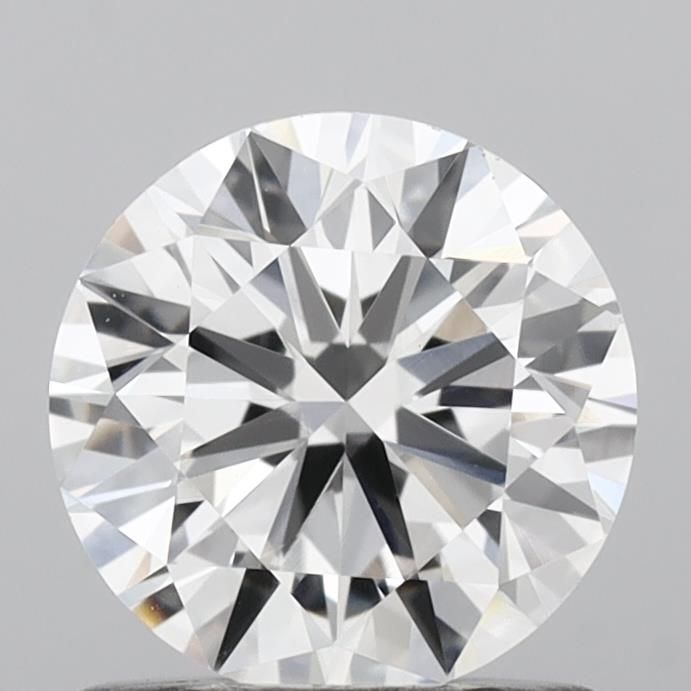
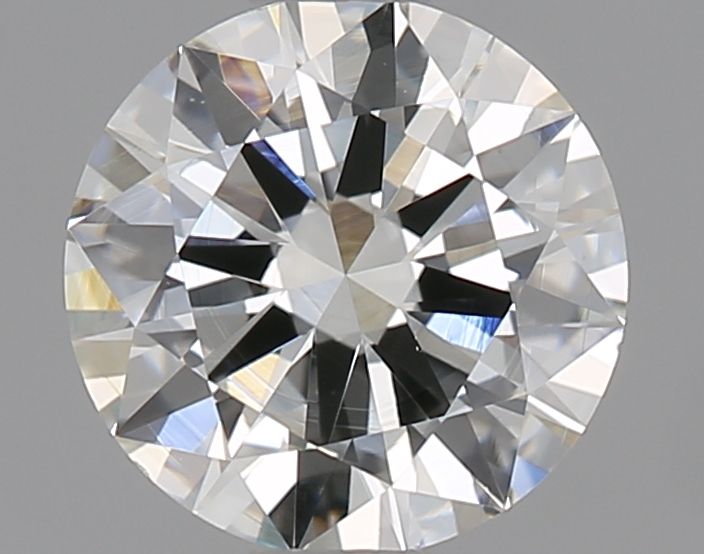
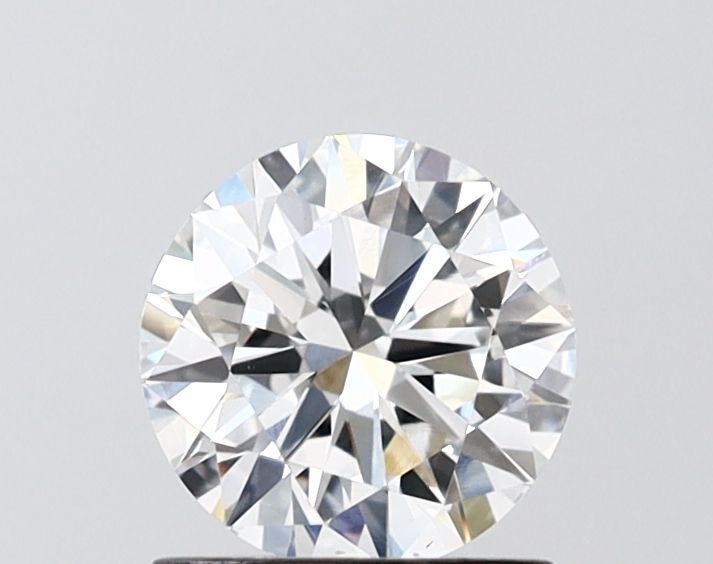
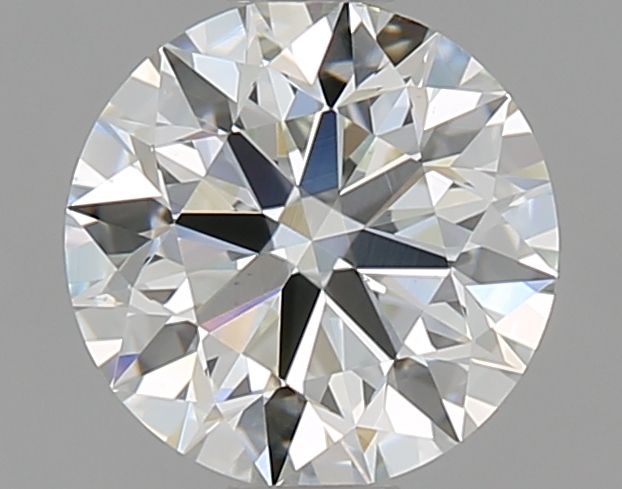
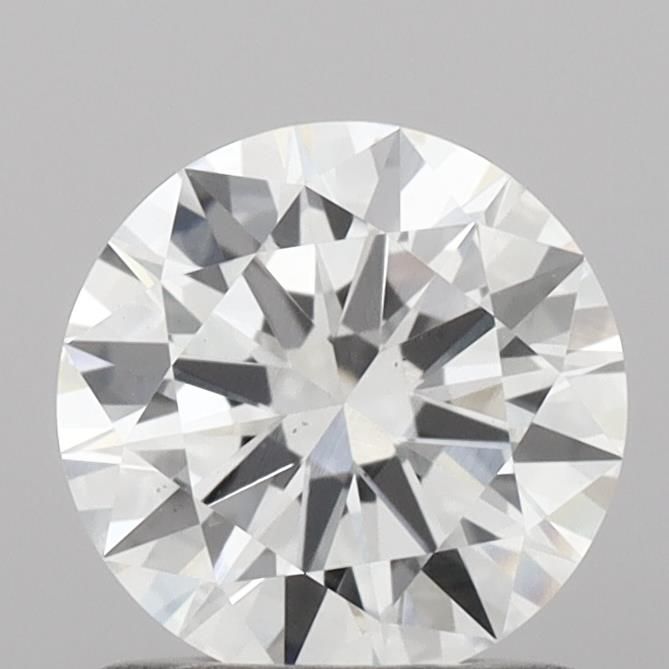
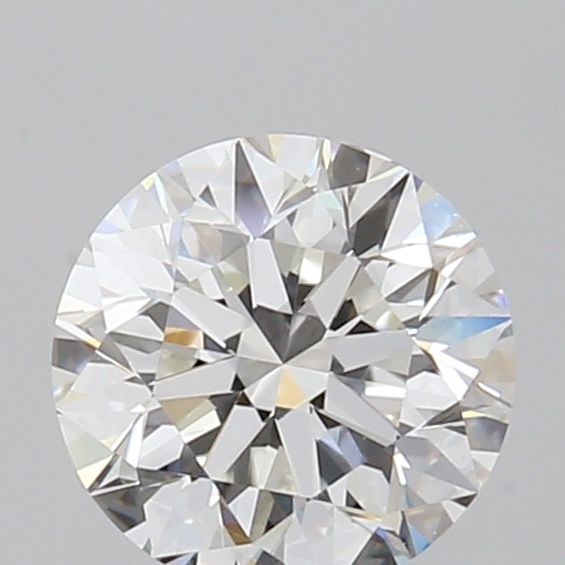
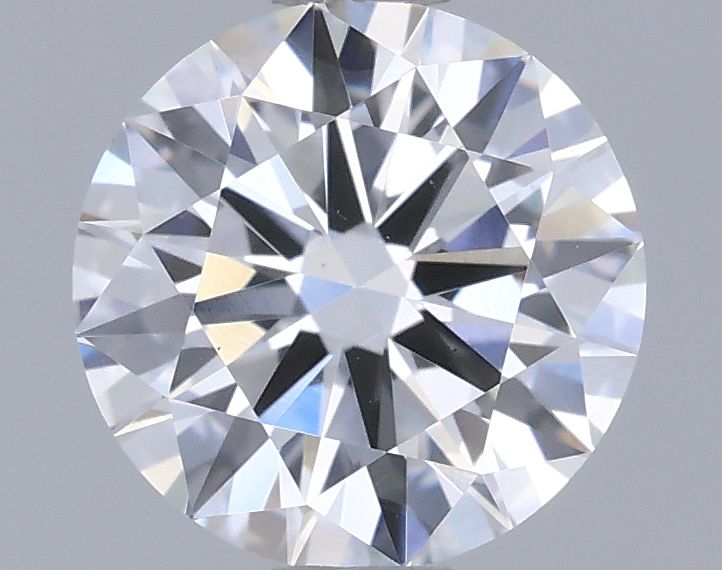
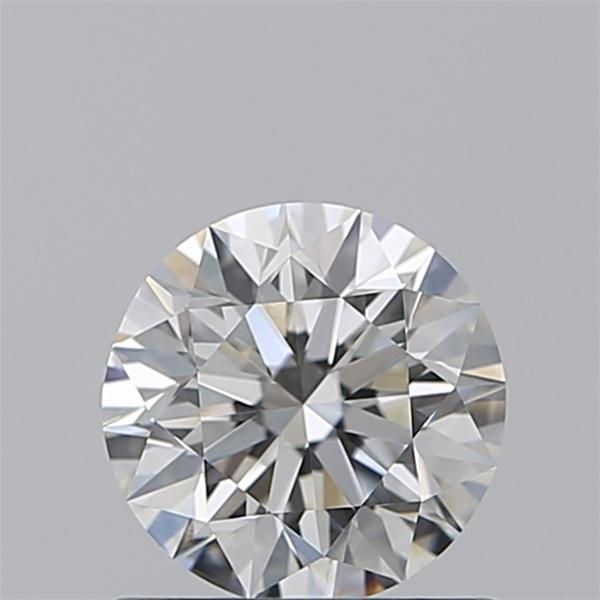
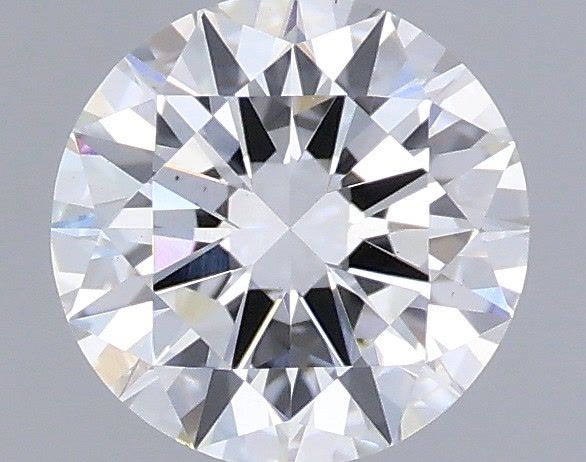
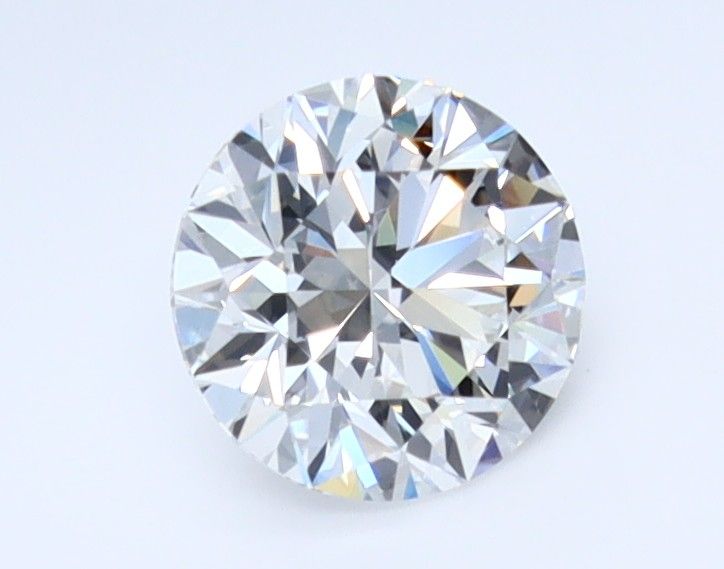
Loose diamonds of both origins, lab-grown and natural, white or in color, all graded by IGI or GIA.

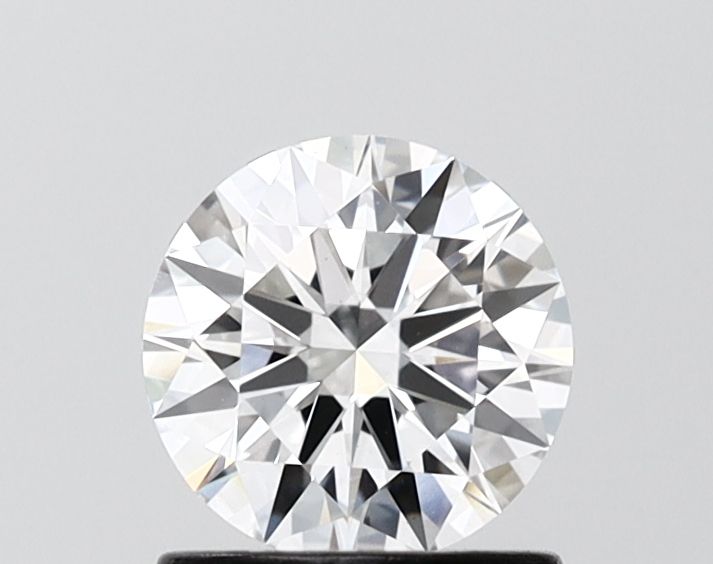
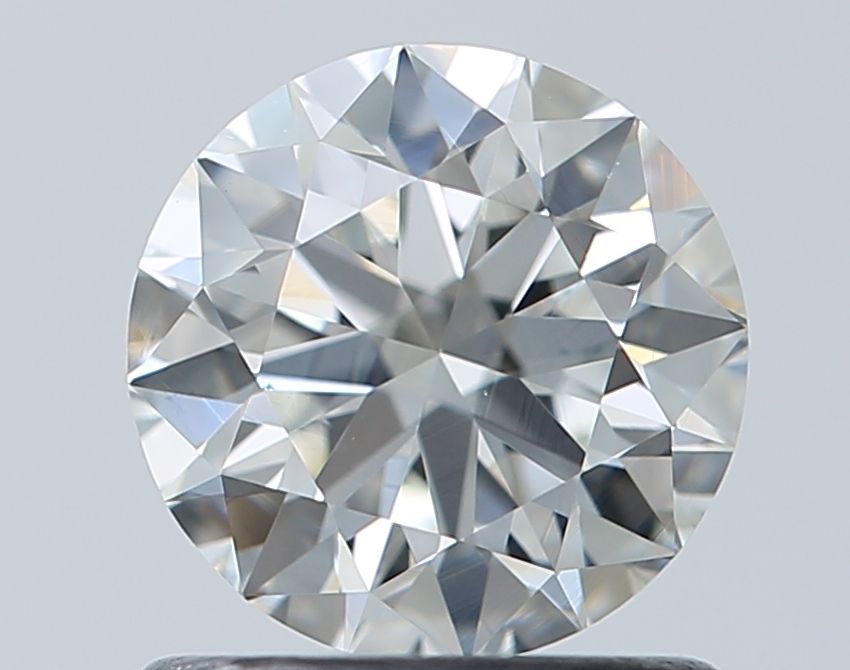
Good to Know
In Brief
Pick the shape you love first, because it changes how large, bright and forgiving a diamond looks. Then choose lab-grown for the most size your budget can buy, or natural for a stone the earth made, and the rarity that comes with it. Put your money into cut and visible size, and stop paying for color and clarity once your eye can no longer see the step up.
Start With the Shape
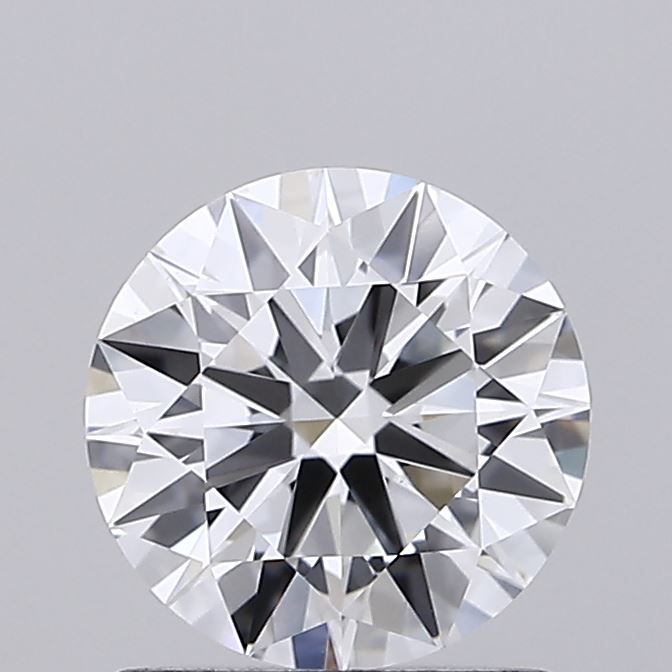
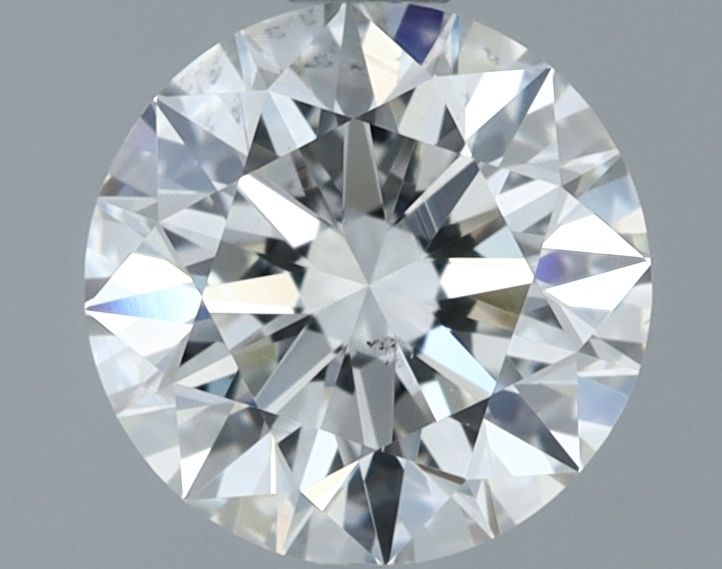
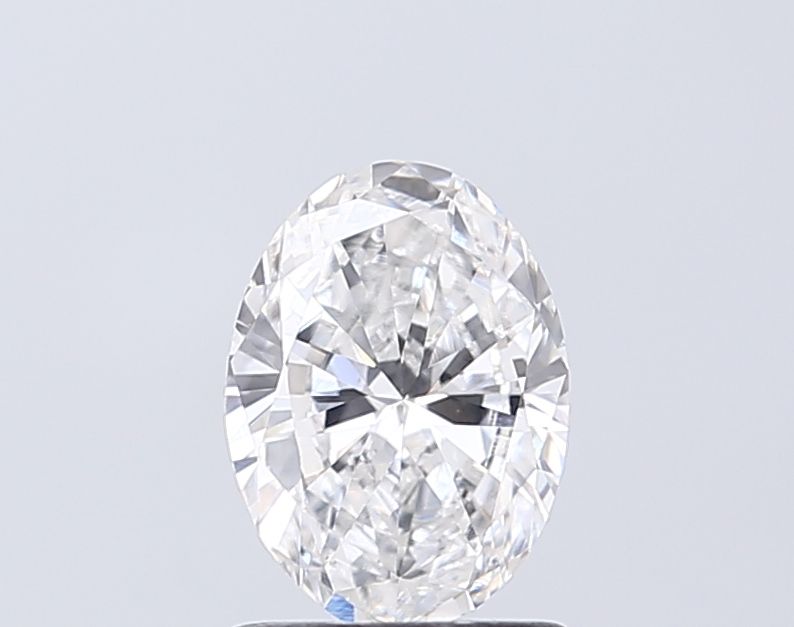
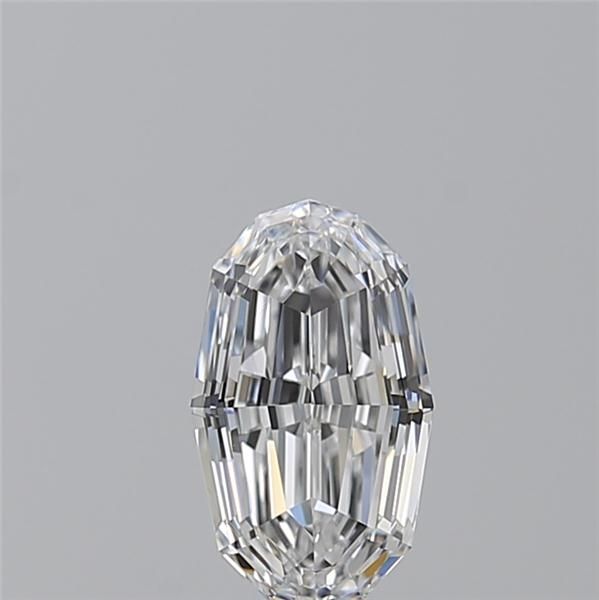
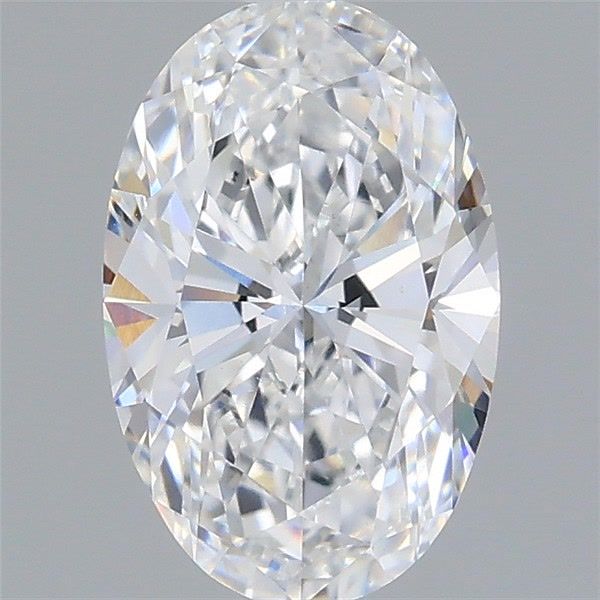
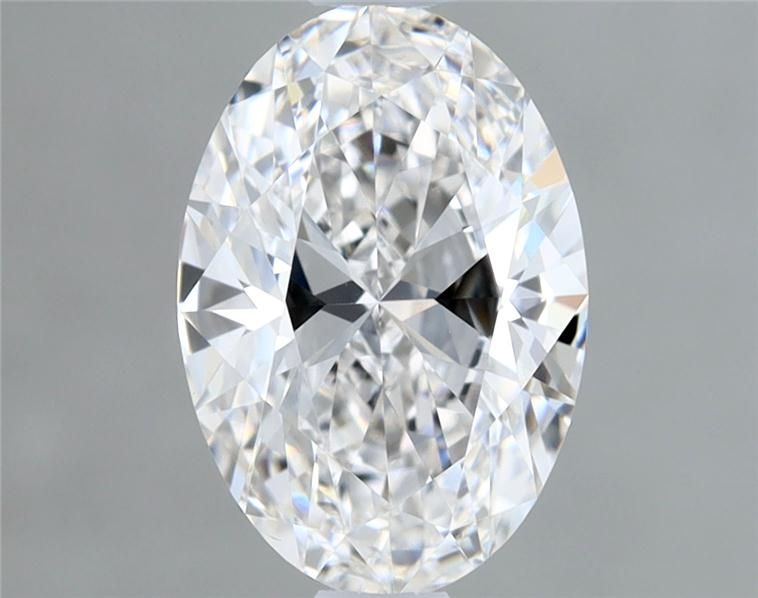
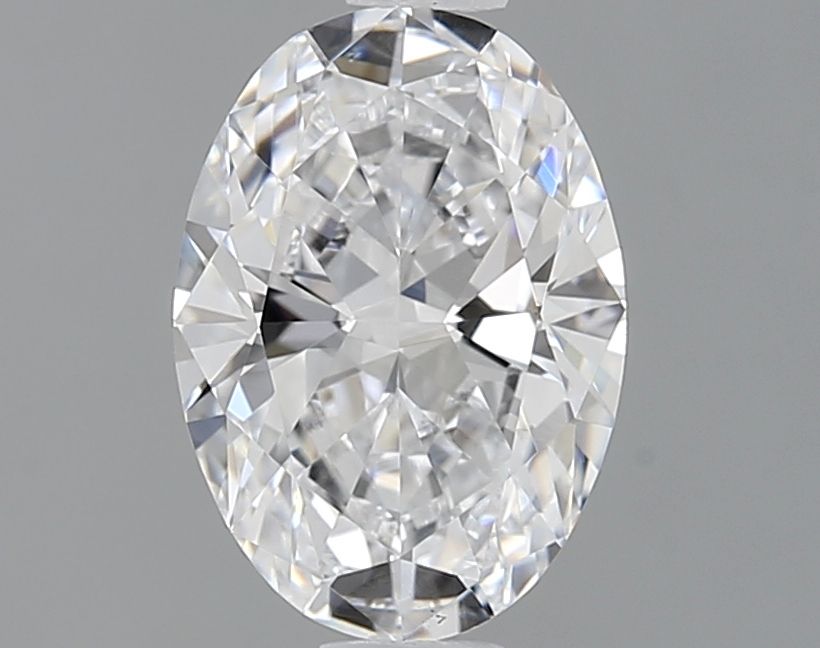
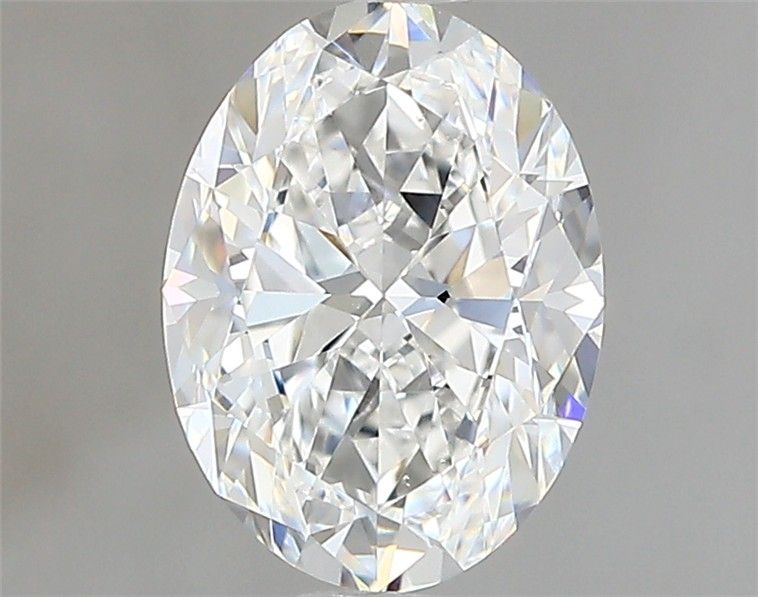
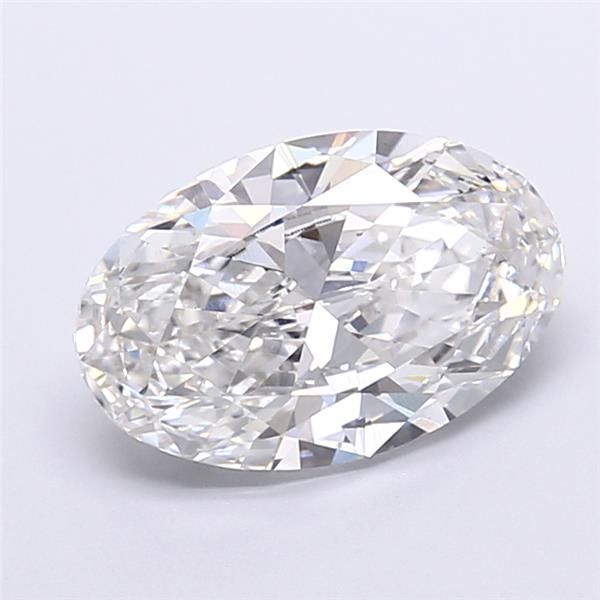
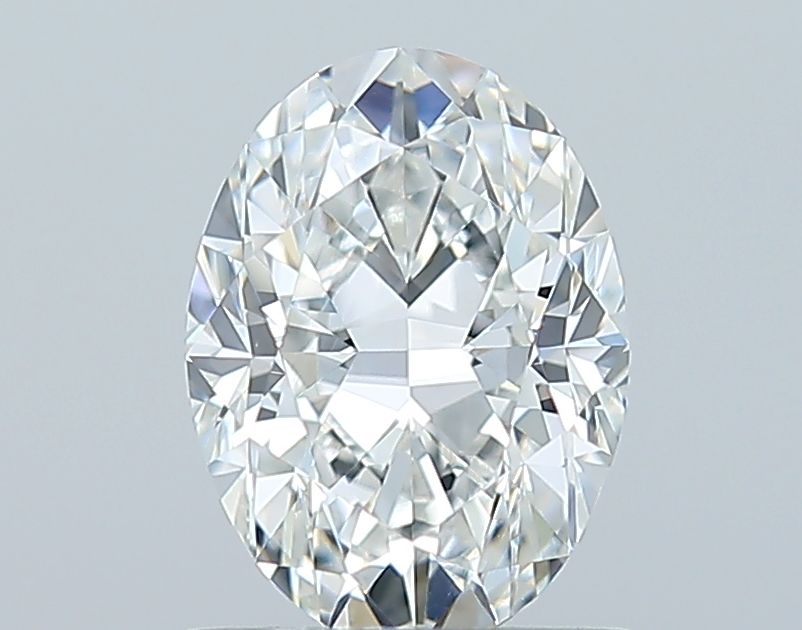
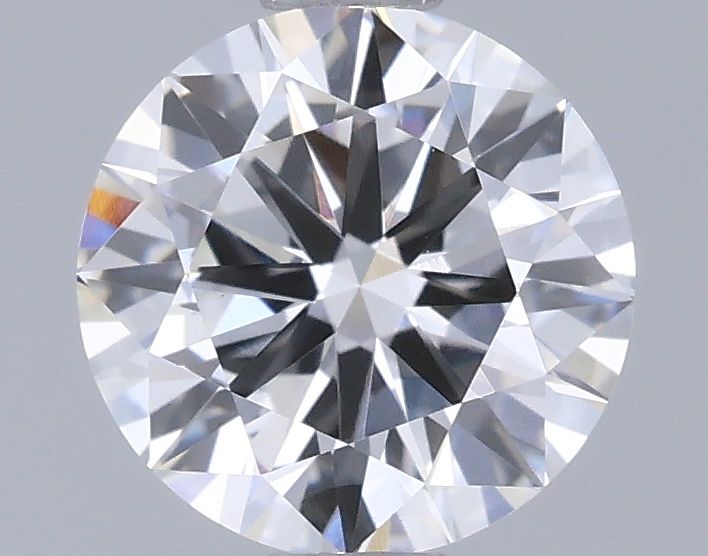
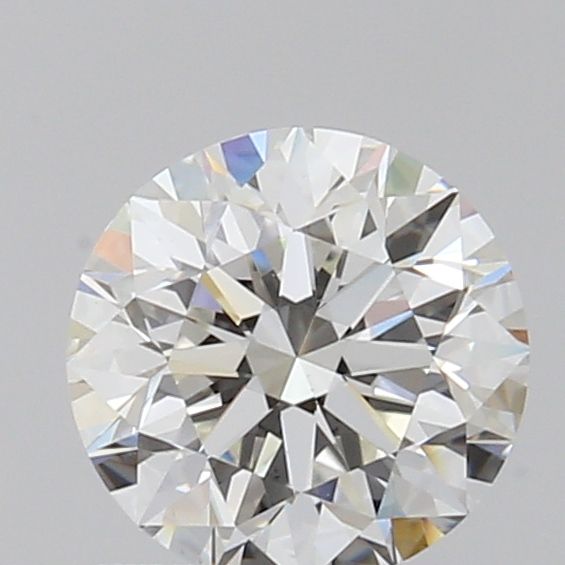
Settle the shape first; each has its own page, so the question here is which family suits you. The round is the benchmark for sparkle, and its graded cut makes rounds the easiest to compare on paper. The oval, pear and marquise draw a brilliant out in length and slim the finger; these three, and the heart, can shade through the middle, so watch them turn on video. The cushion, radiant and princess bring sparkle to a squarer outline and mostly forgive small inclusions; a princess's corners need guarding. Emerald and Asscher step cuts show inclusions and tint plainly, so they call for higher clarity and color grades. How long or slim an outline looks is a matter of ratio.
Lab-Grown, Natural or Colored
Lab-grown and natural diamonds are the same material, carbon crystal of identical hardness and fire, formed in different places. Origin can shift the price further than any grade: lab-grown costs less per carat, so one budget buys more size or higher grades. A natural diamond is rarer, and its price leaps at round weights, so look a fraction under the mark. Each origin's page gives a dated typical price per carat, and the cost of a lab-grown diamond is broken down in the Journal. See the two origins compared and what a lab-grown diamond is.
Colored diamonds exist in both origins; you pay for hue and intensity first, and strong color hides small inclusions, so clarity weighs less than in a white diamond. The report names the color's origin when the lab can establish it, and where black and green lab-grown color comes from traces one route.
Where Your Budget Shows
Spend in this order. Cut first, since it decides how much light comes back; the cut grades explained sets out the scale, and where a fancy shape has no cut grade, the video stands in. Size second, read in millimeters across the top, since two stones of one weight can spread differently; see carat weight. Color third, against your metal: rose and yellow gold forgive a grade or two that white gold or platinum shows, and the color grades that still look white mark the line. Clarity last, and only as far as eye-clean; the eye-clean clarity chart shows where that falls. Read about fluorescence before ruling it out: in natural diamonds, medium or strong blue often trims the price and mostly goes unseen by daylight.
Real Diamonds and the Report
Every diamond sold here carries an IGI or GIA report, the plainest proof of what you are buying: it confirms the stone is diamond, says whether it grew in a lab or in the earth, and lists any treatment the lab found. Whichever origin you pick, the stone is diamond through and through; look-alikes are other materials, and no home test settles a doubt the way a report or a gemologist's instruments can. See how to tell if a diamond is real, diamond against moissanite and cubic zirconia, reading a grading report and how GIA and IGI grade.
Buying a Loose Diamond Online
Buying loose puts the exact diamond, its report, and its video where there is one, in front of you before anything is made. Most loose diamonds can come back: start the return from your account within 14 days of delivery. A stone marked Final sale on its page is the exception, and the returns policy sets out the restocking fee.
We are based in New York and sell only online; our 45 Rockefeller Plaza office is not open to visitors, and our concierge helps instead by chat, email or phone. Each diamond ships insured, with a signature required on delivery, and US customers owe no import duty on arrival, because we pay it.
Three Ways Into Loose Diamonds
| Lab-Grown | Natural | Colored | |
|---|---|---|---|
| How it formed | Grown above ground over a few weeks | Deep in the earth, over immense spans of time | Either origin, with the color's source on the report when the lab can establish it |
| What sets the price | Cut, size and grades, for less per carat than natural | Rarity and size, with price steps at round weights | Hue and intensity first, clarity less than in white |
| Spend first on | Cut, then size | Cut, then a weight just under a round number | Color you can see, not the grade's name |
| Choose it if | You want the most size and sparkle for the budget | You want a stone the earth made | You want color more than white sparkle |
Explore More
- Round Diamonds
- Oval Diamonds
- Emerald-Cut Diamonds
- Cushion-Cut Diamonds
- Pear Diamonds
- Radiant-Cut Diamonds
- Princess-Cut Diamonds
- Marquise Diamonds
- Asscher-Cut Diamonds
- Heart-Shaped Diamonds
- Lab-Grown Diamonds
- Natural Diamonds
- Colored Diamonds
- 1 Carat Lab-Grown Diamonds
- 1.5 Carat Lab-Grown Diamonds
- 2 Carat Lab-Grown Diamonds
- 2.5 Carat Lab-Grown Diamonds
- 3 Carat Lab-Grown Diamonds
- 4 Carat Lab-Grown Diamonds
- 5 Carat Lab-Grown Diamonds
- Gemstones
- Diamond Education
Questions
Do your loose diamonds come with a certificate?
Yes. Each loose diamond here has a grading report from IGI or GIA, which is what most people mean by a certificate. The listing gives the lab's name and grades, and links the report itself when the supplier makes it available. The report sets out the weight, dimensions and grades, states the origin, lab-grown or natural, and notes any treatment the lab detected. Read it before you decide.
Can I return a loose diamond?
Yes, unless its page marks it Final sale. Start the return in your account within 14 days of delivery, then send the stone within the next 14 days, in its original packaging with its grading report, using the insured returns label we provide. A restocking fee may come off the refund, but none applies if the diamond is faulty or not as described, the only grounds for returning one already set in a made-to-order ring.
How can you tell if a diamond is real?
The surest answer is a grading report from IGI or GIA, matched to the stone by the report number laser-inscribed on its girdle where it carries one. Home tricks, such as breathing on the stone, prove little. Pocket testers help a jeweler screen out moissanite but can misread some blue diamonds, so the report and a gemologist's instruments are what settle it. Telling lab-grown from natural takes specialist instruments too, which is why the report states the origin.
What is a poor man's diamond?
A nickname for clear stones bought as cheaper alternatives to diamond. Moissanite, which is silicon carbide, is nearly as hard as diamond and flashes more rainbow color. Cubic zirconia, a man-made zirconium oxide, is far softer and scuffs and clouds with wear. White sapphire is a gem in its own right, colorless corundum, with a gentler, glassier sparkle than diamond. None is sold here as a diamond. Lab-grown diamond, by contrast, is no look-alike but diamond itself.
Which diamond shape looks biggest for its carat weight?
Shapes drawn out in length spread their weight across the top. A marquise usually looks the largest for its weight, then the oval and the pear, and all three show more surface for their weight than a round. Squarer shapes often cut with depth, such as the Asscher, cushion and princess, tend to look smaller. Depth differs from stone to stone, so set the millimeter measurements of two listings side by side rather than trusting the carat figure.