Pear Diamonds
Pear-shaped diamonds, lab-grown and natural, in colors from D to M, each graded by IGI or GIA, with its report, video and price in your currency on its own page.

- Over 120,000 Available
- From $174
- IGI and GIA Reports
- Free Insured Delivery Over $100
Good to Know
In Brief
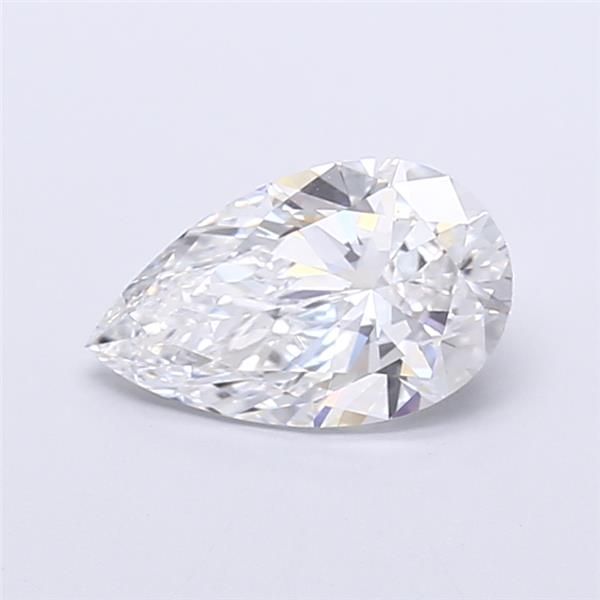
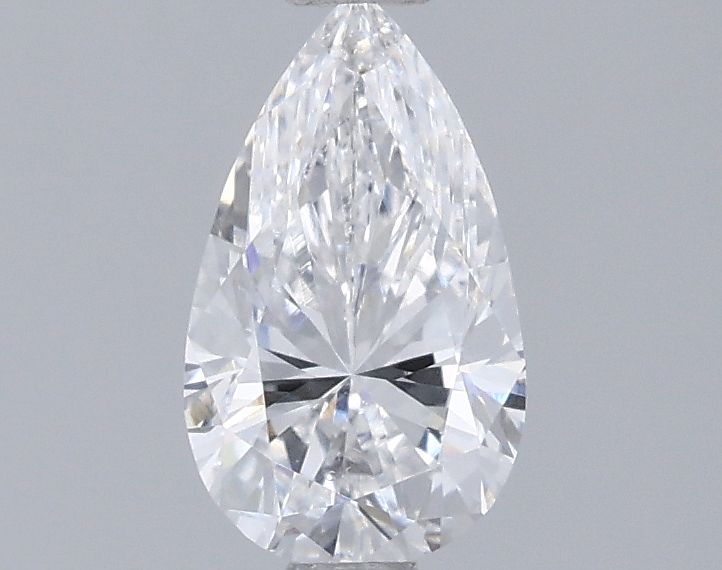
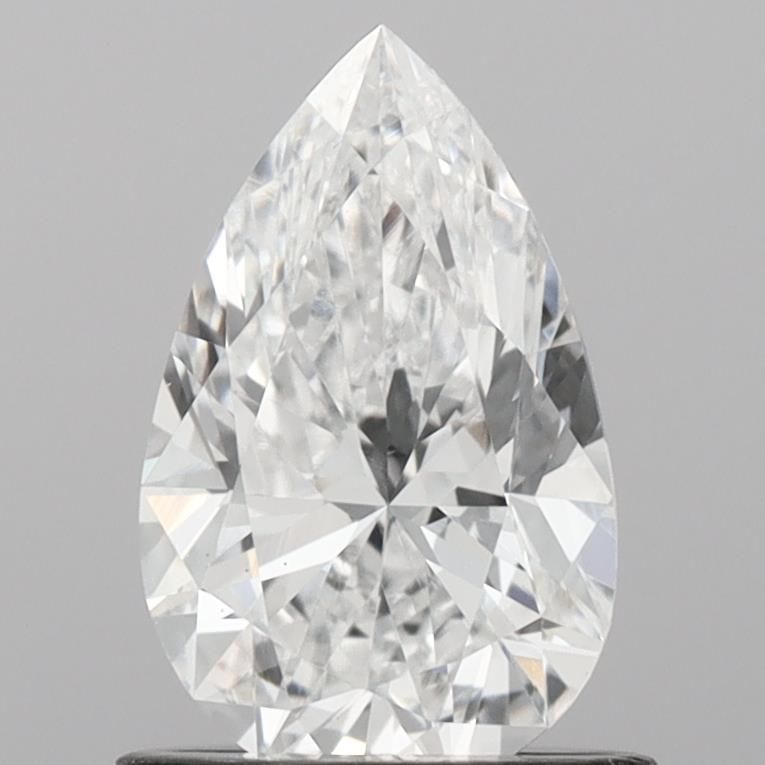
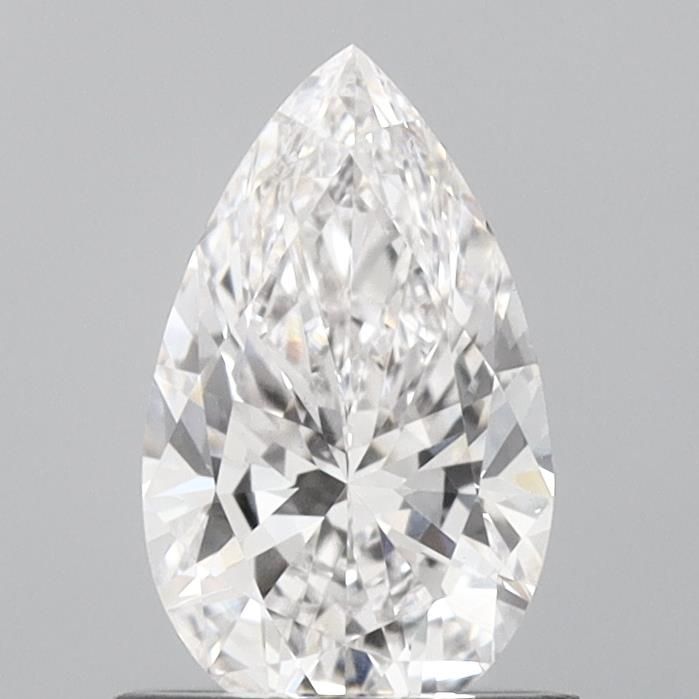
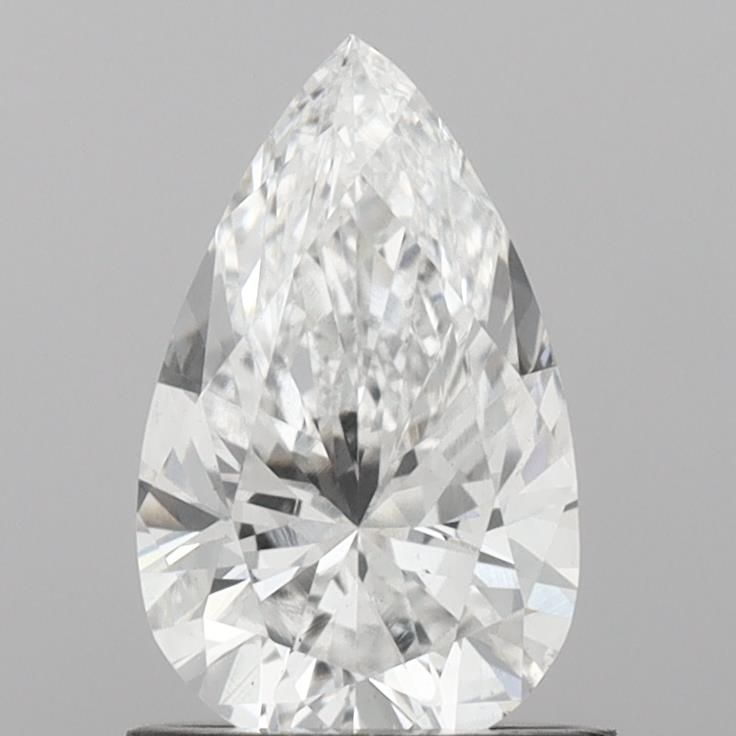
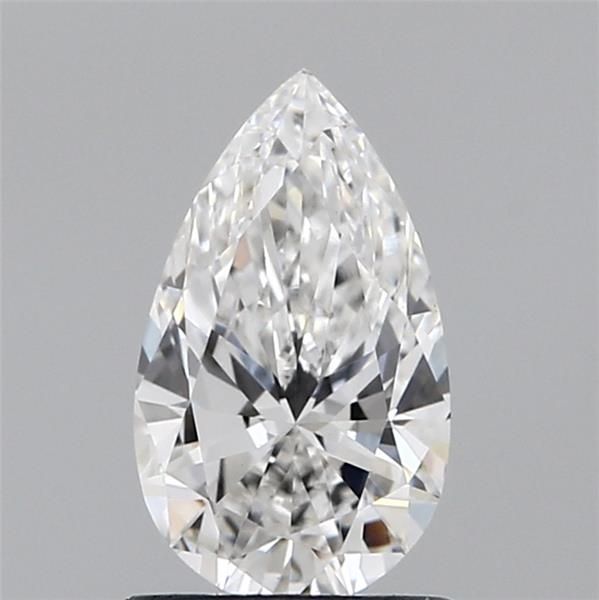
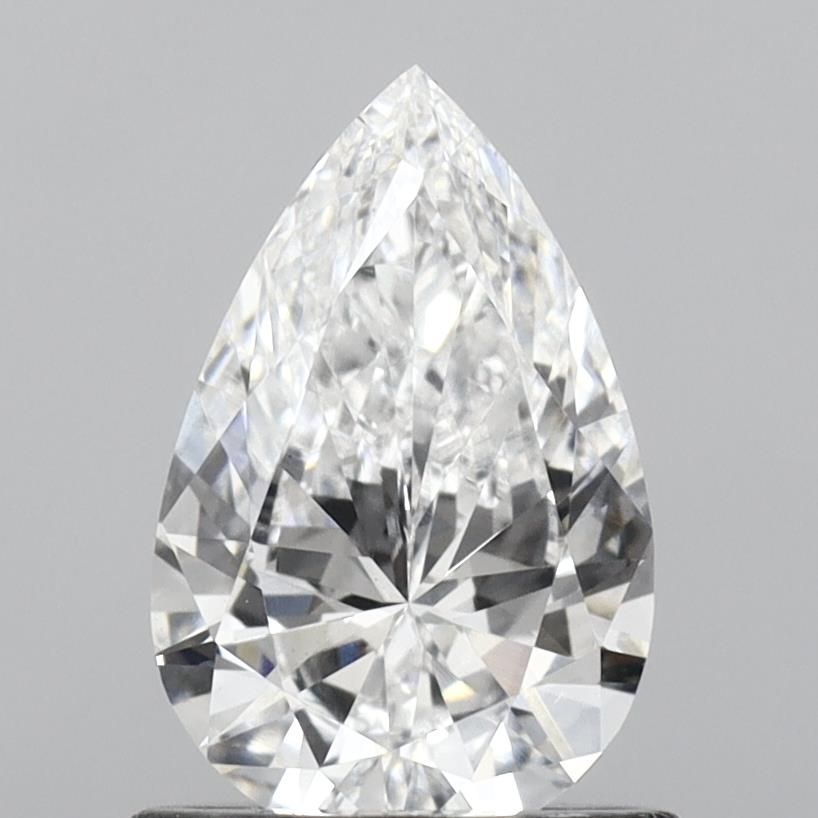
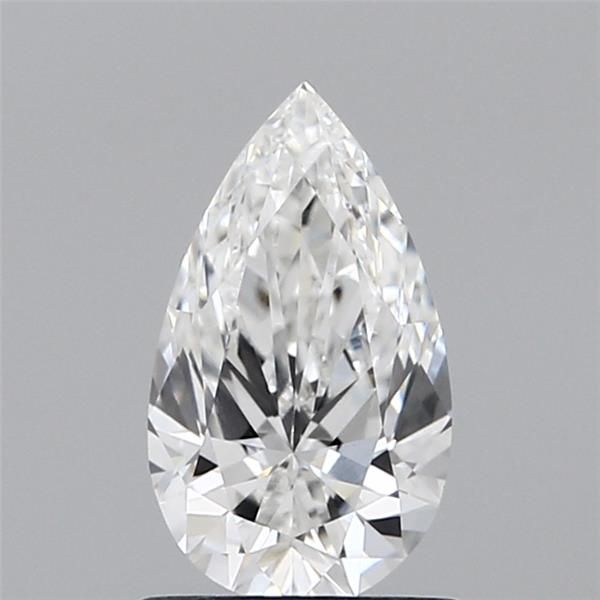
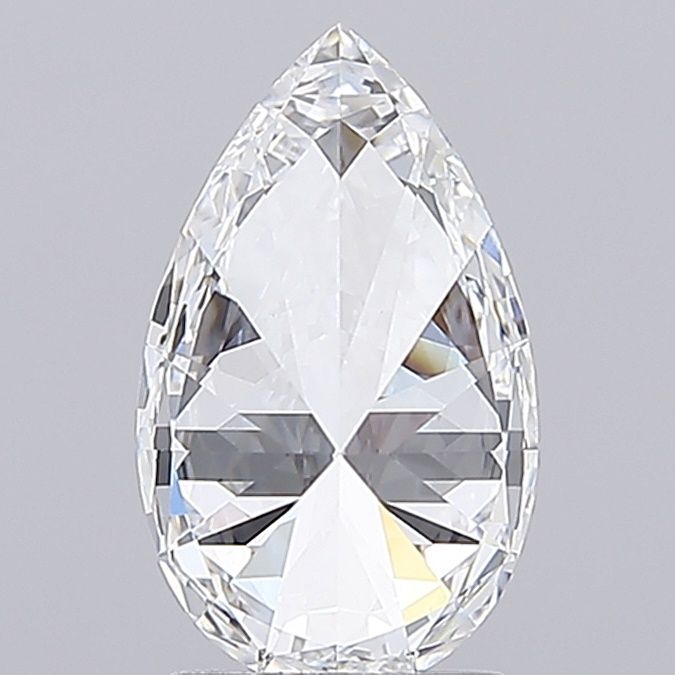
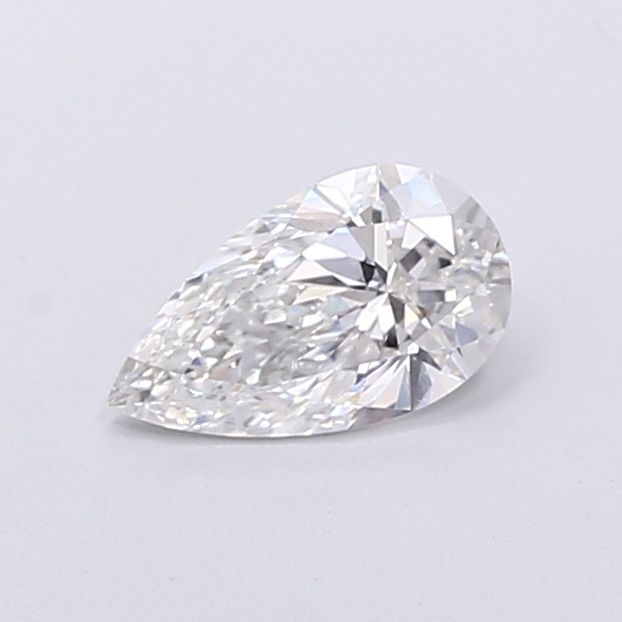
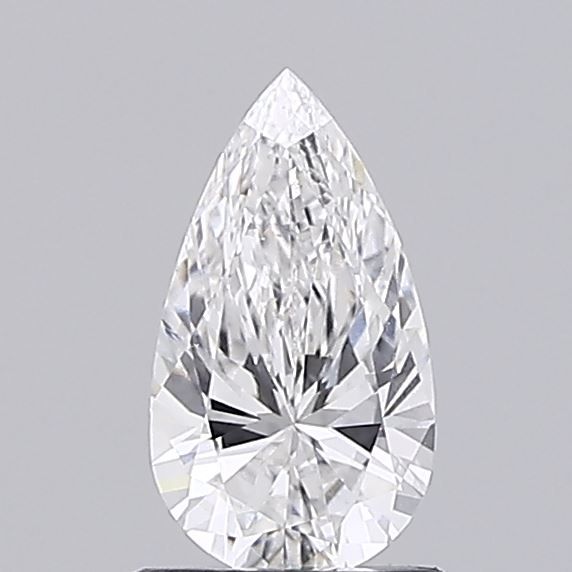
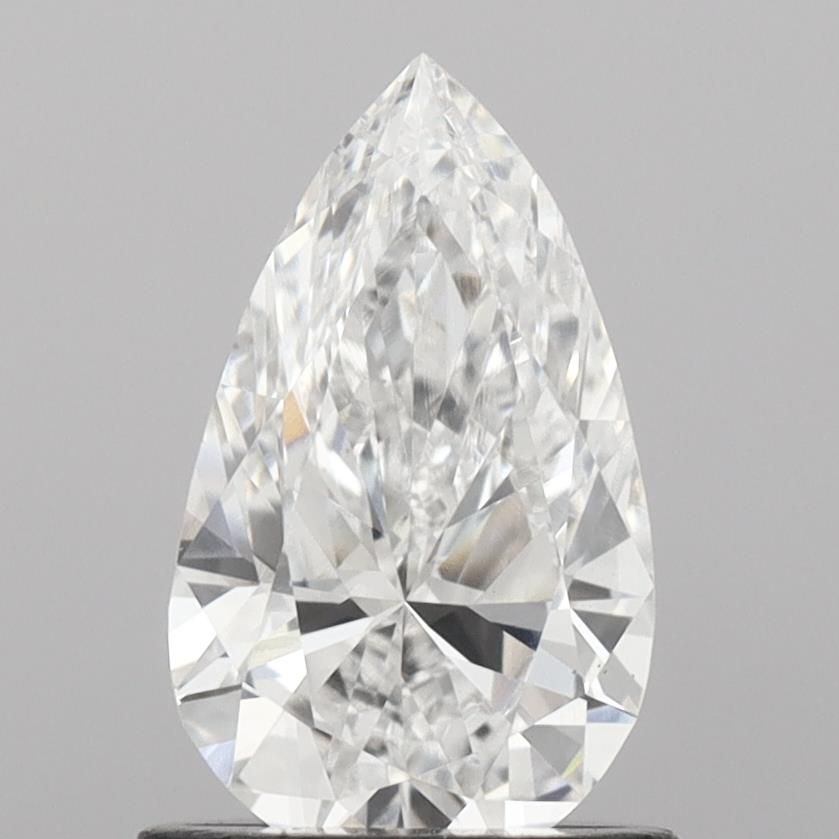
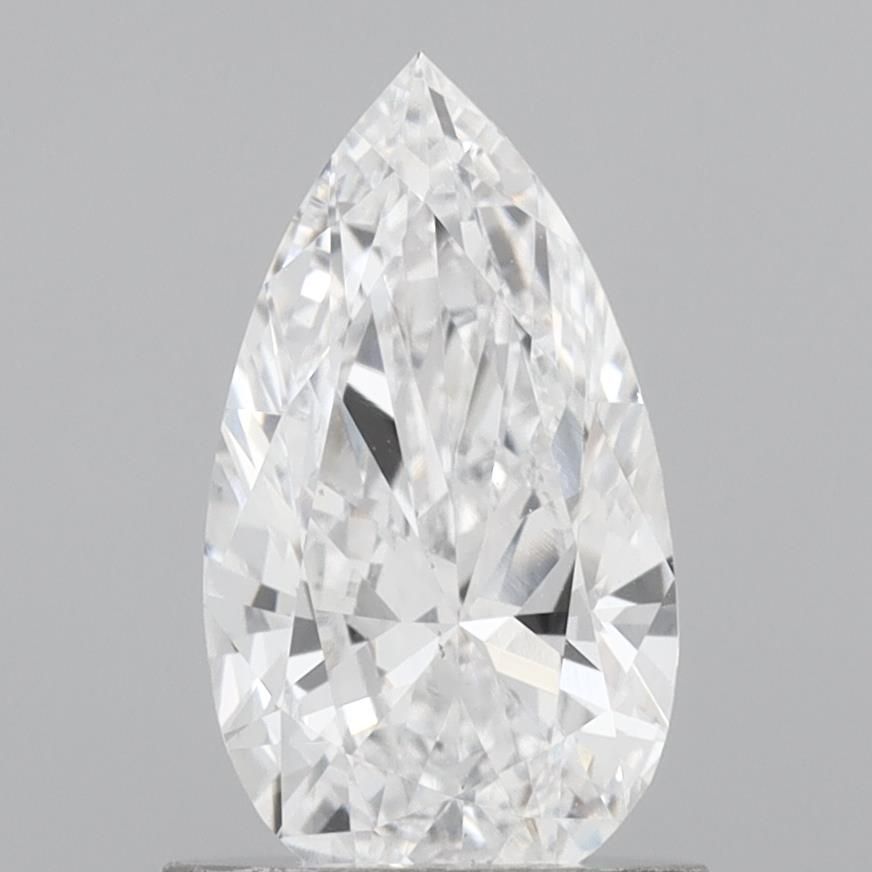
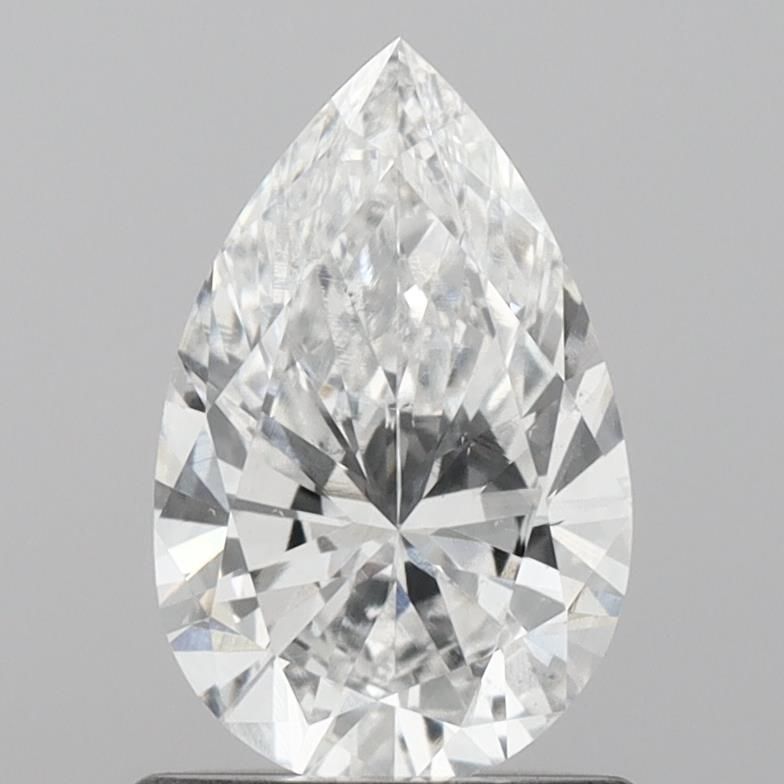
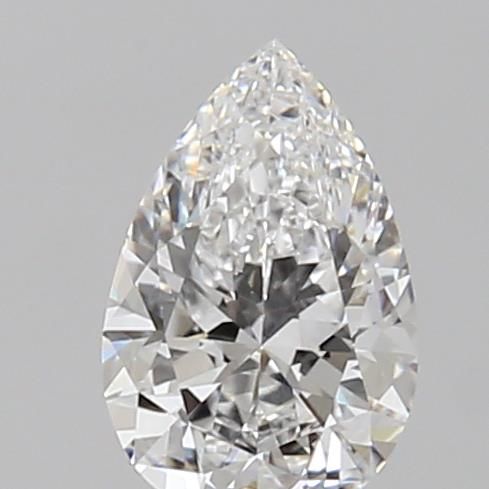
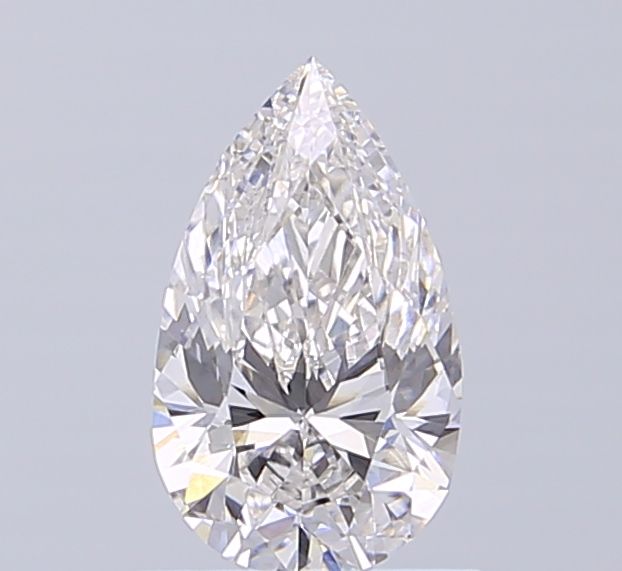
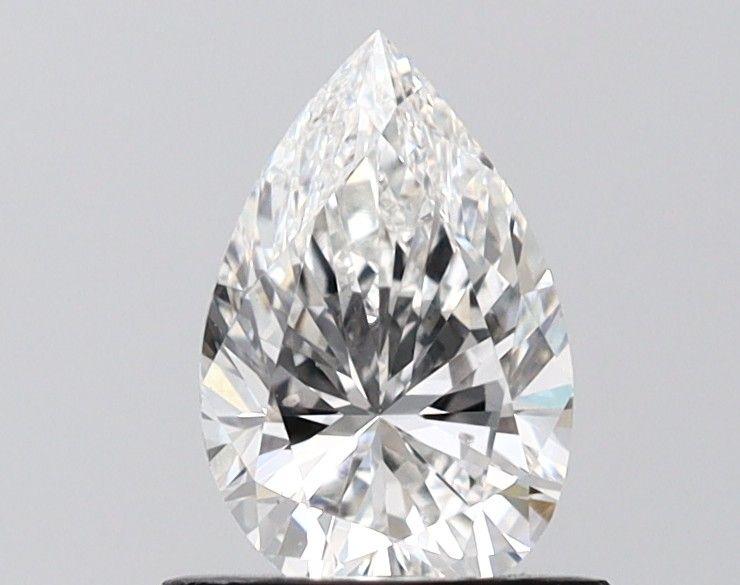
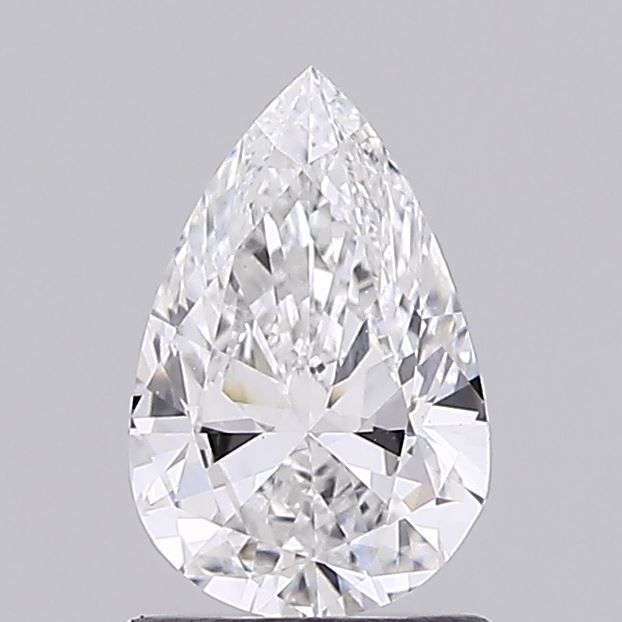
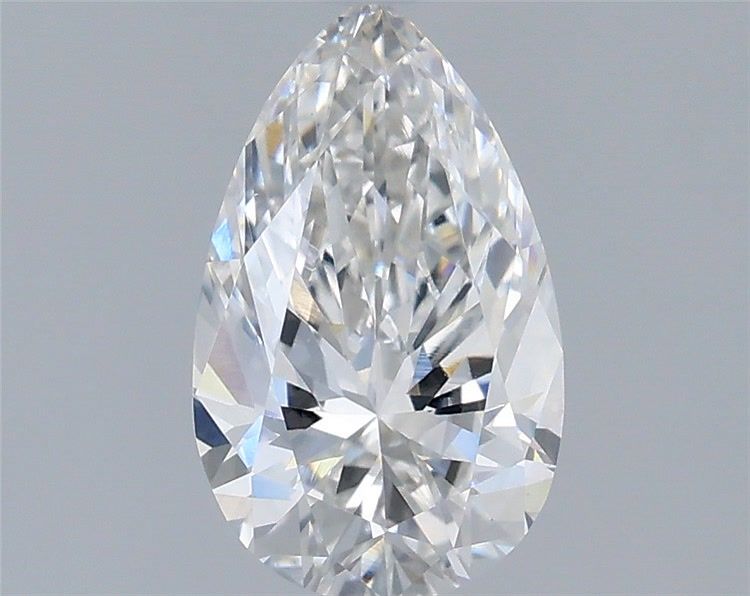
Choose a pear by its outline before its grades: even shoulders, a rounded top, a point in line with the center and no more than a faint bow-tie in the video. Then look hard at the tip, where an inclusion or a hint of color shows first and where a knock can chip it, and have it set with a V-prong. A well-shaped G or H pear at VS2 or SI1 will look better on the hand than a lopsided D at VVS1.
Shoulders, Belly and Point
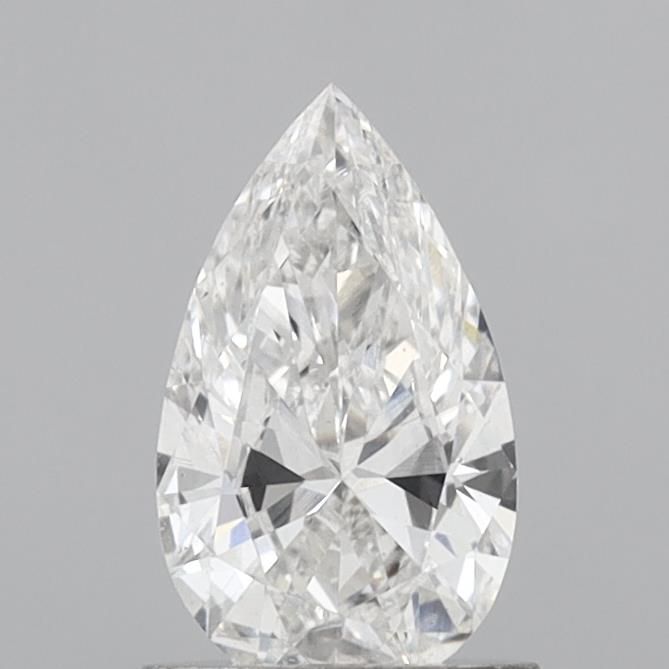
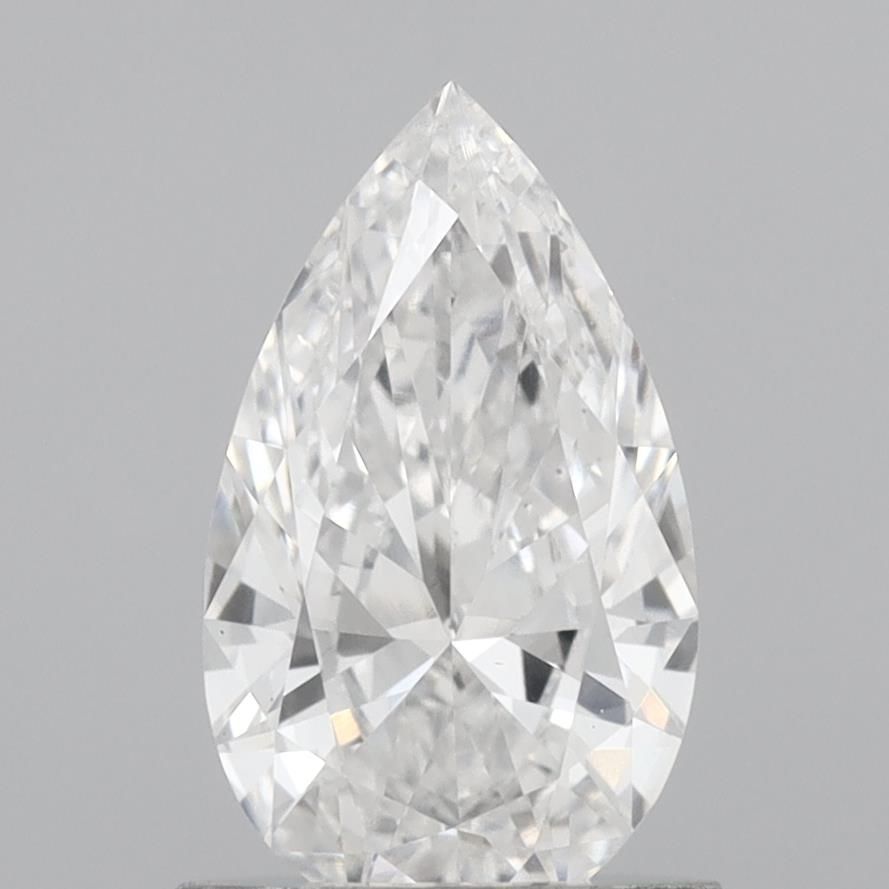
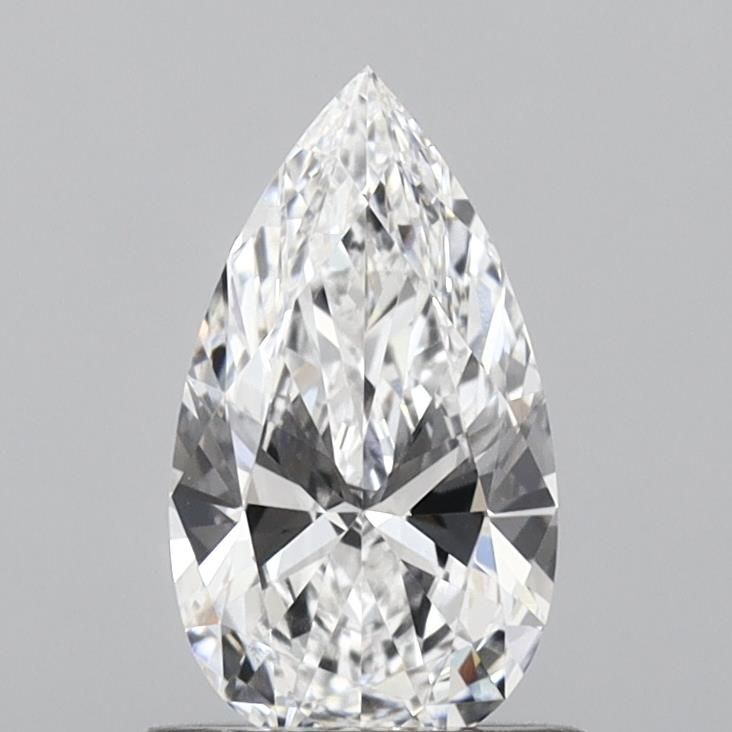
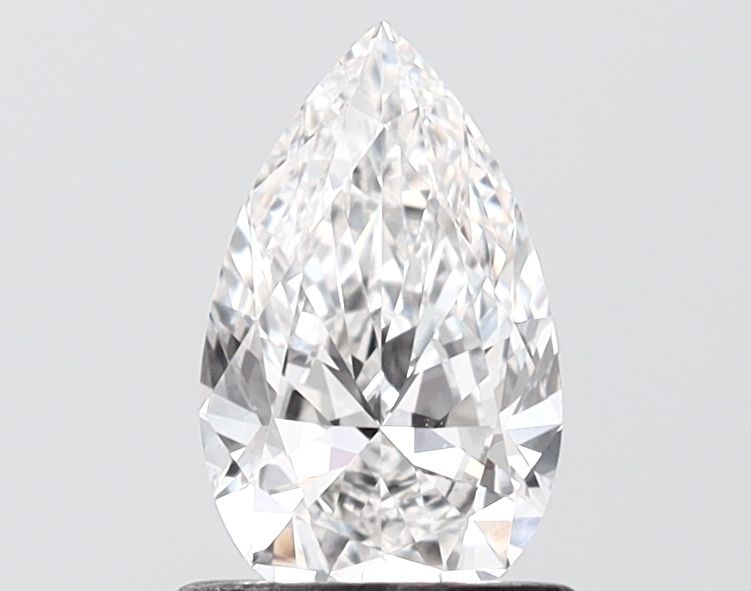
A pear is a brilliant cut with one rounded end and one point, and people notice its outline long before anything on its report. Look for shoulders that curve evenly from the widest part down to the tip: flat ones make the stone look thin and angular, bulging ones make it look stubby. The belly, the full rounded end, should be close to a half circle, and the point should sit on the line that runs through the middle of that curve. Imagine that line on a still from the video and check that the two halves mirror each other.
This is where your money does the most. GIA gives a pear no cut grade, only polish and symmetry, and even where an IGI report adds one, a graceful outline is yours to find. Pay for the outline anyone can see across a table before you pay for a step up in color or clarity that is hard to see once the stone is set.
A Pear's Ratio, From Slim to Plump
Divide the length by the width, both given in the report's measurements, for the length-to-width ratio. Most people like a pear between about 1.50 and 1.75. Below that it looks short and broad across the shoulders; above it the stone turns slender and the point grows finer and more delicate. Neither is wrong if it is what you like, and a slimmer pear looks longer on the finger. Our notes on length-to-width ratio and how it changes a shape go further.
Because it is elongated, a pear faces up larger than a round of the same weight, and it usually costs less per carat for the same grades. Prices also step up at the whole and half carat marks, and a pear of 0.90 or 1.40 carats is hard to tell on the hand from one of 1.00 or 1.50, so shopping just below those lines is an easy way to spend less.
The Dark Band Across the Middle
Most pears show a bow-tie: a darker band running across the stone's width, near its middle, where light leaks out through the back instead of returning to your eye. A faint one that shifts as the stone moves adds contrast and is nothing to worry about. A wide, inky one that stays put is the main thing to avoid in a pear. The report does not record it, so judge it in the video, side by side with two or three pears of a similar ratio.
Protecting the Tip
A pear tapers to a fine edge at its tip, and that is where a knock is most likely to chip it; an inclusion at or near the point, above all one that reaches the surface, weakens it further. Check the point first in the video. An inclusion out near the edge of the rounded end, where a prong may hide it, is a far better place for one, and our guide to which clarity grades look clean to the eye shows how low you can go. A pear also holds a little more color than a round, mostly at the tip, so judge the color at the point in the video rather than paying a grade higher to be safe: a G or H pear that looks white at its tip on screen should look white in white gold or platinum, and in yellow or rose gold you can go lower still.
In the ring, a V-shaped prong over the point or a bezel around the edge shields the tip. A single round prong at the tip protects it less well.
Point Up or Point Down
Most pears are worn with the point toward the fingertip, which leads the eye along the finger and can make it look longer and slimmer. Jewelers call that either up or down, depending on how they picture the hand, so fingertip or wrist is clearer. Turned toward the wrist, a pear looks softer and less expected, and some people set it sideways across the finger. On a pendant or a drop earring it usually hangs as a teardrop, held at the point with the rounded end at the bottom.
Prices From Our Catalog
| Carat Weight | Median Price per Carat | Stones Counted |
|---|---|---|
| 0.30-0.49 ct | $747 | 8,718 |
| 0.50-0.74 ct | $1,942 | 16,590 |
| 0.75-0.99 ct | $573 | 6,850 |
| 1.00-1.49 ct | $404 | 26,618 |
| 1.50-1.99 ct | $319 | 19,603 |
| 2.00-2.49 ct | $335 | 13,481 |
| 2.50-2.99 ct | $286 | 6,968 |
| 3.00-3.99 ct | $284 | 15,665 |
| 4.00-4.99 ct | $296 | 4,021 |
| 5.00 ct and up | $269 | 10,549 |
The median price per carat of the pear diamonds on sale here in each band, in US dollars, as of November 2, 2026. The grid shows each stone’s own price in your currency.
How a Pear Compares With an Oval and a Marquise
| Pear | Oval | Marquise | |
|---|---|---|---|
| Length-to-width most people like | About 1.50 to 1.75 | About 1.30 to 1.50 | About 1.75 to 2.25 |
| Bow-tie | Common, across the widest part | Common, across the center | Common, across the center |
| Points to protect | One | None | Two |
| Where color shows | Mostly at the point | At both ends | At both points |
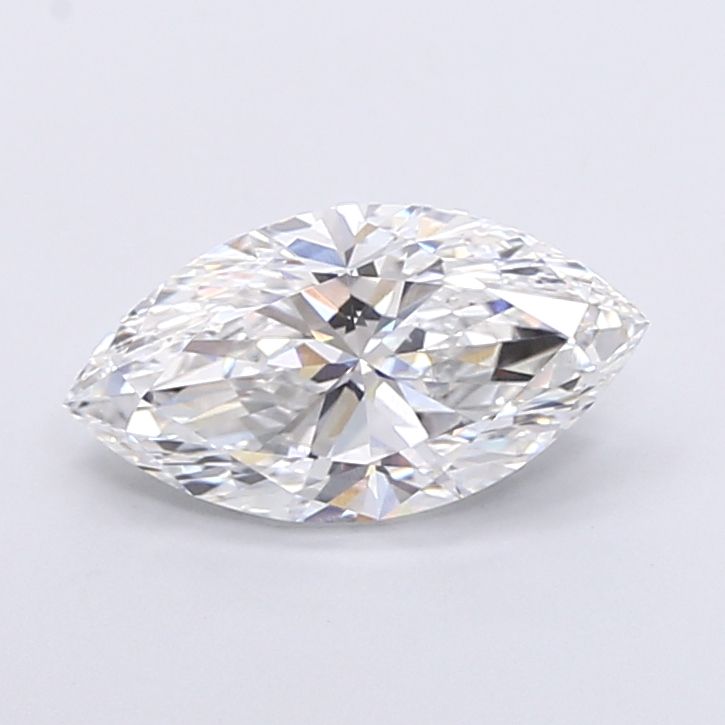
| Looks for its weight | Larger than a round | Larger than a round | Larger still, the most spread of the three |
| Where an inclusion matters most | At or near the point | Near the center, where the eye lands | At either point |
Questions
How much is a 1 carat pear-shaped diamond here?
Origin moves it most, since a lab-grown pear costs far less than a natural one, and then color, clarity and outline, so two 1 carat pears can be far apart. Set the carat filter to 1.00 to 1.10 and choose lab-grown or natural, then sort by price. A well-shaped pear at G or H and VS2 is usually where the value lies, ahead of a top grade with a clumsy outline.
How do I choose a pear diamond?
Start with the outline in the video: shoulders that curve evenly, a rounded end close to a half circle and a point in line with the middle. Pick a ratio you like, most people settle between about 1.50 and 1.75, and pass on any pear with a dark bow-tie or an inclusion near the tip. Only then compare color and clarity, taking the lowest grades that look white and clean to you.
Is a pear the least expensive diamond shape?
Not always, but per carat it is usually priced below a round with matching grades: more people want rounds, and cutting one leaves less of the rough crystal. A pear also faces up larger for its weight. Among the fancy shapes, prices shift with demand and grades, so set the same carat and grades on each shape's page and compare the prices there rather than going by name.
What cut is a teardrop diamond?
A teardrop diamond is a pear: the two names describe one shape, rounded at one end and pointed at the other. It is a brilliant cut, its facets arranged to scatter light much as a round's do, and a GIA report usually calls it a pear modified brilliant. The measurements on the report give its length and width, which tell you how slim or plump it is.
Do pear diamonds chip easily?
The tip can, if it is left bare. A pear comes to its finest edge there, and a hard knock at the wrong angle can take a chip out of even the hardest gem. An inclusion that reaches the surface near the point adds to the risk, so pass on a stone with one there, and have the point covered by a V-shaped prong or a bezel so the metal takes the knock instead.