
Green Sapphires
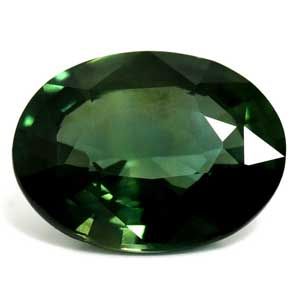
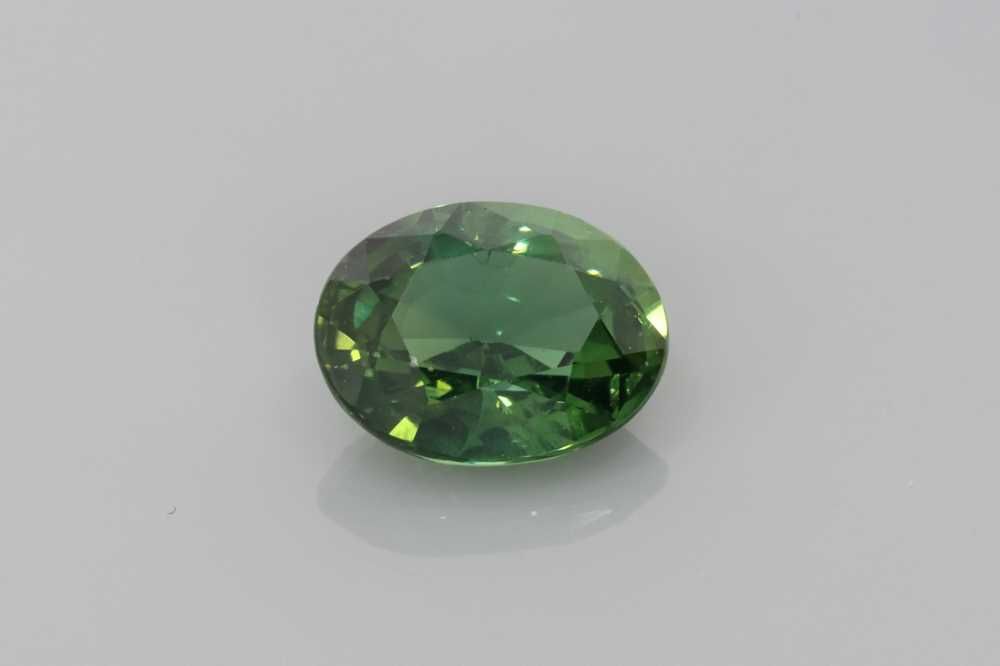
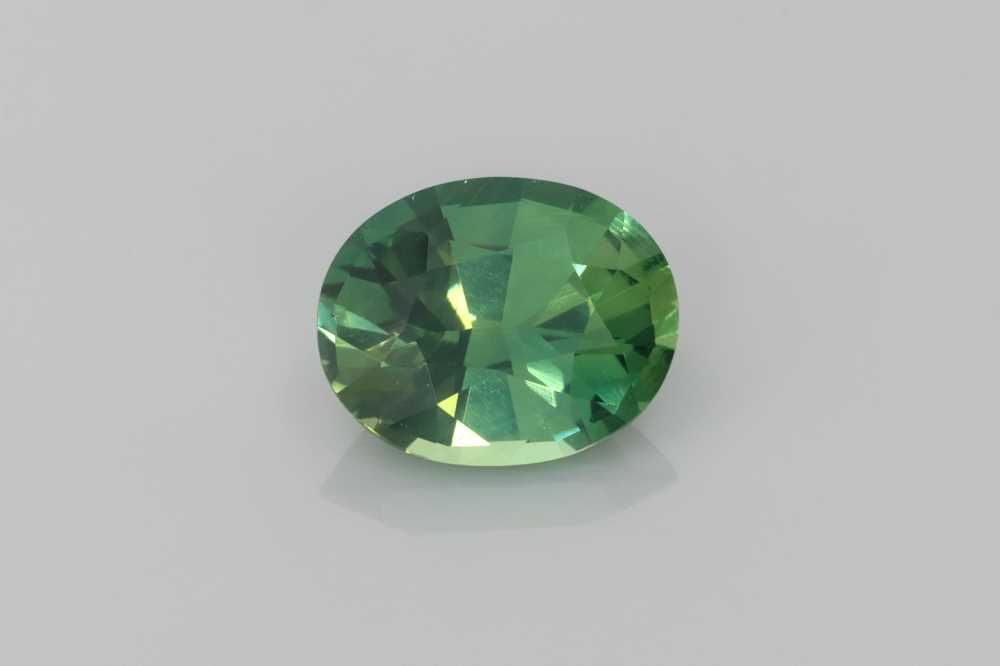
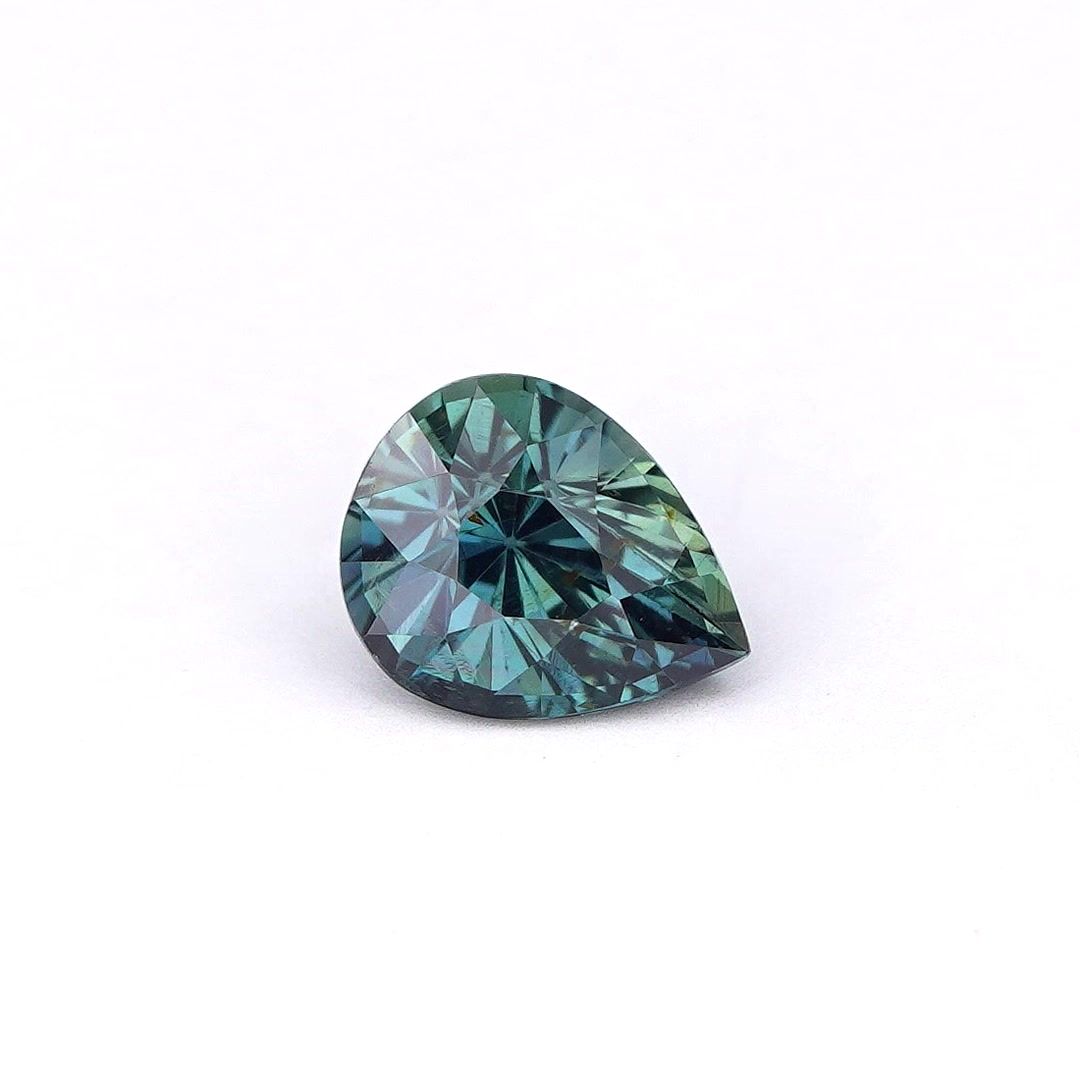
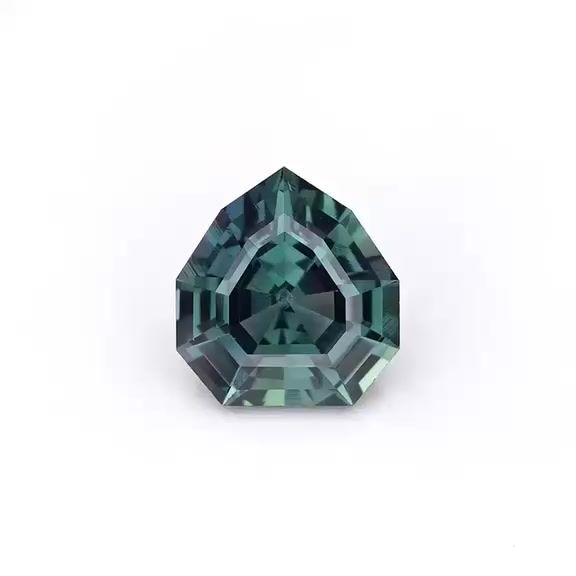
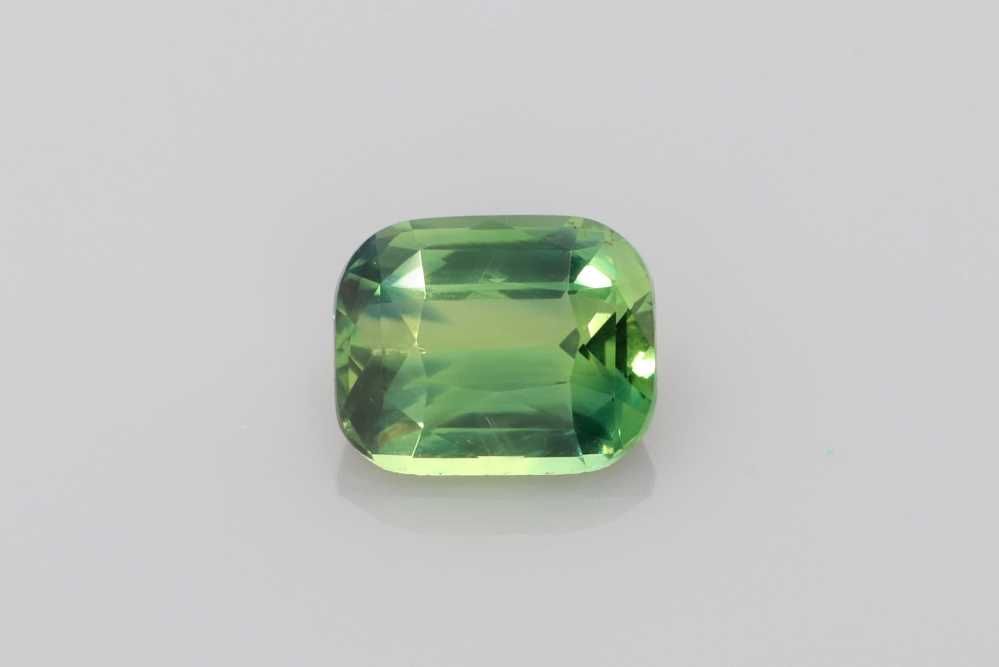
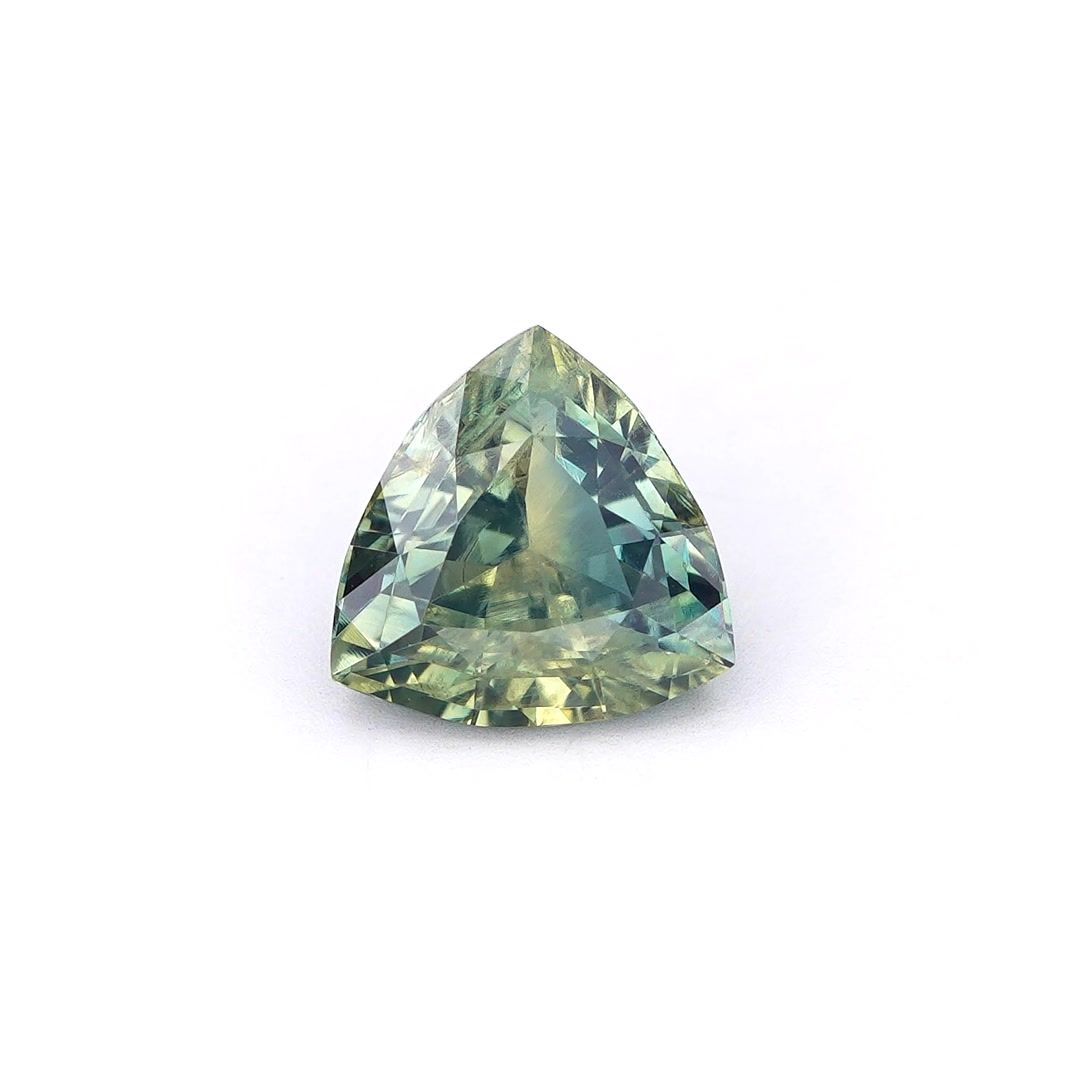
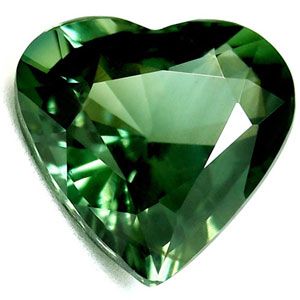
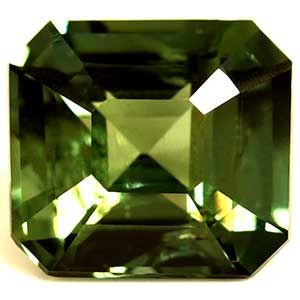
Natural green sapphires, from a warm yellowish green to a cool bluish green, reported on by independent labs.

- 58 Available
- From $2,349
- GIA Report
- Free Insured Delivery Over $100








Good to Know
In Brief
Buy the brightest medium green you can find, one that still looks green indoors after dark, rather than a darker or larger stone that turns olive or nearly black. A slightly yellowish green that looks lively costs less than a pure green and is a sound choice; darkness, a forest-green label, a well-known source and a no-heat report all add cost without adding green. For a ring worn every day, green sapphire gives you a hard, durable green for well under the price of a fine emerald.
Yellowish Green to Bluish Green
Green sapphire runs from a warm yellowish green, the color of new leaves, through pure green to a cool bluish green in which green still leads. As blue creeps in, sellers start to call the stone teal, a color we list separately, and a bluish green may turn up under either name; the report's color words, not the listing's, tell you where it sits.
No hue in that band is a fault, but a pure, even green of strong color is the scarcest and costs the most. A touch of yellow lowers the price faster than it lowers the beauty: set in a ring, a lively yellowish green simply reads as bright green, so it is a sensible place to save. The green to pass over is one with a brownish or grayish cast, which looks tired in any light.
At the light end, a pale mint green looks fresh and costs little, but in a small stone it can fade to a faint, barely green glint once set. A pale green holds its color better at a larger size and in white metal, so if mint is the color you love, keep the tone and go up a little in size.
Why Most Green Sapphires Look Muted
GIA explains that the green you see in a sapphire is yellow and blue mixed together, and that a sapphire of even, saturated green is rare. Much green sapphire forms in iron-rich crystals, and the more iron, the darker and grayer the color tends to be, so olive, grayish and near-black greens are common. A stone sold as forest green is often just a dark one: lit hard for its photograph it shows green, but on the hand indoors it reads olive-black.
So don't pay for darkness, or for a name. With the same budget, a smaller stone in a medium tone that still reads green in a kitchen at night will please you more than a larger, darker one that turns olive or black. Spend in this order: strength of green in a medium tone, then color that looks even face-up, then a stone clean to the eye at its real size, and size last.
Treatment and Zoning in Green
In some green sapphires, especially iron-rich ones, the color sits in fine growth bands of blue and yellow within the crystal. Seen straight through the table, the bands can blend into one green. Watch the video as the stone tilts: a good green stays green, while a banded one breaks into flashes of blue and yellow toward the edges, and in a ring that reads as patchy rather than lively.
Heat is common in green sapphire too, mostly to lighten an iron-rich stone that is too dark or to weaken the blue in it so the face reads greener. Its effect is permanent, so value the green in front of you. Diffusion is uncommon in green, but read the treatment line first all the same: a report names beryllium or any other treatment the lab finds. Where a stone's page lists none, that is no treatment reported by the lab, not proof the stone was never heated. Our plain guide to lab reports explains what such a report is.
Green Sapphire or Emerald
Green sapphire is corundum: 9 on the Mohs scale and tough enough for daily wear. Emerald is beryl: 7.5 to 8, more brittle, nearly always included and usually oiled, so it wants a protective setting and gentle cleaning. A fine emerald also shows a stronger, purer green than almost any green sapphire, and that color is what its price pays for.
Sapphire answers with brightness, from its higher refractive index, and with a quieter green that needs only ordinary care. Choose emerald if that vivid green matters most and you will wear it gently; choose sapphire if the ring has to live through keys, desks and the gym.
Once you have chosen sapphire, the metal shifts its green. Yellow gold adds warmth: a bright yellowish green looks richer in it, while a muted one slides toward olive. White gold and platinum keep any green crisp and cool, so if your stone is dark or muted, white metal is the safer choice.
Prices From Our Catalog
| Carat Weight | Median Price per Carat | Stones Counted |
|---|---|---|
| 2.00-2.49 ct | $1,717 | 18 |
The median price per carat of the green sapphires on sale here in each band, in US dollars, as of November 2, 2026. The grid shows each stone’s own price in your currency.
Green Sapphire or Emerald
| Green Sapphire | Emerald | |
|---|---|---|
| Mineral | Corundum | Beryl |
| Hardness on the Mohs scale | 9 | 7.5 to 8, and more brittle |
| The green you usually see | Yellowish to bluish green, often muted or deep | Bluish green to green, at its best vivid |
| Inclusions | Usually fewer, and less often visible to the eye | Nearly always present, often visible: the trade calls them its garden |
| Treatment a report most often names | Heat, where any is named | Oil or resin in fissures |
| Cleaning | Warm soapy water and a soft brush | Lukewarm soapy water only, never ultrasonic or steam |
| Price for the size | Usually well below a fine emerald | A vivid, clean stone costs far more |
Questions
How much does a 1 carat green sapphire cost?
The range is wide, because color decides it: a muted olive stone of 1 carat can cost far less than a bright, even green of the same weight. Enter 1 and 1.49 in the carat filter and sort the results by price, shown in your currency. Compare the greens in their videos or photographs first, and price only the ones that stay green.
Are green sapphires worth anything?
Yes, and its color sets the figure. A bright, even, medium green, especially above a carat or two, is hard to find and costs much more than the olive, dark or striped greens that make up most of the supply. What you pay for is how green the stone looks across a room, so spend there rather than on a shade name or an origin.
Are these green sapphires natural or lab-grown?
Natural: we sell no lab-grown gemstones. Lab-grown green sapphire is the same mineral made in a lab; it can show a brighter, more even green than most mined stones and costs far less, so a vivid green at a low price elsewhere may be one. Only a lab can reliably tell the two apart, so read the line where the report identifies the stone.
Is green sapphire more rare than blue?
A fine one is: a sapphire that is green right across its face, in a strong color, turns up less often than a good blue. Most green sapphire is muted, olive or dark, though, and far fewer buyers ask for green than for blue, so a typical green costs less than a blue of similar size and quality. Rarity raises a gem's price only when people want the color.
How is a green sapphire different from a teal sapphire?
By which color leads. A green sapphire is mostly green, from yellowish to slightly bluish, while a teal sits between blue and green and may lean either way, so its report may say greenish blue, blue-green or bluish green. Neither name is a lab grade, and the two overlap where they meet. Want a green that reads as green? Choose green. Love a stone that moves between the two? Choose teal.
Where do green sapphires come from?
Several places. Australia, Thailand, Nigeria, Madagascar, Tanzania and Montana are among the sources named most often for green sapphire in the trade, and Australia, Thailand and Nigeria yield many of the darker, iron-rich greens. A lab gives an origin only where it can determine one, and a stone's page repeats what its report says. Origin rarely changes how a green looks, so pay for it only if the source matters to you.