

Teal Sapphires
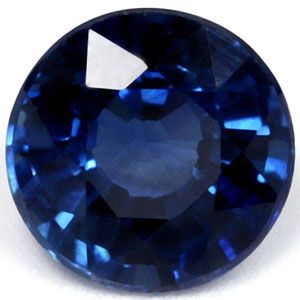
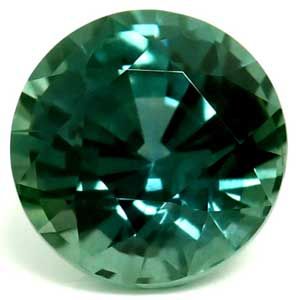
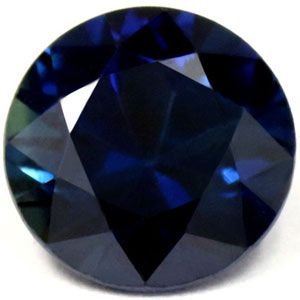
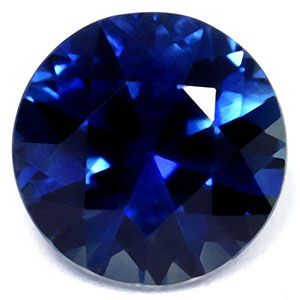
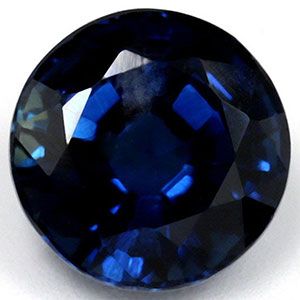
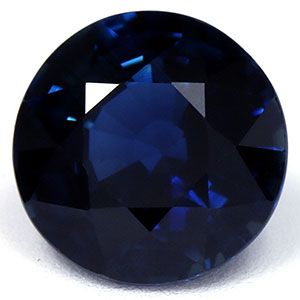
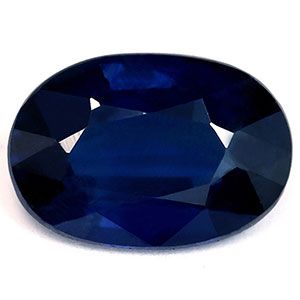
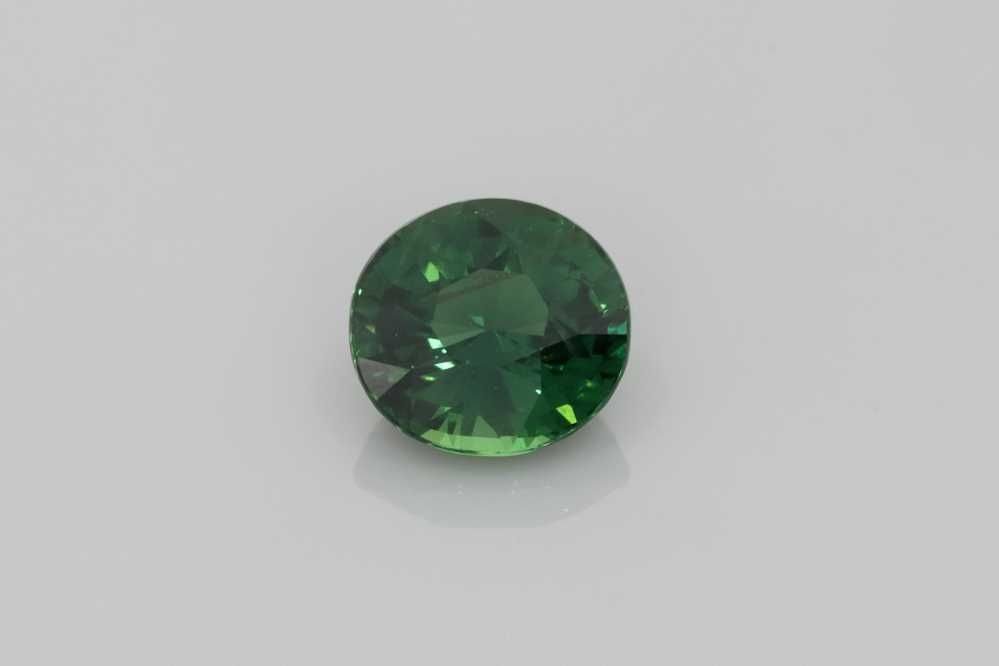
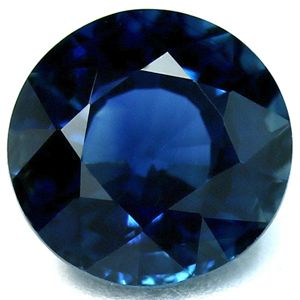
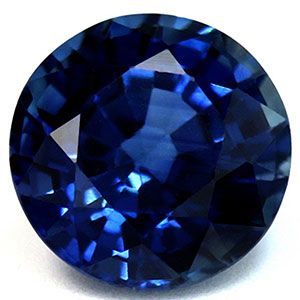
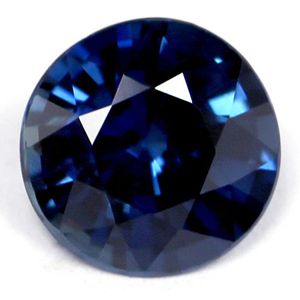
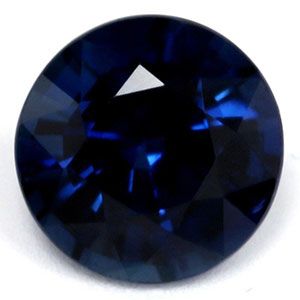
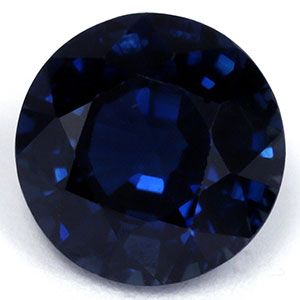
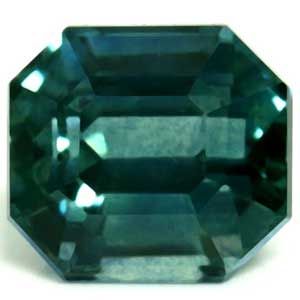
Natural teal sapphires, from greenish blue to bluish green, each with a report from an independent lab.

- 106 Available
- From $2,239
- GIA and AGL Reports
- Free Insured Delivery Over $100






Good to Know
In Brief
Read the report's color words, not the name: greenish blue leans blue, bluish green leans green, and blue-green sits between them. Pick a medium tone, since a dark teal can look almost black-green indoors, and judge the balance as the stone turns in its video. Spend on strong, even color you can see rather than on a famous origin or a report that finds no heating; two teals that look alike are worth the same to you.
Teal Is a Trade Name, Not a Grade
Teal is a trade name for a sapphire between blue and green, not a grade on a shared scale; labs such as GIA describe the hue in words like greenish blue or bluish green. The order of those words matters: in a name such as greenish blue, the last word is the main color and the one before it tints it. A greenish blue is mostly blue with a green cast, a bluish green is mostly green, and blue-green sits near the middle. Two stones listed as teal can be quite different colors, so read the color words on a lab report before you compare prices. The report settles a second question too: lab-grown sapphire is made in convincing blue-green shades, and only a lab can reliably tell it from a mined stone, so a report naming a teal natural matters as much as its color words.
Finding the Blue-Green Balance
Decide which side you want before comparing prices. A blue-leaning teal reads as an unusual blue from across a room; a green-leaning one reads as a deep, cool green; a balanced stone looks a little different each time you glance at it. No balance is better than another. Within the one you like, stronger and more even color is worth more, as it is in any sapphire.
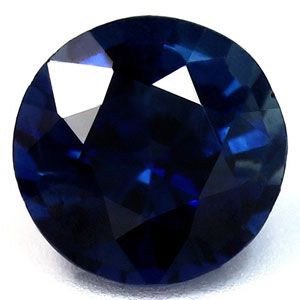
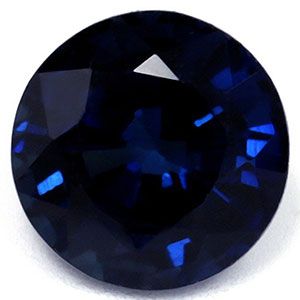
Then look at tone. Teal owes its color to iron, which gives the green and yellow, and to iron paired with titanium, which gives the blue. Iron-rich stones can be dark: a teal that glows on a bright screen can turn almost black-green under a dim ceiling light. A medium tone keeps both colors visible indoors, while a very light one can look grayish. In the video, the color should hold across the face rather than sink to black toward the edges.
Metal nudges the balance. White gold and platinum keep the stone cool and bring out its blue, which suits a blue-leaning teal. Yellow gold warms what sits beside it, so a balanced stone tends to look greener in it and a dark, green-leaning one can drift toward olive. If you are torn between two stones, choose the metal first, then the stone that looks right against it.
Daylight, Lamplight and Two Directions
Sapphire is dichroic: its crystal shows one color looking along one direction and a slightly different color at right angles to it. In a teal stone the two are often a bluer and a greener shade, and the way the cutter orients the rough sets which one you mainly see face-up. As the stone moves, flashes of the other shade come and go, the flicker teal is known for.
Light adds a second shift. Cool daylight tends to bring out the blue, and warm lamplight tends to pull the stone toward green. A video is filmed under one light, so picture the stone a little greener in the evening and a little bluer by a window. If it already looks quite green on screen, expect more green at dinner.
Zoning, Parti Stones and Treatment
Color zoning, bands or patches of stronger and weaker color, is common in blue-green sapphire. Zoning you can see face-up lowers the price, and a stone of even color costs more at the same size. Look in the video for straight bands across the face; those tend to show in a ring. Stones with distinct areas of blue, green or yellow are called parti sapphires; if you like that look, zoning becomes the point rather than a flaw, and you need not pay the premium for even color.
Like other sapphires, blue-green ones are often heated, for example to lighten a stone that is too dark or to even out its color, and heat can also move a stone's balance between blue and green, so the color you see in the video is the one that counts. Diffusion with beryllium is linked more often to yellow and orange sapphires, but each stone's own report records whatever treatment the lab found, and where the page shows none, that is no treatment reported by the lab.
Prices From Our Catalog
| Carat Weight | Median Price per Carat | Stones Counted |
|---|---|---|
| 1.50-1.99 ct | $3,659 | 15 |
| 2.00-2.49 ct | $1,901 | 21 |
| 2.50-2.99 ct | $2,107 | 13 |
| 3.00-3.99 ct | $2,973 | 15 |
| 4.00-4.99 ct | $2,346 | 14 |
| 5.00 ct and up | $3,024 | 21 |
The median price per carat of the teal sapphires on sale here in each band, in US dollars, as of November 2, 2026. The grid shows each stone’s own price in your currency.
Blue-Leaning to Green-Leaning Teal
| Blue-Leaning | Balanced | Green-Leaning | |
|---|---|---|---|
| A report may say | Greenish blue | Blue-green | Bluish green |
| In warm indoor light | Keeps most of its blue, with green flashes | Tends to drift toward green | Reads green; a dark stone can look nearly black |
| Metal that flatters it | White gold or platinum | Either; yellow gold makes it greener | White metal, or yellow gold for a light stone |
| Check in the video | That its green flashes appeal to you | That neither color turns gray | That the edges do not sink to black |
Questions
Are teal sapphires cheaper than blue sapphires?
Usually, at the same size and quality, because a fine blue is the color most sapphire buyers want. A bright, even teal can still cost more than a dull or zoned blue, so compare color, not names. Sorting the grid by price lists each stone in your currency; then compare the videos: a blue-leaning teal and a green-leaning one of similar strength can sit far apart in price, so choose your balance before the figures.
Are teal sapphires from Montana?
Some are. Teal sapphires are mined in several places, and Montana, Australia and Nigeria are the names most often attached to them. In a listing title, a place name is the seller's word. The origin that counts is the one a lab report states, and not every report gives one. Each stone's page shows the origin its supplier lists, so if a particular source matters to you, check the report's origin line before you compare colors.
Does a teal sapphire change color?
Only for the moment. The shift between a bluer and a greener shade, as the stone turns or moves from a window to a lamp, is how it shows its color, and it reverses when the light does; the color is not fading. Nor is teal a color-change gem: alexandrite switches from green to red, while teal stays within blue and green. A balanced stone shows the shift most, so choose one if you love it.
Which sapphire is the rarest?
Padparadscha, the delicate blend of pink and orange, is generally counted among the rarest sapphires, and large, fine blues are scarce too. Rarity sets their prices, not the beauty you see across a table. Teal is not among the rarest colors, and that is its appeal: a lively, unusual sapphire color at a gentler price. Within teal, the scarce stones are those with strong, even color in a medium tone, at larger sizes.
Who should not choose a teal sapphire?
Anyone who wants a color that looks the same in every room. Teal moves between blue and green with the light and as the stone turns, which many people love and some find unsettling. If you want a steady, classic blue, choose a blue sapphire. If the stone must match a particular shade, remember that its video shows one light only, and choose a stone a little bluer than your target, since warm indoor light pulls teal toward green.