Natural Diamonds
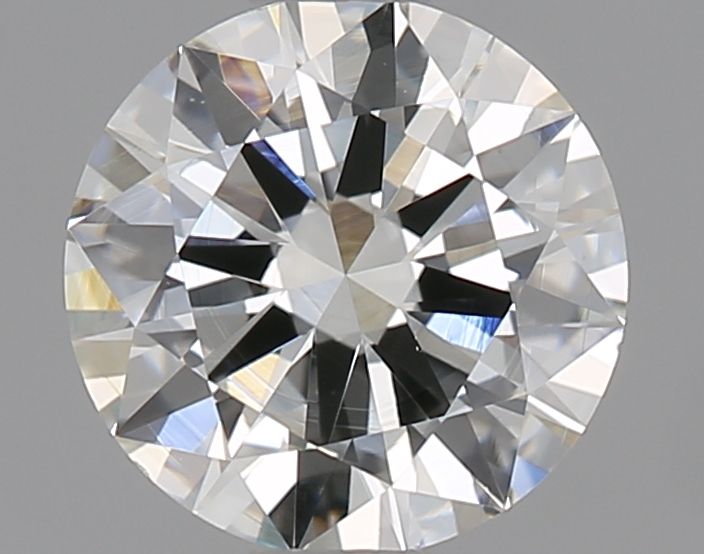
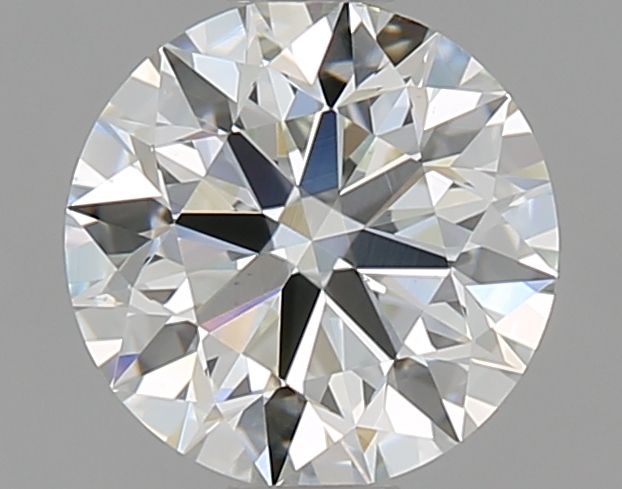
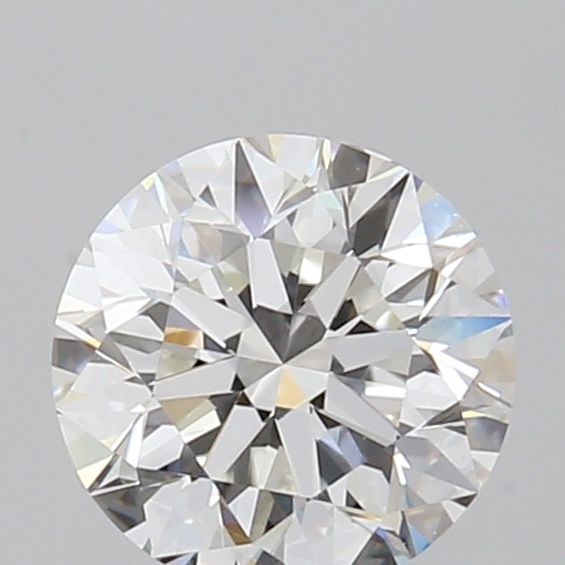
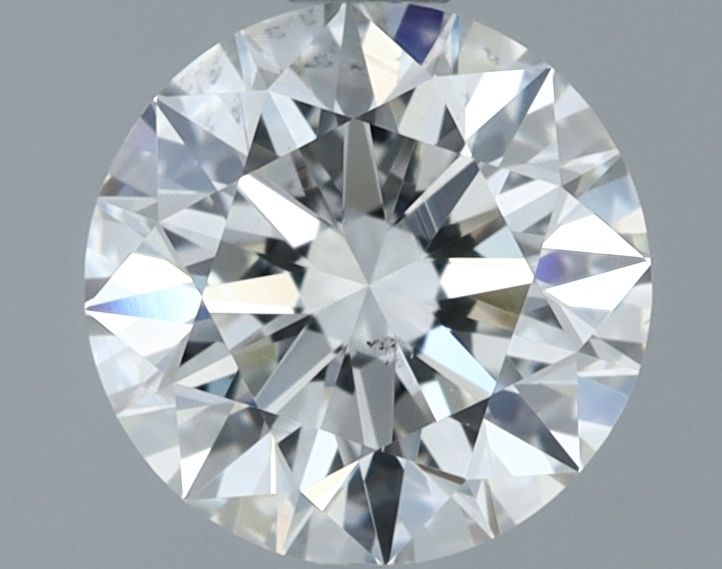
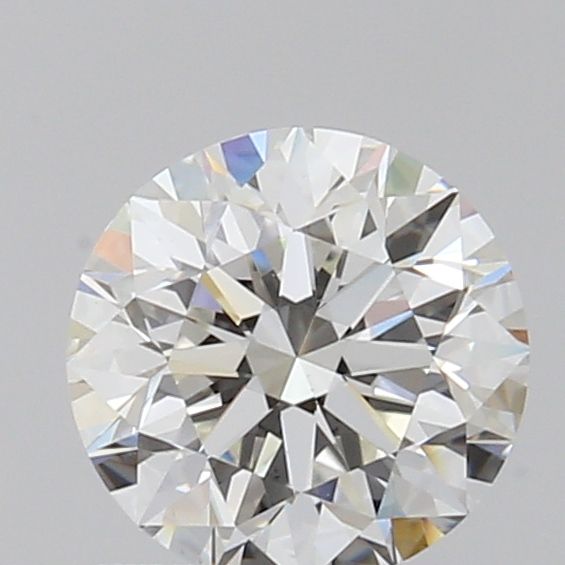
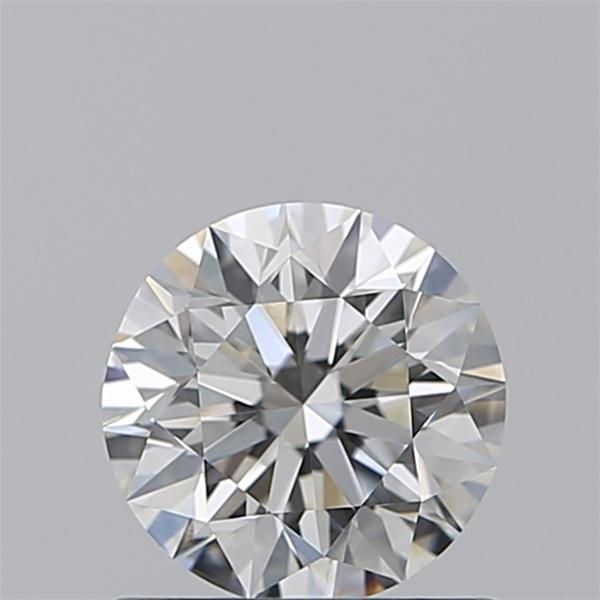
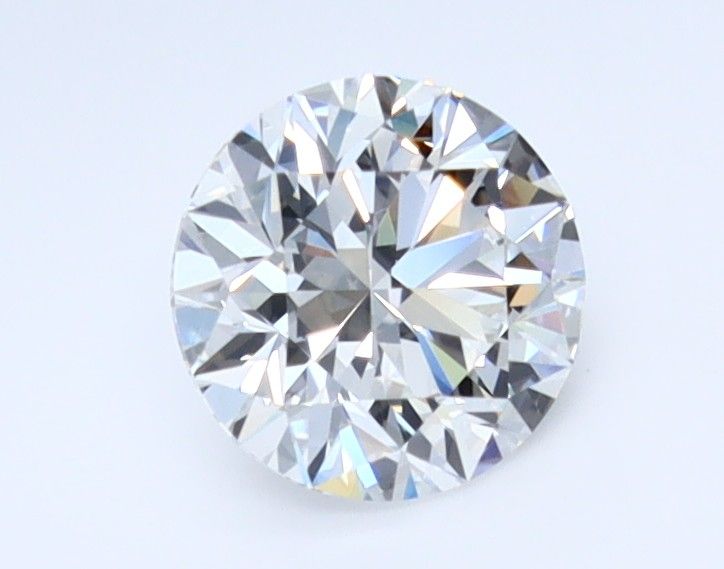
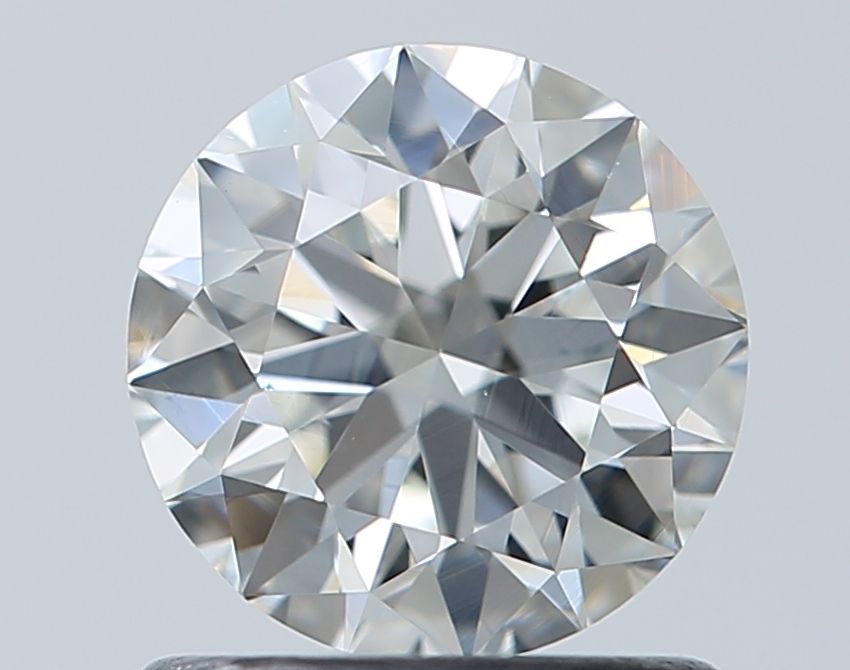
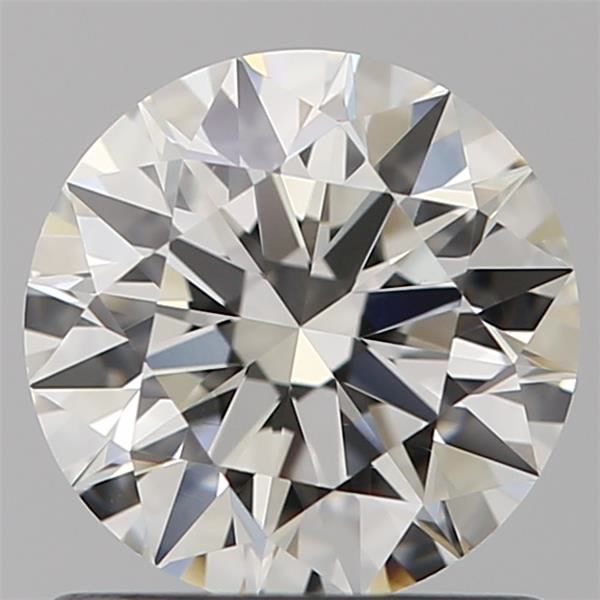
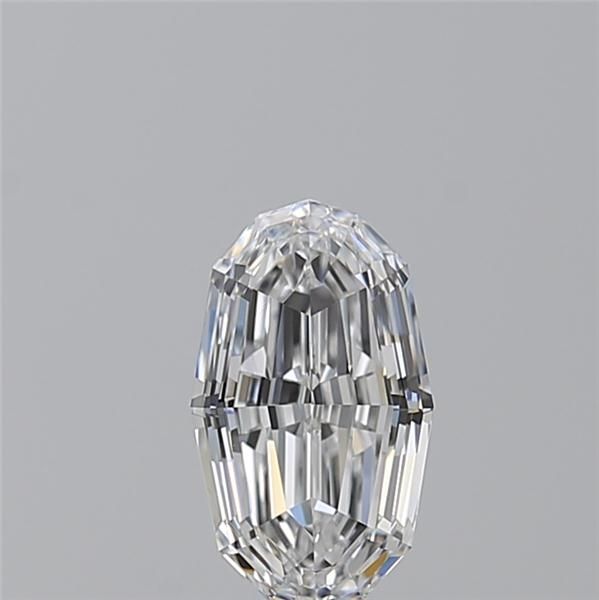
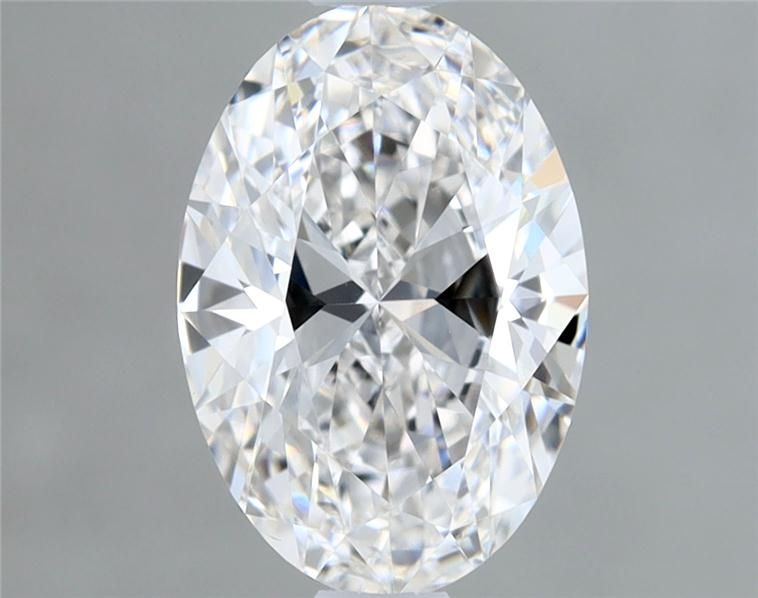
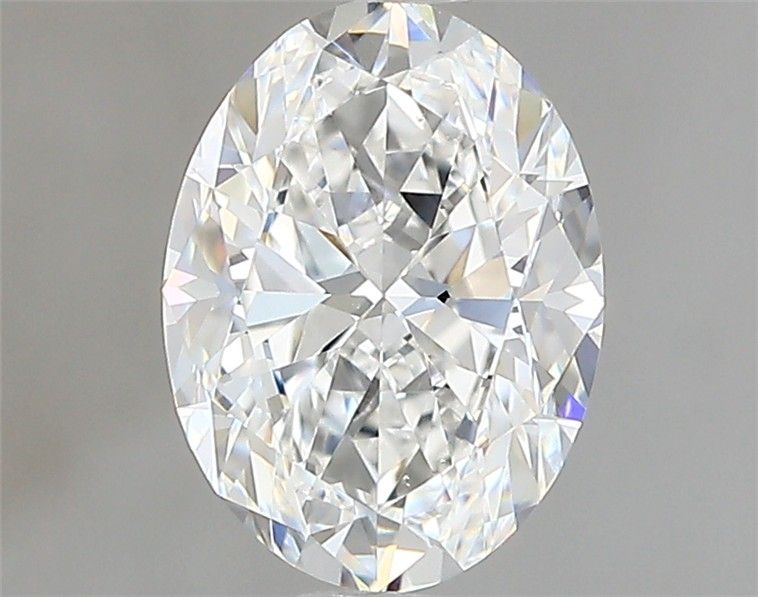
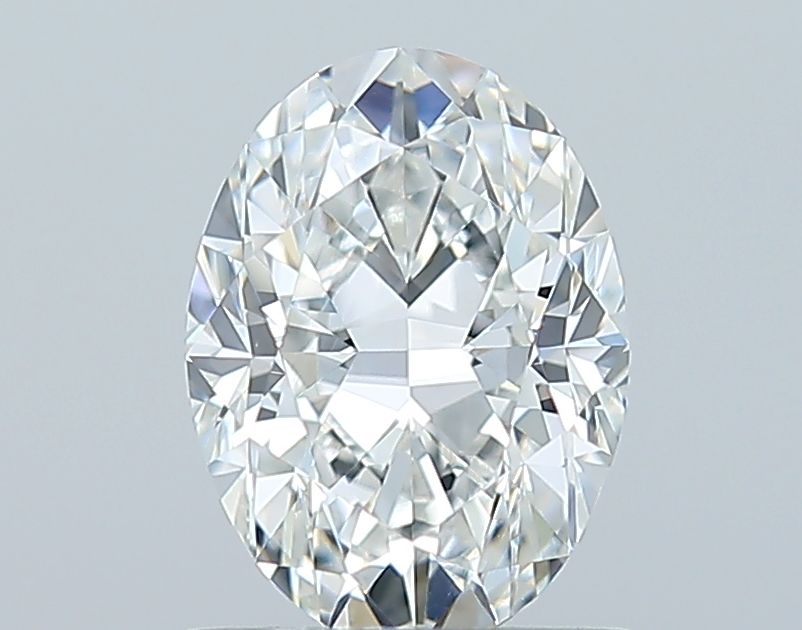
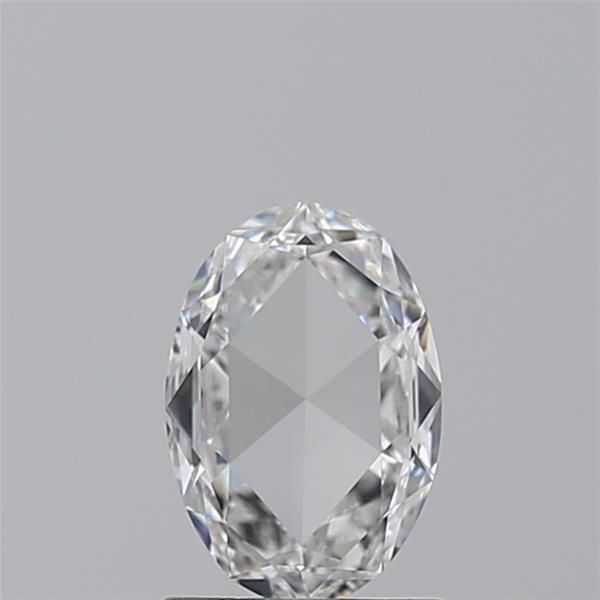
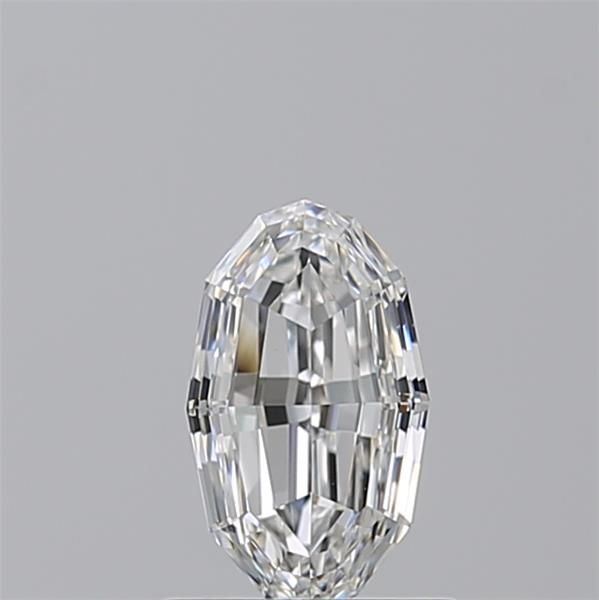
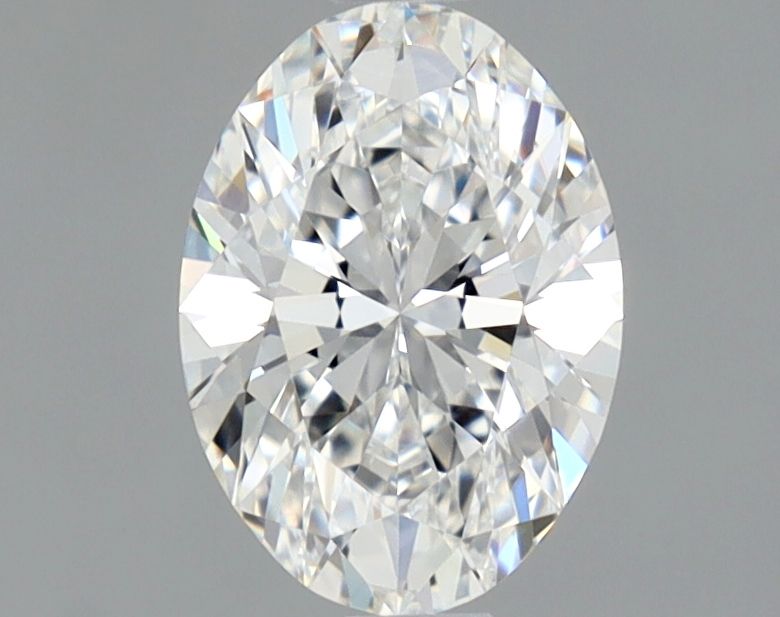
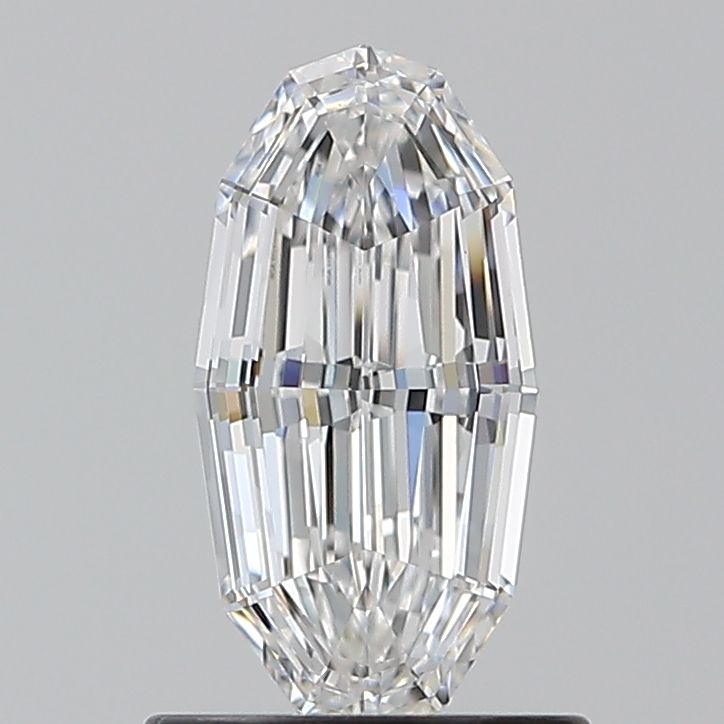
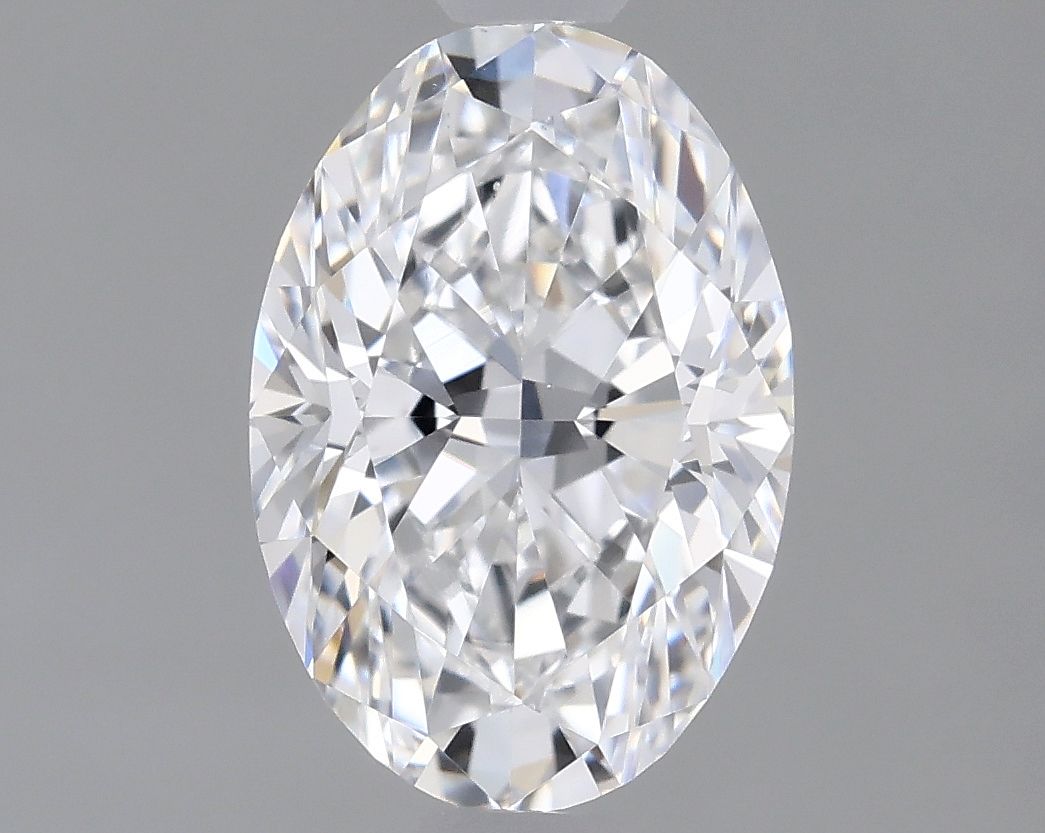
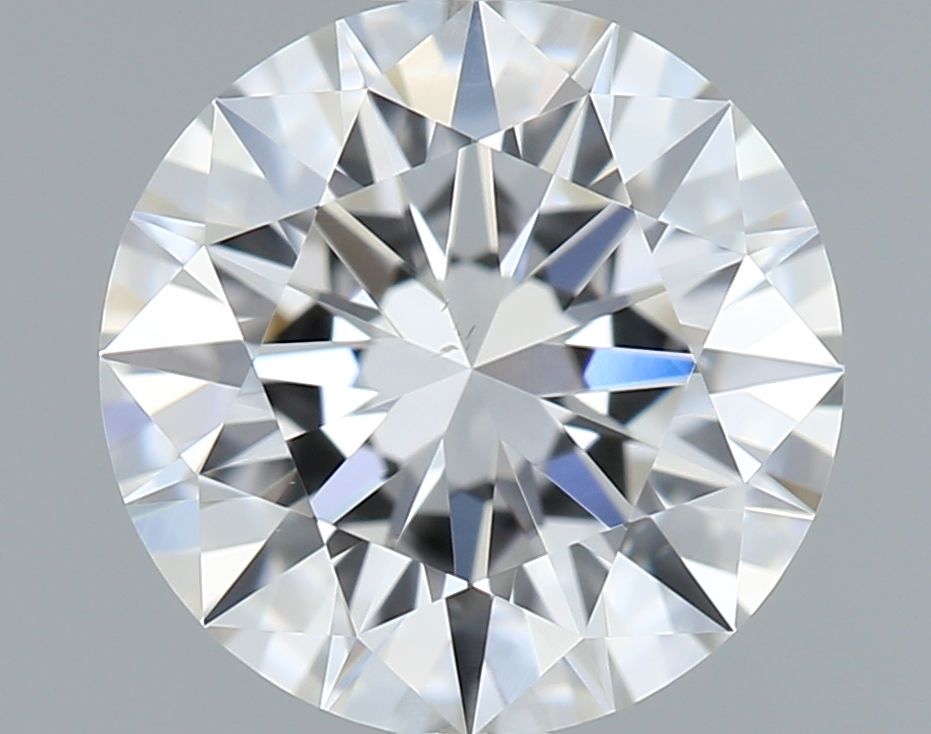
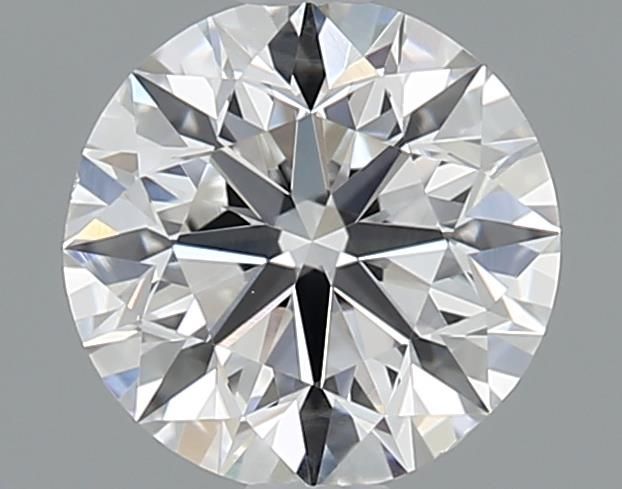
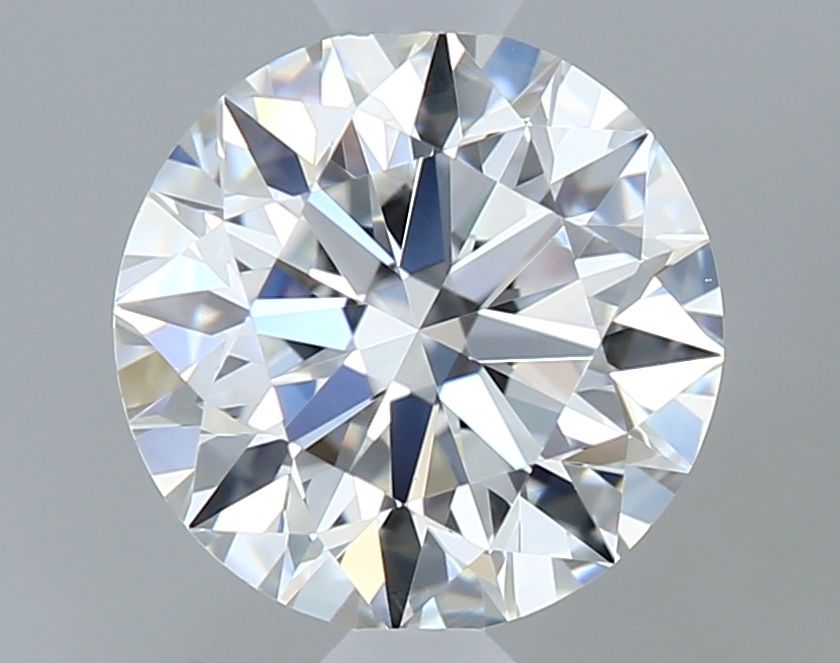
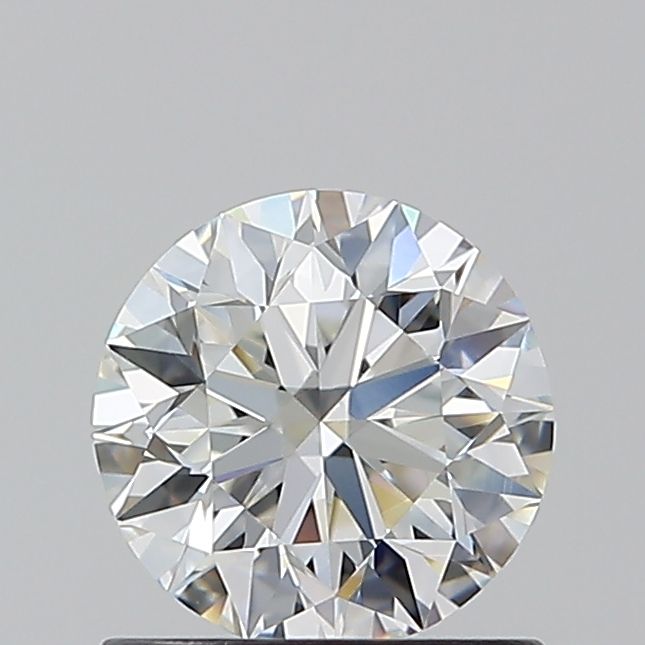
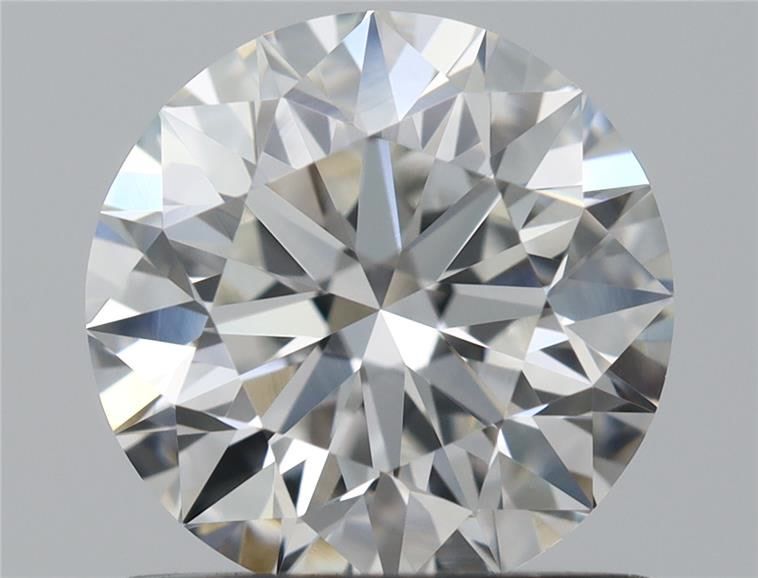
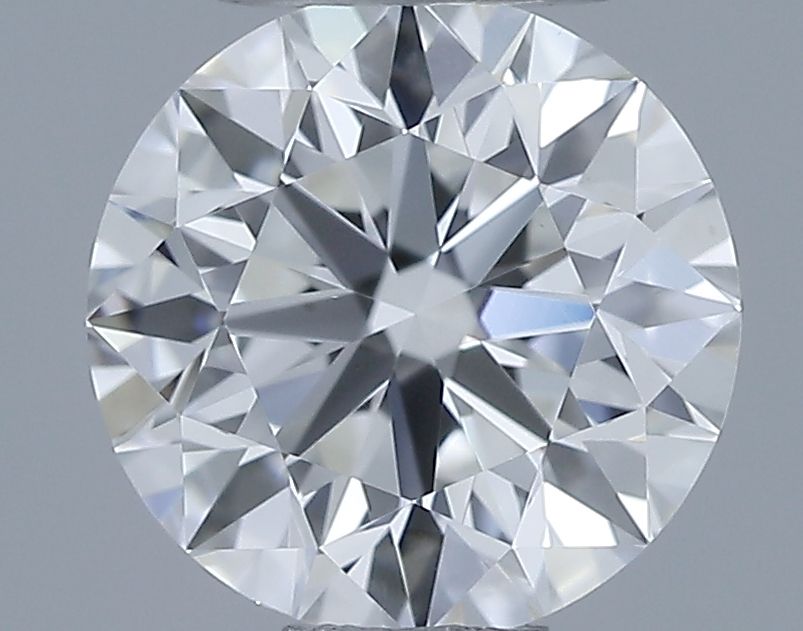
Natural diamonds, formed in the earth and graded by GIA or IGI, in every shape and size.

- Over 510,000 Available
- From $194
- GIA and IGI Reports
- Free Insured Delivery Over $100
Good to Know
In Brief
Choose an Excellent cut, then the lowest color and clarity that still look white and clean to you, often G to I and VS2 or SI1. Natural prices jump at round weights, so a 0.90 to 0.99 carat stone, which looks almost the same once set, costs noticeably less than a full carat.
Where a Natural Diamond's Price Comes From
A natural diamond is priced on its four grades and on rarity, and rarity climbs fast with size. Prices step up at round weights such as 1, 1.5 and 2 carats, so a stone just under one of them costs noticeably less for a difference no one sees across a table. Color and clarity work the same way: a D and a G, or a VVS1 and a VS2, can look alike to the naked eye and sit far apart in price. Our guides to color grades that look white and eye-clean clarity show where the line falls.
How to Choose a Natural Diamond
Spend first on cut. An Excellent round brilliant returns the most light, and a poorly cut stone looks smaller and duller whatever its color. For an oval, pear or other fancy shape, where the lab gives no cut grade, judge the proportions and the video. Then come down in color until the stone stops looking white to you, and in clarity until you can see an inclusion without a loupe. Faint or medium blue fluorescence lowers the price and, in most stones, changes nothing you can see; our fluorescence notes explain when it can.
GIA and IGI Reports
Every natural diamond here is graded by GIA or IGI, and most by GIA. The report records the carat weight, measurements and grades, and states any treatment the lab detects, such as a laser drill hole or a color change by heat and pressure. Each stone's page shows its lab and grades, with a link to the report where the supplier provides one. How grading reports work explains what each lab checks.
Natural or Lab-Grown
Both are diamond, with the same hardness, fire and chemistry. A natural diamond formed deep in the earth, most of them more than a billion years ago, and costs more for the same size and grades; a lab-grown one formed in weeks. Choose natural if that origin matters to you, and lab-grown if the size for your budget matters more. Lab-grown vs natural diamonds weighs the two in full.
Online, From New York
We are a New York-based online jeweler. Our office is at 45 Rockefeller Plaza but is not open to visitors, so we sell only online, and our concierge works by chat, email and phone. Your diamond is sent insured and needs a signature on delivery, and for orders to the US we pay the import duty ourselves.
Prices From Our Catalog
| Carat Weight | Median Price per Carat | Stones Counted |
|---|---|---|
| 0.30-0.49 ct | $2,231 | 153,716 |
| 0.50-0.74 ct | $2,818 | 114,257 |
| 0.75-0.99 ct | $3,537 | 38,041 |
| 1.00-1.49 ct | $4,850 | 101,604 |
| 1.50-1.99 ct | $6,705 | 48,118 |
| 2.00-2.49 ct | $10,125 | 24,983 |
| 2.50-2.99 ct | $14,682 | 5,964 |
| 3.00-3.99 ct | $17,626 | 9,032 |
| 4.00-4.99 ct | $21,795 | 2,399 |
| 5.00 ct and up | $26,470 | 3,141 |
The median price per carat of the natural diamonds on sale here in each band, in US dollars, as of November 2, 2026. The grid shows each stone’s own price in your currency.
Natural and Lab-Grown Diamonds Side by Side
| Natural | Lab-Grown | |
|---|---|---|
| Formed | In the earth, most over a billion years ago | In a lab, over a few weeks |
| Material | Diamond | Diamond |
| Reports here | GIA or IGI | IGI or GIA, stating it is lab-grown |
| Resale | Possible, usually well below the price paid | Few secondhand buyers |
| Typical price per carat, 1 to 1.49 carats | $4,850 | $358 |
Questions
Does every natural diamond here come with a GIA or IGI report?
Yes. Every natural diamond we sell is graded by GIA or IGI, most of them by GIA. The stone's page names the lab and shows its grades, with a link to the report where the supplier provides one. The report is the stone's description in the lab's words, so read it before you buy, and ask our concierge about anything in it.
How much does a 1 carat natural diamond cost here?
It depends on the cut, color, clarity and shape far more than on the weight alone, so two 1 carat stones can be priced very differently. Set the carat filter to 1 to 1.49 and sort by price to see each one in your currency, and look at 0.90 to 0.99 carats too: they look almost the same and cost less.
Is a natural diamond more real than a lab-grown one?
No. Both are real diamond, the same carbon crystal with the same hardness and sparkle. "Natural" means it formed in the earth rather than in a lab, and its report says which. Labs tell the two apart with specialist instruments, not by eye. Our Journal explains how to tell a diamond from a simulant such as moissanite.
Do natural diamonds hold their value?
A natural diamond keeps more of its price than a lab-grown one, but secondhand buyers and dealers usually offer well below what you paid, so buy it to wear rather than to sell. Choose the one you would be happy to wear, and put your budget where you can see it, in cut and size, rather than in grades only a lab can tell apart.
Can a natural diamond be treated?
Some are. A laser can reach a dark inclusion to make it show less, and heat and pressure can change a diamond's color. A lab that detects a treatment says so on its report, and each stone's page shows its report. If you want a diamond with no detected treatment, read the report or ask our concierge before you buy.
Should I choose a natural diamond for an engagement ring?
If it matters to you that the diamond formed in the earth, yes: it wears exactly like a lab-grown one. If you would rather have a larger stone or better grades for the same budget, a lab-grown diamond gives you that. Our concierge can show you both side by side, in your setting and your budget.