

Loose Emeralds
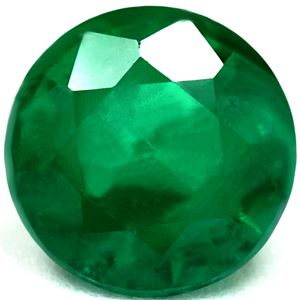
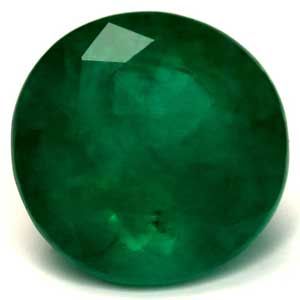
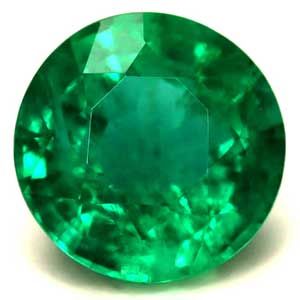
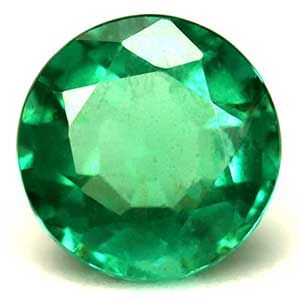
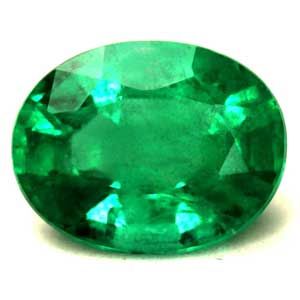
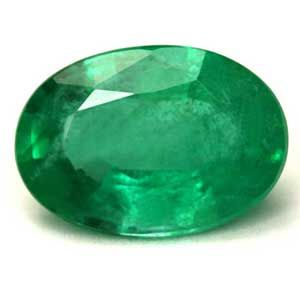
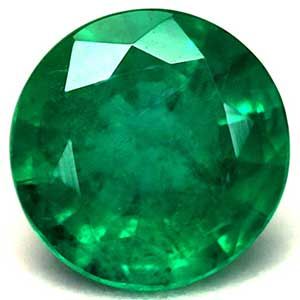
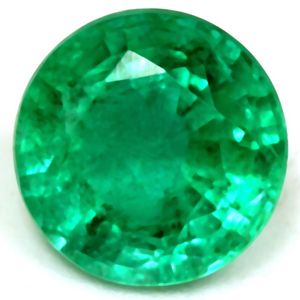
Natural emeralds in every shape, from classic emerald cuts to ovals and pears, each with an independent lab report.

- 4,271 Available
- From $1,859
- GIA, AGL, GRS, IGI and SSEF Reports
- Free Insured Delivery Over $100







Good to Know
In Brief
Buy an emerald for its color: a vivid, even green, neither too dark nor too pale, matters far more than its inclusions, which nearly every emerald has. Most emeralds are oiled to make fissures show less; less oil costs more, and every oiled stone needs gentle care.
Color First, Then Clarity
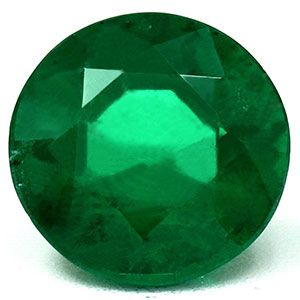
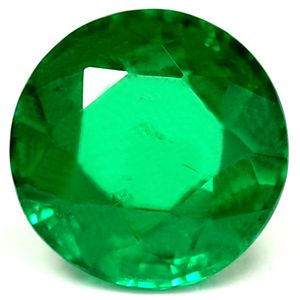
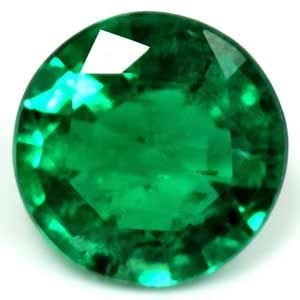
The finest emeralds are a pure to slightly bluish green with strong saturation in a medium to medium-dark tone. A stone too dark looks black in dim light, and one too pale reads as light green beryl rather than emerald. Nearly every emerald has inclusions, which the trade calls its garden. Judge them in the video: an inclusion that breaks the color across the face matters, one you need a loupe to find does not, and an eye-clean emerald of good color is rare and priced to match.
Oil and Clarity Enhancement
Most emeralds are treated with oil or resin worked into fissures that reach the surface, so they show less. It is an accepted treatment, and labs report it, often with how much there is: minor, moderate or significant. Less filler means a cleaner stone in its own right and a higher price. Each stone's page shows the treatment its report names; where it shows none, the report names none, which is not the same as confirming the stone was never oiled.
The Emerald Cut and Other Shapes
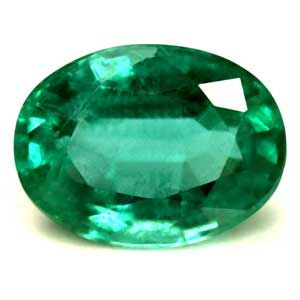
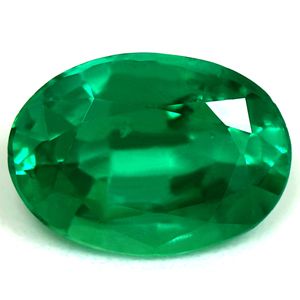
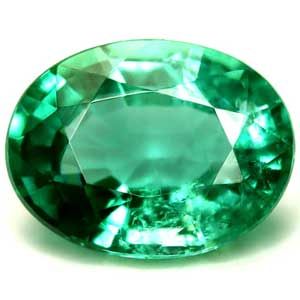
The step-cut rectangle with cut corners is named after emerald because it suits it: the long facets show the color evenly, and the cut corners protect a stone that can split if struck. Ovals and cushions hide inclusions better and look a little brighter, while rounds lose more of the crystal in cutting and cost more for the size. Choose the shape you like; the emerald cut is simply the safest for the stone.
Caring for an Emerald
Emerald is 7.5 to 8 on the Mohs scale, hard enough to resist scratches but more brittle than sapphire or ruby. Clean it with lukewarm soapy water and a soft brush, never in an ultrasonic cleaner or with steam, and keep it away from strong heat, which can draw out the oil. Over many years oil can dry and fissures show more; a jeweler can re-oil the stone. What a lab report records is explained in our education pages.
Prices From Our Catalog
| Carat Weight | Median Price per Carat | Stones Counted |
|---|---|---|
| 0.30-0.49 ct | $12,723 | 22 |
| 0.50-0.74 ct | $11,438 | 135 |
| 0.75-0.99 ct | $9,119 | 313 |
| 1.00-1.49 ct | $7,142 | 760 |
| 1.50-1.99 ct | $6,111 | 645 |
| 2.00-2.49 ct | $5,095 | 536 |
| 2.50-2.99 ct | $5,000 | 457 |
| 3.00-3.99 ct | $4,500 | 602 |
| 4.00-4.99 ct | $4,899 | 301 |
| 5.00 ct and up | $4,365 | 502 |
The median price per carat of the emeralds on sale here in each band, in US dollars, as of November 2, 2026. The grid shows each stone’s own price in your currency.
Emerald Shapes Compared
| Emerald Cut | Oval or Cushion | Round | |
|---|---|---|---|
| Shows the color | Evenly, along long step facets | Brightly, with more sparkle | Brightly, with the most sparkle |
| Inclusions | Easier to see | Better hidden | Better hidden |
| Wear | Cut corners protect the stone | No corners to chip | No corners to chip |
Questions
Are the emeralds here natural?
Yes. Every emerald we sell is natural, mined rather than grown in a lab, and comes with a report from an independent laboratory such as GIA or AGL. The stone's page names the lab and shows the color and treatment the report records, and the origin its supplier lists. Read the report before you buy: it describes the stone in the lab's words, not ours.
Is an oiled emerald a bad buy?
No. Most emeralds are oiled, and the trade accepts it when it is disclosed, as it is on each stone's page. What matters is how much: an emerald with minor clarity enhancement is a cleaner stone and costs more than one with significant enhancement. Keep an oiled emerald away from ultrasonic cleaners, steam and strong heat.
Why does the emerald have inclusions?
Because nearly every emerald does: they form as the crystal grows, and they are the stone's fingerprint. Buy for color, and look in the video for inclusions that cross the face and break the green; those matter. Ones you need a loupe to see change the price, not the look, so they are a sensible place to save.
Can I wear an emerald every day?
Yes, with some care. Emerald resists scratches well, but it is more brittle than sapphire or ruby and can chip or crack if knocked. A setting that protects the corners, such as a bezel or prongs at each corner, helps, and so does taking it off for heavy work and the gym. Clean it only with lukewarm soapy water.
Does a Colombian emerald cost more than a Zambian one?
Often, at the same size and quality, because Colombia is the best-known source. A lab's origin report gives the origin where it can be determined; each stone's page shows the origin its supplier lists, which only such a report confirms. Zambian emeralds tend to a slightly bluer green; Colombian ones to a purer, warmer green. Choose the green you prefer: origin changes the price, not the stone's beauty.