Emerald-Cut Diamonds
Lab-grown and natural emerald-cut diamonds in colors D to M, all of them graded by IGI or GIA.

- Over 120,000 Available
- From $174
- IGI and GIA Reports
- Free Insured Delivery Over $100

Good to Know
In Brief
Choose an emerald cut if you like long lines and broad flashes of light more than sparkle; and carat for carat it is priced below a round with matching grades. Put the saving into clarity: pick a stone that looks clean in its video, often VS1 or VS2, and stop before VVS. Color can stay at G or H. Pass over any stone whose middle looks pale and see-through as it turns.
A Step Cut Shows More
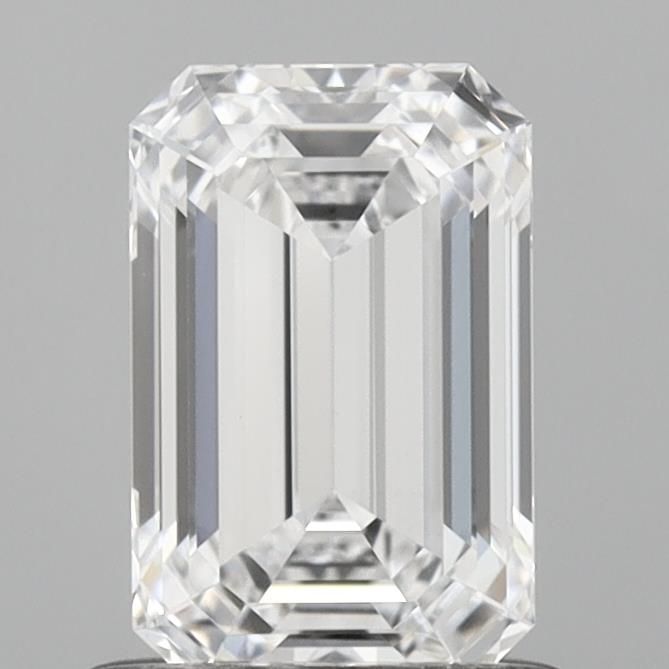
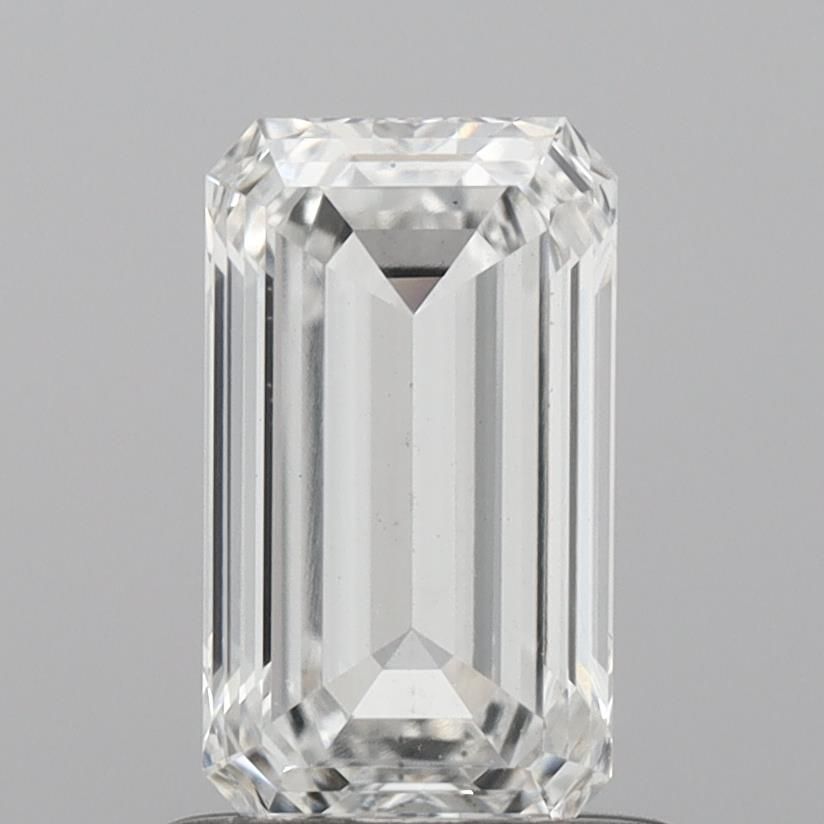
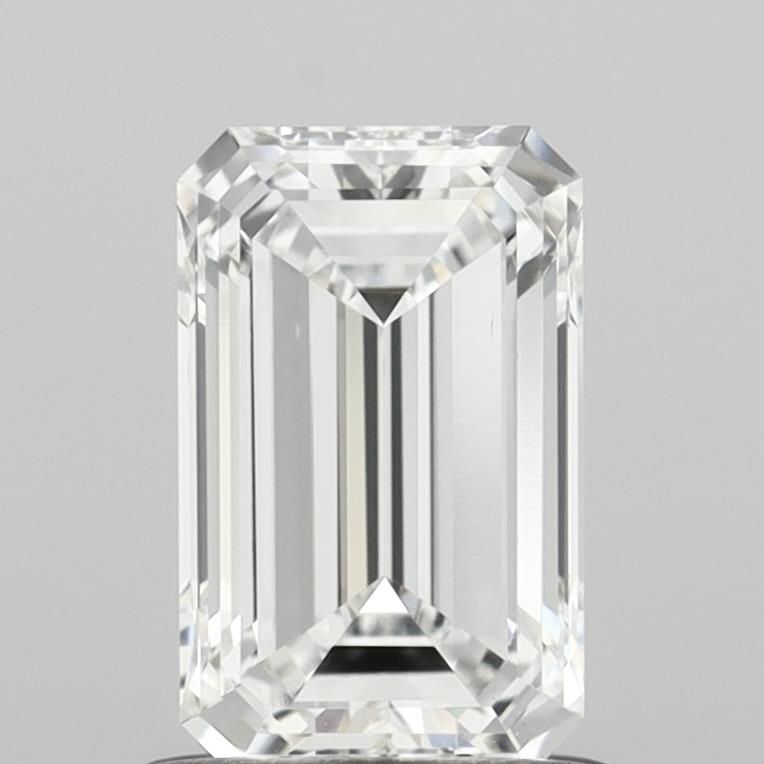
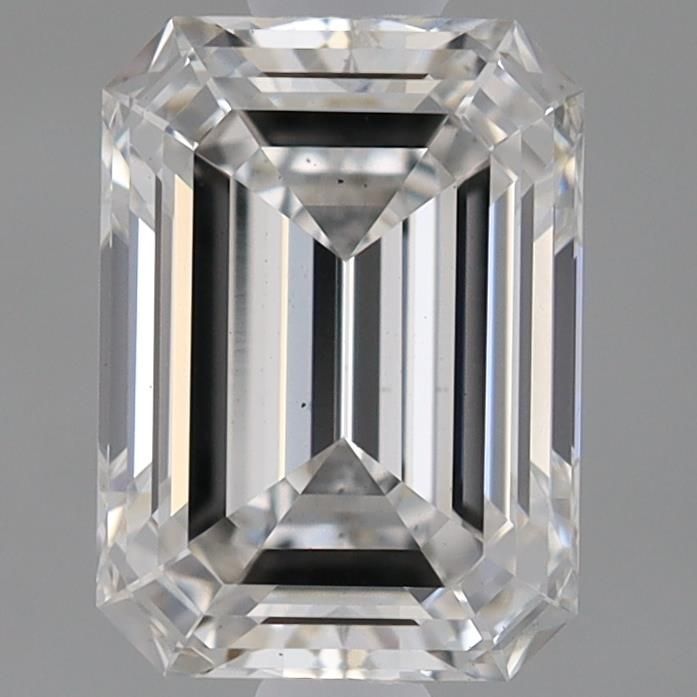
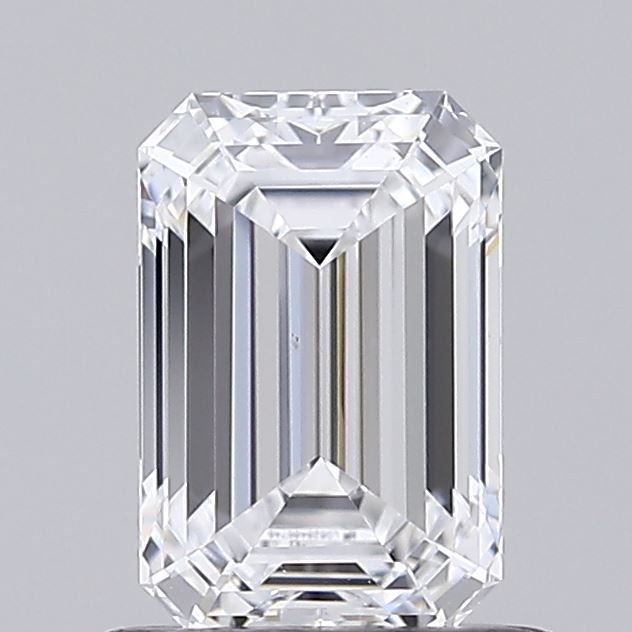
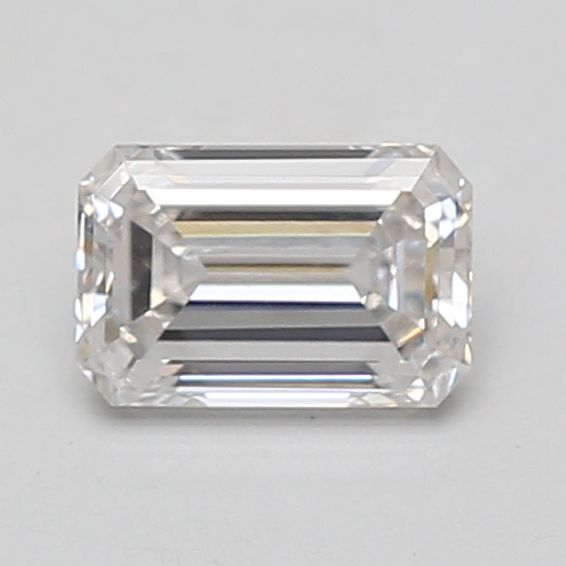
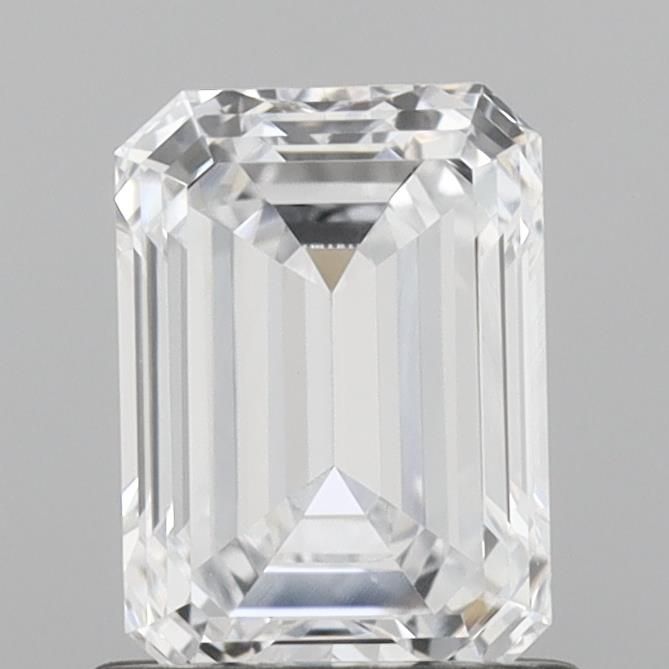
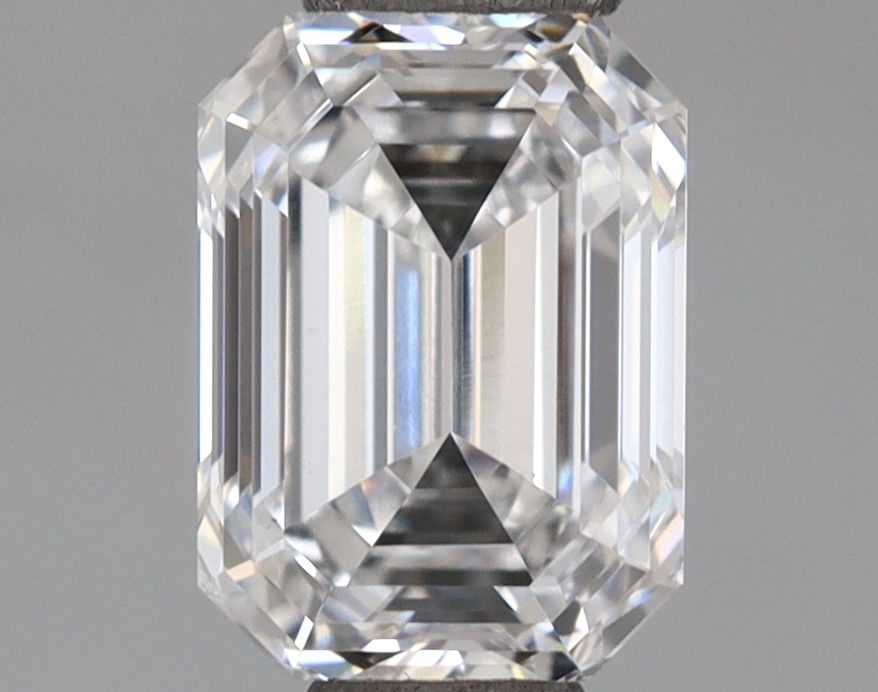
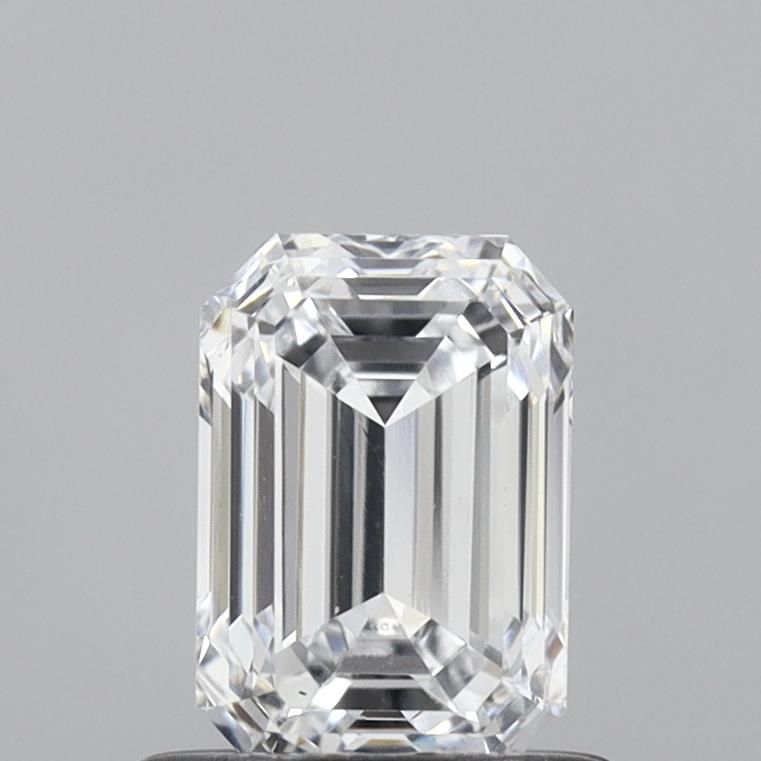
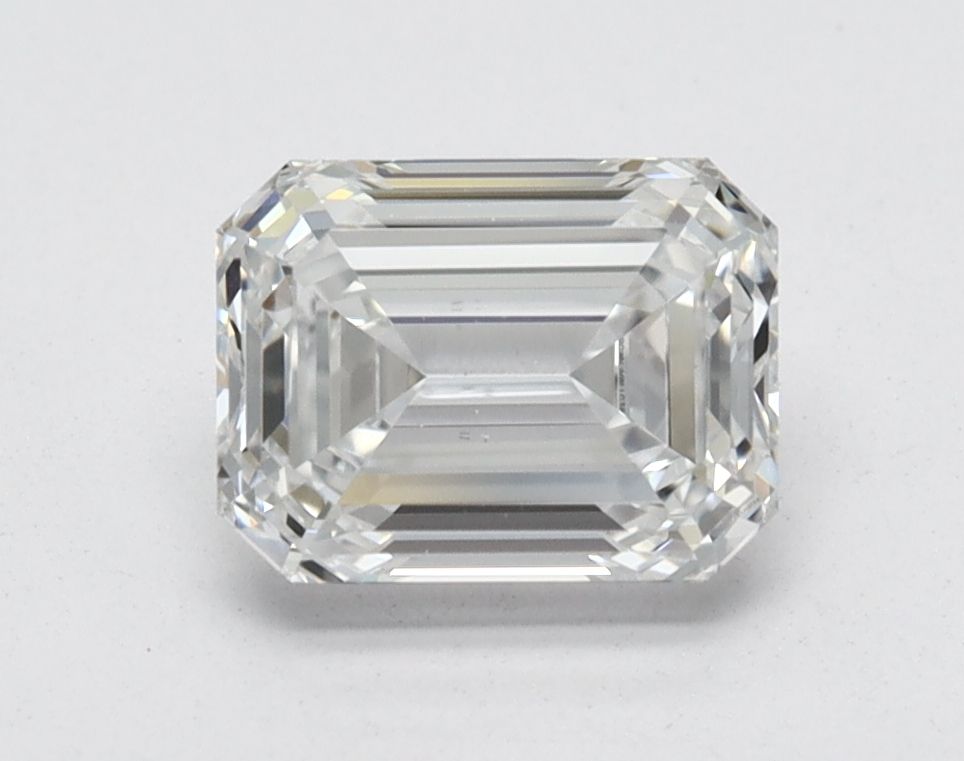
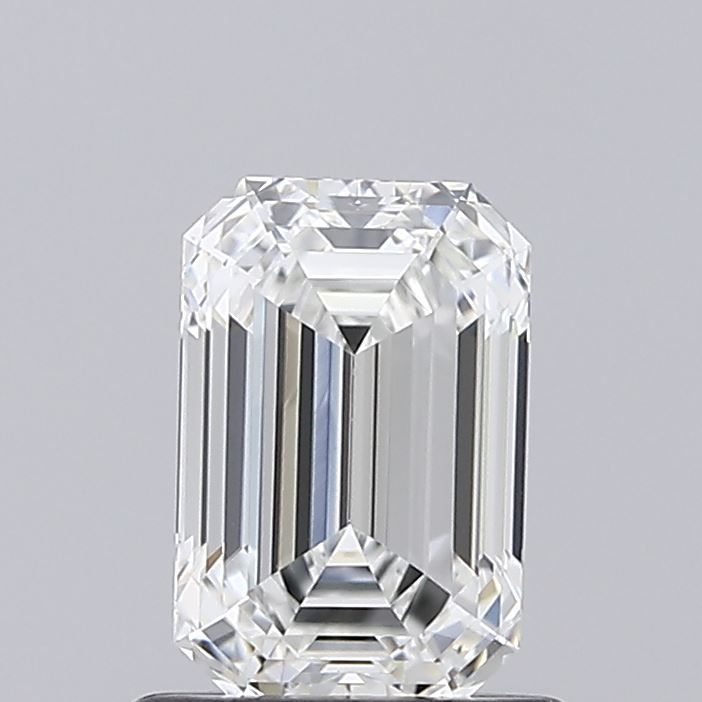
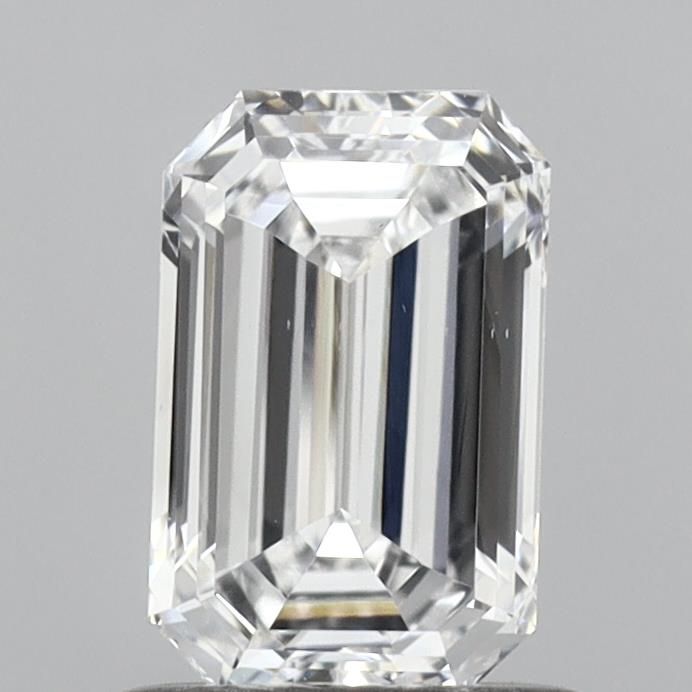
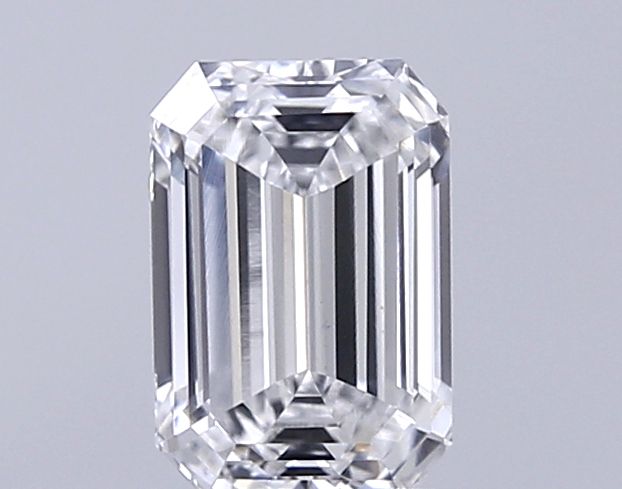
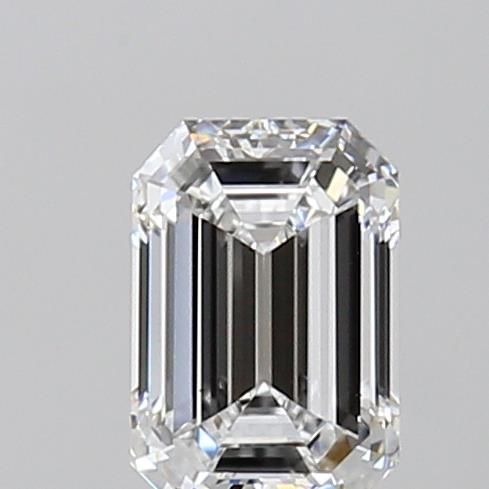
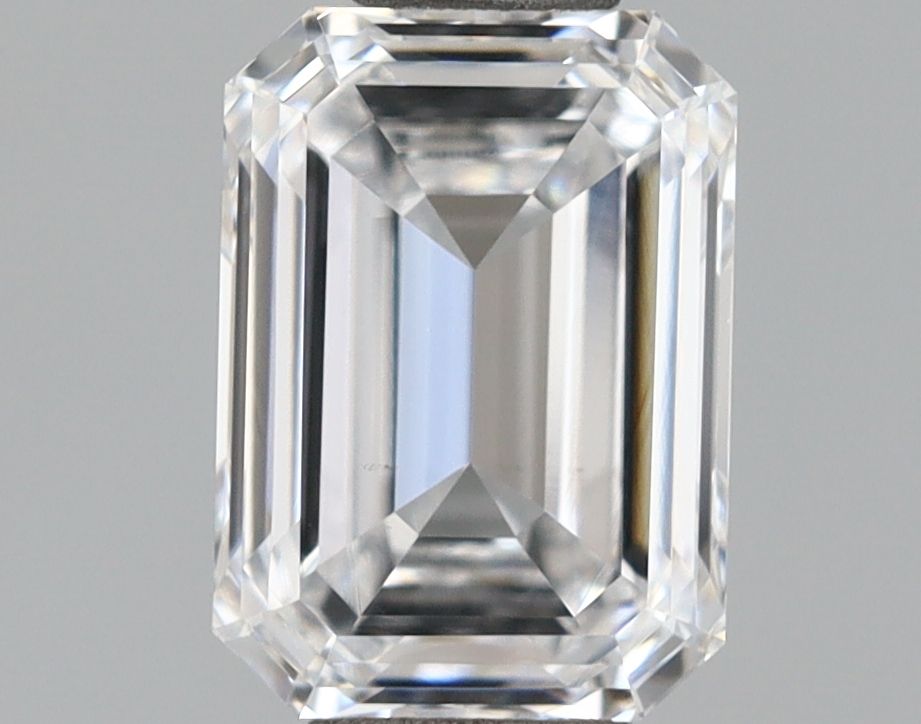
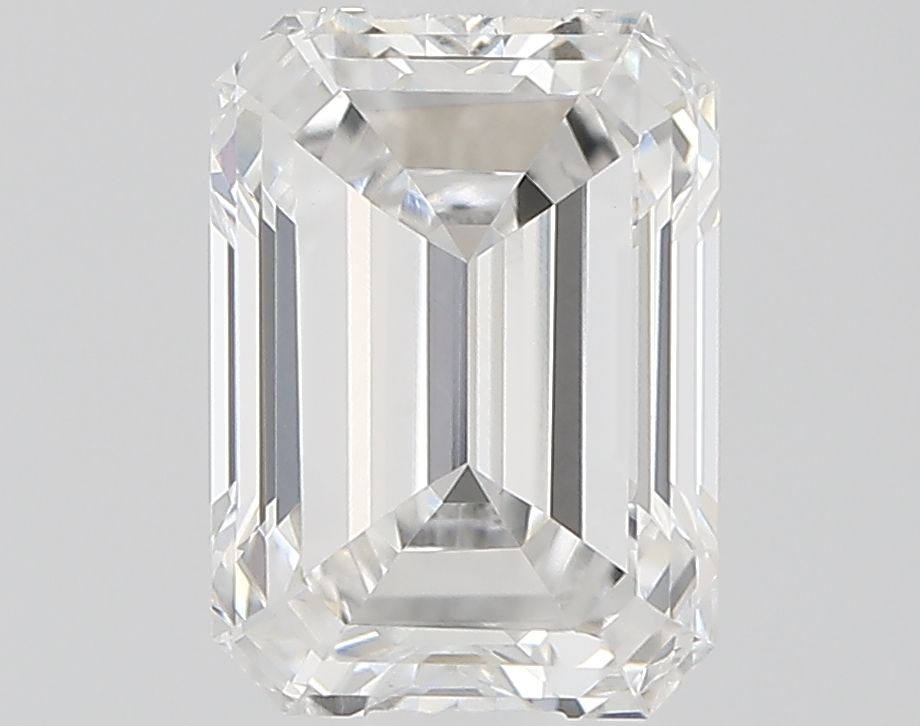
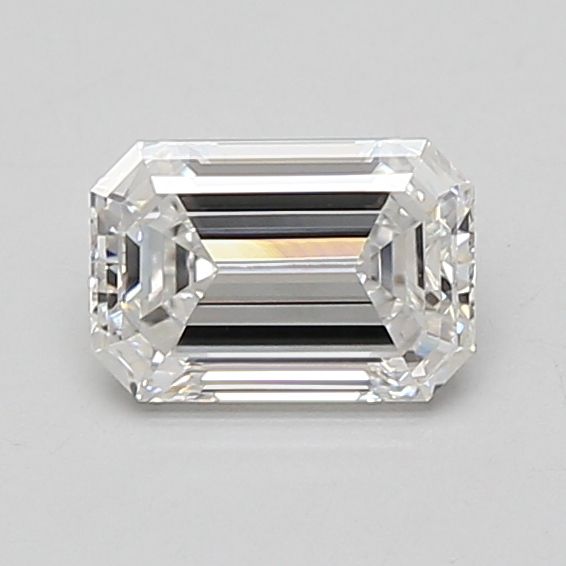
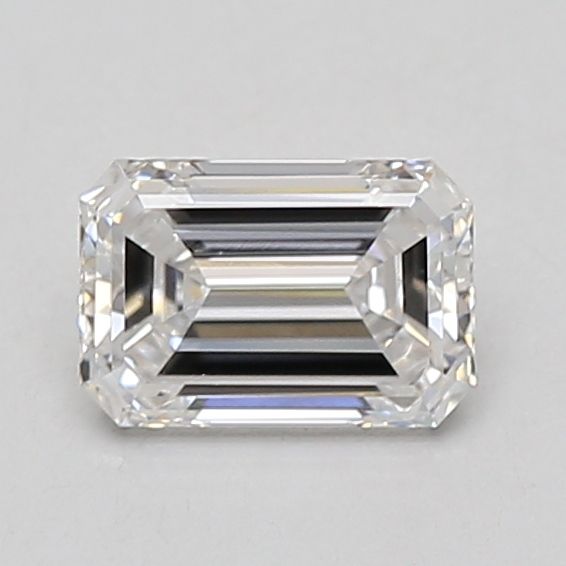
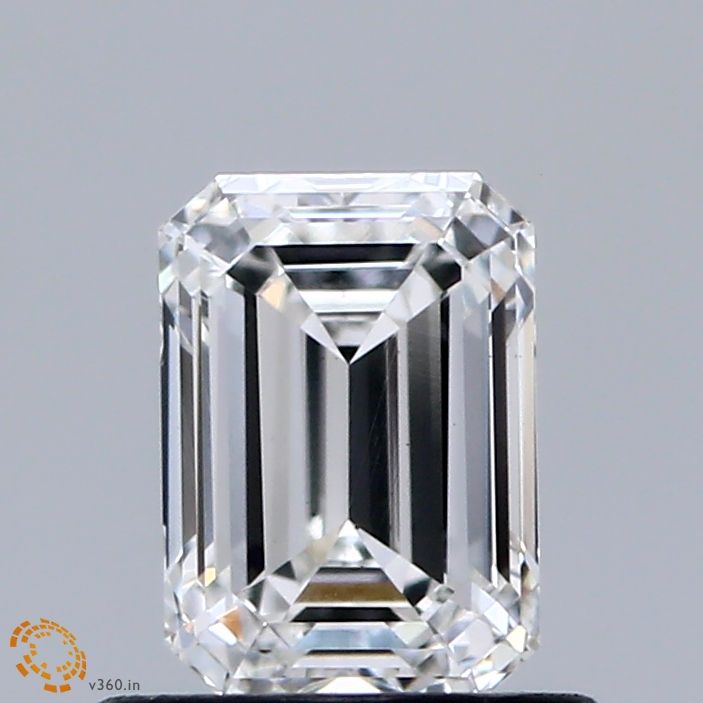
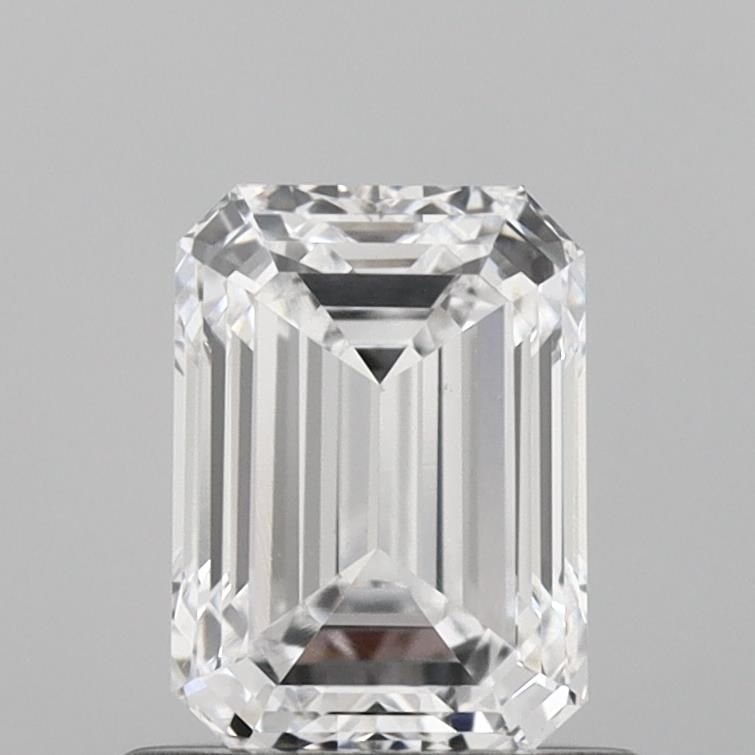
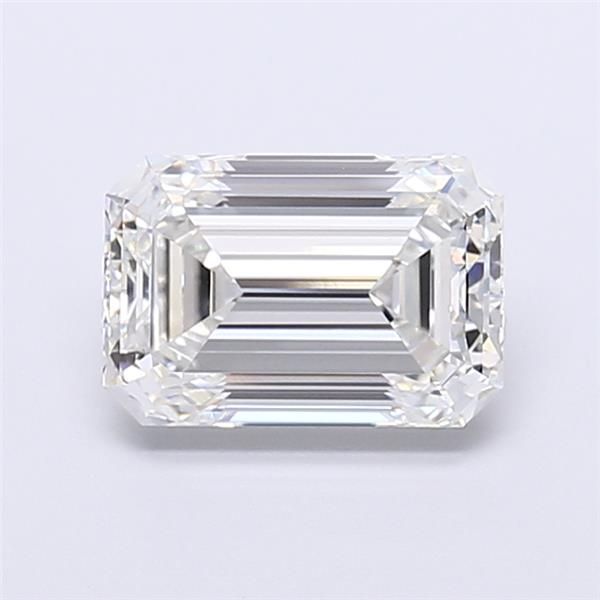
An emerald cut is a rectangle with its corners trimmed off, faceted in long, parallel steps rather than the triangles and kites of a brilliant. Those steps make broad, flat planes of light, so the stone looks calm and glassy where a round looks busy. The same openness is the catch: with fewer small facets to scatter light, whatever sits inside the diamond, and any warmth in its color, is easier to see through the large table.
Don't lean on a cut grade either: GIA keeps that grade for the standard round brilliant, and an IGI cut grade, where a report has one, is no stand-in for looking, so for an emerald cut you weigh the polish and symmetry grades, the proportions on the report and, above all, the video.
Clarity Worth Paying For
Step cuts are where clarity earns a little more of your budget, and an emerald cut's long, open table shows why. An SI1 that looks clean in a round can show a dark crystal or a feather here, because the long steps look straight into the stone. Look for one that is clean in its video at normal size, which often means VS1 or VS2. VVS and Flawless cost more for a difference only a loupe finds, so stop at the grade where the video stops showing anything. Our guide to eye-clean clarity grades shows where inclusions begin to show, and what eye-clean means sets out the test.
Color is where you can hold back. A step cut shows body color sooner than a brilliant, yet a G or H still faces up white to most eyes, and in yellow or rose gold an I often does too. Lower than that, a tint is easier to notice than in a round of the same grade.
Windows, Depth and the Hall of Mirrors
A well-cut emerald cut shows a hall of mirrors: wide bands of light and dark that trade places as the stone moves. A window is the opposite, a washed-out, see-through patch in the middle where a shallow pavilion lets light leak out of the back. In a video it looks pale and flat, and it stays that way as the stone turns.
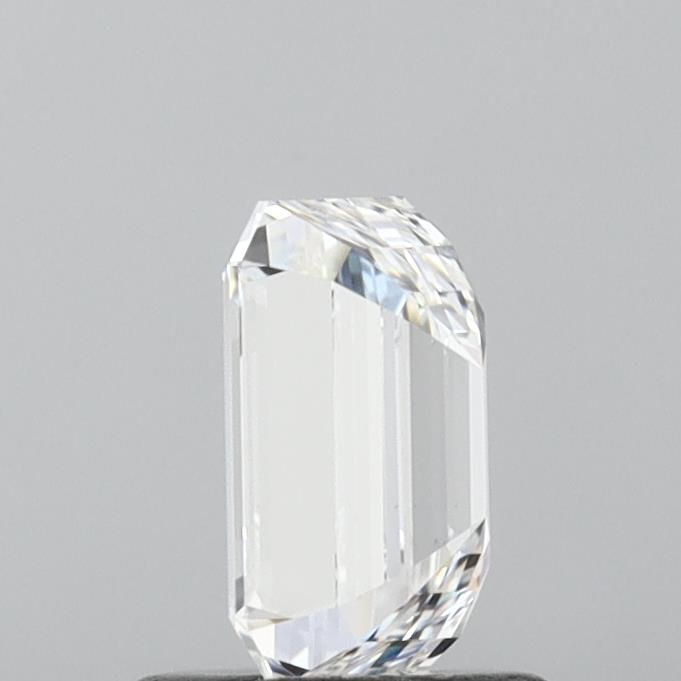
The other fault is too much depth. An over-deep stone carries weight low in the pavilion, which adds carats to the report without adding length or width on top, so it looks smaller than it weighs. Compare the millimeter measurements of stones of similar weight, and read what the table and depth figures on a report mean.
Classic and Elongated Rectangles
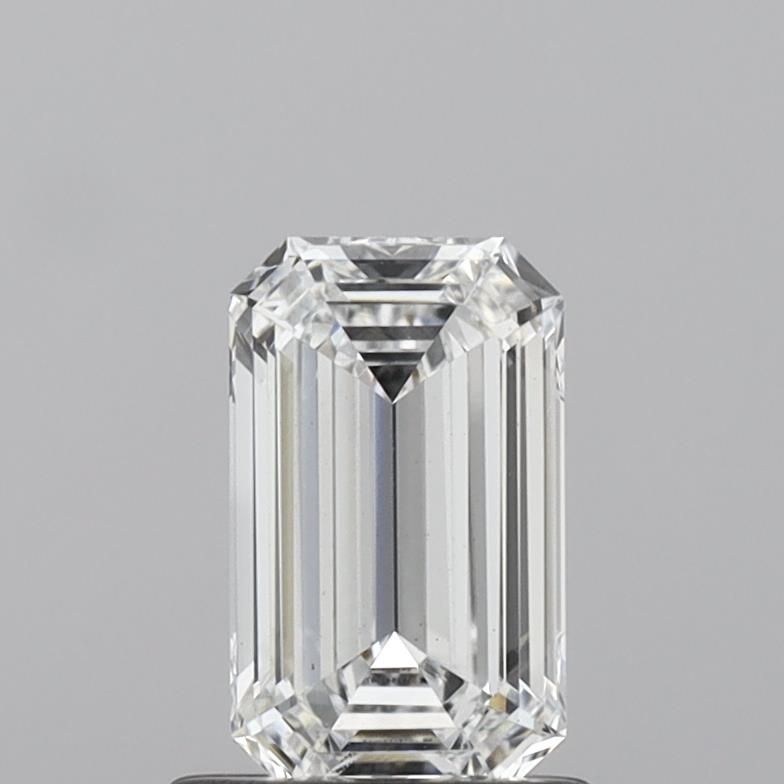
Length divided by width sets the outline. Most people like an emerald cut between about 1.30 and 1.50, and around 1.40 to 1.50 gives the classic rectangle. Below about 1.30 it looks broader and closer to square; well above 1.50 it turns long and slim, and makes the finger look longer. Neither is right or wrong, and a longer stone tends to look larger for its weight because its length shows on the hand. You can work out any stone's ratio from the length and width on its report.
Cut Corners, Easy Settings
The trimmed corners are there to protect the diamond: a sharp right angle would be easy to chip, and the bevel makes that weak point much less fragile. So an emerald cut needs no special tip protection, as long as each corner is held, and it sits well in four prongs, a double prong at each corner, or a bezel around the edge. Four prongs leave the most of the stone on view, and a bezel is the safer choice for someone who works with their hands.
Price is the last point in its favor. Set against a round with identical grades, an emerald cut is normally the cheaper stone per carat, partly because a rectangle of steps follows the rough crystal closely and loses less of it in cutting. Prices also step up at whole and half carats, so a stone just short of one of those weights is the easy saving: on the hand nobody can tell the difference.
Prices From Our Catalog
| Carat Weight | Median Price per Carat | Stones Counted |
|---|---|---|
| 0.30-0.49 ct | $1,831 | 4,314 |
| 0.50-0.74 ct | $2,213 | 9,149 |
| 0.75-0.99 ct | $468 | 7,368 |
| 1.00-1.49 ct | $378 | 26,413 |
| 1.50-1.99 ct | $312 | 19,558 |
| 2.00-2.49 ct | $299 | 16,682 |
| 2.50-2.99 ct | $299 | 7,122 |
| 3.00-3.99 ct | $298 | 14,220 |
| 4.00-4.99 ct | $290 | 9,185 |
| 5.00 ct and up | $263 | 15,740 |
The median price per carat of the emerald-cut diamonds on sale here in each band, in US dollars, as of November 2, 2026. The grid shows each stone’s own price in your currency.
Emerald, Radiant and Asscher Cuts Compared
| Emerald Cut | Radiant | Asscher | |
|---|---|---|---|
| Facet style | Step cut: long parallel facets in rows | Modified brilliant: many small triangular and kite facets | Step cut, in a square outline |
| Usual length-to-width | About 1.30 to 1.50 | Near square, or a rectangle of about 1.20 to 1.40 | Square, about 1.00 to 1.05 |
| How it shows inclusions | Plainly, through the long open table | Hides them well among its facets | Readily, like an emerald cut |
| How it shows body color | Shows a tint sooner than any brilliant | Holds a little more than a round | More than a brilliant |
| Face-up size for its weight | Similar to a round, larger when long and not too deep | Often smaller, since deep cutting is common | Often smaller than a round, as many are cut deep |
| What to check in the video | Light and dark bands across the whole face, no pale window | Even sparkle, with no dark center or bow-tie | A crisp, centered windmill |
| Cost per carat beside a round of the same grades | Usually lower | Usually lower | Usually lower |
Questions
Is an emerald-cut diamond more expensive than a round?
Not usually. A round of the same weight, color and clarity generally costs more per carat, because it is the shape most buyers ask for. An emerald cut asks for its budget elsewhere: a clean-looking stone matters more in a step cut. For a fair comparison, filter the grid to your size and grades, then sort by price.
Is the emerald cut a good cut for a diamond?
Yes, for anyone who prefers a calm, glassy look to the fire of a brilliant. It is a classic engagement shape, its cut corners make it sturdy, and a well-proportioned one looks about as large as a round of the same weight, longer on the finger. The trade-off is that it shows inclusions and color more readily, so choose clarity with care and judge each one in its video.
Which clarity should I choose for an emerald-cut diamond?
Choose the lowest grade whose video shows nothing at normal viewing size, often VS1 or VS2 in this cut. What matters is where the inclusion sits and how dark it is: a dark crystal under the open table shows, while a small, pale inclusion near a corner can end up hidden under a prong. Above about 2 carats the table is wider, so look harder.
Does an emerald-cut diamond look bigger than a round?
It can, mostly through its length, which shows on the finger. A well-proportioned emerald cut covers about as much area face-up as a round of the same weight, sometimes more. An over-deep one faces up smaller, because its extra weight sits underneath. When two stones are close in price, compare their length and width on the report rather than the carat weight alone.
What is the difference between an emerald cut and a radiant cut?
Both are rectangles with cut corners, but an emerald cut is faceted in long steps that give broad flashes of light, while a radiant has many small brilliant facets that sparkle like a round. The radiant hides inclusions and some color better; the emerald cut shows them more and rewards a cleaner stone. Many radiants are cut deep, so they can face up smaller.
Does a large emerald-cut diamond look flashy?
Less than a round of the same size. A step cut gives broad, slow flashes of light rather than constant glitter, so even a large emerald cut looks calm and tailored on the hand. Whether a size suits you is down to taste and your finger: set the carat filter, compare the length and width in millimeters, and picture each stone against your own hand.