
4 Carat Lab-Grown Diamonds
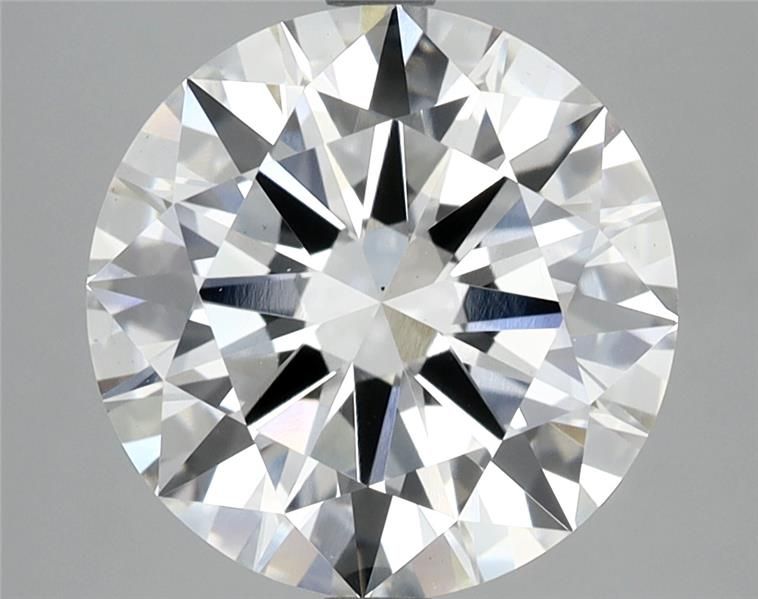
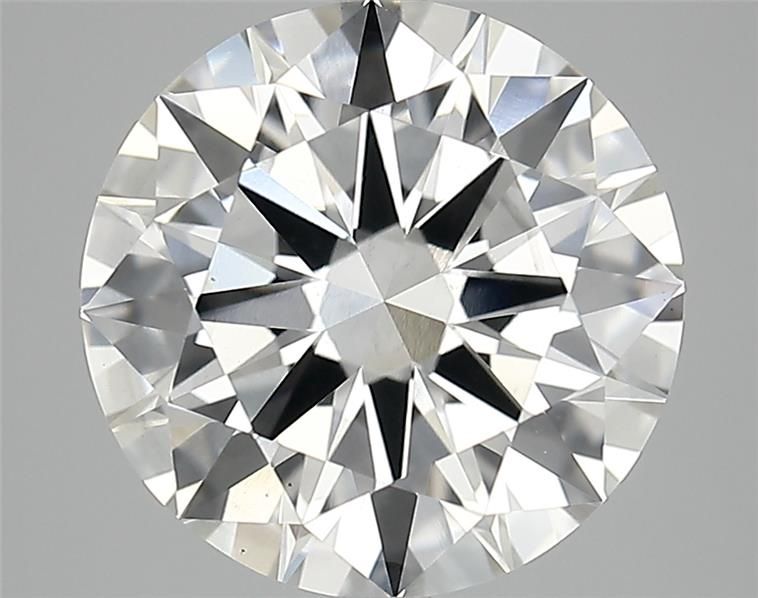
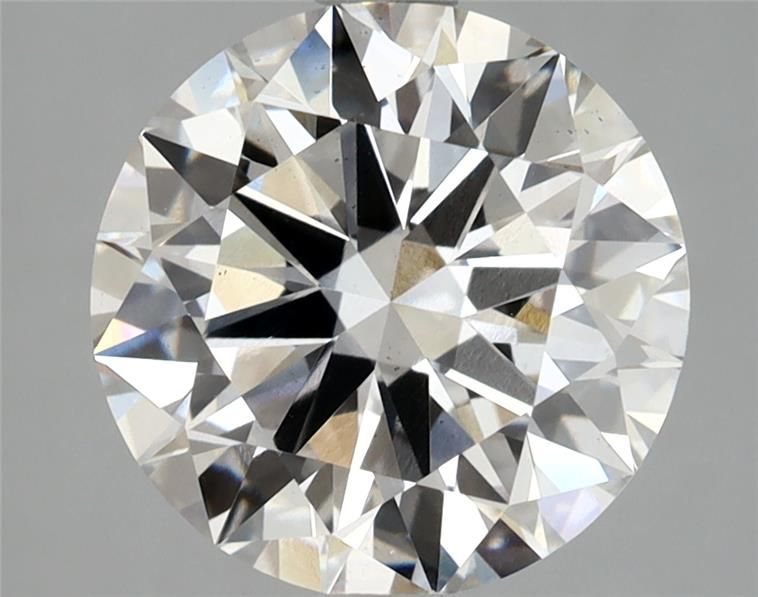
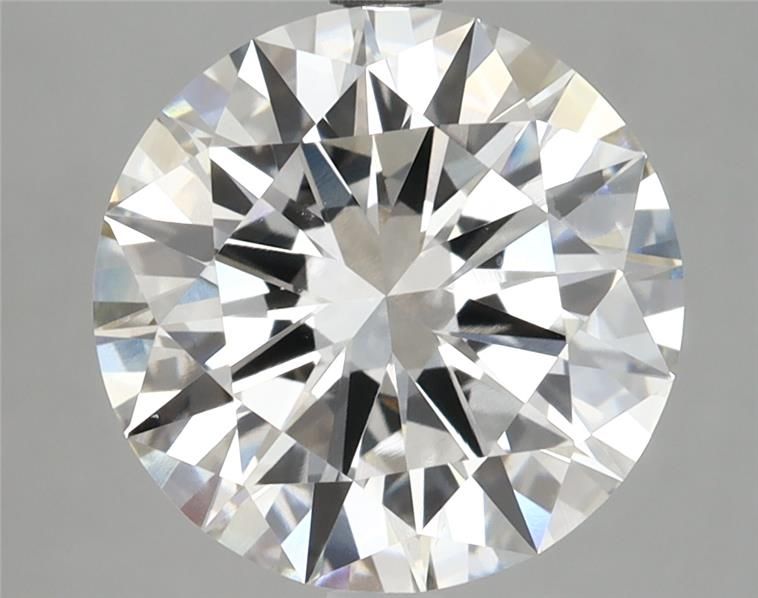
White lab-grown diamonds of 4.00 to 4.99 carats in every shape, each graded by IGI or GIA, with the lab's grades, a video where one exists and a price in your currency on its page.

- Over 68,000 Available
- From $699
- IGI and GIA Reports
- Free Insured Delivery Over $100

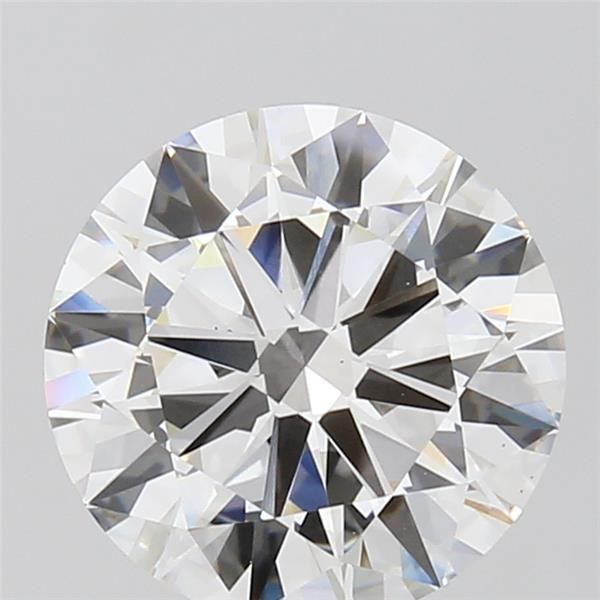
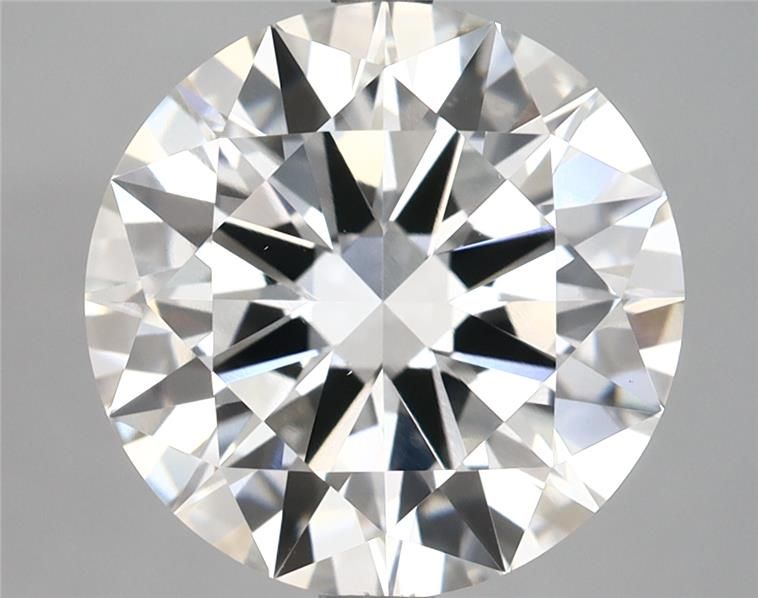
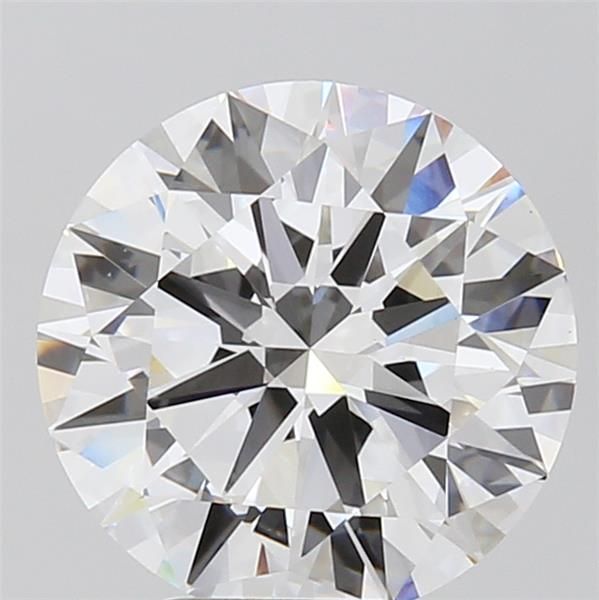
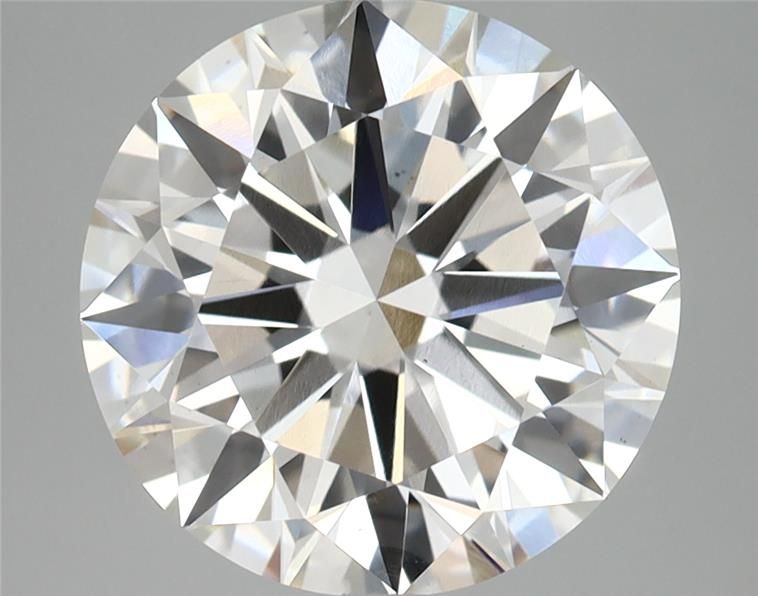
Good to Know
In Brief
Choose the shape before the grades. At 4 carats an emerald cut shows inclusions and tint plainly and fewer stones at each grade pass, so compare several in their videos, often at VS1 in F or G, while a radiant or oval that looks clean at VS2 or SI1 matches a VVS on the hand. Pick a low or bezel setting on a snug band so the stone stays steady through daily wear. A 3.90 looks just like a 4.00 once set, so compare both and buy the cheaper one.
A Ten Millimeter Statement
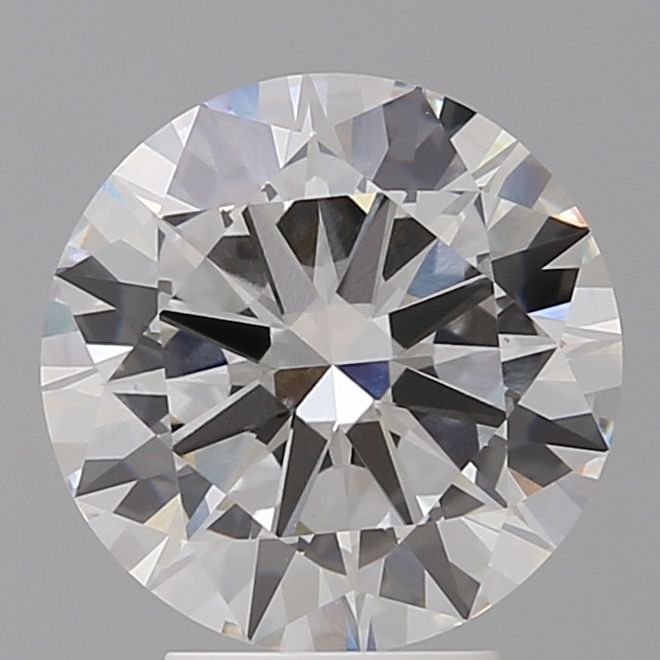
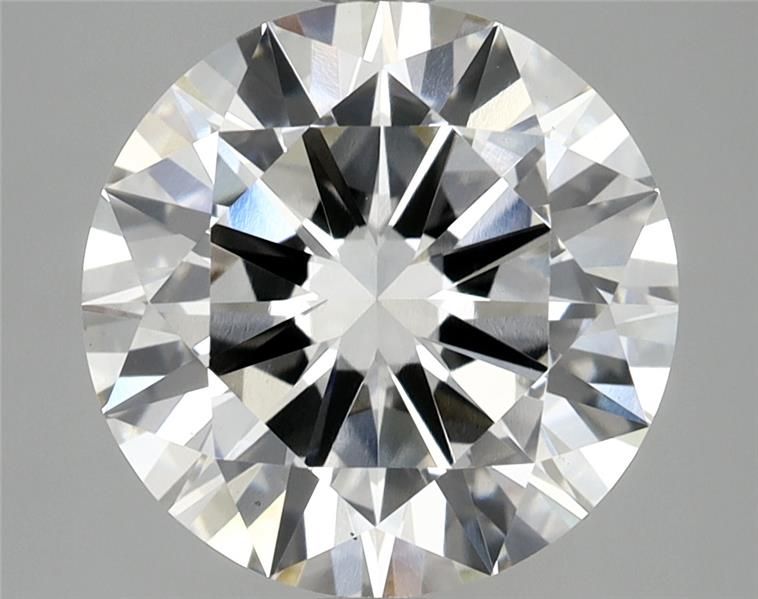
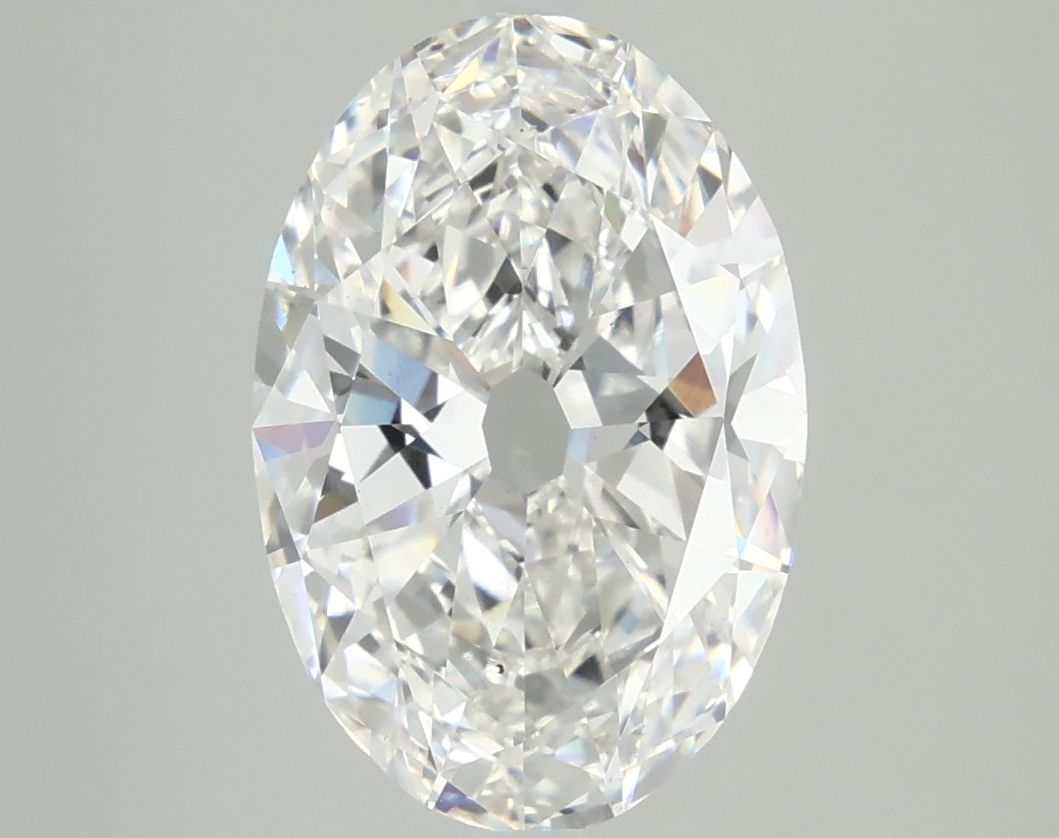
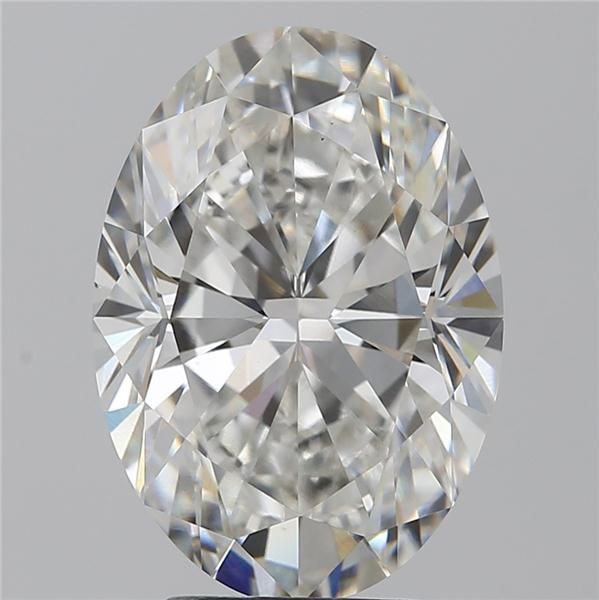
A well-cut round grows from about 10.2 mm across at 4.00 carats to about 10.6 mm at 4.50. On a size 6 finger, roughly 16.5 mm wide, a 4.00 covers about three fifths of the width, yet it is less than a millimeter wider than a 3 carat round. Long shapes stretch the same weight further: a 4 carat oval runs about 12.5 by 9 mm, a pear about 13.5 by 9 mm and a marquise about 16 by 8 mm. A square cushion looks more compact at about 9 mm a side, and an Asscher at about 8.7 mm, since both tend to be cut deep.
Prices often step up at round weights, and buying just under one works at both ends of this band. A 3.90 round is under a tenth of a millimeter narrower than a 4.00, and stones of 3.80 to 3.99 carats belong to our 3 Carat page; at the top, a 4.90 is within about 0.1 mm of a 5.00 and stays under the step at 5 carats. The dated table, when it shows, gives one median price per carat in US dollars for the whole band, so judge any one stone against others close to its weight.
Why Step Cuts Lead at Four Carats
Radiants and emerald cuts share an outline and behave very differently. An emerald cut is faceted in long steps under a broad table, and at about 10.5 by 8 mm that table is a wide, clear window. GIA notes that its long facets do not hide inclusions well and that its color shows more, and both effects grow with the stone. So this is where to spend on clarity: choose an emerald cut whose video shows nothing under the table, often VS1, and in platinum or white gold an F or G. That is the same floor as at 3 carats. What changes at about 10 mm is that fewer stones at each grade pass the video, so expect to look at several before one does, and don't pay for a higher grade to save the search.
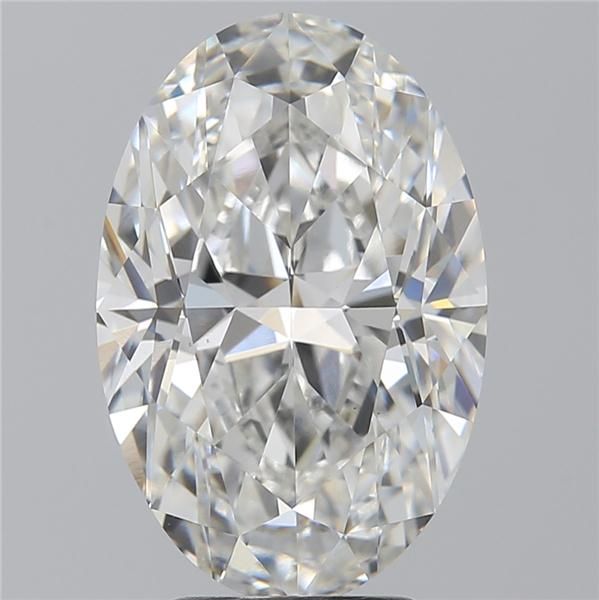
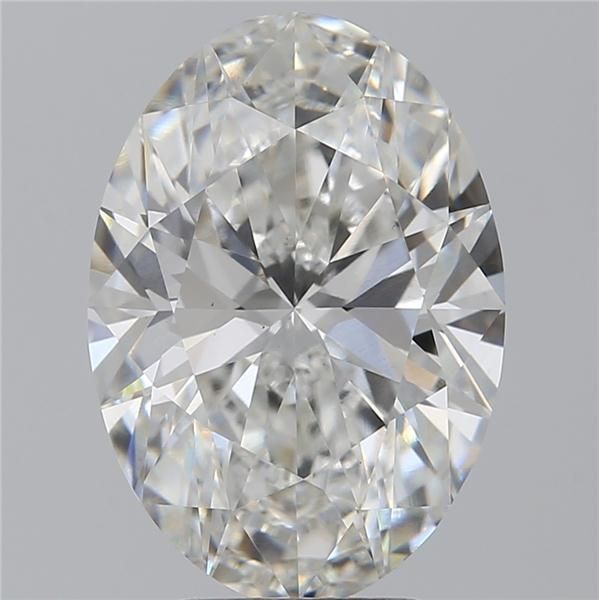
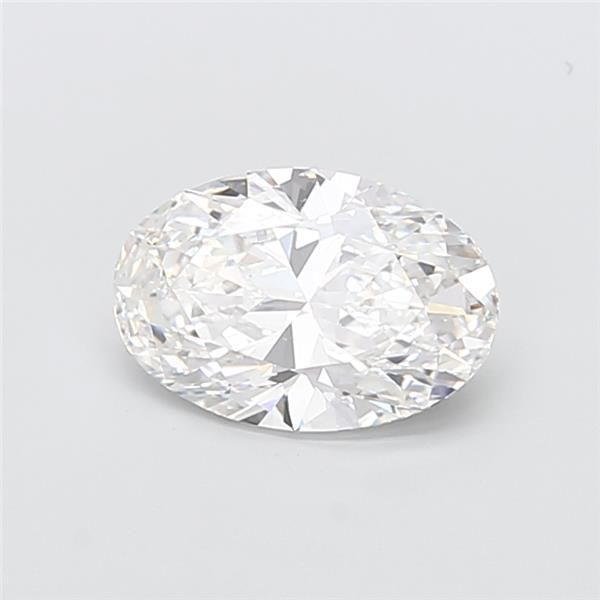
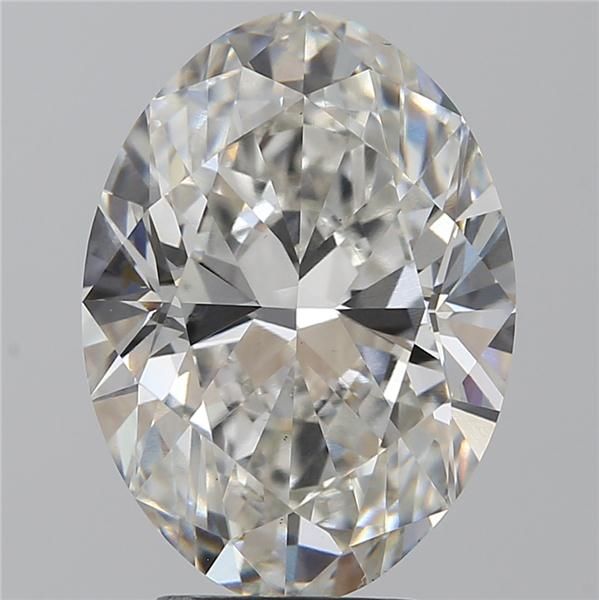
A radiant keeps that outline under brilliant faceting, and its many small facets break up the view inside, so a VS2 or SI1 that is clean in its video does the same job on the hand as a VVS. An oval forgives as much as a radiant and shows the largest face of the three, the shape to choose if size on the finger matters most.
Inclusions a Lab-Grown Stone Can Carry
A lab-grown diamond's inclusions come from the way it was grown. HPHT diamonds, grown under high pressure and temperature in molten metal such as iron, nickel or cobalt, can trap pieces of it: black and opaque, with a metallic shine in reflected light. CVD diamonds, built up layer by layer from a carbon-rich gas, can hold dark pinpoints of graphite, carbon that never became diamond, and faint graining from their growth. Where the report names the growth method, you know what to look for.
At this size, where an inclusion sits counts for more than the grade beside it. A black flux fragment under the middle of an emerald cut's table can show to the naked eye even at VS2, while the same speck at the edge of a radiant may vanish under a prong. Whichever lab graded the stone, let the video, where there is one, settle whether an inclusion shows. What each clarity grade allows is set out in our education pages.
Living With a Four Carat Ring
A 4 carat round is more than 6 mm deep, and in a tall prong head it stands well above the finger, where it snags knitwear and meets door frames first. A lower-profile head or a bezel keeps it closer and guards its edge, and an emerald cut or radiant wants a prong on each corner. Weight on top tends to roll a ring sideways, so have the band sized snugly and a little wider than a fine wire.
Take the ring off for the gym, gardening and cleaning with bleach. Lotion, soap and skin oil leave a film that dulls a broad table quickly, so clean it often in warm, soapy water with a soft toothbrush, and have a jeweler look over the prongs from time to time.
Prices From Our Catalog
| Carat Weight | Median Price per Carat | Stones Counted |
|---|---|---|
| 4.00-4.99 ct | $285 | 72,394 |
The median price per carat of the 4 carat lab-grown diamonds on sale here in each band, in US dollars, as of November 2, 2026. The grid shows each stone’s own price in your currency.
Emerald Cut, Radiant and Oval at Four Carats
| Emerald Cut | Radiant | Oval | |
|---|---|---|---|
| Typical face-up size | About 10.5 by 8 mm | A similar outline, often a little smaller as many are cut deeper | About 12.5 by 9 mm, the largest face of the three |
| How inclusions show | Plainly under the broad table; often VS1, and not every VS1 passes | Broken up by brilliant facets; a clean VS2 or SI1 often passes | Hidden well, unless one sits near the center |
| How color shows | Sooner than in a brilliant; F or G in white metal | Gathers toward the corners; G in white metal | Can gather at the two ends; G or H in white metal |
| Corners or points to protect | Four cut corners, each under a prong, or a bezel | Four cropped corners, sturdy, each under a prong | None; four or six prongs hold it |
Questions
How much does a 4 carat lab-grown diamond cost here?
Each stone has its own price, set by its shape, color, clarity and exact weight, and shown in your currency on its page. The dated table on this page, when it shows, gives the median price per carat for 4.00 to 4.99 carats in US dollars. To see what a budget buys, sort the grid by price and compare widths in millimeters, and check the 3 Carat page for stones of 3.80 to 3.99 carats, which look almost the same.
Is 4 carats too big for an engagement ring?
Not in itself; the answer depends on your hand and how you live. A 4 carat round covers about three fifths of a size 6 finger and less of a broader one, so it reads as a statement on most hands. A low setting and a plain band keep it in proportion, while a halo makes it bigger again. Hold a paper cutout of its measurements against your finger first.
How big is a 4 carat lab-grown diamond?
As a well-cut round, about 10.2 to 10.3 mm across, rising to about 11 mm near 5 carats. Shape changes the size you see: a 4 carat oval is about 12.5 by 9 mm, an emerald cut about 10.5 by 8 mm, a pear about 13.5 by 9 mm and a square cushion about 9 mm a side. Depth moves every figure, so read the length and width on each stone's report.
Is a 4 carat diamond much bigger than a 3 carat?
Less than the numbers suggest. A well-cut 3 carat round is about 9.3 mm across and a 4 carat about 10.2 mm, under a millimeter wider, because the added weight goes into depth as well as width. The face is about a fifth larger, which does show on the hand, but a well-cut 3.50, at about 9.8 mm, is only about 0.4 mm narrower than a 4.00. Compare millimeters before carats.
Is an emerald cut or a radiant better at 4 carats?
Neither is better; they suit different eyes and budgets. An emerald cut gives calm, broad flashes and a clear view into the stone, so at this size it needs higher clarity and color to look its best. A radiant has the same cut-cornered outline with brilliant sparkle that hides inclusions and some tint, so a lower grade can look clean. It is often cut deeper, so compare the measurements as well.
Can I wear a 4 carat ring every day?
Yes, as long as the setting does the protecting. Diamond resists scratches better than any other gem, but a hard knock on its edge or a corner can chip it, and a stone this size stands out to take one. So the setting matters more here than any grade: a low head or a bezel, a prong on each corner of a step cut and a snug band help keep it safe through the day.