
Loose Alexandrite
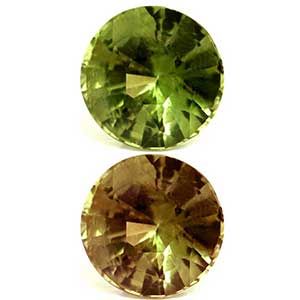
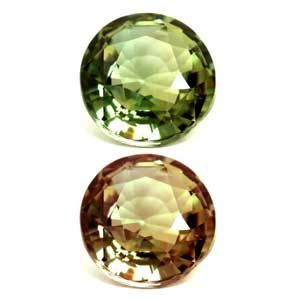
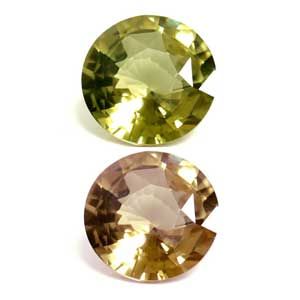
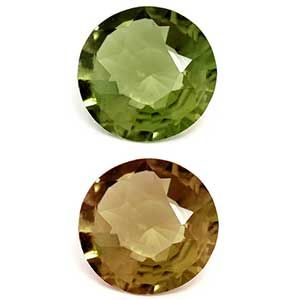
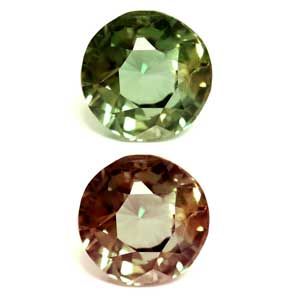
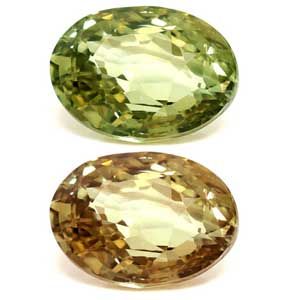
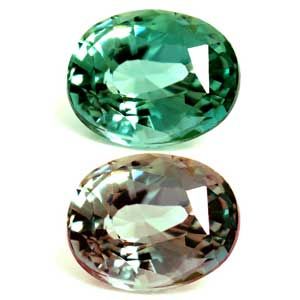
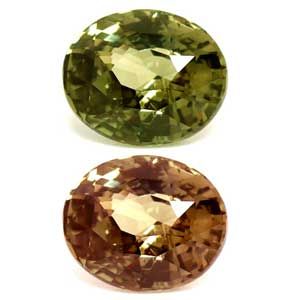
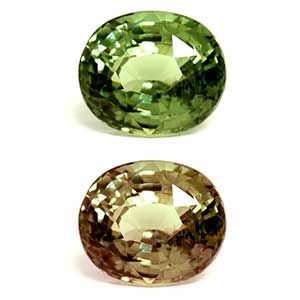
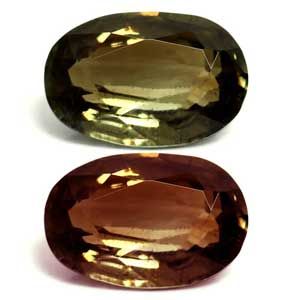
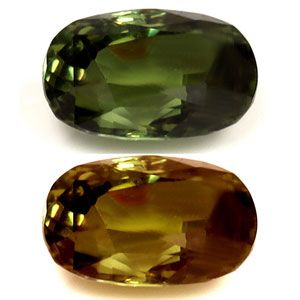
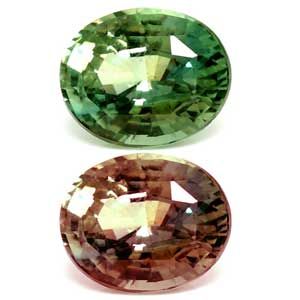
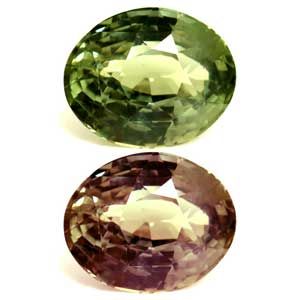
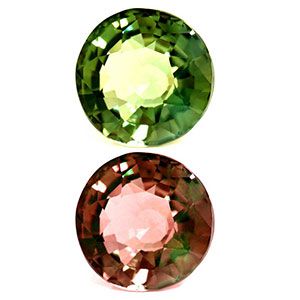
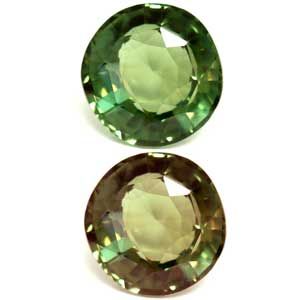
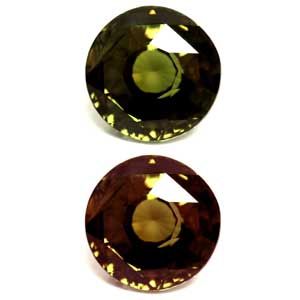
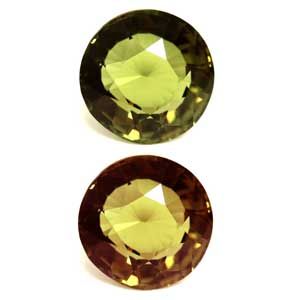
Natural alexandrite, the gem that looks green to bluish green in daylight and red to purplish red under warm lamplight, each with a report from an independent lab.

- 559 Available
- From $2,069
- GIA, AGL and Gübelin Reports
- Free Insured Delivery Over $100





Good to Know
In Brief
Pay for the color change: the clearer the switch from green to red, and the purer both colors, the more an alexandrite is worth. Buy only with a lab report that calls it natural alexandrite, because lab-grown alexandrite and color-change look-alikes are common.
The Color Change Is What You Pay For
Alexandrite is a variety of chrysoberyl that absorbs light so finely balanced between green and red that the light around it decides which you see. In daylight or a cool lamp it looks green to bluish green; under incandescent or candle light it turns red to purplish red. The strength of that change is most of the price. A stone that shifts fully between two pure colors is rare and costly; one that moves only from greenish to brownish is common and costs far less. A report often describes the change, so read it alongside the video, which shows the stone under one light.
How to Tell a Real Alexandrite
Most stones sold as alexandrite in ordinary jewelry are lab-grown alexandrite or a different material, often a color-change lab-grown sapphire, which turns purple to pink rather than green to red. A natural alexandrite of any size is expensive, so a low price is a warning in itself. The only reliable test is a lab's, and every alexandrite we sell comes with a report from an independent laboratory, such as GIA, AGL or Gübelin, that identifies it as natural.
Where Alexandrite Comes From
Alexandrite was first found in the Ural Mountains of Russia in the 1830s. Today most comes from Brazil, Sri Lanka, India and East Africa. Where a lab can tell, its origin report names the source; each stone's page shows the origin its supplier lists, which only such a report confirms. A famous origin adds to the price, but the color change is what you will notice.
Size and Wear
Fine alexandrite is rare above a carat or two, and the price per carat climbs steeply with size, so a smaller stone with a strong change is usually a better buy than a larger one with a weak change. At 8.5 on the Mohs scale, alexandrite is hard and tough enough for a ring worn every day. What a lab report records is explained in our education pages.
Prices From Our Catalog
| Carat Weight | Median Price per Carat | Stones Counted |
|---|---|---|
| 0.30-0.49 ct | $22,704 | 40 |
| 0.50-0.74 ct | $14,837 | 86 |
| 0.75-0.99 ct | $10,332 | 83 |
| 1.00-1.49 ct | $11,142 | 101 |
| 1.50-1.99 ct | $10,861 | 90 |
| 2.00-2.49 ct | $11,752 | 51 |
| 2.50-2.99 ct | $14,543 | 36 |
| 3.00-3.99 ct | $15,461 | 30 |
| 5.00 ct and up | $35,858 | 14 |
The median price per carat of the alexandrite on sale here in each band, in US dollars, as of November 2, 2026. The grid shows each stone’s own price in your currency.
Alexandrite and Its Look-Alikes
| Natural Alexandrite | Lab-Grown Alexandrite | Color-Change Sapphire | |
|---|---|---|---|
| What it is | Chrysoberyl, formed in the earth | Chrysoberyl, grown in a lab | Corundum, usually lab-grown |
| Color change | Green to red, its strength varies | Often a strong green to red | Usually purple to pink |
| How to tell | A lab report calling it natural | A lab report | A lab report |
Questions
How can I tell if an alexandrite is real?
Only a lab can tell for certain. Lab-grown alexandrite and color-change lab-grown sapphire look convincing, and they cost far less than a natural stone. Every alexandrite we sell has a report from an independent laboratory, such as GIA, AGL or Gübelin, identifying it as natural, and its page names the lab. Without such a report, assume a low-priced alexandrite is not natural.
How much does a real alexandrite cost?
Natural alexandrite is among the costliest colored gems, and its price depends most on the strength of the color change, then on size and clarity. Fine stones over a carat are rare, so the price per carat rises steeply with size. Sort the grid by price to see each stone in your currency, and compare the change described in each report.
Where does alexandrite come from?
It was first found in Russia's Ural Mountains in the 1830s and named after the future Tsar Alexander II. Today most comes from Brazil, Sri Lanka, India and East Africa. A lab gives the origin in an origin report where it can determine it; each stone's page shows the origin its supplier lists. Origin can change the price; the color change matters more.
Why is alexandrite a birthstone for June?
It was added to the American birthstone list for June in 1952, beside pearl and moonstone, so June has more than one birthstone. Alexandrite is the hardest and rarest of the three, which makes it the choice for a ring that will be worn every day. Its color change also makes it a stone people notice.
Will I see the color change in the video?
Not fully. The video and photographs show the stone under one light, so they show one side of its change. The lab report often describes both colors and the strength of the change, so read it with the video. If you are unsure how a stone changes, ask our concierge before you buy.