3 Carat Lab-Grown Diamonds
Lab-grown diamonds of 3.00 to 3.99 carats, white from D to M and cut in every shape, all graded by IGI or GIA.

- Over 140,000 Available
- From $514
- IGI and GIA Reports
- Free Insured Delivery Over $100
Good to Know
In Brief
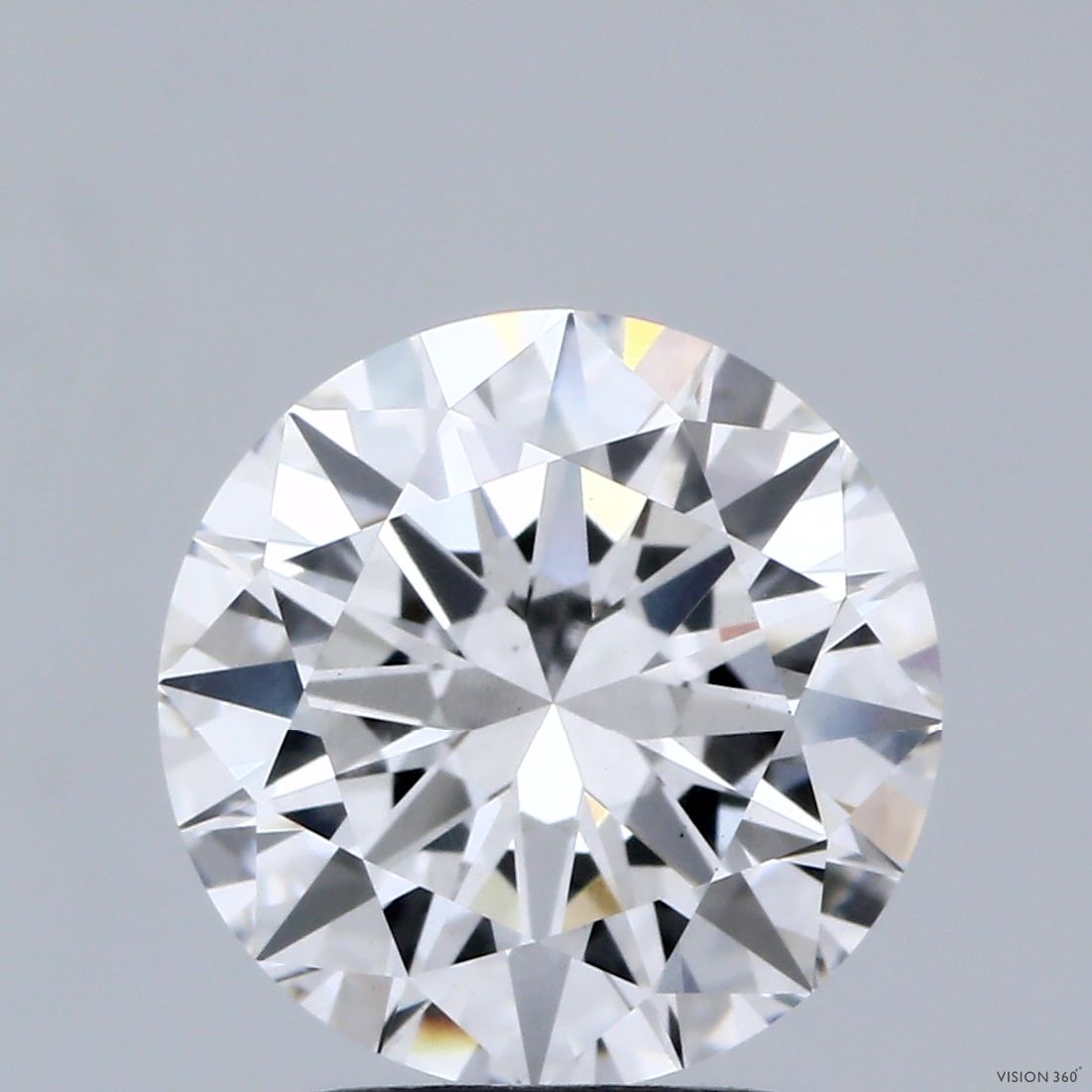
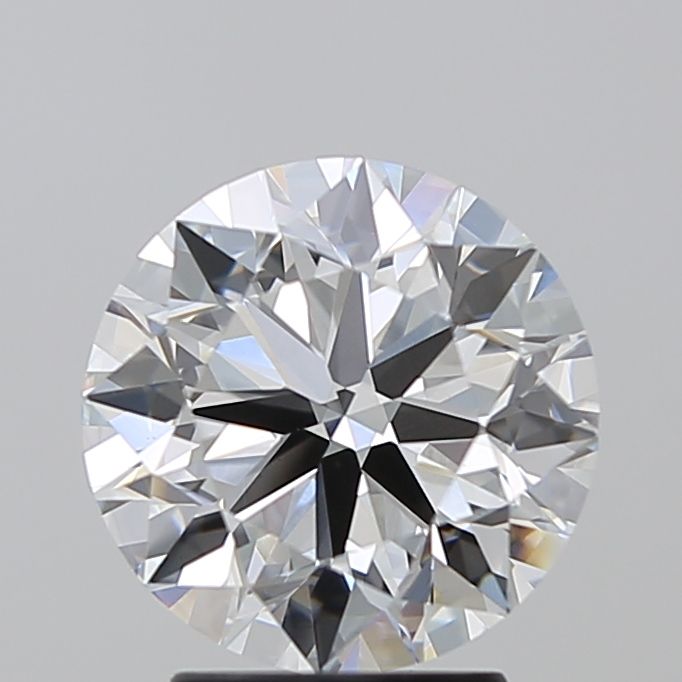
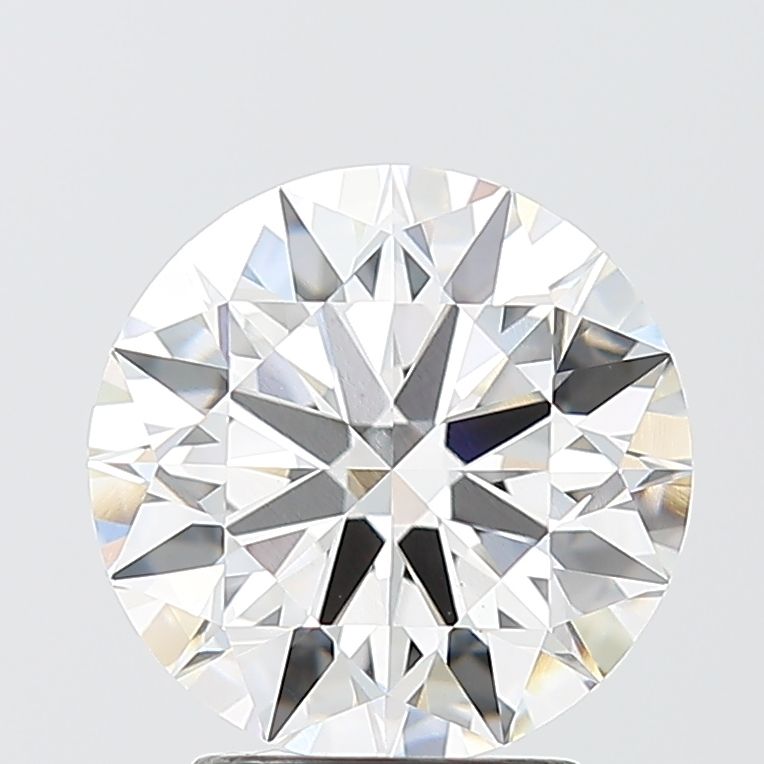
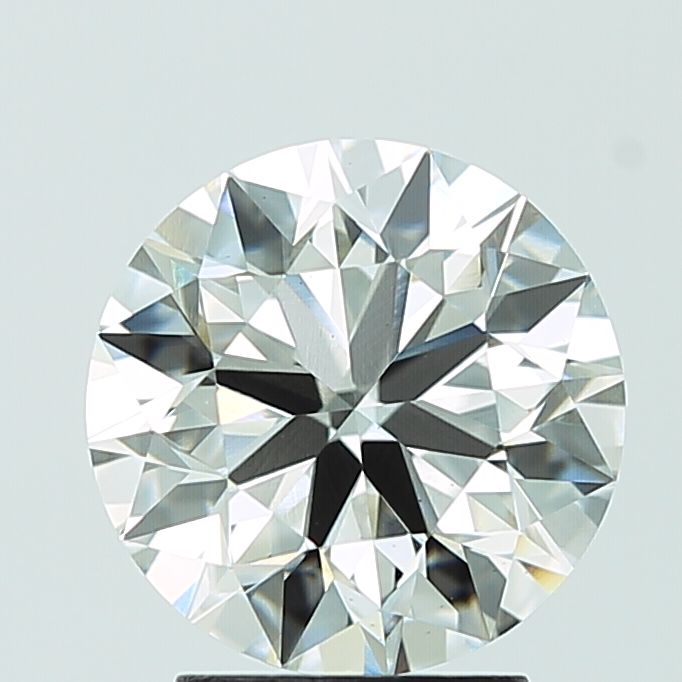
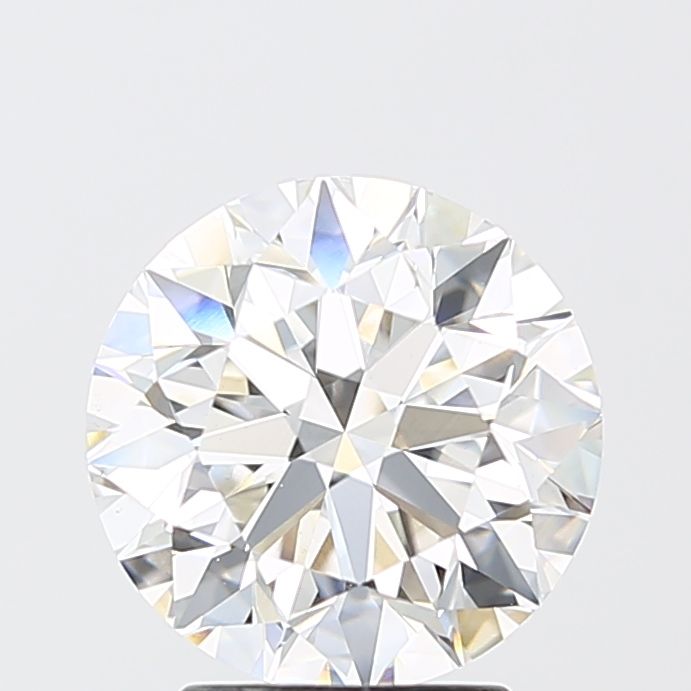
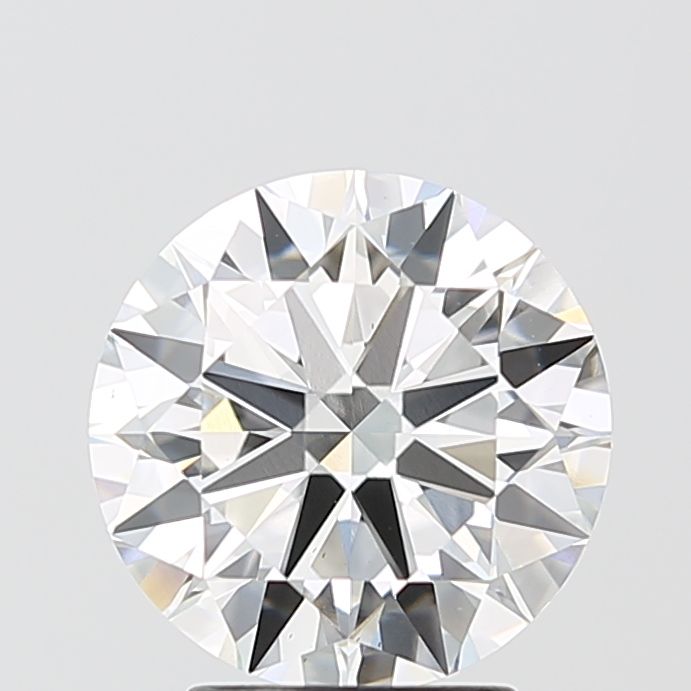
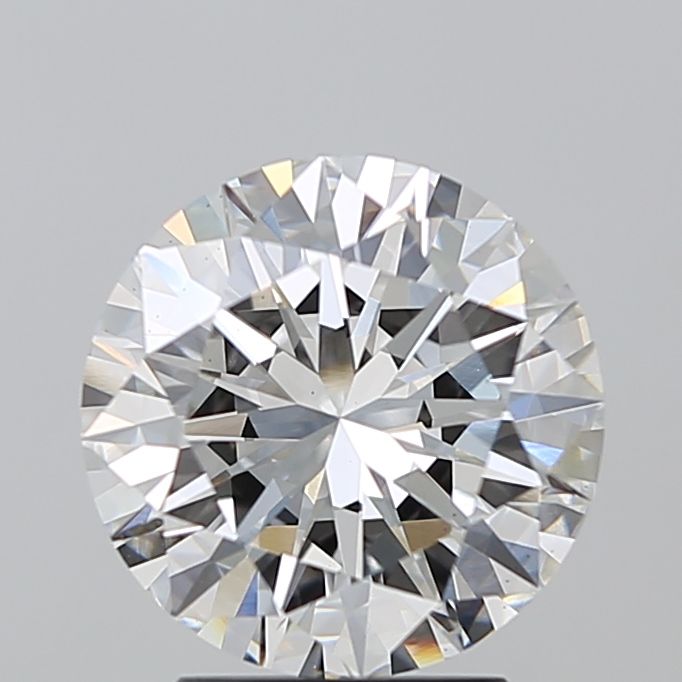
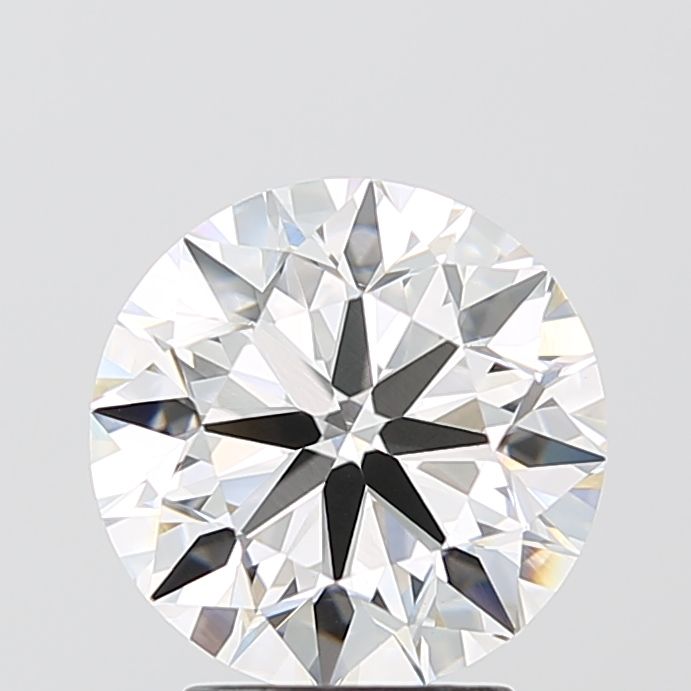
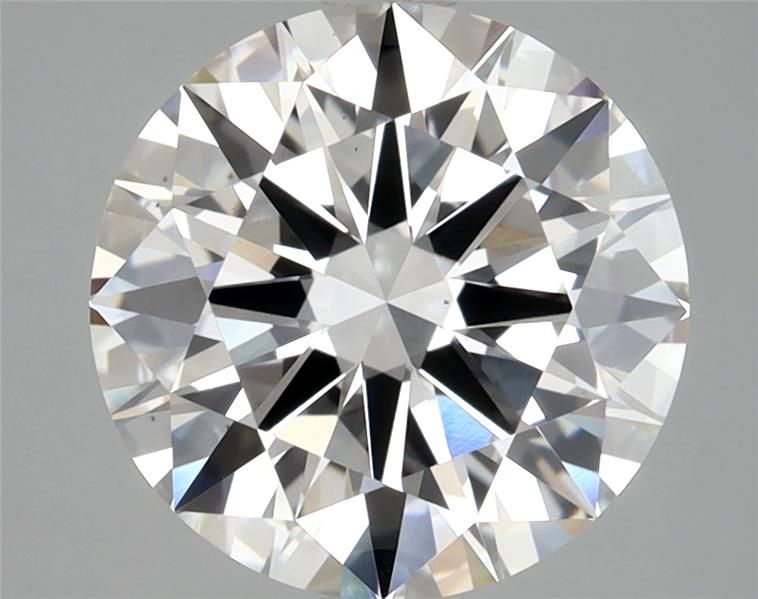
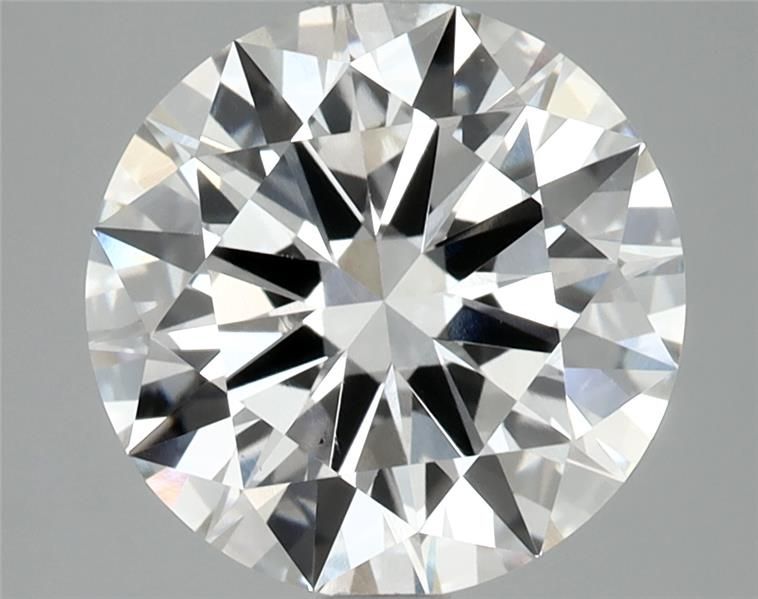
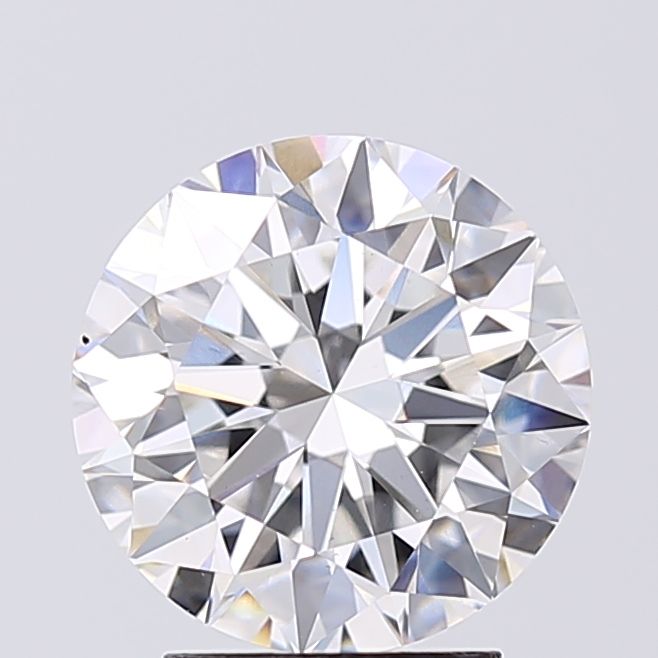
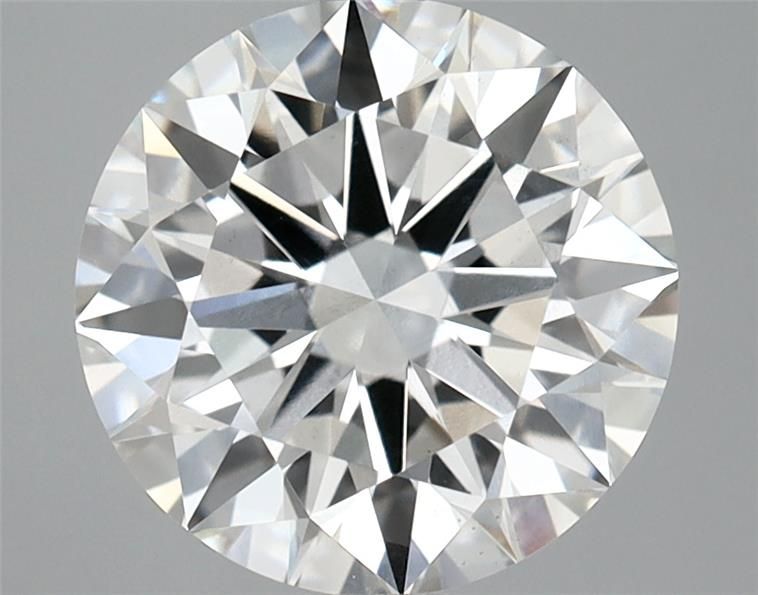
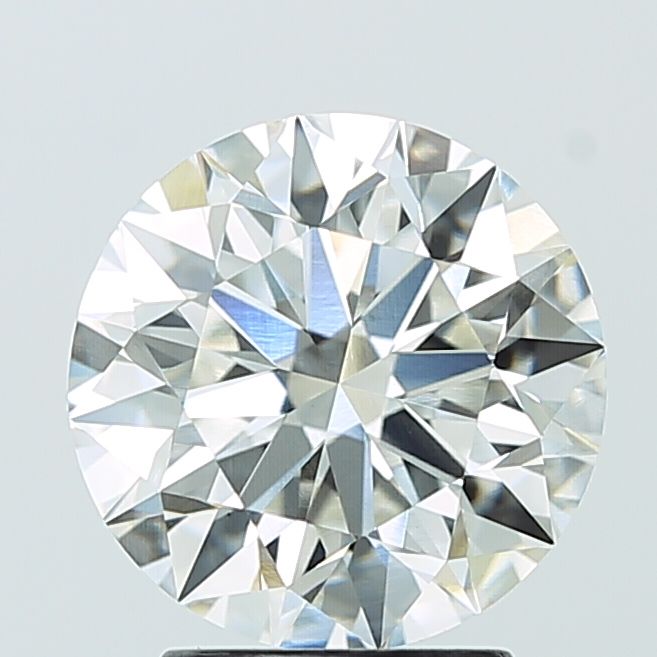
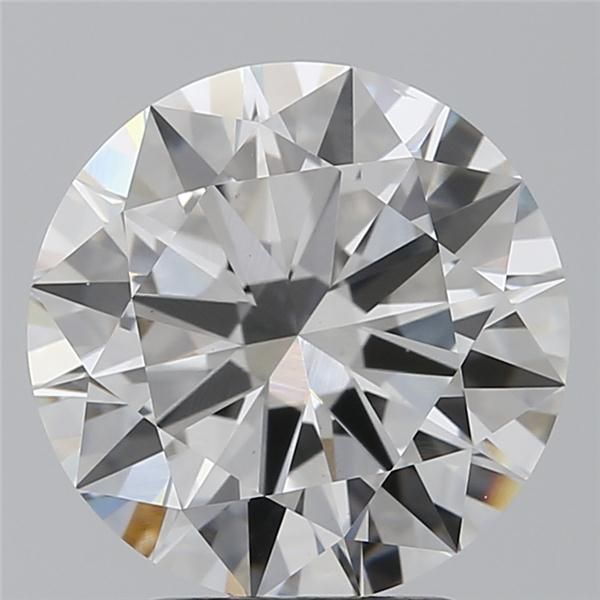
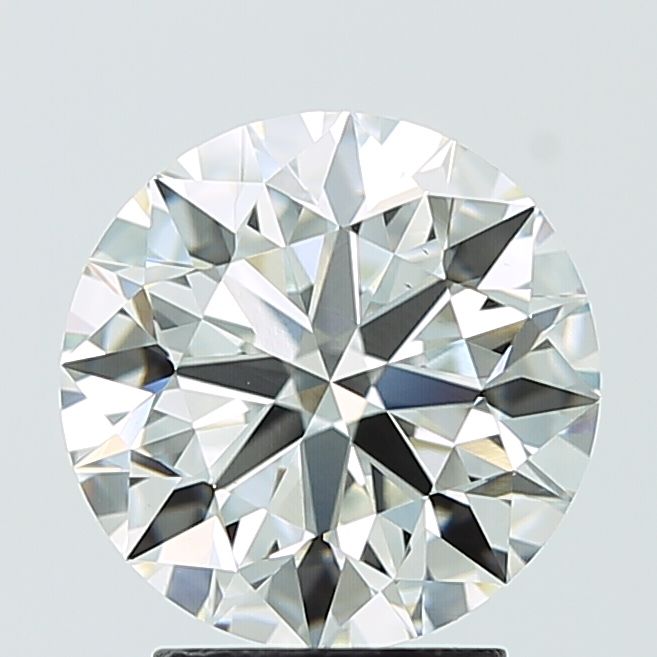
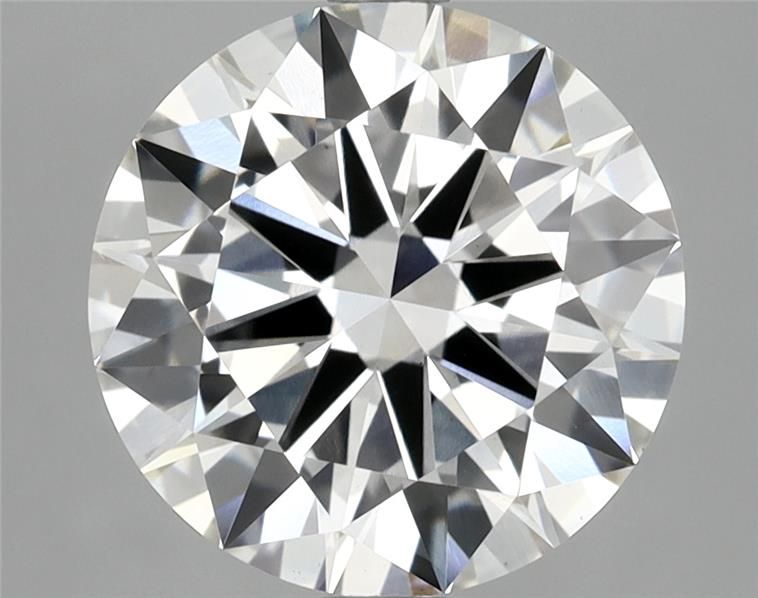
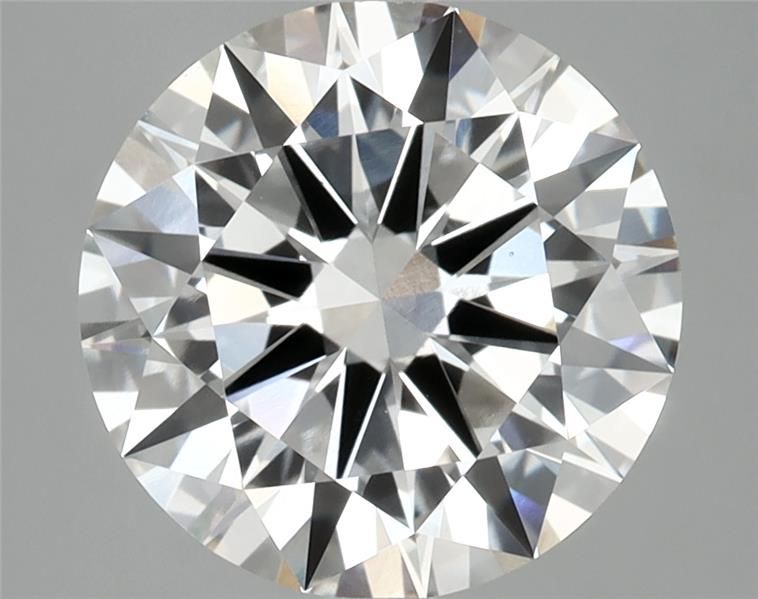
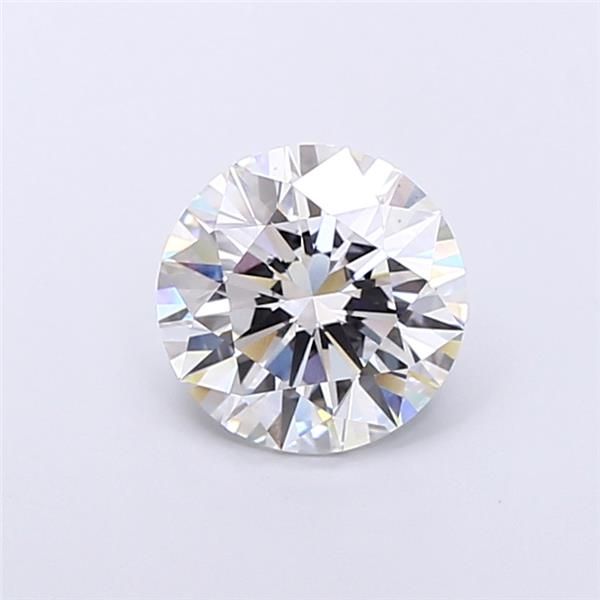
At about 9.3 mm across, a 3 carat round lets more color and more of any inclusion show, so judge each stone in its video, where it has one, rather than by its letters. In white gold or platinum many buyers want G or H, a step cut a grade higher, while against yellow gold a round can sit lower; D to F and VVS clarity mostly raise the price. Hold the stone with six prongs, double claws or a bezel, and have a jeweler check the prongs from time to time.
Nine Millimeters and the 2.90 Alternative
A well-cut round of 3.00 carats measures about 9.2 to 9.4 mm across, and one of 3.50 about 9.7 to 9.8 mm. On a size 6 finger, about 16.5 mm wide, it covers more than half the width.
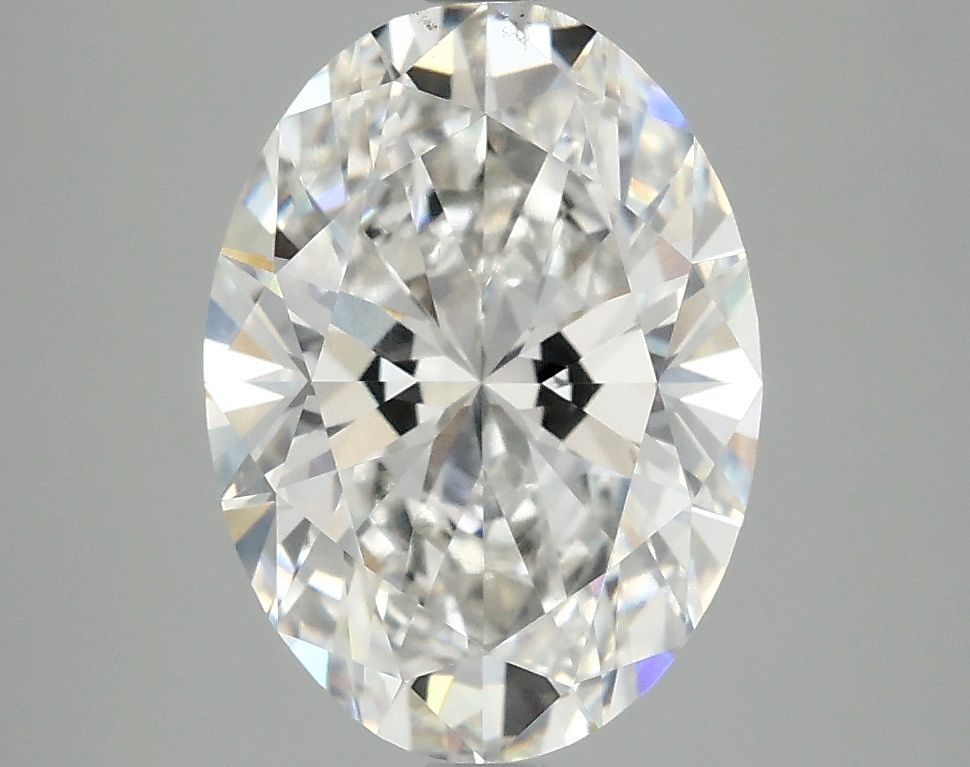
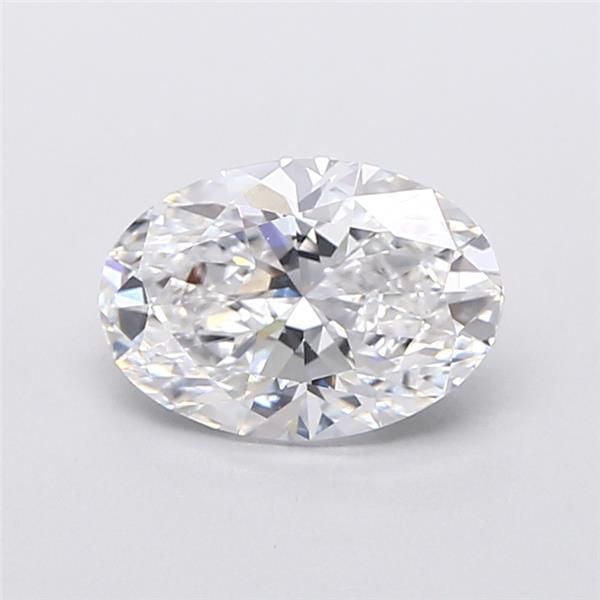
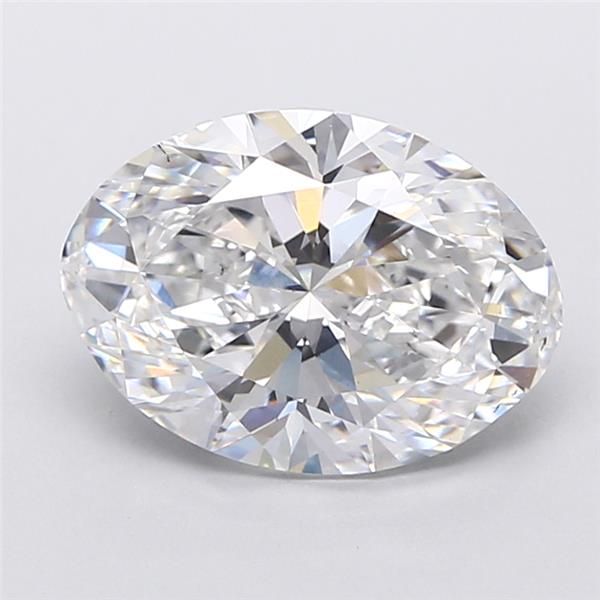
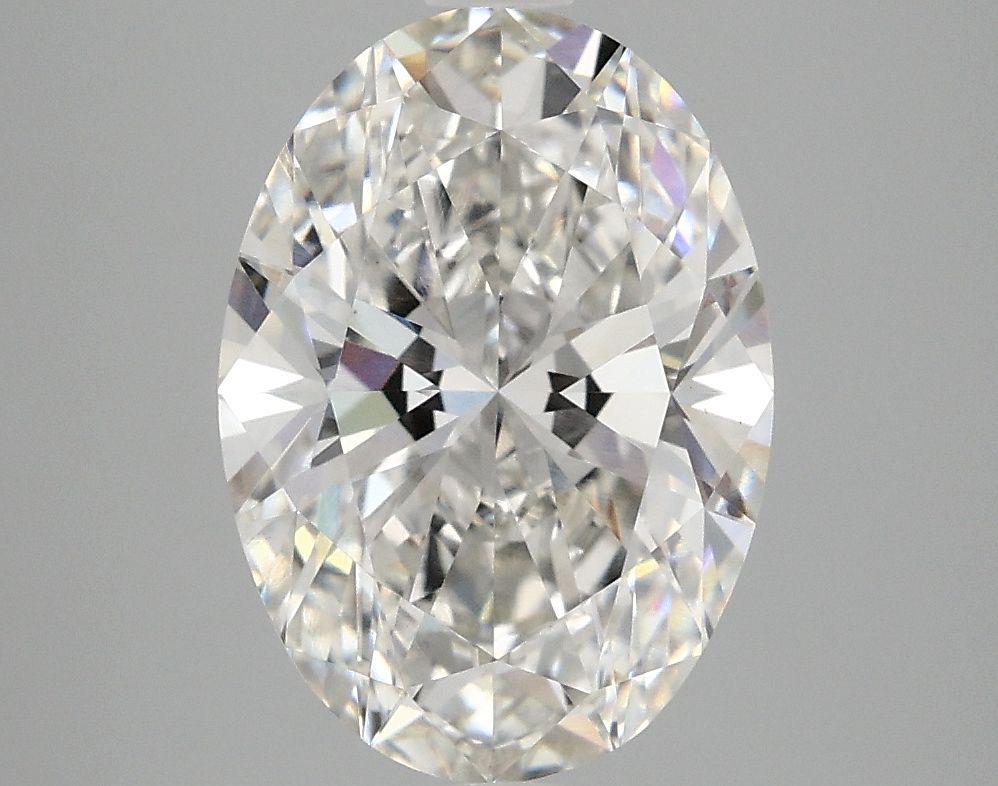
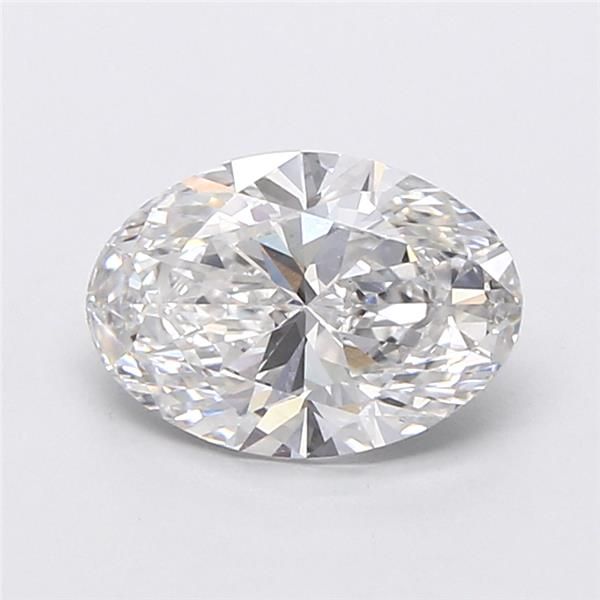
At 3 carats an oval is about 11.5 by 8 mm, a pear about 12.5 by 8 mm and a marquise about 15 by 7.5 mm, each running longer along the finger than the round is wide. An emerald cut is about 9.5 by 7 mm. A princess is about 7.5 to 7.8 mm a side and a cushion or Asscher about 8 mm, all three more compact than the round because more of their weight sits below the girdle. Depth shifts every figure, so check each report.
Prices often step up at 3.00 carats, the number buyers ask for. A round of 2.90 carats measures about 9.1 to 9.2 mm, a difference no one sees once it is set, and stones of 2.80 to 2.99 carats are on the 2.5 Carat page. Set a few of them beside the dated price table here, which gives the median price per carat, in US dollars, for 3.00 to 3.99 carats, and if two look the same, buy the cheaper one.
Color Under a Wider Table
The flat top facet of a well-cut 3 carat round, its table, is a little over 5 mm across, so a faint warmth a 1 carat stone keeps hidden has room to show. Set in platinum or white gold, many buyers of a round or oval this size move up to G or H. An emerald cut or Asscher shows color through its broad, open steps, so go one grade higher again there, often F or G.
Yellow and rose gold work the other way: the metal's own warmth surrounds the stone and hides a faint tint that platinum would show, so an I or J round usually reads white there. D, E and F mainly change the price. A bigger diamond does not need a better letter; it needs one that looks white against the metal you have chosen.
Eye-Clean Gets Harder to Find
A clarity grade records what a grader sees at 10x magnification, not what anyone sees at arm's length. Whether an inclusion shows to the naked eye depends on its size, its darkness and where it sits, and a wider table gives it more room to be seen. A VS2 or SI1 that looks clean at 1 carat can show at 3.
Clouds are the quieter fault: a cloud is a cluster of tiny pinpoints, and a large or dense one can leave a diamond looking hazy or dull without any one inclusion standing out. The video, where the stone has one, shows whether it stays crisp and bright as it turns, or goes soft and milky.
An inclusion under the middle of the table shows first; one near the girdle may end up under a prong. Many VS1 and VS2 stones still look clean at this size, while an emerald or Asscher cut, whose long, open steps hide very little, often needs VS1. Once a stone looks clean, VVS buys nothing you will see. Our notes on what eye-clean means set out the test.
Six Prongs, Double Claws or a Bezel
A 3 carat stone sits higher and wider than a small one, so it meets more of the knocks a hand takes in a day. Four prongs show the most diamond, but if one bends or wears thin, the stone can work loose. Six prongs, or a doubled claw at each corner of a square or rectangular shape, usually keep it in place until the bent one is repaired. A bezel, a rim of metal around the whole edge, protects the girdle best and suits anyone who works with their hands. Pears, marquises and hearts need a V-prong or a bezel over each point, where a chip usually starts.
Prongs thin with daily wear, so have a jeweler look at them from time to time, and at once if the stone turns, rattles or starts catching on fabric.
Prices From Our Catalog
| Carat Weight | Median Price per Carat | Stones Counted |
|---|---|---|
| 3.00-3.99 ct | $298 | 150,839 |
The median price per carat of the 3 carat lab-grown diamonds on sale here in each band, in US dollars, as of November 2, 2026. The grid shows each stone’s own price in your currency.
Settings That Hold a 3 Carat Stone
| Four Prongs | Six Prongs or Double Claws | Bezel | |
|---|---|---|---|
| How much diamond shows | The most: four small points of metal at the edge | A little less, with more metal around the edge | The top in full, with the outline framed in a rim of metal |
| If one prong is bent or worn | The stone can loosen or fall out | The others usually keep it in place until a jeweler repairs the prong | No prongs to fail; a dented rim should be seen by a jeweler |
| Shapes it suits | Round, oval, cushion and emerald cut; a V-prong at any point | Round and oval with six; double claws at the corners of square and rectangular shapes | Every shape, and the most protective for pear, marquise and heart points |
| Snagging on clothing | Prong tips can catch knits and lace, more so when set high | More tips to catch, so a lower setting helps | A smooth rim, the least likely to snag |
Questions
How much is a 3 carat lab-grown diamond here?
Each stone's page shows its own price in your currency beside its measurements and grades, so choose a shape, color and clarity, then sort the grid by price and compare millimeters rather than weight alone. The dated table on this page gives the median price per carat, in US dollars, for 3.00 to 3.99 carats, and the 2.5 Carat page lists stones of 2.80 to 2.99, which often cost less for nearly the same width.
Is a 3 carat lab-grown diamond too big?
Not in itself; it depends on your hand and your taste. A 3 carat round, about 9.3 mm across, covers more than half of a size 6 finger and reads as a statement stone, larger still on a slender finger. An oval lengthens the hand, and a slim band with a low setting keeps it in proportion. If it feels like too much, a 2.50 carat round is about 8.7 to 8.8 mm.
Which clarity should I choose for a 3 carat diamond?
Start at VS2 for a round or oval and VS1 for an emerald or Asscher cut, and narrow the grid to stones with a video so you can judge them. Keep a stone only if its video shows nothing dark under the table and no haze as it turns. If one fails, try another stone of the same grade before moving up; once the video looks clean, VVS and Flawless add cost, not clarity you can see.
Should I choose a round or an oval at 3 carats?
Choose the outline you love; the two wear differently. A 3 carat oval is about 11.5 by 8 mm, longer than a round of the same weight is wide, so it looks larger and lengthens the finger, and it often costs less per carat. A round, about 9.3 mm across, returns the most light of any shape. In an oval, check the video, where there is one, for a dark bow-tie shadow across its center.
Do large lab-grown diamonds sparkle like natural ones?
Yes, if they are well cut: sparkle comes from the cut, not the origin, and a lab-grown diamond is diamond. At 3 carats a poorly proportioned stone shows its faults across a wider face, as a dark center or a glassy look. For a round on an IGI report, choose Ideal or Excellent; for other shapes, and for GIA's lab-grown reports, which use broader terms, judge the light in the video where there is one.