

Diamond Earrings
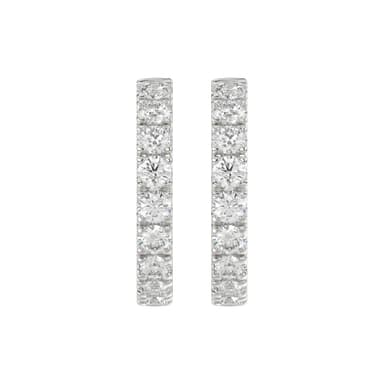
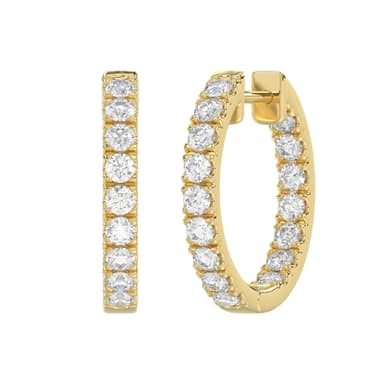
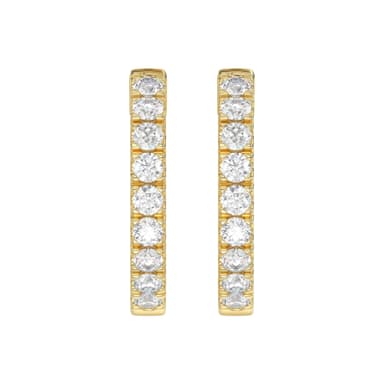
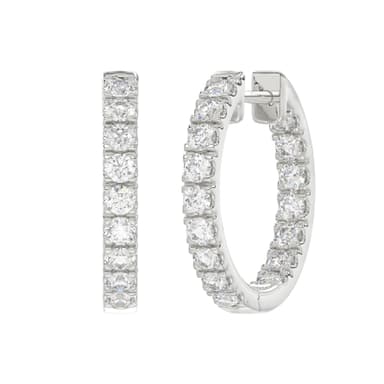
Made to be noticed. Diamond studs, and hoops lined with diamonds inside and out, in 14K or 18K white or yellow gold.



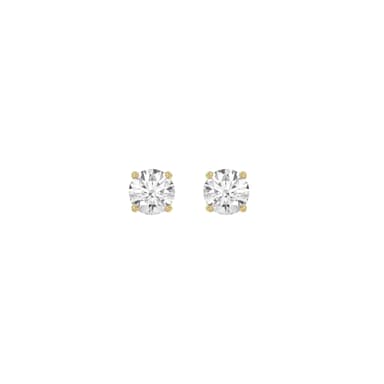
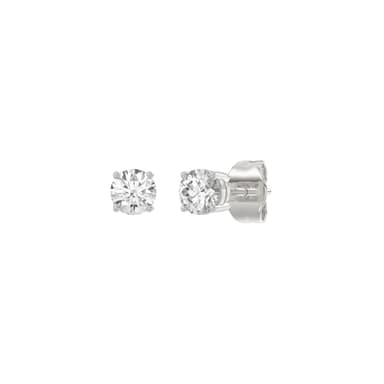
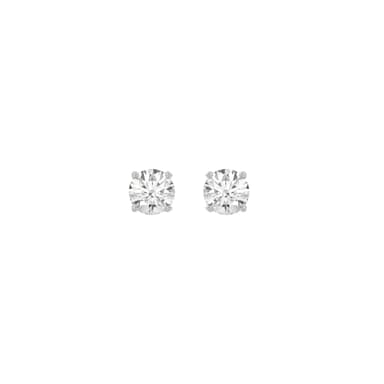
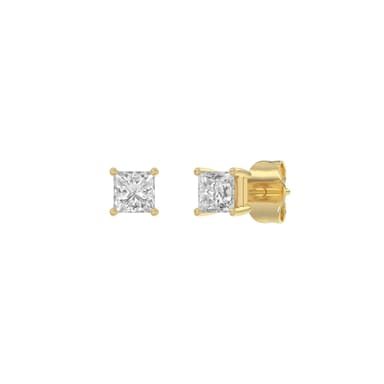

























Good to Know
In Brief
Choose studs for one larger diamond at each lobe that reads clearly from across a room, or inside-out hoops for sparkle from the side as well as the front. Judge either by its millimeters rather than the pair's carat total, since that weight is shared by two studs or spread over many small stones. Then, where a style is offered in both origins, take lab-grown for more size per budget, or natural if you want a diamond the earth made.
Studs or Inside-Out Hoops
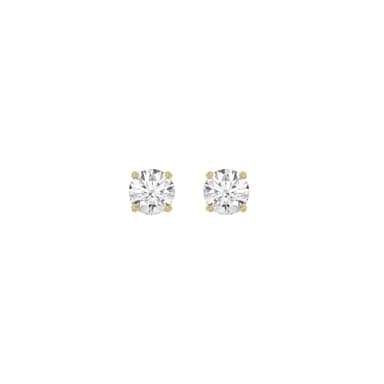
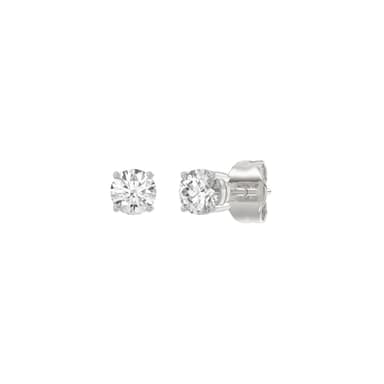
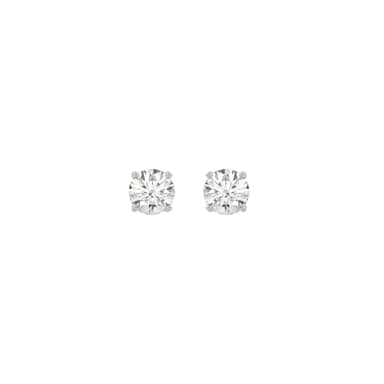
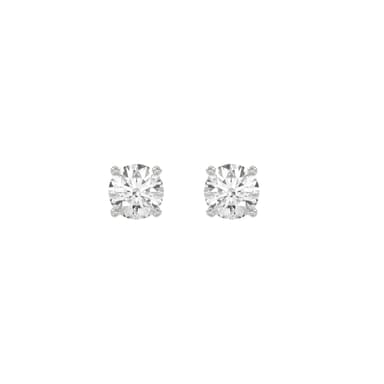
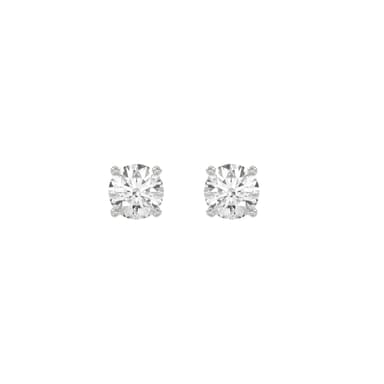
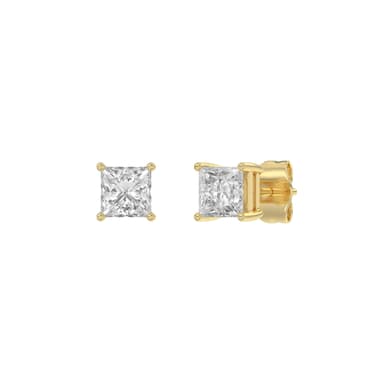
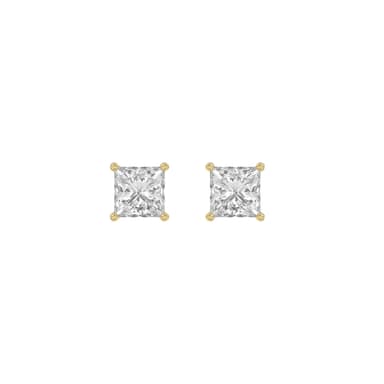
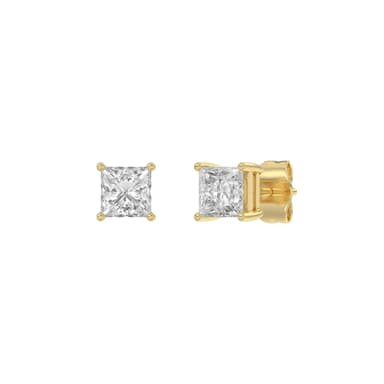
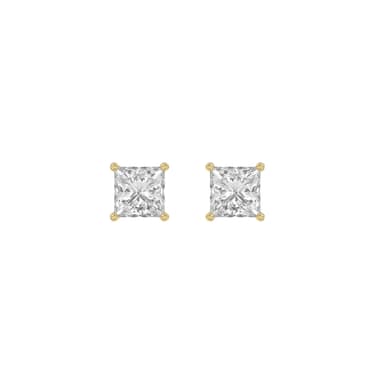
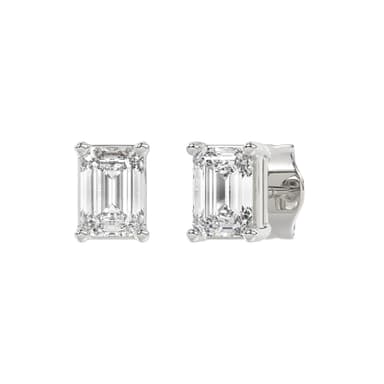
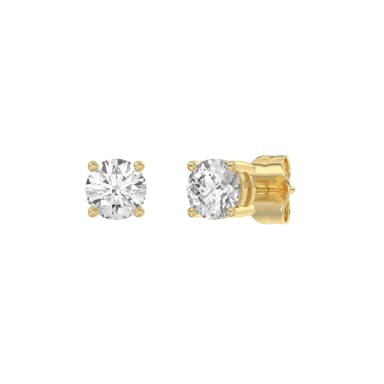
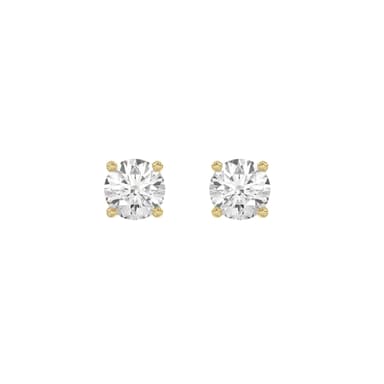
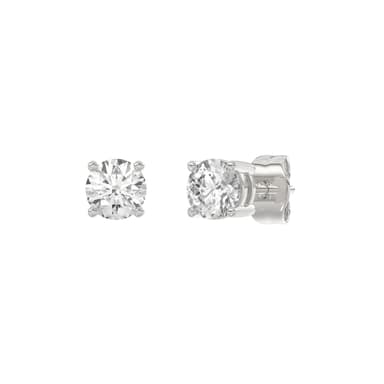
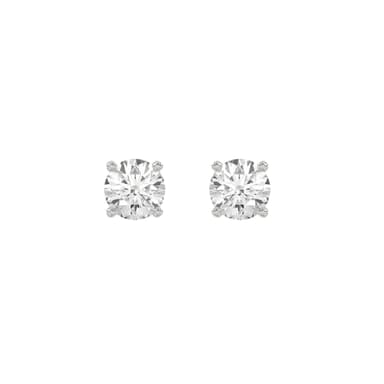
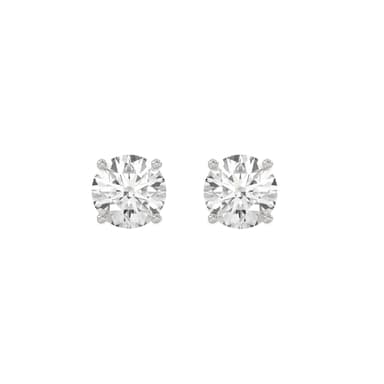
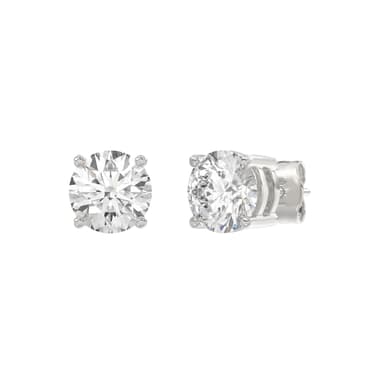
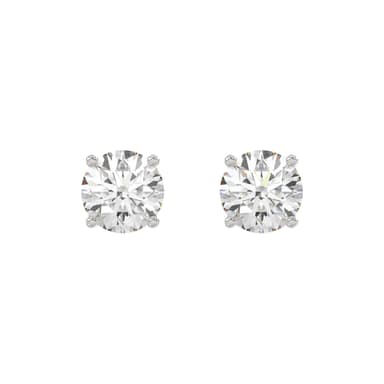
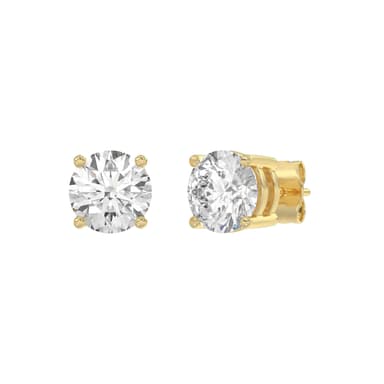
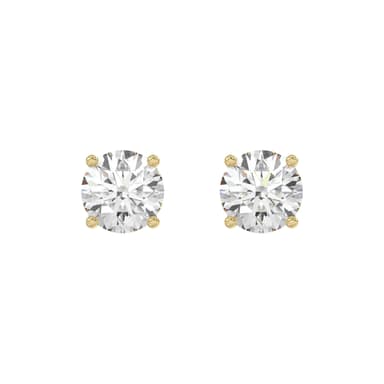
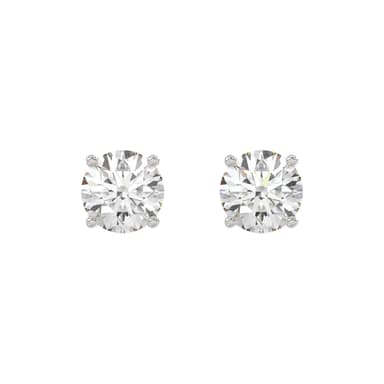
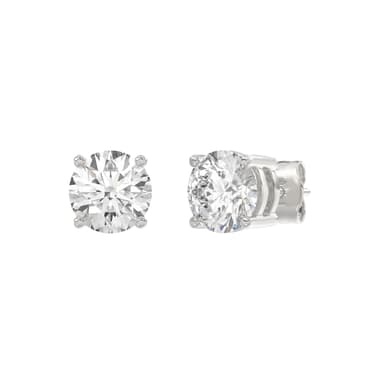
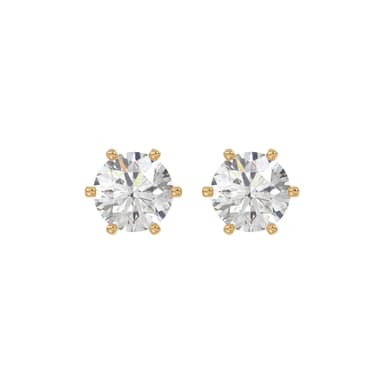
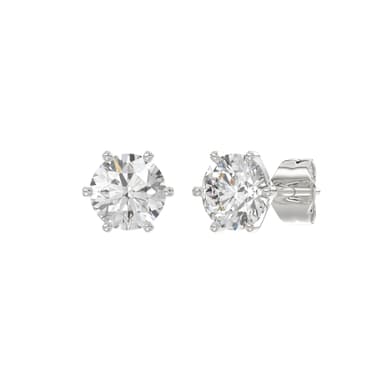
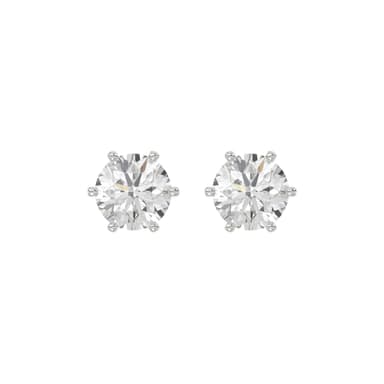
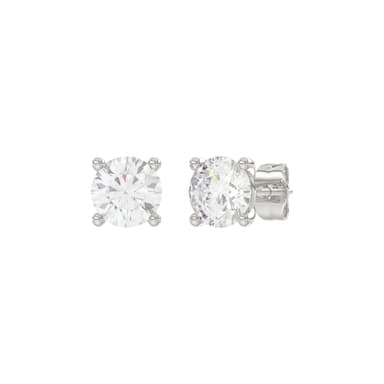
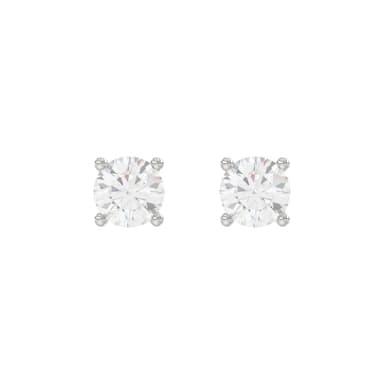
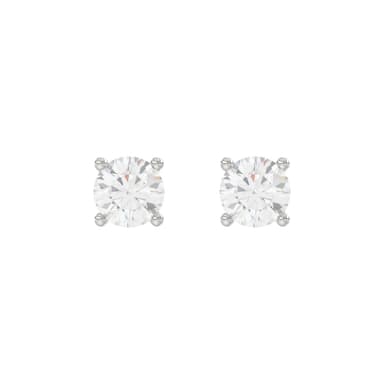
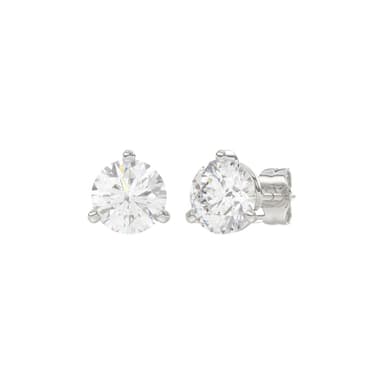
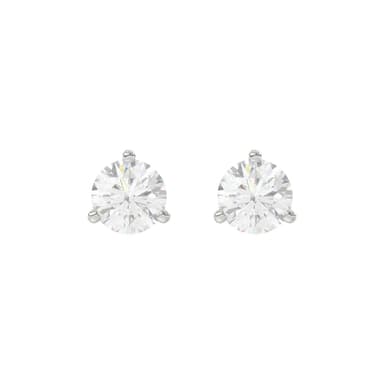
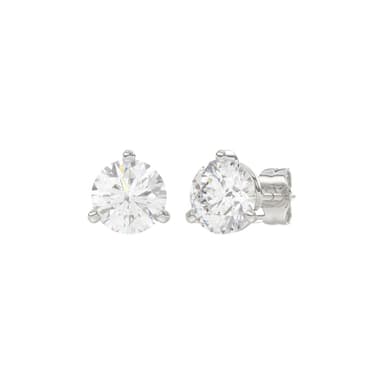
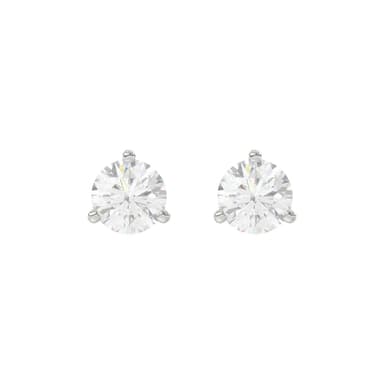
The first choice is one stone or many. A stud puts a single diamond at each lobe, a clear point of light that goes with a suit or a dress alike, its flashes broad and gathered in one place.
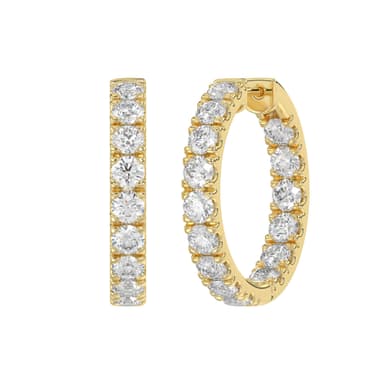
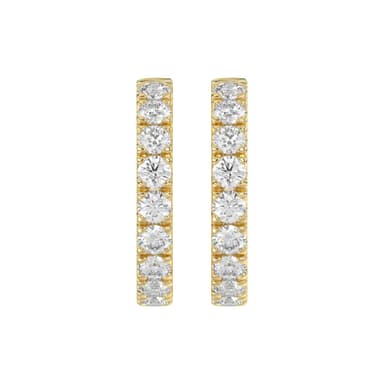
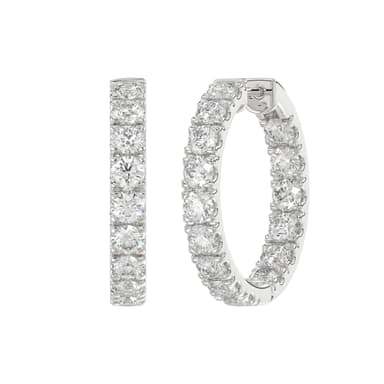
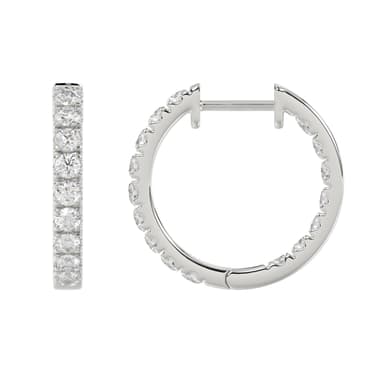
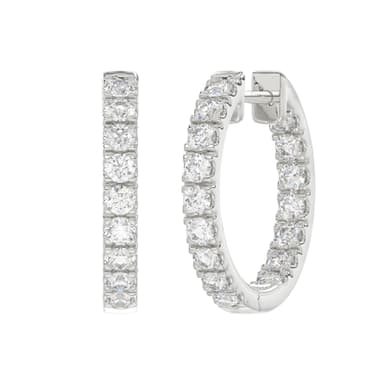
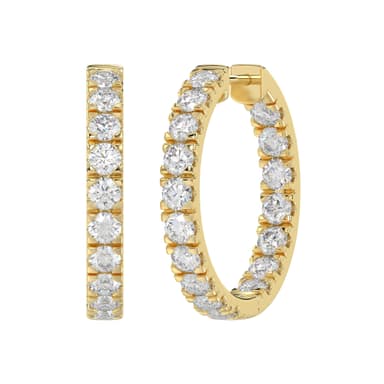
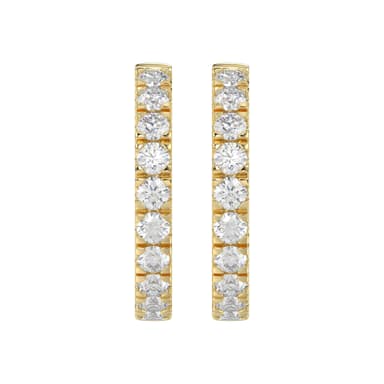
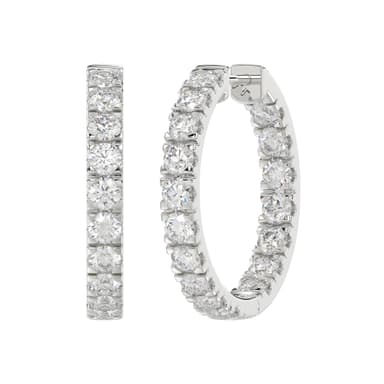
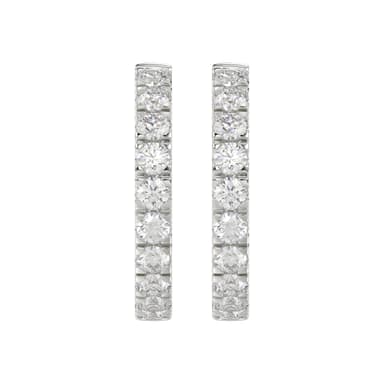
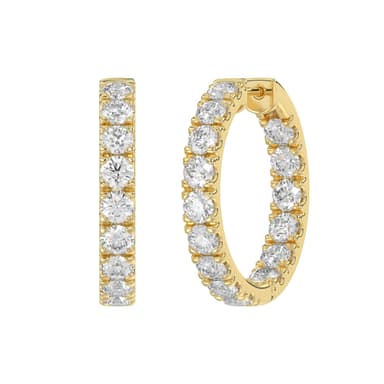
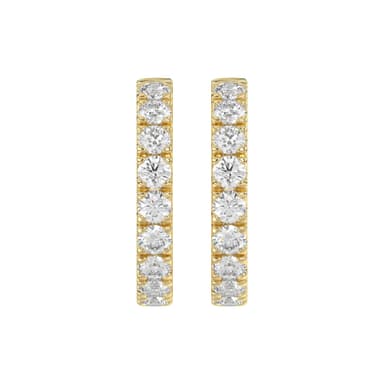
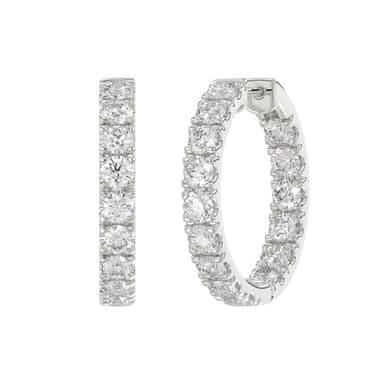
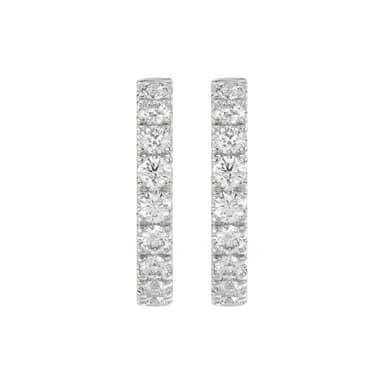
The Inside-Out Diamond Hoops are lined with small round diamonds on the outer face and the inner curve, so they glitter face on and again in profile, in quick pinpoint flashes. A hoop circles the lobe and fastens with a hinged post instead of a separate back. For every day a modest stud is the easy pick; for evenings, a bolder stud or the hoops.
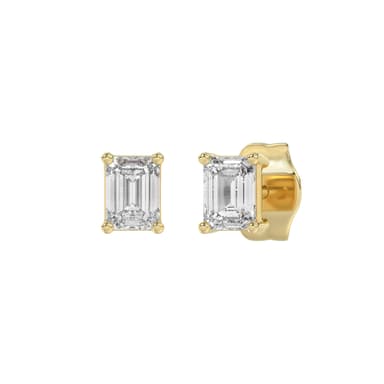
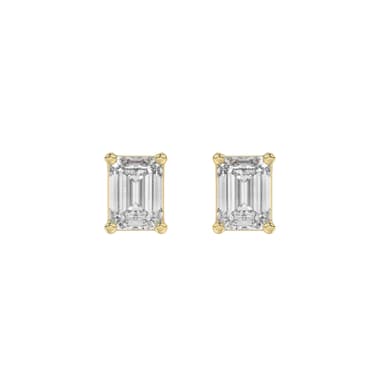
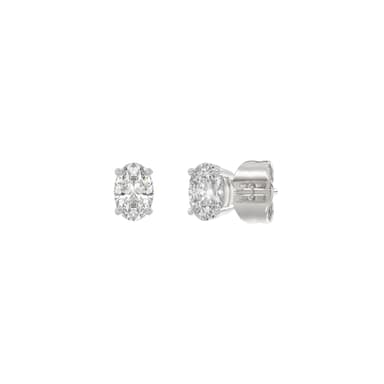
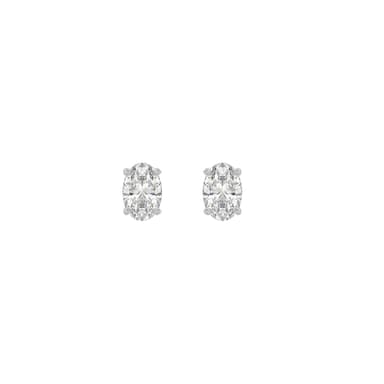
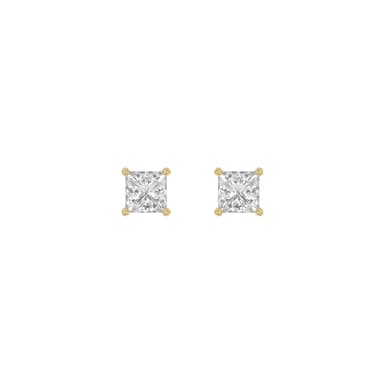
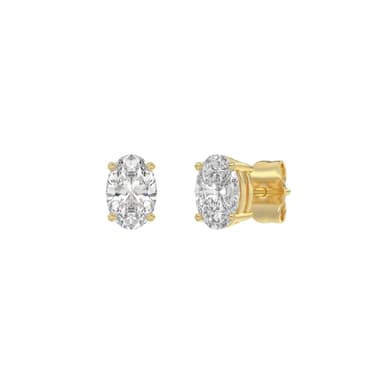
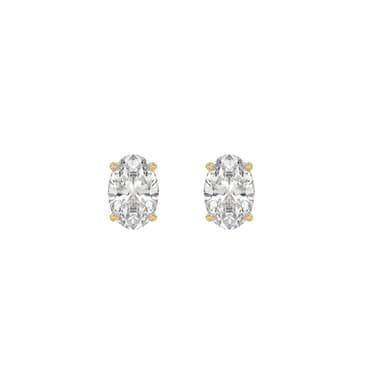
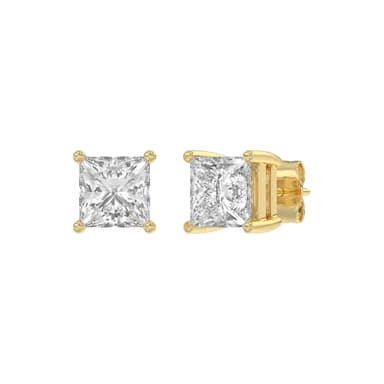
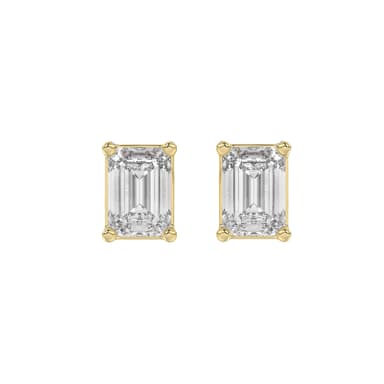
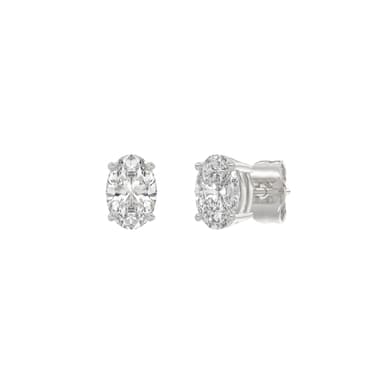
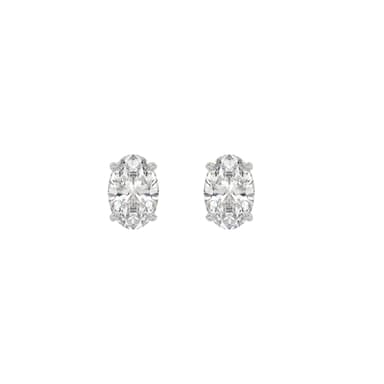
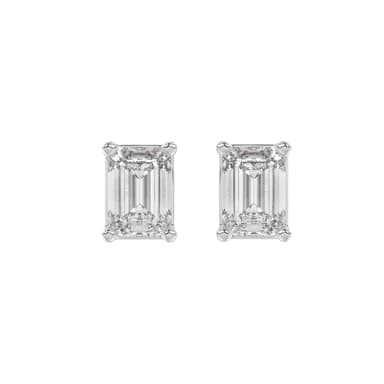
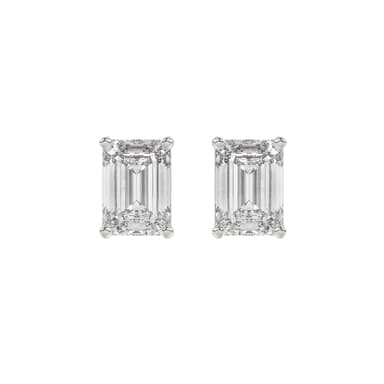
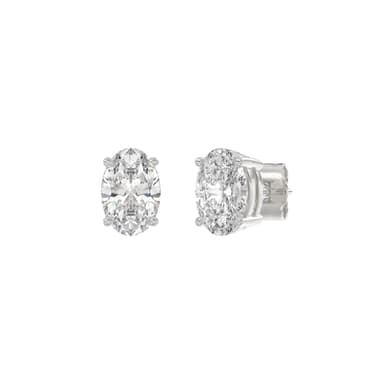
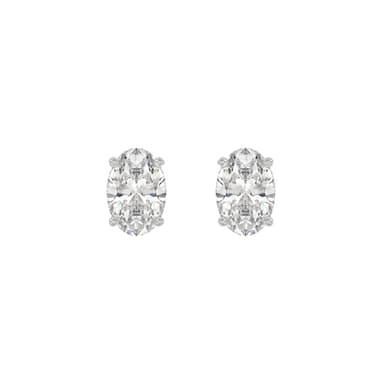
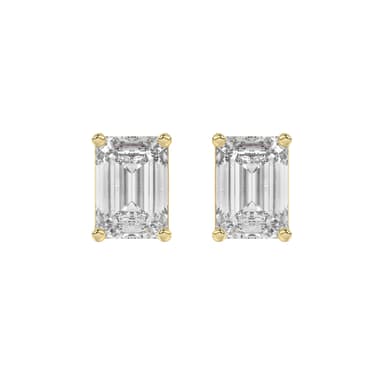
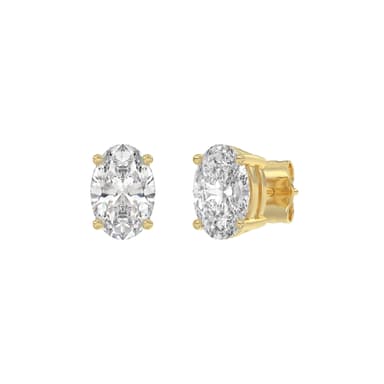
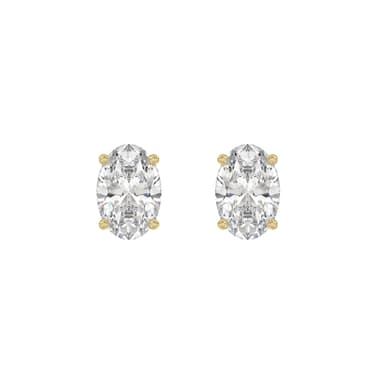
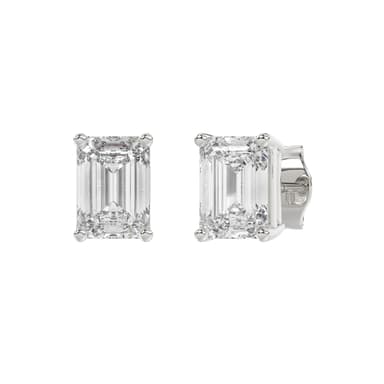
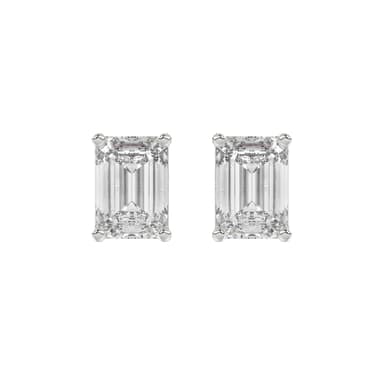
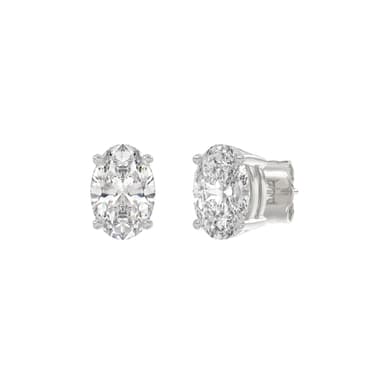
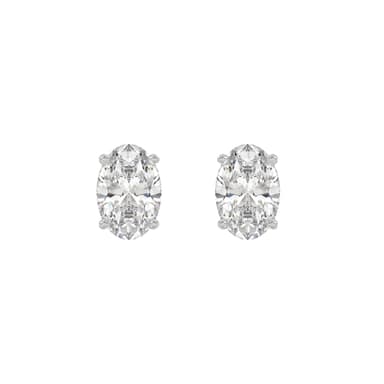
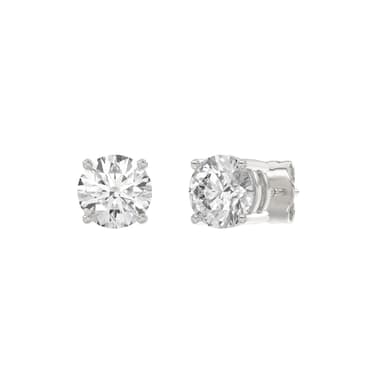
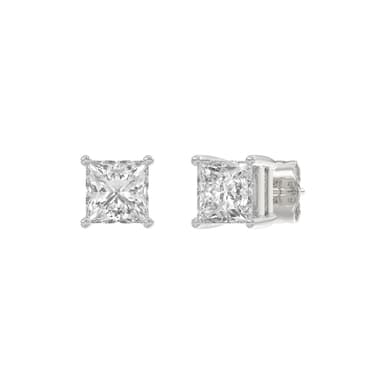
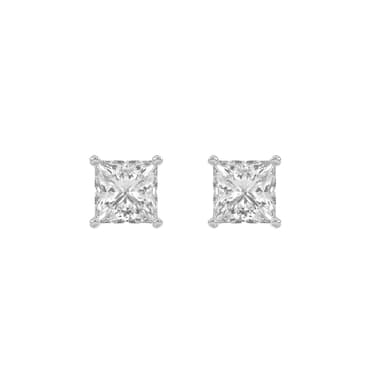
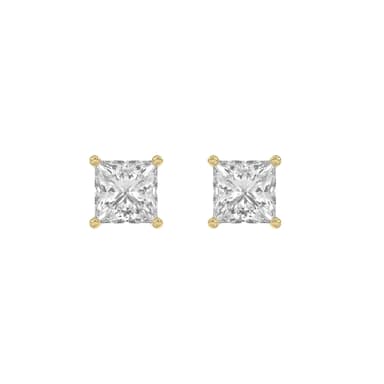
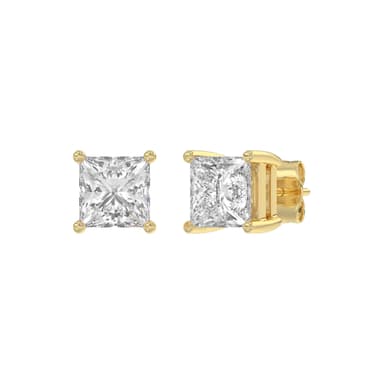
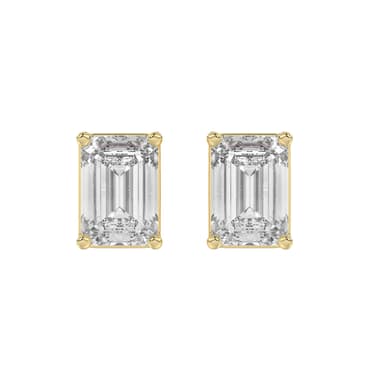
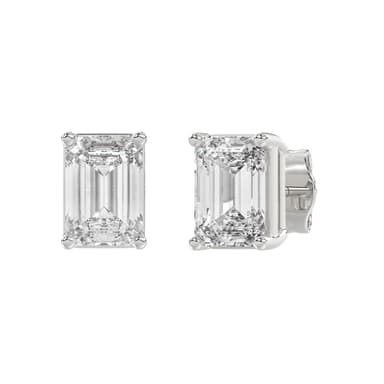
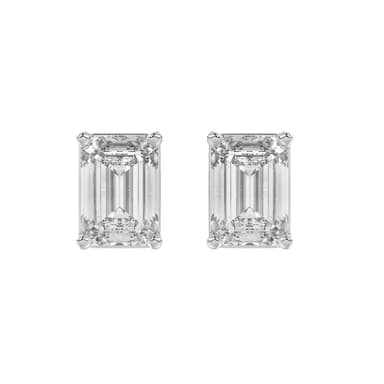
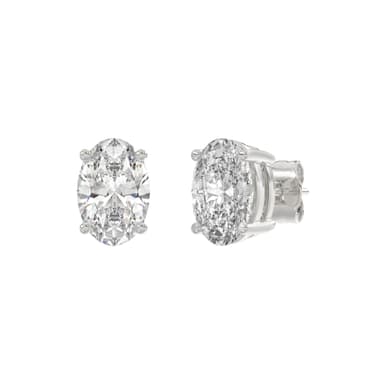
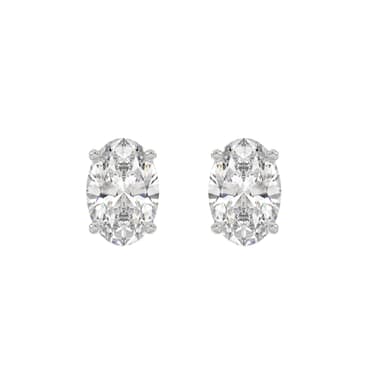
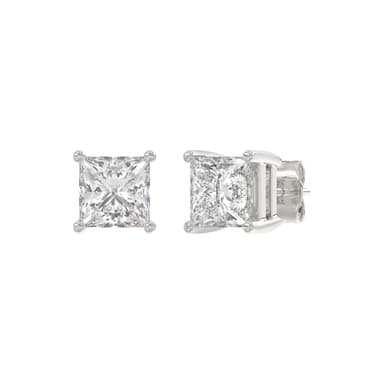
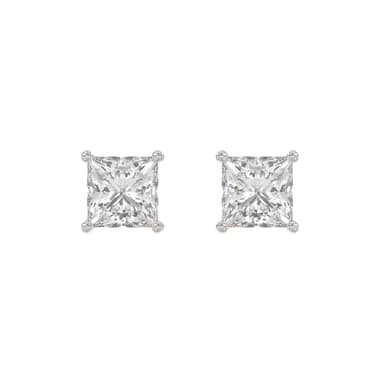
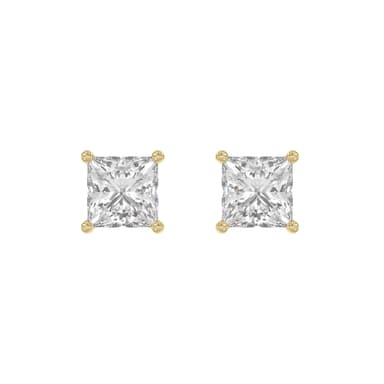
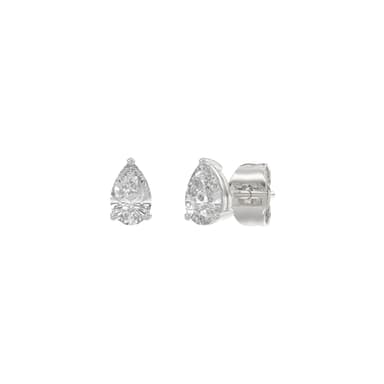
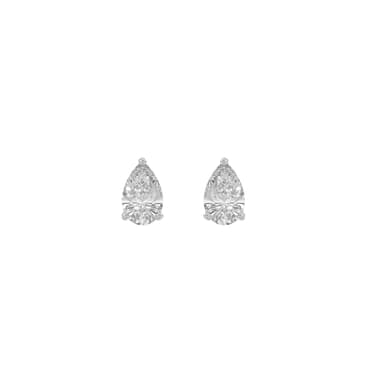
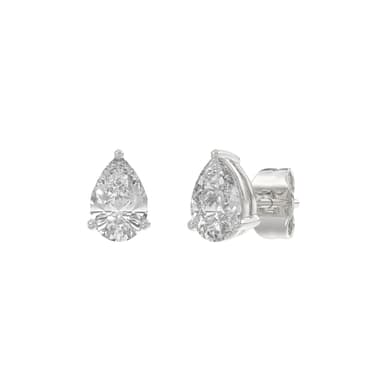
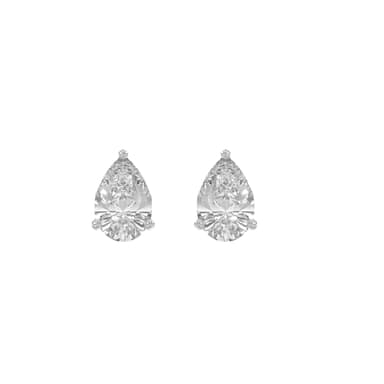
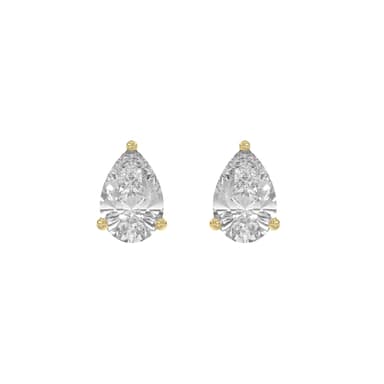
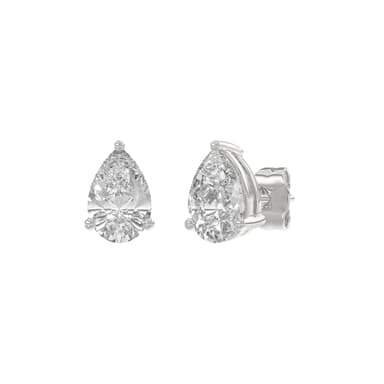
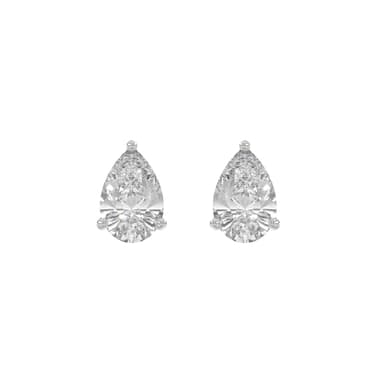
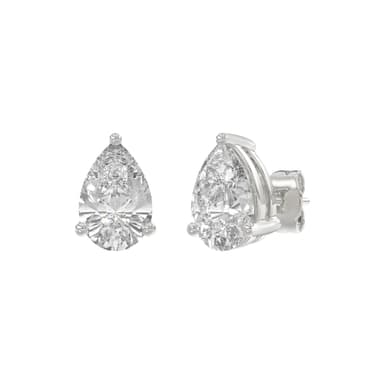
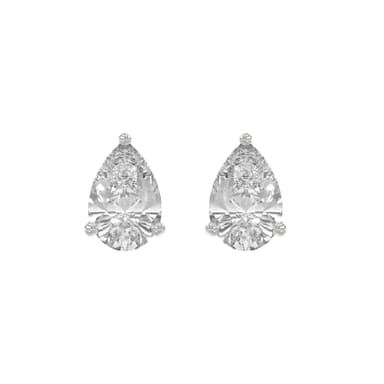
Shape is a choice only studs offer, since the hoops use small rounds throughout. Choosing for a face? An oval or pear stud draws the eye downward and lengthens a round face, while a round suits any face and is the safe pick when buying for someone else. The stud earrings page goes through each shape and setting.
Judging Size on the Ear
Both styles are named and filtered by the pair's total carat weight, which says little about what shows. A stud pair's total is two diamonds, and the stud earrings page turns that into millimeters per ear; carat weight explains why weight and visible size part ways.
A hoop's weight is spread over many small diamonds, so two measurements describe it better. Its diameter decides how far it reaches: a small hoop sits snug at the lobe, a larger one drops a little lower. Its band width decides how bold it reads, and a broader band usually holds larger diamonds. Extra weight shows up in one figure or both, so read the two on each hoop's page rather than the carat total. The simplest test is a hoop you already own: measure it across with a ruler and compare.
Lab-Grown or Natural, Pair by Pair
Each pair's page names its origin; set the Diamonds filter to one origin to see which styles are made in it. The two are one material, carbon crystal of equal hardness and fire, told apart only with specialist testing equipment, not by eye or loupe. Our guide to lab-grown diamonds explains how one forms.
Where they differ is price: natural diamonds cost far more at every size, so the same money reaches a wider stud in lab-grown. A pair's page lists its color and clarity and names the independent lab that issued its jewelry report, so two pairs can be set side by side grade for grade. Giving a gift and wondering whether lab-grown is real? It is diamond, not a look-alike, as diamond beside moissanite and cubic zirconia shows.
Gold, Ease and Your Pair's Arrival
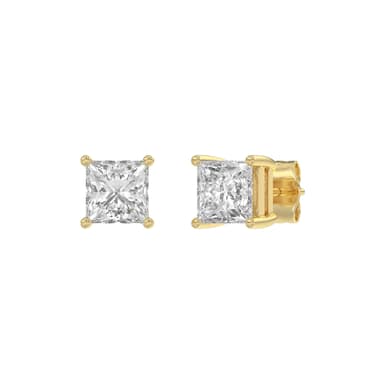
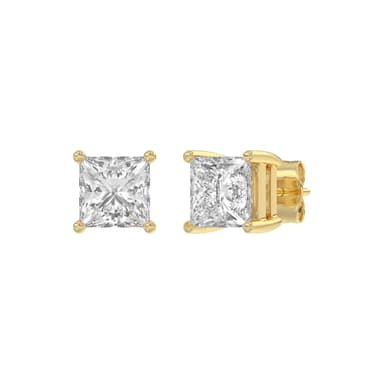
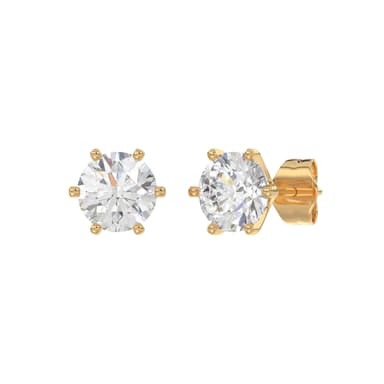
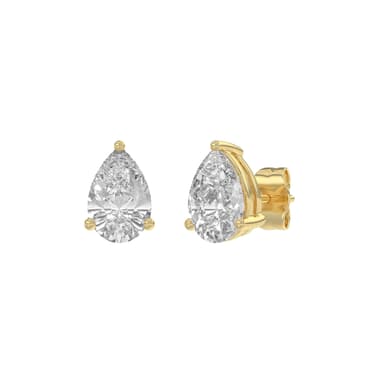
Studs and hoops share the same golds, white or yellow in 14K or 18K, so the metal need not decide between them; how each gold sets off near-colorless diamonds is covered in which color grades look white. What can decide it is ease: a hinged hoop clicks shut in one movement, quicker to put on one-handed than a stud and its back.
A pair is either made to order or already made, reaching us within 1 to 2 business days. Its page shows when it should reach you, making time included, and returns are accepted within 14 days.
We are a New York company that sells only online. Our office at 45 Rockefeller Plaza is a place of work that takes no visitors, so the concierge answers on chat, email and phone instead. Each pair is insured on its journey and needs a signature on delivery; on US orders we settle the import duty ourselves, so nothing is owed at the door.
Studs and Inside-Out Hoops Compared
| Studs | Inside-Out Hoops | |
|---|---|---|
| Diamonds | One per ear, matched as a pair | Many small rounds on each hoop |
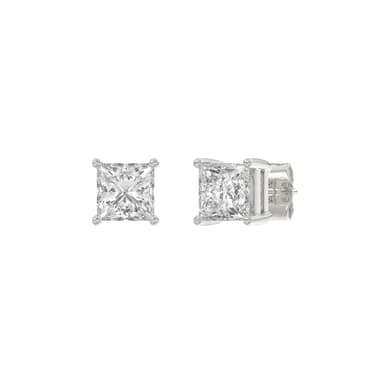
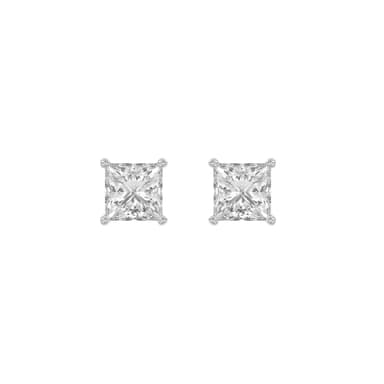
| Shapes | Round, oval, pear, princess and emerald cut | Round |
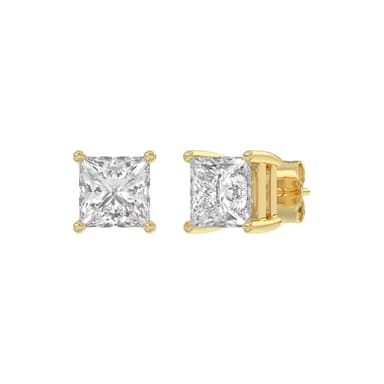
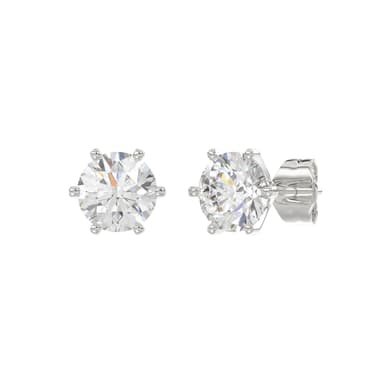
| Settings | Four-prong basket, six-prong, three-prong pear, four- and three-prong martini | Along the outer face and the inner curve |
| Where the light comes from | Face on | Face on and from the side |
| Fastening | Push or friction backs | Hinged post that clicks shut |
| Size to compare | The width of one stud, in mm | The hoop's diameter and band width, in mm |
| Gold | 14K or 18K, white or yellow | 14K or 18K, white or yellow |
Questions
Do hoops cost more than studs of the same carat weight?
Often they do. A hoop holds much more gold than a stud and needs each of its small diamonds set one by one, and that metal and work usually outweigh what smaller stones save, even though in diamonds generally the price per carat climbs with the size of each stone. To see the gap, match the origin, gold and total weight, then compare the price on each pair's page.
Which is the better gift, studs or hoops?
If you are unsure of their taste, studs. A round stud suits almost any face and outfit, and it is easy to wear every day. Choose hoops for someone who already wears them, and note the size of the hoops they have. If the origin is part of the gift, choose natural where the style is offered in it. Each pair comes with 14 days to return it under our returns policy.
Are lab-grown diamond earrings worth it?
If size on the ear matters most, yes. A lab-grown pair is wholly diamond, with a natural pair's hardness and brilliance, so it suits earrings worn often, and the same budget reaches a wider stud. Choose natural, where a style is offered in it, if it matters to the wearer that the diamonds grew in the earth. The origin is printed on each pair's page and on its jewelry report.
How long do diamond earrings take to arrive?
That depends on whether the pair is made to order or ready to ship. A made-to-order pair is set at the workshop before it is sent, which takes several weeks; a ready-to-ship pair reaches us within 1 to 2 business days. The dates on each pair's page cover the making and the delivery together. Every pair is insured in transit and needs a signature when it arrives.
Are hoops or studs better for every day?
Both wear well daily if you choose with care. A stud in a low basket sits close to the lobe and catches on almost nothing, and a hinged hoop has no separate back to lose, though a larger diameter can snag on a scarf or a sweater. In either style 14K is the tougher gold. Pool and spa chlorine can attack gold alloys over time, so take them off to swim and for sport.