
Cushion-Cut Diamonds
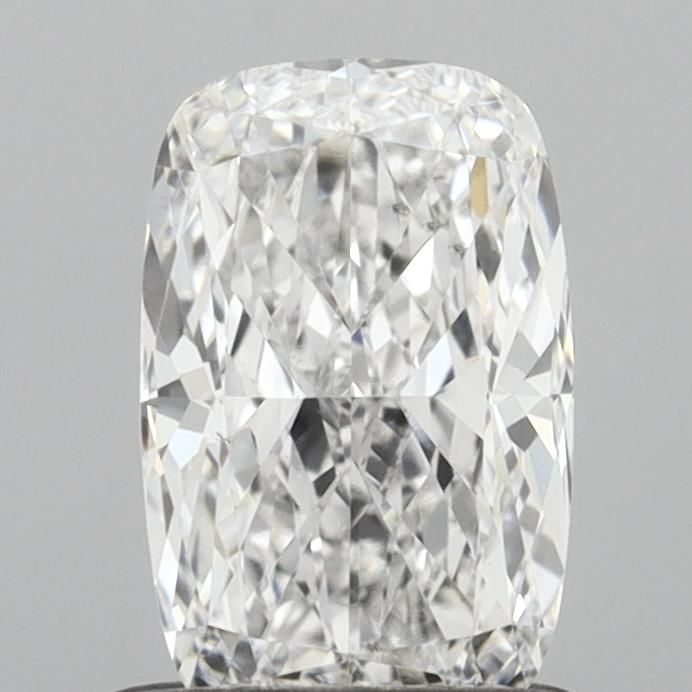
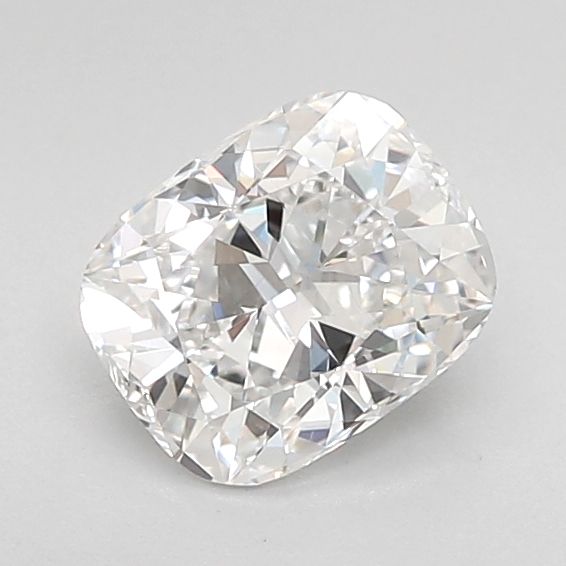
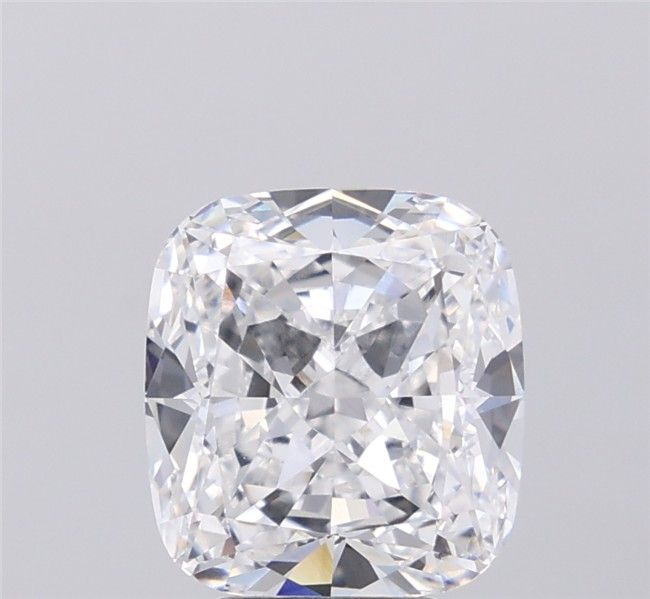
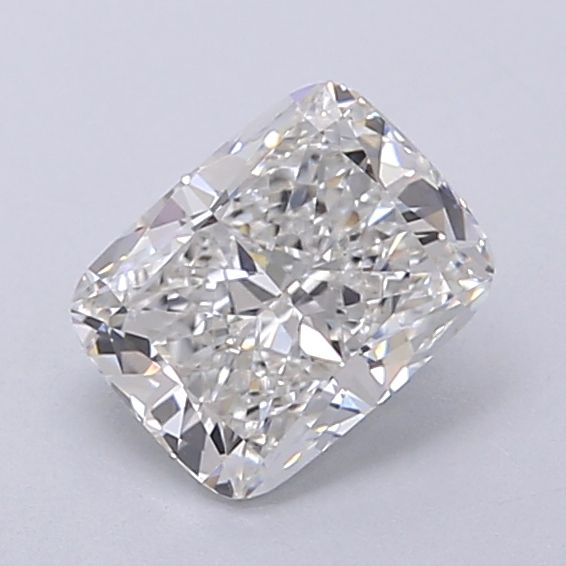
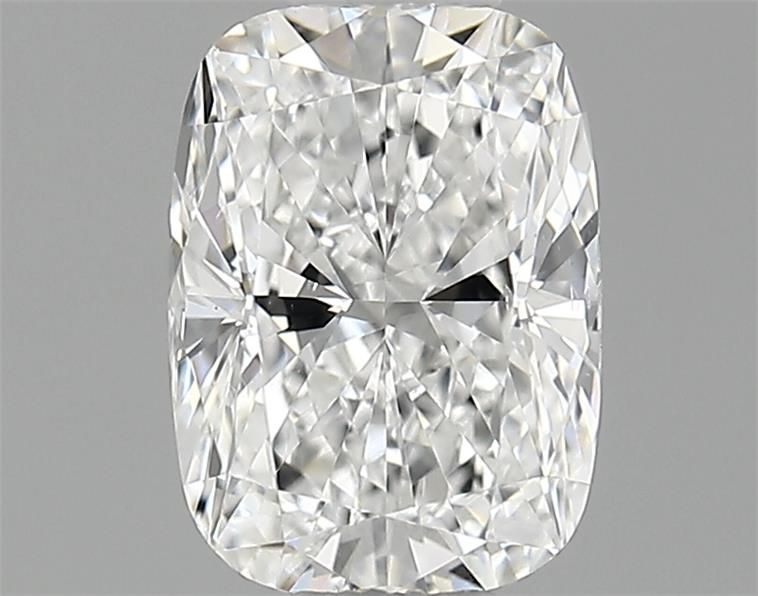
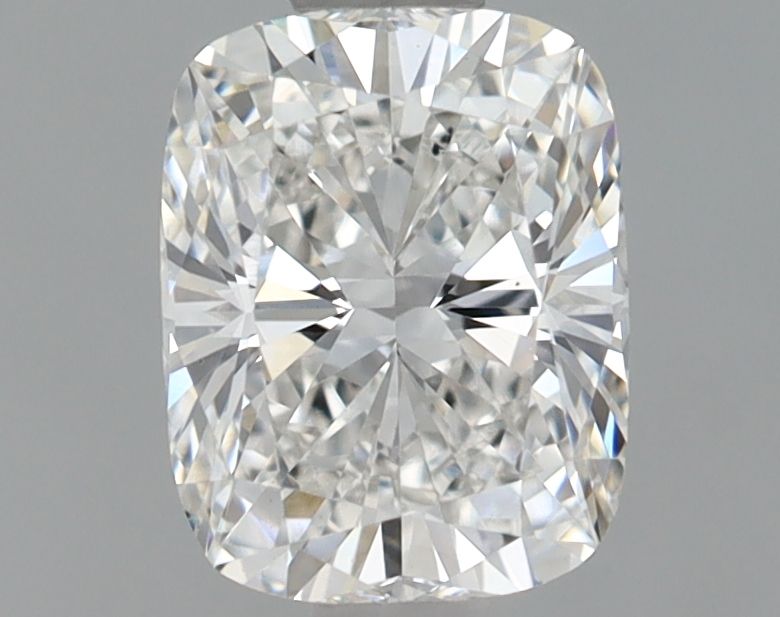
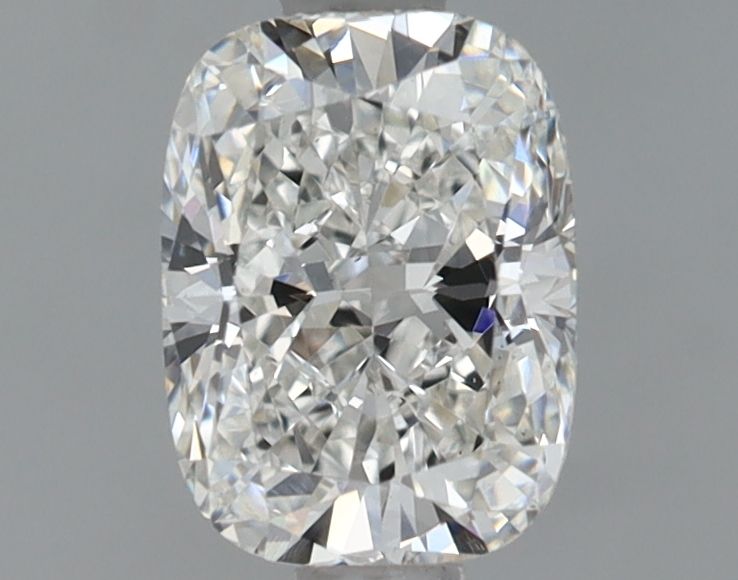
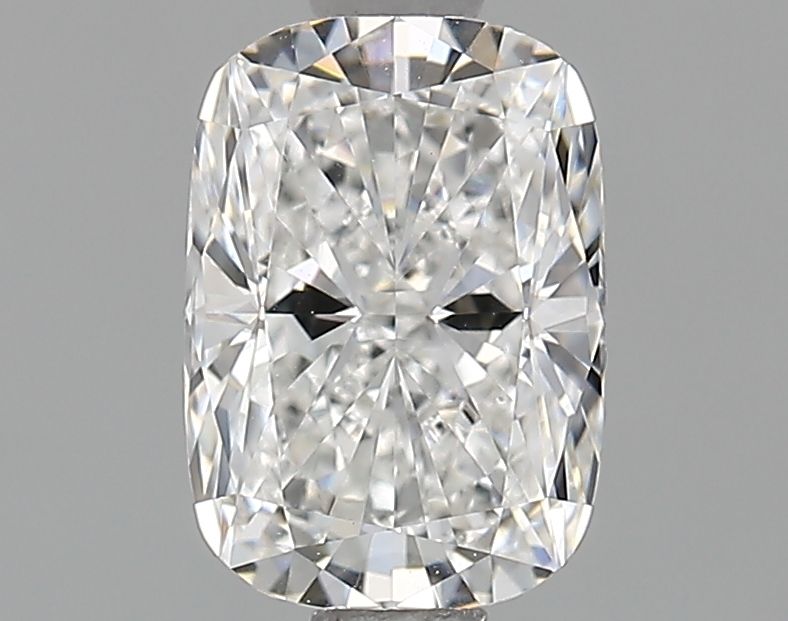
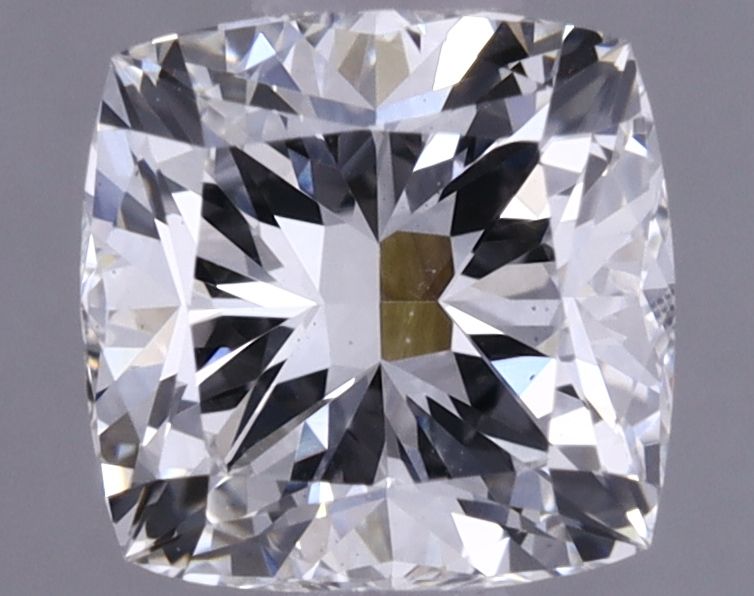
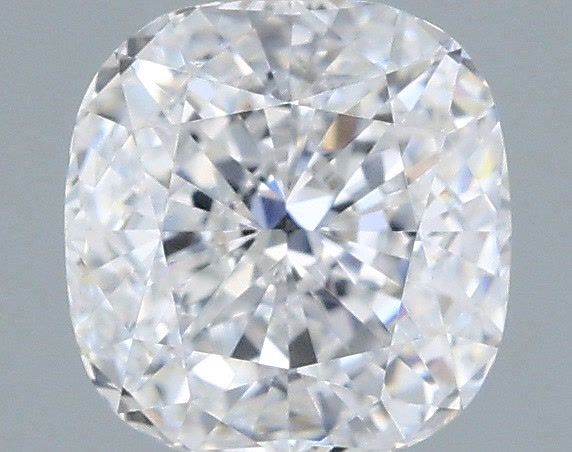
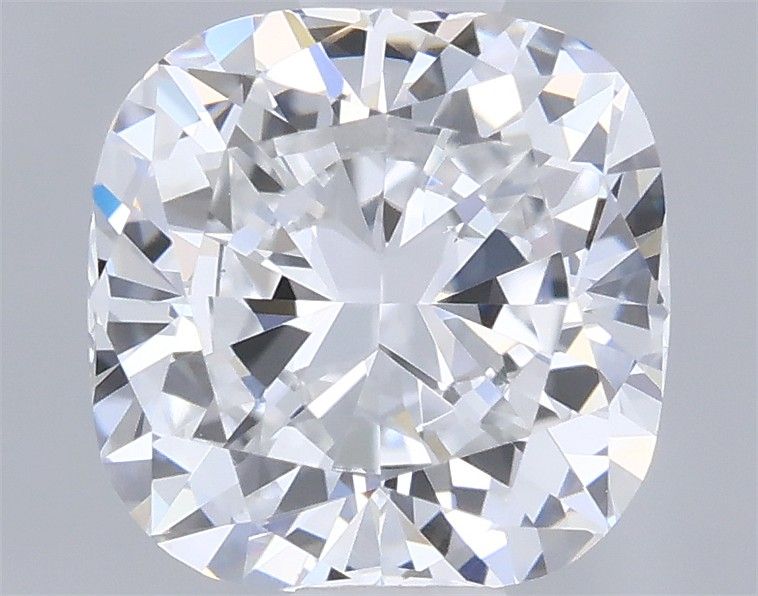
Cushion-cut diamonds, lab-grown and natural, from near-square to elongated and from fine crushed-ice sparkle to broad, antique-style flashes.

- Over 110,000 Available
- From $189
- IGI and GIA Reports
- Free Insured Delivery Over $100

Good to Know
In Brief
Buy a cushion for a soft, round-cornered square or rectangle with plenty of sparkle, and pick it by its video, because cushions vary in look more than most shapes. Check the report's millimeter measurements before you pay for weight, since a deep cushion can face up smaller than its carats suggest. Skip D to F color: set in a ring, a G or H cushion passes for white with most people, and the difference is better spent on size or kept.
Crushed Ice or Chunky Facets
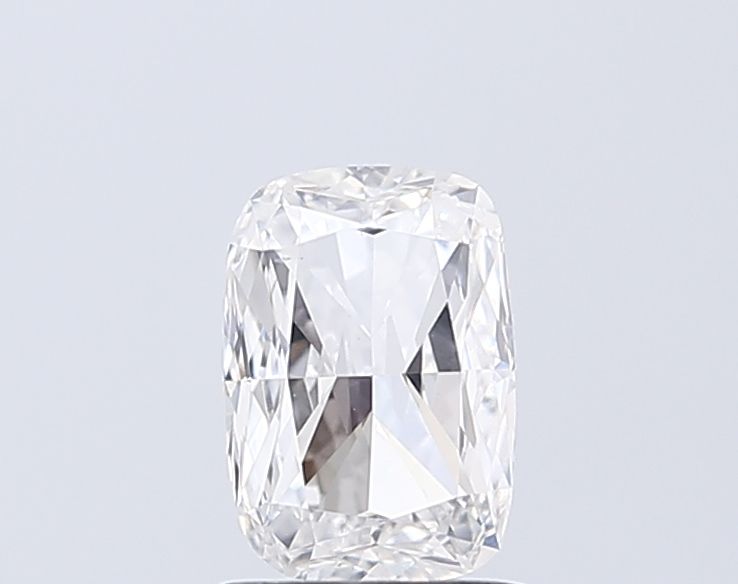
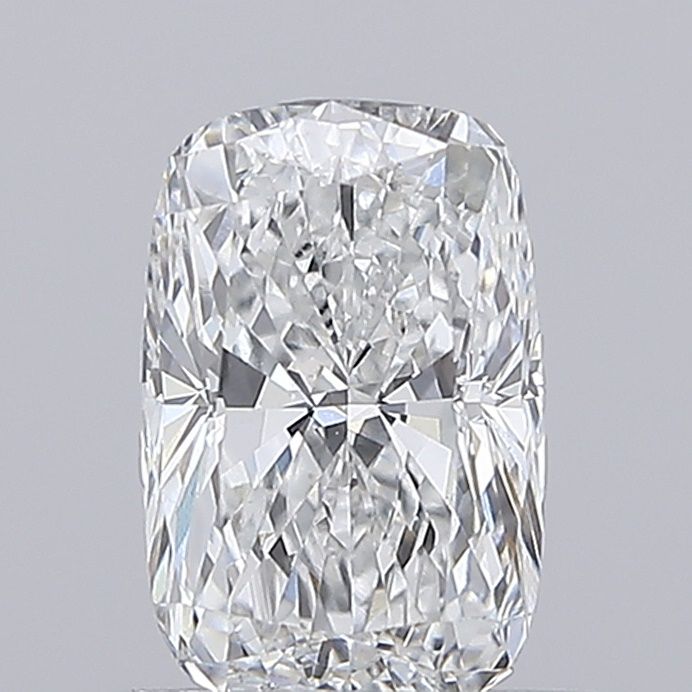
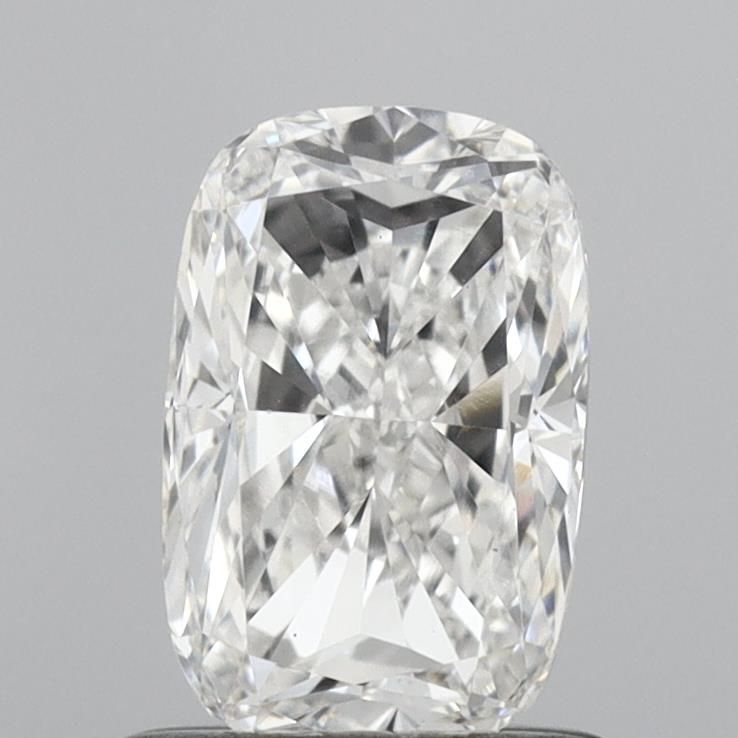
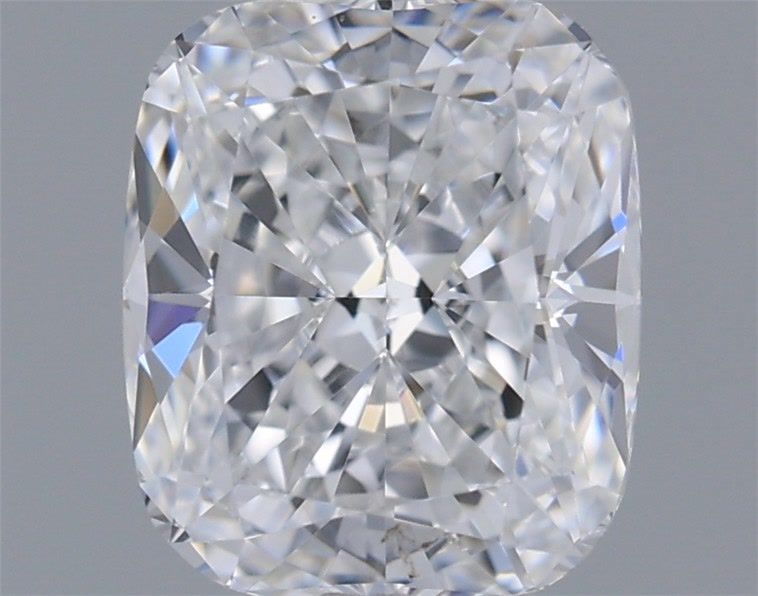
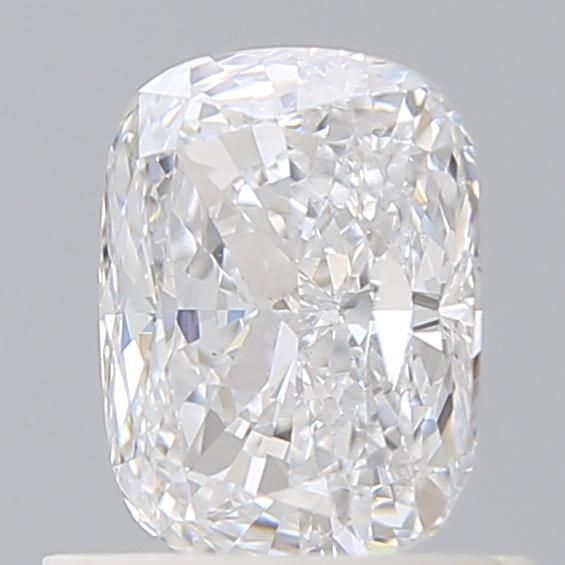
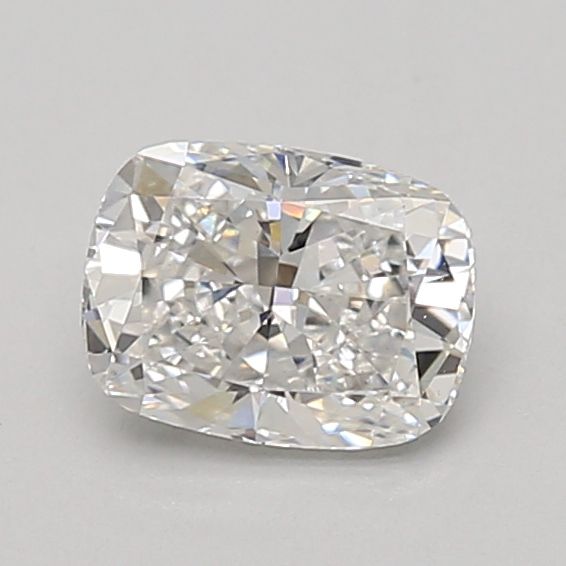
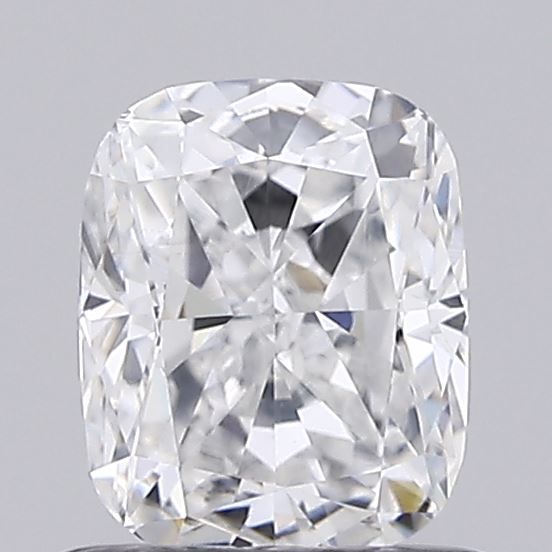
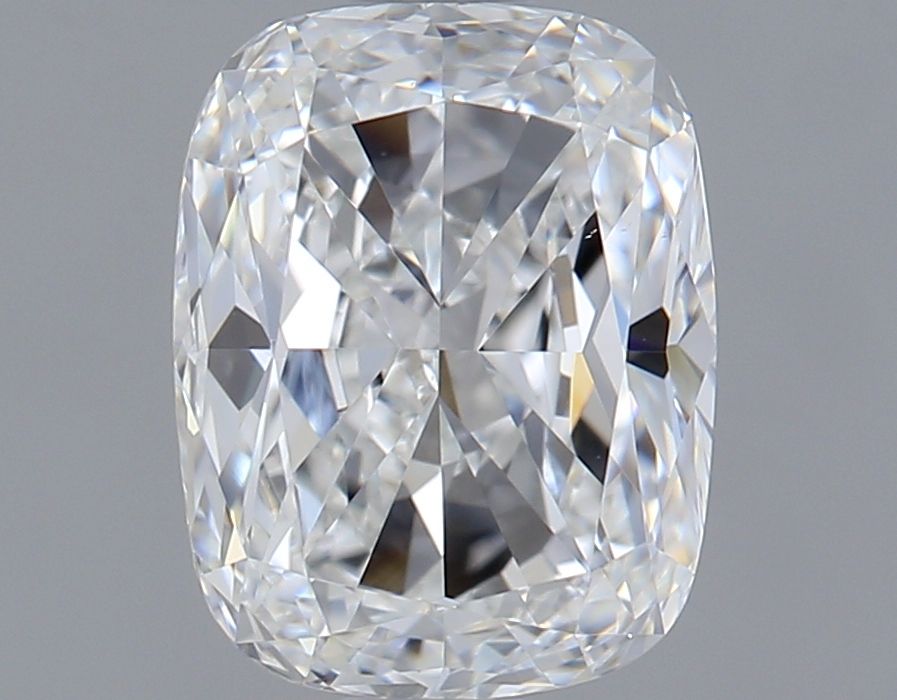
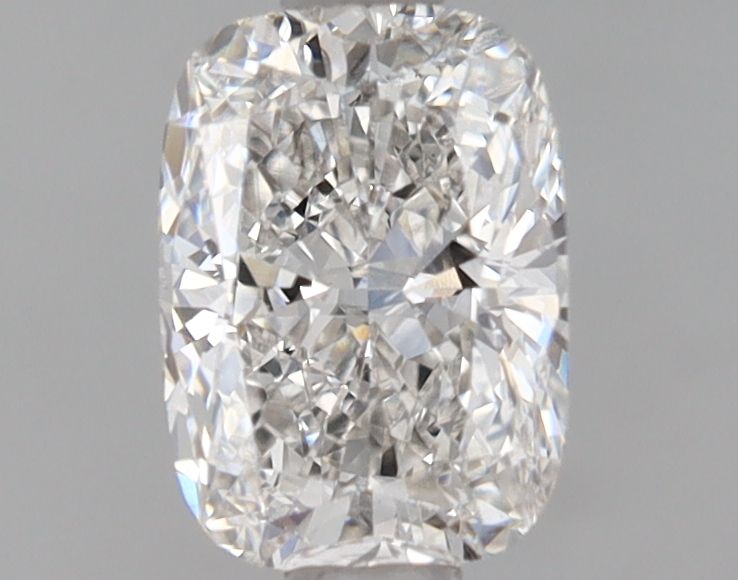
Two cushions with identical grades can look like different stones. Some scatter light into many small, splintered sparkles, which the trade calls crushed ice; others throw fewer, broader flashes, closer to the antique cushions cut by hand generations ago. Neither is better, and no grade on the report says which of the two you are looking at. Watch each video as the stone turns, decide which pattern you like, and only then narrow the choice by grades.
Color deserves the same eye. A cushion tends to hold a little more body color than a round of the same grade, and it can gather in the corners, but that warmth shows mainly when a whiter diamond sits right beside it. Paying for D to F buys a difference you would notice in a side-by-side line-up, not on a hand; a G or H faces up white to most people, and against yellow or rose gold a lower grade often reads the same. Our Journal's color scale guide, grade by grade marks where warmth starts to appear.
Square and Elongated Cushions
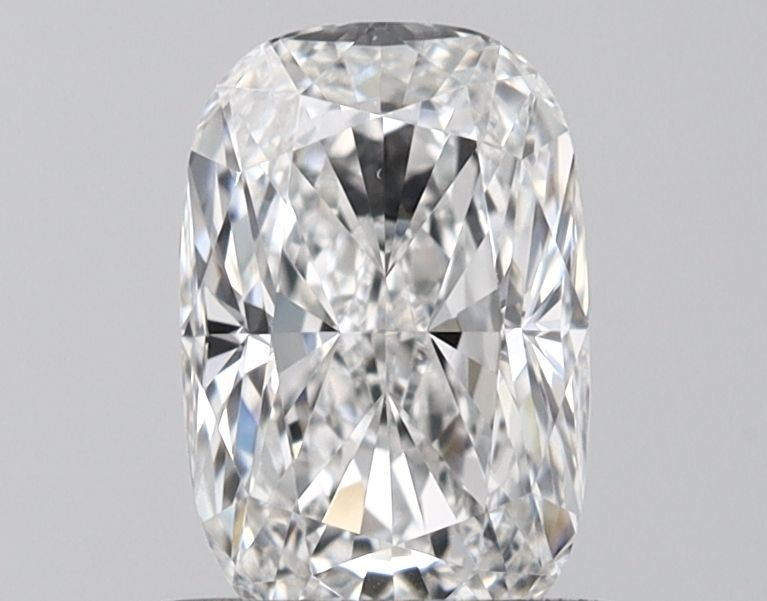
The ratio of length to width decides a cushion's outline. A square cushion sits close to 1.00, usually no higher than about 1.05, and has the soft, pillow-like look the shape is named for. Elongated cushions begin around 1.10, and most people who want a longer stone like one between about 1.15 and 1.30, where it reads clearly as a rectangle and can make the finger look longer. A stone between the two can look slightly off-square, which some buyers like and others don't, so settle on the outline you want before you shop. The ratio is the report's length divided by its width; our notes on reading length-to-width ratio explain the measurement in more detail.
When a Cushion Faces Up Small
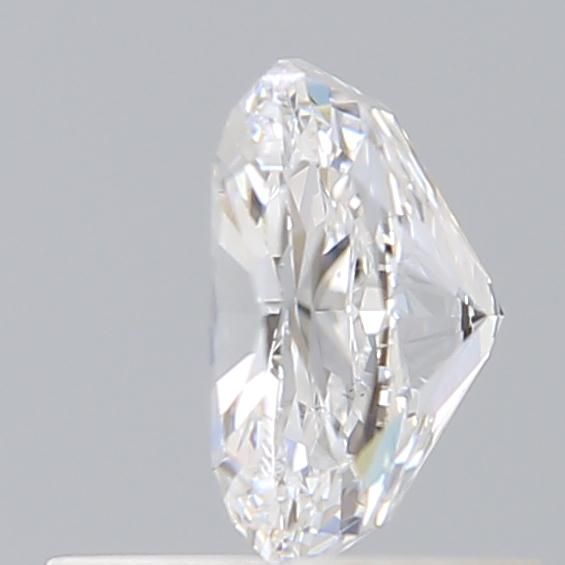
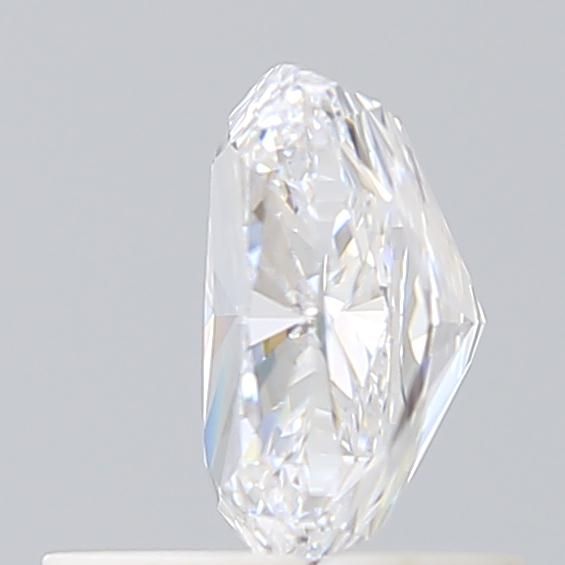
Many cushions are cut deep, carrying weight in the pavilion beneath the girdle, out of sight once the cushion is set. A deep stone can measure across much like a lighter, shallower one, so part of what you pay for adds nothing to the view from above. Before comparing prices, line up the millimeter figures on each report: two cushions of the same carat weight can differ visibly in face-up size, and when their videos look equally lively, take the one that measures wider.
The same thinking applies to weight itself. Price climbs at round carat weights, and a cushion of 0.95 carats looks all but identical to one of 1.00 once it is set, for noticeably less.
Cushion Brilliant or Modified Brilliant
GIA and IGI reports usually name the cut one of two ways. A cushion brilliant has long pavilion facets running from the girdle toward the center, and tends to show the bolder, chunkier pattern. A cushion modified brilliant adds an extra row of facets below the girdle, which more often breaks the light into crushed ice.
Treat the name as a hint rather than a promise. Some modified brilliants show broad flashes and some cushion brilliants sparkle finely, so the video still has the final word, whichever lab graded the stone.
Rounded Corners in a Ring
Without sharp points, a cushion is among the easier fancy shapes to set and to wear every day. Four prongs hide the least of a square cushion; six, or a doubled prong at each corner, hold an elongated one more firmly. A halo of small diamonds makes the center look larger, a classic pairing with this shape, and a bezel, a rim of metal around the whole edge, suits a wearer who is hard on rings.
Prices From Our Catalog
| Carat Weight | Median Price per Carat | Stones Counted |
|---|---|---|
| 0.30-0.49 ct | $2,209 | 3,325 |
| 0.50-0.74 ct | $1,799 | 4,054 |
| 0.75-0.99 ct | $1,822 | 4,390 |
| 1.00-1.49 ct | $374 | 25,179 |
| 1.50-1.99 ct | $352 | 17,159 |
| 2.00-2.49 ct | $349 | 15,399 |
| 2.50-2.99 ct | $315 | 8,073 |
| 3.00-3.99 ct | $327 | 16,277 |
| 4.00-4.99 ct | $303 | 7,997 |
| 5.00 ct and up | $297 | 12,080 |
The median price per carat of the cushion-cut diamonds on sale here in each band, in US dollars, as of November 2, 2026. The grid shows each stone’s own price in your currency.
Cushion, Radiant and Oval at a Glance
| Cushion | Radiant | Oval | |
|---|---|---|---|
| Outline | Square to rectangle, rounded corners and curved sides | Square to rectangle, straight sides and cropped corners | Elongated ellipse with no corners |
| Facet look | Broad flashes to fine crushed ice | Lively brilliant facets, often crushed ice | Brilliant, often with some bow-tie across the middle |
| Usual length-to-width | Near 1.00 square; about 1.15 to 1.30 elongated | Near 1.00 square; about 1.20 to 1.40 rectangular | About 1.30 to 1.50 |
| How it shows color | A touch more than a round, often in the corners | Also more than a round, often in the corners | Can gather at the two ends |
| Face-up size for its weight | Can look small when cut deep | Often deep too, so check the measurements | Usually larger than a round of the same weight |
| Corners and prongs | No points; four or six prongs, a halo or a bezel | Cropped corners: four prongs or a bezel | No corners; four or six prongs |
| Price per carat compared with a round | Usually less | Usually less | Usually less |
Questions
Are cushion-cut diamonds cheaper than round diamonds?
Usually, yes. With weight, color and clarity matched, a cushion is normally priced below a round per carat, partly because its squarer outline lets the cutter save more of the original crystal's weight. Check the measurements, though: a deep cushion spends some of that saving on weight you cannot see. Choose your grades in the grid's filters, then sort by price for current figures in your currency.
Why might someone not buy a cushion-cut diamond?
Because the look varies so much that buying by grades alone can disappoint: a stone that reads well on paper may show crushed ice when you wanted broad flashes, or the reverse. Many cushions are also cut deep and look small for what they weigh, and they show a touch more color than a round. If face-up size for the money is your priority, an oval looks larger for its weight.
How does a cushion cut differ from an emerald cut?
The difference is in the facets. An emerald cut is built from flat, parallel steps across a cut-cornered rectangle, which makes calm, mirror-like flashes and an open view into the diamond, so inclusions and body color show more. A cushion is a brilliant with rounded corners and curved sides, faceted to scatter light, so it sparkles more and hides small inclusions better. An emerald cut usually needs higher clarity to look clean.
What is a crushed ice cushion?
A cushion whose facets break the light into many small, splintered sparkles, like ice chips in a glass, rather than a few broad flashes. Some people love it; others find it busy. It is trade slang, not a grade, and no report uses it. The quickest way to learn which you prefer is to watch a crushed-ice cushion's video next to a chunkier one before you set any grade filters.
What clarity grade should I choose for a cushion cut?
VS2 is usually enough, and an SI1 can be too if nothing shows in its video. A crushed-ice cushion hides small inclusions among its many tiny sparkles; one with broad, antique-style facets shows them more readily, so judge that kind harder in the video. Look under the table first, where the eye lands. VVS and Flawless change the report and the price, not what anyone sees once it is set in a ring.
What is an antique or old mine cushion?
The old mine cut is a historic diamond cut by hand, with a squarish outline, a high crown, a small table and broad, chunky facets, often with a large, open culet you can see through the table at the center. Antique-style cushions follow it, with bolder facets and a softer look than a modern cushion. Lab-grown ones are newly cut in that style, as are many natural ones. Either way, judge the look in the video.