
Princess-Cut Diamonds
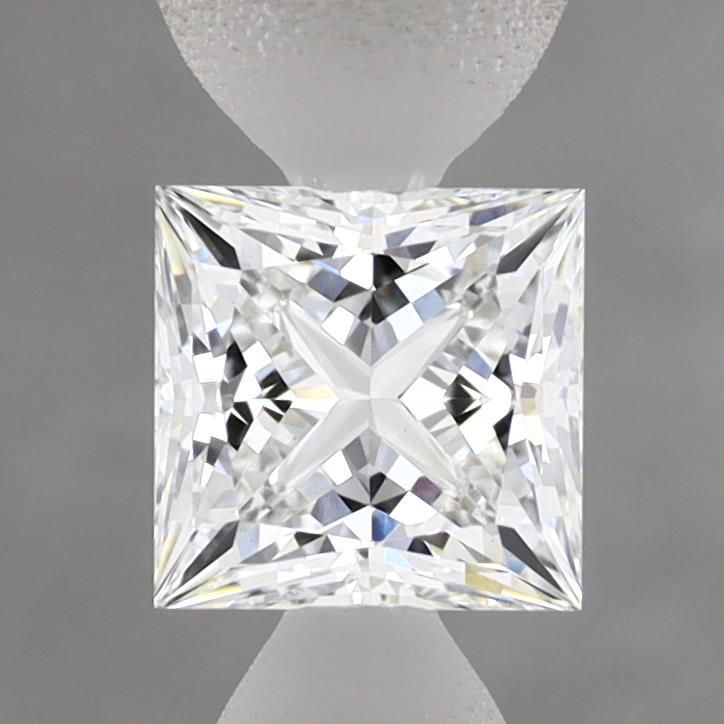
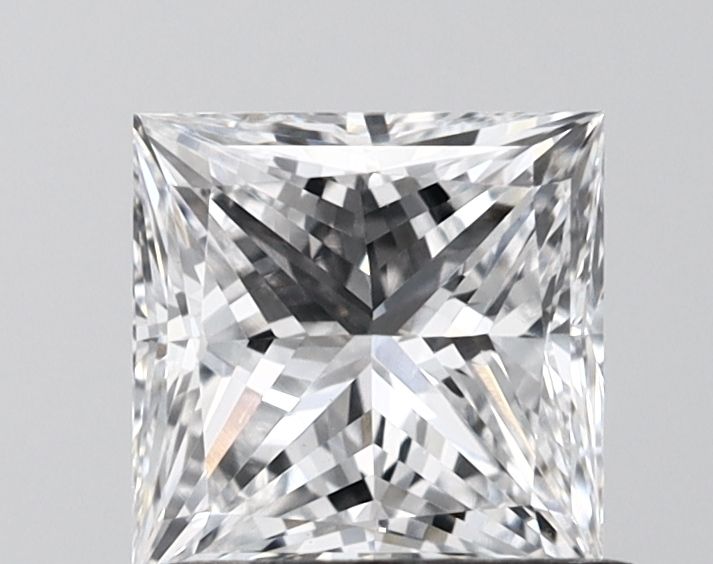
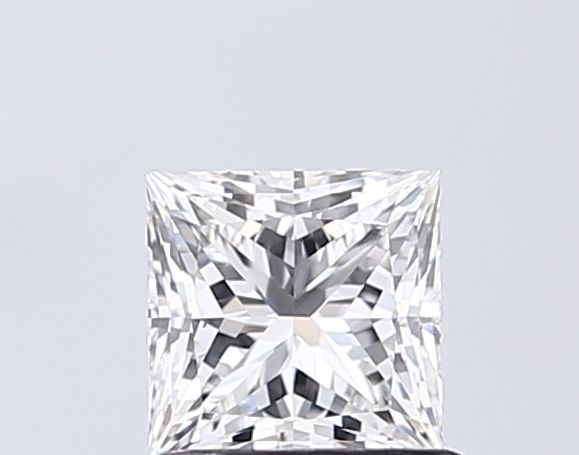
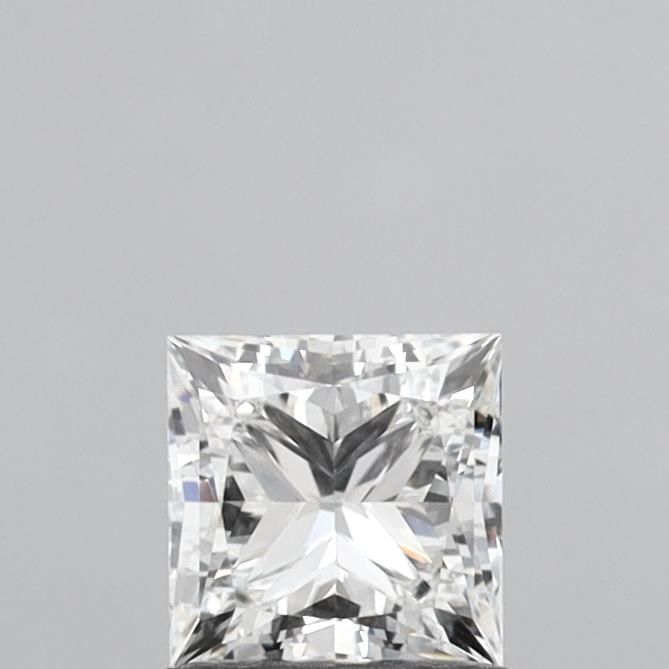
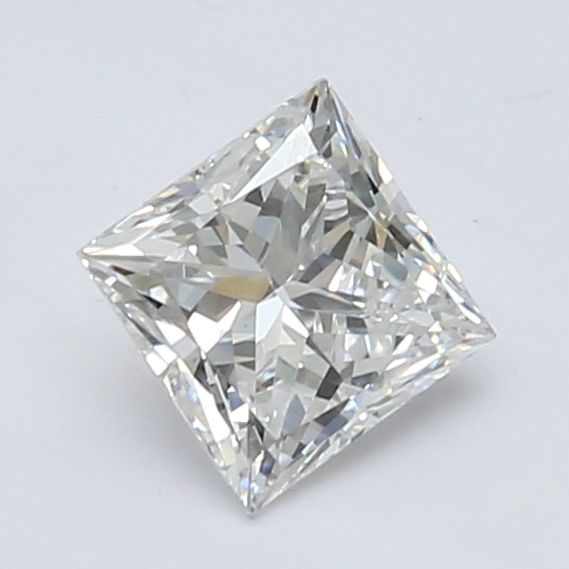
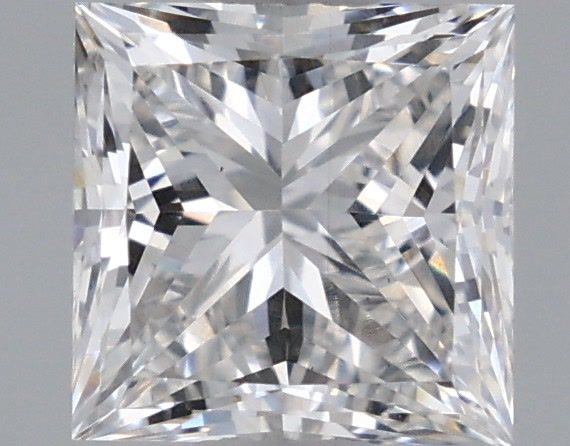
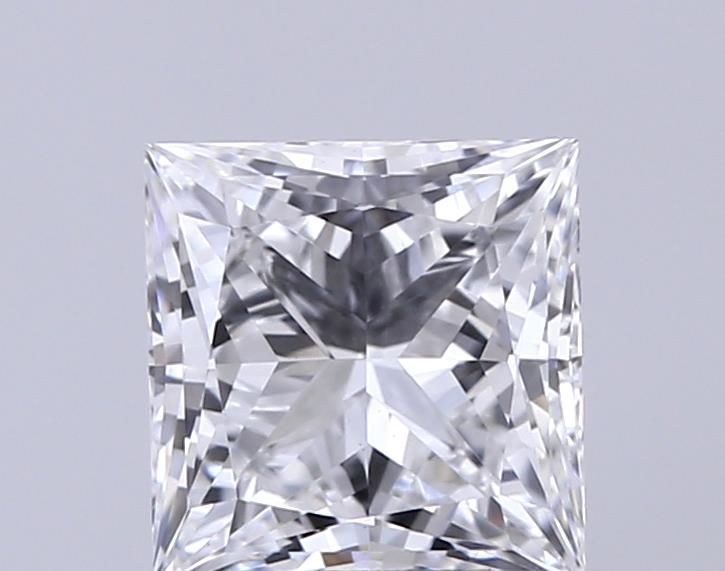
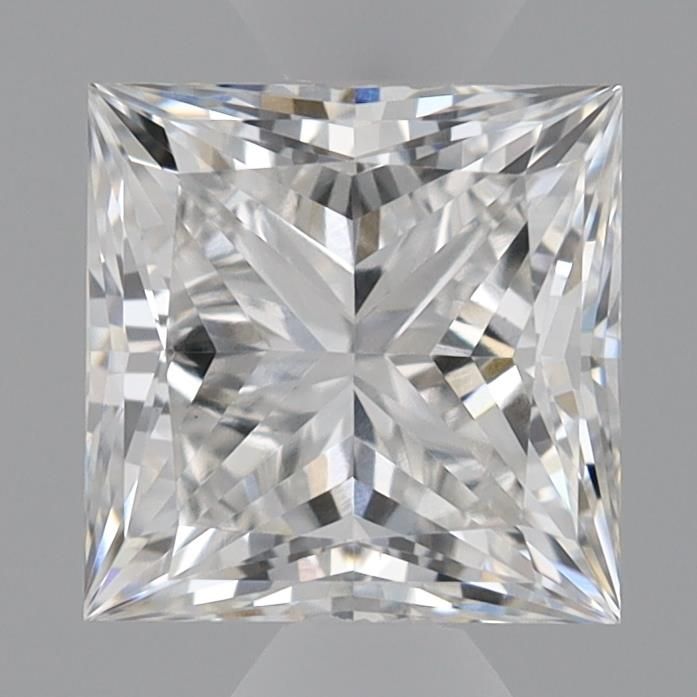
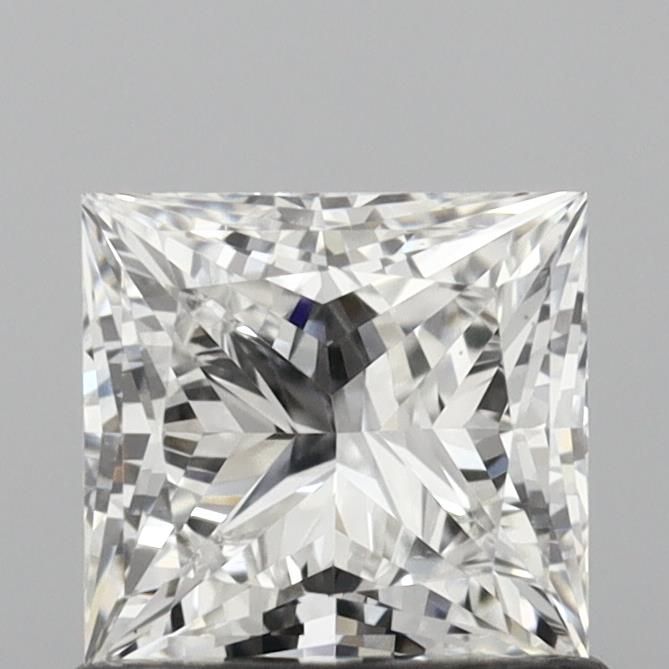
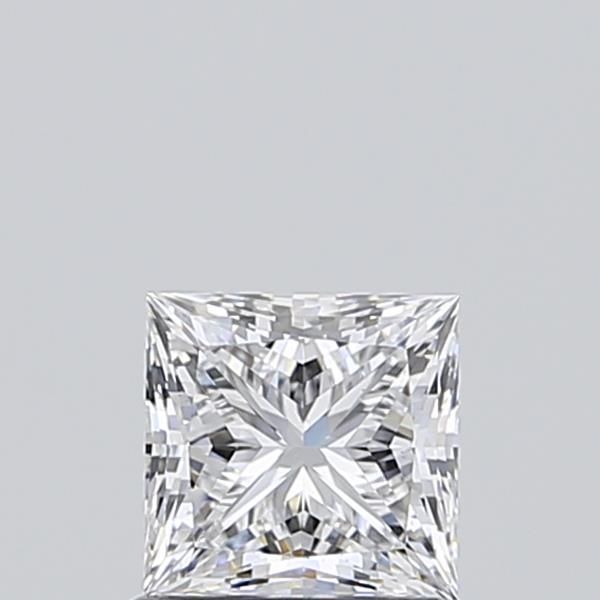
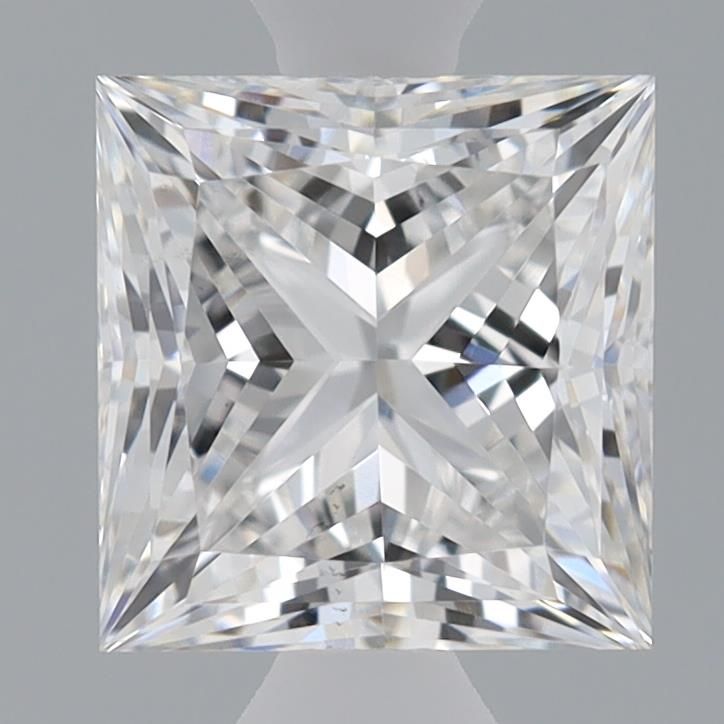
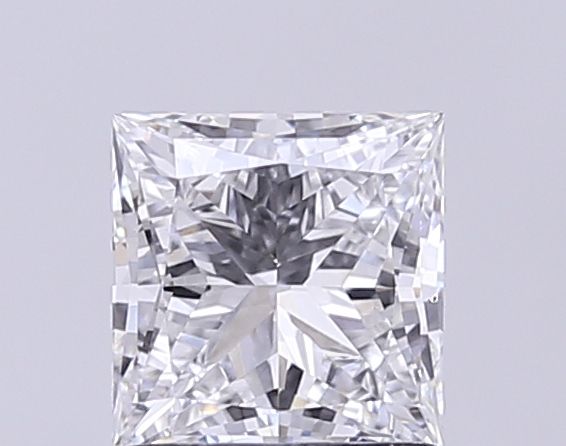
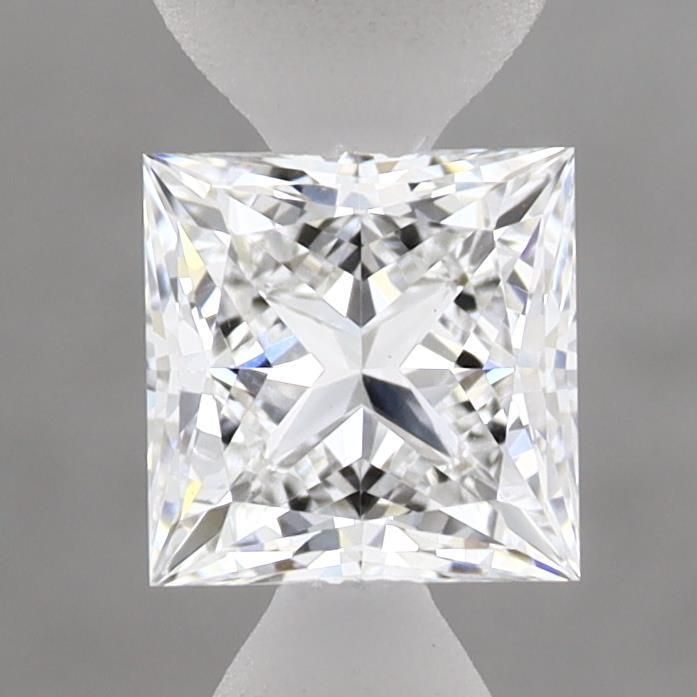
Princess-cut diamonds, lab-grown and natural, in the white color grades D to M.

- Over 59,000 Available
- From $184
- IGI and GIA Reports
- Free Insured Delivery Over $100

Good to Know
In Brief
Usually cheaper per carat than a round of the same grades, a princess is good value if you like a square, and most people see one as square at a ratio of about 1.00 to 1.05. Don't save on the corners: set it with a prong over each one, and pick a VS2 or eye-clean SI1 with no inclusion near a point. Clarity above that buys nothing you will see.
Four Corners That Need Prongs
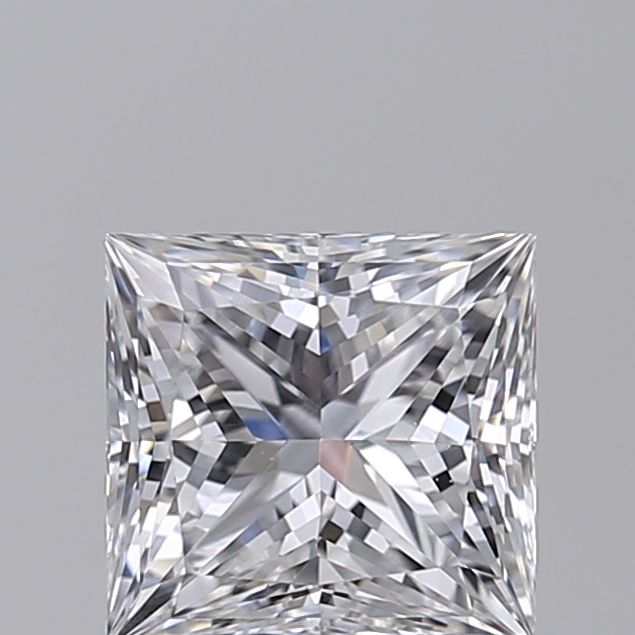
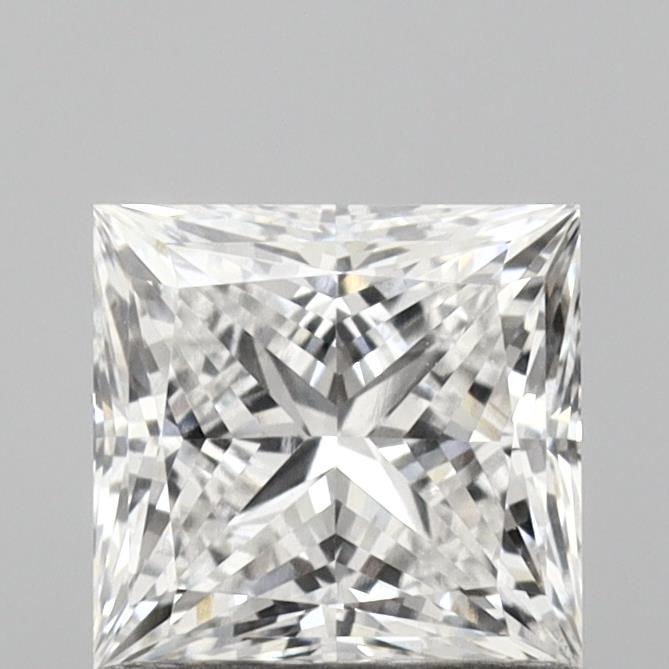
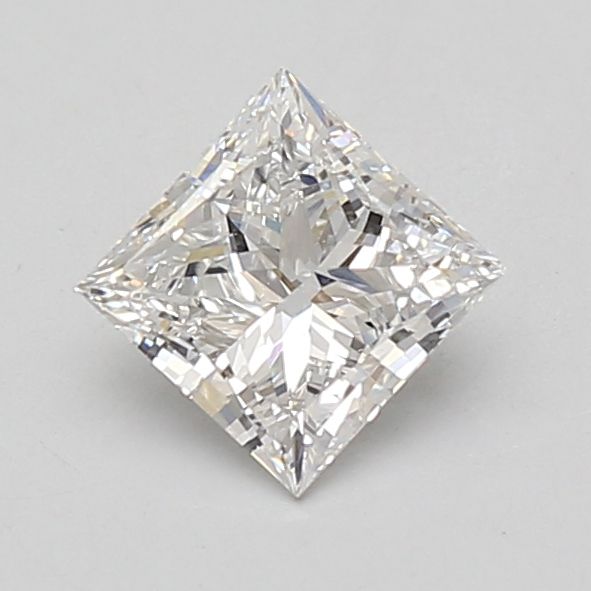
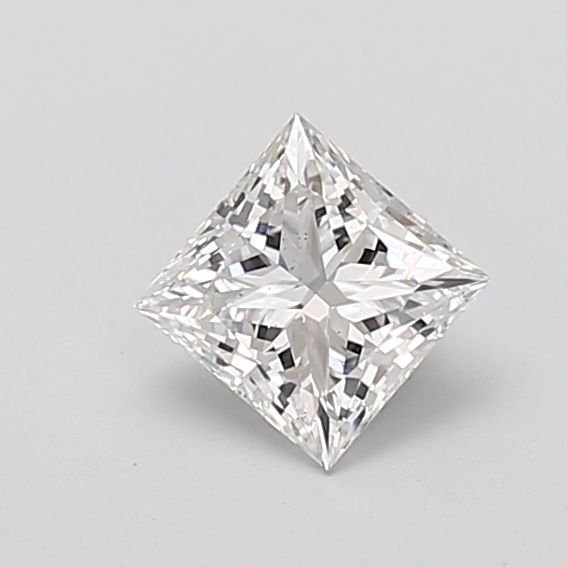
A princess is a square brilliant with four sharp, pointed corners, and those points are the thinnest and most exposed part of the stone. Diamond's hardness guards against scratches, not blows: a sharp knock on a corner, against a door frame or a countertop, can chip it, because a diamond can split along its cleavage planes.
So the setting matters more than the grade. Choose one that covers each corner, usually V-shaped prongs that fold around the point, split prongs with two at each corner, or a bezel around the full outline. Plain round prongs placed along the sides leave the points bare. Ask our concierge before you order and they will tell you whether the setting you like guards all four points.
Checking the Corners for Inclusions
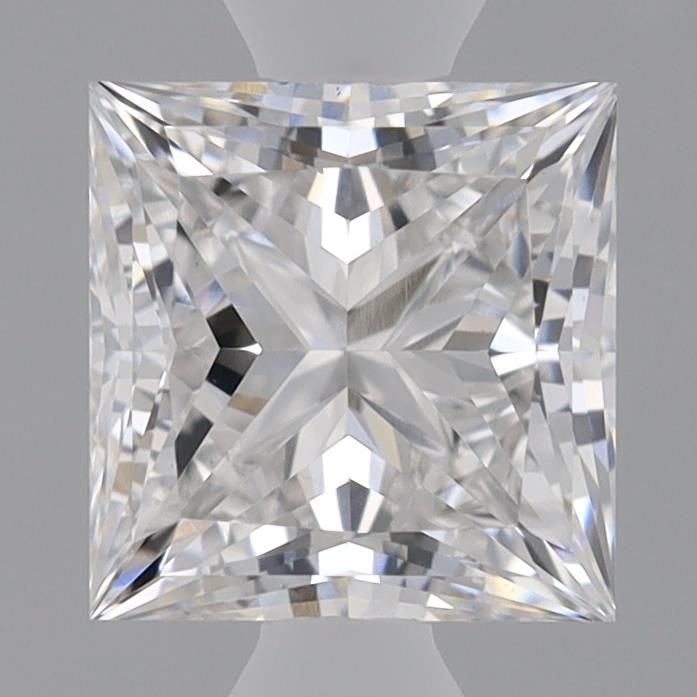
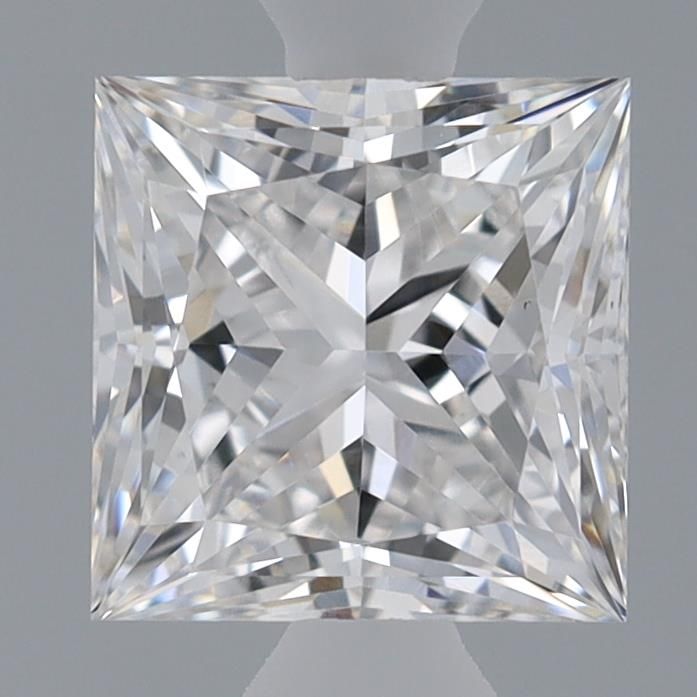
Under the table, a princess's facets run in crossing chevrons that break up small inclusions, so clarity is a good place to save: a VS2 is usually enough, and so is an SI1 if the video shows you nothing. Where an inclusion sits matters more than its grade. A feather, the trade's word for a small crack, that reaches a corner weakens the very point most likely to take a knock, while a pinpoint under the table is harmless. Our guide to clarity grades explains what each one allows.
Read the report's clarity diagram where it has one, and watch the video turn slowly past each corner. Check the girdle description too, since an extremely thin girdle leaves the points fragile. A VS2 with clean corners is a sounder buy than an SI1 whose feather reaches a point, even if both look clean face-up.
Why a Princess Costs Less Per Carat
Natural rough often grows as an octahedron, two four-sided pyramids joined at their bases, and sawn through the middle each half is already close to a princess. Lab-grown diamonds made by CVD grow as flat square plates, which suit a square cut too. Either way the cutter keeps more of the crystal than when grinding it down to a round. Less waste means a lower price per carat than a round matched on weight, color and clarity, a real advantage if you already like the square look.
The one grade not to cut too far is color. The corners can gather a hint of warmth that a round would scatter, so if the ring is white gold or platinum, look at the corners in the video before going below H. Spend there only as far as the stone still looks white, and take the saving from clarity instead.
Square, or Close to It
A square princess should have straight sides that run parallel. Most people like a princess between about 1.00 and 1.05 length-to-width; much past that, the outline starts to read as a rectangle. The report's measurements give you both numbers, and our notes on length-to-width ratio explain how to read them.
GIA gives a princess no cut grade, so judge the cut yourself: Excellent or Very Good polish and symmetry, four crisp corners of equal size, and a video that sparkles evenly with no dull or dark patches. A very deep princess hides weight below the girdle and faces up small for what it costs.
Princess or Round
A well-cut round brilliant returns more light than any other shape, has no points to guard and comes with a cut grade on its report. It is the safe choice, and also the costliest per carat. A princess gives a crisp, modern square with lively sparkle for less, and asks in return for corner prongs and a little more care.
Size reads differently too. Weight for weight, a princess covers slightly less area face-up, because more of its weight sits in its depth, yet its corner-to-corner diagonal is longer than a round's diameter, so on the finger it can look just as big. Compare the millimeters on each report rather than the carats, then choose the outline you would rather look at.
Prices From Our Catalog
| Carat Weight | Median Price per Carat | Stones Counted |
|---|---|---|
| 0.30-0.49 ct | $2,026 | 2,516 |
| 0.50-0.74 ct | $1,998 | 3,628 |
| 0.75-0.99 ct | $2,087 | 3,211 |
| 1.00-1.49 ct | $376 | 15,071 |
| 1.50-1.99 ct | $306 | 11,647 |
| 2.00-2.49 ct | $305 | 9,263 |
| 2.50-2.99 ct | $312 | 4,598 |
| 3.00-3.99 ct | $311 | 7,490 |
| 4.00-4.99 ct | $311 | 2,504 |
| 5.00 ct and up | $299 | 2,915 |
The median price per carat of the princess-cut diamonds on sale here in each band, in US dollars, as of November 2, 2026. The grid shows each stone’s own price in your currency.
Princess, Round and Cushion Compared
| Princess | Round | Cushion | |
|---|---|---|---|
| Outline and corners | Square, with four sharp points | Circle, no corners | Square or rectangle with rounded corners |
| Prongs it needs | V-shaped or split prongs over each corner, or a bezel | Four or six ordinary prongs | Four or more; no points to cover |
| Cut grade on a GIA report | None: judge symmetry, proportions and the video | Excellent to Poor | None: judge symmetry, proportions and the video |
| How it hides inclusions | Well, but watch the corners | Very well | Well in a crushed-ice look, less with large facets |
| Face-up size for its weight | A little smaller in area, longer on the diagonal | The usual point of comparison | Often a little smaller; deep cuts are common |
| Price per carat | Usually less than a round of the same grades | Usually the highest of the shapes | Usually less than a round of the same grades |
Questions
Are princess-cut diamonds more expensive than round diamonds?
No, usually the reverse. A princess keeps more of the rough crystal when it is cut, so per carat it is normally priced below a round with identical grades. To see the difference for yourself, set the grid's carat, color and clarity filters to the grades you want and sort by price, then do the same for round diamonds.
Which is better, a princess cut or a round?
Neither is better made; they suit different buyers. A round sparkles the most, has no corners to protect and is graded for cut, but it costs more for each carat. A princess gives a square, modern look for less and needs a prong over every corner. If you like both, the princess leaves more of your budget for size.
What is a princess cut in a diamond?
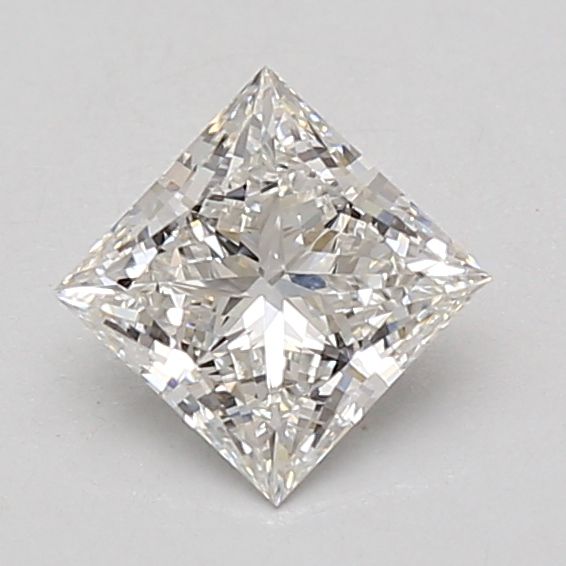
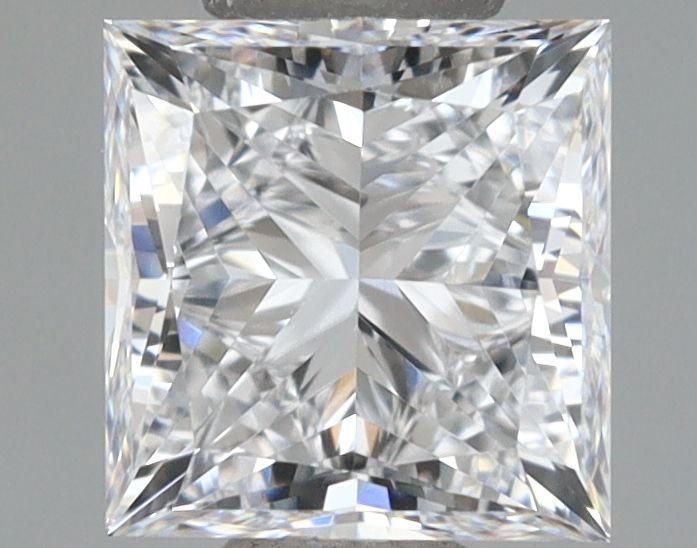
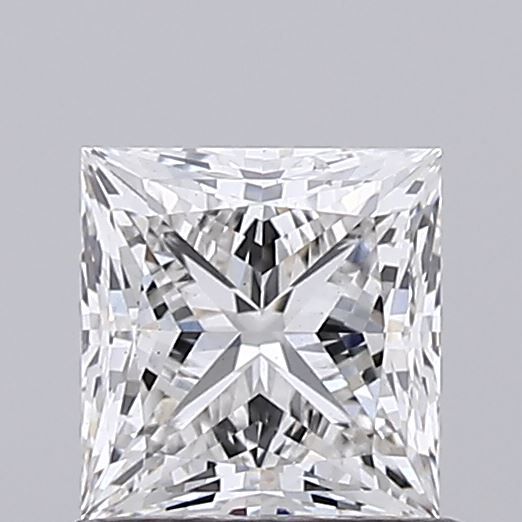
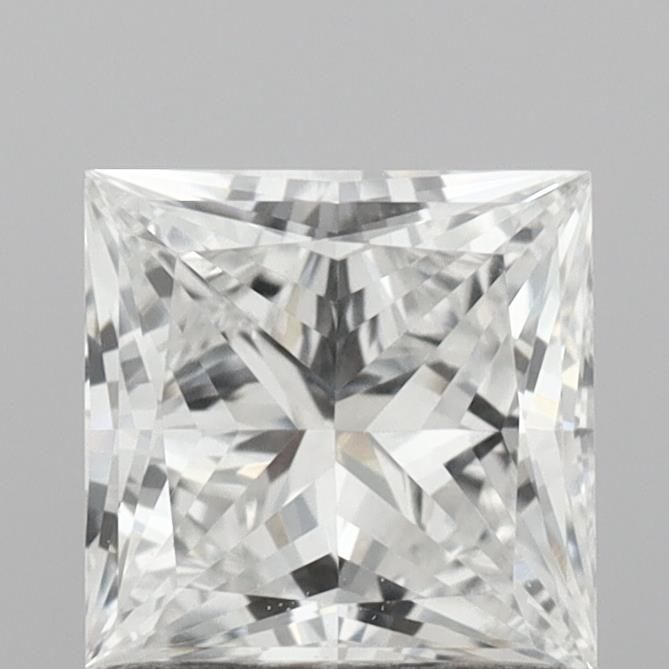
A princess is a square or nearly square diamond with sharp, pointed corners and brilliant faceting: the facets underneath form crossing chevrons that break light into lively sparkle. It dates from about 1980 and has long been one of the most popular fancy shapes for engagement rings. A GIA report calls it a square modified brilliant, the trade's name for the same cut.
Do princess-cut diamonds chip easily?
More easily than a round, mainly at the four corners, though the sharp point underneath can chip too. Lower the risk three ways: a prong or bezel over each corner, no feather reaching a corner, and a girdle the report does not call extremely thin. Set like that, a princess is a sensible choice for a ring worn every day.
What length-to-width ratio is best for a princess cut?
Most buyers who want a square stay at about 1.05 or under. Above that the stone reads as a rectangle; some people like that, but if you want a rectangle with cut corners, a radiant is worth comparing. Uneven sides or one corner smaller than the others spoil the outline more than a ratio of 1.04 instead of 1.00.
How much is a 1 carat princess-cut diamond?
That depends mostly on origin, then on color and clarity, so the grid answers it better than a figure here: set the carat filter around 1 carat, pick the color and clarity you want and sort by price. Prices step up at round weights, so a princess of 0.90 to 0.99 carat can face up almost as large for less.