Radiant-Cut Diamonds
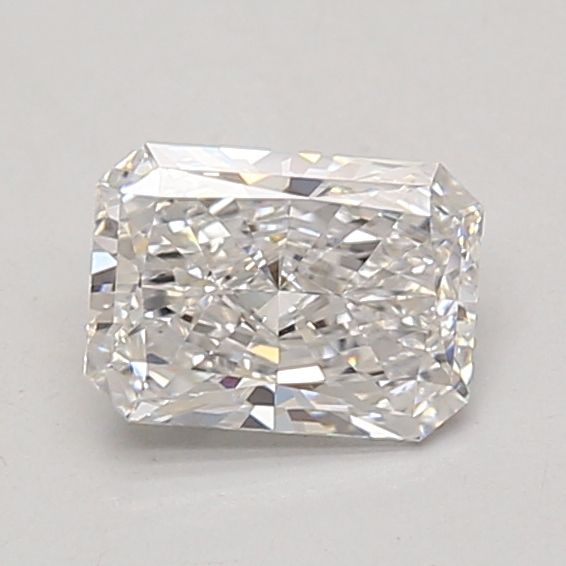
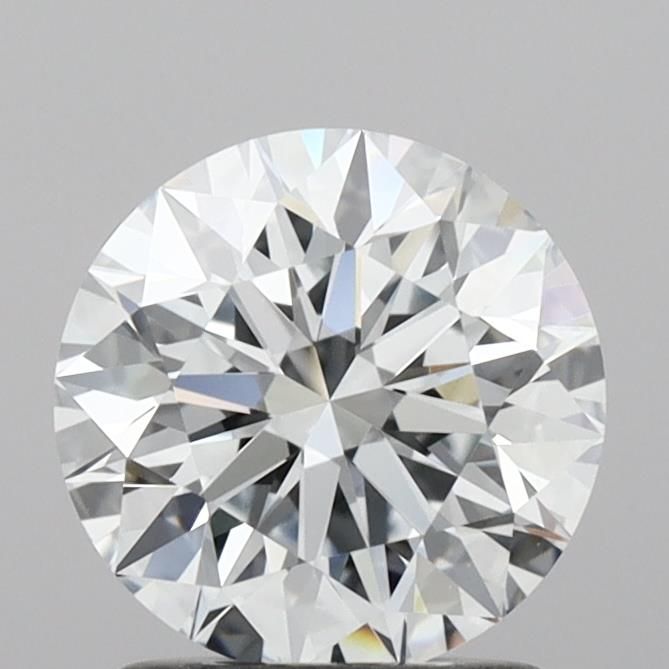
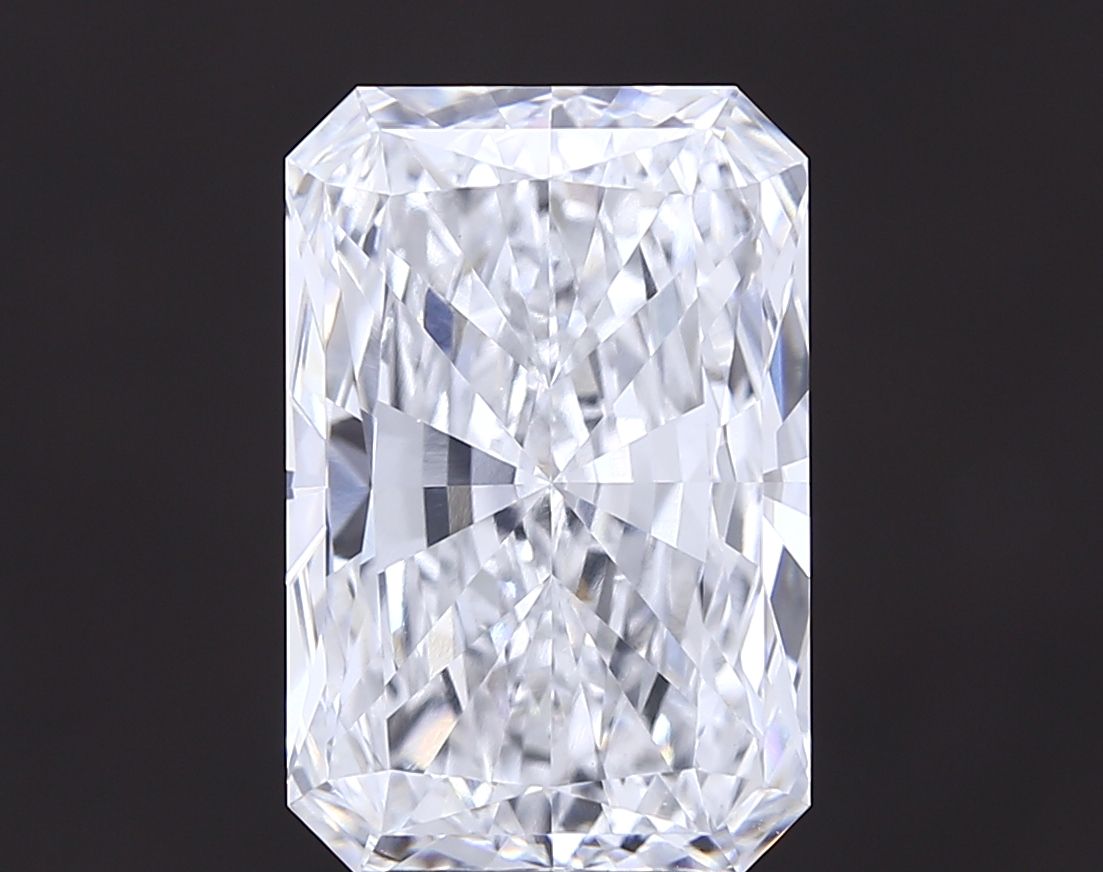
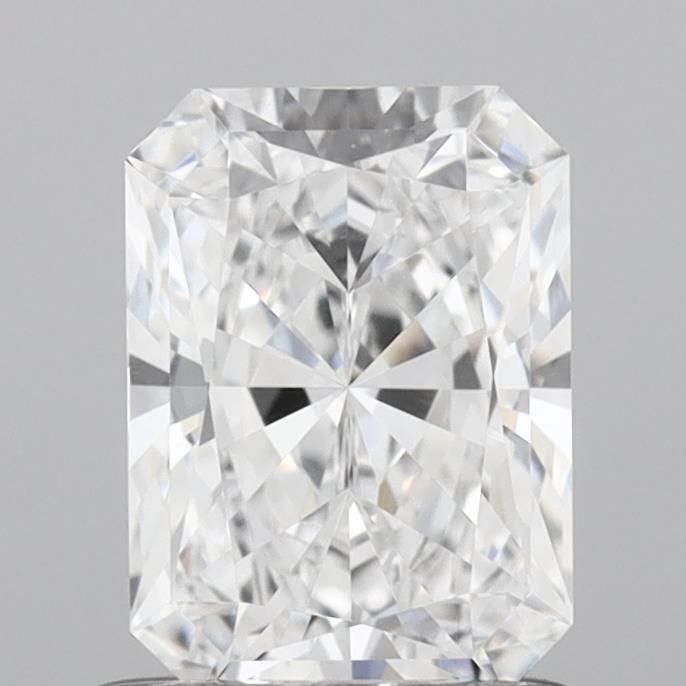
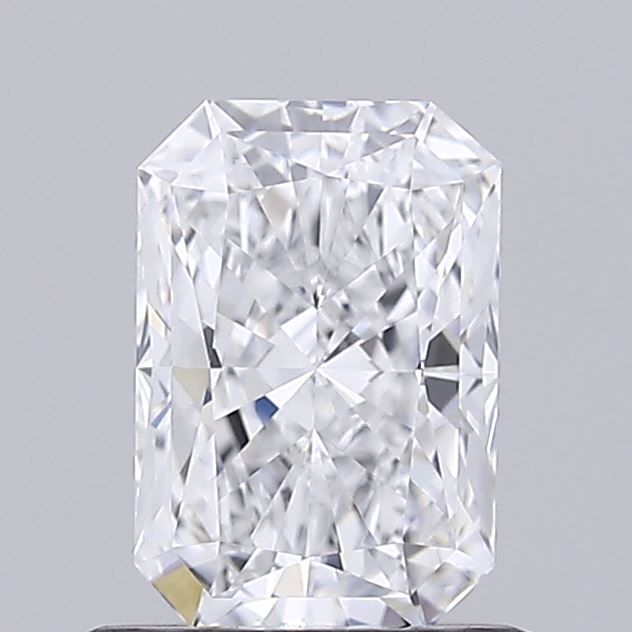
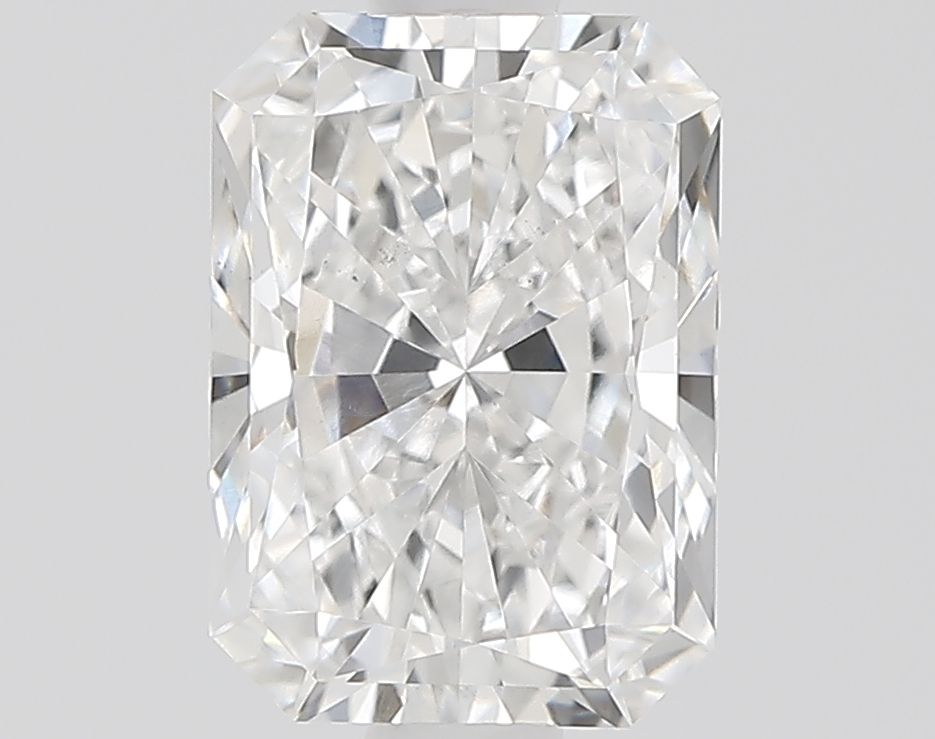
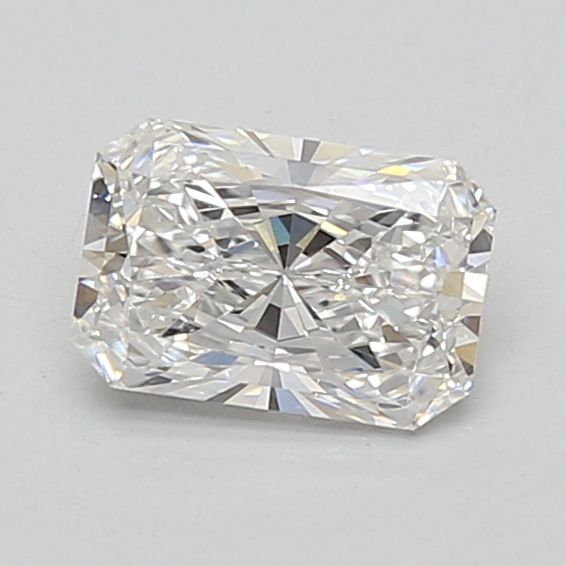
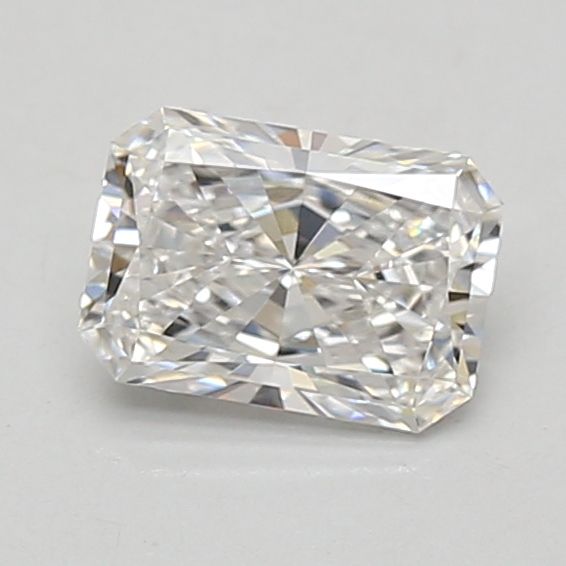
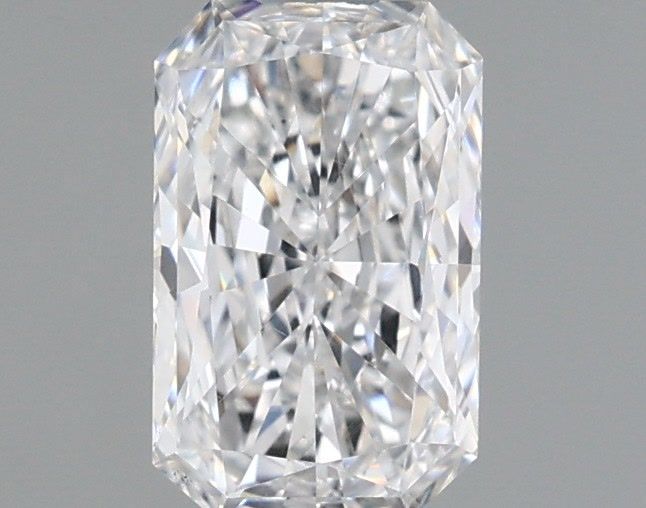
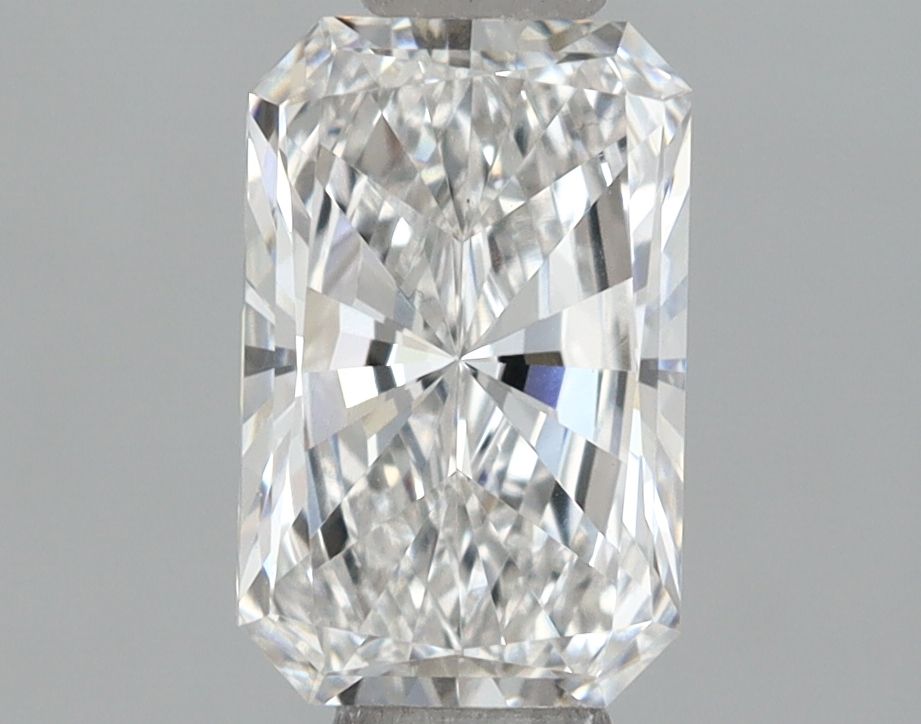
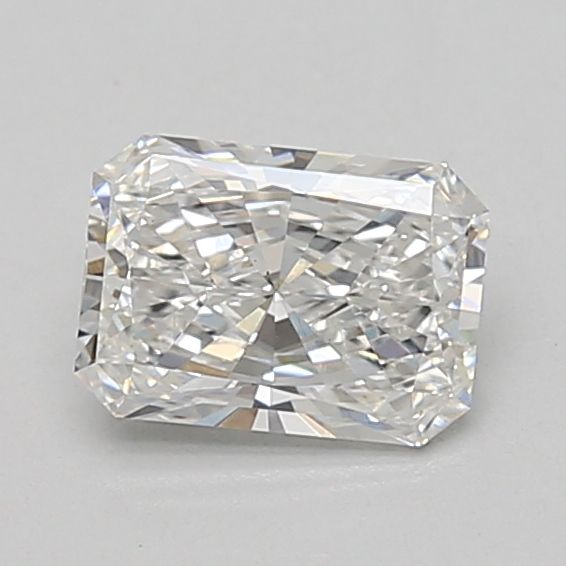
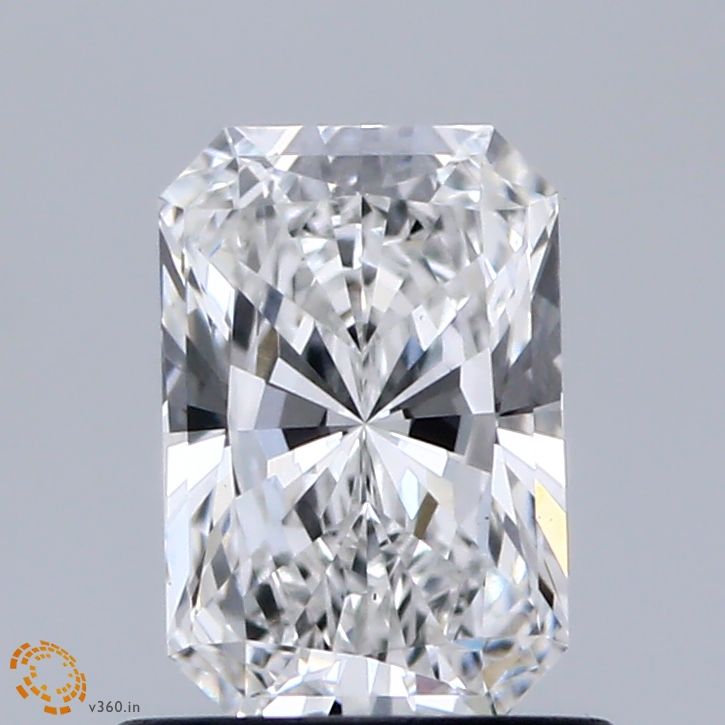
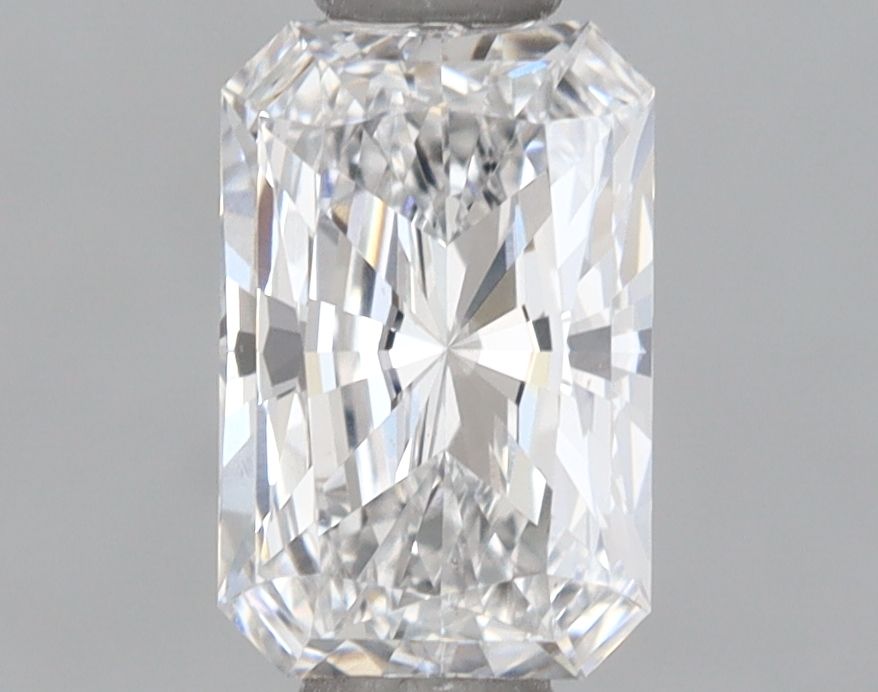
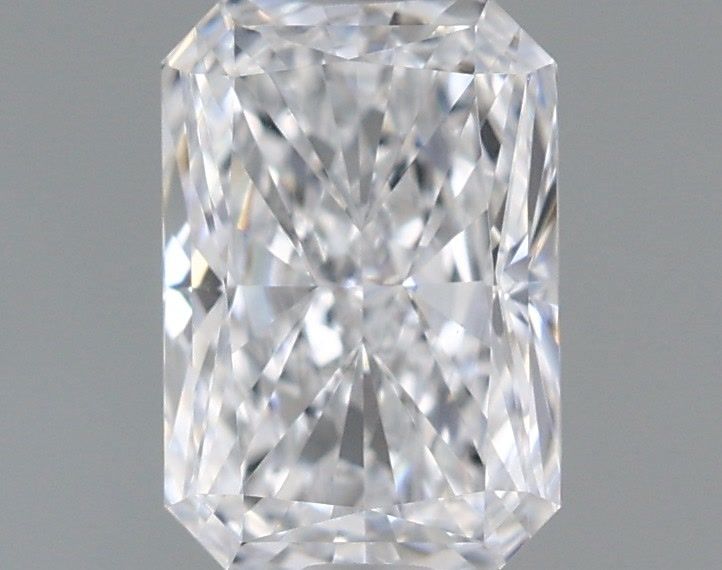
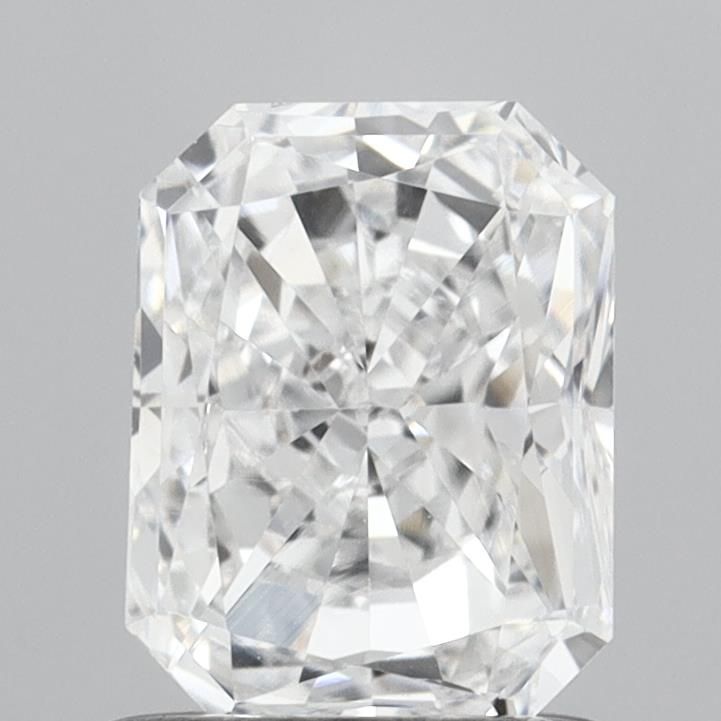
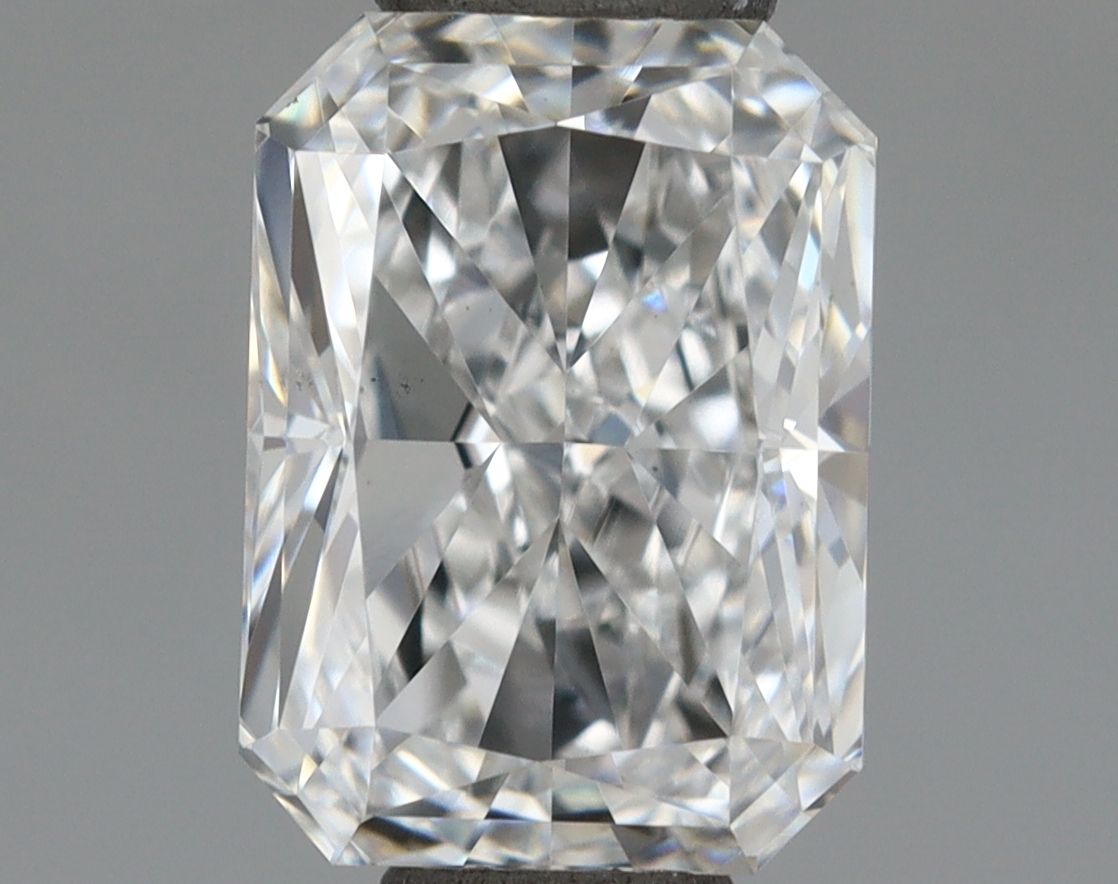
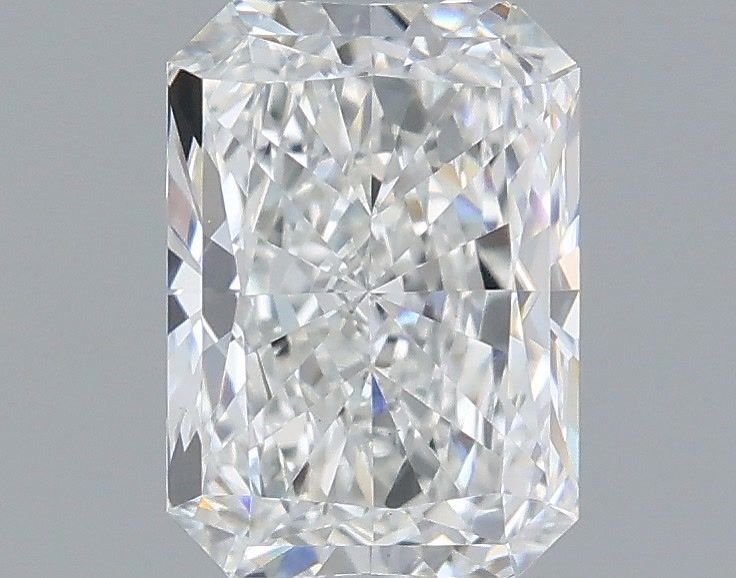
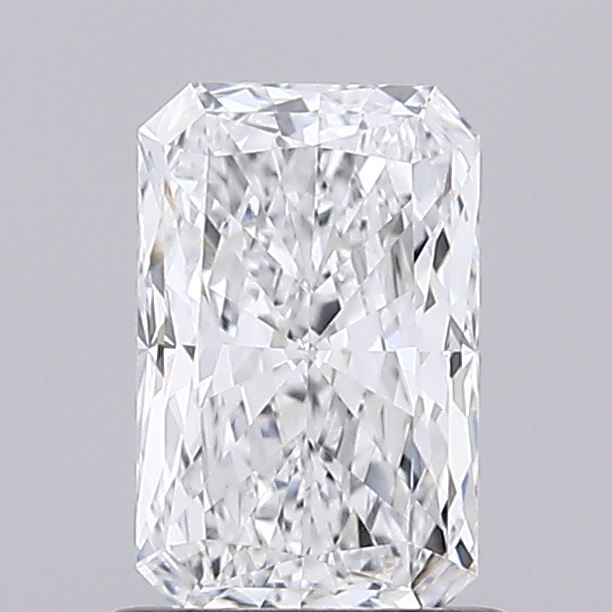
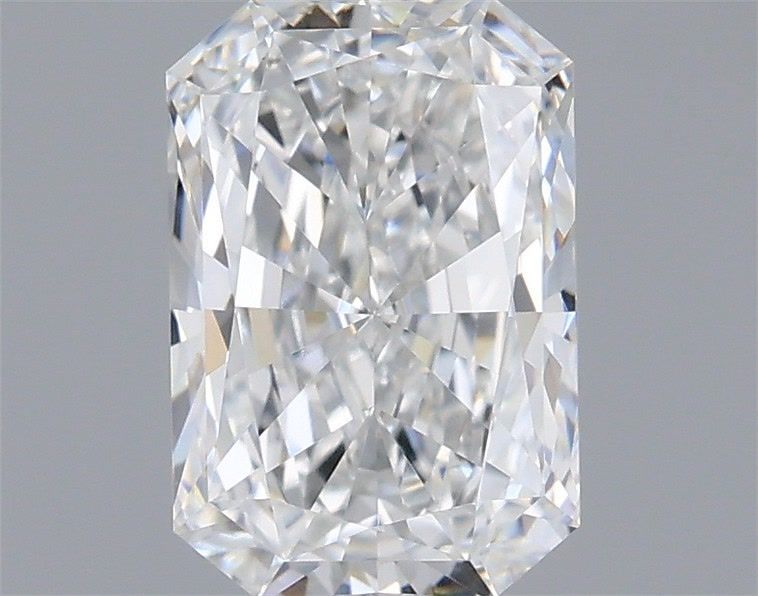
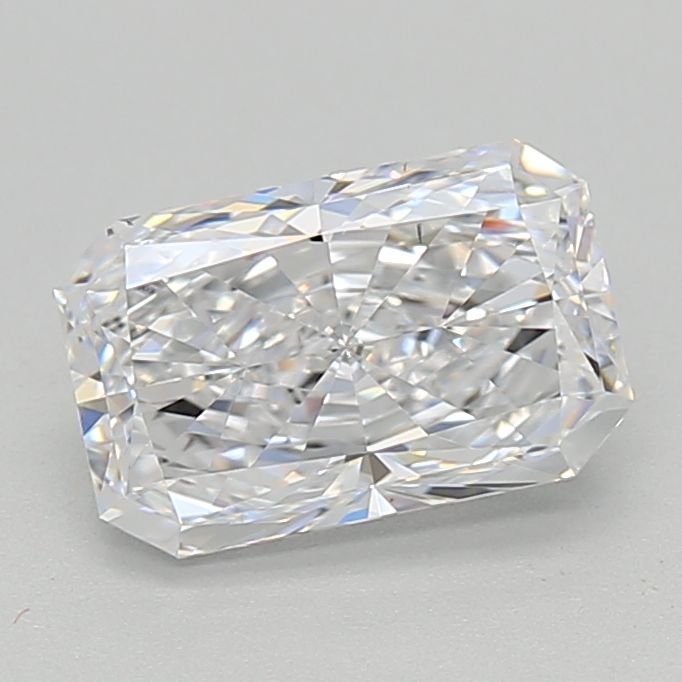
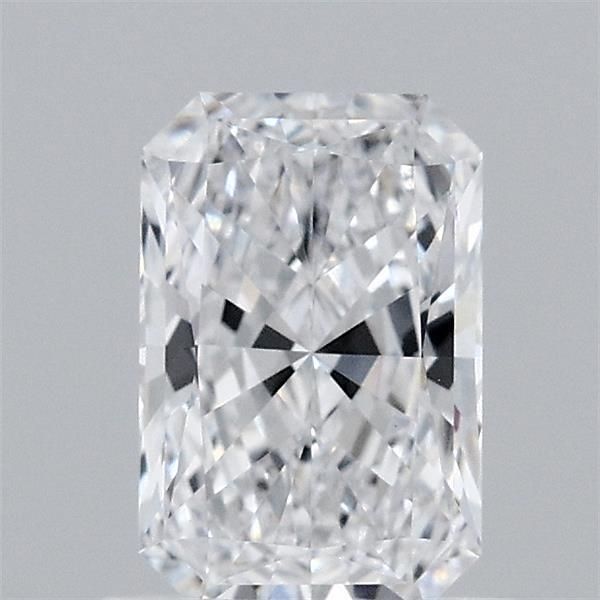
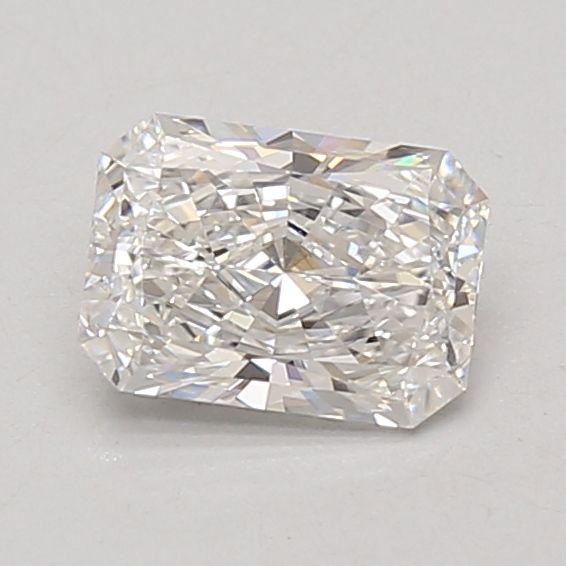
A radiant sets brilliant sparkle inside a cut-cornered outline, so small inclusions hide well and no sharp point is left to chip.

- Over 84,000 Available
- From $169
- IGI and GIA Reports
- Free Insured Delivery Over $100
Good to Know
In Brief
Yes, a radiant is a sound buy: it sparkles like a brilliant, its cropped corners resist chipping, and a round with matching grades normally costs more per carat. Its busy faceting hides small inclusions, so an eye-clean VS2 or SI1 is plenty. Be careful about depth instead: compare length and width on the report and take the radiant that looks largest for its weight, not the one that merely weighs the most.
Why a Radiant Forgives Inclusions
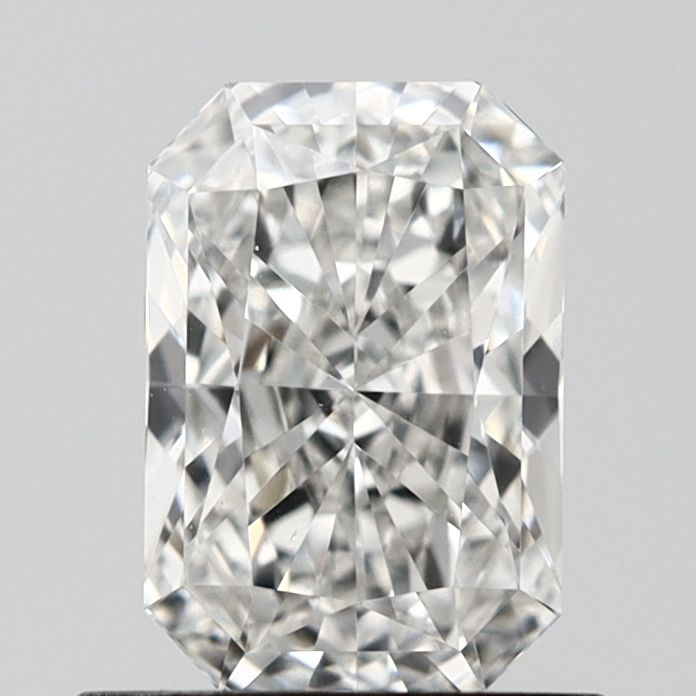
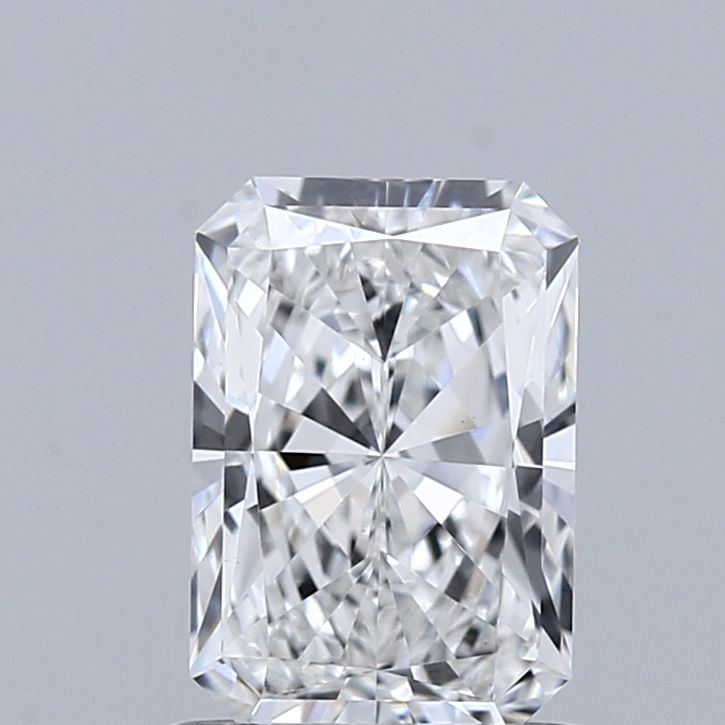
A radiant has the outline of an emerald cut, a square or rectangle with its corners trimmed off, but underneath it is faceted like a brilliant: dozens of small triangles and kites instead of long, flat steps. That pattern scatters light and breaks up the view into the stone, so a small crystal or feather that would sit in plain sight under an emerald cut's open table tends to vanish in a radiant.
That makes clarity the first place to save. A radiant graded VS2 or SI1 that is eye-clean looks no different face up from a VVS1, and the gap in price is better put into size, or kept. Where a stone has a video, watch it at the size you are buying: look hardest under the table, where an inclusion is easiest to see, and remember that one near a corner may end up hidden by a prong. Our guide to which clarity grades look eye-clean shows where the line usually falls.
Square or Rectangular Outline
Radiants fall into two families. Square ones sit at about 1.00 to 1.05 length to width and face up as a compact block of sparkle, like a princess with softened corners. Many buyers choose a rectangle instead, and most like it between about 1.20 and 1.40: long enough to read clearly as a rectangle without turning narrow. Neither is correct; your hand and the setting decide.
Stones in between, at around 1.10, can look like a square that came out slightly uneven, so look closely at the outline before choosing one. A longer radiant also tends to look a little bigger on the finger than a square one of the same weight. Our length-to-width ratio guide shows how the same weight looks at each ratio.
How a Radiant Holds Color
The faceting that hides inclusions also intensifies body color, which is why the radiant is a favorite for yellow and other fancy-color diamonds. In a white diamond it means a radiant can look a shade warmer than a round of the same color grade, most of all toward the corners.
In white gold or platinum, an H or I that would pass as white in a round may show a hint of warmth as a radiant, so G is worth a look if you want an icy stone. In yellow or rose gold the metal warms the diamond anyway, and a J or K can look right for less. Either way, D to F is rarely worth it in a radiant: the step up from a G shows when loose stones sit side by side, not once one is set.
Cropped Corners for Everyday Wear
Pointed corners are where diamonds chip, and a radiant has none: its corners are cut away, leaving no sharp tip to catch on a sleeve or take a hard knock. That makes it a practical stone for a ring worn every day, held by four prongs at the corners, by double prongs, or in a bezel that wraps the whole outline.
One detail on the report is worth a glance: a girdle described as extremely thin is more likely to chip, whatever the shape. Pick the setting first, then a radiant whose measurements suit it, so the prongs sit on the corners.
Prices From Our Catalog
| Carat Weight | Median Price per Carat | Stones Counted |
|---|---|---|
| 0.30-0.49 ct | $1,947 | 2,101 |
| 0.50-0.74 ct | $701 | 4,424 |
| 0.75-0.99 ct | $448 | 3,018 |
| 1.00-1.49 ct | $364 | 16,392 |
| 1.50-1.99 ct | $318 | 12,948 |
| 2.00-2.49 ct | $319 | 12,413 |
| 2.50-2.99 ct | $335 | 4,804 |
| 3.00-3.99 ct | $381 | 10,006 |
| 4.00-4.99 ct | $266 | 8,779 |
| 5.00 ct and up | $277 | 13,084 |
The median price per carat of the radiant-cut diamonds on sale here in each band, in US dollars, as of November 2, 2026. The grid shows each stone’s own price in your currency.
Radiant Against Emerald Cut and Cushion
| Radiant | Emerald Cut | Cushion | |
|---|---|---|---|
| Facet style | Brilliant facets on a cut-cornered outline | Step facets: long, parallel rows | Brilliant facets on a rounded, pillow outline |
| How it hides inclusions | Well: the sparkle breaks up the view | Poorly: the open table shows them | Well, much like a radiant |
| How it shows body color | A shade warmer than a round, mostly at the corners | Shows body color clearly through the flat facets | Holds color, often more than a round |
| Usual depth and face-up size | Often deep; can face up small for its weight | Varies; a long one that is not too deep faces up large for its weight | Often deep; many face up small for their weight |
| Square and rectangular ratios | Square about 1.00 to 1.05; rectangular about 1.20 to 1.40 | Mostly rectangular, commonly about 1.30 to 1.50 | Square about 1.00 to 1.05; elongated about 1.15 to 1.30 |
| Corners | Cropped; no sharp points | Cropped; no sharp points | Rounded; no sharp points |
| Per-carat price next to a round | Usually less | Usually less | Usually less |
Questions
Are radiant-cut diamonds more expensive than round ones?
Usually not. A radiant of the same carat weight, color and clarity generally costs less than a round, partly because rounds are in higher demand and a radiant loses less of the rough diamond in cutting. Its price still climbs with every grade and jumps at whole and half carat weights. To compare, set the carat and grade filters above and sort the grid by price; each radiant shows its price in your currency.
What is the cheapest diamond cut?
Among white diamonds of the same weight and grades, the round usually costs the most per carat, and fancy shapes such as the radiant, princess, cushion and emerald cut usually cost less. Origin moves the price more than shape does: a lab-grown stone is priced well below a natural one with matching grades. To see where your budget lands, filter the grid by origin and sort it by price.
Which clarity is enough for a radiant-cut diamond?
For most radiants, VS2 or SI1 is enough, as long as the stone looks clean face up; watch its video where it has one. The brilliant faceting hides small crystals and feathers that a step cut would show. Above about 2 carats look harder, since a bigger face makes inclusions easier to spot, and choose VS1 or VS2 if you are unsure. VVS clarity buys nothing your eye will notice.
What is the difference between a radiant and a cushion cut?
Both are brilliant cuts that come square or elongated, so both sparkle and hide small inclusions well. The outline is what divides them: a radiant has straight sides and cropped corners, which look crisp and geometric, while a cushion has curved sides and rounded corners, softer and more pillow-like. Both are often cut deep, so whichever you choose, compare the measurements on each report.
Does a radiant cut look smaller than its carat weight?
It can, next to a round or an oval of the same weight. Radiants tend to be cut with a deep pavilion, so most cover a little less area face up than either. A rectangular radiant wins some of that back, as its length shows along the finger. If size on the hand matters most, an oval covers more ground; if you want a radiant, the measurements on each report show which ones carry their weight on top.
What ratio should a radiant-cut diamond have?
There is no right ratio, only the look you like. Square radiants sit near 1.00; for a rectangle, most buyers settle between about 1.20 and 1.40. Within that range a lower ratio looks fuller and bolder, while a higher one looks slimmer and makes the finger seem longer. Divide the length on the report by the width, then judge the outline in the video, where there is one, before you choose.