Pink Sapphires
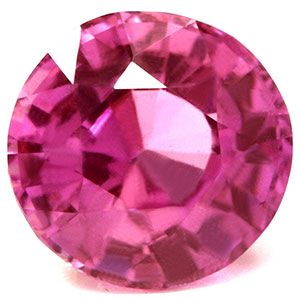
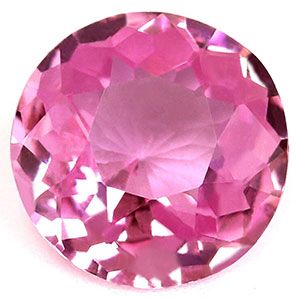
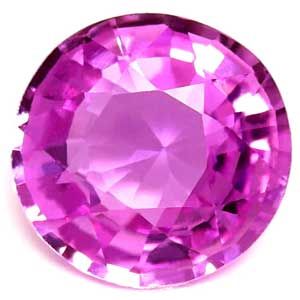
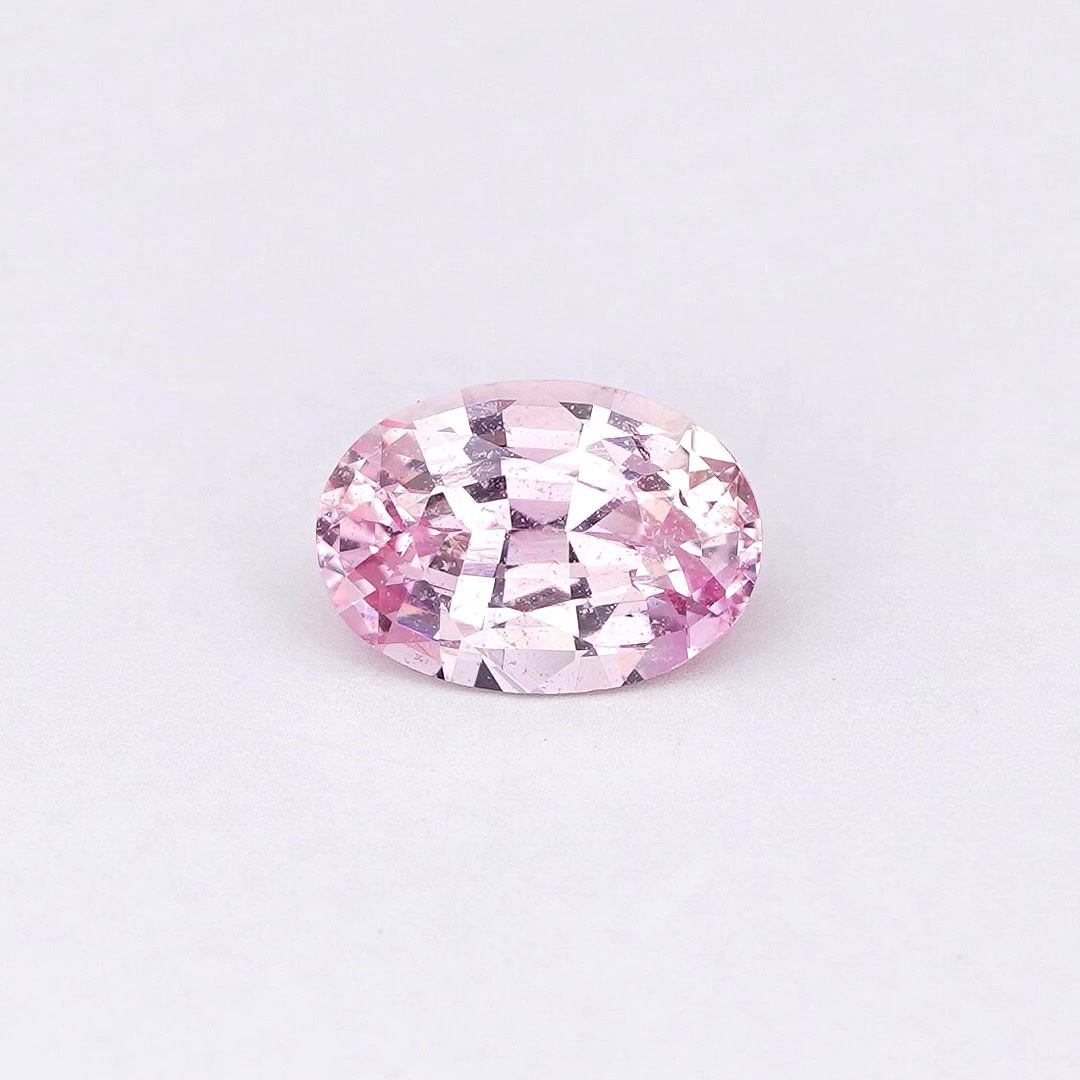
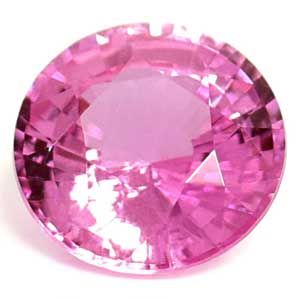
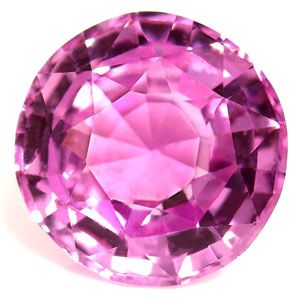
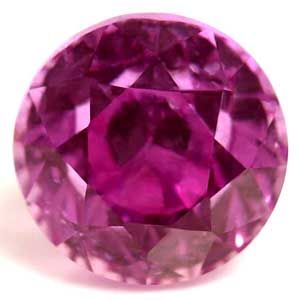
Natural pink sapphires, from a soft blush to a strong hot pink, each with an independent lab's report.

- 272 Available
- From $1,249
- GIA, AGL, IGI, GRS and SSEF Reports
- Free Insured Delivery Over $100









Good to Know
In Brief
Saturation is worth more than size: a medium pink with clear, even color is the sweet spot, while a very pale pink costs little but can look almost colorless in a small stone. A purplish pink often costs less than a pure pink of the same strength and looks as lively, so buy it if you like it. An orangy pink is worth a padparadscha price only when its lab report names it padparadscha.
From Pale Blush to Hot Pink
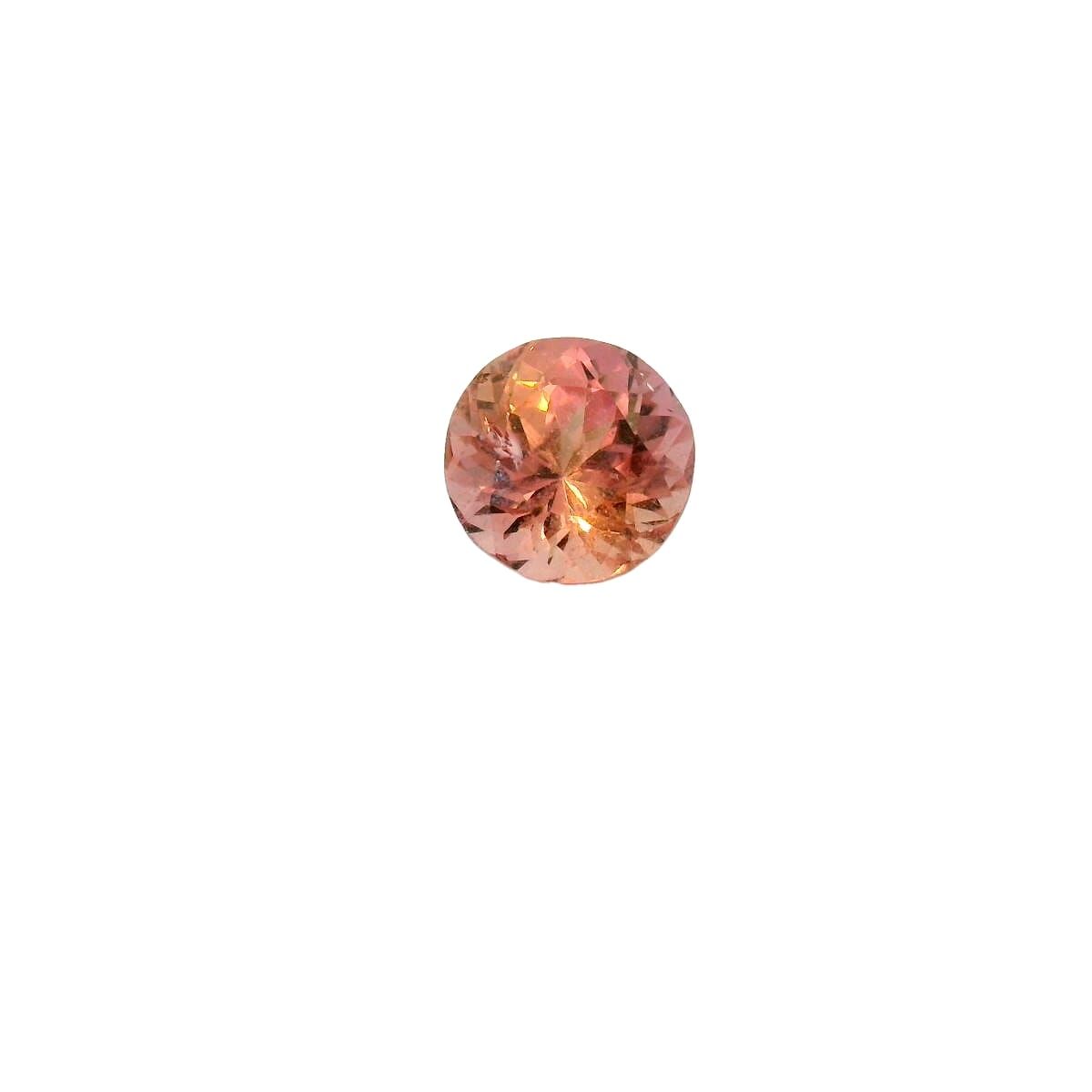
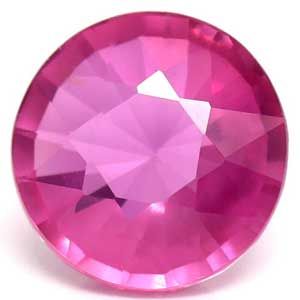
GIA describes pink sapphire as ranging from light red, or plain pink, to light purple, with saturation from weak to intense. Saturation, the strength of the color, moves the price far more than carat weight. A very pale pink costs little, and in a small stone it can look almost colorless, so the color you paid for barely shows. A strong hot pink in a medium tone is the scarcest, and priced for it.
For most buyers the sweet spot is a medium pink with clear, even color: plainly pink from across a table, without the cost of the most saturated stones. Tone matters too: too dark and a pink can look brownish or close to red indoors, too light and it looks washed out. Color reads stronger in a larger stone, so a light pink that fades away at half a carat may still look pink at two carats. Where a stone has a video, look for color that stays even as it turns, without paler bands across it.
Where Pink Ends: Purple, Ruby and Padparadscha
Many pink sapphires carry a second hue, and it decides which neighbor a stone leans toward. A purplish pink leans toward purple sapphire. It often costs less than a pure pink of the same strength and looks just as lively in a ring, so if you like the cooler shade, it is the better buy. A pure pink, with no second color you can see, usually costs the most of the pinks. At the red end, a pink deep and strong enough is named ruby on its report, and priced as one.
On the orange side, an orangy pink nears padparadscha, a rare variety GIA describes as a light to medium pinkish orange to orange-pink. It costs far more than a pink sapphire of the same size, and each lab sets the limits of the name in its own way. Pay that premium only when the report names the stone padparadscha. An orangy pink without the name is a pink sapphire, priced as one, and a good buy if you like a warmer pink.
Treatments Seen in Pink and Orangy Pink
Heat is the treatment most often used on pink sapphire, typically to lessen a blue or purple tint and leave a purer pink. Gentle, low-temperature heating can leave few traces, so a lab cannot always detect it. Each stone's report states its own treatment, and the stone's page shows what it names.
Orangy pinks call for one more check. Since the early 2000s, some pink sapphires have been heated with beryllium to add orange, giving colors close to padparadscha at a fraction of the price. The added color can lie in a layer near the surface, which re-cutting can remove and a deep chip can break through to the paler pink beneath. A report names beryllium diffusion where the lab finds it, so read the treatment line before the color.
Some orangy pinks also carry an unstable tint: a dose of ultraviolet light can add orange that fades after a few hours under a strong lamp, or more slowly in sunlight. GIA runs a fading test before it calls a stone padparadscha, and a report may comment on color stability. Our page on what a lab report records explains the rest of a report.
Pink in Rose, Yellow and White Gold
Metal changes how a pink reads. Rose gold echoes the stone's warmth: a medium or strong pink looks rich against it, but a pale pink takes on the metal's tone and can merge with it, so the stone reads as part of the band rather than a gem. White gold and platinum make pink look brighter and a shade cooler, and keep a pale stone's outline crisp; they suit purplish pinks especially well. Yellow gold warms pink toward peach, which flatters an orangy pink and makes a pure pink look softer and warmer.
So match the metal to the stone, not the other way around. If you love rose gold, choose a stronger pink; if you want a pale blush, put it in white metal so its color still shows.
Prices From Our Catalog
| Carat Weight | Median Price per Carat | Stones Counted |
|---|---|---|
| 1.00-1.49 ct | $4,302 | 64 |
| 1.50-1.99 ct | $4,155 | 72 |
| 2.00-2.49 ct | $4,126 | 51 |
| 2.50-2.99 ct | $5,249 | 22 |
| 3.00-3.99 ct | $4,983 | 30 |
| 5.00 ct and up | $19,193 | 19 |
The median price per carat of the pink sapphires on sale here in each band, in US dollars, as of November 2, 2026. The grid shows each stone’s own price in your currency.
Pink Sapphire by Secondary Hue
| Purplish Pink | Pure Pink | Orangy Pink | |
|---|---|---|---|
| How it looks | A cool pink with a violet tint | Pink with no second color you can see | A warm pink edging toward peach |
| Treatment to look for on the report | Heat, often used to lessen the purple | Heat, which may be how the pink became pure | Heat, beryllium diffusion and any note on color stability |
| Metal that flatters it | White gold or platinum | Any, with rose gold best for a medium or stronger pink | Yellow or rose gold |
| Price for the size | Often less than a pure pink of the same strength | Usually the highest of the pinks | Priced as pink sapphire, unless the report names it padparadscha |
Questions
How much is a 1 carat pink sapphire?
There is no single figure: at 1 carat, the strength of the pink and the report's treatment move the price far more than weight. A vivid pink costs far more than a pale one of the same size, and a diffused orangy pink less than a heated pink of similar color. To compare, filter the grid to 1 to 1.49 carats, sort from the lowest price, and watch each stone's video, where it has one, before the figures.
Is the pink sapphire here natural or lab-grown?
Natural. We sell no lab-grown gemstones, and each pink sapphire's report, from an independent lab such as GIA, AGL or GRS, names it natural. Lab-grown pink sapphire, sold widely under brand names, is the same mineral grown in a lab, and a different, far cheaper product. If a large, vivid pink is priced surprisingly low elsewhere, check whether its report calls it lab-grown.
Are pink sapphires worth a lot of money?
A fine one can be. A strong, even pink in a larger size is scarce and priced for it, while pale and purplish pinks cost much less for the same weight. Treatment matters too, so read the report's treatment line before you compare prices. Buy a pink sapphire for the color you will wear.
Which is better, pink tourmaline or pink sapphire?
For a ring worn every day, pink sapphire: it is 9 on the Mohs scale against tourmaline's 7 to 7.5, so it stands up far better to scratches and knocks. Pink tourmaline usually costs less for its size and comes in large, bright stones, so for earrings, a pendant or a big stone worn now and then, it stretches the budget further.
What is the prettiest pink gemstone?
Whichever pink pleases you most in the light you live in. Pink sapphire, pink spinel, pink tourmaline and morganite all have admirers: morganite is usually a soft, peachy pink, spinel and tourmaline can be vivid, and sapphire runs from blush to hot pink. Of the four, sapphire is the hardest, so in a ring worn daily it keeps its polish longest.