Heart-Shaped Diamonds
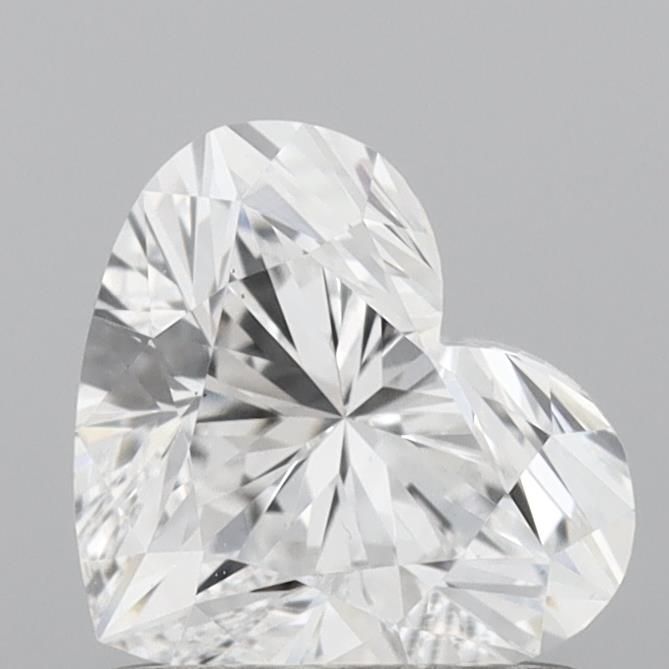
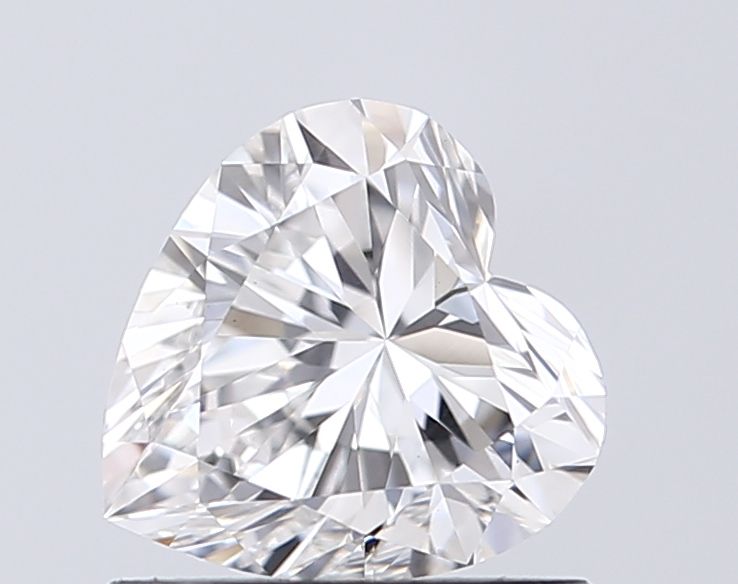
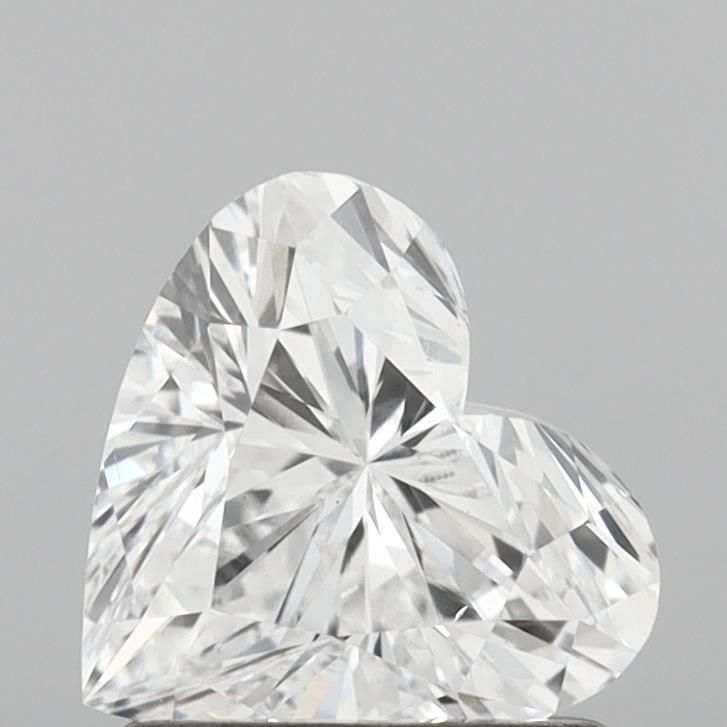
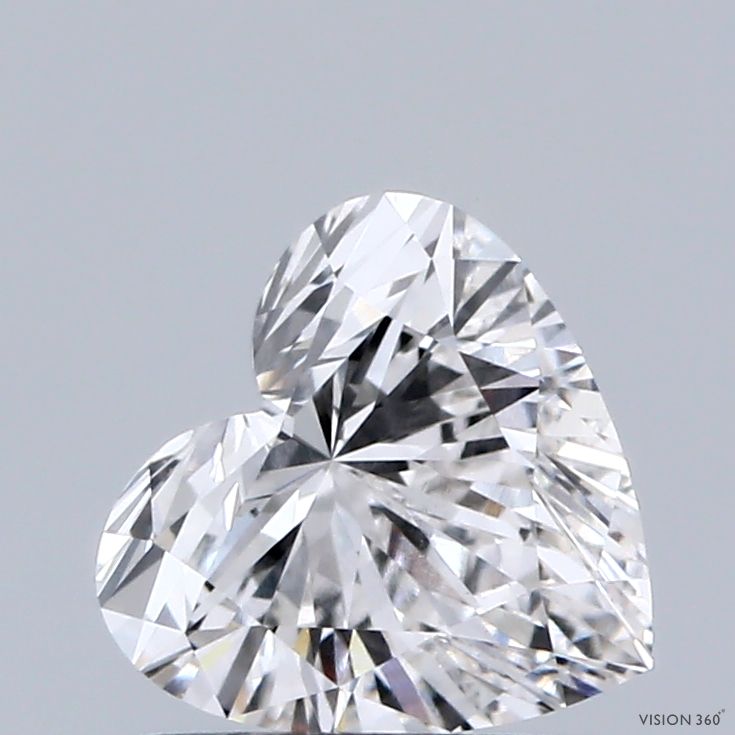
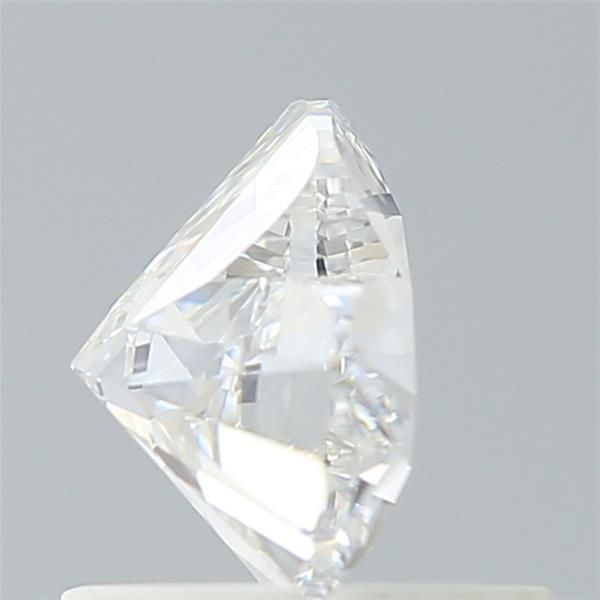
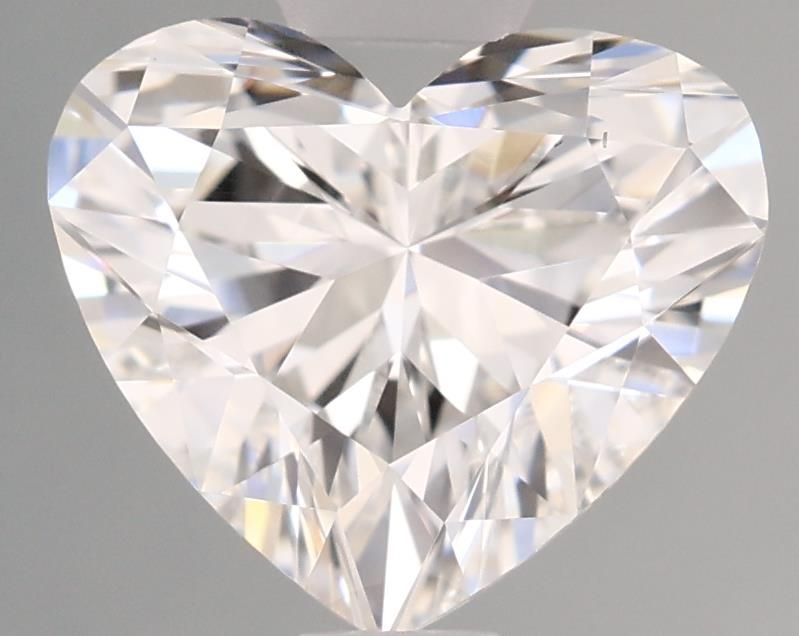
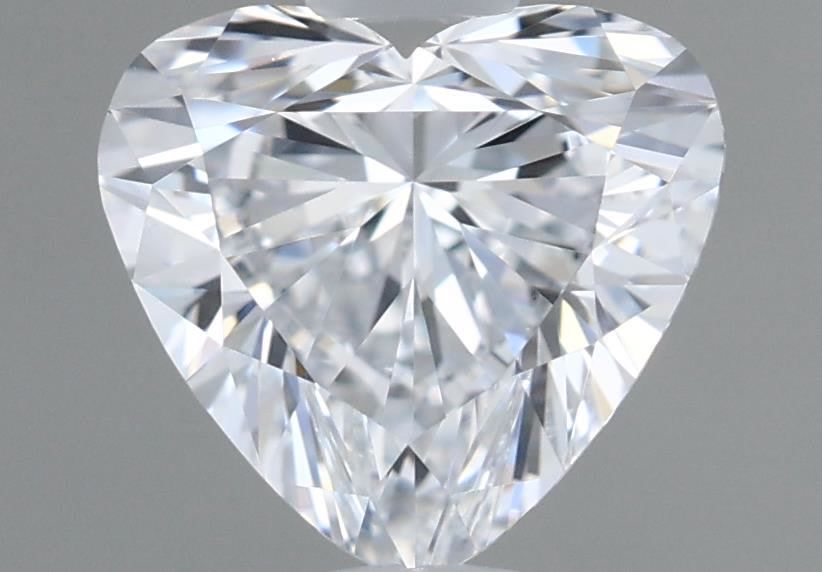
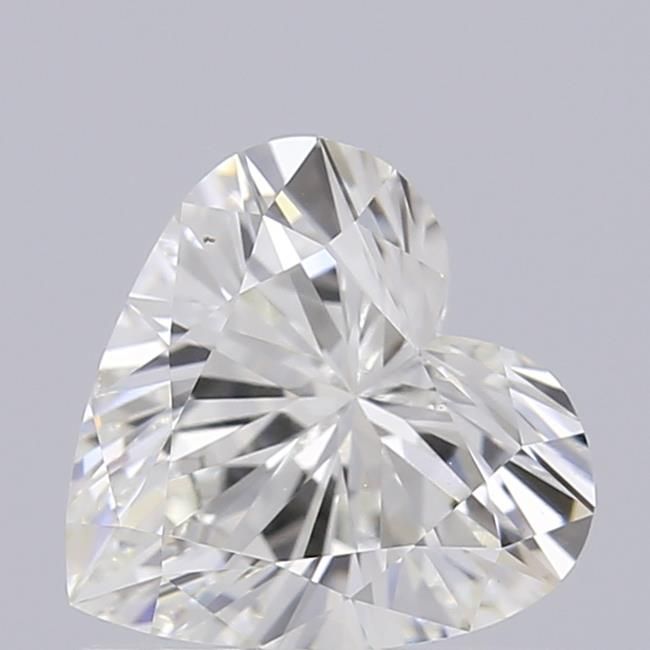
Heart-shaped diamonds, lab-grown and natural, in white colors from D to M, and every one graded by IGI or GIA.

- Over 48,000 Available
- From $184
- IGI and GIA Reports
- Free Insured Delivery Over $100
Good to Know
In Brief
Choose a heart by its outline first: matching lobes, a crisp cleft and a point in line with the center, at about half a carat or more so the shape reads. A heart is usually cheaper per carat than a round with the same grades, so put the saving into size rather than D color or VVS clarity: a balanced G or H heart at VS2 looks better than a crooked one with top grades.
Symmetry Makes the Heart
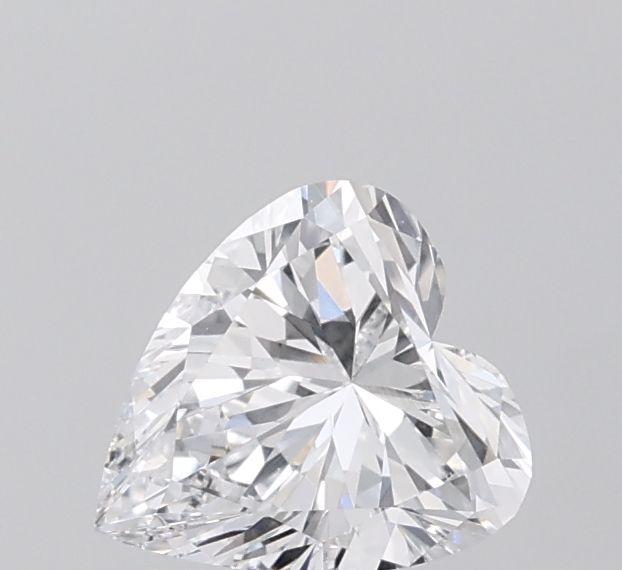
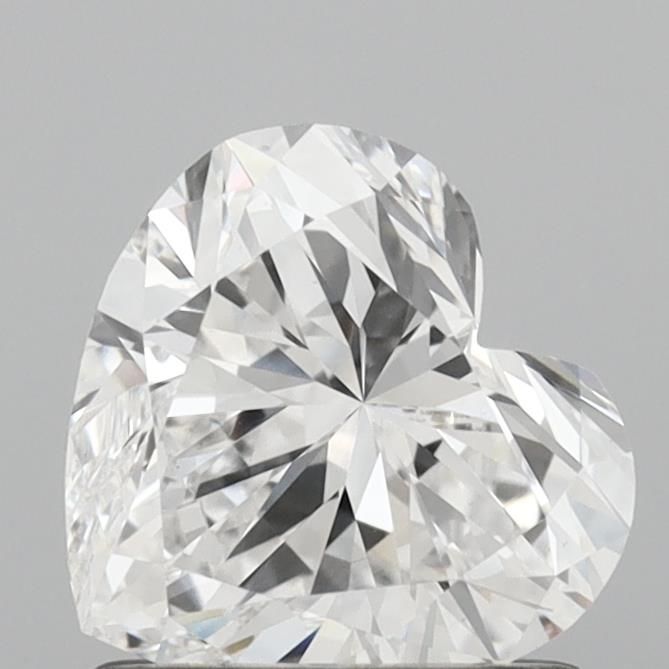
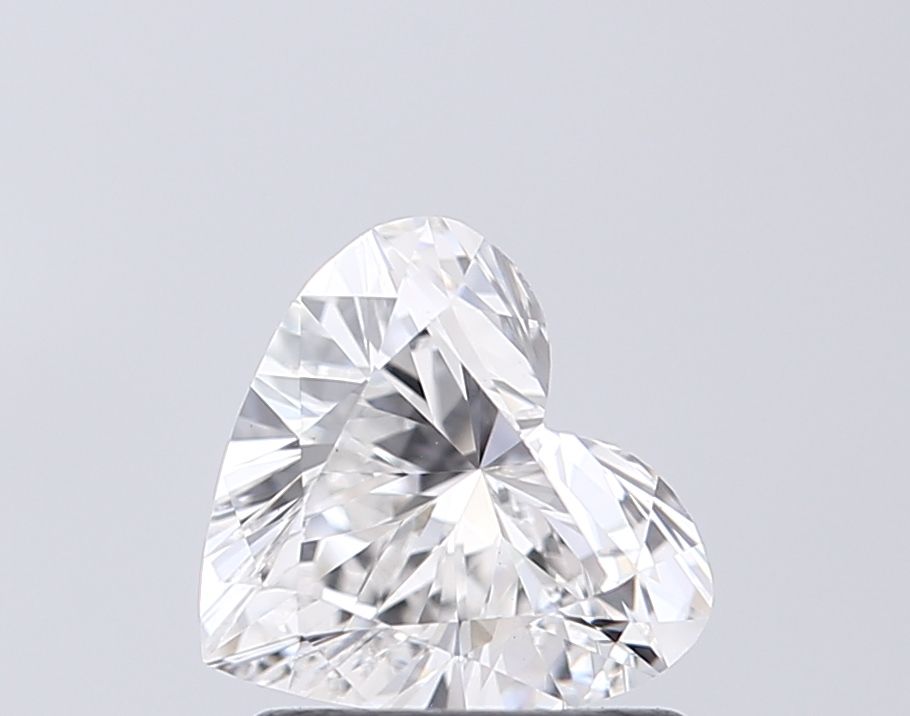
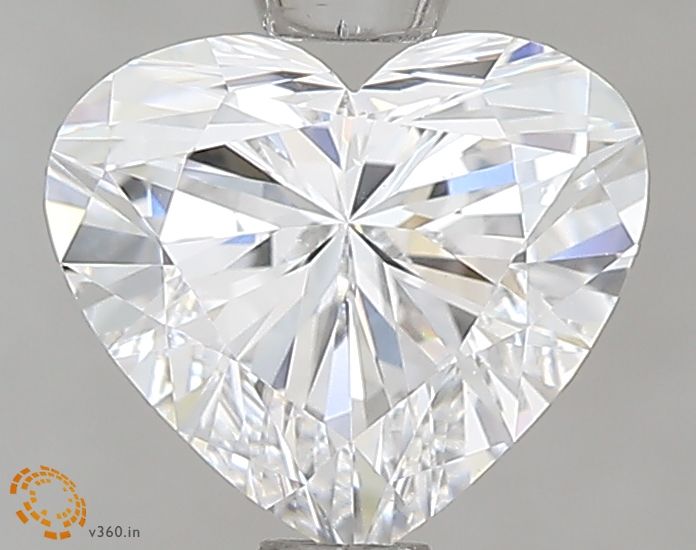
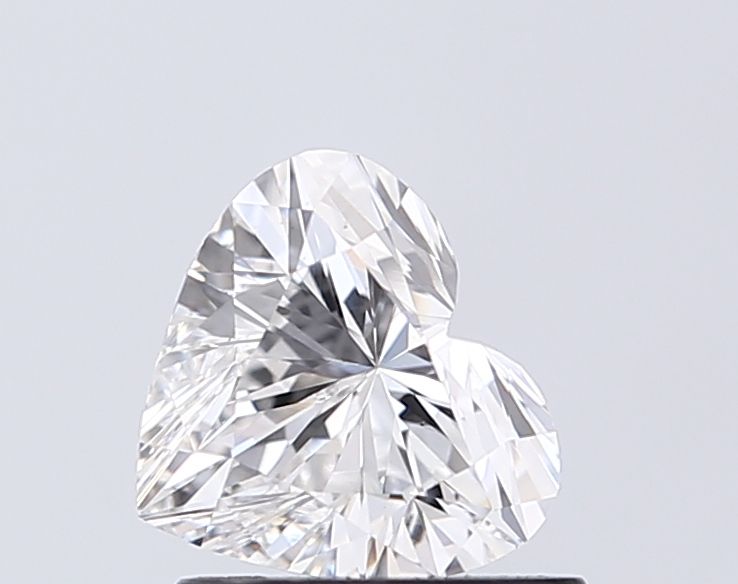
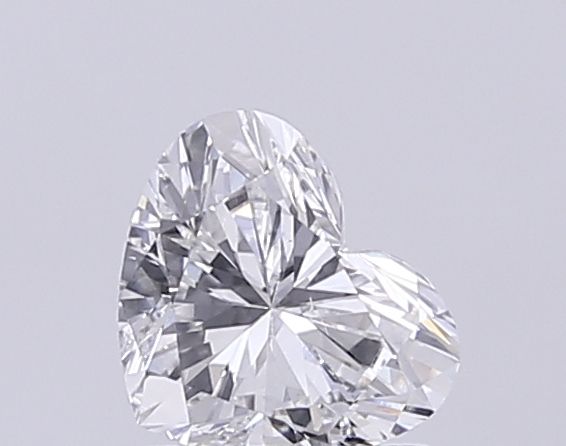
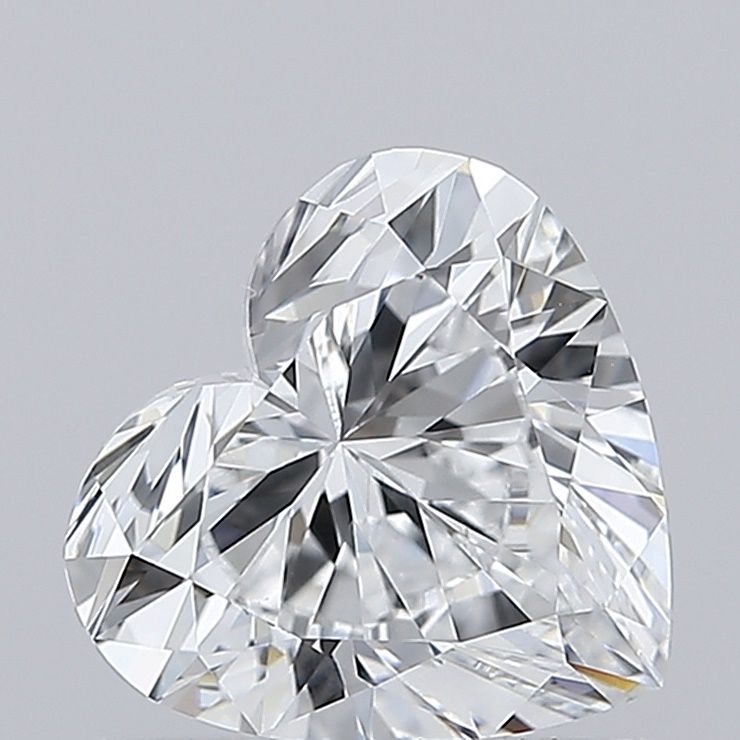
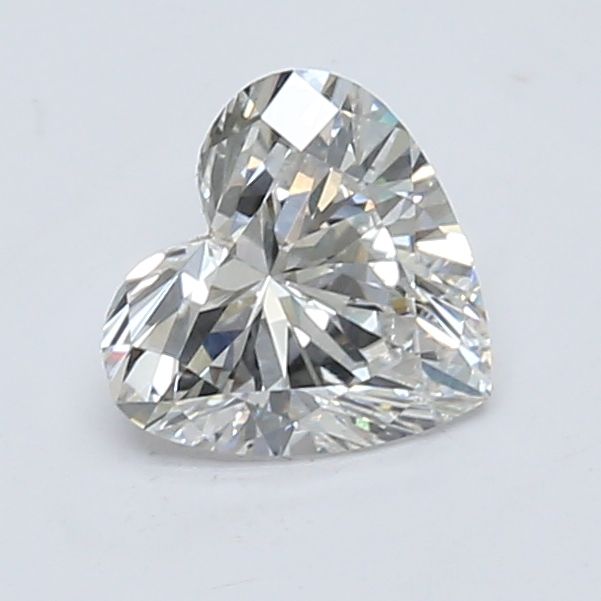
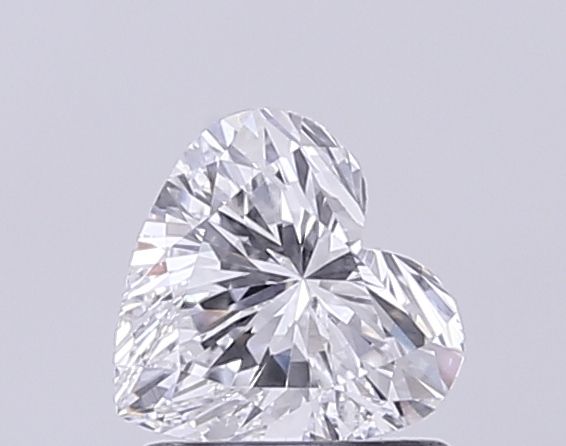
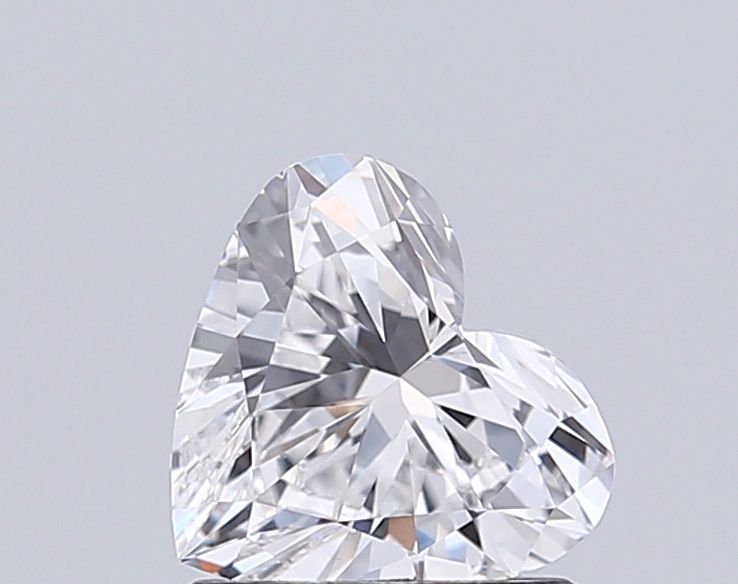
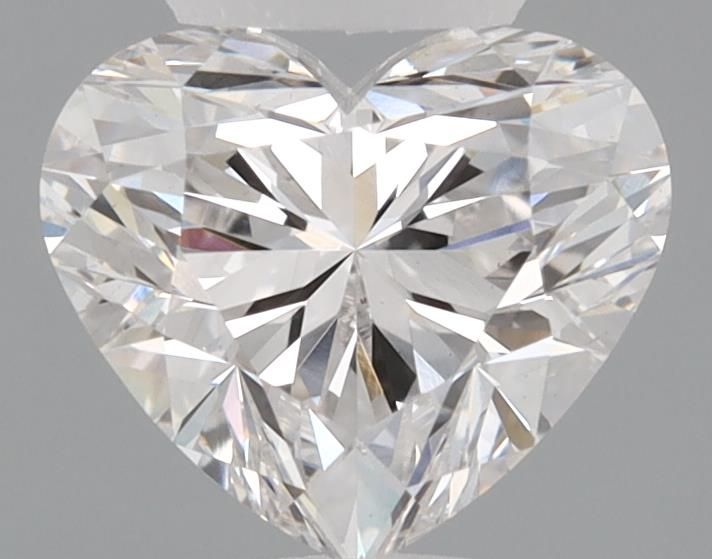
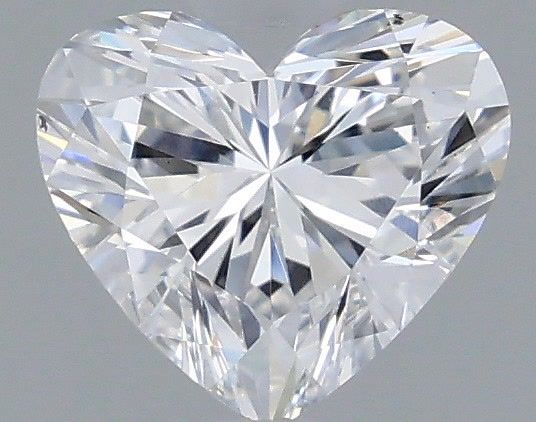
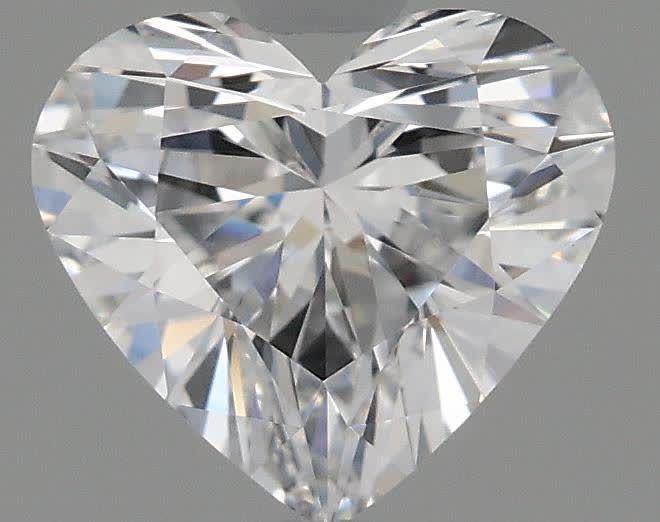
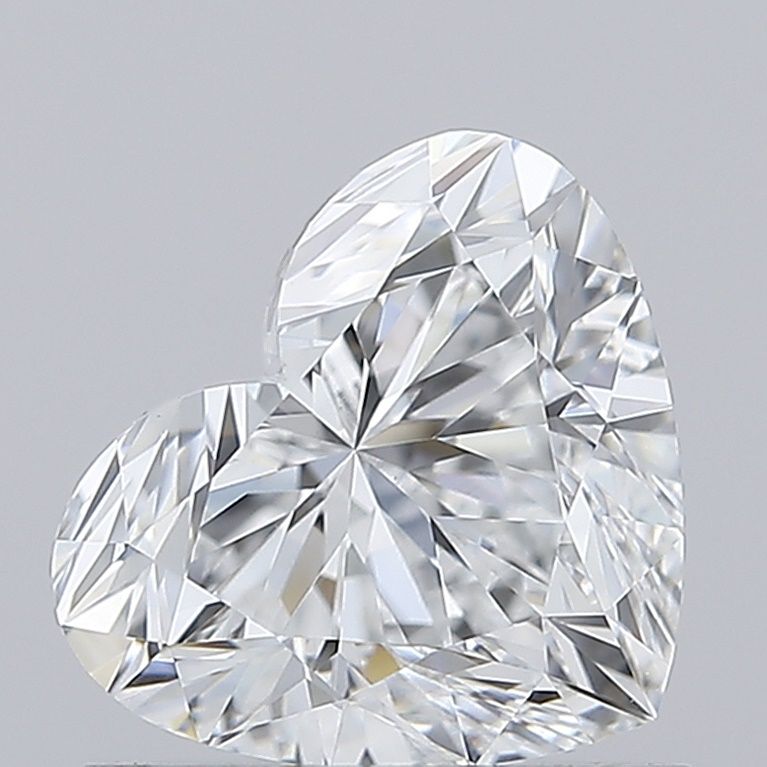
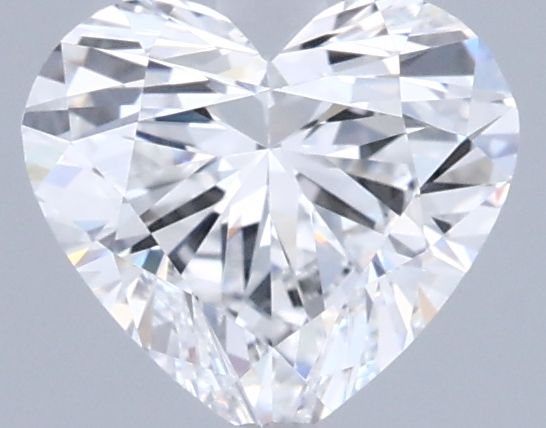
A heart is a brilliant cut with two rounded lobes at the top, a notch between them called the cleft, and a single point at the bottom. Picture a line from the cleft to the point: the halves on either side should match in size and curve, the lobes should be equally full and sweep down to the tip with no flat spots, and the cleft should be a clean, distinct V. A shallow cleft makes the stone look like a pear with a dent in it, and a point that drifts off center makes the whole heart look crooked.
GIA gives a heart no cut grade, so judge it by the report's symmetry grade, Excellent or Very Good, and by the outline in the video. This is the place to spend: a balanced heart at H and an eye-clean SI1 looks more like a heart, and more beautiful, than a misshapen one at D and VVS1, and it usually costs less.
Big Enough to Read as a Heart
A heart needs some size before its shape comes across: most jewelers suggest about half a carat and up, since below that the lobes and cleft are hard to make out at a normal distance and prongs hide much of what is left. A smaller heart keeps its shape best in a bezel, a thin rim of metal around the whole outline, or in three prongs, one on each lobe and a V over the point, which leave the cleft clear.
As a rough guide, a well-proportioned half-carat heart measures about 5 to 5.5 mm across and a 1 carat about 6.5 mm, though depth moves those figures. Prices step up as a heart reaches 1, 1.5 or 2 carats, so one a few points below costs less, and the few points it lacks are hard to see once set. Our guide to carat weight and size explains how the two relate.
Wide, Balanced or Narrow
Divide the report's length by its width for the heart's length-to-width ratio. Most people like a heart between about 0.90 and 1.10, close to as long as it is wide, which looks full and balanced. Below about 0.90 it starts to look broad and squat; above about 1.10 it stretches out and its point grows long, closer to a pear. Neither end is wrong if you love the outline. Our page on length-to-width ratios explains how to read the figure.
Guard the Point, Then Choose the Grades
A heart's tip is its thinnest, most exposed part and the first place a knock will chip, so check it closely in the video for any inclusion reaching the surface, and have it set under a V-shaped prong or inside a bezel. Read the clarity grade together with the video: a VS2 is usually safe, and an SI1 is worth it only if nothing shows, above all near the point.
Color asks a little more care. A heart can show a hint of warmth at its point before a round of the same grade would. Set in white gold or platinum, G or H is white enough for most people; set in yellow or rose gold, which tints any diamond, I or J looks much like a whiter grade. D or E adds to the price, not to anything most people can see once the heart is set.
A Heart for a Pendant or a Ring
A heart suits a chain or a pair of earrings as well as a ring. On a pendant it usually hangs point down, the way the shape is drawn, in a bezel that guards the tip. For earrings, match the two hearts by their measurements and ratio, not by carat weight alone.
In a ring, decide which way the point faces before the ring is made. Toward the fingertip, the heart looks upright to someone facing you; toward the wrist, it looks upright to you. A halo of small diamonds traces the outline and helps a smaller heart read clearly.
Prices From Our Catalog
| Carat Weight | Median Price per Carat | Stones Counted |
|---|---|---|
| 0.30-0.49 ct | $2,497 | 1,335 |
| 0.50-0.74 ct | $2,078 | 2,955 |
| 0.75-0.99 ct | $2,143 | 3,088 |
| 1.00-1.49 ct | $372 | 15,989 |
| 1.50-1.99 ct | $315 | 9,826 |
| 2.00-2.49 ct | $312 | 8,170 |
| 2.50-2.99 ct | $318 | 1,912 |
| 3.00-3.99 ct | $365 | 2,101 |
| 4.00-4.99 ct | $310 | 1,267 |
| 5.00 ct and up | $308 | 3,728 |
The median price per carat of the heart-shaped diamonds on sale here in each band, in US dollars, as of November 2, 2026. The grid shows each stone’s own price in your currency.
Heart Shape Against Pear and Oval
| Heart | Pear | Oval | |
|---|---|---|---|
| Length-to-width most people like | About 0.90 to 1.10, close to as wide as long | About 1.50 to 1.75 | About 1.30 to 1.50 |
| Smallest size the shape reads well | About 0.50 carat; smaller hearts suit a bezel or three prongs | Recognizable even as a small accent stone | Recognizable even as a small accent stone |
| Bow-tie | Possible; accept no more than a faint one in the video | Usually some, across the width | Some in nearly all ovals |
| Points to protect | One, at the bottom | One, at the tip | None |
| Where color shows | At the point first | Mostly at the point | At the two narrow ends |
| Per-carat cost next to a round | Usually lower for the same grades | Usually lower for the same grades | Usually lower for the same grades |
Questions
Is a heart-shaped diamond more expensive than a round?
Usually not. The round is the shape in greatest demand, so it tends to cost the most per carat, and a heart of the same weight, color and clarity usually costs less. Among hearts, though, a beautifully symmetrical one can cost more than a clumsy one with identical grades, and it is worth it. To see it, filter the grid to one carat range and one set of grades, sort by price, and compare the outlines in the videos.
What size heart-shaped diamond should I buy?
About half a carat or larger if the heart is the center of a ring or a pendant, because below that the lobes and cleft are hard to make out once set. As a rough guide, a well-proportioned 1 carat heart is about 6.5 mm across. Smaller hearts work well in bezel-set earrings, where the metal frames the whole outline. Past half a carat, size is a matter of taste and budget.
How much heart-shaped diamond will my budget buy here?
That depends on origin and grades as much as on weight, and a lab-grown heart is priced well below a natural one with the same grades. Sort the grid by price from low to high, then move the carat filter up until the prices pass your budget. Try G or H color and VS2 clarity too, or SI1 if its video shows nothing: they usually look white and clean once set and leave more for size.
Is a heart-shaped diamond a good choice for an engagement ring?
Yes, if it is the shape you love. It is as hard-wearing as any other diamond, and its one weak spot is the point, which a V-prong or a bezel protects. It is a less usual choice than a round or an oval, so it reads as personal. Choose about half a carat or more so the shape is clear on the hand.
Is a 2 carat heart-shaped diamond considered big?
Yes, by most people's measure. A well-proportioned 2 carat heart is roughly 8 to 9 mm across, large enough for the lobes, cleft and point to read clearly at a glance, and it makes a bold center stone or pendant. Check the width in millimeters on the report too: two hearts of the same weight can face up at different sizes if one is cut deeper.
Do heart-shaped diamonds have a bow-tie?
Some do. Like an oval or a pear, a heart can show a darker band across its middle, where light slips out through the back of the stone instead of coming back up. A faint band that flickers as the stone turns is normal; a dark one that stays fixed dulls the heart. The report never mentions it, so the stone's video is the place to look before you choose.