
Marquise Diamonds
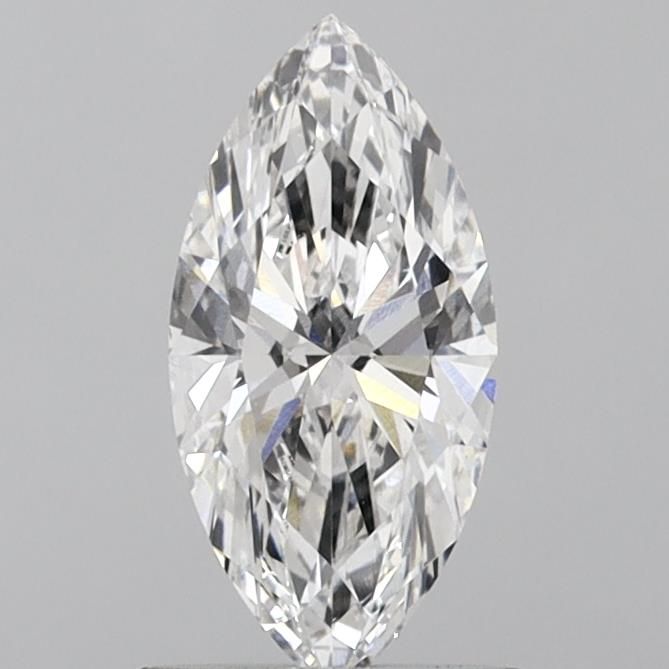
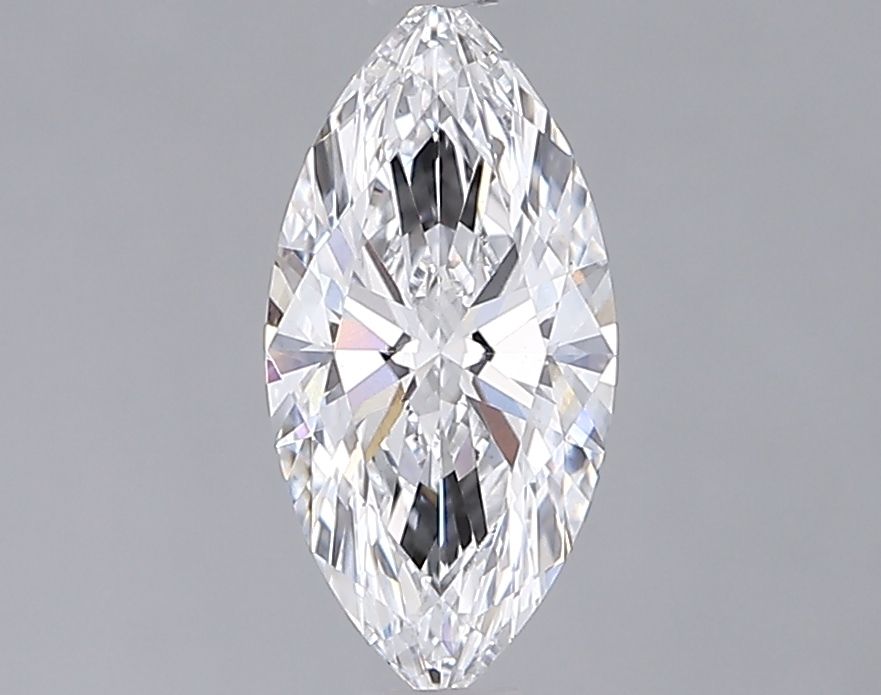
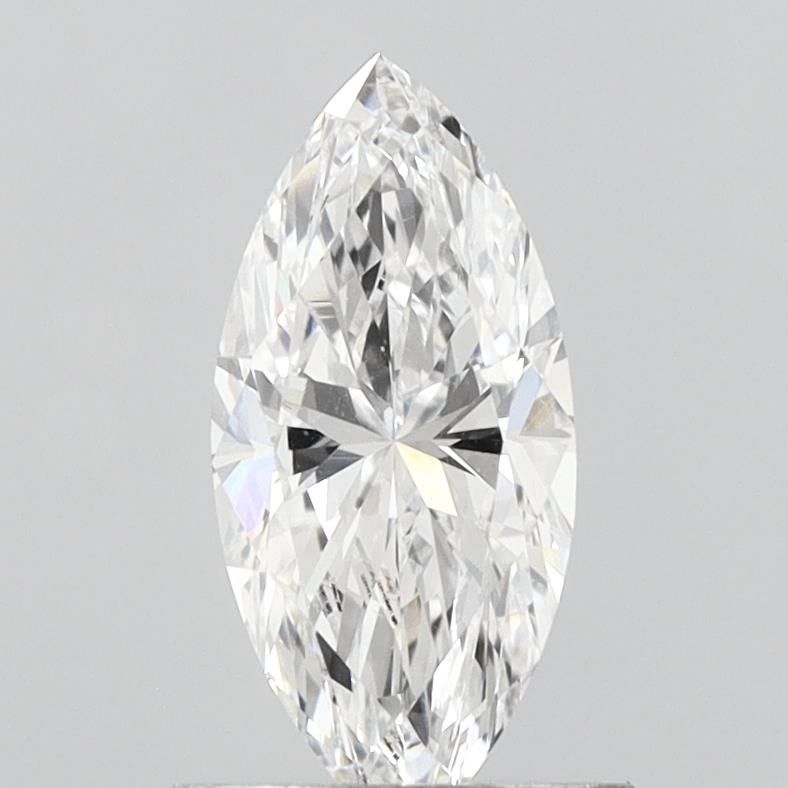
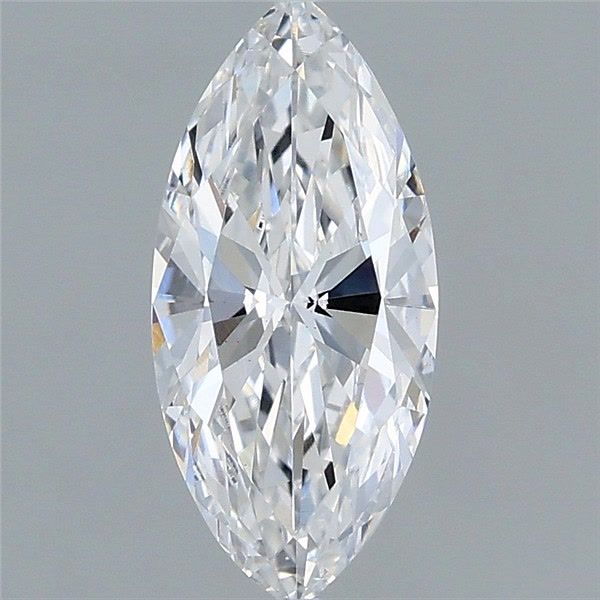
Marquise diamonds, natural and lab-grown, from D to M color.

- Over 100,000 Available
- From $174
- IGI and GIA Reports
- Free Insured Delivery Over $100
Good to Know
In Brief
Grade for grade, a marquise is normally priced below a round per carat and looks larger for its weight, so a lighter stone can still look bigger. Spend on what you can see: two points that line up, a faint bow-tie in the video and a ratio you like, near 2 to 1 for most people. Then guard both tips with V-prongs or a bezel, and don't pay for more than G or H color (I or J in yellow gold) or VS2 to SI1 clarity.
More Spread, Fewer Grades to Pay For
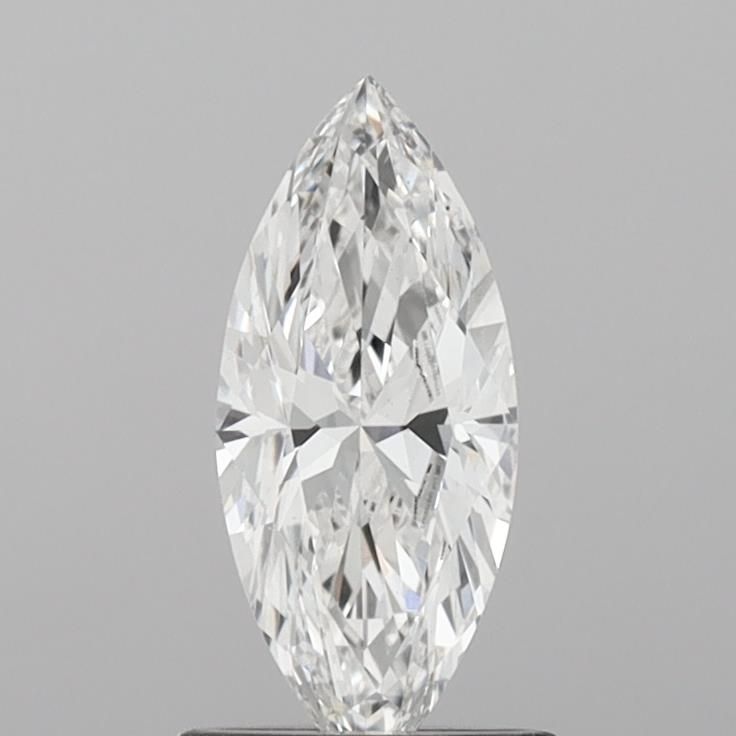
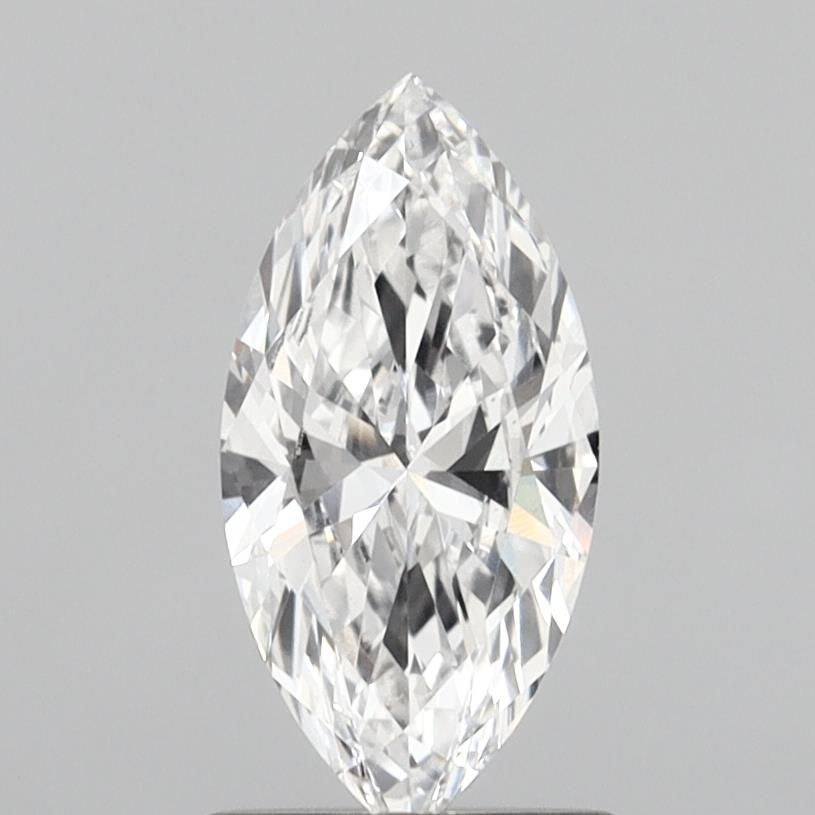
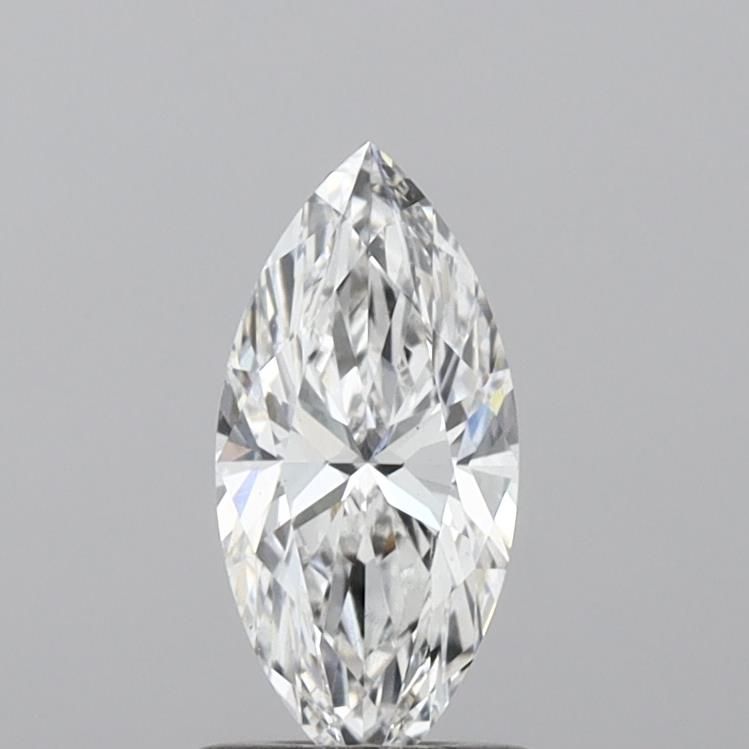
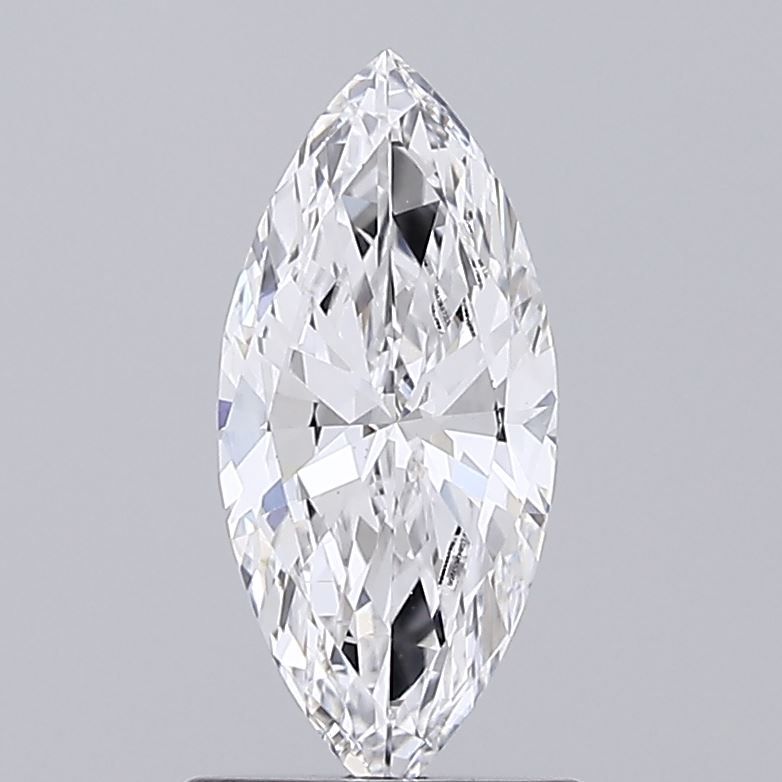
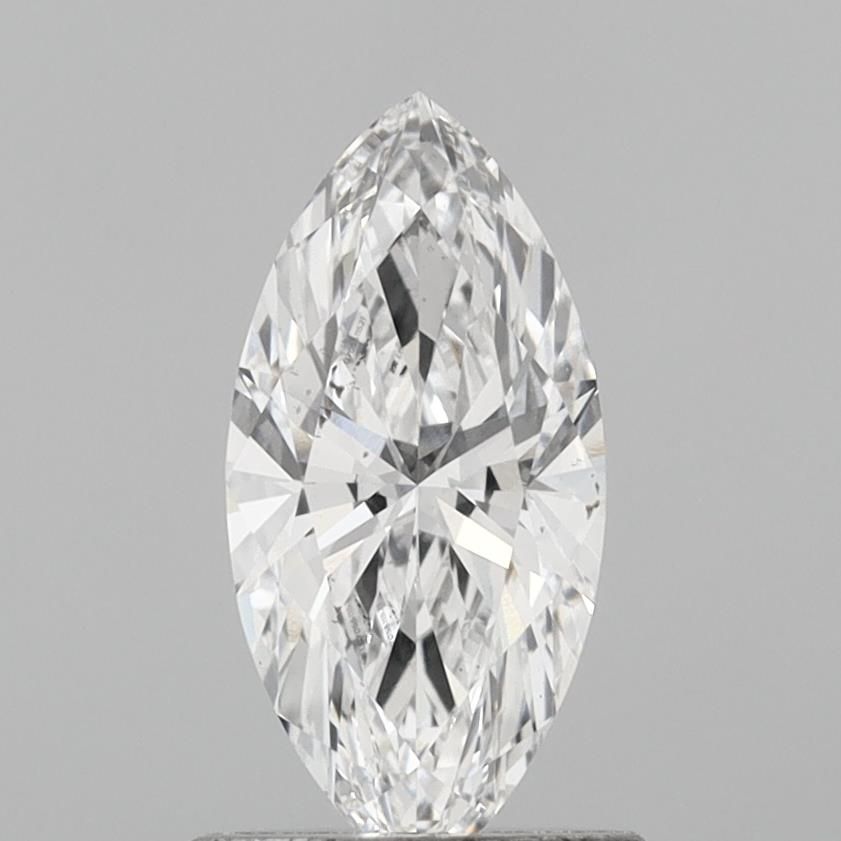
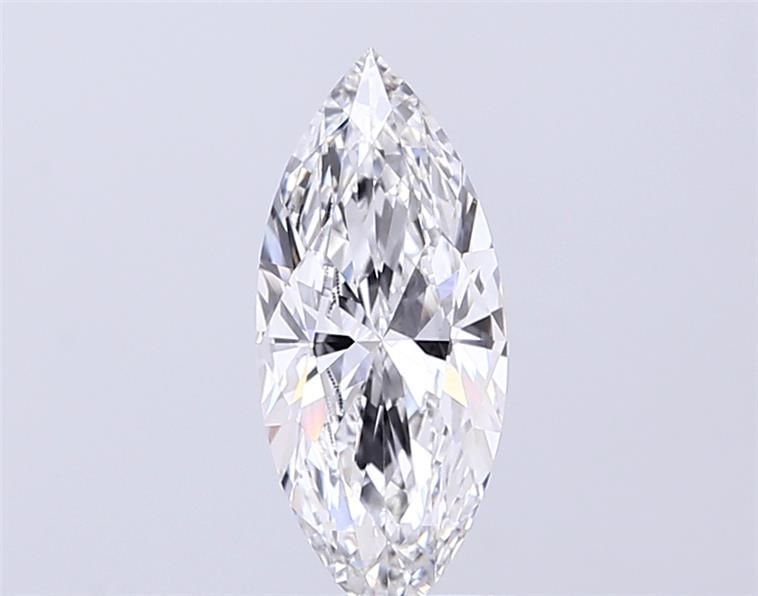
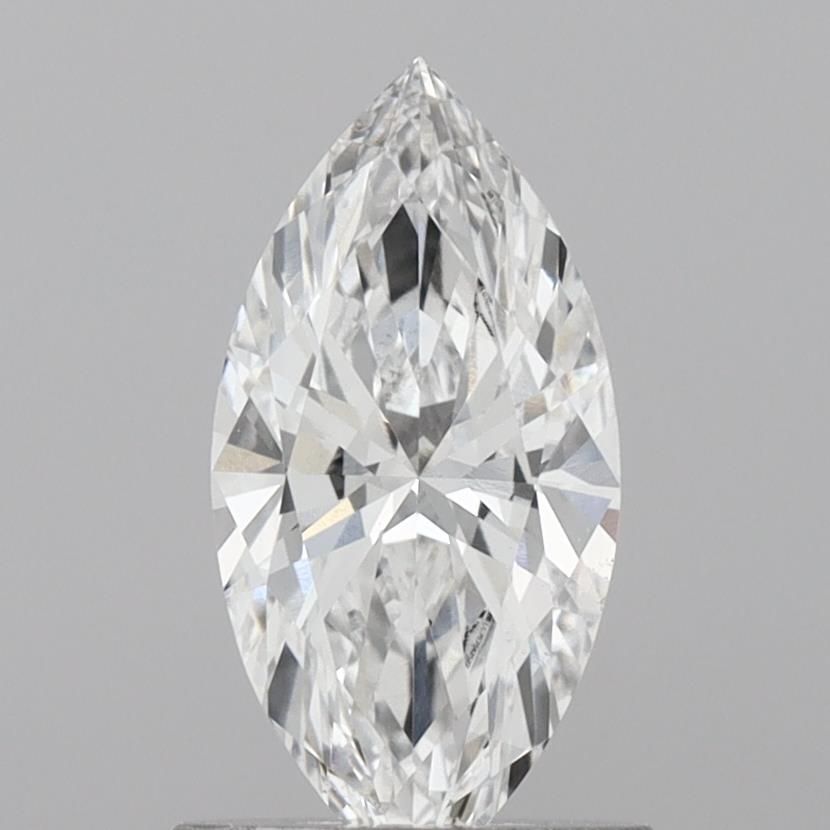
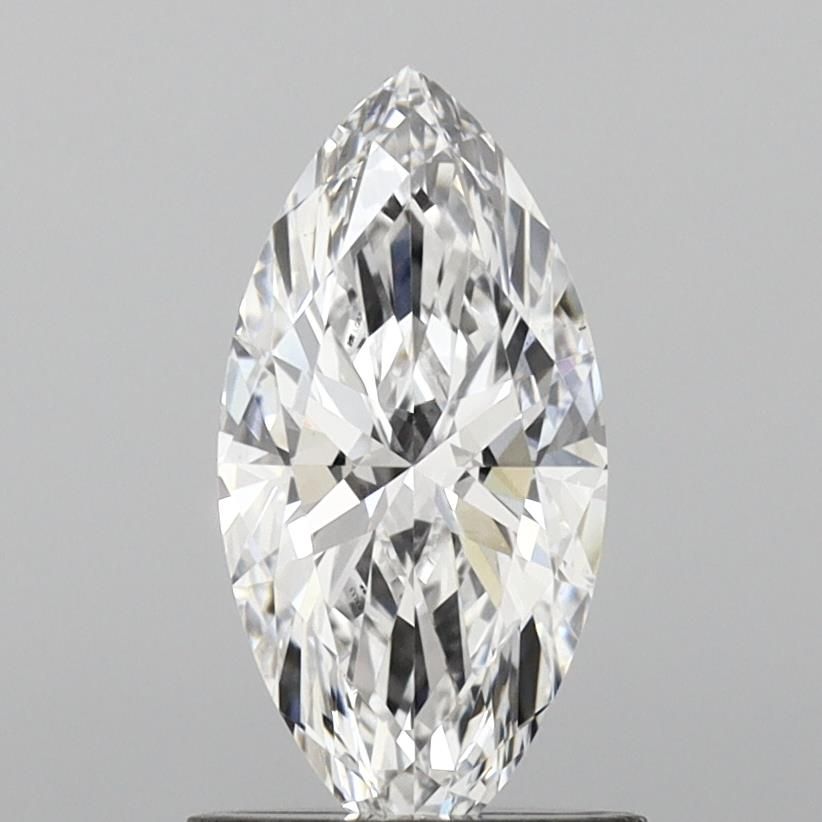
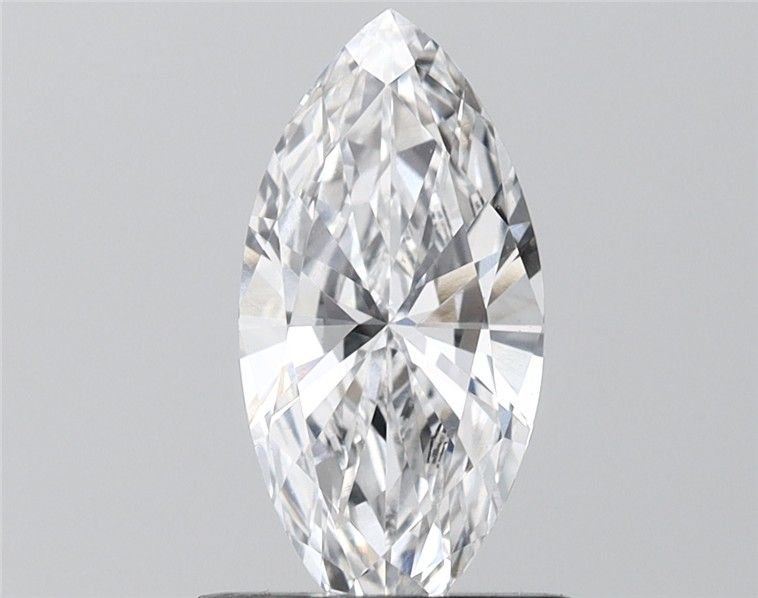
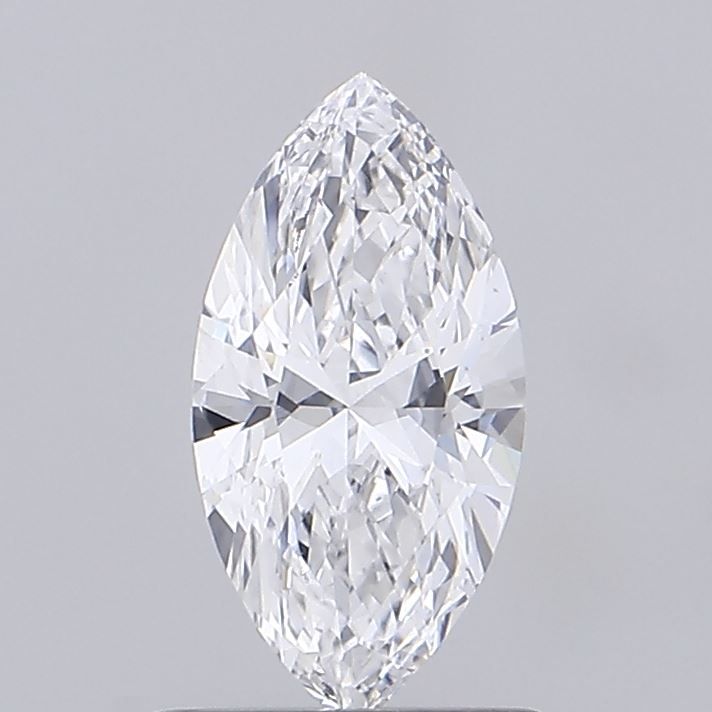
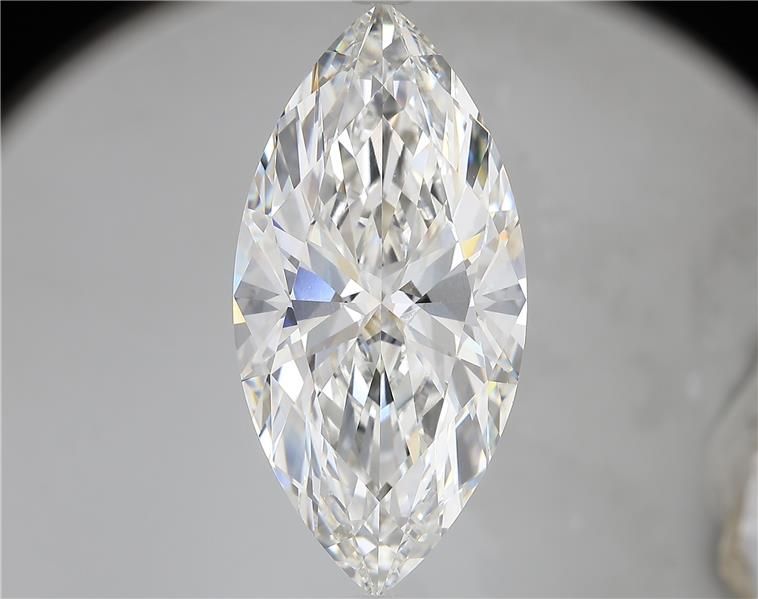
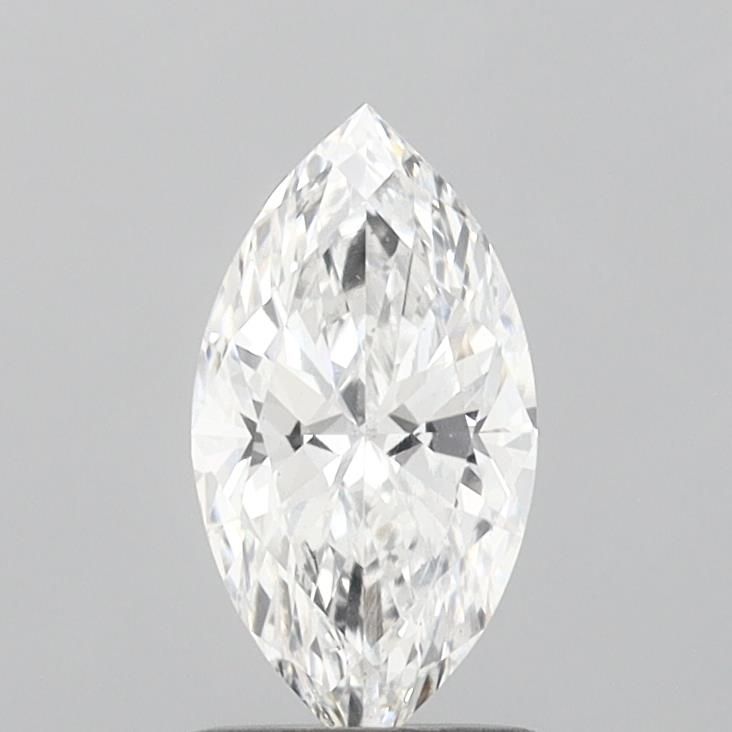
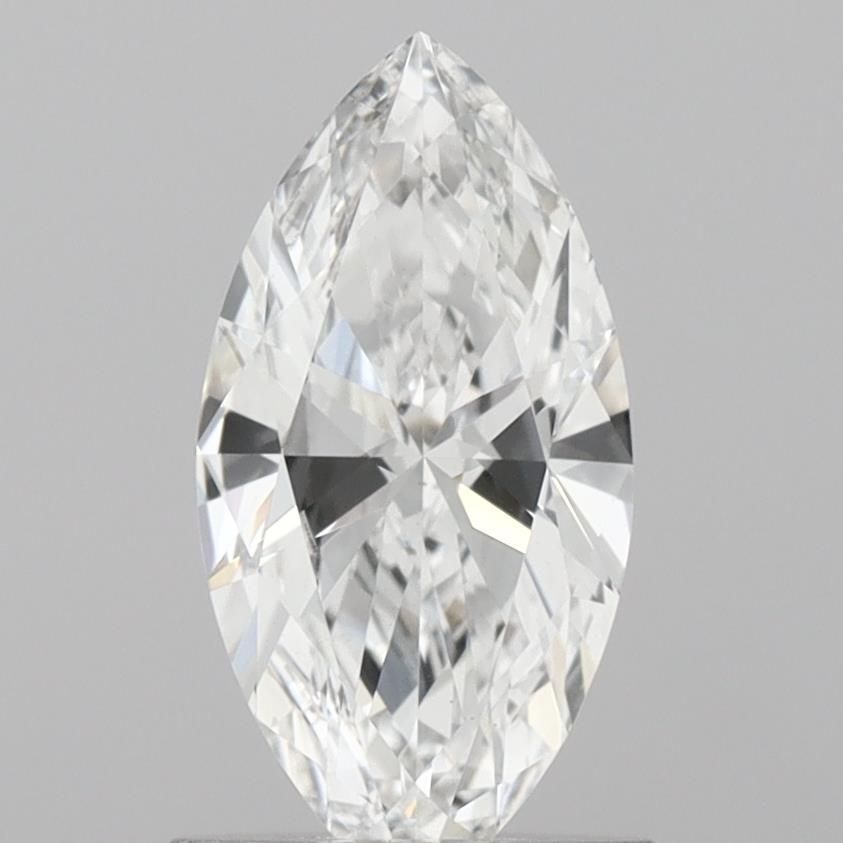
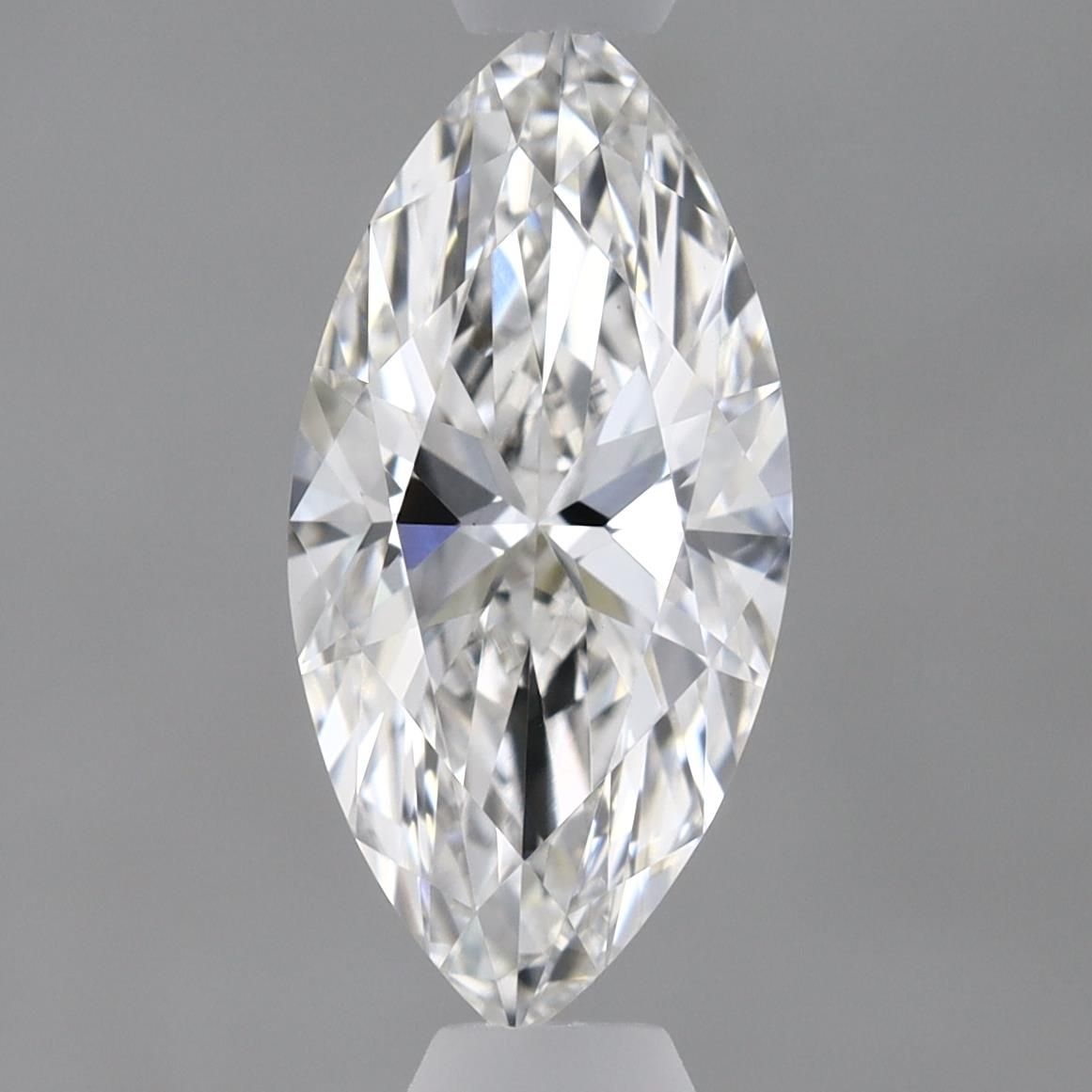
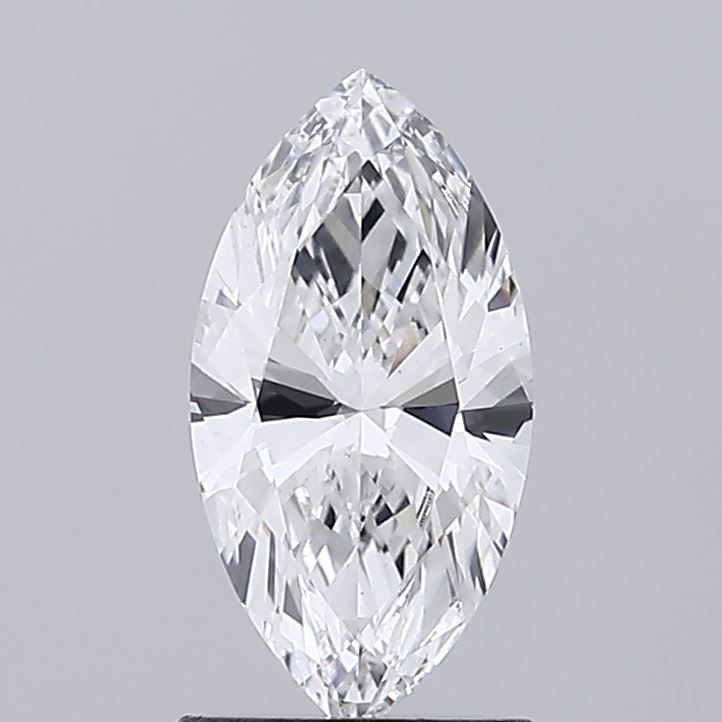
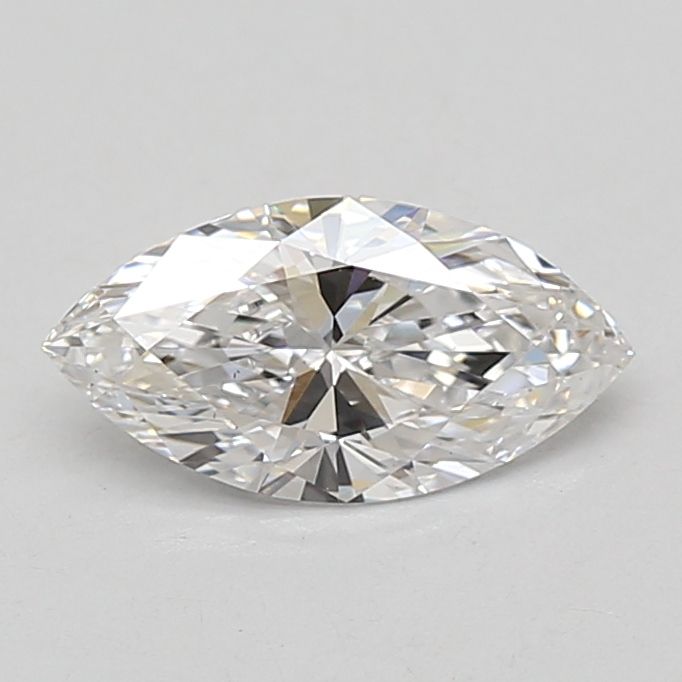
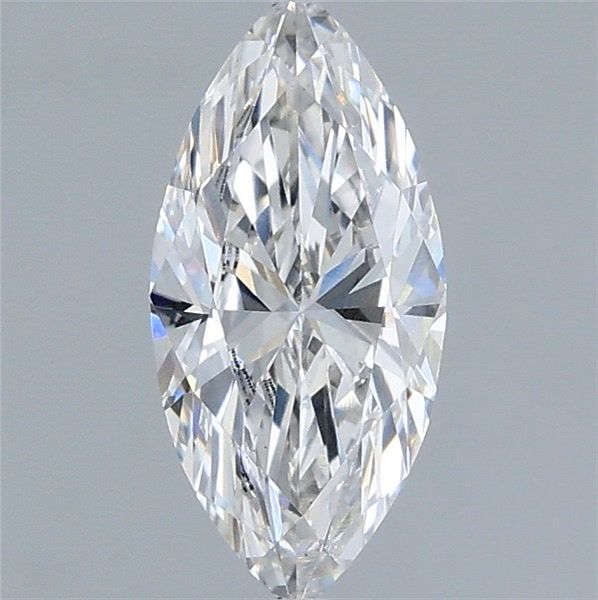
A marquise is a brilliant cut with a point at each end, and its long, narrow outline puts more of its weight into face-up area. Seen from above, it covers more area than a round of the same carat weight, more than almost any other shape. That is the reason to choose one on a budget: less weight can look like a bigger stone. Prices jump when a stone reaches 1 carat or 1.5 carats, and a marquise a few points under that line is barely smaller on the hand yet costs less. Our notes on why carat is weight, not size explain the difference.
Keep that saving away from top grades. Body color gathers in the narrow points of an elongated stone, so watch the ends in the video: set in white gold or platinum, a G or H rarely shows a tint even at the tips, and a yellow or rose gold setting warms the stone enough that an I or J passes for a whiter grade. A marquise's many small facets break up light enough to mask minor inclusions, so stop at VS2, or at an SI1 whose video shows nothing dark, and put the difference into size.
Two Tips to Guard
The two points are the thinnest part of a marquise and the first to strike a counter edge or catch on a sleeve. Diamond resists scratching better than any gem, yet a sharp knock on a tip can still break off a chip, so each point needs a V-shaped prong folded over it or a bezel that cups it, with two or four more prongs along the sides holding the middle. Some cutters leave the girdle a little thicker at the points to make them sturdier.
Study both points in the video before you buy. A small crystal in the middle of the stone is harmless, but a crack running out to either tip weakens it exactly where a knock lands, and a prong laid over the tip hides that crack without mending it.
Lining Up the Points
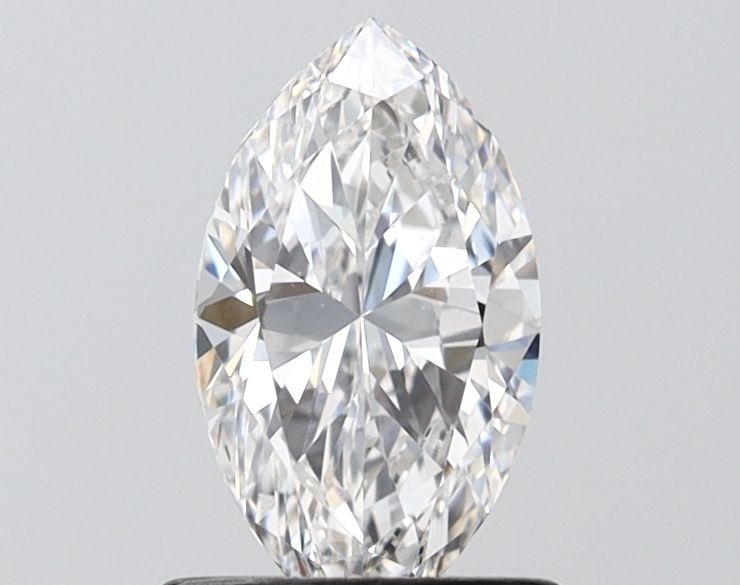
GIA gives a marquise no cut grade, so its looks come down to outline and symmetry, and the outline is what anyone notices first. Picture a line running down the middle of the stone's length: both points should sit on it, and the two curved sides on either side of it should mirror each other. A point that drifts off that line, or one side flatter than the other, makes the stone look crooked in a ring, a fault you will see long before any difference between two color grades. Choose Excellent or Very Good symmetry on the report, then check the outline yourself from above.
Most marquise diamonds also show a bow-tie, two shadowy wedges meeting across the widest part of the stone. Look for one that is faint and shifts as the stone rocks in its video. A broad, black band that never moves is the one to pass over, however fine its grades.
Ratios Between Slim and Full
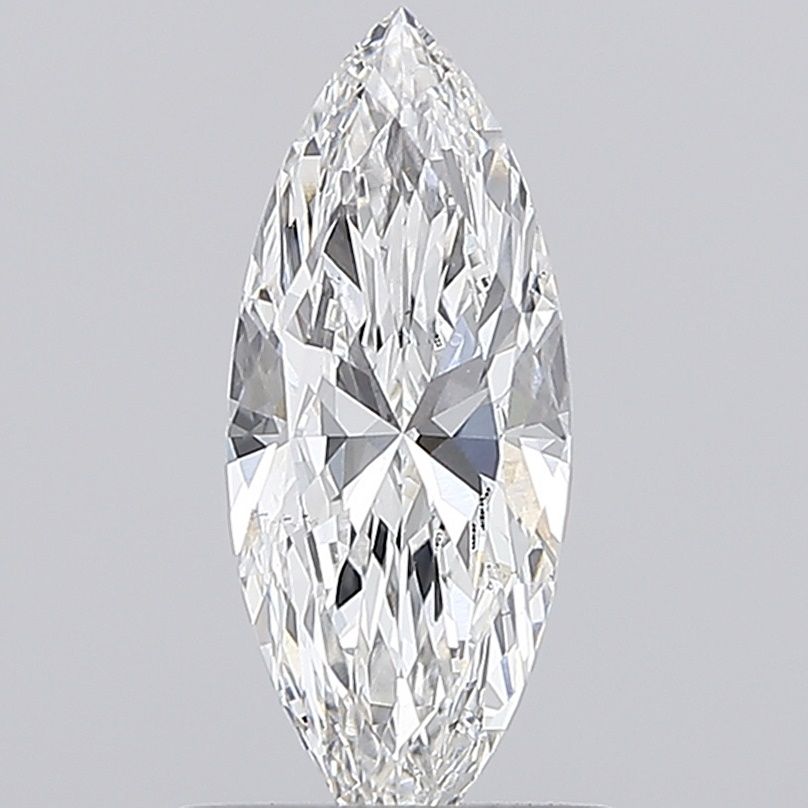
Length-to-width ratio is simply the tip-to-tip length on the report divided by the width across the middle. Most people like a marquise between about 1.75 and 2.25, and 2 to 1, twice as long as it is wide, is the classic proportion. Below about 1.75 the shape turns short and plump; past 2.25 it looks needle-slim and its points grow finer and easier to chip.
There is no correct number. A slender marquise lengthens the finger, while a fuller one shows more width and looks bolder. Our education page explains what length-to-width ratio means for the other elongated shapes too.
East-West and Vintage Settings
The classic way is north-south, the length running up the finger and drawing the eye along the hand. Laid east-west instead, across the finger, a marquise looks unexpected and modern. Its other name, navette, is French for a little boat, and the shape suits vintage designs with a halo, milgrain edges or tapered side stones.
Whatever the style, a prong or bezel must cover each point.
Prices From Our Catalog
| Carat Weight | Median Price per Carat | Stones Counted |
|---|---|---|
| 0.30-0.49 ct | $1,930 | 4,557 |
| 0.50-0.74 ct | $2,470 | 6,136 |
| 0.75-0.99 ct | $465 | 2,433 |
| 1.00-1.49 ct | $379 | 19,278 |
| 1.50-1.99 ct | $318 | 16,131 |
| 2.00-2.49 ct | $327 | 22,851 |
| 2.50-2.99 ct | $298 | 7,507 |
| 3.00-3.99 ct | $310 | 17,895 |
| 4.00-4.99 ct | $305 | 4,670 |
| 5.00 ct and up | $311 | 4,287 |
The median price per carat of the marquise diamonds on sale here in each band, in US dollars, as of November 2, 2026. The grid shows each stone’s own price in your currency.
Marquise Beside Oval and Round
| Marquise | Oval | Round | |
|---|---|---|---|
| Length-to-width most people like | About 1.75 to 2.25, often near 2 | About 1.30 to 1.50 | 1.00, the same in every direction |
| Bow-tie | Usual; choose a faint one that moves in the video | Common; choose a faint one | Not seen in a round |
| Points to protect | Two, each under a V-prong or bezel | None | None |
| Face-up size for its weight | Among the largest of any shape | Larger than a round | The usual point of comparison |
| Where color shows | At the two points | At the two narrow ends | Spread evenly; masks a tint best |
| Price per carat | Usually lower than a round | Usually lower than a round | Usually the most per carat |
Questions
Is a marquise diamond cheaper than a round diamond?
Usually, carat for carat. A marquise of the same weight, color and clarity tends to cost less than a round, and it also looks larger from above, so the saving works twice. To compare, choose a carat range and the grades you want in the filters here, sort from the lowest price, and run the same search among round diamonds, with every price shown in your currency.
How big a marquise diamond will my budget buy?
Usually a bigger-looking stone than a round would give you for the same money. Sort the grid by price and use the carat filter to find where your budget lands, then compare length in millimeters, since that is what people see on the hand. Coming down to G or H and VS2 or SI1, and choosing a weight just under 1 or 1.5 carats, both stretch a budget further.
Is a marquise a diamond or a different stone?
A marquise is a shape, not a gem: a brilliant cut with a point at each end, also called a navette. Sapphires and other gems are cut this way too, but this page lists only diamonds, lab-grown or natural, each graded by IGI or GIA. Its report, on the stone's page, confirms the shape, the measurements and the grades before you buy.
Which is better, a lab-grown or a natural marquise?
They look the same and wear the same: both are diamond, graded by IGI or GIA, and the report states which origin it is. At equal grades a lab-grown marquise is usually far cheaper, which lets the same budget reach a longer stone. Choose natural if you want a stone that grew in the earth, and compare the two by their videos, not their names.
What ratio should a marquise diamond have?
Whatever looks right to you, though most people choose between about 1.75 and 2.25, and many settle near 2. Shorter reads soft and almond-like; longer reads sleek, with finer points that want more protection. Line up two or three stones of the same weight in their videos and let the outline decide, since ratio changes the look but not the grade.
Do marquise diamonds chip easily?
Mostly at the two tips, the most exposed part of the shape, and rarely once they are covered. A diamond shrugs off scratches, but a sharp blow to a thin, exposed tip can still flake off a chip. Ask for V-prongs or a bezel at both ends, check that the report does not call the girdle extremely thin, and pass on a stone with a feather running to a point. Covered like that, a marquise suits a ring worn daily.