Loose Rubies
Natural rubies in every shape, each with a report from an independent lab.

- 1,732 Available
- From $684
- GIA, GRS, IGI, AGL and SSEF Reports
- Free Insured Delivery Over $100





Good to Know
In Brief
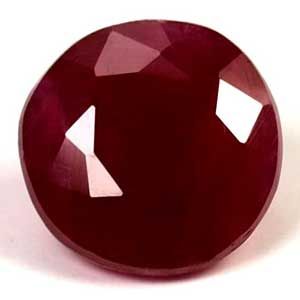
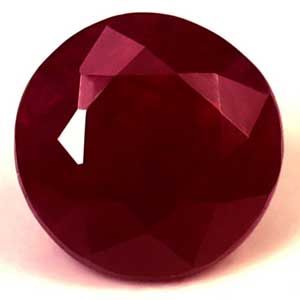
Look for a strong, pure to slightly purplish red in a medium to medium-dark tone, judged in the video. Heat is the usual treatment for ruby and it is permanent; a filled ruby is a different, far cheaper stone, and its report says so. Prices climb steeply with size, so a slightly smaller stone of better color often looks finer.
Judging a Ruby's Red
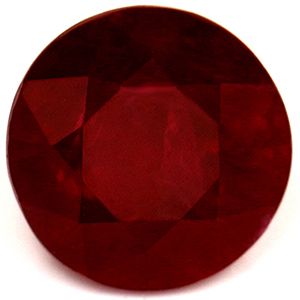
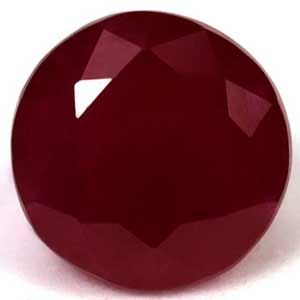
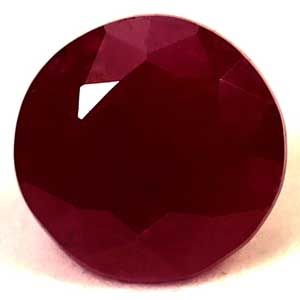
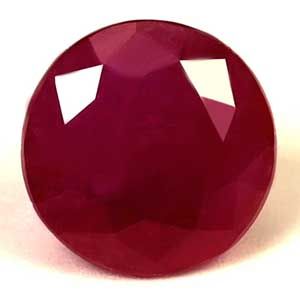
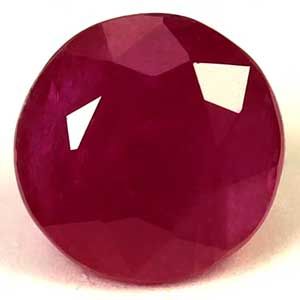
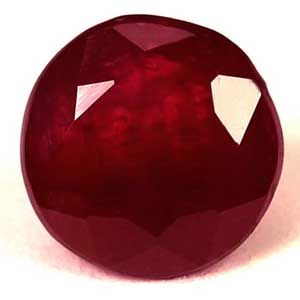
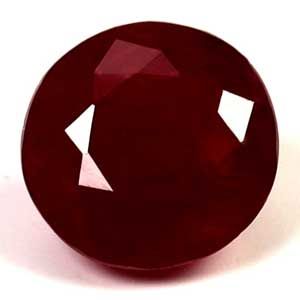
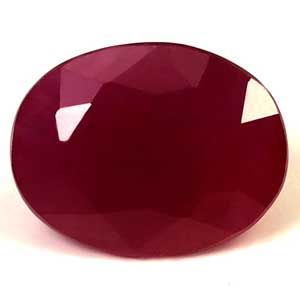
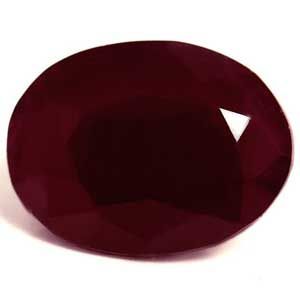
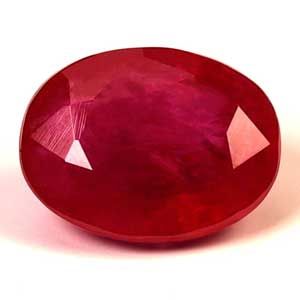
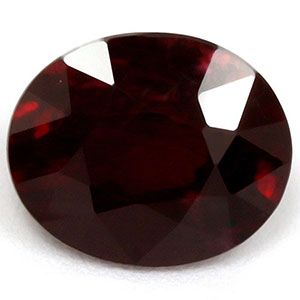
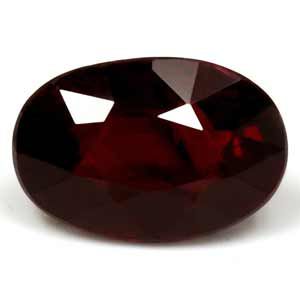
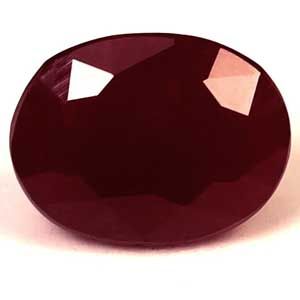
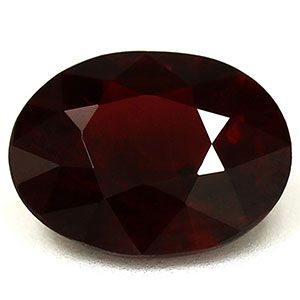
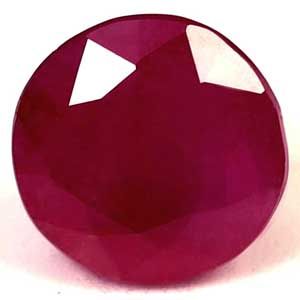
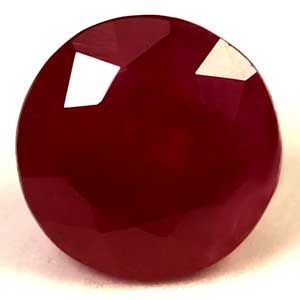
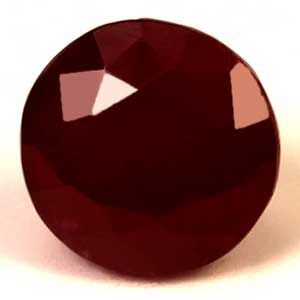
Ruby is the red variety of corundum, and red is what you pay for. The most prized stones are a strong, pure red to slightly purplish red, neither so dark they look brown or black indoors nor so light they turn pink. Watch the video for color that stays red as the stone moves, and for dark patches where light escapes through the back. A ruby of strong color with a few small inclusions is a better buy than a clean one of weak color.
Ruby or Pink Sapphire
A ruby and a pink sapphire are the same mineral; only the color divides them. Where a stone is red enough to be called ruby is a judgment the lab makes, and labs do not all draw the line in the same place. A strongly colored pink sapphire can cost much less than a ruby of the same size, so if you love that pinkish red, compare both.
Heat, Filling and What the Report Says
Most rubies in the trade are heated to improve their color and clarity, and heating is permanent and accepted. Some lower-quality rubies are filled with lead glass to hide fractures. A filled ruby needs gentle care, can be damaged by heat or a jeweler's torch, and costs a fraction of an unfilled one; a lab report names the filling. Each stone's page shows the treatment its report records. Where it shows none, the report names none, which is not the same as confirming the stone was never heated.
Size and Price
Fine rubies over a carat or two are much rarer than smaller ones, and the price per carat rises with size. If your budget is set, a slightly smaller stone of strong color will look finer than a larger, paler one. Ruby is 9 on the Mohs scale, as hard as sapphire, so a ruby of any size suits a ring worn every day. What a lab report records is explained in our education pages.
Prices From Our Catalog
| Carat Weight | Median Price per Carat | Stones Counted |
|---|---|---|
| 0.30-0.49 ct | $8,644 | 20 |
| 0.50-0.74 ct | $7,574 | 92 |
| 0.75-0.99 ct | $5,918 | 72 |
| 1.00-1.49 ct | $5,984 | 270 |
| 1.50-1.99 ct | $4,174 | 194 |
| 2.00-2.49 ct | $5,472 | 228 |
| 2.50-2.99 ct | $4,452 | 99 |
| 3.00-3.99 ct | $4,936 | 241 |
| 4.00-4.99 ct | $4,436 | 143 |
| 5.00 ct and up | $4,324 | 373 |
The median price per carat of the rubies on sale here in each band, in US dollars, as of November 2, 2026. The grid shows each stone’s own price in your currency.
Ruby and Pink Sapphire
| Ruby | Pink Sapphire | |
|---|---|---|
| Mineral | Corundum | Corundum |
| Color | Red to slightly purplish red | Light to strong pink |
| Hardness | 9 on the Mohs scale | 9 on the Mohs scale |
| Price for the size | Higher | Usually lower |
Questions
Are the rubies here natural?
Yes. Every ruby we sell is natural, mined rather than grown in a lab, and comes with a report from an independent laboratory such as GIA, GRS or AGL. The stone's page names its lab and shows the color and treatment the report records, and the origin its supplier lists. Read the report before you buy: it describes the stone in the lab's words, not ours.
How much does a 1 carat ruby cost here?
It depends far more on the strength of the red and on the treatment than on the weight alone, so two 1 carat rubies can be priced very differently. Set the grid's carat filter to 1 to 1.49 and sort by price to see each one in your currency, and compare the color in their videos before you compare prices.
Is a heated ruby worth less?
It costs less than a ruby a lab confirms was never heated, for the same color, which makes it the sensible buy for most people. Heating is the usual treatment for ruby, it is permanent, and it needs no special care. A confirmed unheated ruby is rarer and priced for that rarity, not for a difference you can see.
What is a glass-filled ruby?
A low-quality ruby whose fractures have been filled with lead glass so they show less. It can look good at first, but the glass can be damaged by heat, by some cleaning chemicals and by a jeweler's torch, and it costs a fraction of an unfilled ruby. A lab report names the filling, and each stone's page shows the treatment its report records.
Is a ruby good for an engagement ring?
Yes. Ruby is 9 on the Mohs scale, second only to diamond among the gems used in jewelry, and tough enough for everyday wear. A setting that protects its edges guards against the rare chip from a hard knock. Clean it with warm soapy water and a soft brush, and avoid ultrasonic cleaners if the report names any filling.