2 Carat Lab-Grown Diamonds
Lab-grown diamonds of 2.00 to 2.49 carats in every shape and in colors D to M, each graded by IGI or GIA and priced in your currency.

- Over 150,000 Available
- From $389
- IGI and GIA Reports
- Free Insured Delivery Over $100
Good to Know
In Brief
At about 8 mm across, a 2 carat stone shows more of its color and of any inclusion than a 1 carat does, so judge each one in its video, where it has one, rather than paying for VVS clarity by default. In a round or oval, a G or H still faces up white in most settings; in an emerald cut or Asscher set in white gold or platinum, one grade higher is worth a look. Before paying for a full 2.00, or moving up to a 2.50, set it beside a stone just under that weight: they look almost the same on the hand, so buy the cheaper one.
Two Carats on the Hand
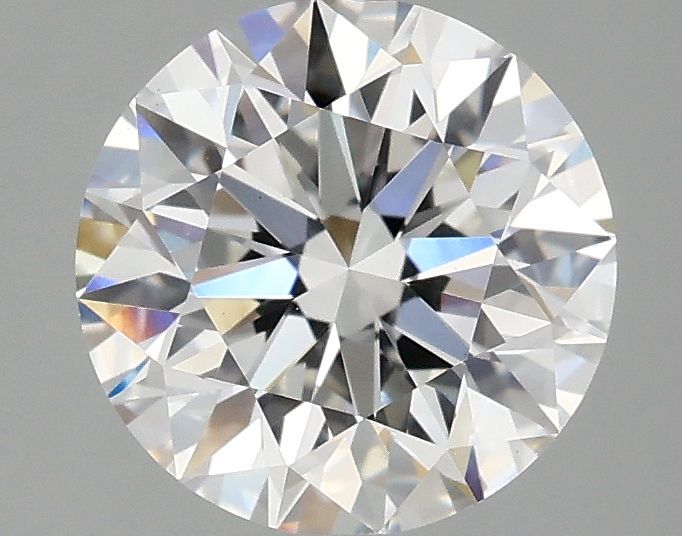
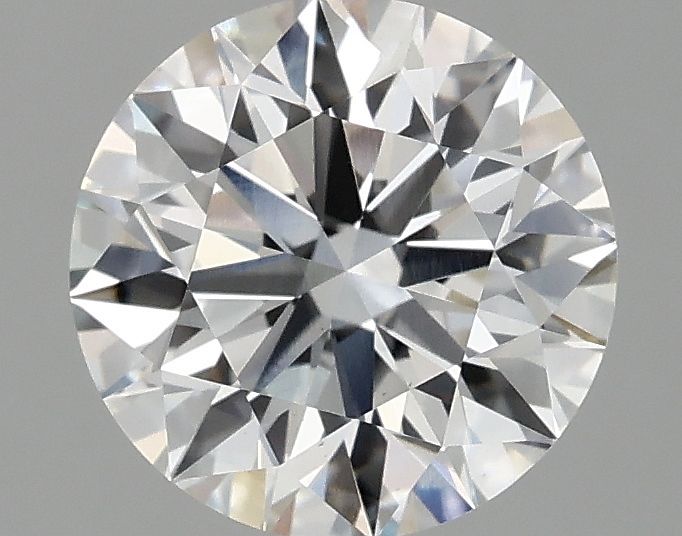
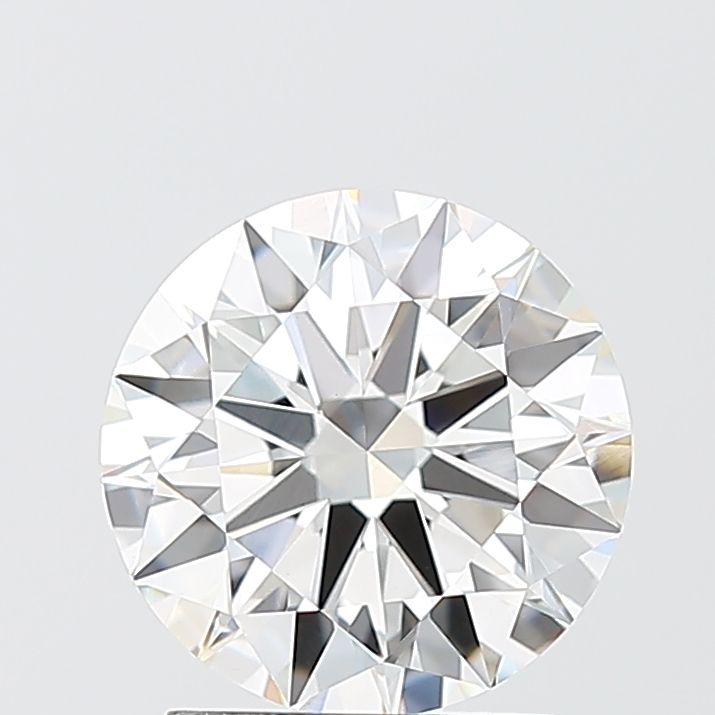
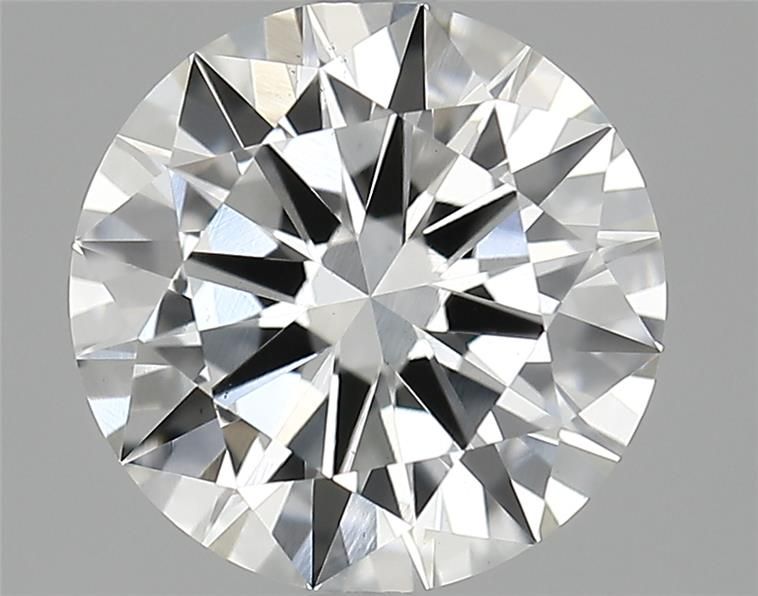
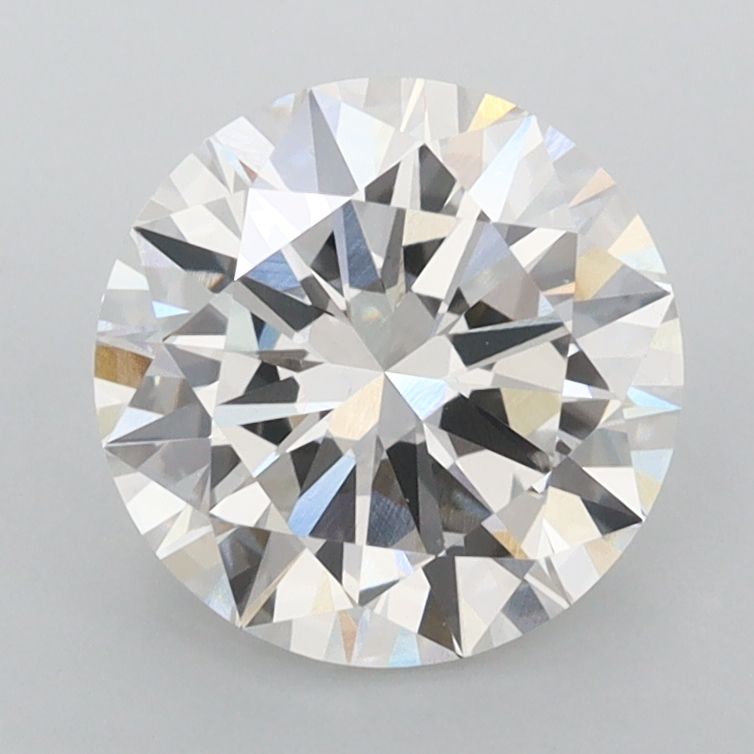
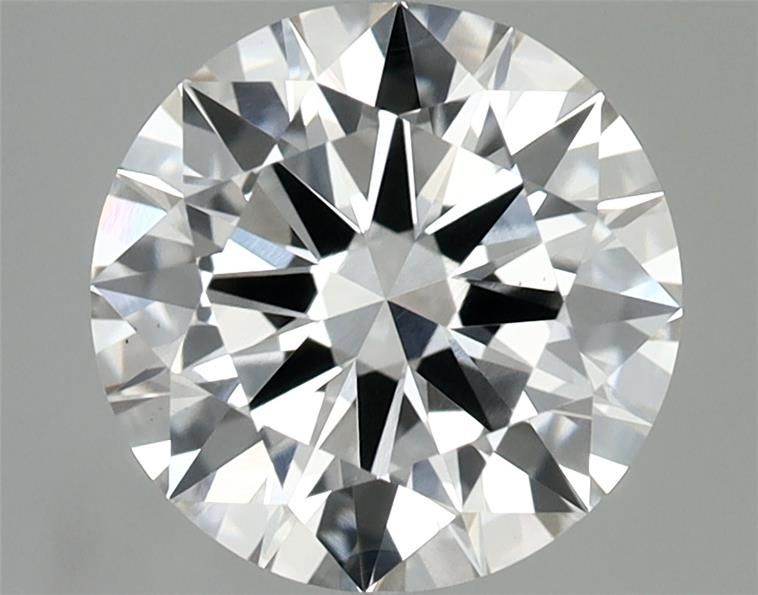
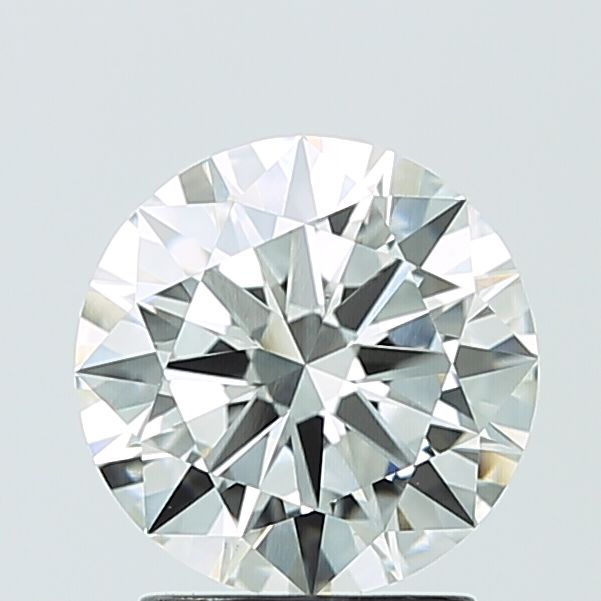
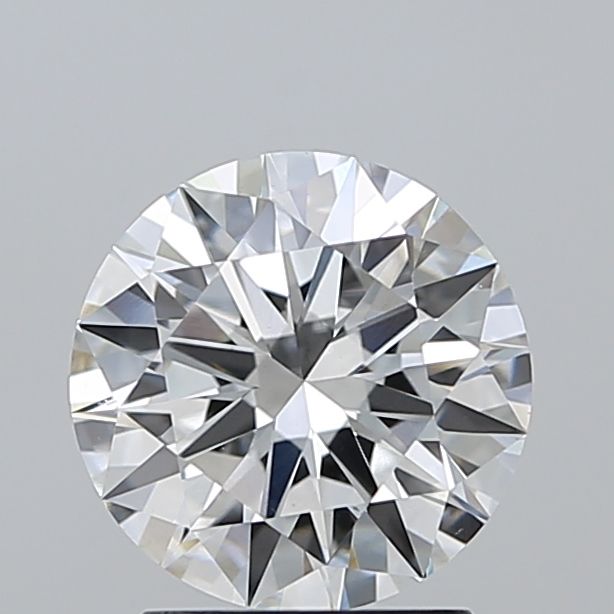
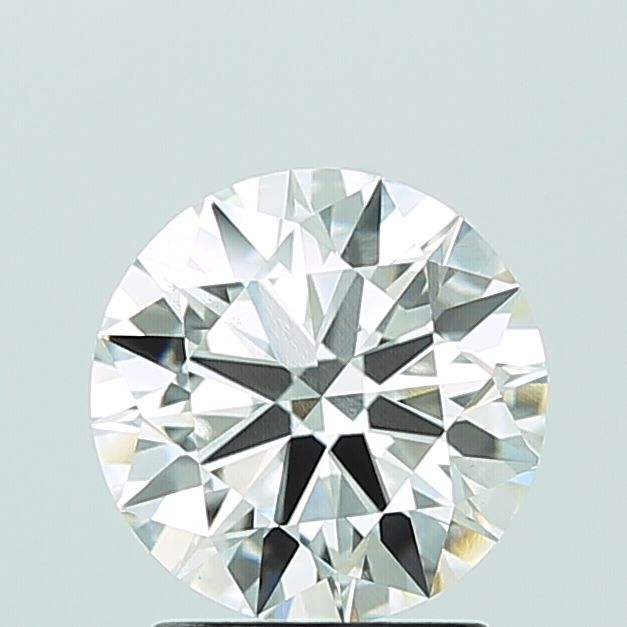
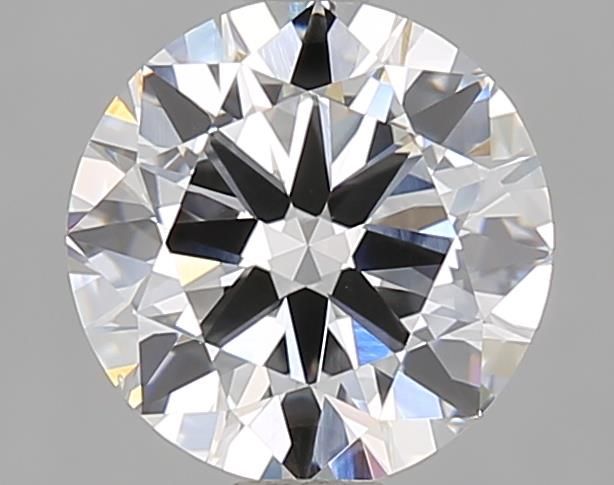
A well-cut 2 carat round is about 8.1 to 8.2 mm across, close to half the width of a size 6 finger. It is easy to see from across a table, and it looks larger still on a slim finger. At 2.49 carats, the top of this page, a round reaches about 8.7 mm.
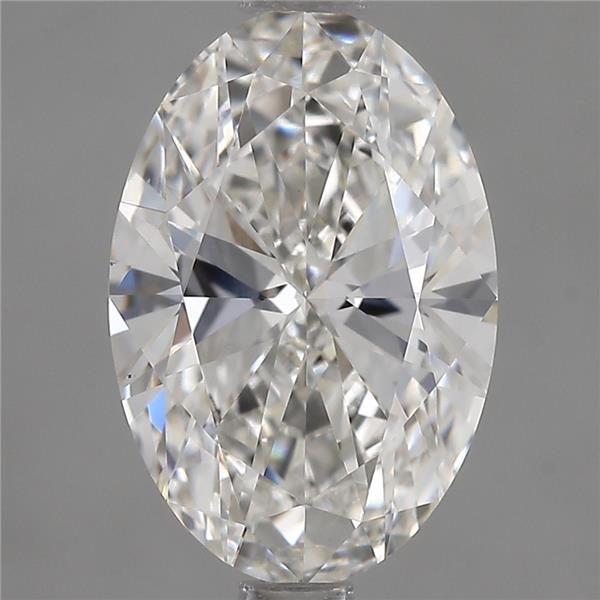
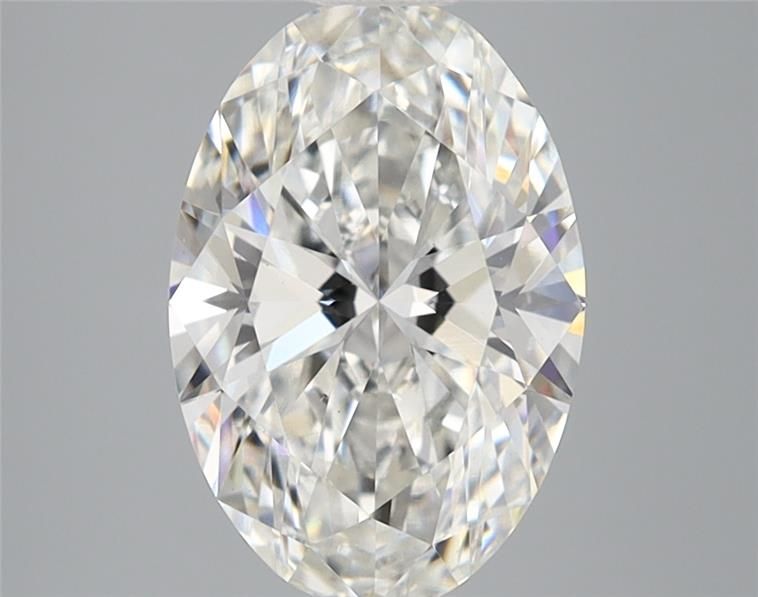
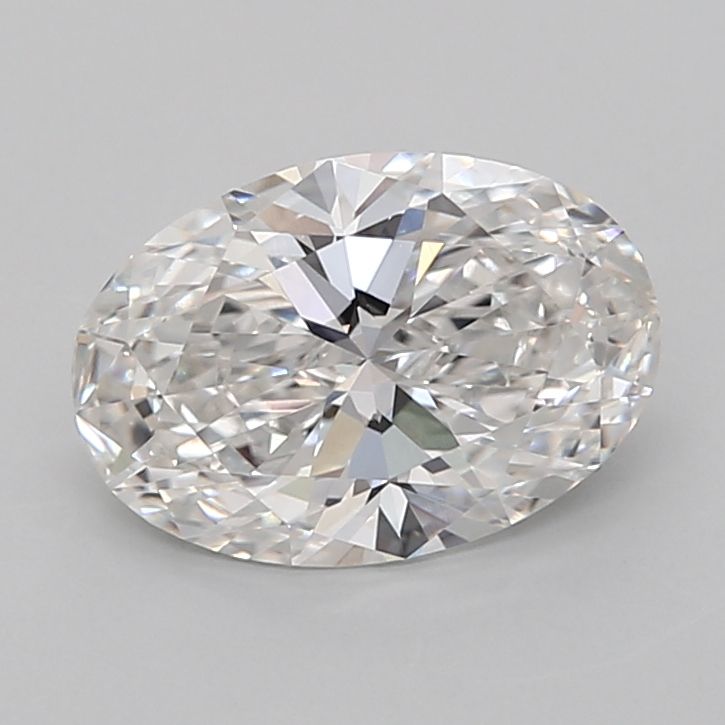
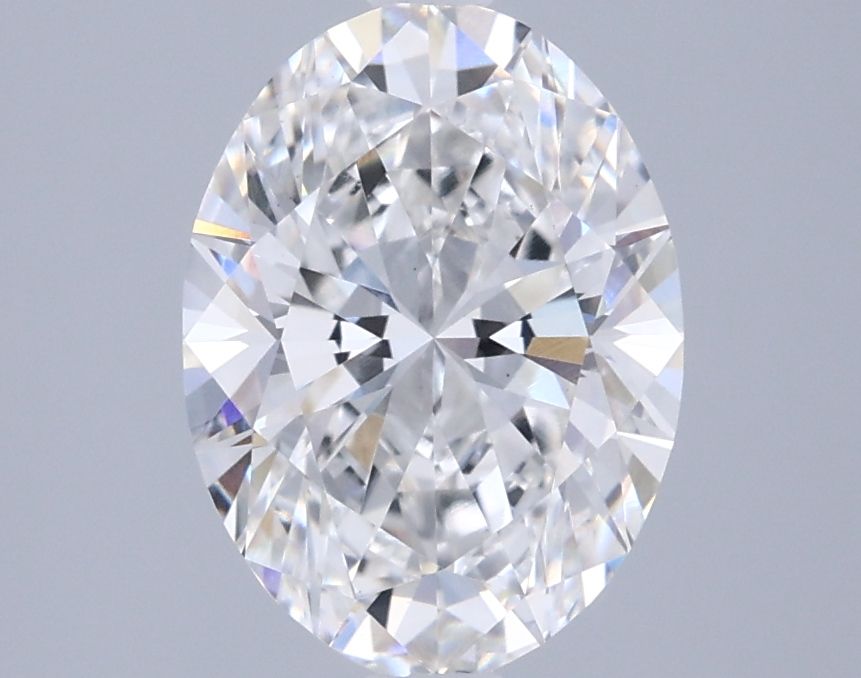
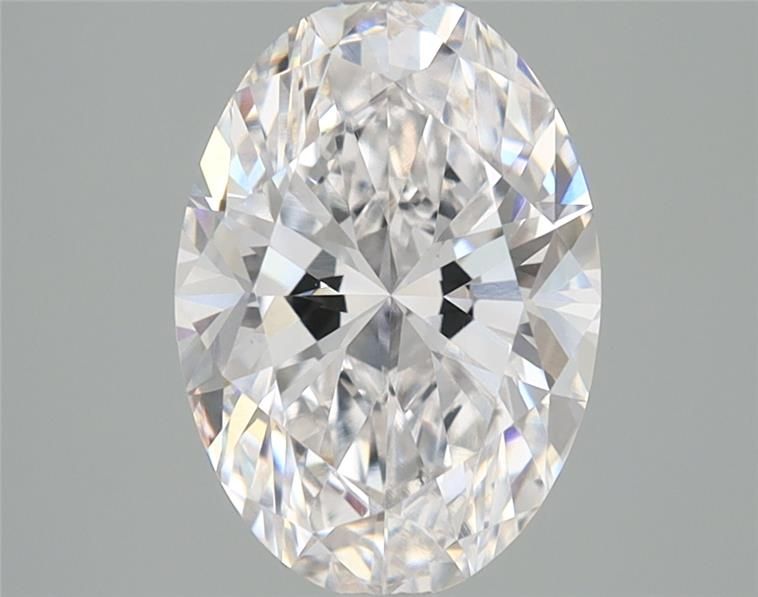
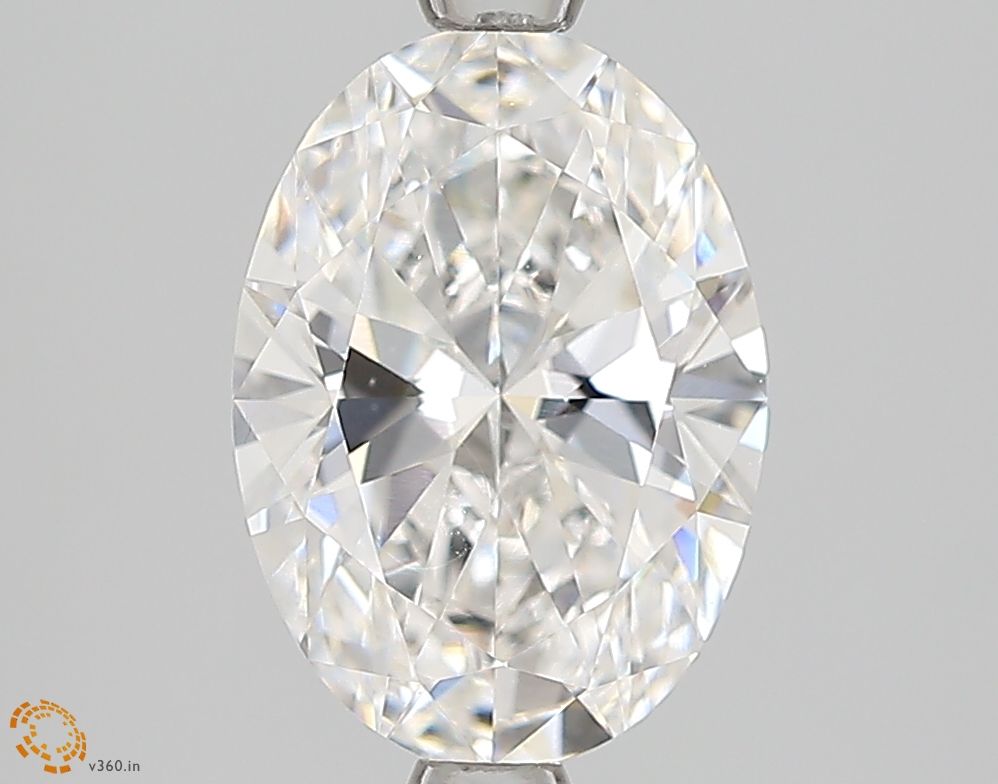
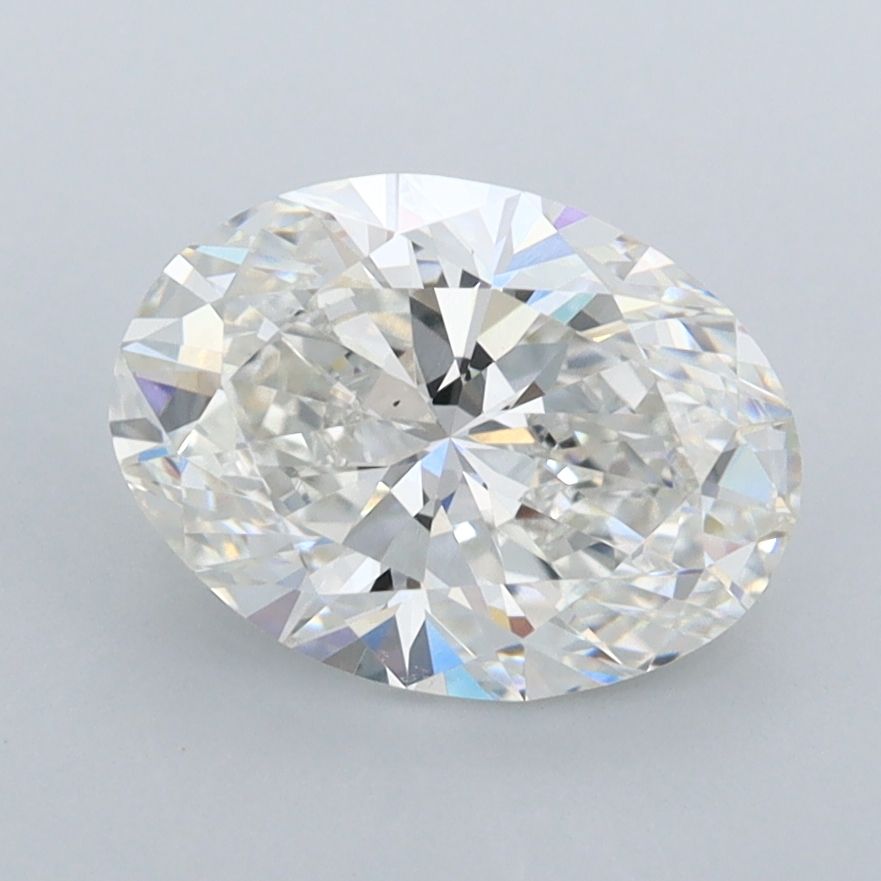
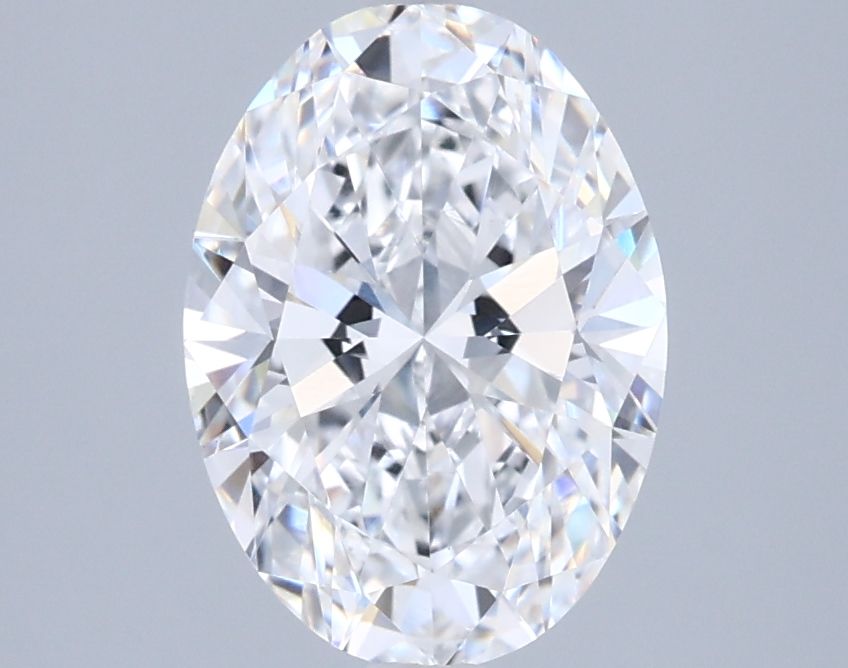
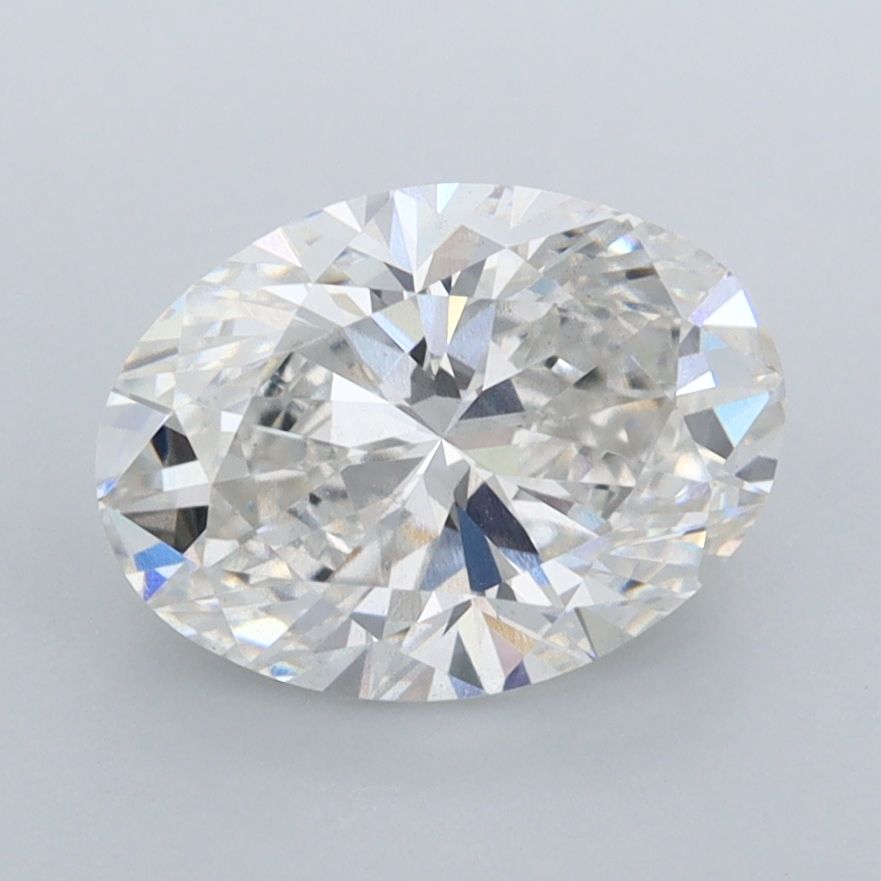
Fancy shapes spread the weight differently. A 2 carat oval or pear is roughly 10 to 11 by 7 mm and a marquise near 13 by 6.5 mm, so all three look larger than the round. An emerald cut, about 8.5 by 6.5 mm, covers much the same area as the round but reads longer, while a cushion, princess or Asscher, about 7 to 7.5 mm a side, looks the same size or a little smaller, keeping more weight in its depth. Depth moves every figure, so compare each stone's measurements, not its carats.
Where Color Starts to Show
A larger diamond shows more of its body color, because light travels farther through it, so a warmth a 1 carat stone hides can start to show at 2 carats. In a round or oval, which break light into small flashes, the change is slight: a grade that looked white to you at 1 carat usually still does. The letter grades here are the ones an IGI report gives; a recent GIA report on a lab-grown diamond calls it Premium or Standard instead.
The change comes in shapes with corners and open steps. A cushion or radiant collects tint in its corners, and an emerald cut or Asscher lets you look straight down into the stone, so in white metal these are the shapes where one grade higher earns its price. The comparison below sets out where to stop for each shape. D or E buys a whiteness most people see only side by side on a grading tray. The Journal shows where the color scale stops looking white, grade by grade.
Clarity You Can See at Eight Millimeters
An 8 mm round opens a wider window than a 1 carat at 6.5 mm, so an inclusion near the middle of the table is easier to spot without a loupe. That is a reason to look harder, not to buy VVS: if the video shows nothing, a higher grade buys only a line on the report.
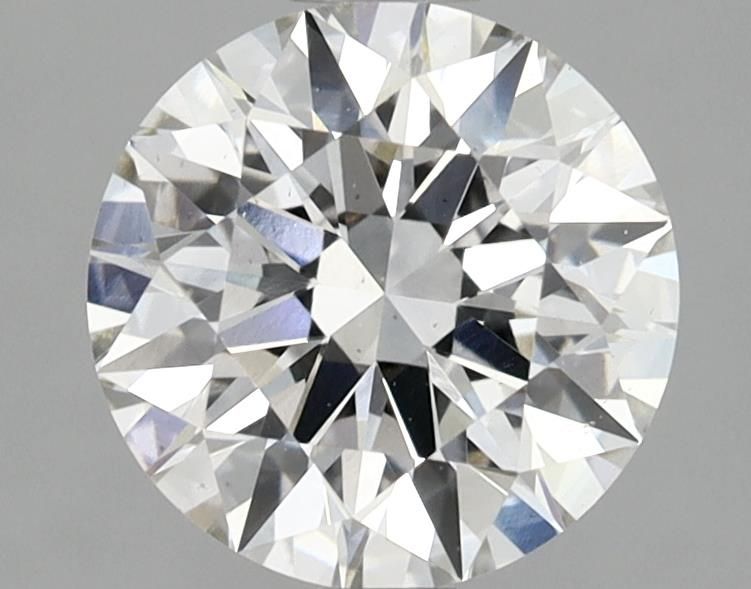
Many VS2 and some SI1 rounds, ovals, cushions and radiants still look clean at this size, because brilliant facets break up the view. In an emerald cut or Asscher, whose broad, parallel facets hide very little, VS1 or VS2 is the safer floor. Position counts as much as grade: a dark crystal under the center of the table shows, while a pale feather out by the girdle may hide under a prong. The Journal's chart of eye-clean clarity grades shows how low most buyers can go.
The Step Up to 2.5 Carats
Stones of 2.50 to 2.99 carats are on the 2.5 Carat page. The dated price table after this guide gives a typical price per carat for 2.00 to 2.49 carats, and the 2.5 Carat page's table gives one for 2.50 to 2.99. Both mix every shape and grade, so side by side they show the general level, not a step at 2.50. Some stones are priced higher from 2.50; to find out how much, compare stones of the same shape and grades on either side of the line.
Where there is a step, it buys almost nothing you can see. A round of 2.40 carats measures about 8.6 to 8.7 mm and one of 2.50 about 8.7 to 8.8 mm, a tenth of a millimeter apart. If 2.5 carats is the size in your head, look at 2.40 to 2.49 first, and if two stones look the same, take the cheaper one.
A 2 Carat Stone or 2 Carats Total
Jewelry is often sold by total carat weight, written ctw or tcw: every diamond in the piece added together. A ring sold as 2 carats total might hold a 1.50 carat center, about 7.4 mm as a round, with half a carat of small stones around it, and a pair of studs sold that way is usually two diamonds of about 1 carat each. Neither looks or is priced like one 2 carat stone, so check which is meant before comparing.
Each weight on this page is a single loose diamond's.
Prices From Our Catalog
| Carat Weight | Median Price per Carat | Stones Counted |
|---|---|---|
| 2.00-2.49 ct | $323 | 160,161 |
The median price per carat of the 2 carat lab-grown diamonds on sale here in each band, in US dollars, as of November 2, 2026. The grid shows each stone’s own price in your currency.
Grades That Show at Two Carats
| Round or Oval | Emerald or Asscher | Cushion or Radiant | |
|---|---|---|---|
| Color many buyers stop at in white metal | G or H; an oval may warm slightly at its ends | F or G, as step cuts show a tint sooner | G, or H if the corners look white in the video |
| Color that still looks white in yellow or rose gold | I or J | H or I | I, sometimes J |
| Clarity that often looks clean | VS2, or an SI1 whose video shows nothing | VS1 or VS2 | VS2; an SI1 can pass in a crushed-ice cushion or a radiant |
| What to check in the video | An even, crisp pattern; on an oval, only a faint bow-tie | Nothing dark under the open table and no pale, see-through center | Warmth in the corners, and a deep stone that faces up small |
Questions
Is a 2 carat diamond considered big?
Yes, by most people's measure. Beside a 1 carat round of about 6.4 mm, a 2 carat round at about 8.1 mm is less than 2 mm wider, yet it covers more than half as much area again, and area is what the eye reads on a hand. How big it looks still depends on the finger and setting: a slim band and slender hand make it look larger. Each stone's millimeters tell you more than its carats.
Will a 2 carat ring look too flashy?
That depends more on the setting and the shape than on the weight. A plain solitaire on a slim band, or a bezel that rims the stone in metal, keeps a 2 carat diamond quiet, while a halo and a pavé band add sparkle and make it read larger. An emerald cut flashes in slow, wide planes of light rather than glitter. If you want presence without show, a simpler setting does more than a smaller stone.
What is the most popular shape for a 2 carat diamond?
Round and oval, and the two are close. Round has led engagement rings overall in recent surveys, while among lab-grown center stones the oval has come first, and at roughly 10 by 7 mm it looks larger than a round of the same weight. Emerald, pear and princess cuts follow some way behind. Popularity is no reason to choose: pick the outline you like, and the shape filter narrows the grid to it.
Is a 1.90 carat diamond a good alternative to 2 carats?
Often, yes. A well-cut round of 1.90 to 1.99 carats measures about 8.0 to 8.1 mm, against about 8.1 to 8.2 mm for a 2.00, a difference you would need calipers to find, and prices often step up at 2 carats. Those weights are on our 1.5 Carat page, which runs to 1.99. Set one beside a 2.00 of the same shape and grades: if the full 2 carats costs no more, buy it.
What should a 2 carat round measure?
About 8.1 to 8.2 mm across when it is well cut. A 2.00 that measures noticeably under 8 mm usually carries weight in a deep pavilion or a thick girdle, so it looks like a smaller stone while it is priced as a 2 carat. Check the diameter on a stone's page as well as its weight, and in a round, take the lab's top cut grade before paying for a better color or clarity.