
2.5 Carat Lab-Grown Diamonds
White lab-grown diamonds of 2.50 to 2.99 carats in every shape, graded by IGI or GIA, and each stone's page carries its report, its measurements and a price in your currency.

- Over 77,000 Available
- From $474
- IGI and GIA Reports
- Free Insured Delivery Over $100
 Final sale
 Final sale
 Final sale
 Final sale
 Final sale
 Final sale
 Final sale
 Final sale
 Final sale
 Final sale
 Final sale
 Final sale
 Final sale
 Final sale
 Final sale
 Final sale
 Final sale
Good to Know
In Brief
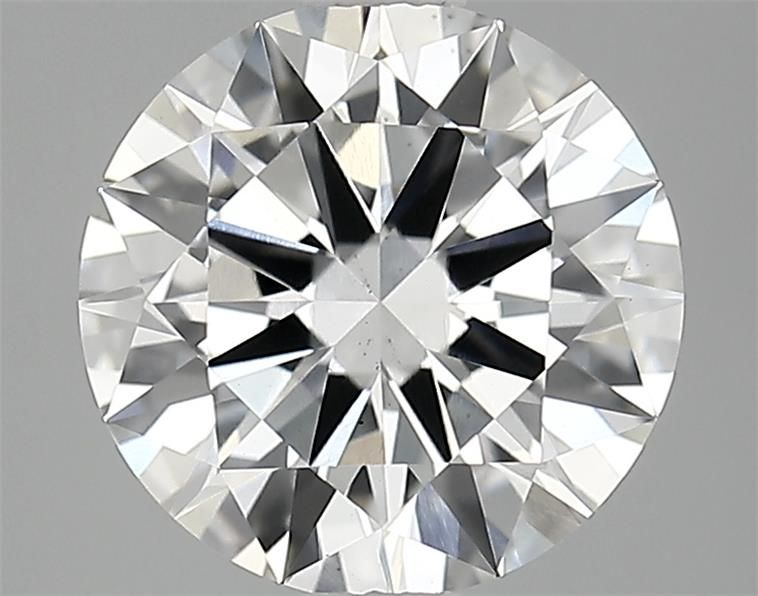
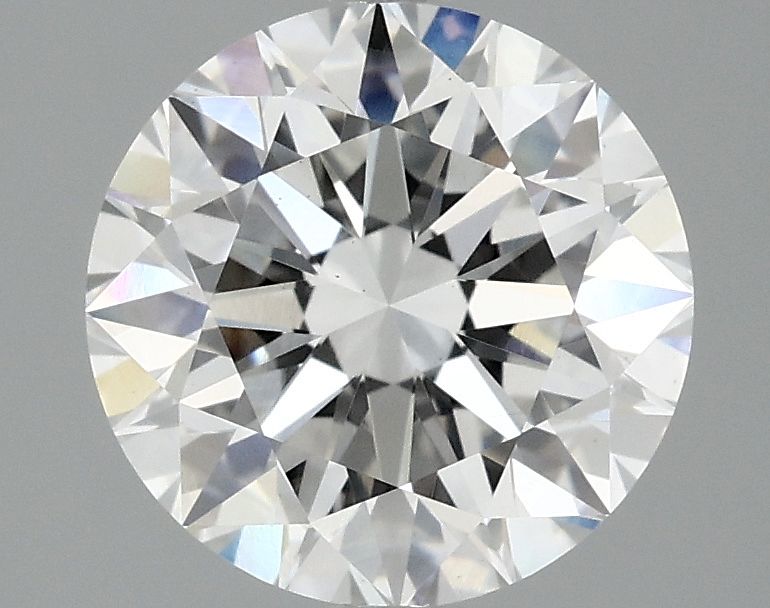
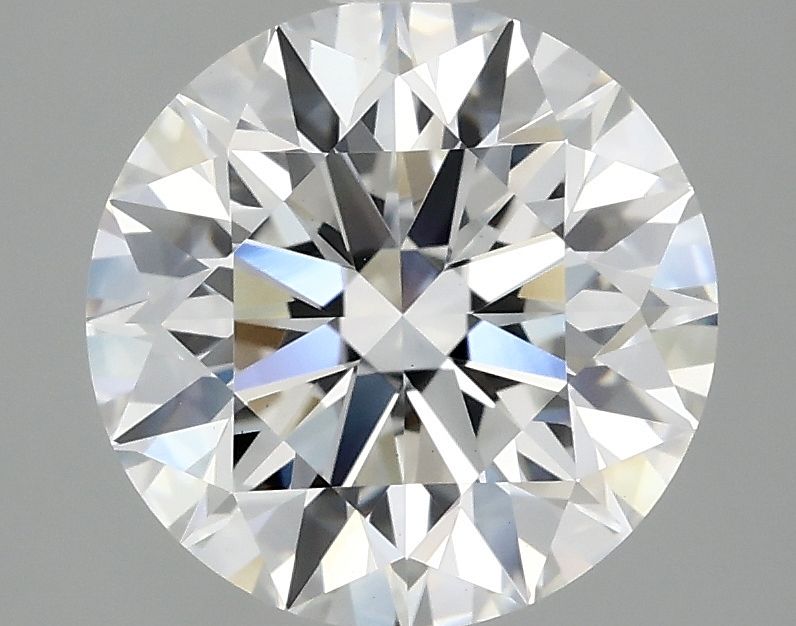
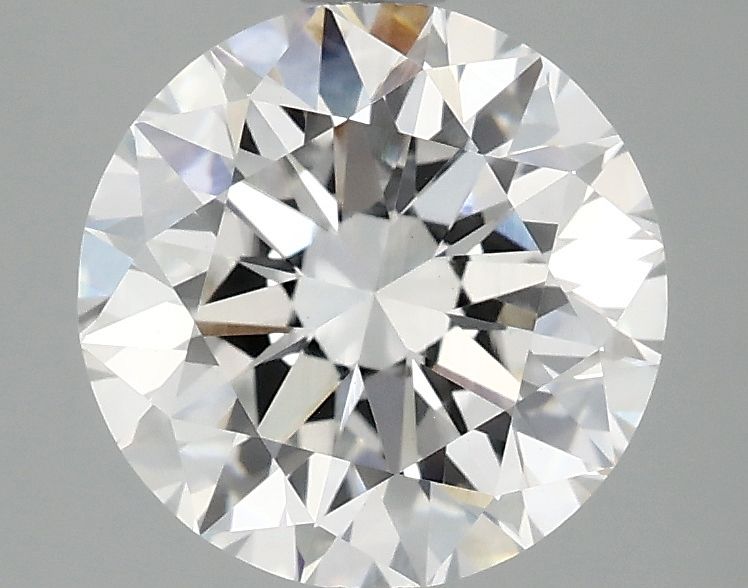
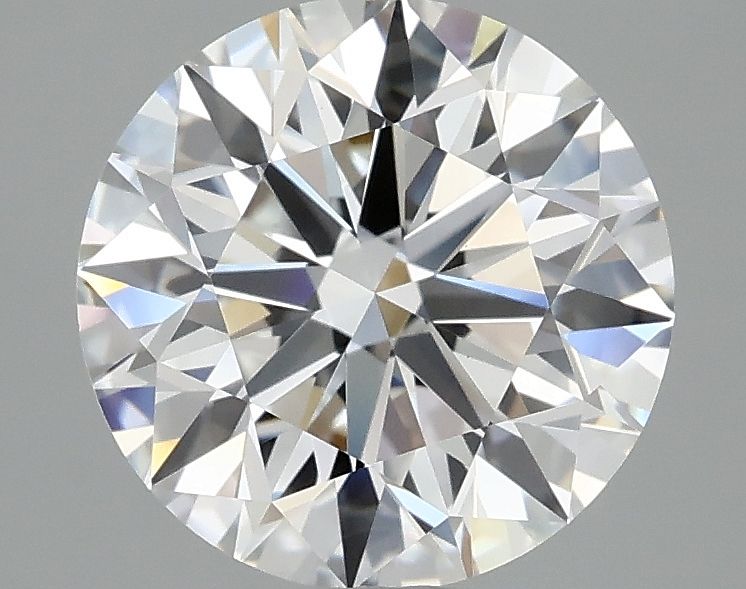
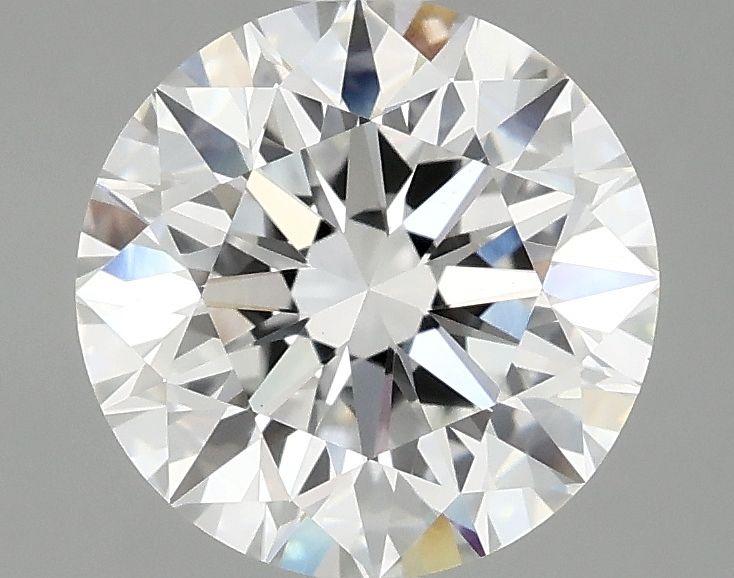
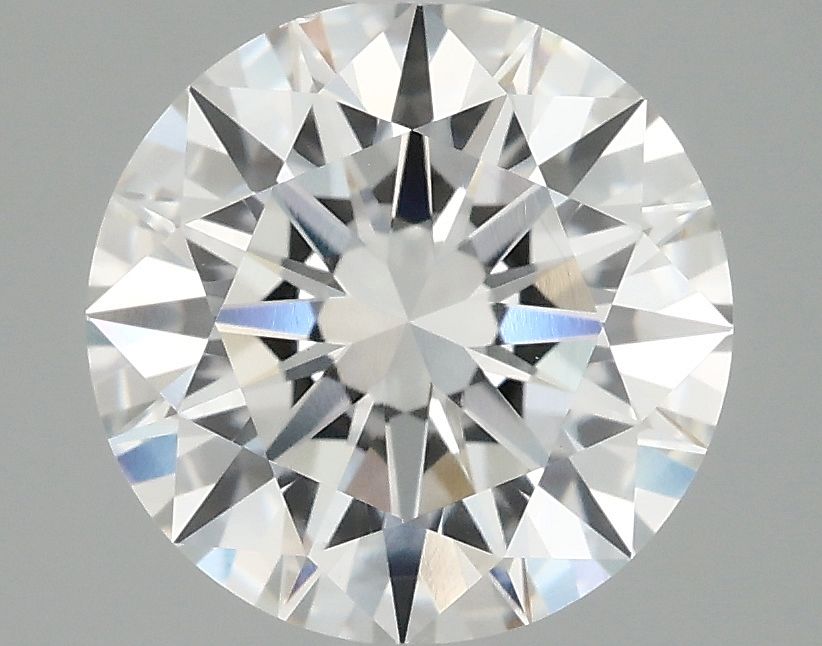
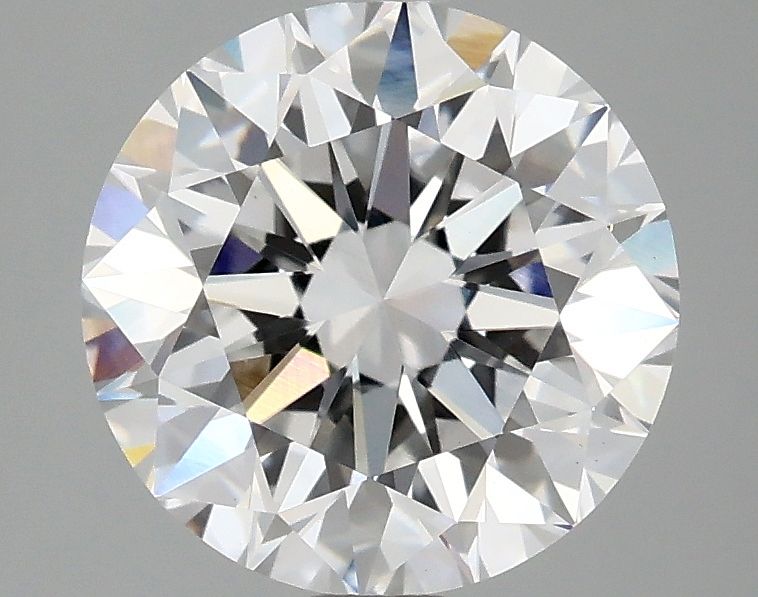
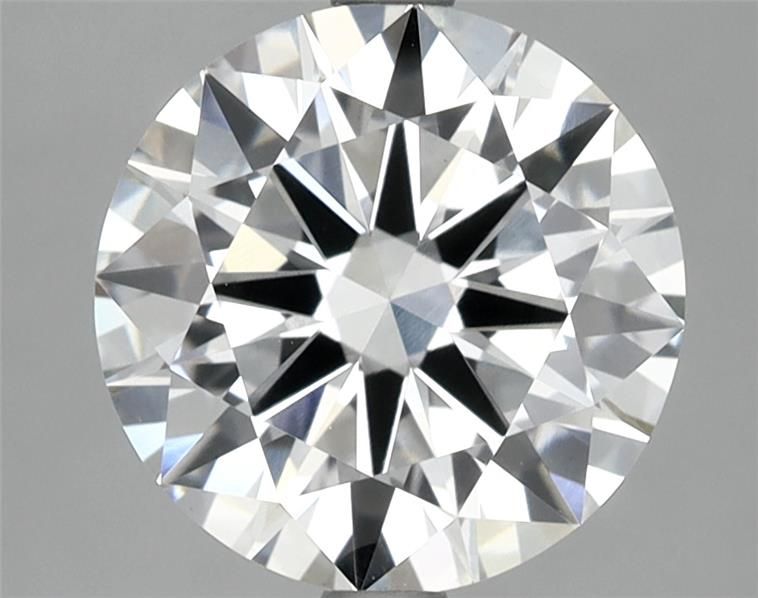
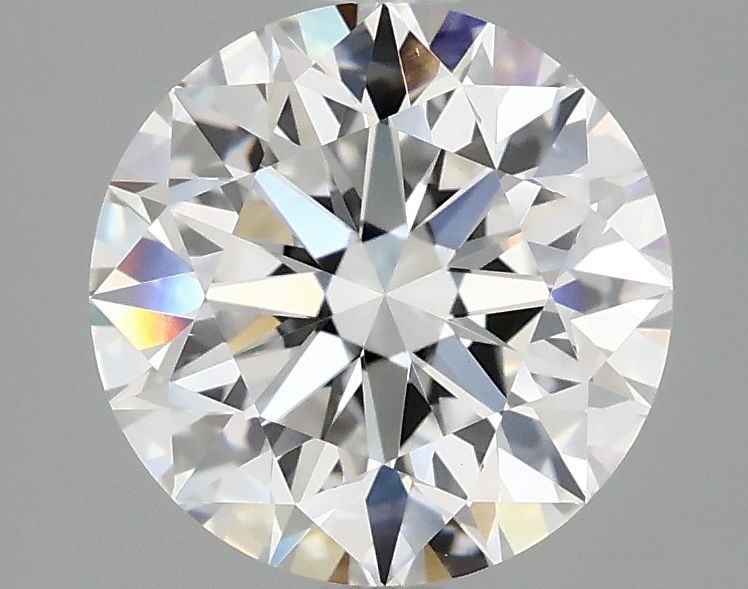
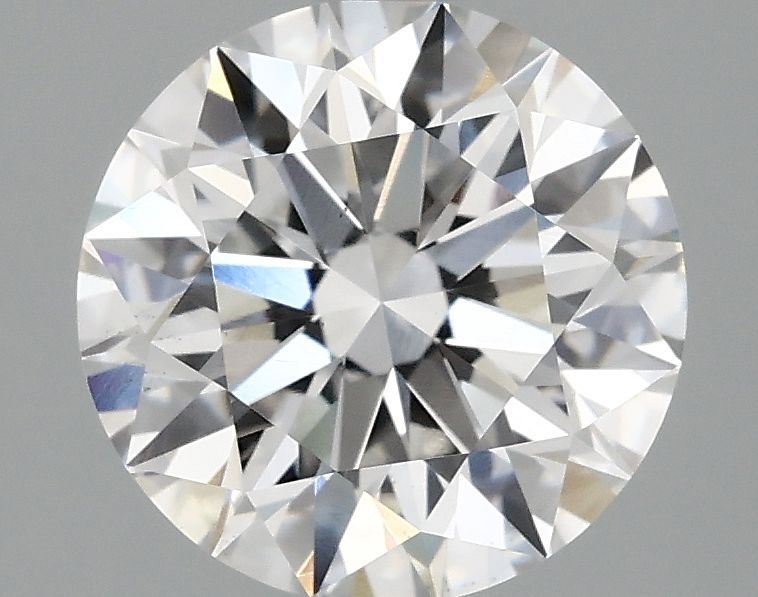
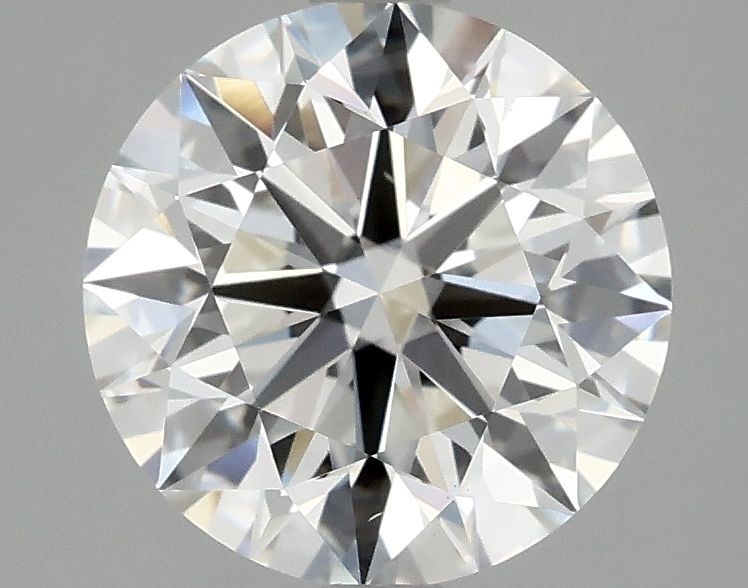
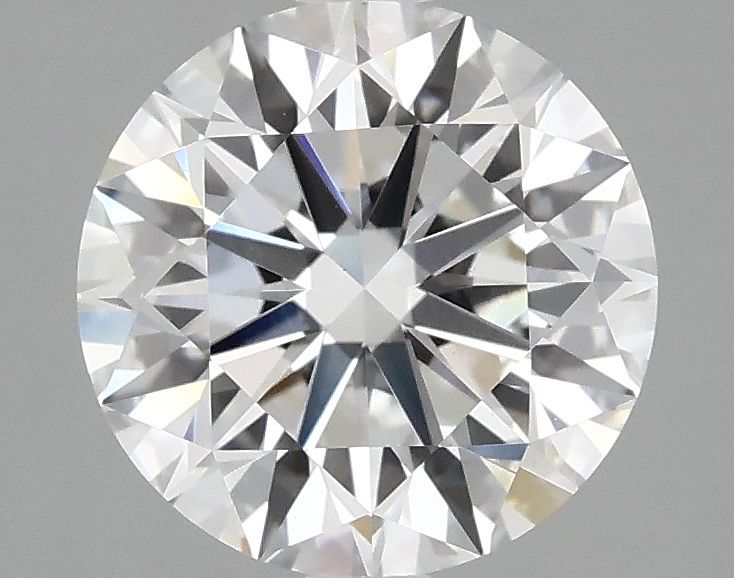
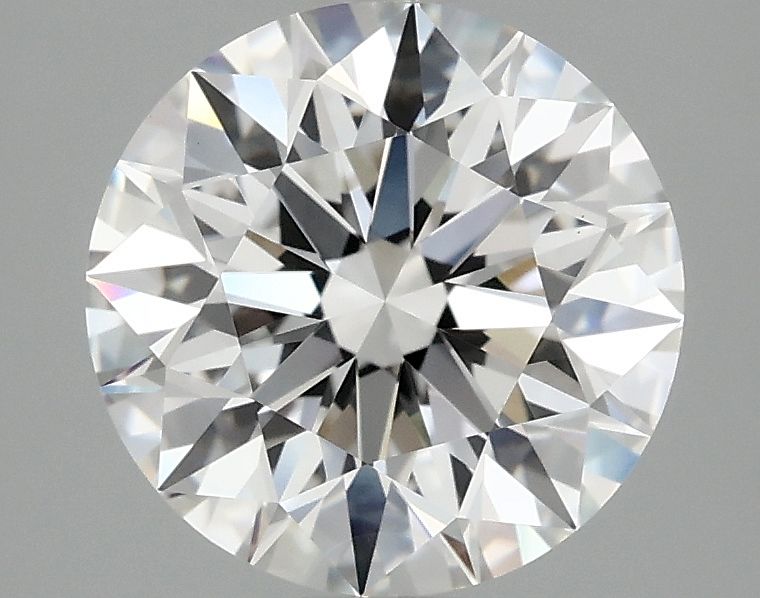
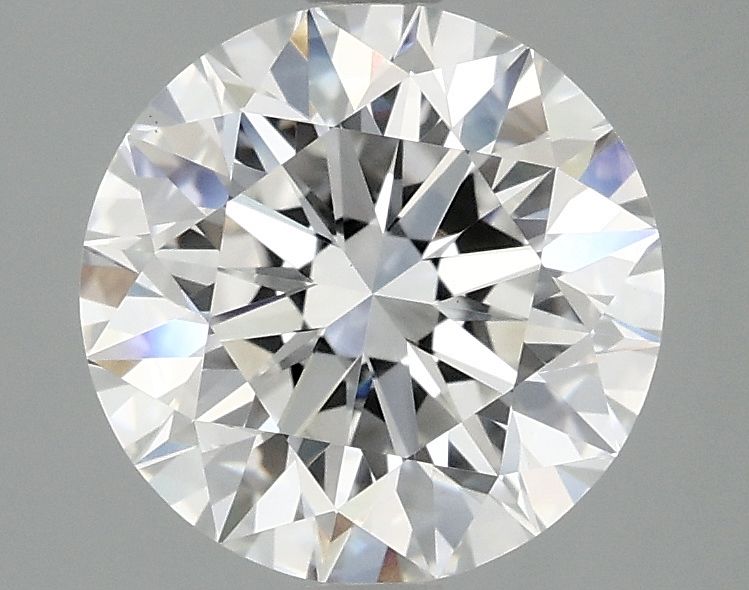
A well-cut 2.5 carat round is about 8.7 to 8.8 mm across, and an oval of the same weight covers nearly the face of a 3 carat round. At this width a weak cut shows before a lower color or clarity grade does, so look in each stone's video, where it has one, for dark patches and dull light. In a ring, a low head, a bezel or a hidden halo keeps a stone this size closer to the finger.
The Half-Carat Mark
This page opens at 2.50 carats, and a stone a single point lighter belongs to the 2 Carat page. Cut alike, a 2.49 and a 2.50 round are about a hundredth of a millimeter apart, both about 8.7 to 8.8 mm across, and a ring is made around either one the same way. Any premium a 2.50 carries for reaching the half carat therefore changes neither the stone on the hand nor the ring it goes into.
With lab-grown diamonds that premium is often small and sometimes missing, and the price per carat here can even sit below the 2 Carat page's; the dated tables on the two pages show where it stands today. For one particular diamond, fix a shape and a pair of grades, line up a few stones of 2.40 to 2.49 with a few of 2.50 to 2.59, and see whether crossing 2.50 adds to the total at all. The Journal's guide to lab-grown diamond prices explains what else moves the figure.
Stones of 2.80 to 2.99 carats, just under the 3 carat step, are listed here too, and the 3 Carat page sets them against a full 3.
How Big a 2.5 Carat Diamond Looks
A well-cut round widens from about 8.7 to 8.8 mm at 2.50 carats to about 9.0 mm at 2.75 and 9.2 to 9.3 mm at 2.99. Against a 2 carat round of about 8.1 mm, a 2.50 is roughly 0.6 mm wider, and a full 3 carats adds only about half a millimeter more: weight fills the stone's whole volume, so its width grows far more slowly than its carats.
On a US size 6 finger, about 16.5 mm across, a 2.50 round spans just over half the width. Across this page's whole span, from 2.50 to 2.99 carats, the weight rises by almost a fifth but the face by only about an eighth.
How the Shapes Compare Face Up
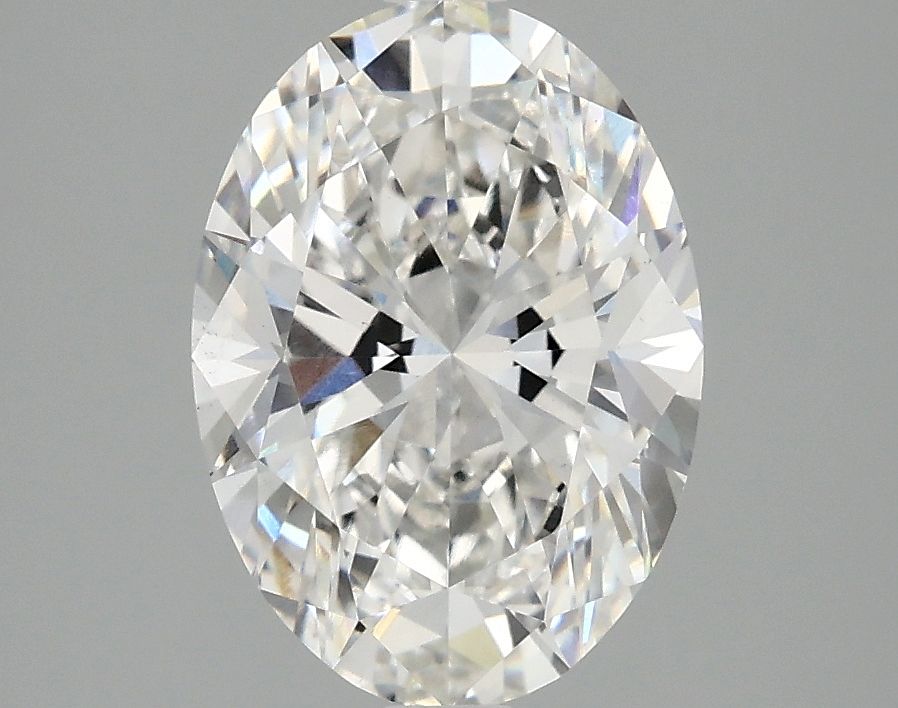
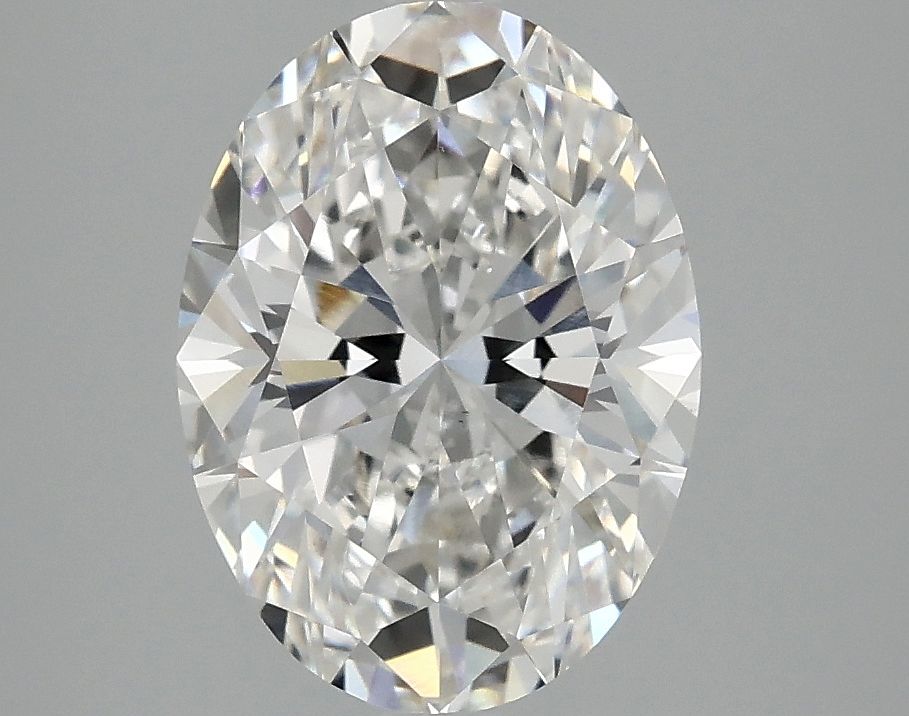
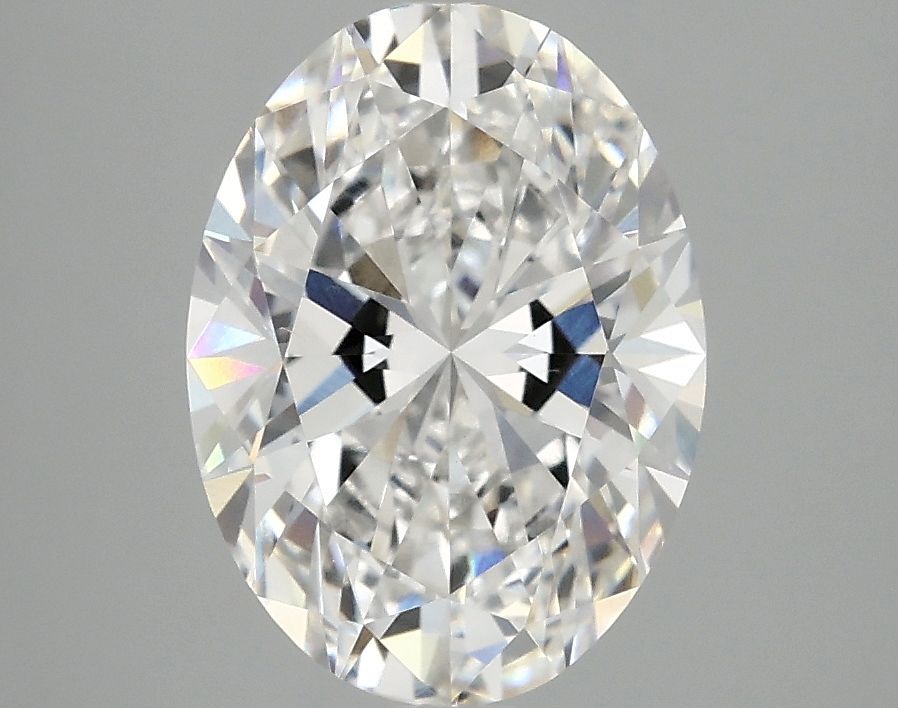
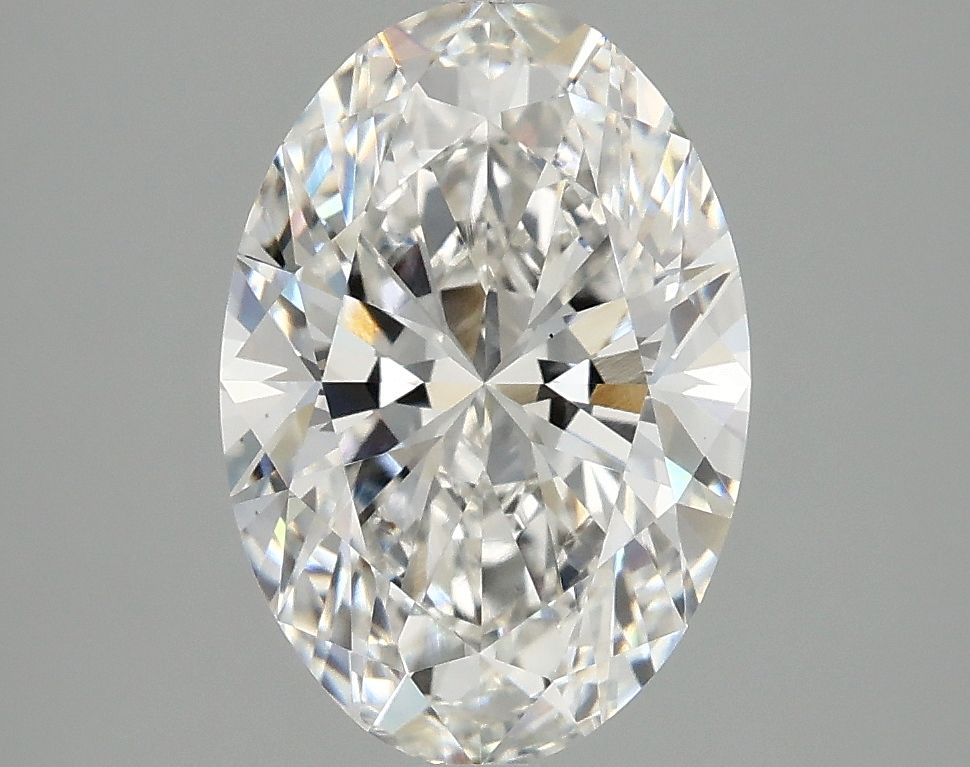
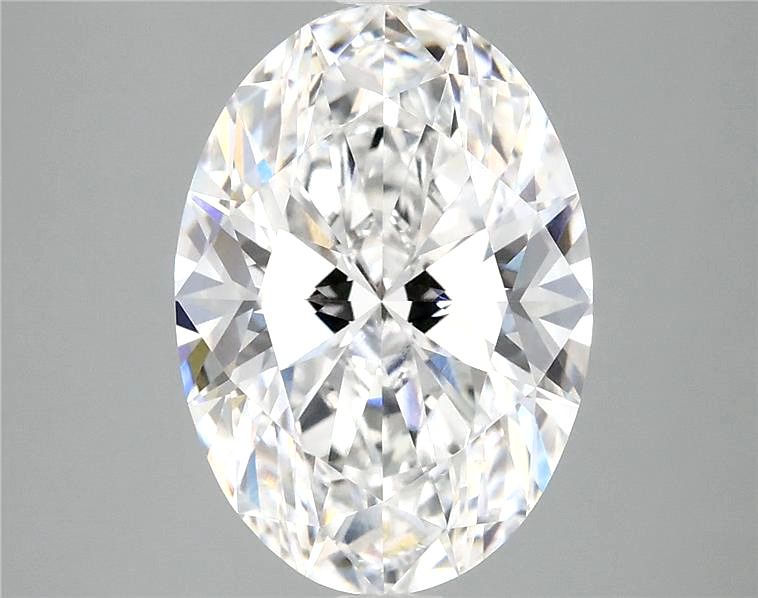
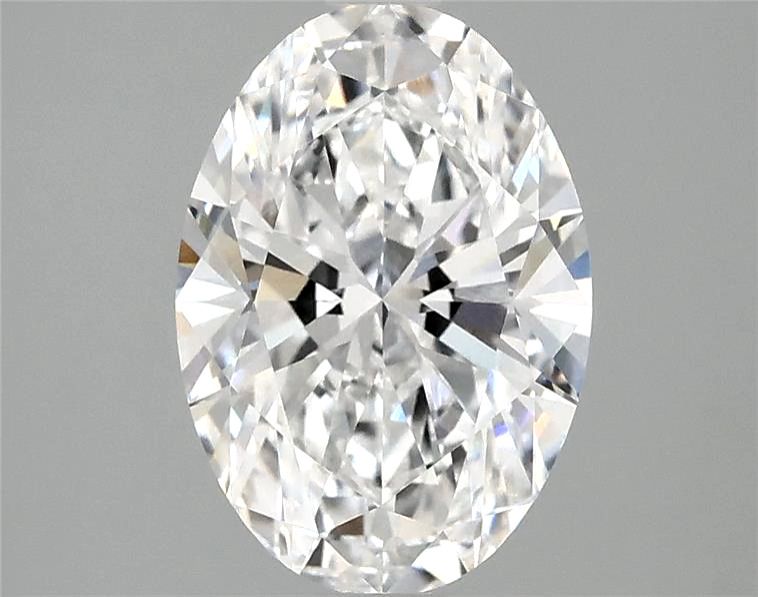
At this weight an oval comes close to the face of the next carat page: one of about 10.5 to 11 by 7.5 to 8 mm covers nearly the area of a 3 carat round, about 9.3 mm across. A pear of about 11.5 to 12 by 7.5 to 8 mm and a marquise of about 14 to 14.5 by 7 mm stretch farther along the finger still.
An oval's proportions decide how it reads. Cut to a length-to-width ratio of 1.30, a 2.5 carat oval measures about 10.3 by 7.9 mm; at 1.50 it is about 11.3 by 7.6 mm, longer and slimmer from the same weight. Our notes on ratio show which proportions read as classic.
The cornered shapes sit nearer the round, or below it. An emerald cut of about 9 to 9.3 by 6.5 to 6.8 mm or a radiant of about 9 by 7 mm faces up with roughly the round's area, a little longer than its 8.7 mm and narrower across the finger. A princess of about 7.4 to 7.5 mm a side shows a little less, though its opposite corners sit about 10.5 mm apart, and a cushion of about 7.5 to 7.7 mm a side can face up nearer a 2 carat round than a 2.5.
What a Wider Face Starts to Show
As the face widens, so does the pattern of light and dark across it, and at this size a fault in the cut often gives a stone away before its color or clarity does. In an oval, pear or marquise, look for a bow-tie, a dark band across the middle; a faint one is normal, a broad black one is not. A fancy shape cut too shallow can show a window, a washed-out patch in the center where light passes straight through.
A round cut too shallow can reflect its girdle through the table as a pale ring, which the trade calls a fish-eye, while one cut too deep looks dark in the middle. On a round with an IGI report, an Ideal or Excellent cut grade rules out both. GIA now describes a lab-grown stone in broad terms rather than on that scale, and most other shapes carry no cut grade, so for those the video, where there is one, is the test. Our notes on cut explain the grades.
Setting a 2.5 Carat Stone
A well-cut 2.50 round stands about 5.3 to 5.4 mm from its table to its point, and a 2.99 about 5.7 mm, so the setting's head decides how far above the finger the stone sits and whether a wedding band can lie flush beside it. A hidden halo, a row of small diamonds tucked under the stone, adds sparkle seen from the side without widening the face.
Prices From Our Catalog
| Carat Weight | Median Price per Carat | Stones Counted |
|---|---|---|
| 2.50-2.99 ct | $292 | 81,570 |
The median price per carat of the 2.5 carat lab-grown diamonds on sale here in each band, in US dollars, as of November 2, 2026. The grid shows each stone’s own price in your currency.
How Each Shape Carries 2.5 Carats
| Typical Face-Up Size | Beside a 2.5 Carat Round | |
|---|---|---|
| Round | About 8.7 to 8.8 mm across | The measure here, reaching about 9.3 mm at 2.99 carats |
| Oval | About 10.5 to 11 by 7.5 to 8 mm | Larger, close to a 3 carat round's face |
| Pear | About 11.5 to 12 by 7.5 to 8 mm | Larger, about as much face as the oval over more length |
| Marquise | About 14 to 14.5 by 7 mm | The most face of the eight, and the longest outline |
| Emerald cut | About 9 to 9.3 by 6.5 to 6.8 mm | Close in area, and slimmer across the finger |
| Radiant | About 9 by 7 mm | Close in area, a little wider than the emerald cut |
| Cushion | About 7.5 to 7.7 mm a side | Smaller, nearer a 2 carat round's face |
| Princess | About 7.4 to 7.5 mm a side | A little smaller, though about 10.5 mm corner to corner |
Questions
Is 2.5 carats considered large?
Yes, as a center stone. A well-cut 2.5 carat round measures about 8.7 to 8.8 mm across, only about 2.3 mm wider than a 1 carat round, yet its face covers about 1.8 times the area, and about two fifths more than a 1.5 carat round's.
Does a 2.5 carat diamond need higher grades than a 2 carat?
Seldom. Half a carat more widens a round's table by only about a third of a millimeter, to roughly 5 mm, so the grades you settled on at 2 carats usually carry over. Recheck the stones that sat on the line there, such as a G emerald cut or Asscher in platinum, or an SI1 round or oval with its inclusion under the table, and step up a grade only if the video shows a problem.
What kind of setting suits a 2.5 carat diamond?
One that holds it securely and close to the finger. A stone this size stands more than 5 mm deep, so a low head, a bezel or a hidden halo keeps it from catching on knitwear, and six prongs guard a round's edge better than four. On a pear or a step cut, look for prongs that cover the point or the corners.
Will a wedding band sit flush beside a 2.5 carat ring?
That depends on the setting more than the stone. A 2.5 carat round is about 8.7 mm wide, several times the width of a slim band, so if the head sits low, the stone's edge or the metal under it can hold a straight band away from the ring. A head raised clear of the band, or a curved or notched wedding band, lets the two meet. Look at a setting from the side before choosing it.
Should I choose lab-grown or natural at 2.5 carats?
Both are diamond, with the same hardness and fire, so the choice comes down to origin and budget. A lab-grown diamond of this size usually costs less per carat than a natural one of the same grades, so one budget buys more weight, better grades or a finer setting. A natural diamond is rarer, a stone the earth made, and natural diamonds have their own page.