5 Carat Lab-Grown Diamonds
White lab-grown diamonds of 5 carats and more, all graded by IGI or GIA, in every shape.

- Over 100,000 Available
- From $804
- IGI and GIA Reports
- Free Insured Delivery Over $100
Good to Know
In Brief
Choose a 5 carat stone by its cut and its measurements before its weight: a well-cut round is about 11.0 to 11.1 mm across, and one that measures noticeably less is carrying weight you cannot see. Set a top weight before you shop, because this page has no upper limit and each extra carat adds well under a millimeter of width. Once you buy, have the piece appraised for replacement value and scheduled on an insurance policy, since a grading report is not a valuation.
Above Five Carats, Cut Comes First
Every point of weight adds to the price, so a cutter working a large crystal has reason to keep weight rather than polish it away. Big stones are often cut deep, with a heavy pavilion, a thick girdle or proportions that favor the scale over the sparkle. A stone that only just reaches 5.00 carats deserves a second look: it may have been shaped to make the number rather than to return light.
On a round, the cut grade is the quickest test. On an IGI report, take the top of its scale, Ideal or Excellent, and pass over lower grades at this size, where a dull or glassy patch has a broad face to show on. A recent GIA report folds cut into one Premium or Standard rating, so for it, and for other shapes where a report carries no cut grade, look for Excellent or Very Good polish and symmetry where they are listed and, where there is one, judge the video. Our guide to how cut grades are decided explains the scale.
Reading Weight Against Measurements
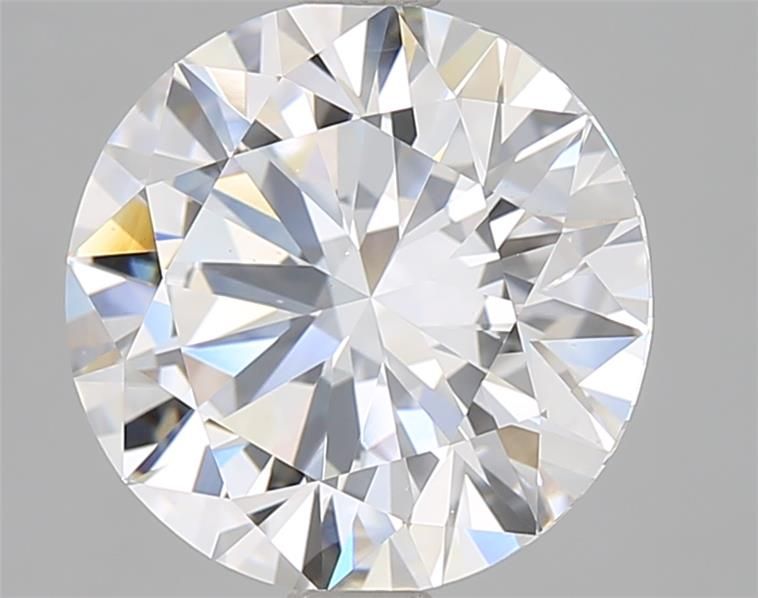
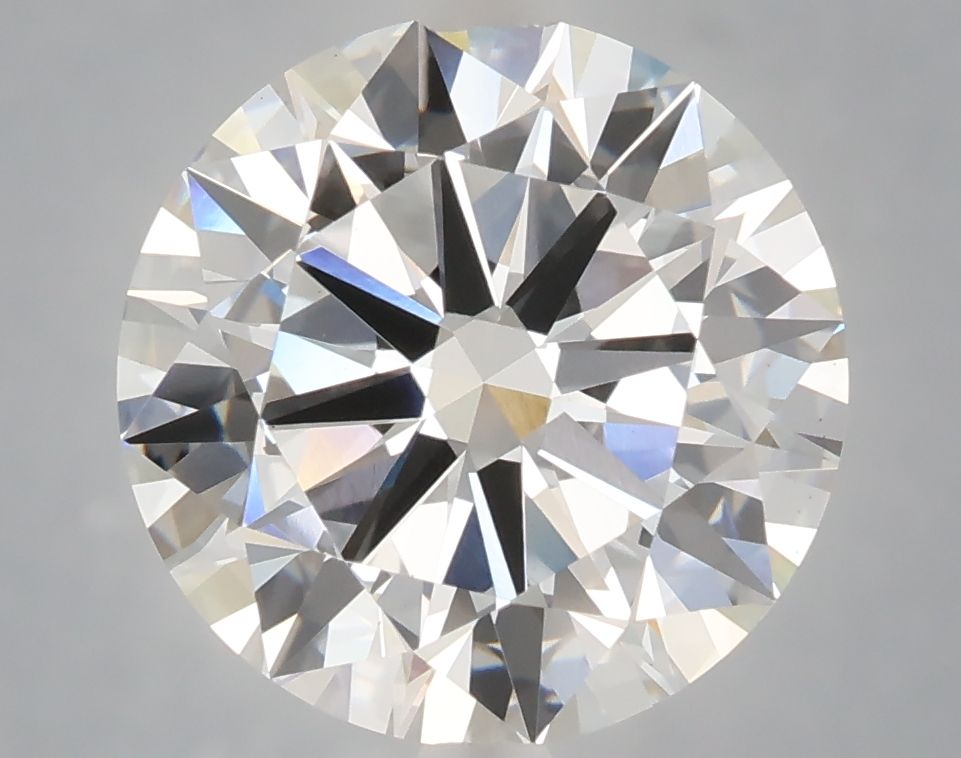
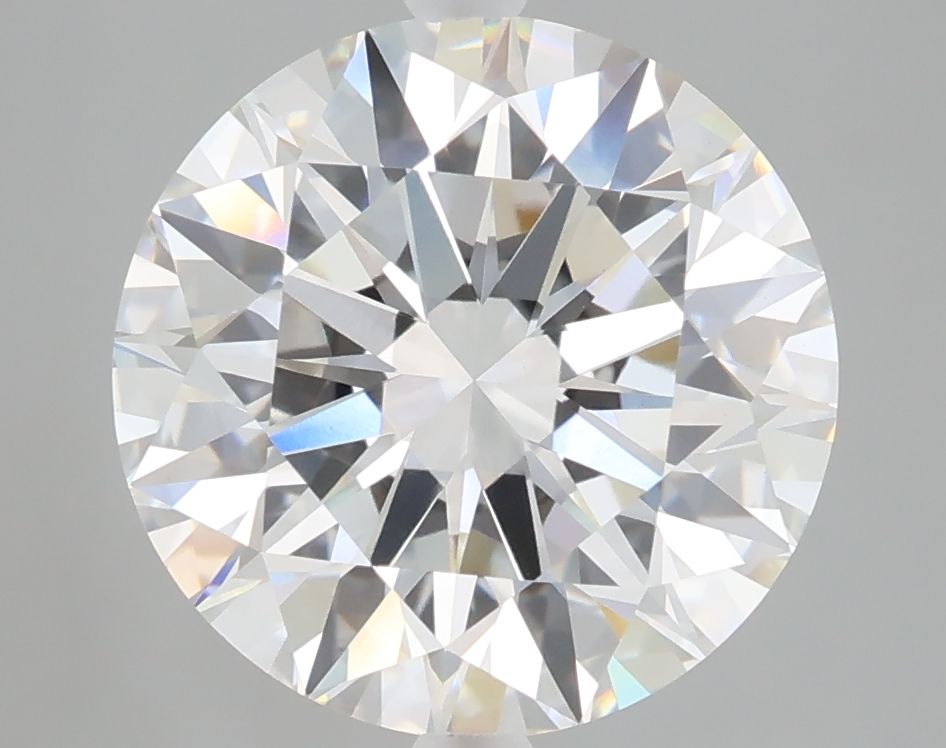
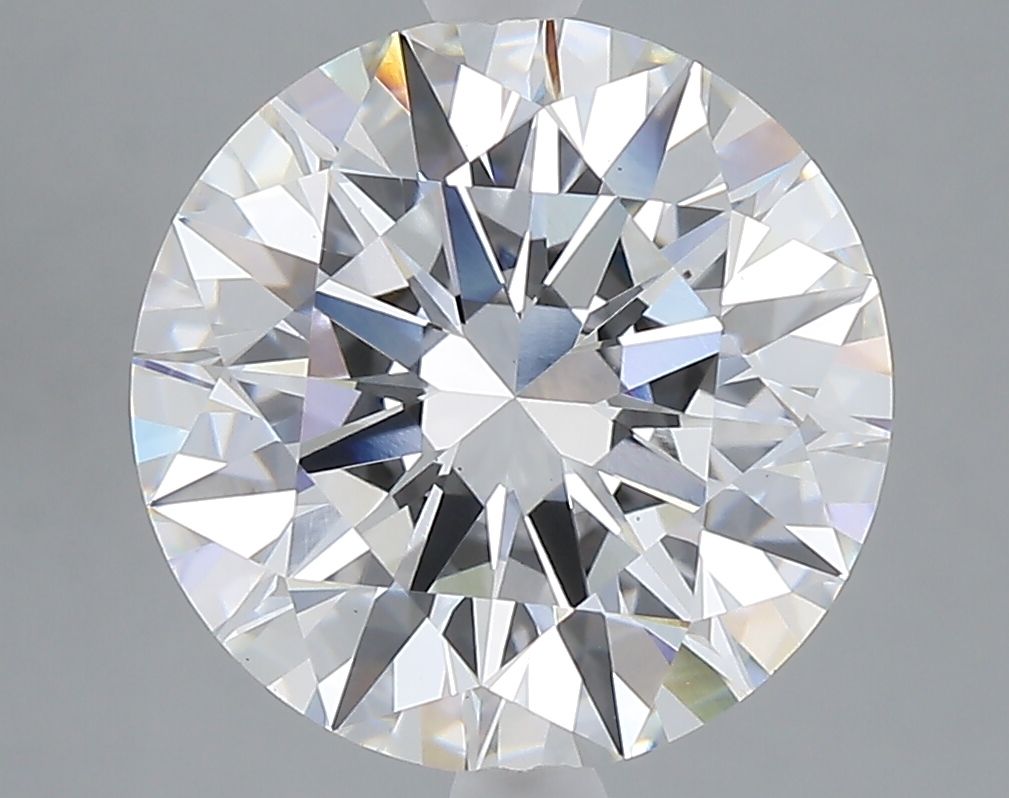
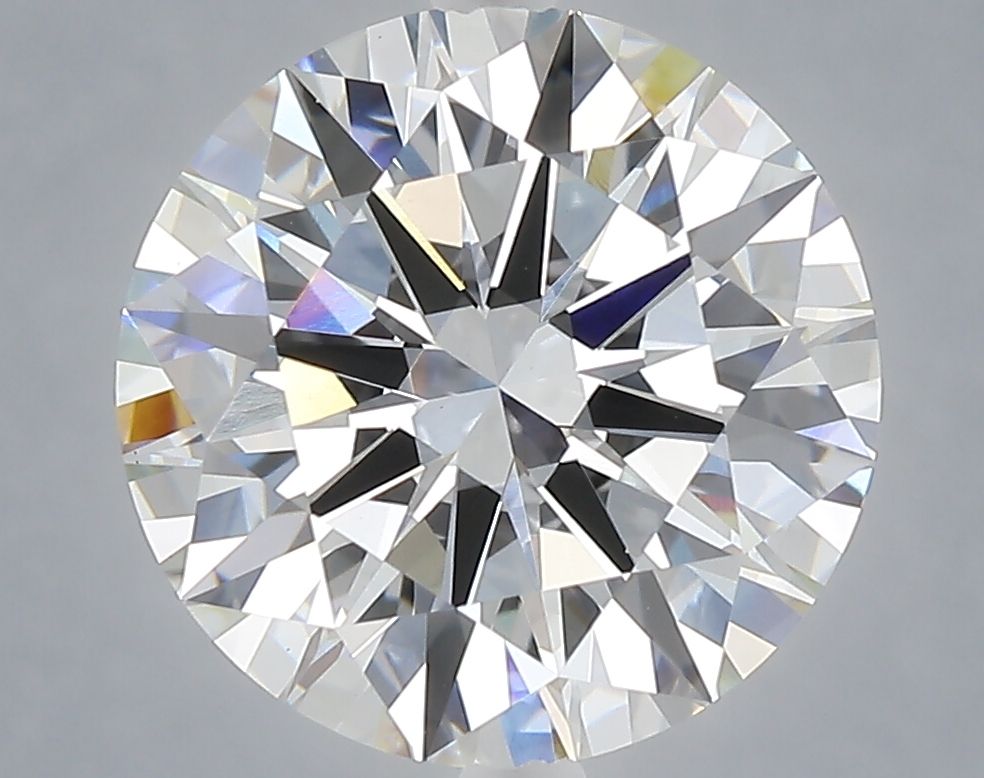
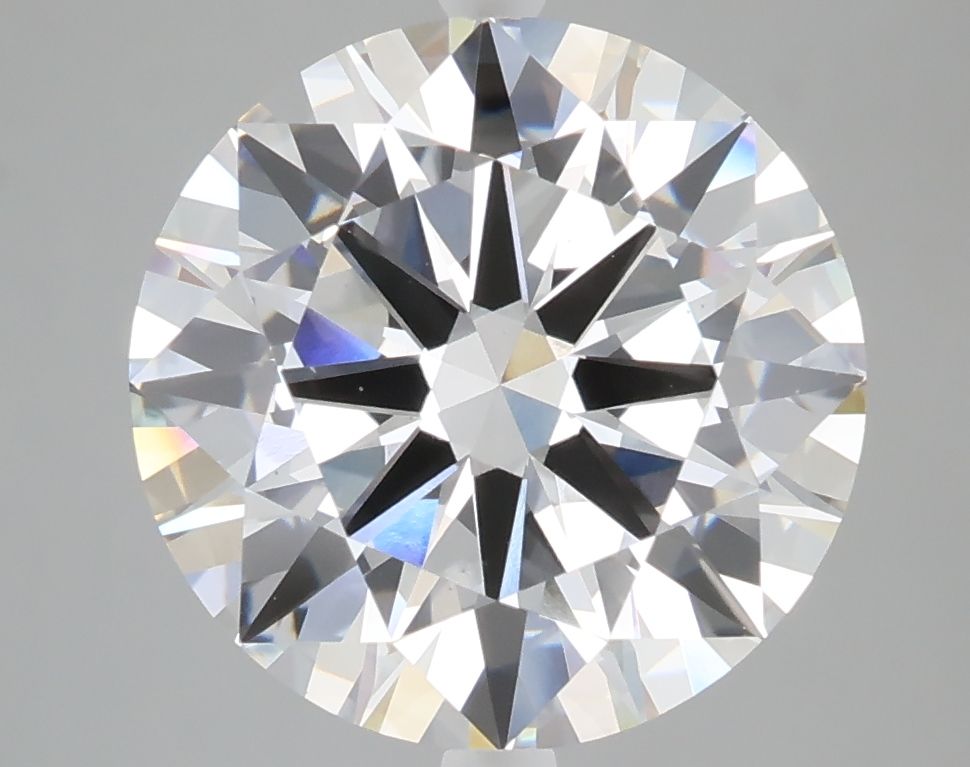
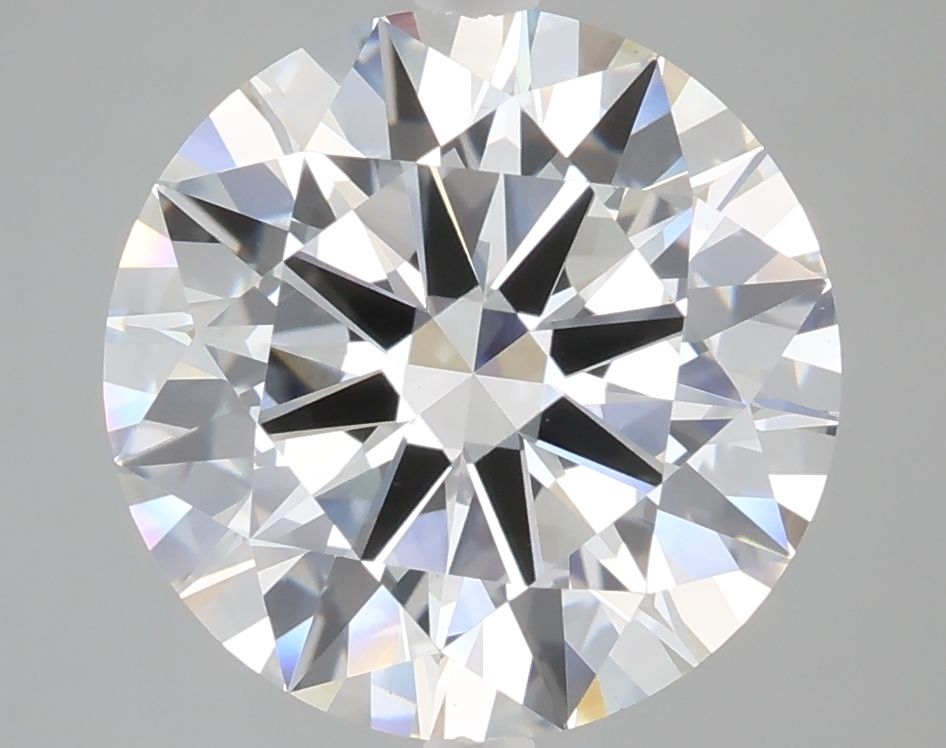
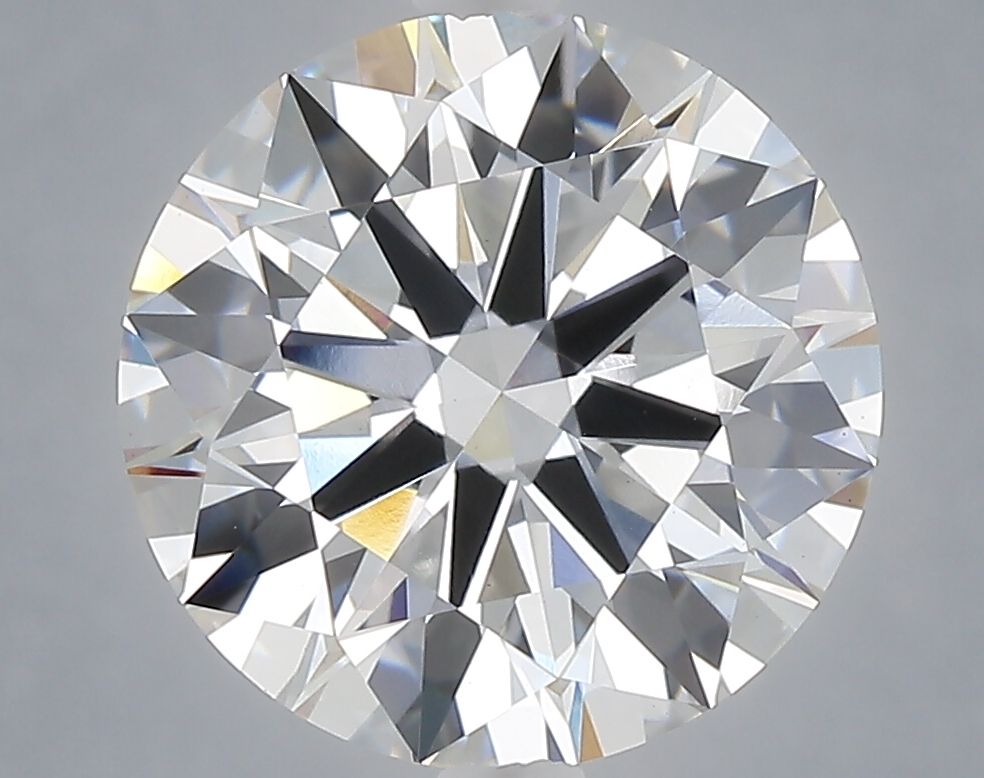
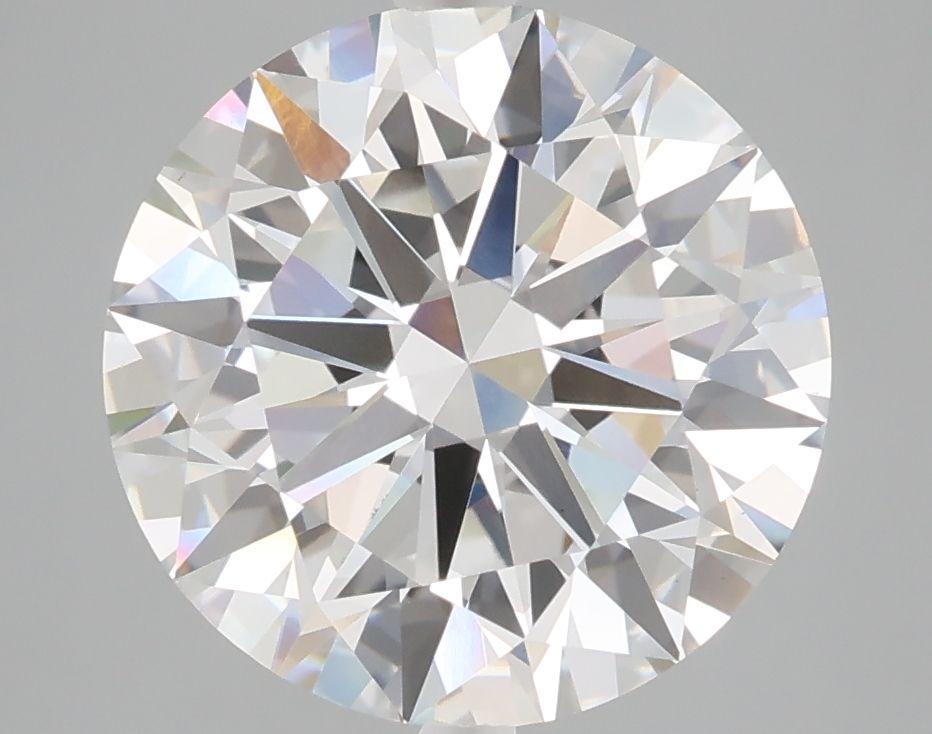
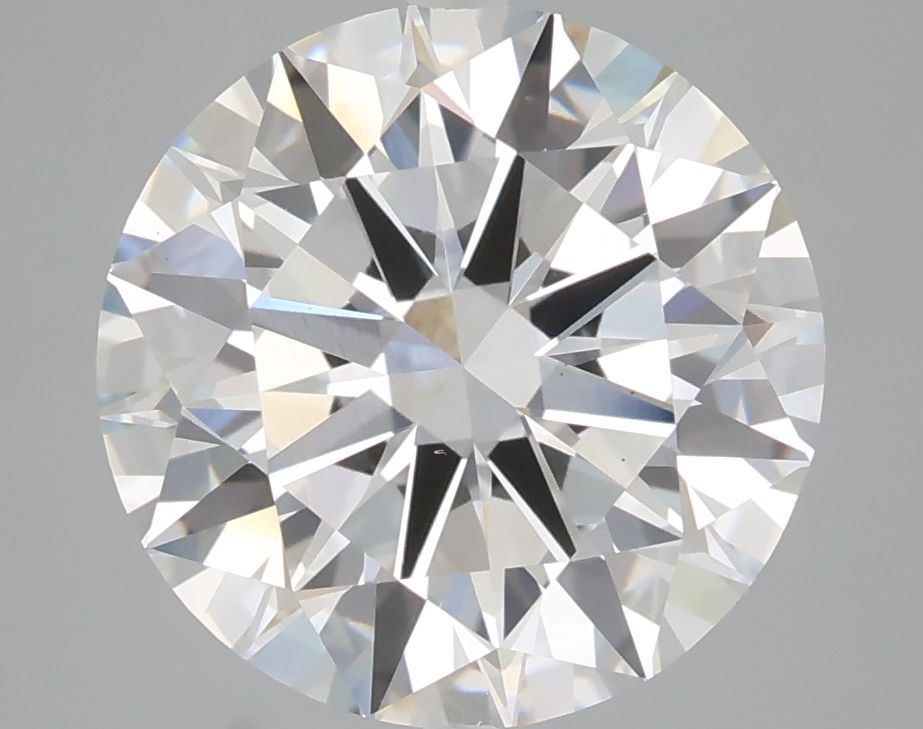
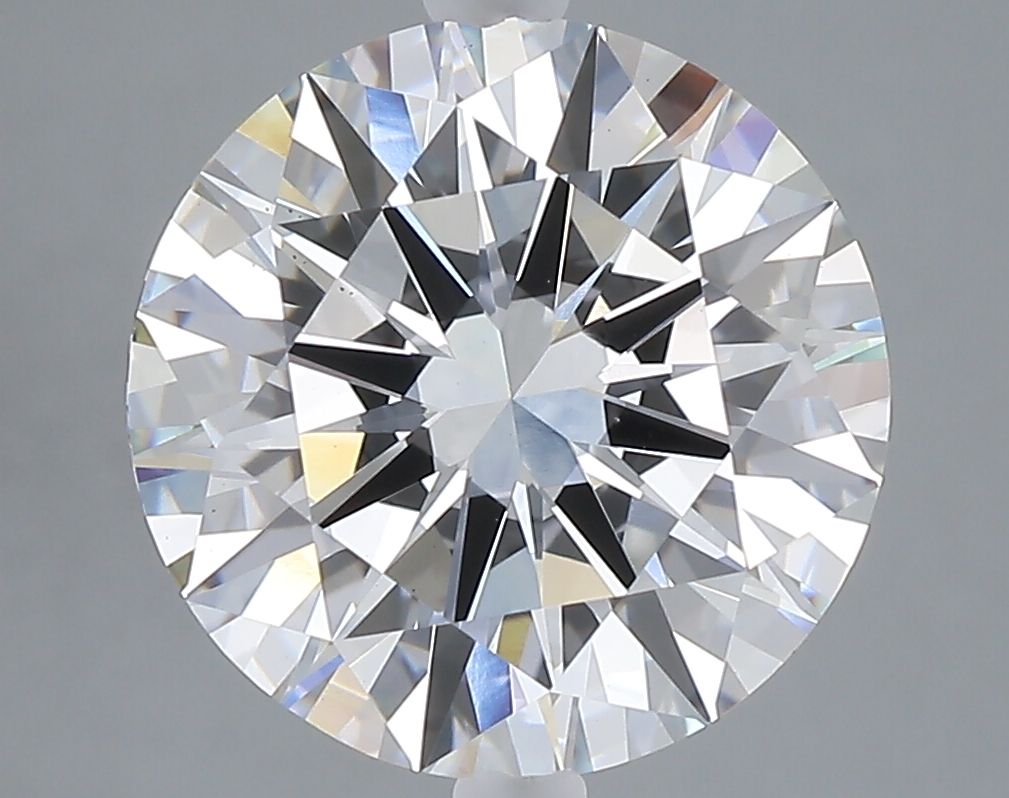
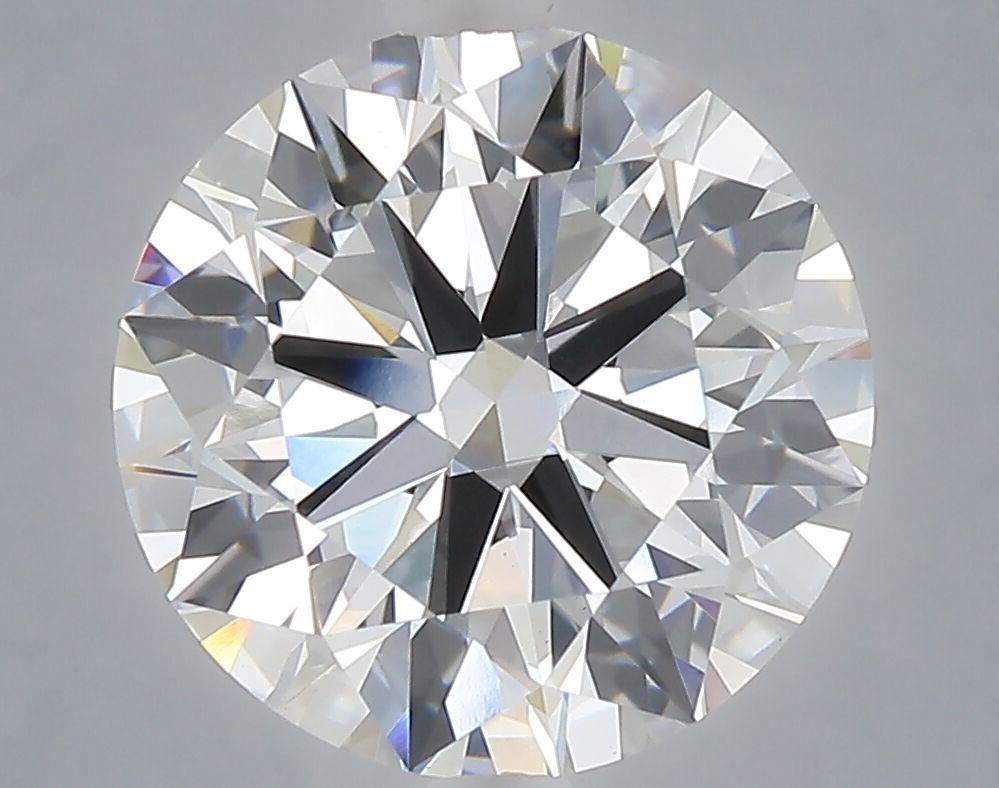
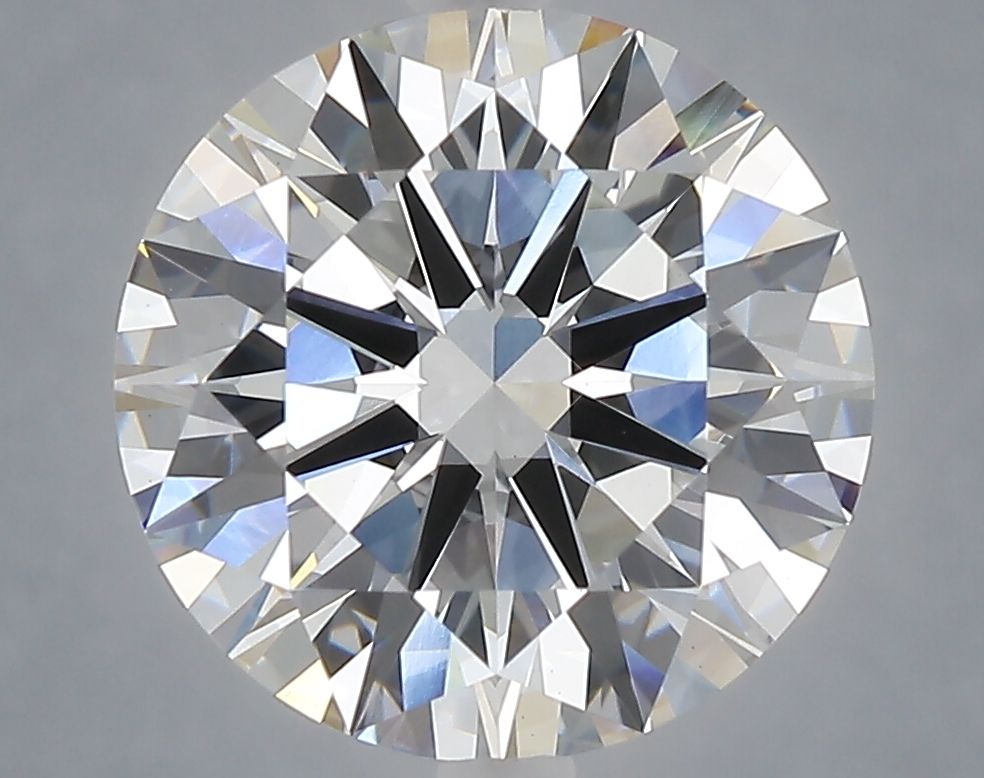
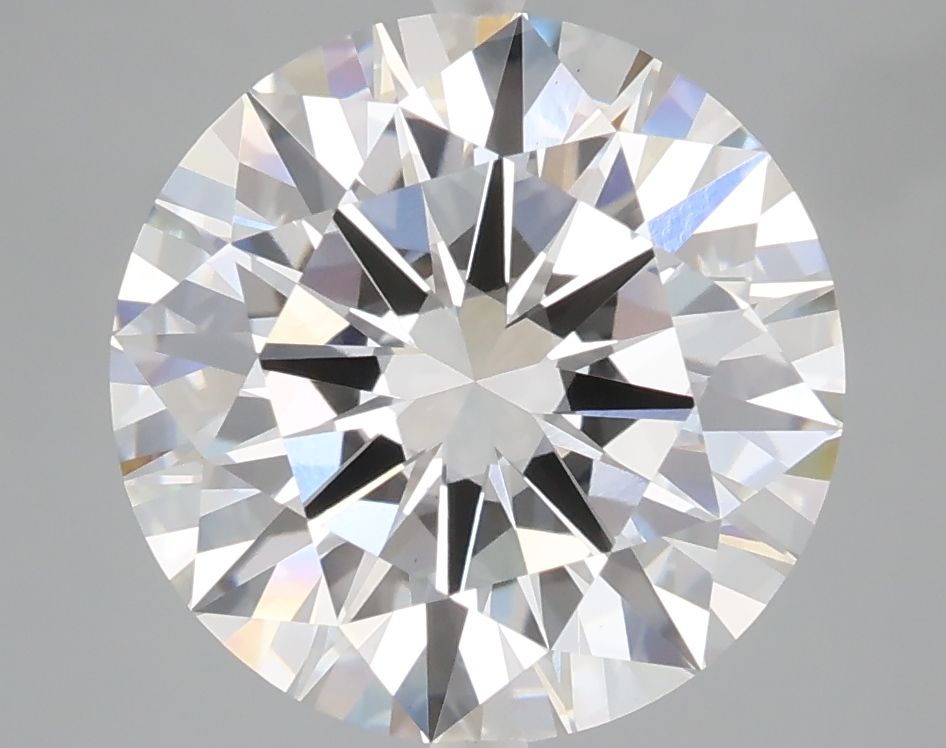
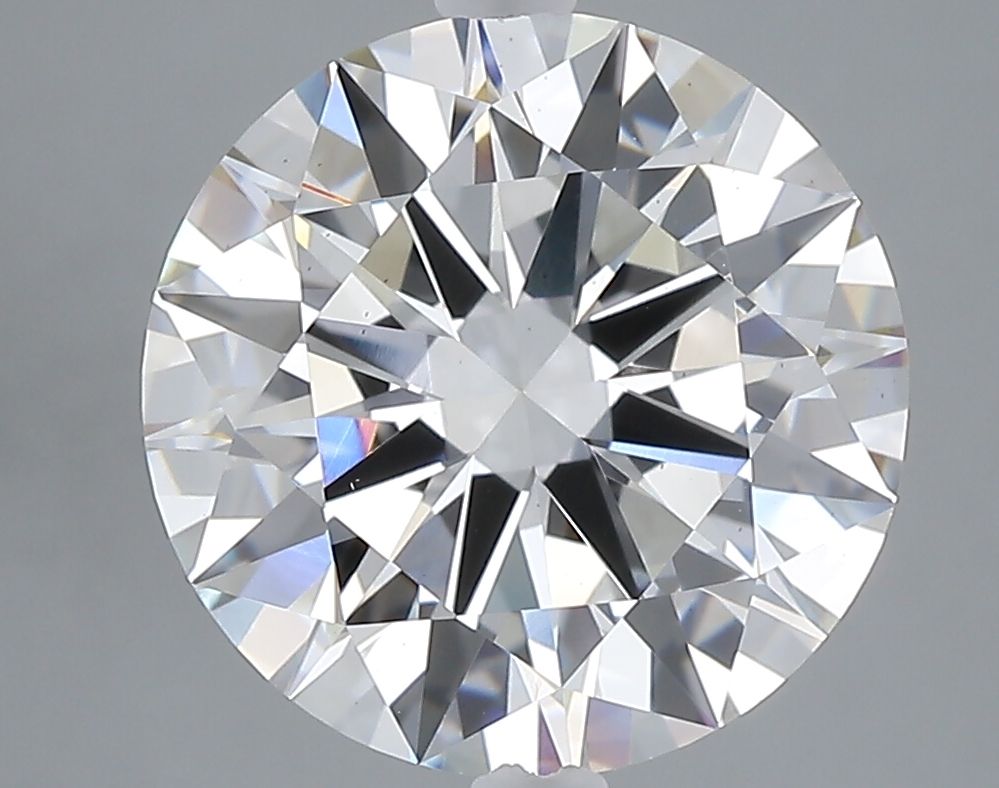
Above 5 carats the weight on the report tells you less about size than the measurements do, and what each line of a grading report records shows where to find them. A well-cut 5 carat round measures about 11.0 to 11.1 mm across. A 6 carat round is only about 0.7 mm wider, and doubling to 10 carats adds about 3 mm, to roughly 13.8 to 14.0 mm. Weight grows with the cube of the width, so each added carat buys less width than the last.
A 5 carat round that measures 10.7 mm is holding its extra weight below the girdle or in a thick edge, out of sight once set. At this weight, a few tenths of a millimeter can mean a quarter of a carat or more that you pay for and never see.
Decide on a top weight before you start. This page has no upper limit, and it is easy to drift up a few points at a time; past your number, spend on cut rather than carats. Prices tend to jump once a stone reaches 5.00 carats, yet one of 4.80 to 4.99 measures less than 0.2 mm narrower; those stones are on the 4 Carat page, so compare both sides of the line. Where the dated price table appears, its one row runs from 5.00 carats with no ceiling, so judge any price against stones close in weight.
Shapes That Carry a Large Stone
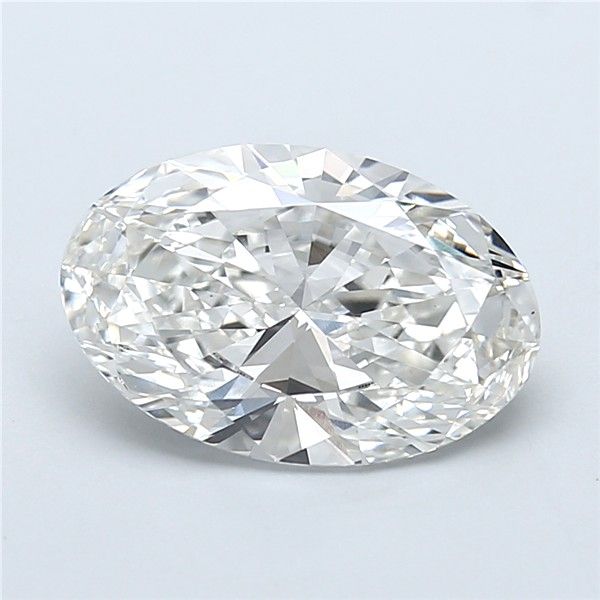
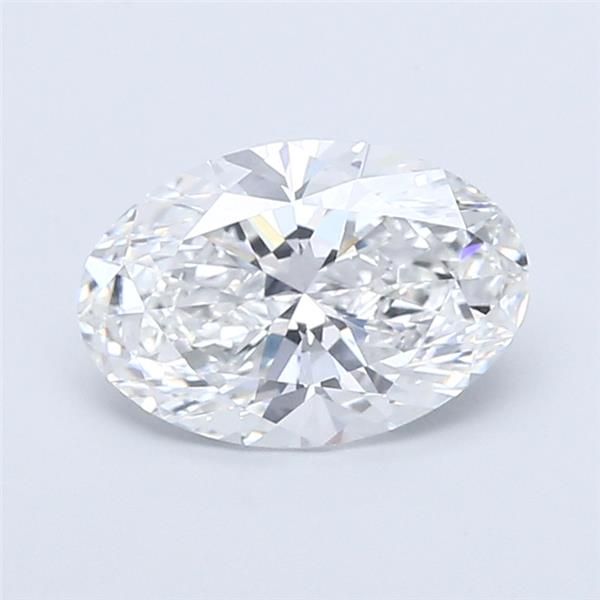
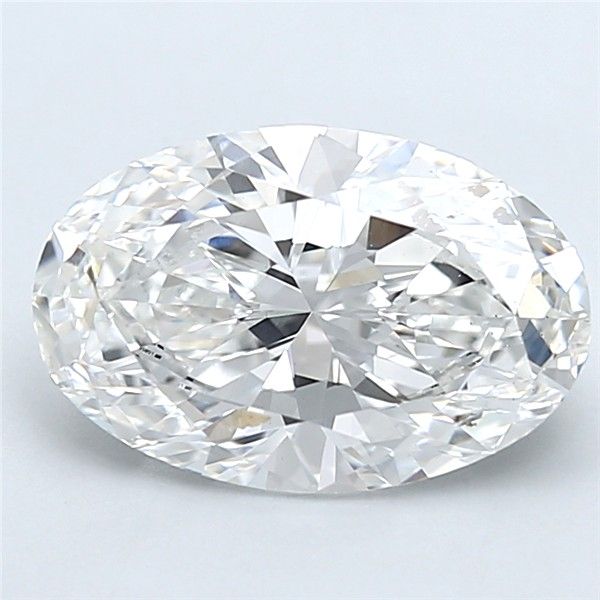
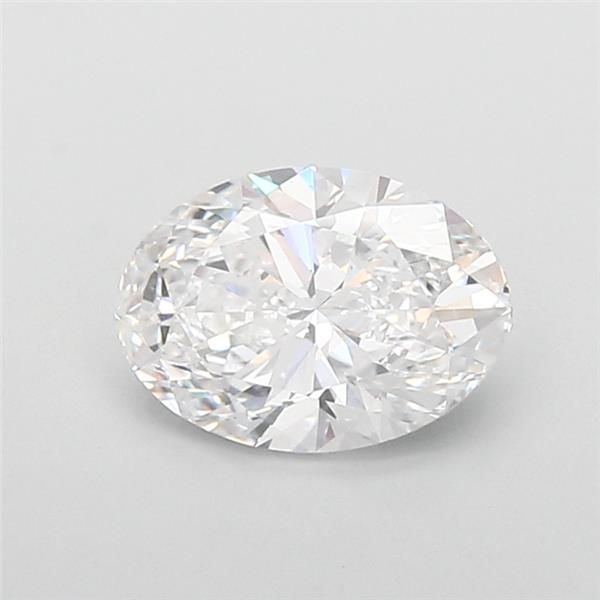
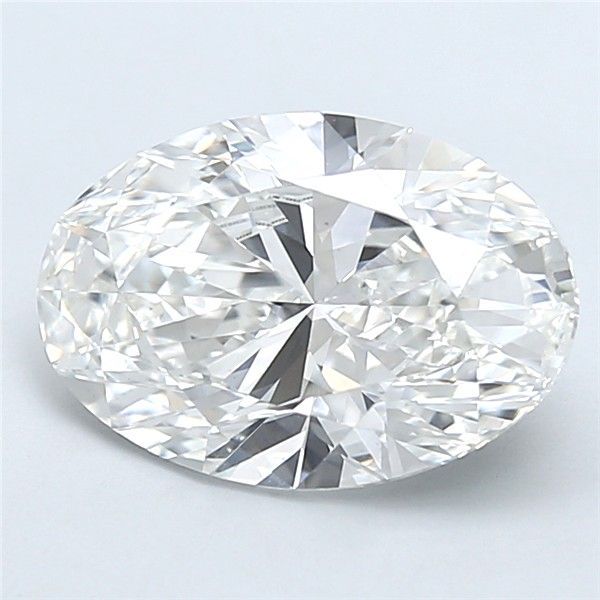
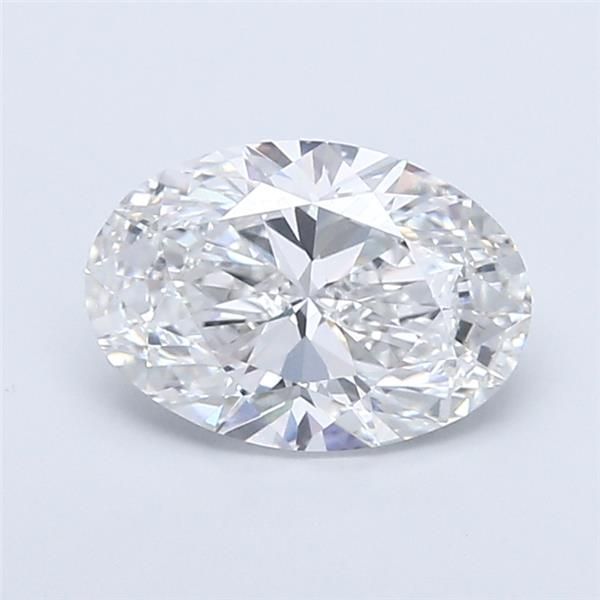
A 5 carat oval runs about 13.5 by 10 mm and looks larger than a round of the same weight. An emerald cut of about 11.5 to 12 by 8.5 mm gives broad, slow flashes that keep a big stone calm on the hand, while a radiant keeps the rectangle and adds a brilliant's sparkle. A cushion of about 9.4 to 9.7 mm a side faces up smaller than a round of the same weight, since many are cut deep, and it has no sharp corners to guard.
On a size 6 finger, about 16.5 mm across, a 5 carat round covers roughly two thirds of the width, and an oval set lengthwise about three fifths. Pears and marquises look larger still, about 15 by 9.5 mm and 17.5 by 8.5 mm, but at that length their points stand out, so have them held by V-prongs or a bezel and avoid an inclusion near a tip.
Appraisal and Insurance for a Large Diamond
A grading report describes a diamond's weight, measurements and grades; it puts no value on it. To insure a stone this size, many insurers ask for an appraisal, a written valuation stating what it would cost to replace the piece, or accept a recent receipt, and then list it on the policy by itself, which is called scheduling. Unscheduled, jewelry is often covered only up to a low theft limit on a home or renters policy. The Journal covers how insuring an engagement ring works.
Have the finished ring appraised rather than the loose stone, and keep the grading report with the appraisal, since its measurements help identify the diamond. Review the appraisal every few years: replacement cost moves with the market, and lab-grown prices can fall as well as rise, so an old figure can leave you short of cover or paying for more than you need.
Prices From Our Catalog
| Carat Weight | Median Price per Carat | Stones Counted |
|---|---|---|
| 5.00 ct and up | $284 | 112,741 |
The median price per carat of the 5 carat lab-grown diamonds on sale here in each band, in US dollars, as of November 2, 2026. The grid shows each stone’s own price in your currency.
What a Large Stone's Report Tells You
| Where It Appears | What to Look For | |
|---|---|---|
| Measurements | Near the top, after the shape and cutting style | On a round, two diameters and a depth in mm; set them against stones of similar weight, not against the carat figure |
| Total depth | With the proportions, often beside a diagram | On a round, close to three fifths of the diameter; much deeper and the face shrinks |
| Girdle thickness | With the proportions, in words such as Medium or Thick | Thin to slightly thick; very or extremely thick hides weight at the edge |
| Cut grade, polish and symmetry | With the grades | On a round, Ideal or Excellent cut from IGI; Excellent or Very Good polish and symmetry where listed; a recent GIA report gives one Premium or Standard rating instead |
| Inscription | Near the comments, where the lab inscribed the girdle | The report number and a lab-grown mark, lasered on the girdle; quote it on the appraisal so the stone can be identified |
Questions
What is the average price of a 5 carat lab-grown diamond here?
Where the dated price table appears on this page, it gives the median price per carat, in US dollars, for stones of 5.00 carats and up, as of the date beside it. Because the band has no upper limit, that figure mixes stones just over 5 carats with much larger ones, so treat it as a rough guide. Sort the grid by price and compare stones close in weight, shape and grades to the one you want.
How big does a 5 carat diamond look?
A well-cut 5 carat round is about 11.0 to 11.1 mm across, roughly two thirds of the width of a size 6 finger, so it reads as a large stone from across a room. Long shapes look bigger still: an oval of the same weight is about 13.5 by 10 mm and a marquise about 17.5 mm from tip to tip. Depth moves every figure, so check the measurements on each report.
Is a 5 carat diamond too big to wear?
Not in itself, if the size suits your hand and you are happy to give it some care. A stone this large sits wider and often higher, so it catches on gloves, sweaters and bag linings more often. A low setting, a bezel or a shape with rounded corners makes it easier to live with. On a slim finger it covers most of the width; on a broad hand it looks more in proportion.
Do I need VVS1 clarity or D color in a 5 carat diamond?
No. Clarity is graded at 10x magnification and color face down beside master stones, not on a hand. At 5 carats, take the lowest clarity that looks clean at normal size and the lowest color that looks white against your metal; in an emerald cut or Asscher, whose open steps show both, go a grade or two higher than in an oval or radiant. Beyond that, a better grade changes the report and the price, not the ring.
What should an appraisal of a 5 carat lab-grown diamond include?
It should say the stone is lab-grown and name the grading lab and report number, along with any girdle inscription. It should also give the weight, measurements and grades, and describe the setting: metal, weight and any side stones. A valuation that leaves out the origin can price the ring as a natural diamond, and you would then pay premiums on cover a claim would not support.