Purple Sapphires
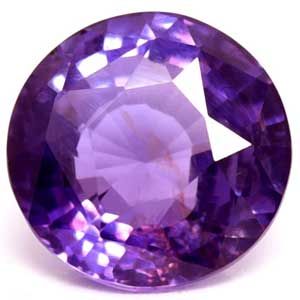
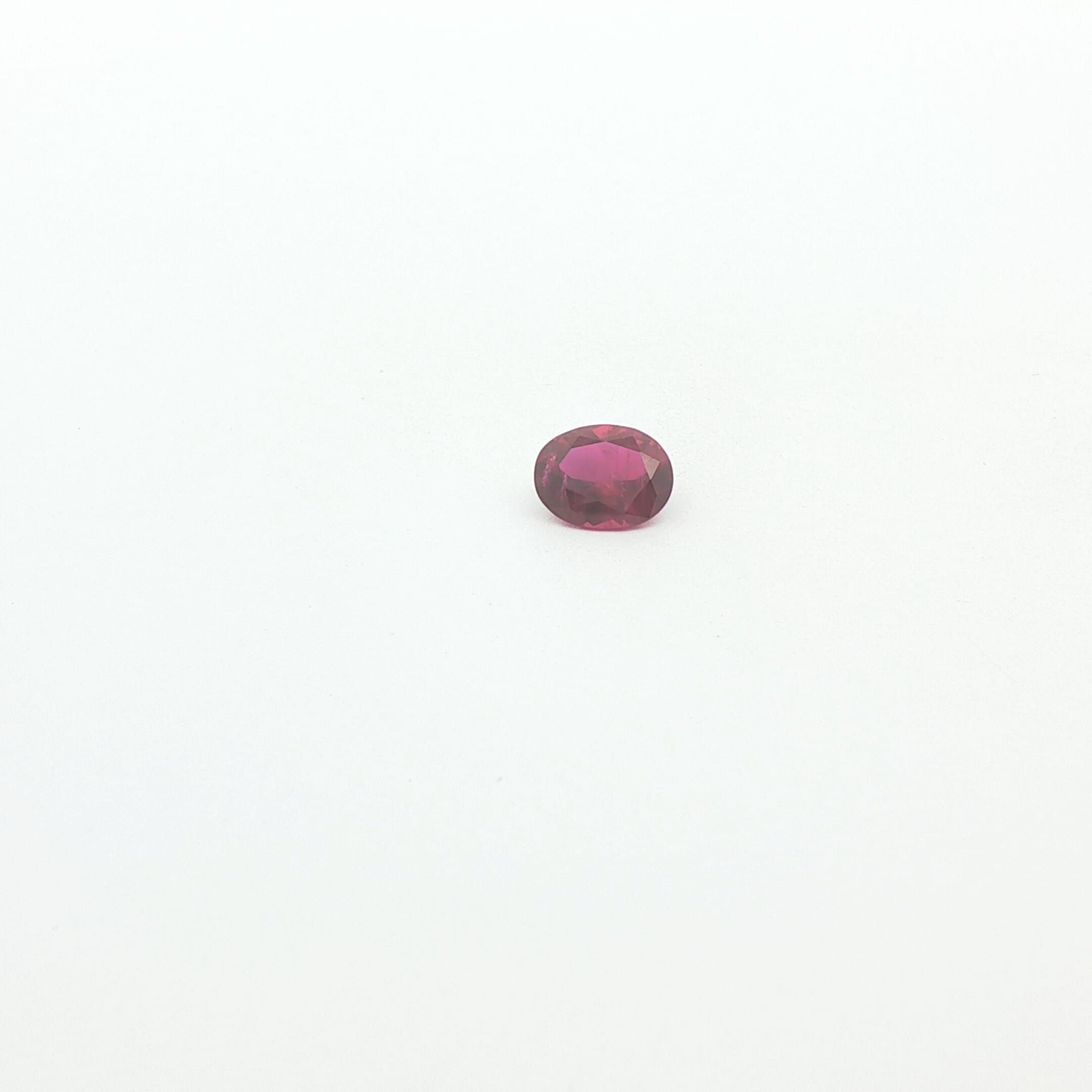
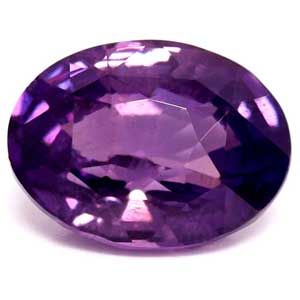
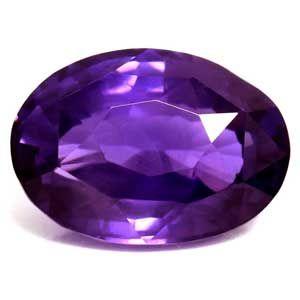
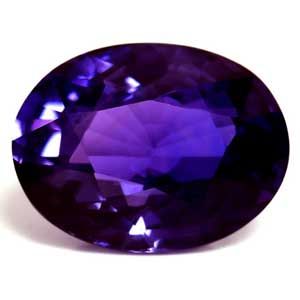
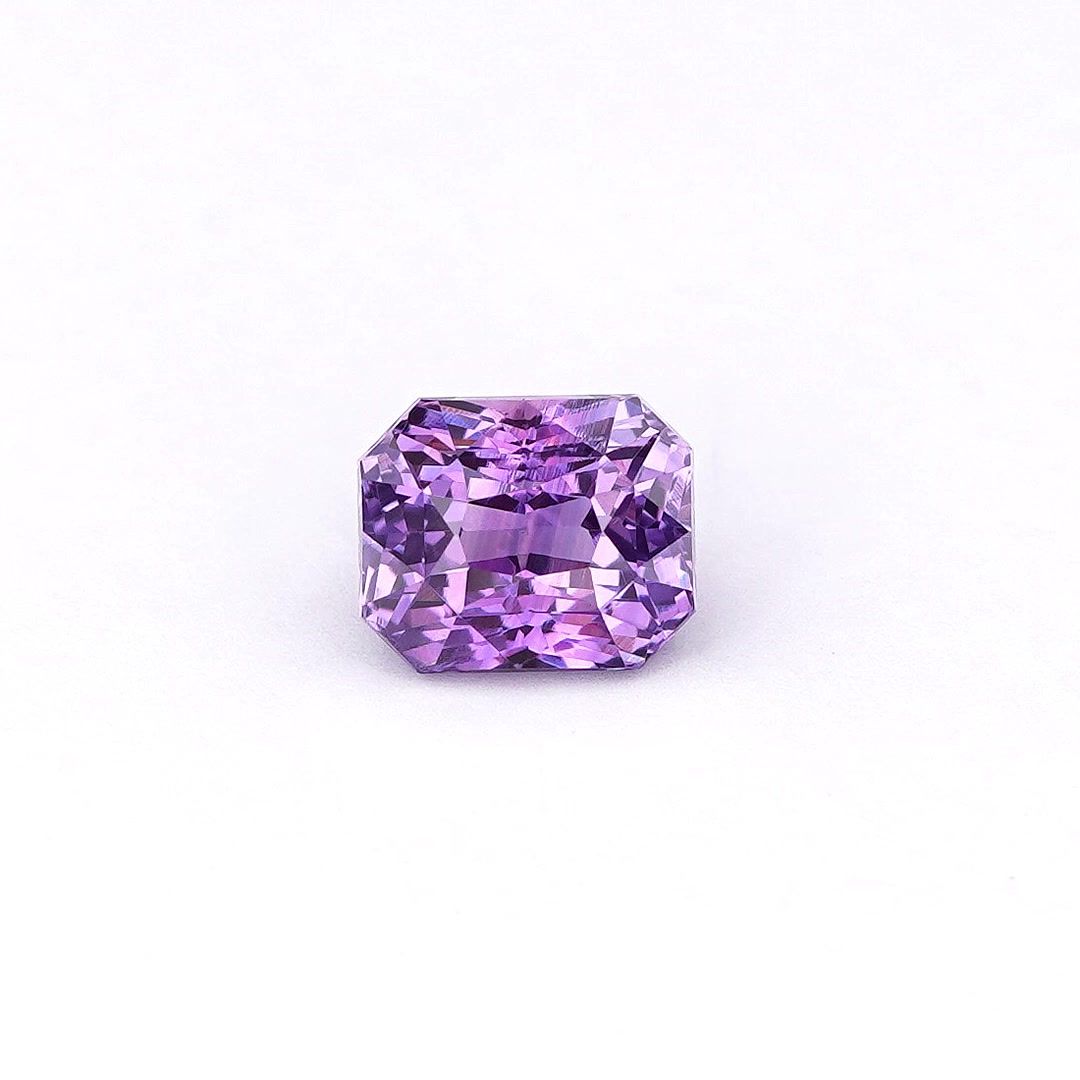
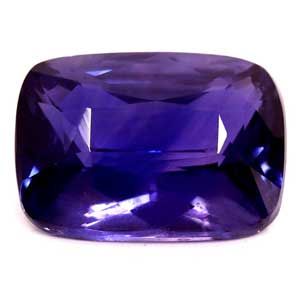
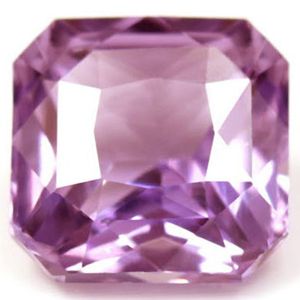
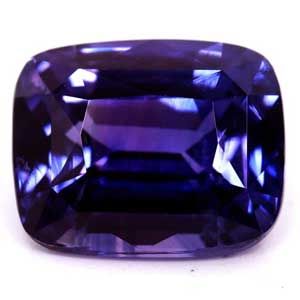
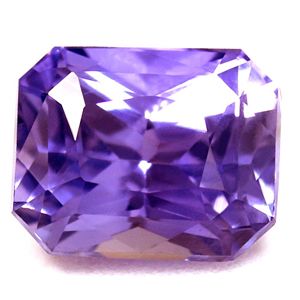
Natural purple sapphires, from a cool violetish purple to a warm reddish purple, each with an independent lab report.

- 136 Available
- From $1,059
- GIA, IGI and AGL Reports
- Free Insured Delivery Over $100










Good to Know
In Brief
Pay for strong, even purple in a medium to medium-dark tone, not for extra darkness, which turns inky indoors, or for a slightly bigger, grayer stone. Judge the color rather than the name: a violetish purple can look much like a violet-blue sapphire that costs more, and if two look the same, buy the cheaper one. A heated purple is a sound buy; pay a color-change premium only when the change is strong and the report notes it.
From Violet to Reddish Purple
GIA describes purple sapphire as always purple in its main color, running from violetish purple to reddish purple, medium to dark in tone, with saturation from weak to vivid. Chromium supplies the pink to red side of that color, and the blue comes from iron and titanium, the pair that colors blue sapphire; the balance between them places a stone. The cut matters too: sapphire shows slightly different shades along different directions, so one crystal can face up bluer or redder.
At each end, purple meets a neighbor. Lighten it and a lab may call it pink sapphire; push it toward strong red and it may be named ruby; push it toward blue and it is sold as blue sapphire. Labs draw those lines in their own places, so a stone near a border can carry either name. This page lists sapphires only: purple spinel and amethyst can share the color, and the report names the mineral.
Tone and Saturation Set the Price
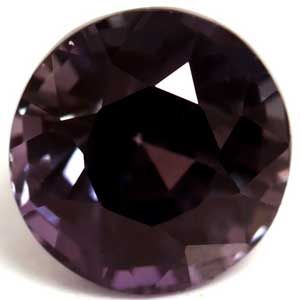
Which hue you prefer is personal; saturation and tone are where the money goes. Darkness is not richness: a dark purple can look inky, almost black, under an ordinary ceiling light, and a slightly bigger but grayer stone is the weaker buy, whatever its weight. Gray mutes a violet toward slate and a reddish purple toward dusty mauve.
Evenness comes next: a pale, see-through center, or a stripe of blue or pink crossing the face, lowers the value. Clarity, size and treatment follow, and an inclusion matters to the look only if it shows without magnification at the stone's real size, which is what an eye-clean stone means. A fine purple usually costs less than a fine blue or pink of the same size, which makes it a gentle way into strongly colored sapphire.
Sapphires That Shift in Lamplight
Many purple sapphires look a touch redder under a warm lamp than by a window; that ordinary shift is not a color change. A true color-change sapphire goes further. GIA describes the typical one as blue to violet in daylight-balanced light and violetish purple to strongly reddish purple under incandescent light, and calls the strength of the change the most important factor in its value. The change usually comes from vanadium or chromium alongside the iron and titanium that give blue.
A color change adds to the price. That premium is worth it only for a strong change, so check whether the stone's report notes one: a video shows the stone in a single light. Lab-grown color-change sapphire is made in quantity and often sold as alexandrite, and only a lab report reliably separates it from a mined stone. We sell no lab-grown gemstones.
Heat and the Report's Treatment Line
Purple sapphire is often heated, usually to reduce its blue component. That can move a stone from purple toward pink, so heat may decide which color name a stone ends up with. Heat is permanent, so a heated purple keeps the color you see, and it costs less than a stone whose report confirms no heat.
If a stone's page lists no treatment, read it as no treatment reported by the lab: gentle heating can leave little for a lab to find, so that falls short of proof the stone never saw heat. Each report states its own treatment and any origin the lab gives, and a stone's page repeats both; our glossary entry on lab reports says what a report is.
Purple in White, Yellow and Rose Gold
Purple moves with its metal. White gold and platinum keep a violetish purple cool and clear. Rose gold picks up the warmth in a reddish purple and tips it a little toward pink, which flatters it if you like that warmth. Yellow gold warms whatever it holds: it sets off a deep, balanced purple by contrast, but its reflections can mute a violet or warm a reddish purple further toward red, so if you chose either for its purple, set it in white gold or platinum.
Sapphire is 9 on the Mohs scale and tough as well, so a purple sapphire suits a ring worn every day.
Prices From Our Catalog
| Carat Weight | Median Price per Carat | Stones Counted |
|---|---|---|
| 1.50-1.99 ct | $2,987 | 14 |
| 2.00-2.49 ct | $2,698 | 32 |
| 2.50-2.99 ct | $3,387 | 28 |
| 3.00-3.99 ct | $3,457 | 35 |
| 5.00 ct and up | $6,988 | 16 |
The median price per carat of the purple sapphires on sale here in each band, in US dollars, as of November 2, 2026. The grid shows each stone’s own price in your currency.
Violetish Purple, Purple and Reddish Purple
| Violetish Purple | Purple | Reddish Purple | |
|---|---|---|---|
| How it reads face-up | Cool, with a hint of blue | Balanced, neither cool nor warm | Warm, edging toward magenta |
| Neighbor it can be mistaken for | Blue sapphire | Purple spinel or amethyst, which the report would name | Pink sapphire or, at its strongest, ruby |
| Under a warm lamp | Moves toward purple | Warms, with little shift | Reads pinker or redder |
| Setting metal to try | White gold or platinum | Any; white metal keeps it crisp | Rose gold for warmth; white metal to keep it purple |
| Watch for in the video | Gray that dulls the violet | A dark tone that blackens the edges | A pale tone that reads as pink |
Questions
How much is a 1 carat purple sapphire worth?
Its color decides far more than its weight. A vivid, even purple in a medium tone costs much more than a pale or grayish stone of the same size, and a report confirming no heat adds to the price. Use the carat filter to show stones just over 1 carat, order them by price in your currency, and compare their colors before the figures.
Which purple sapphire should I choose for an engagement ring?
One whose color you still like indoors: a medium to medium-dark purple with strong, even saturation, no gray and no pale center. Color looks deeper in a larger stone, so a purple that is just right at 1 carat can turn dark at 2 carats; if you want size, choose a slightly lighter tone, and watch the video for color that stays even as the stone turns.
Is purple sapphire valuable?
A fine one is, but purple prices sit below the top sapphire colors, so it buys strong color for less than a blue or pink of the same quality. Value rises with saturation, an even medium tone and size, and a strong color change adds more. Buy one for the color rather than to sell later: a dealer buying back a gem usually offers well under what it cost.
Is violet sapphire rare?
Violet sapphire usually means a stone between blue and purple, from a bluish violet to a violetish purple. Fine examples, strongly and evenly colored in a medium tone with no gray, are scarce, more so in larger sizes, while pale or grayish violets are common and cost far less. Rarity sets the price; whether you love the shade decides the buy.
What is the difference between amethyst and purple sapphire?
They are different minerals. Amethyst is quartz, 7 on the Mohs scale, so in a ring it scratches and its facet edges wear sooner; sapphire is corundum, at 9, and keeps its polish far longer. Amethyst is common in large, clean stones and costs much less for its size. The two can look alike, and the lab report names the mineral.
Which other gems are purple?
Amethyst is the most familiar, with tanzanite, purple spinel, iolite and some garnets among the others. Of these, spinel comes closest to sapphire in a ring: 8 on the Mohs scale, bright and durable, and a purple spinel often costs less than a sapphire of similar color. Tanzanite can split if knocked, so it suits earrings and pendants better than a daily ring.