Round Diamonds
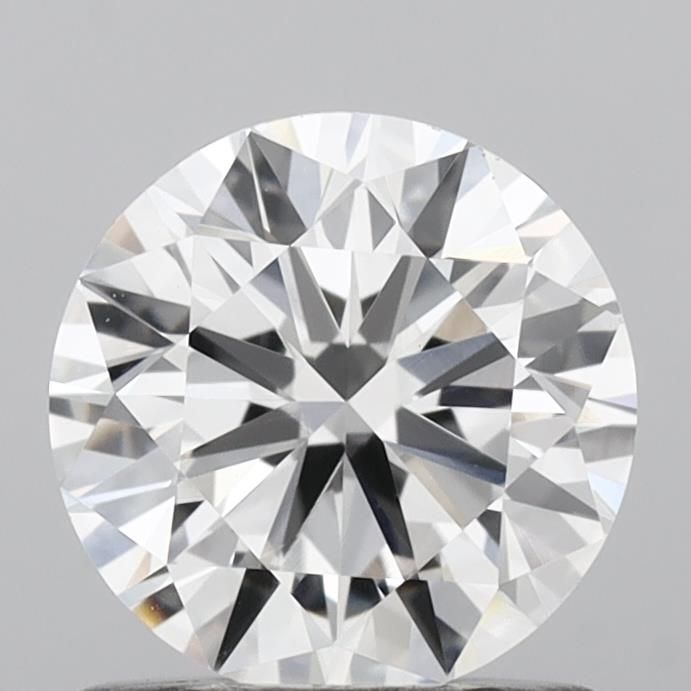
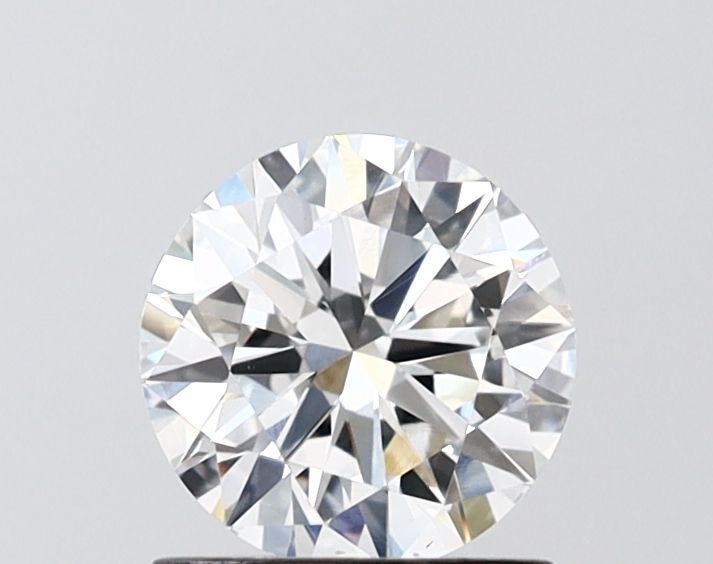
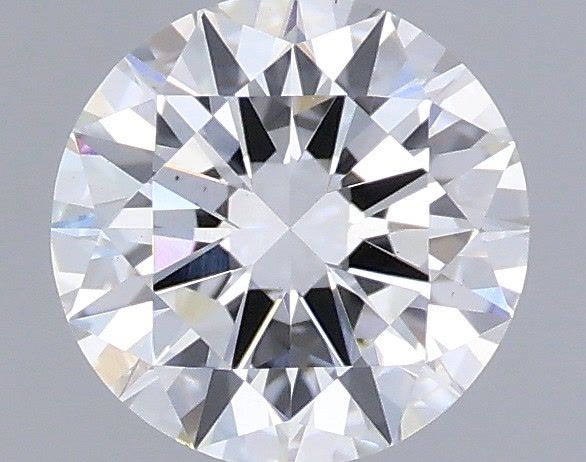
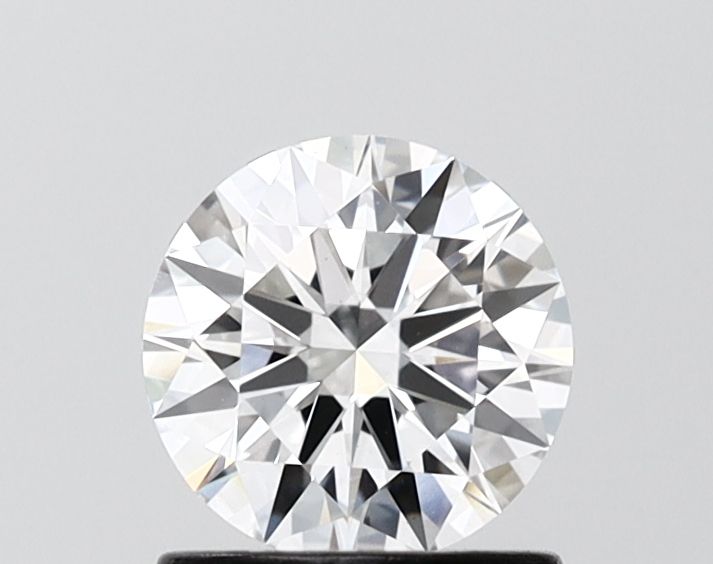
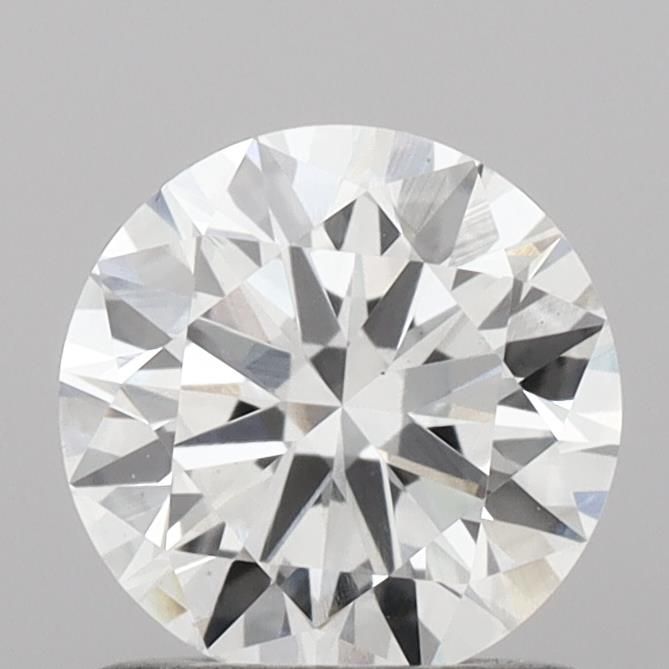
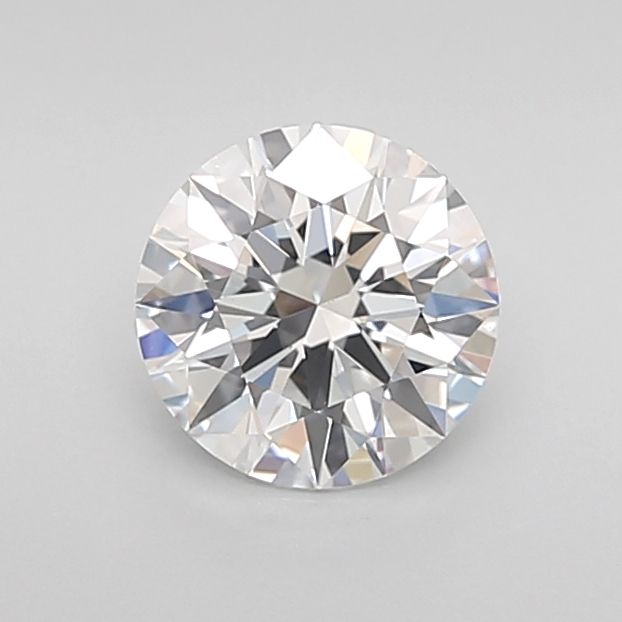
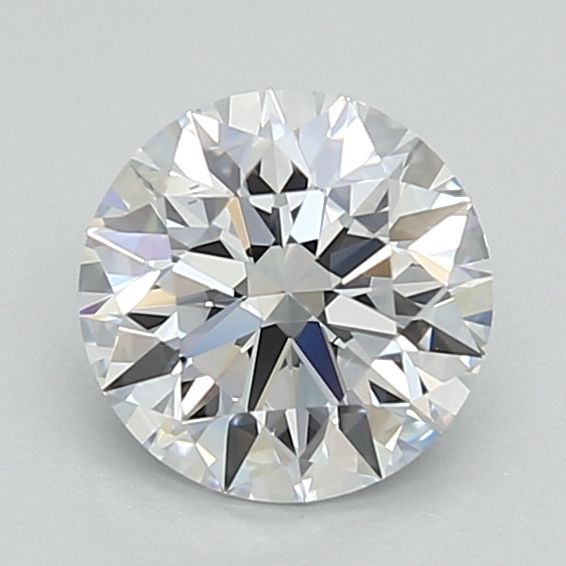
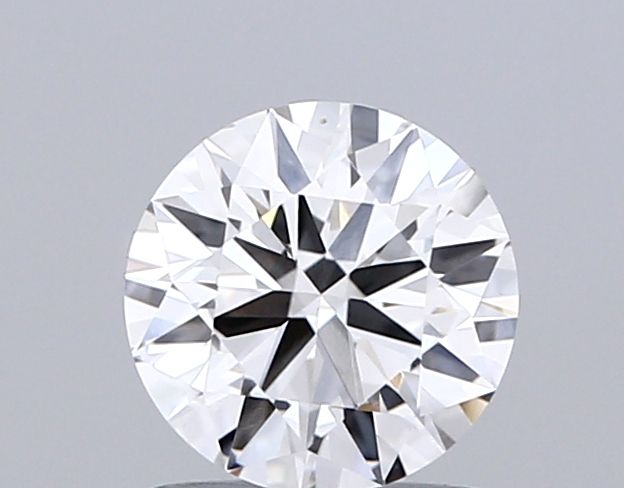
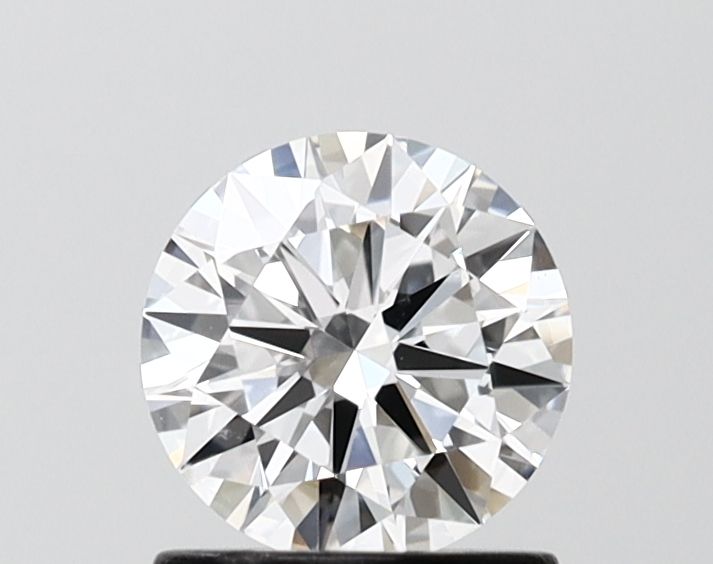
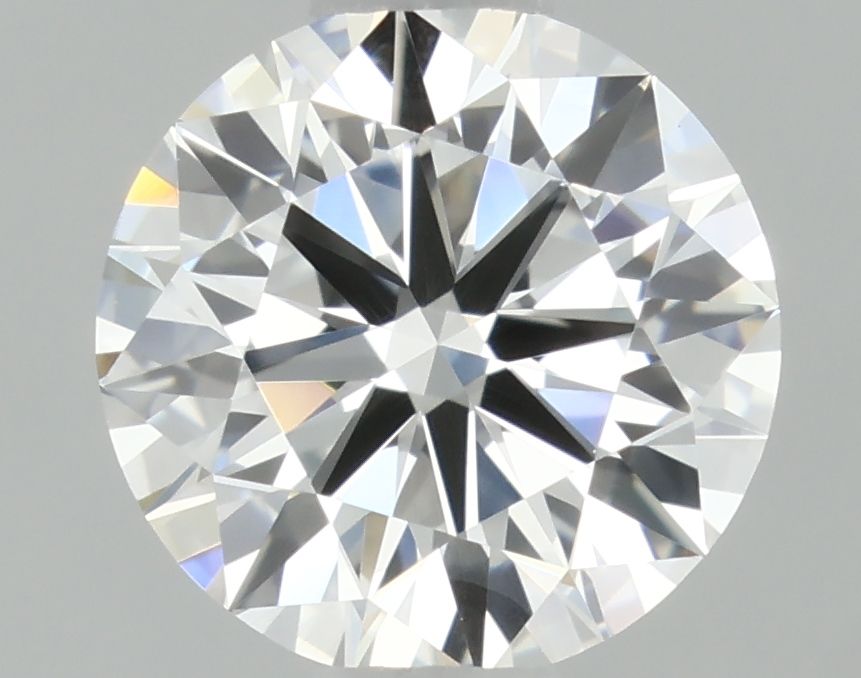
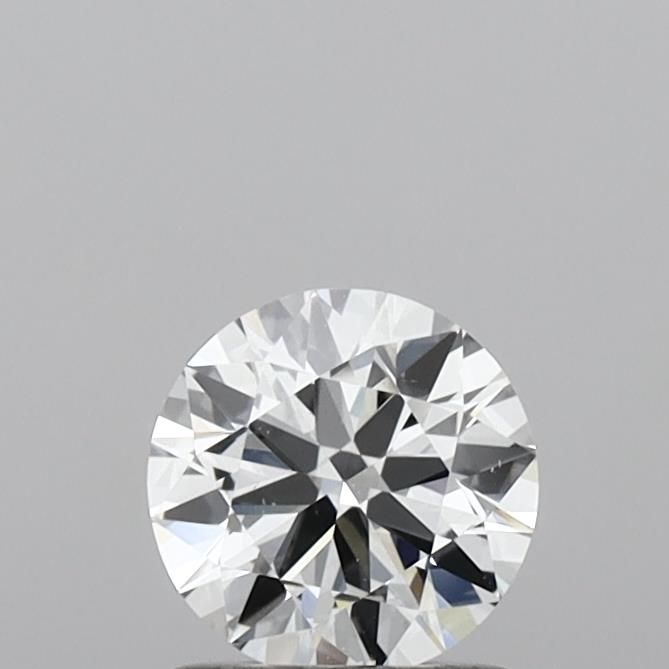
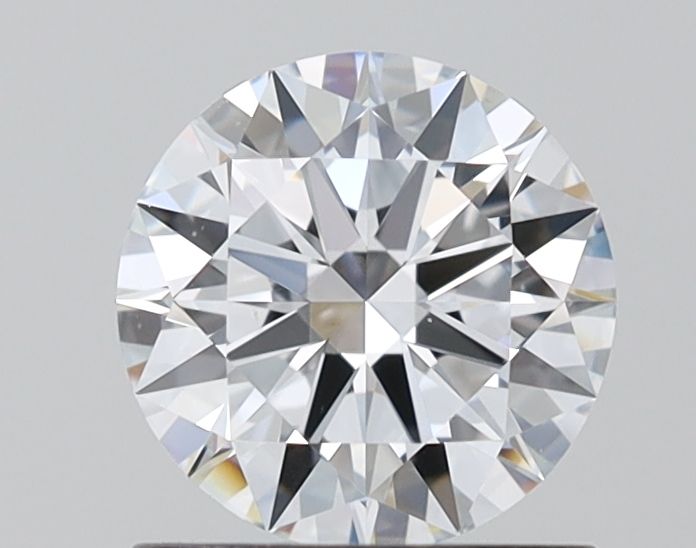
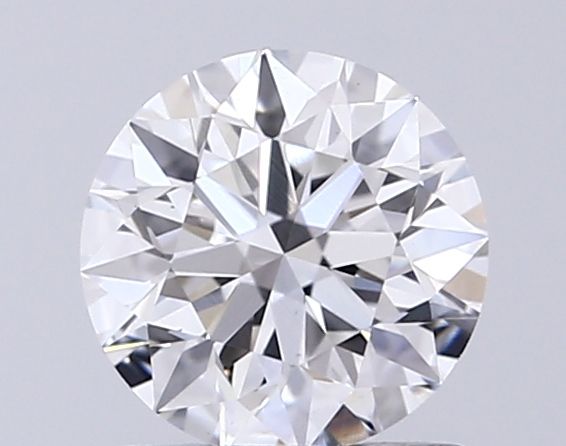
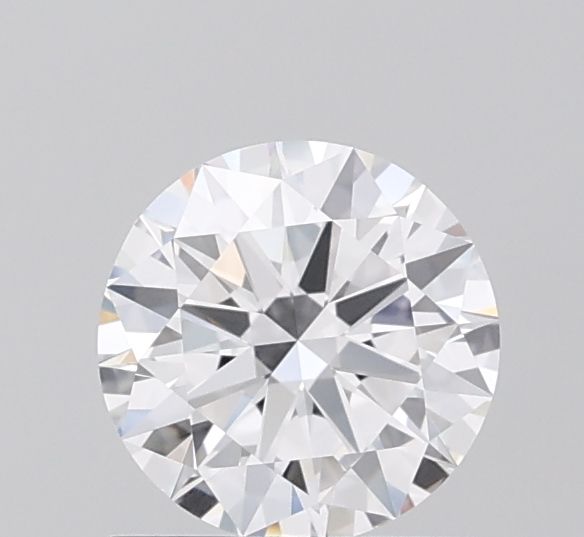
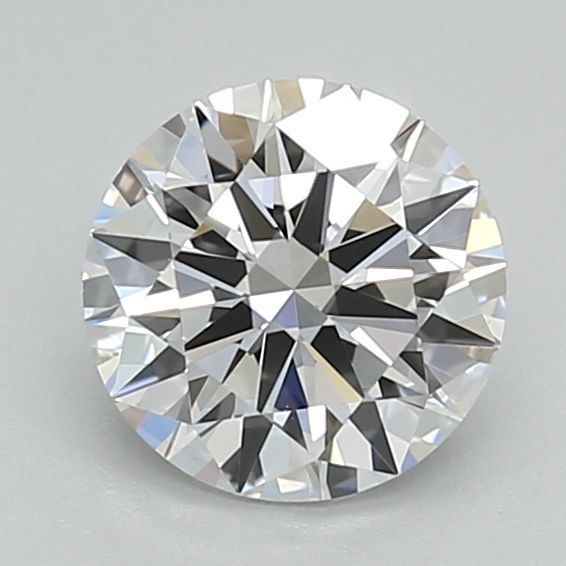
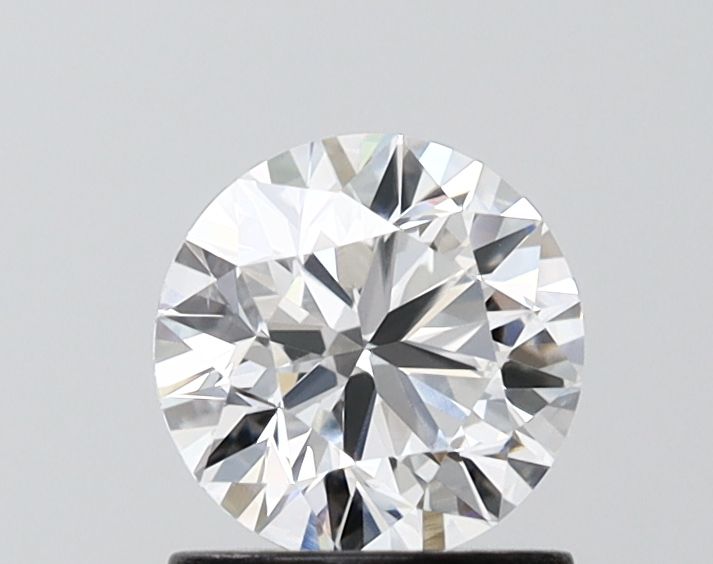
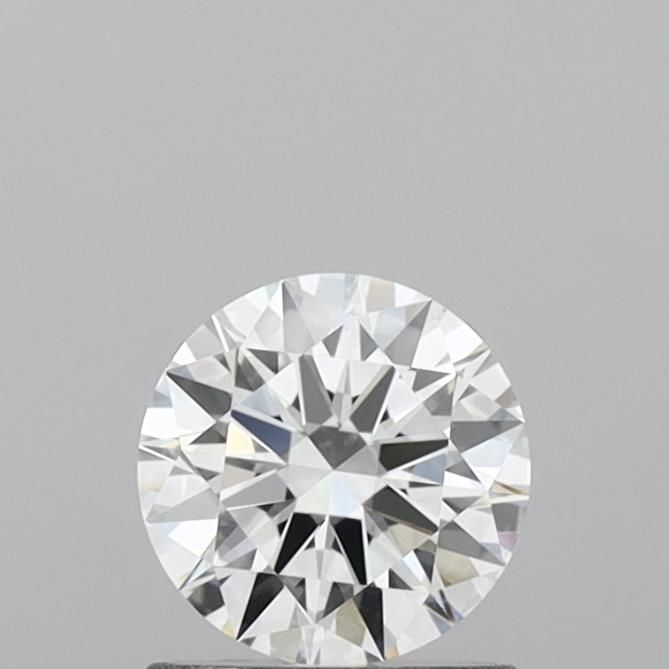
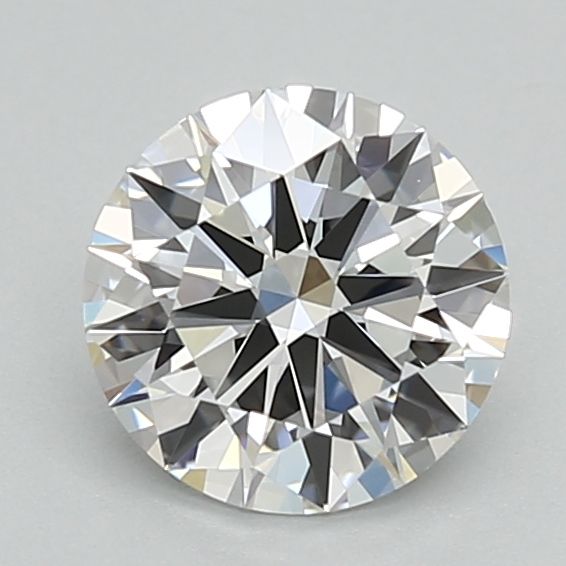
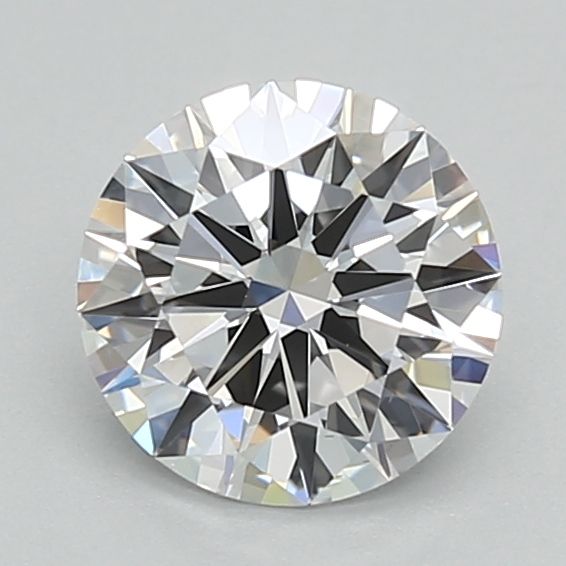
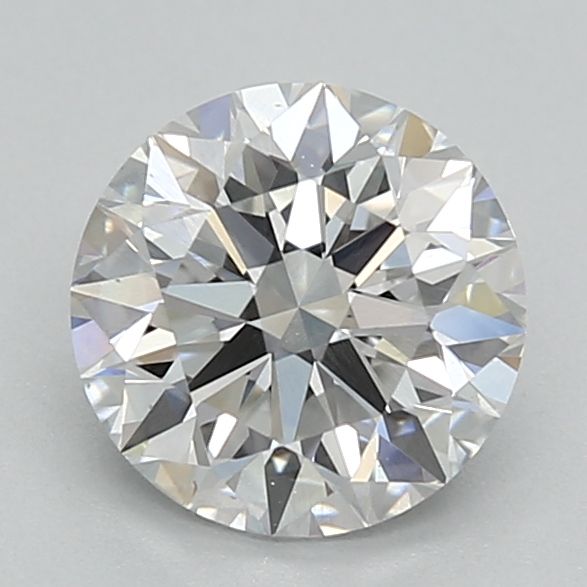
Round brilliant diamonds of both origins, all graded by IGI or GIA; each one's page lists its grades, its measurements and the price in your currency.

- Over 590,000 Available
- From $169
- IGI and GIA Reports
- Free Insured Delivery Over $100
Good to Know
In Brief
Let the cut grade do the work: GIA grades the cut of no other shape, and Excellent from GIA, or Ideal or Excellent from IGI, is as far as your money needs to go. A round hides a faint tint better than any other shape and small inclusions as well as any, so a G to I that is eye-clean at VS2 or SI1 usually looks as good once set as the top grades. Then judge size by the diameter in millimeters, not by the carat figure.
The Shape GIA Grades for Cut
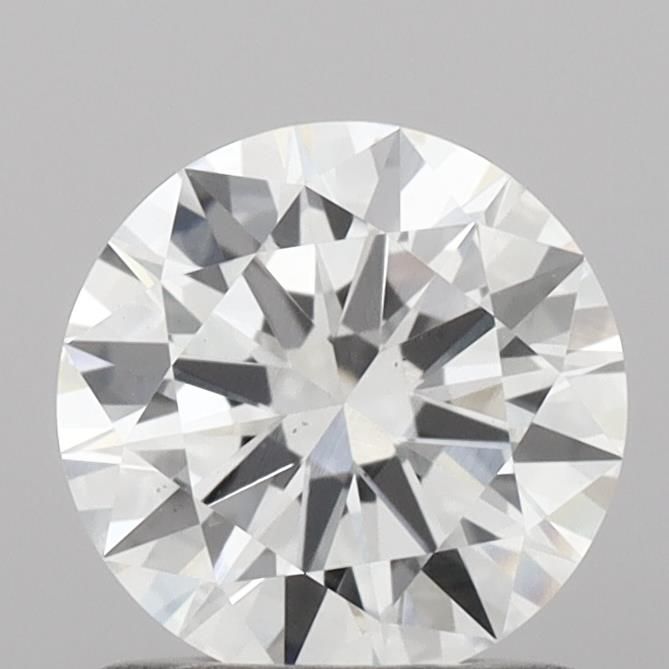
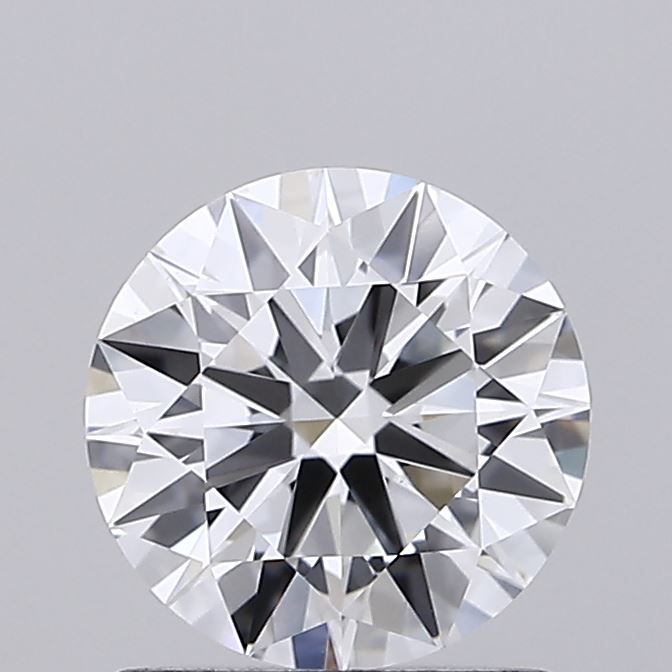
A standard round brilliant has 57 or 58 facets laid out to one plan, which is why GIA can grade how well a round is cut, from Excellent to Poor, weighing brightness, fire and sparkle with proportions, polish and symmetry. GIA gives no cut grade to an oval, a pear or any other fancy shape. IGI grades rounds too, but only some of its fancy-shape reports carry a cut grade, so only the round has one from both labs.
Let that grade lead. An Excellent round sends light back evenly from edge to center, while a poorly proportioned one leaks light through the pavilion and can look dark or washed out in the middle. Past Excellent, or Ideal on an IGI report, the cut has done its job: spend the rest on size, or keep it. How diamond cut grades work walks through the scale.
Table, Depth and Light Return
The report lists the proportions behind a round's cut grade: table, total depth, crown and pavilion angles, and girdle. Many of the brightest rounds have a table a little over half the stone's width, a total depth near three fifths of it, and a pavilion angle close to 41 degrees, which bounces light back up through the top. The table and depth guide sets out the ranges in figures.
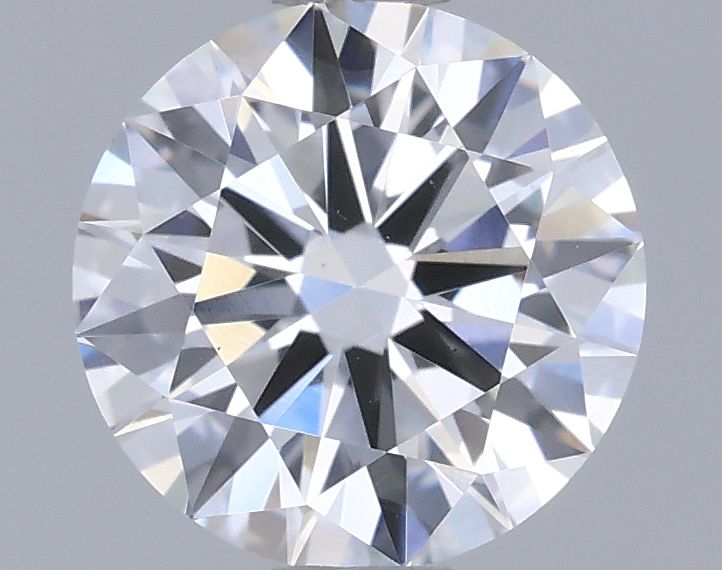
A round cut deep carries weight below the girdle, where no one sees it, so it faces up smaller than its carat weight suggests. One with a shallow pavilion can show a dull, whitish ring, its own girdle reflected through the table, called a fish-eye. The cut grade already marks both down; in the video, look for a crisp, even pattern of light and dark.
Millimeters Tell You More Than Carats
Carat is a weight, and what anyone sees is the width across the top. A well-proportioned round of 0.50 carat measures about 5.1 to 5.2 mm, 1 carat about 6.4 to 6.5 mm, and 2 carats about 8.1 to 8.2 mm. Twice the weight makes a round only about a quarter wider, because the extra weight goes into depth as well as spread.
A stone's page lists its measurements: for a round, the first two figures are its diameter taken two ways and the third is its depth. Compare stones of similar weight by diameter and you may find a 0.96 carat round as wide as a 1.03. Our guide to carat weight sets weight against size.
Where a Round Lets You Save
A round usually costs more per carat than a fancy shape of the same grades: shaping a circle from the rough crystal cuts more of it away, and more buyers want one. Win some of that back in grades the eye cannot read. Its many small facets break light into quick flashes that hide a small inclusion or a faint tint better than an emerald cut's open facets, so a VS2 or SI1 with nothing visible in the video often looks the same as a VVS once set.
A G, H or I round faces up white in most settings; only in platinum or white gold, with no warm metal to blend into, do many buyers move up a grade. Then shop just below the weights where prices step up, such as 0.90 to 0.99 instead of 1.00, or 1.40 to 1.49 instead of 1.50. The diameter barely changes, and the price does.
Hearts and Arrows, Ideal and Other Labels
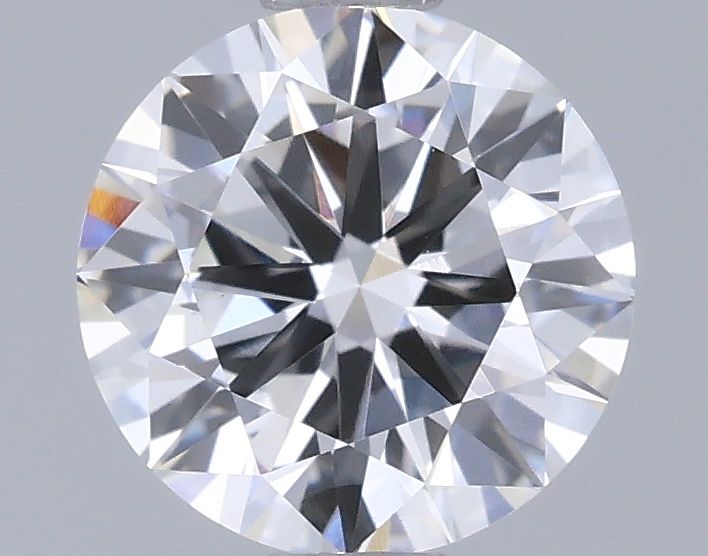
Hearts and Arrows names a pattern seen through a special viewer: eight arrows from above and eight hearts from below, when a round's facets line up with unusual precision. IGI can note it in a report's comments, but it is not a grade on either lab's scale. Nor is Triple Excellent, a seller's shorthand for Excellent cut, polish and symmetry, or Super Ideal, a seller's name for tighter proportions and optical symmetry than Excellent requires. Ideal is the top of IGI's cut scale for rounds and a selling word elsewhere.
A premium for these names buys precision you see mainly through the viewer: in a ring at arm's length, a well-cut Excellent round without the label is very hard to tell from one with it. Keep the difference, or spend it on width you can see.
Prices From Our Catalog
| Carat Weight | Median Price per Carat | Stones Counted |
|---|---|---|
| 0.30-0.49 ct | $2,063 | 142,309 |
| 0.50-0.74 ct | $2,517 | 79,155 |
| 0.75-0.99 ct | $3,094 | 24,137 |
| 1.00-1.49 ct | $352 | 119,804 |
| 1.50-1.99 ct | $309 | 82,533 |
| 2.00-2.49 ct | $315 | 51,452 |
| 2.50-2.99 ct | $287 | 29,746 |
| 3.00-3.99 ct | $300 | 33,392 |
| 4.00-4.99 ct | $277 | 18,854 |
| 5.00 ct and up | $278 | 25,805 |
The median price per carat of the round diamonds on sale here in each band, in US dollars, as of November 2, 2026. The grid shows each stone’s own price in your currency.
Round, Oval and Cushion Side by Side
| Round | Oval | Cushion | |
|---|---|---|---|
| Cut grade on a GIA report | Yes, Excellent to Poor | No | No |
| Usual length-to-width | 1.00, a true circle | About 1.30 to 1.50 for most buyers | About 1.00 to 1.05 if square, longer if elongated |
| Bow-tie | None | Usually some, from faint to dark | Rare in square ones, possible in elongated ones |
| How it shows inclusions | Hides small ones well | Hides small ones well | Crushed-ice styles hide them; chunky facets show more |
| How it shows color | Hides a faint tint best | Tint can gather at the ends | Tends to show tint, so many buyers go a grade higher |
| Face-up size for its weight | The benchmark | Looks larger than a round of the same weight | Often looks smaller, as many are cut deep |
| Price per carat against a round | Usually the highest of the three | Usually lower | Usually lower |
Questions
Are round diamonds more expensive than other shapes?
Usually, yes, per carat. A round tends to cost more than an oval, cushion or princess of the same weight and grades, and like every shape it steps up in price at weights such as 1 and 1.50 carats. To see the gap yourself, choose a carat range and grades in the grid, sort by price, then run the same filters on a fancy shape.
What are good measurements for a round diamond?
On the report, look for two diameter figures within a few hundredths of a millimeter of each other, which means the outline is truly round, a girdle from thin to slightly thick rather than very thick, where hidden weight sits, and a culet of None or Very Small. Then compare diameters at the same weight: a 1 carat round near 6.4 mm across shows its weight, and one well under that carries some below the girdle.
How many carats is a 7 mm round diamond?
About 1.25 to 1.30 carats, if it is cut to good proportions. Depth changes the answer: a deeper stone of the same width weighs more and a shallower one less, which is why two 7 mm rounds can differ in carat weight and price. To shop by size, set the carat filter to roughly 1.20 to 1.35 and check each stone's diameter on its page.
Should I choose a lab-grown or a natural round diamond?
They look the same, and only a gem lab can tell them apart; a lab-grown stone's report says it is lab-grown. A lab-grown round usually costs much less than a natural one that looks alike, so the same budget buys a wider or whiter stone; a natural one is rarer, formed in the earth. Use the grid's Grown or mined filter to compare the two at the same carat weight and similar grades.
What are small round diamonds called?
Melee. The trade uses the word for small diamonds, usually under about 0.20 carat, set in pavé bands, halos and around a center stone. They are bought in matched parcels rather than one at a time, so they rarely have reports of their own. Every diamond listed on this page, by contrast, has its own report from IGI or GIA.
Why is the round the most popular diamond shape?
Because it is cut to return as much light as any shape can, with an even sparkle from edge to edge, and it suits every setting, from a solitaire to a halo or a three-stone ring. It also has no points or corners that need guarding, so it sits securely in a plain four- or six-prong setting.