Loose Sapphires
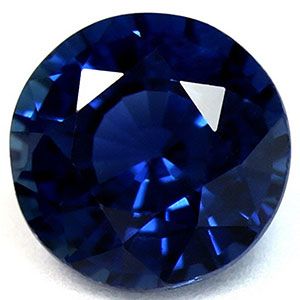
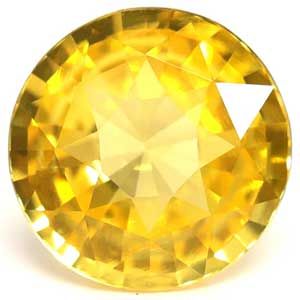
Natural sapphires in blue, pink, yellow, teal and the rarer colors between, each with an independent lab report.

- 3,592 Available
- From $784
- GIA, AGL, IGI, GRS, Gübelin and SSEF Reports
- Free Insured Delivery Over $100











Good to Know
In Brief
Choose by color in the video, not by its name: a medium to medium-dark tone with strong, even color and no pale patch in the middle. Heat is the usual treatment for sapphire and it is permanent, so a heated stone is a sound buy that costs less than one confirmed unheated.
Choose the Color, Then the Size
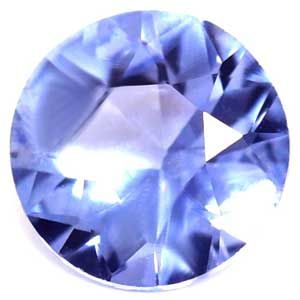
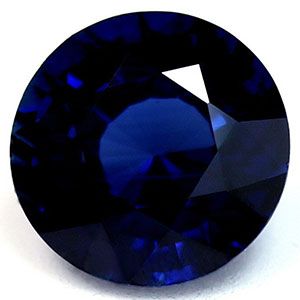
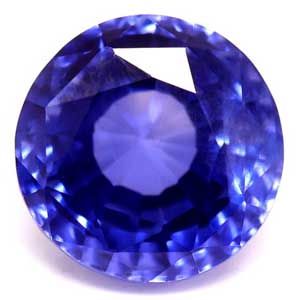
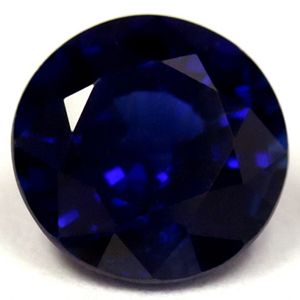
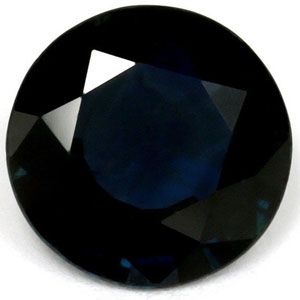
Color is most of a sapphire's price and all of its beauty. The blues most people want sit in a medium to medium-dark tone with strong saturation: much darker and the stone looks inky indoors, much lighter and it looks gray. Tilt the stone in its video and look for a pale, see-through patch in the middle, called a window, where light escapes instead of returning; a well-cut sapphire shows color right across its face. Sapphire is denser than diamond, so a 1 carat sapphire looks a little smaller than a 1 carat diamond.
Heated, Diffused or None Reported
Most sapphires in the trade are heated to improve their color or clarity. Heating is permanent and accepted, and a heated stone costs less than one a lab confirms was never heated. Diffusion is different: the stone is heated with an added element, such as beryllium, that changes its color, sometimes close to the surface, and it is priced far lower. Each stone's page shows the treatment its report names. Where it shows none, that means the report names none, which is not the same as a report confirming no heat, so read the report or ask our concierge if it matters to you.
Pink, Yellow, Teal and Other Colors
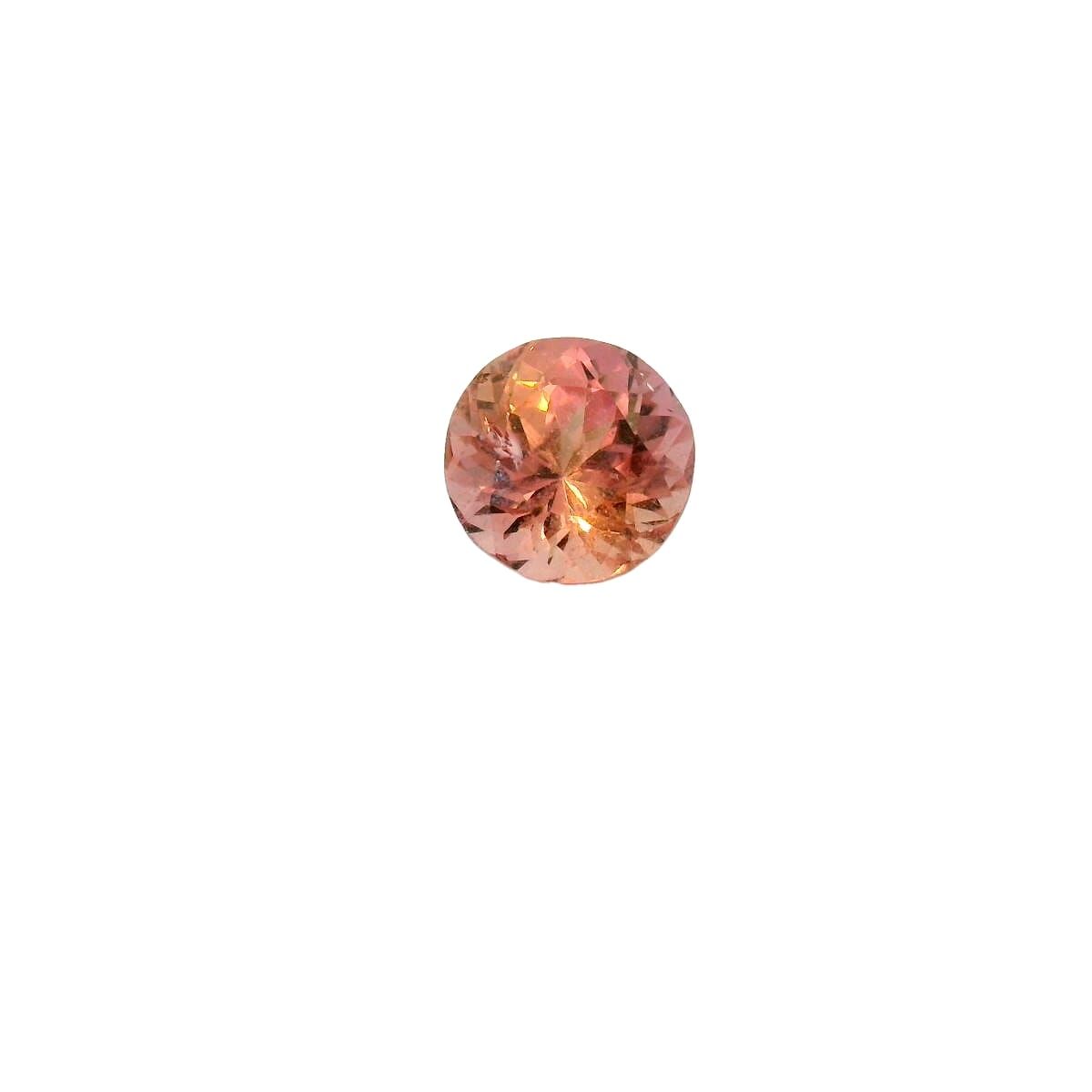
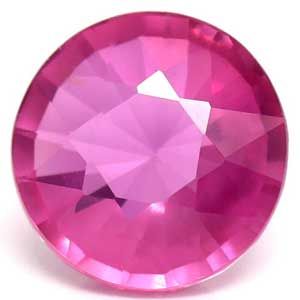
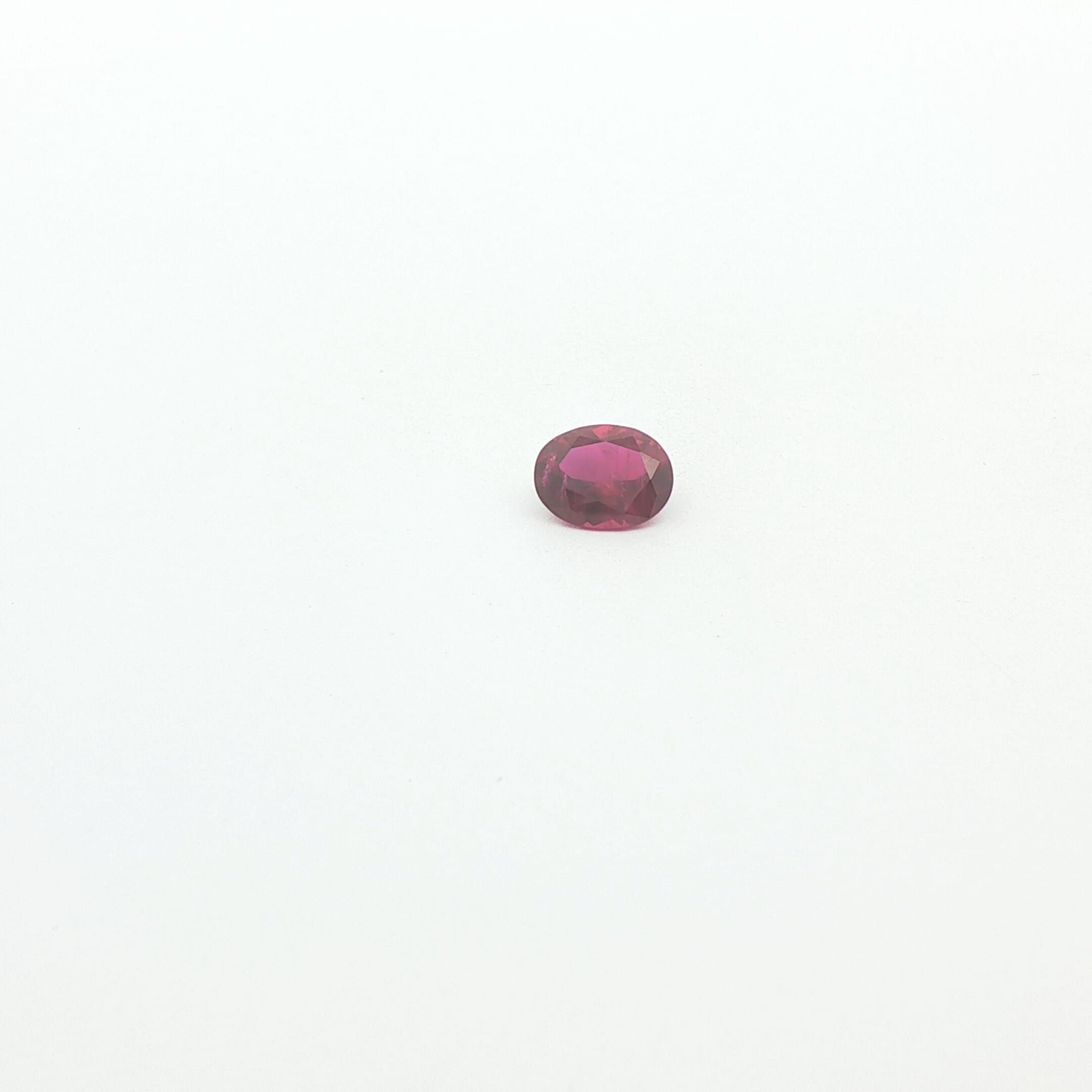
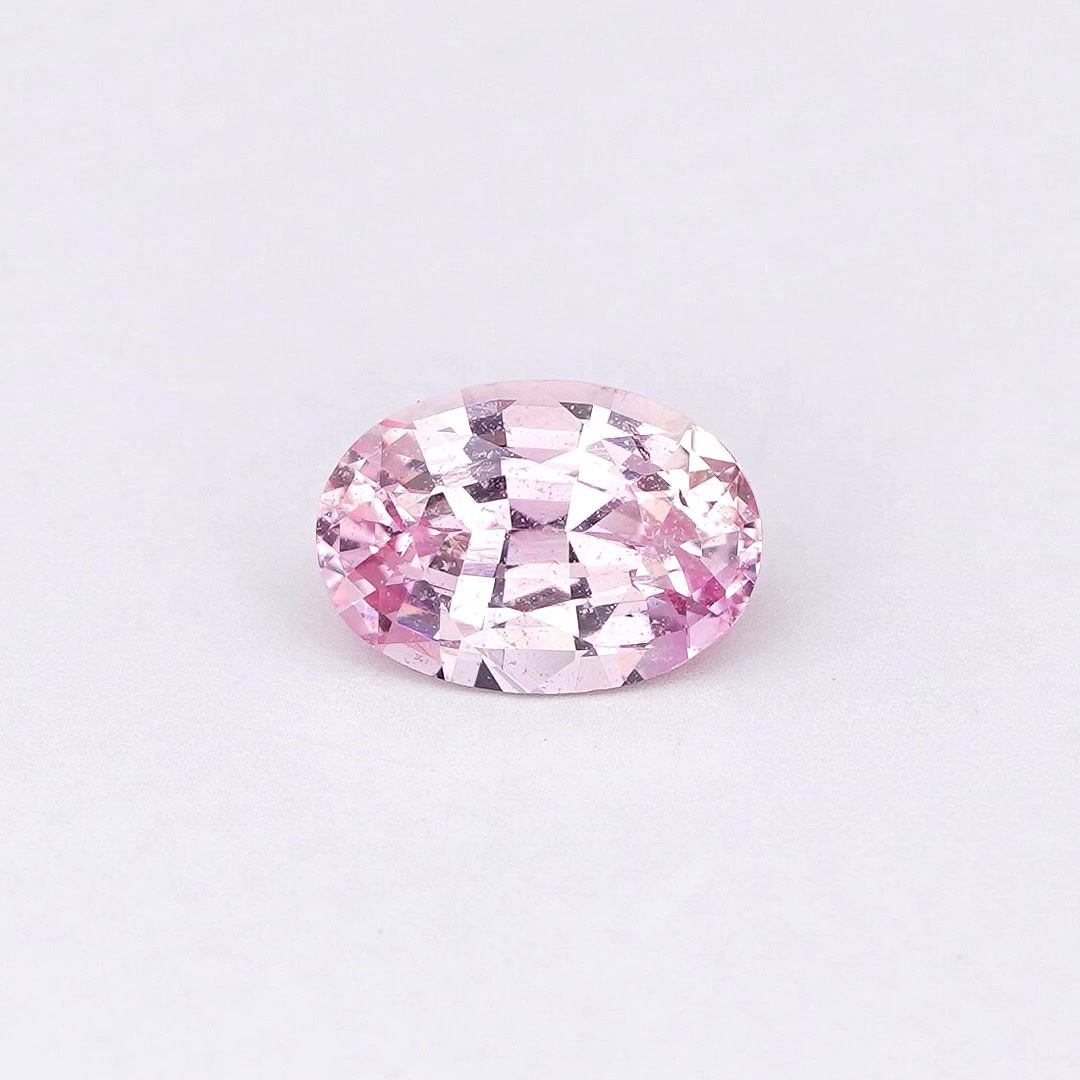
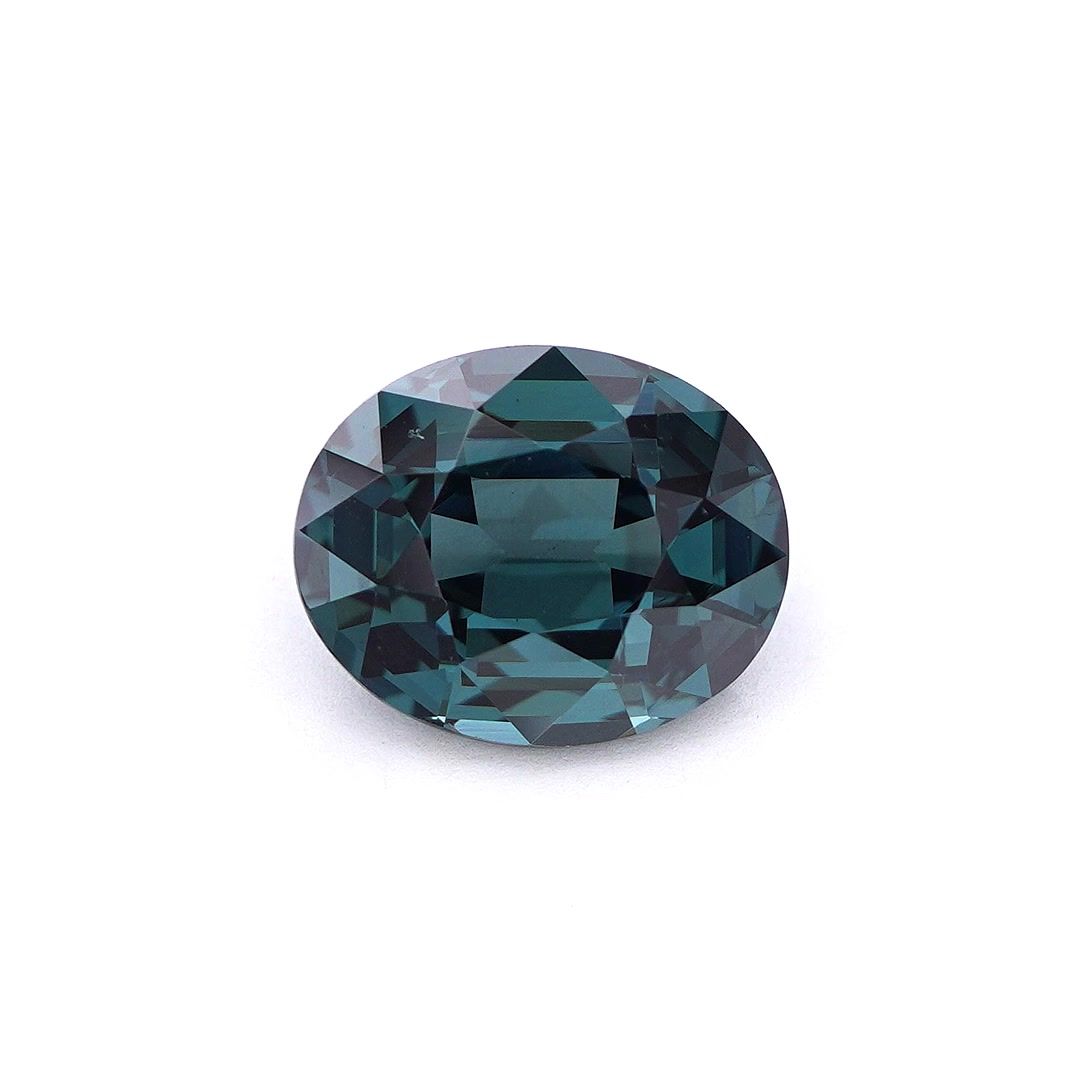
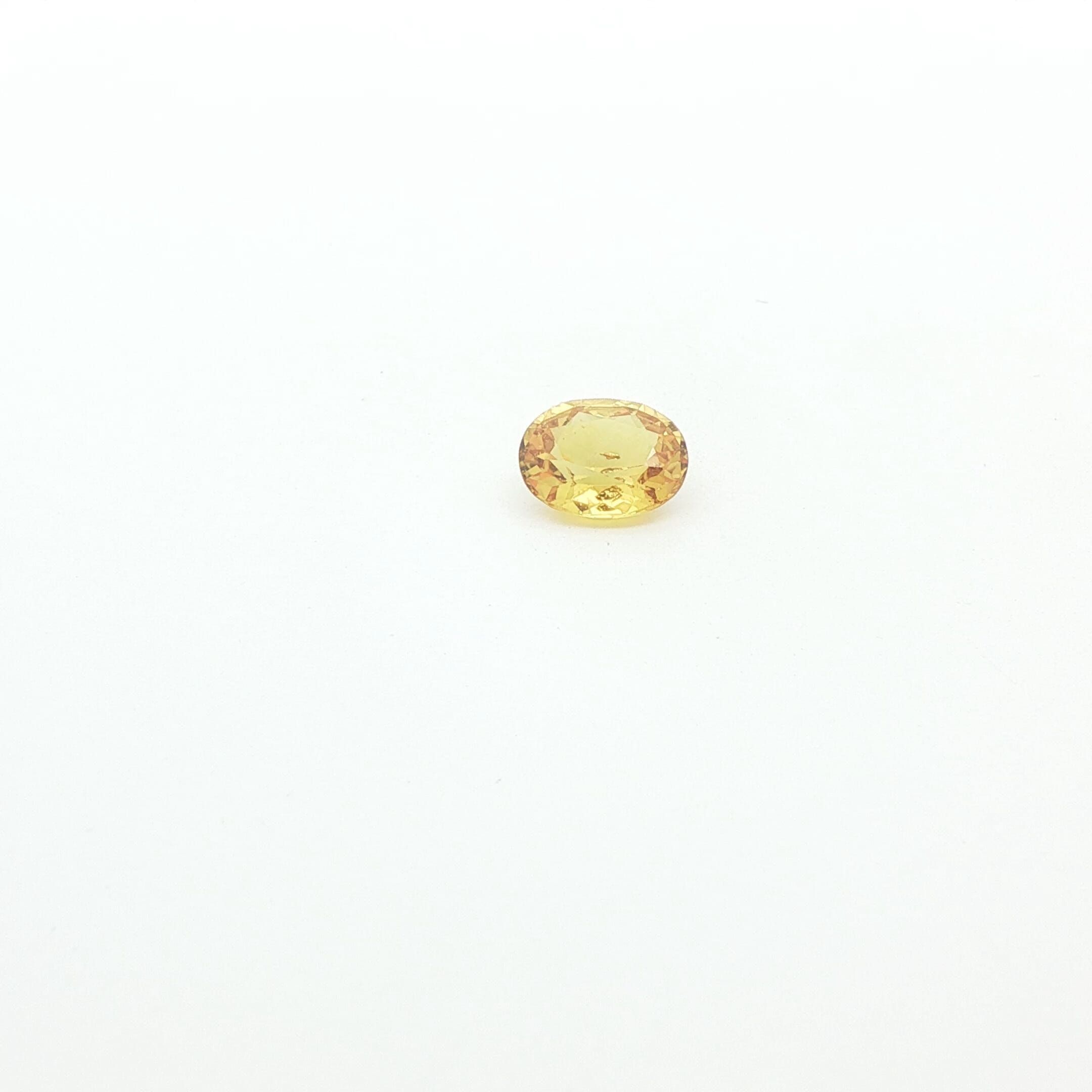
Sapphire is corundum in every color except red, which is ruby. Pink, yellow, purple, teal, green, orange and white sapphires are graded the same way as blue: by the strength and evenness of their color. Teal sapphires mix blue and green and change between the two as they move. Outside the finest blues, a sapphire of the same size and quality often costs less, so if you love the color, it is a good place for your budget.
Origin, as the Report Gives It
A lab may name where a sapphire was mined, such as Sri Lanka or Madagascar, in an origin report; each stone's page shows the origin its supplier lists, which only such a report confirms. A famous origin can add a great deal to the price without changing how the stone looks, so pay for one only if it matters to you. Our notes on lab reports explain what a report records.
Prices From Our Catalog
| Carat Weight | Median Price per Carat | Stones Counted |
|---|---|---|
| 0.75-0.99 ct | $4,834 | 107 |
| 1.00-1.49 ct | $4,297 | 595 |
| 1.50-1.99 ct | $3,954 | 701 |
| 2.00-2.49 ct | $3,622 | 580 |
| 2.50-2.99 ct | $3,680 | 330 |
| 3.00-3.99 ct | $4,463 | 494 |
| 4.00-4.99 ct | $4,459 | 243 |
| 5.00 ct and up | $7,280 | 535 |
The median price per carat of the sapphires on sale here in each band, in US dollars, as of November 2, 2026. The grid shows each stone’s own price in your currency.
Sapphire Treatments Compared
| Heated | Diffused | No treatment reported | |
|---|---|---|---|
| What was done | Heat alone, to improve color or clarity | Heat with an added element that changes the color | The lab's report names no treatment |
| Lasts | Permanent | Color can sit near the surface | Not applicable |
| Price for the same look | Less than a stone confirmed unheated | Far less | Ask whether the report confirms no heat |
Questions
Are the sapphires here natural?
Yes. Every sapphire we sell is natural, mined rather than grown in a lab, and comes with a report from an independent laboratory such as GIA, AGL or GRS. The stone's page names its lab and shows the color and treatment the report records, and the origin its supplier lists. Read the report before you buy: it describes the stone in the lab's words, not ours.
Is a heated sapphire worth less?
It costs less than a sapphire a lab confirms was never heated, for the same look, and that is the point of buying one. Heating is the usual treatment for sapphire, it is permanent, and it needs no special care. Pay more for a confirmed unheated stone only if its rarity matters to you, because you will not see the difference.
Which sapphire color costs the most?
A fine, strongly saturated blue usually costs the most at a given size and quality, and pink and the rare pinkish orange called padparadscha can come close. Yellow, teal, green and white sapphires often cost less for the same size. Choose the color you love; the price difference buys rarity, not a better-looking stone.
Is sapphire hard enough for an engagement ring?
Yes. Sapphire is 9 on the Mohs scale of hardness, second only to diamond among the gems used in jewelry, and it is tough as well, so it wears well every day. It can still chip if struck hard on a corner, so a setting that protects the edges suits an active wearer. Clean it with warm soapy water and a soft brush.
Does a sapphire's origin change how it looks?
Not in a way you can tell by looking. A lab may give the origin, and some origins command higher prices, but two sapphires of the same color and clarity look the same whatever their source. Origin is worth paying for only if it matters to you; otherwise put your budget into color and size.