Loose Tanzanite
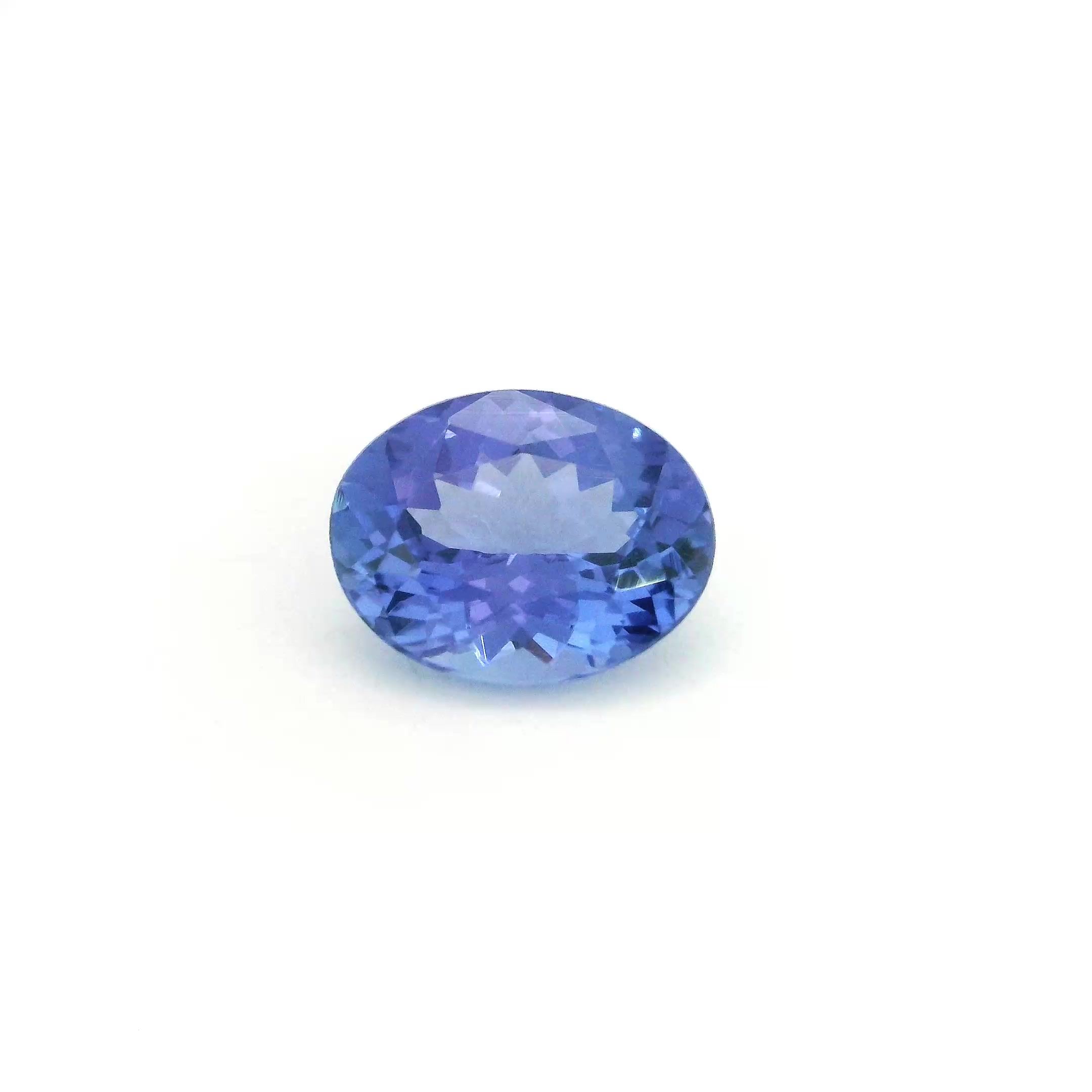
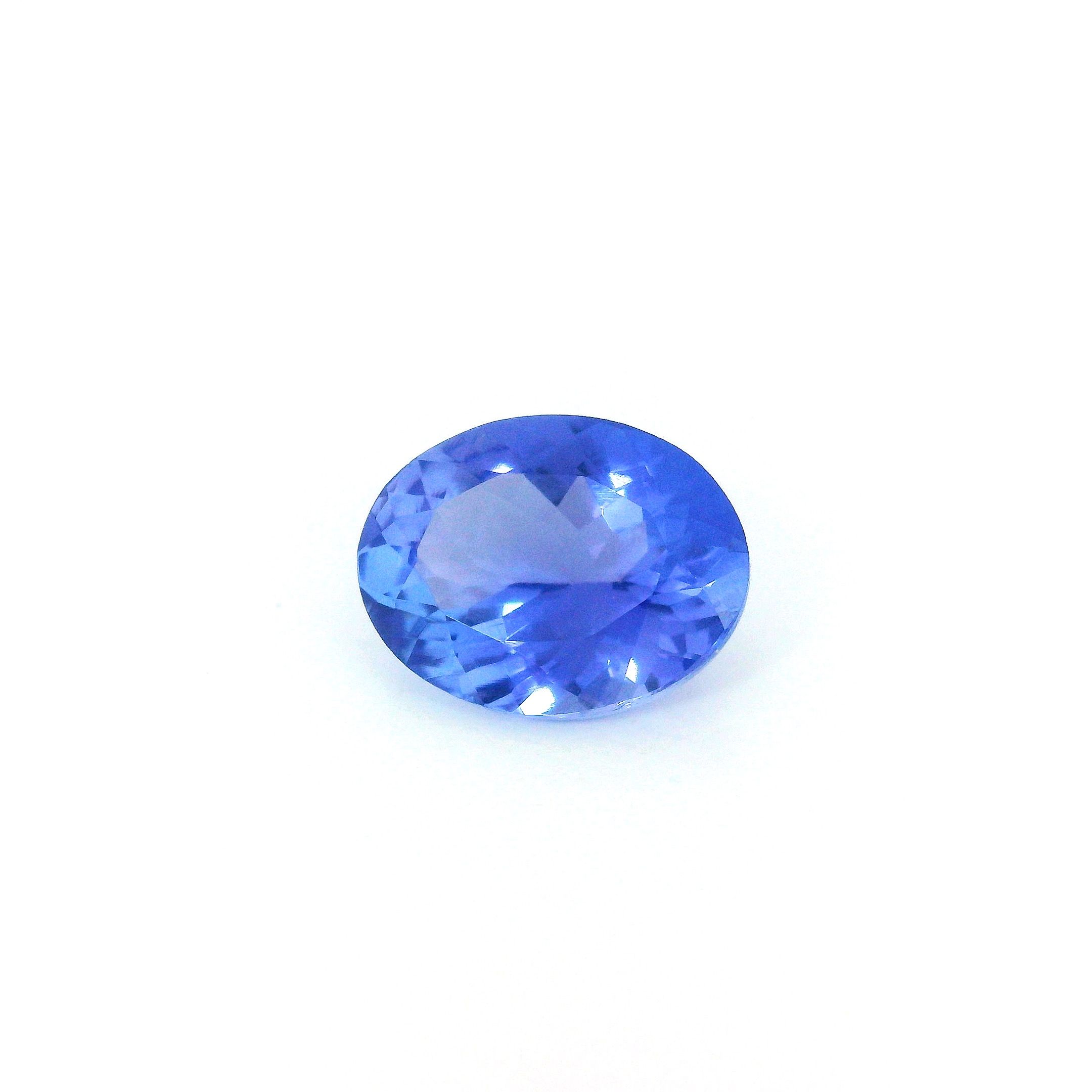
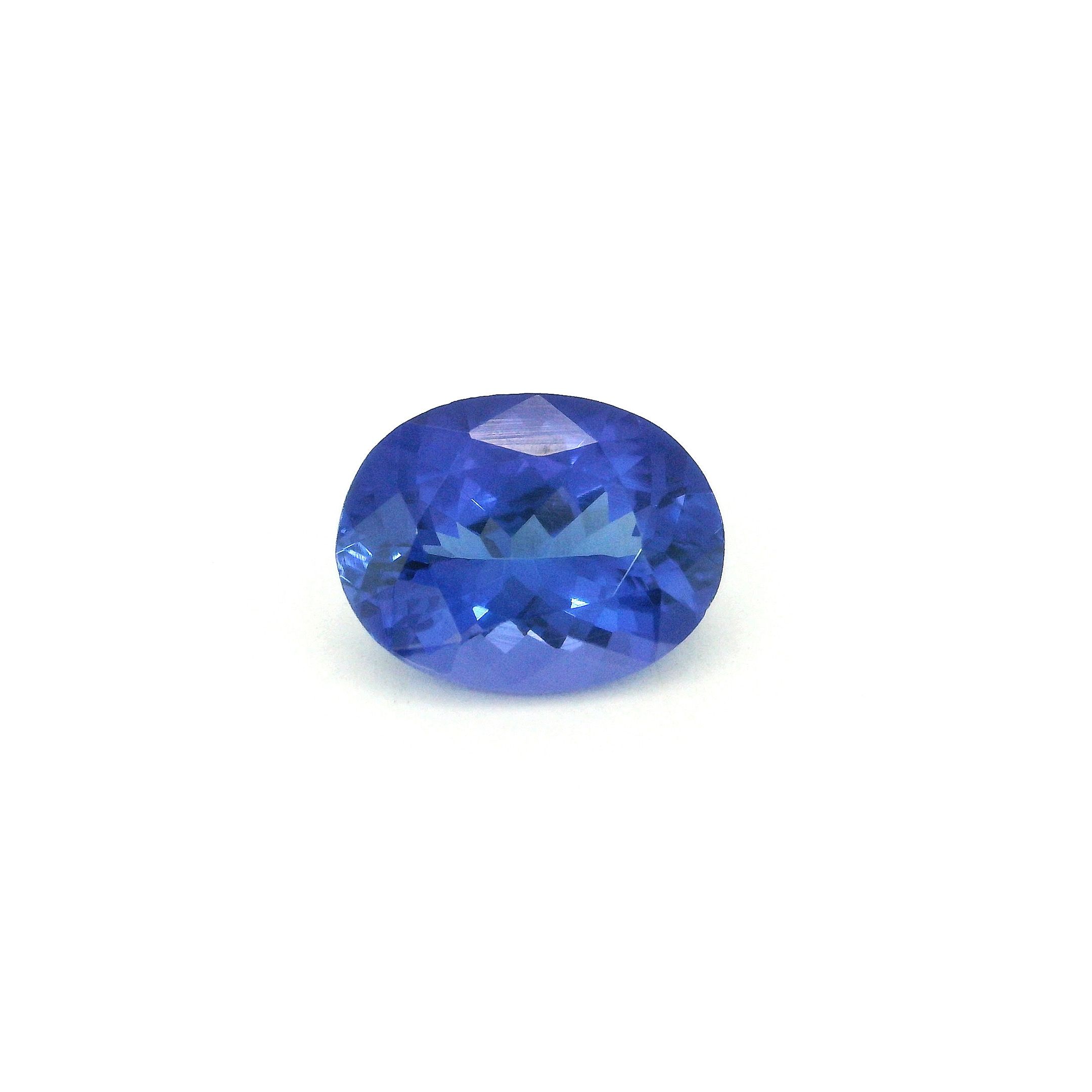
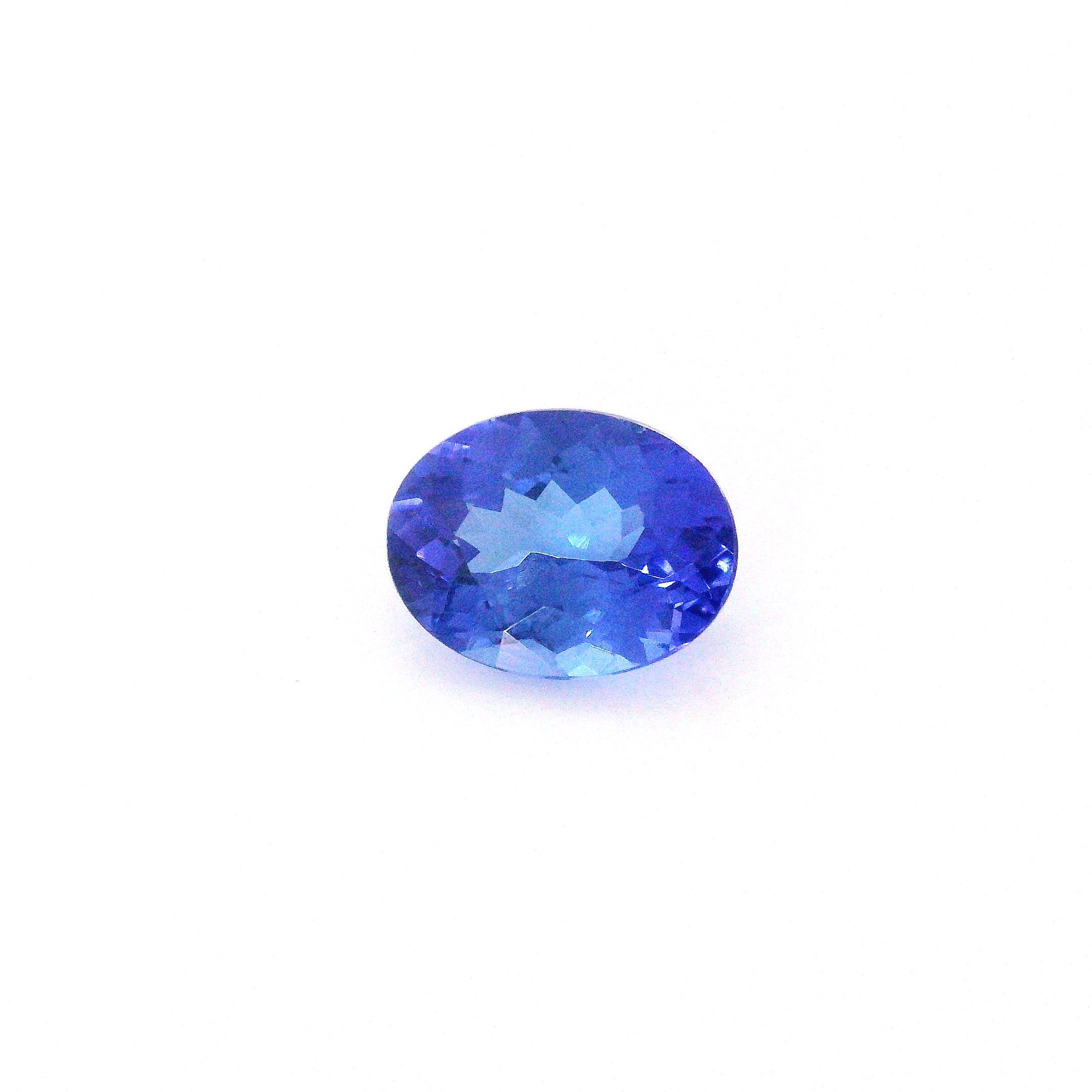
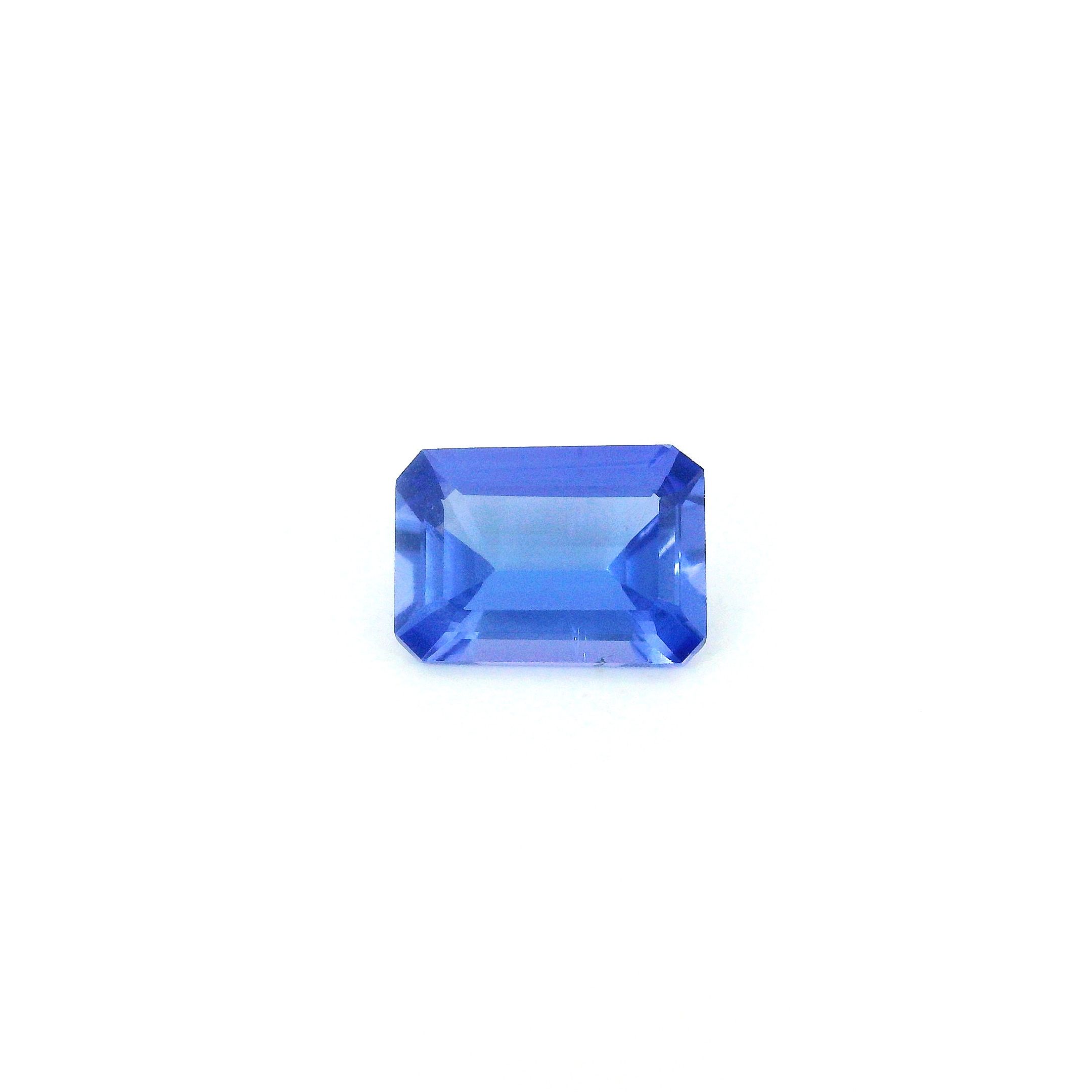
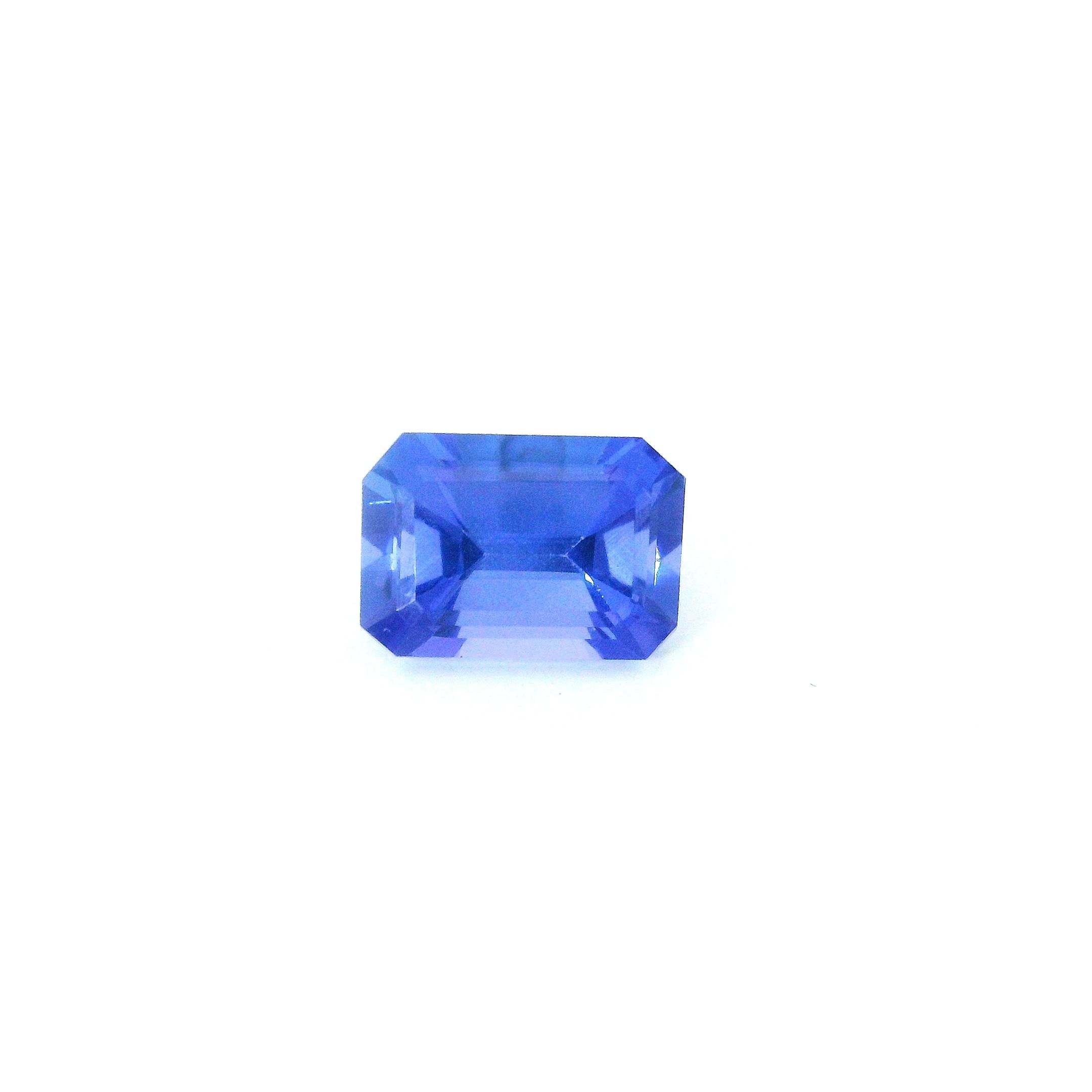
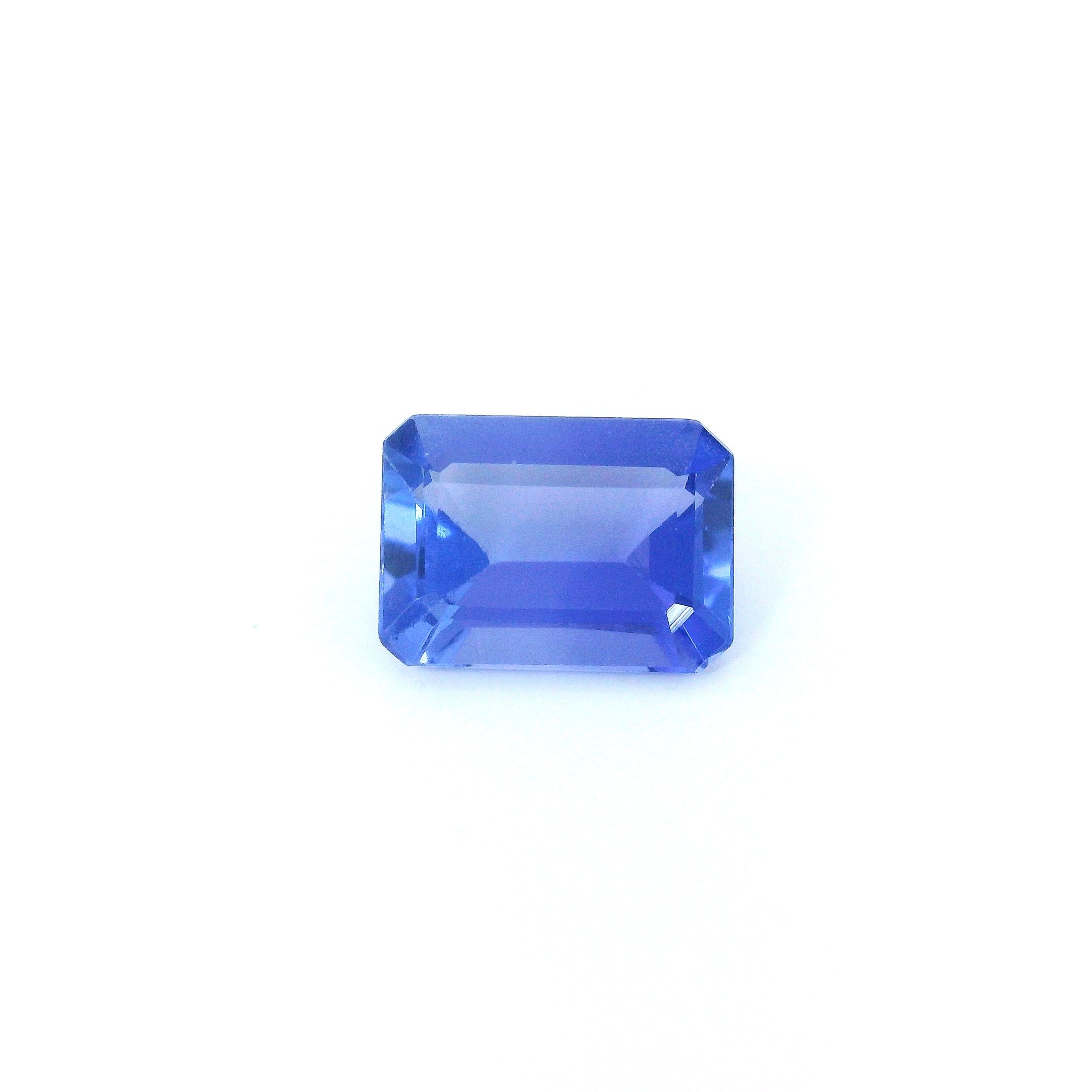
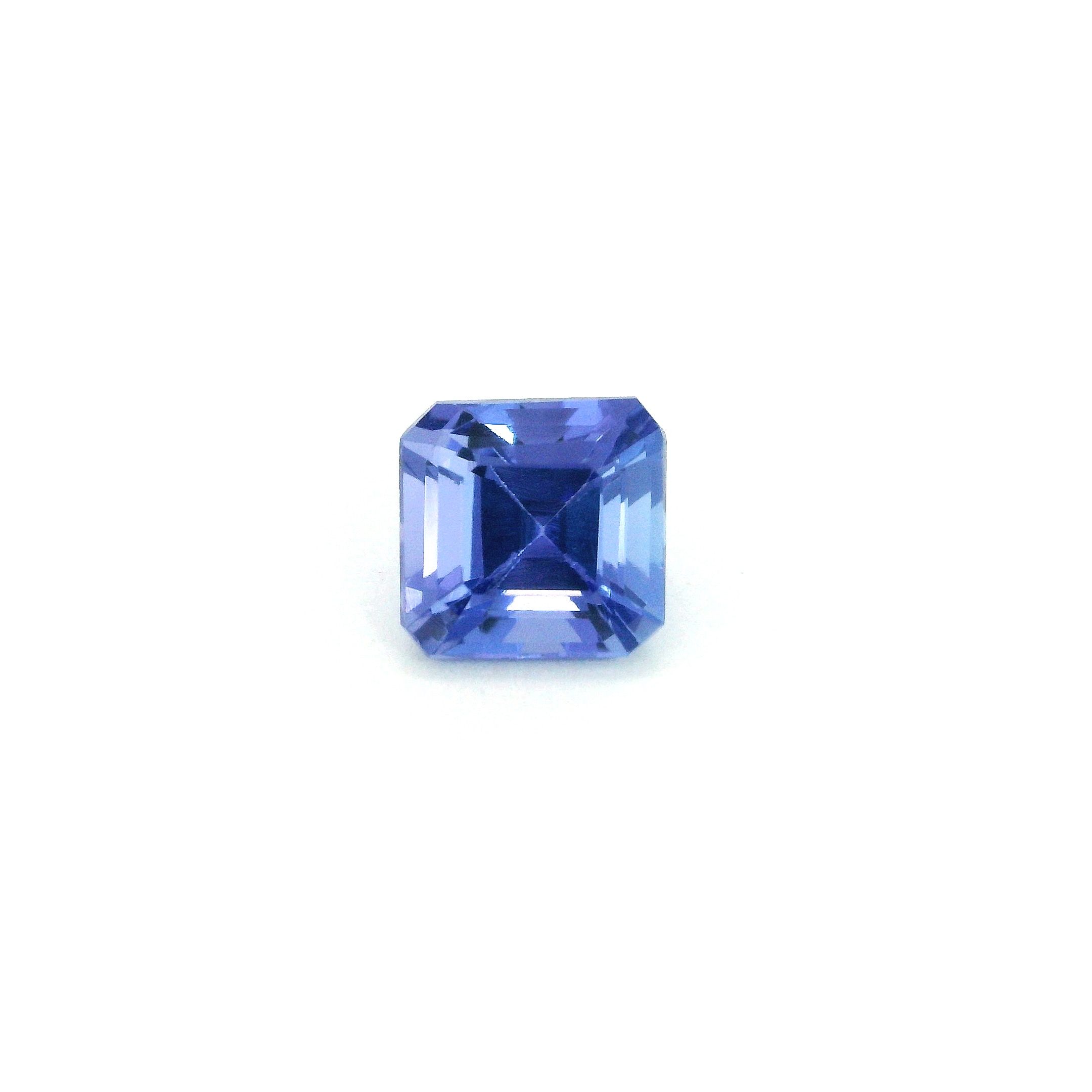
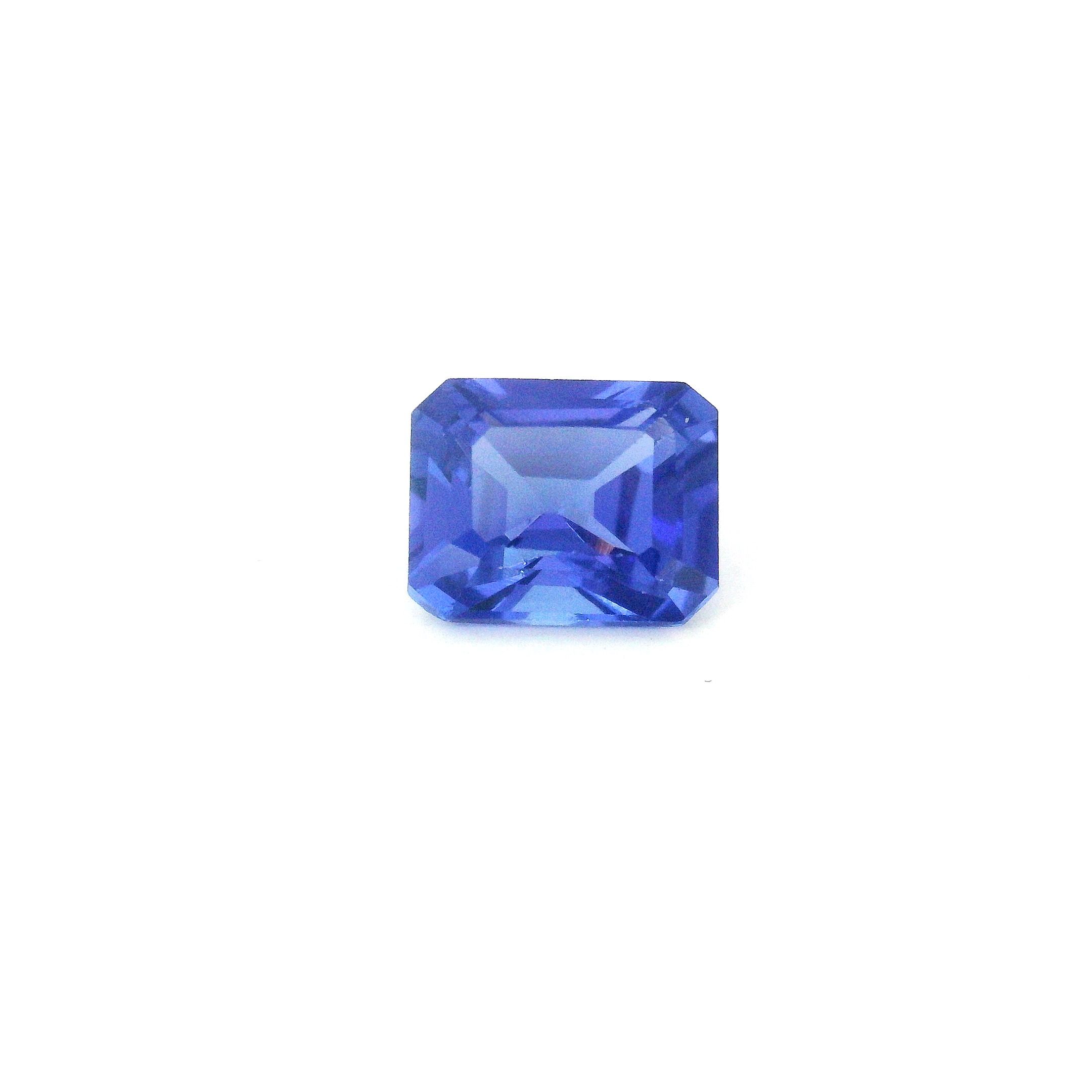
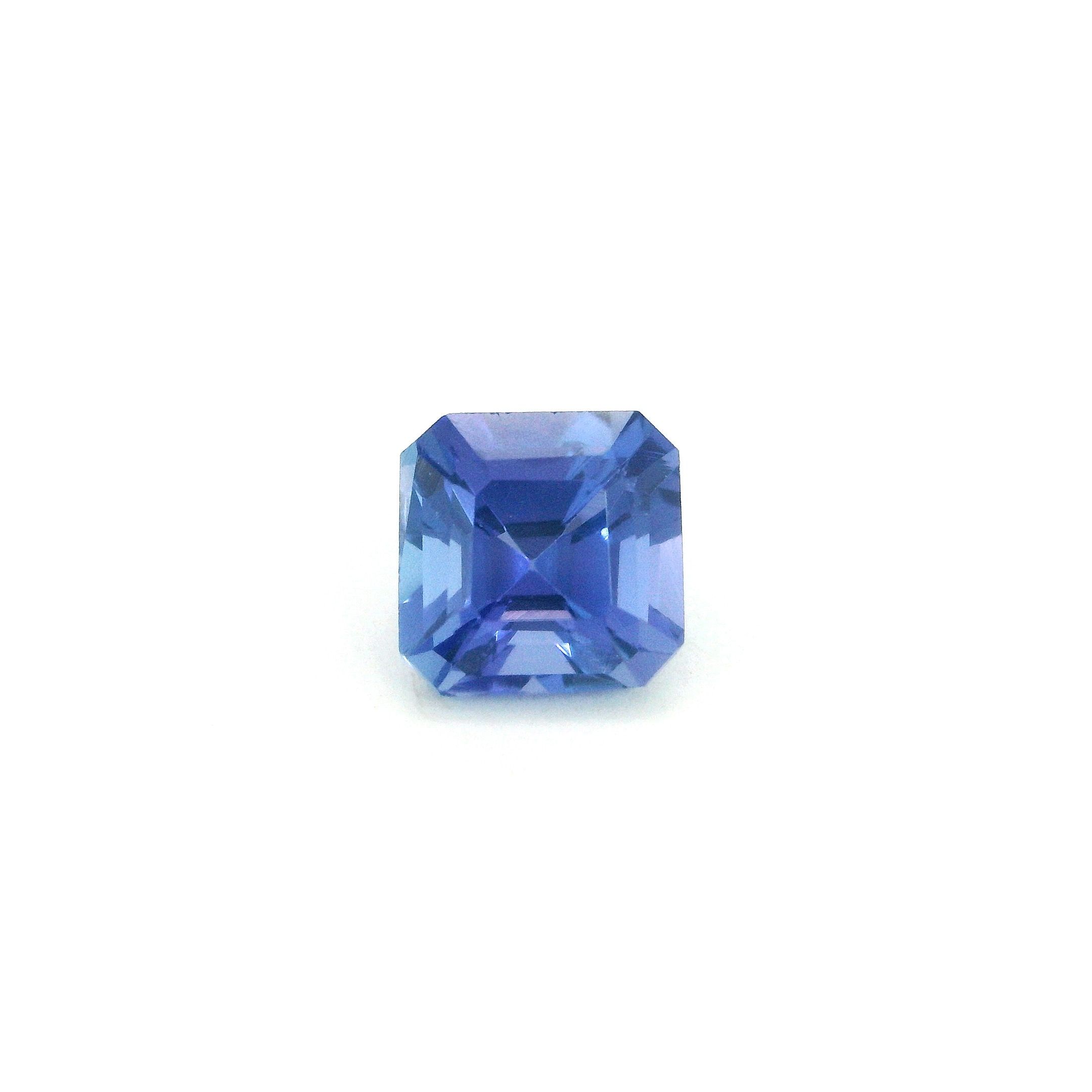
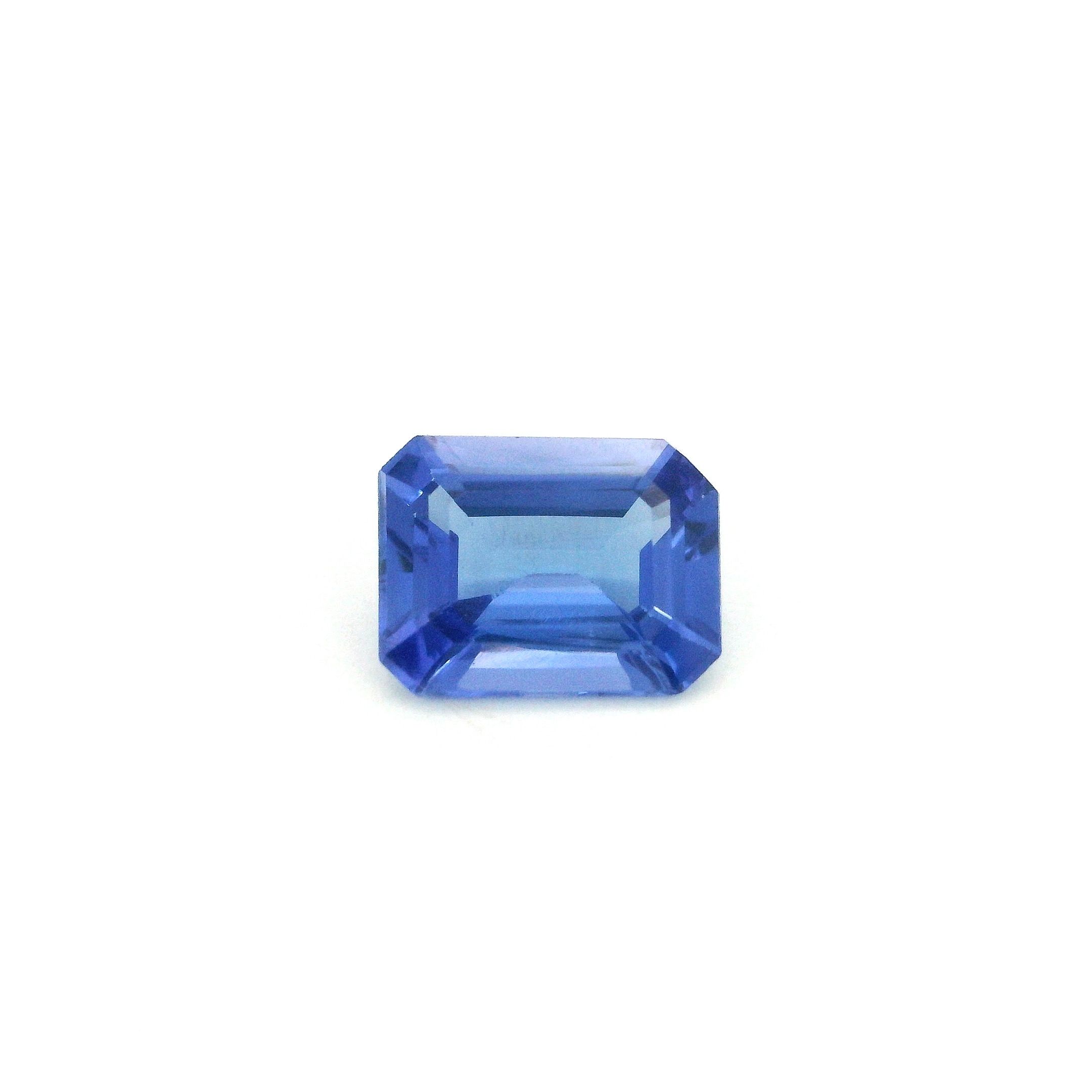
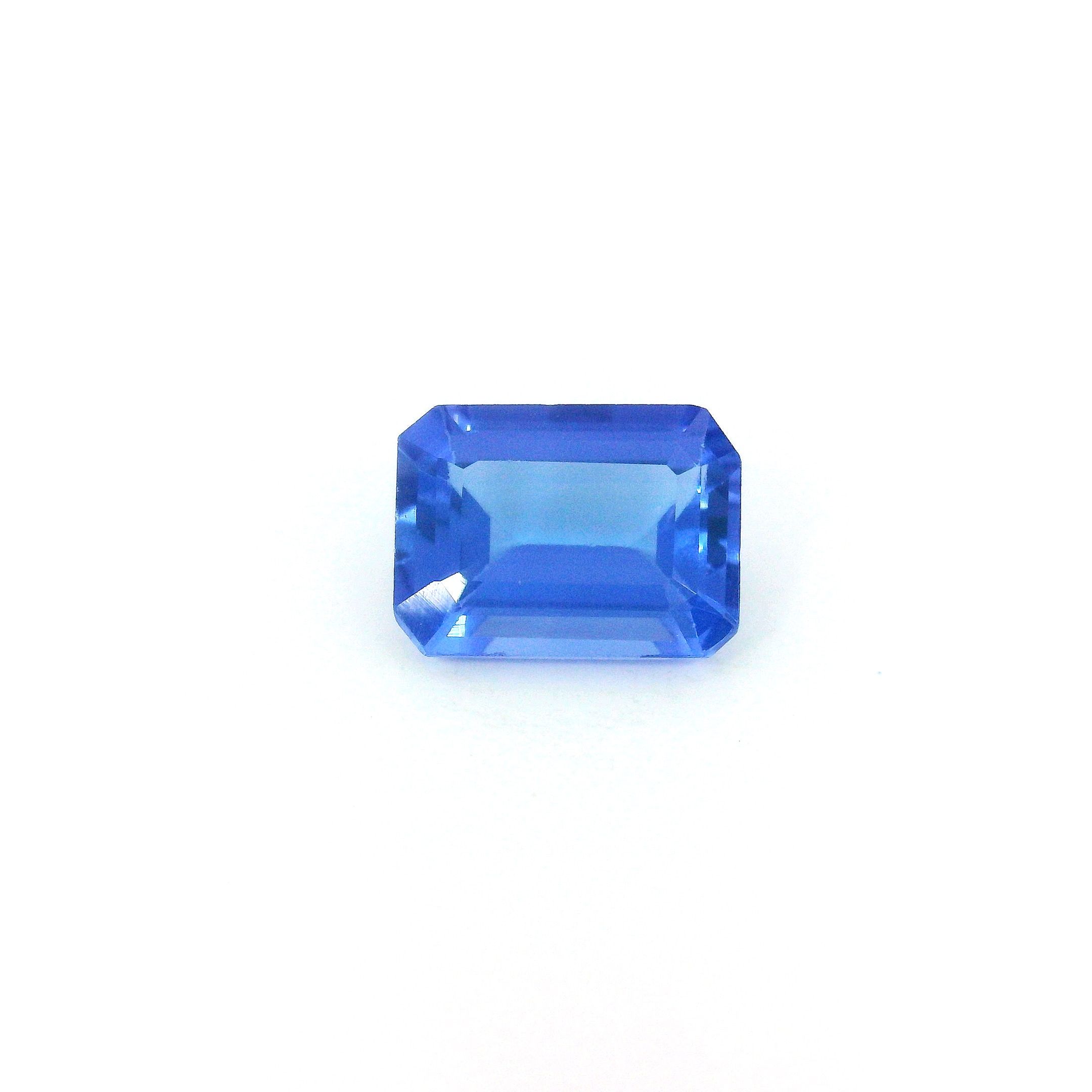
Natural tanzanite in blue, violet and the shades between, each with a report from an independent lab.

- 103 Available
- From $544
- IGI, GIA and GRS Reports
- Free Insured Delivery Over $100
Good to Know
In Brief
Choose by the color you love: bluer stones usually cost more than violet ones, and the color deepens in larger stones. Nearly all tanzanite is heated to bring out its blue, and the heat is permanent. At 6 to 6.5 on the Mohs scale it scratches more easily than sapphire, so wear it in a ring with care.
Blue, Violet or Between
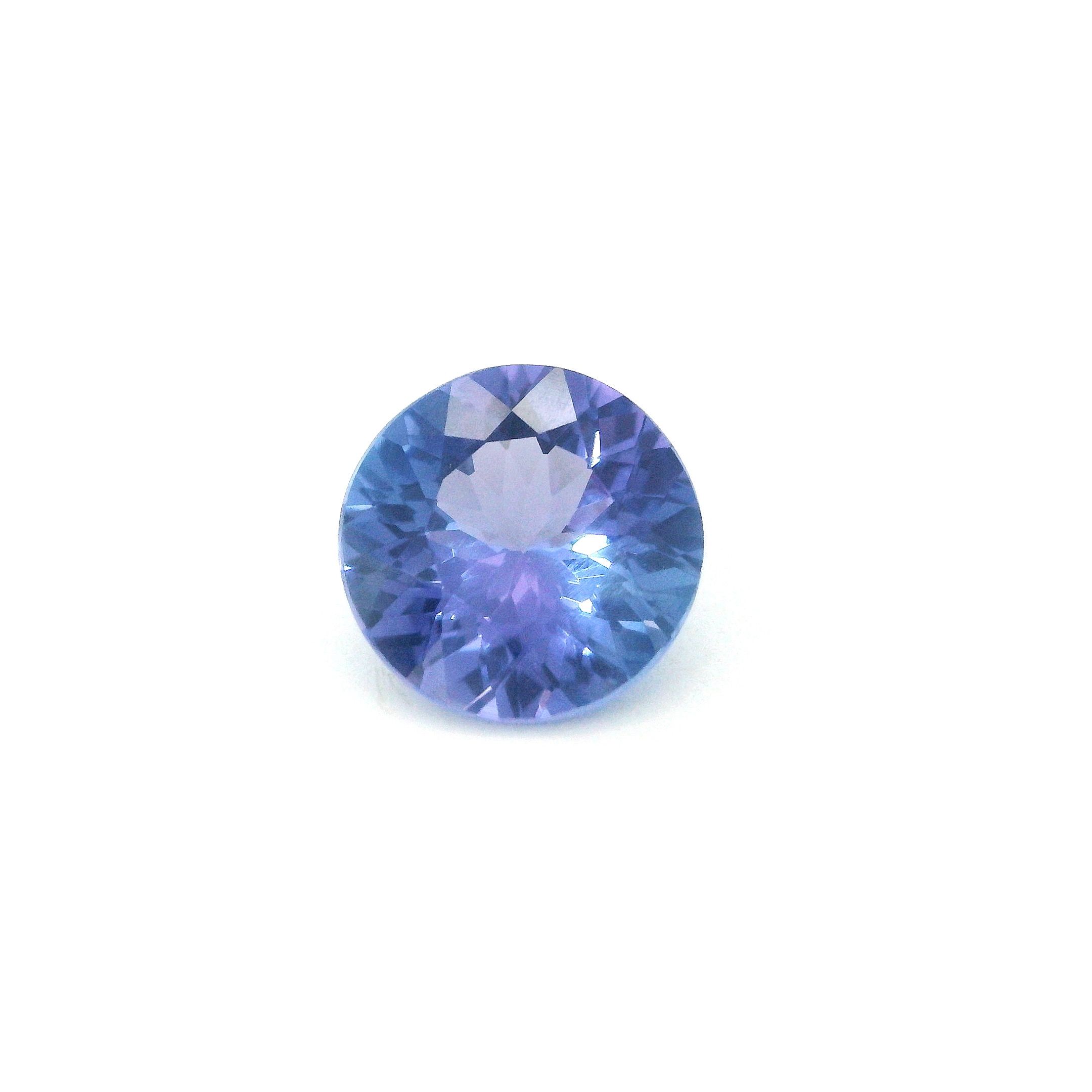
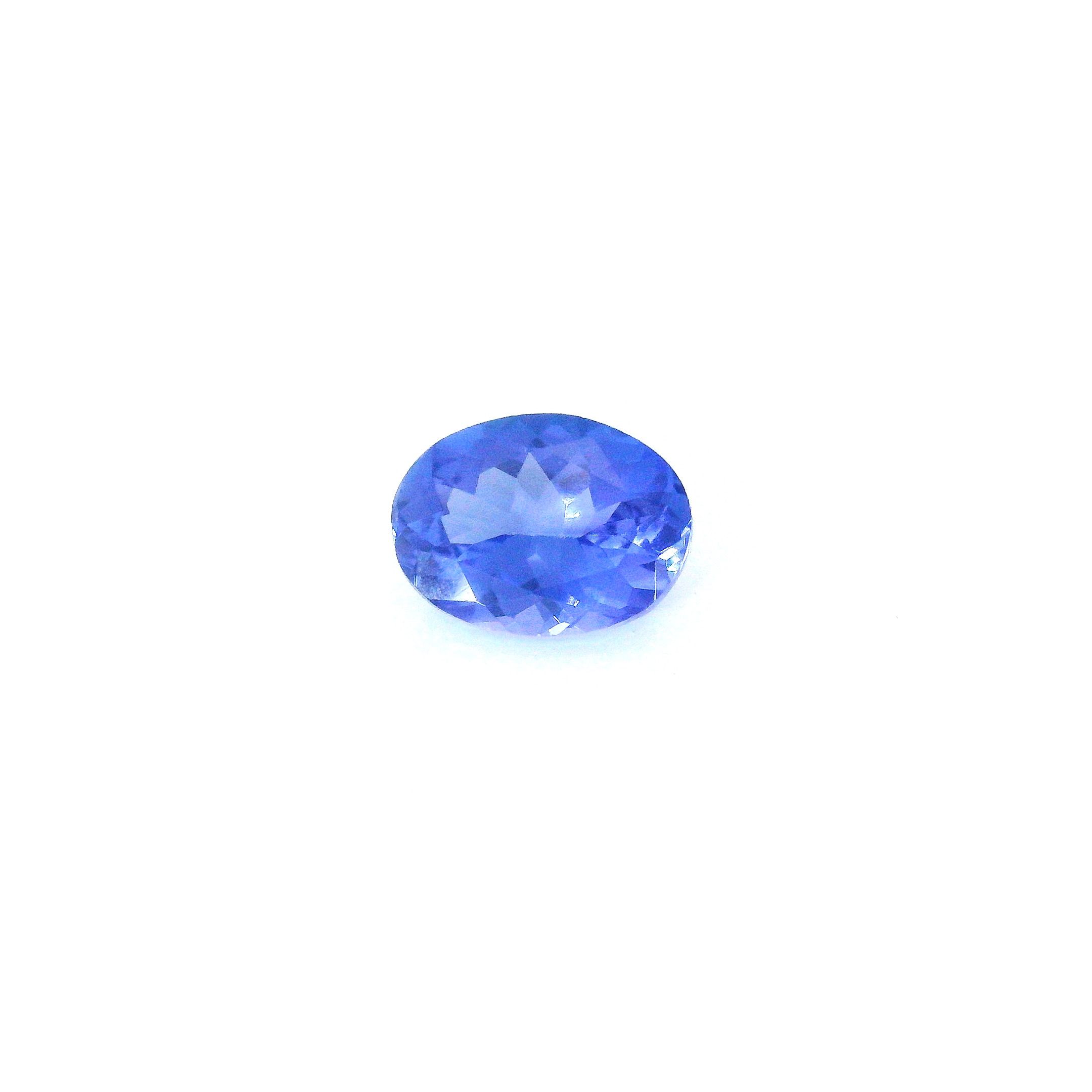
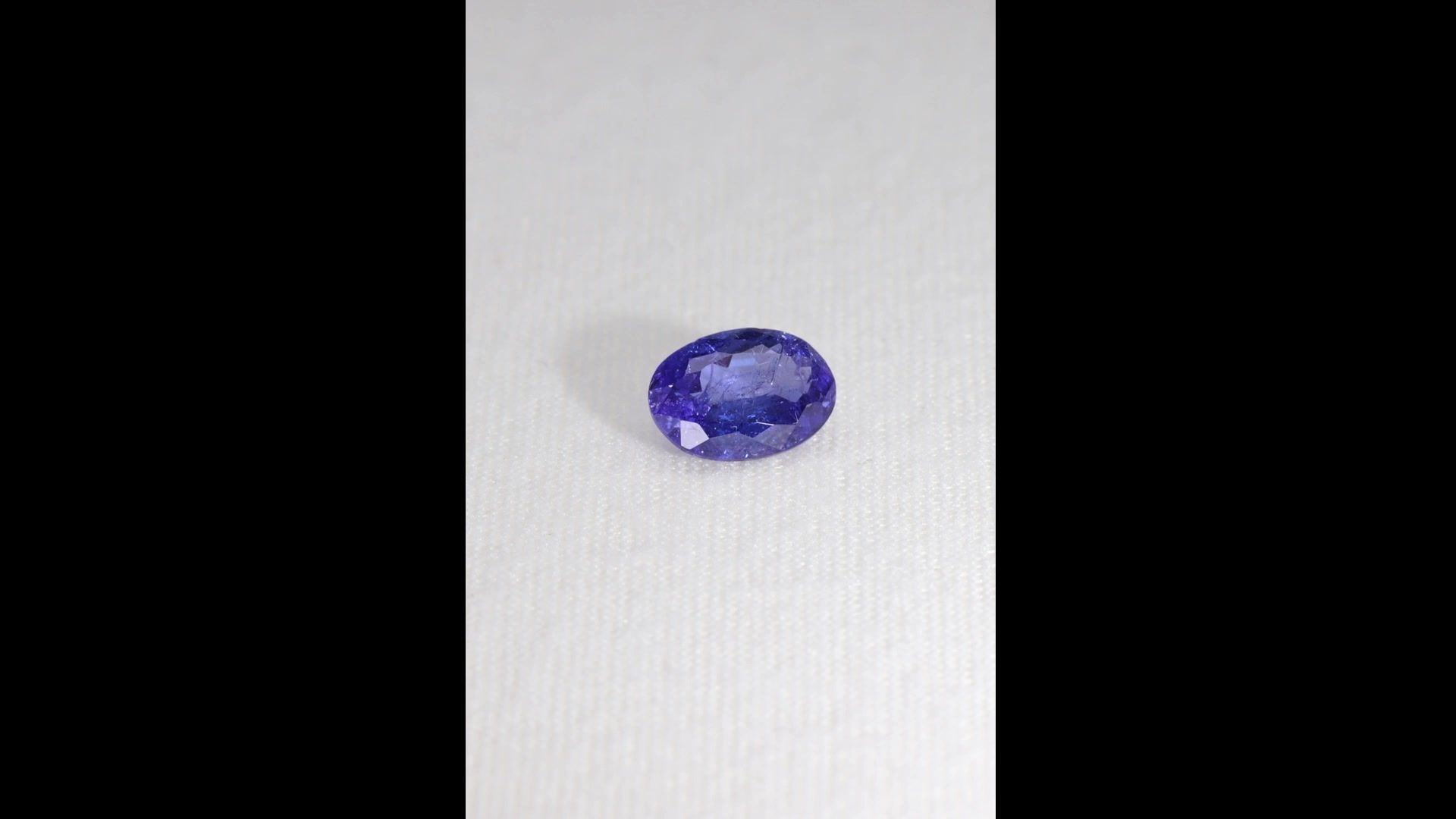
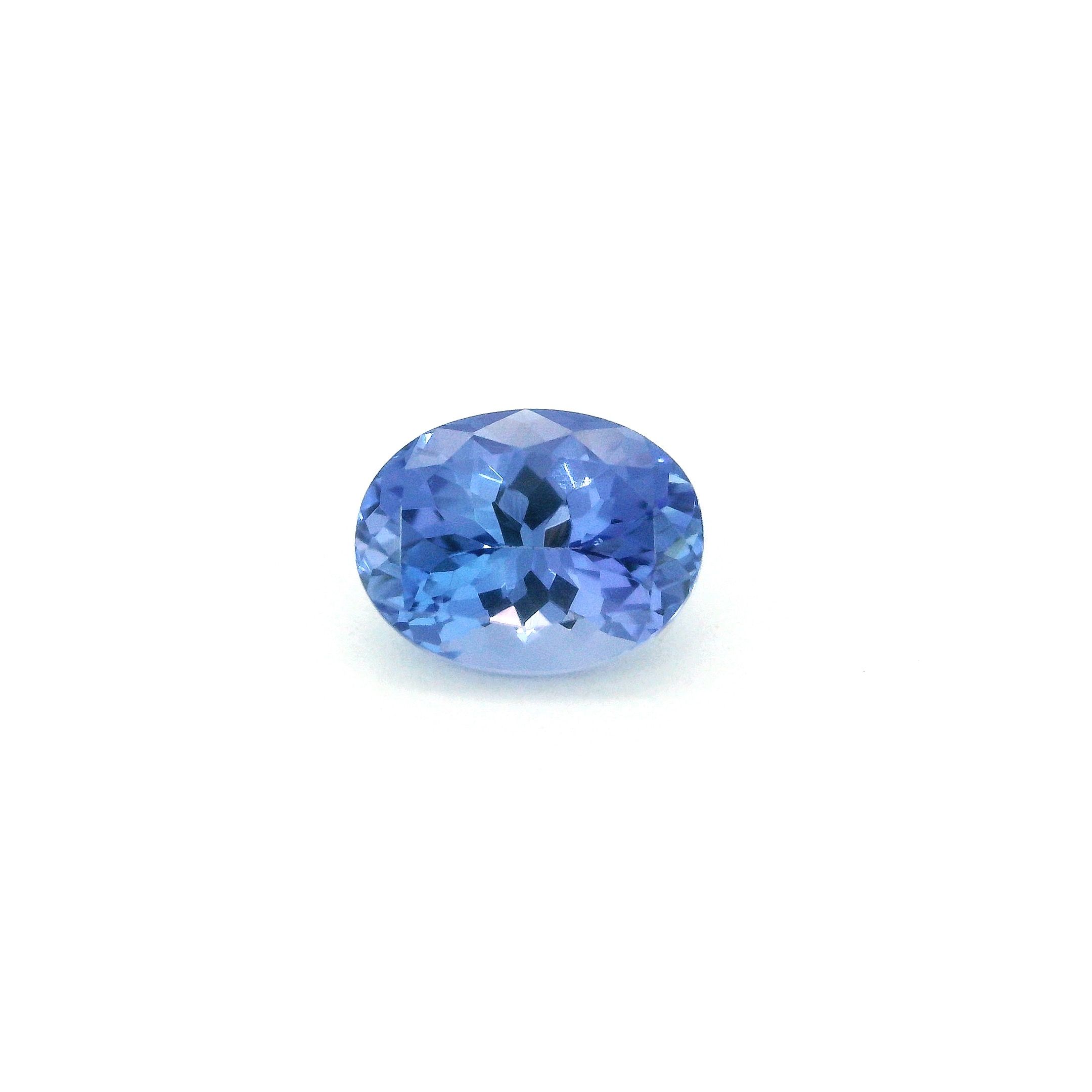
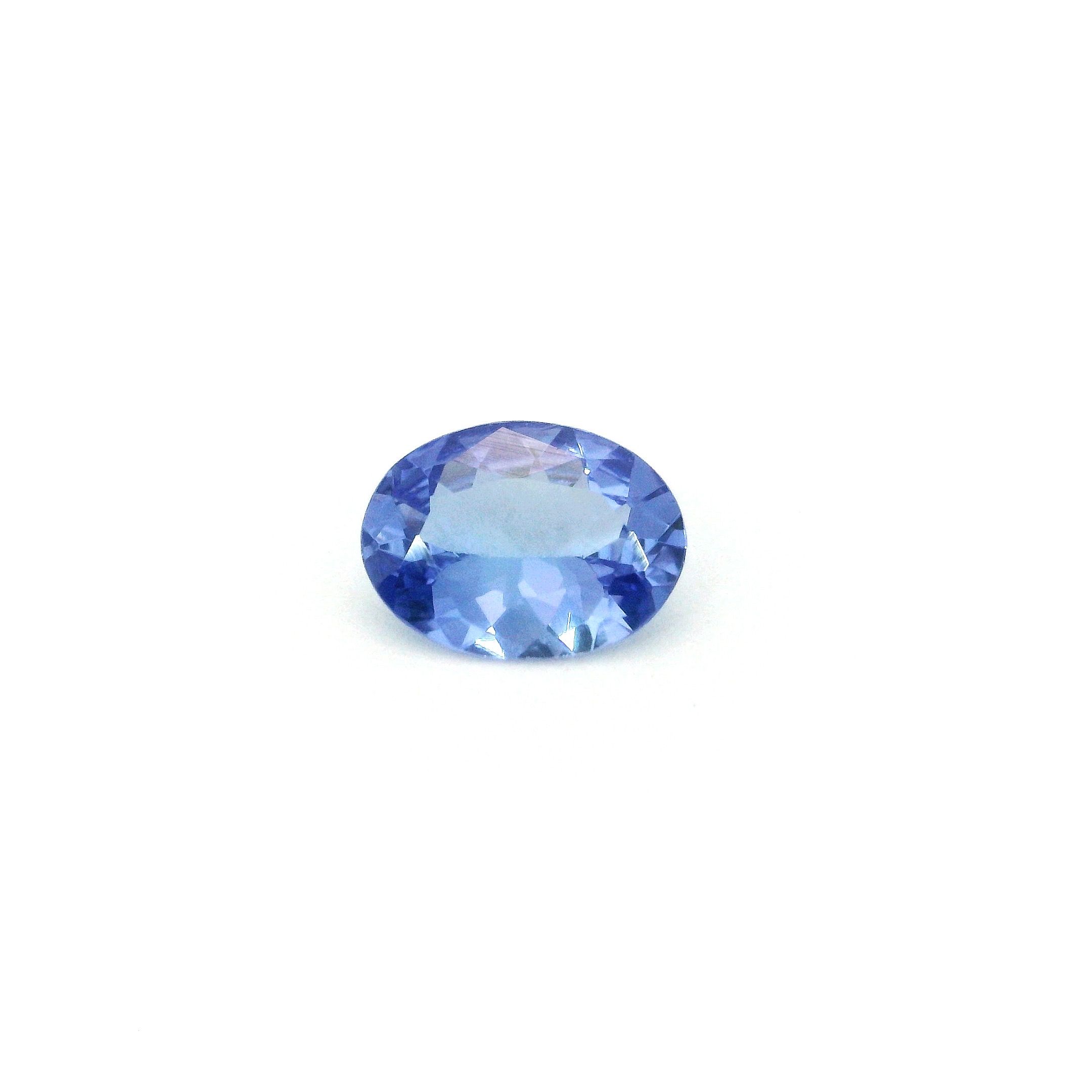
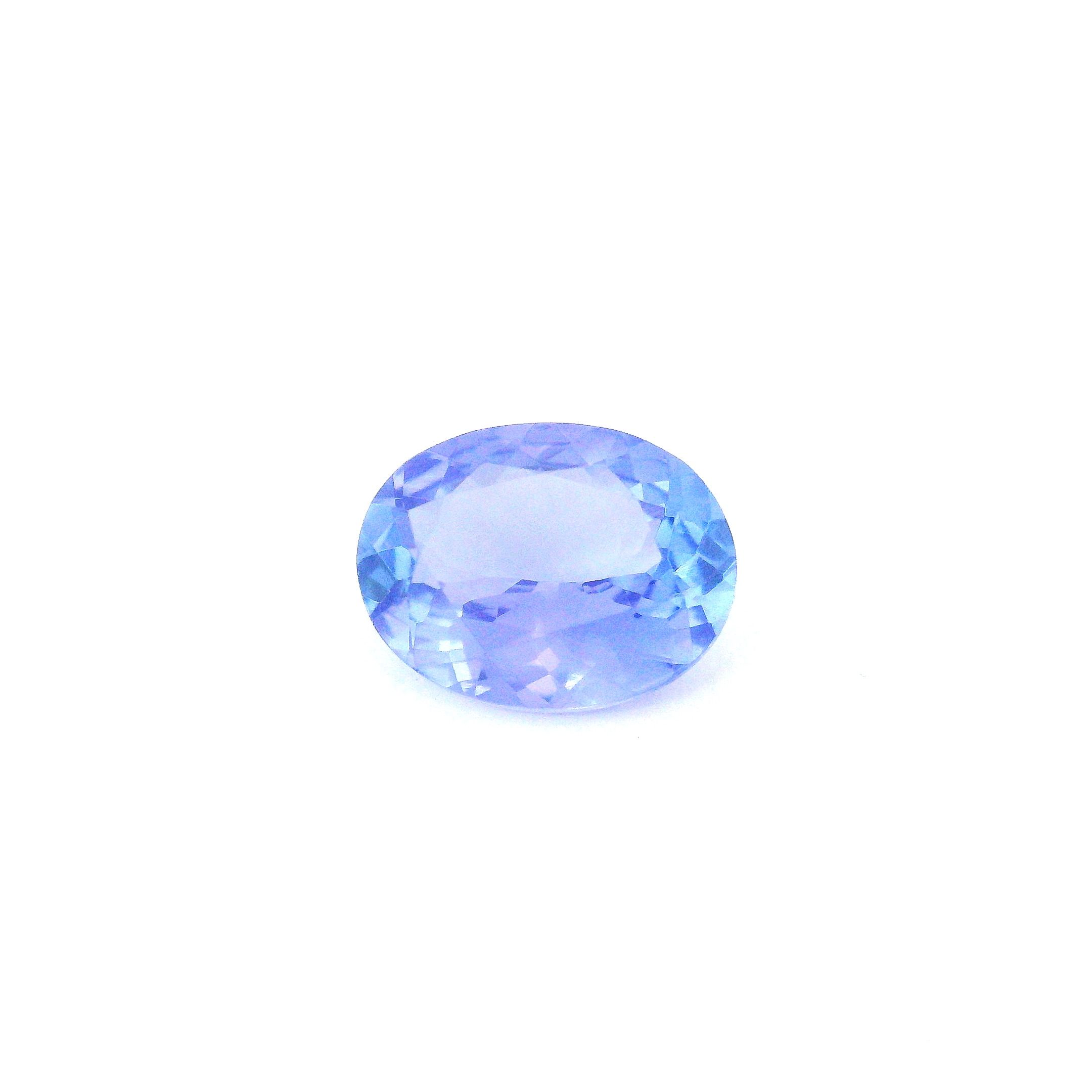
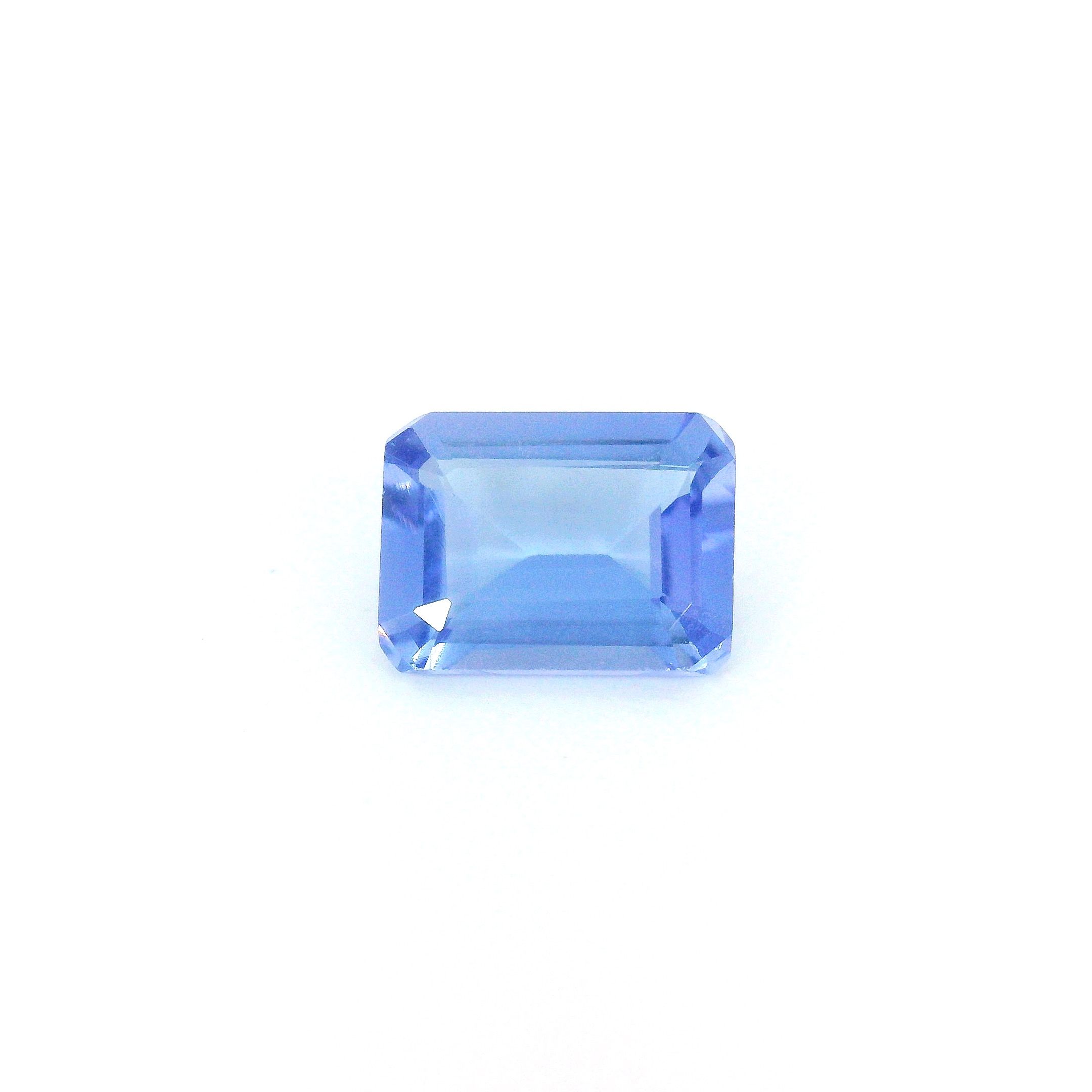
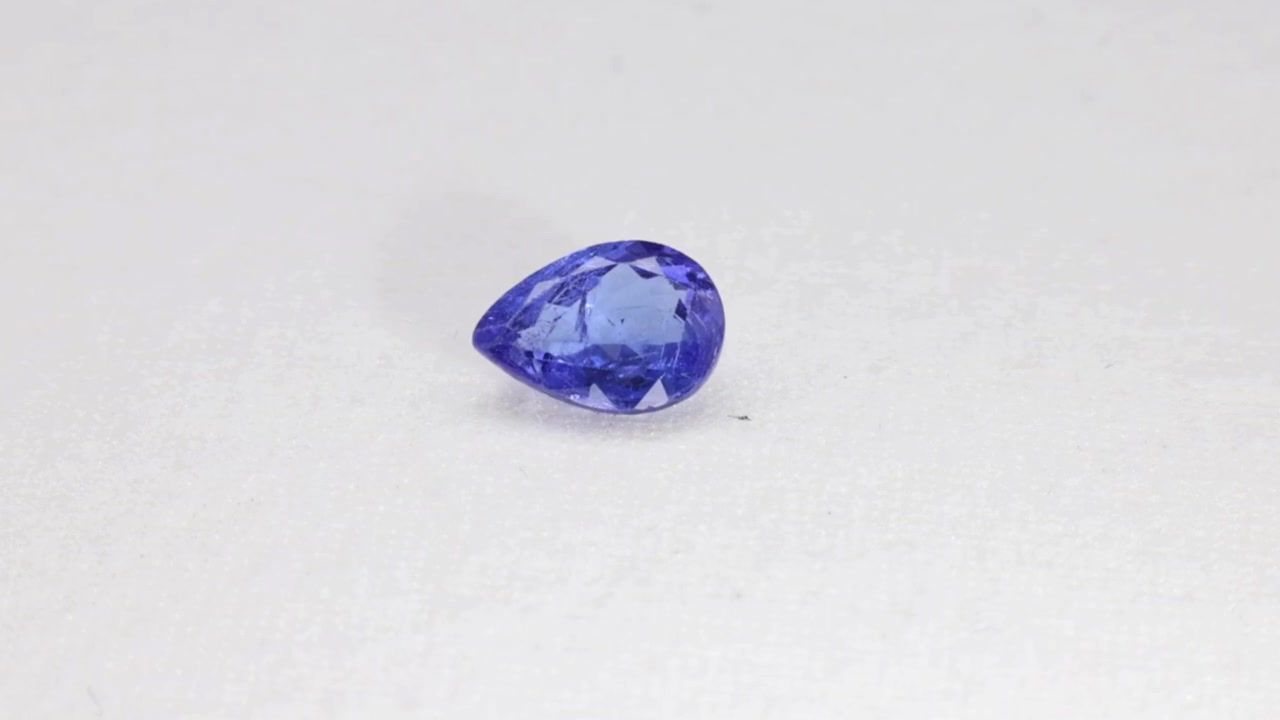
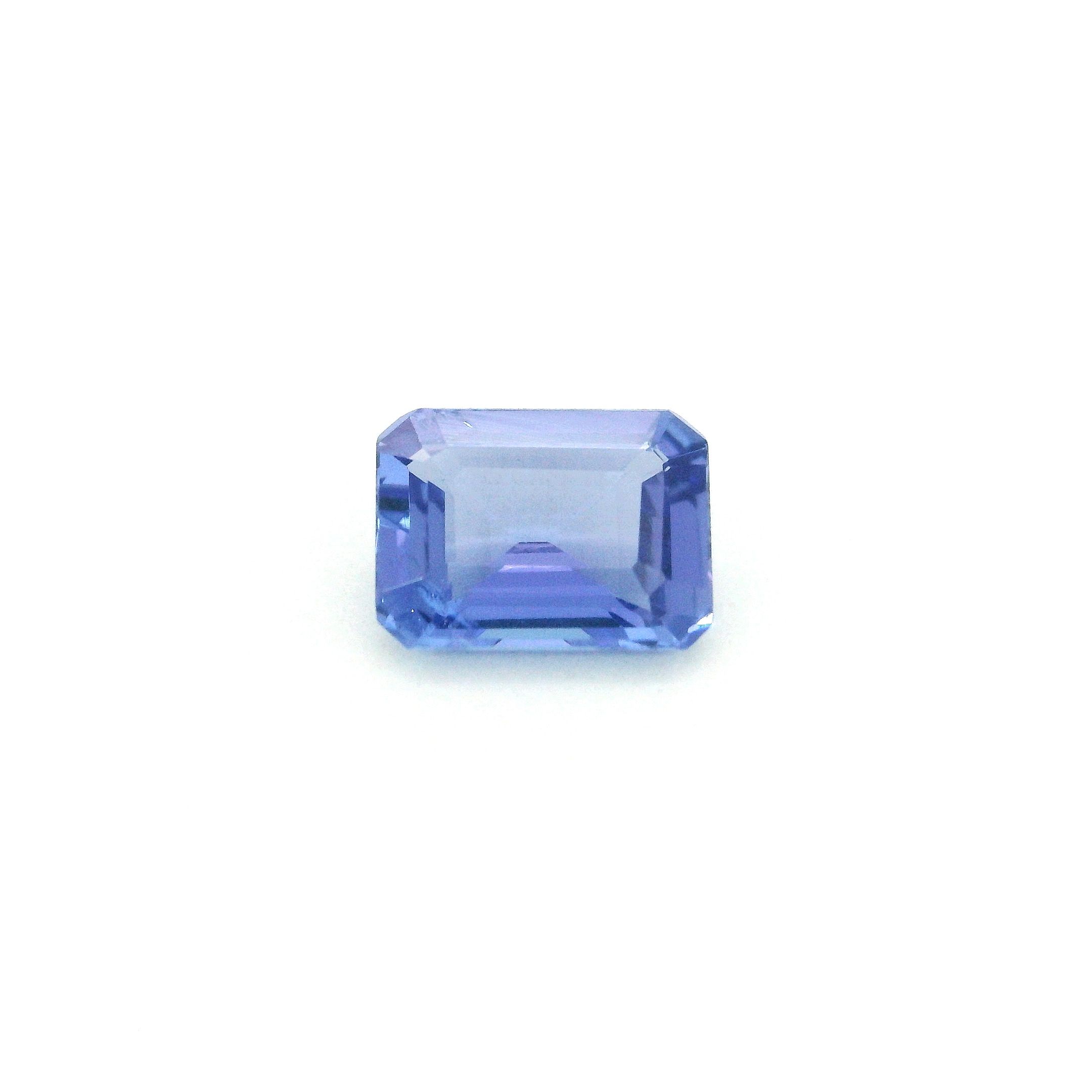
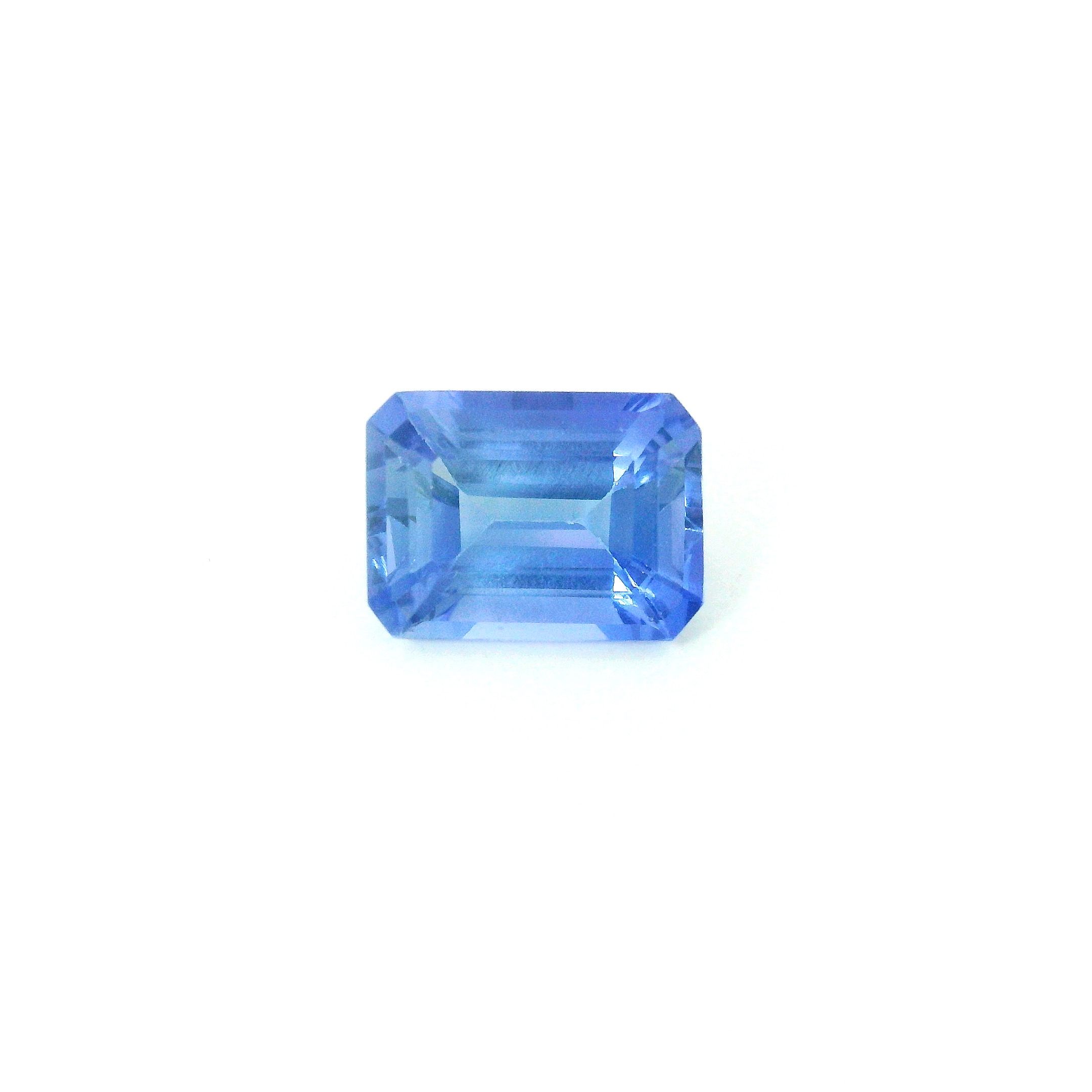
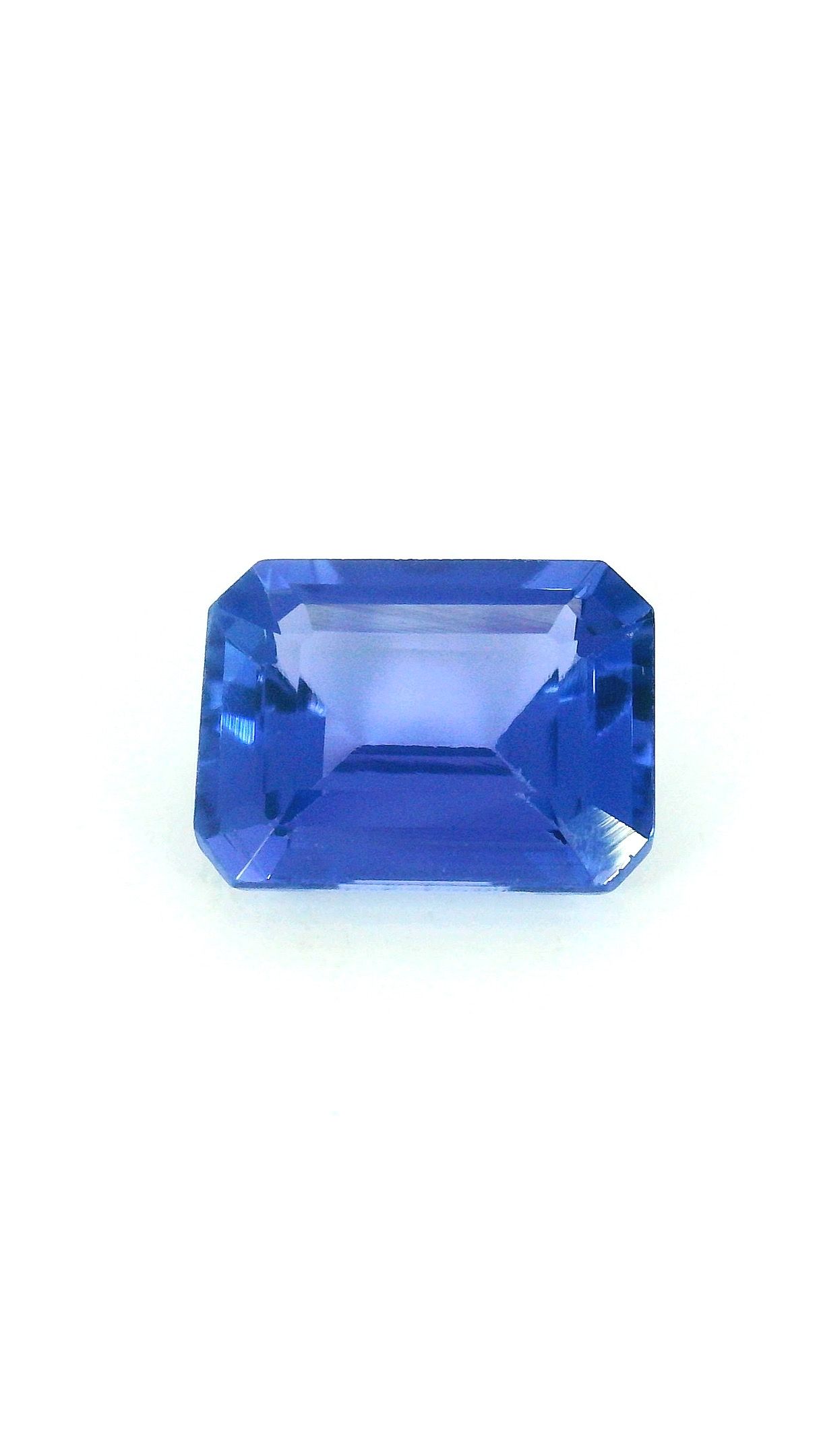
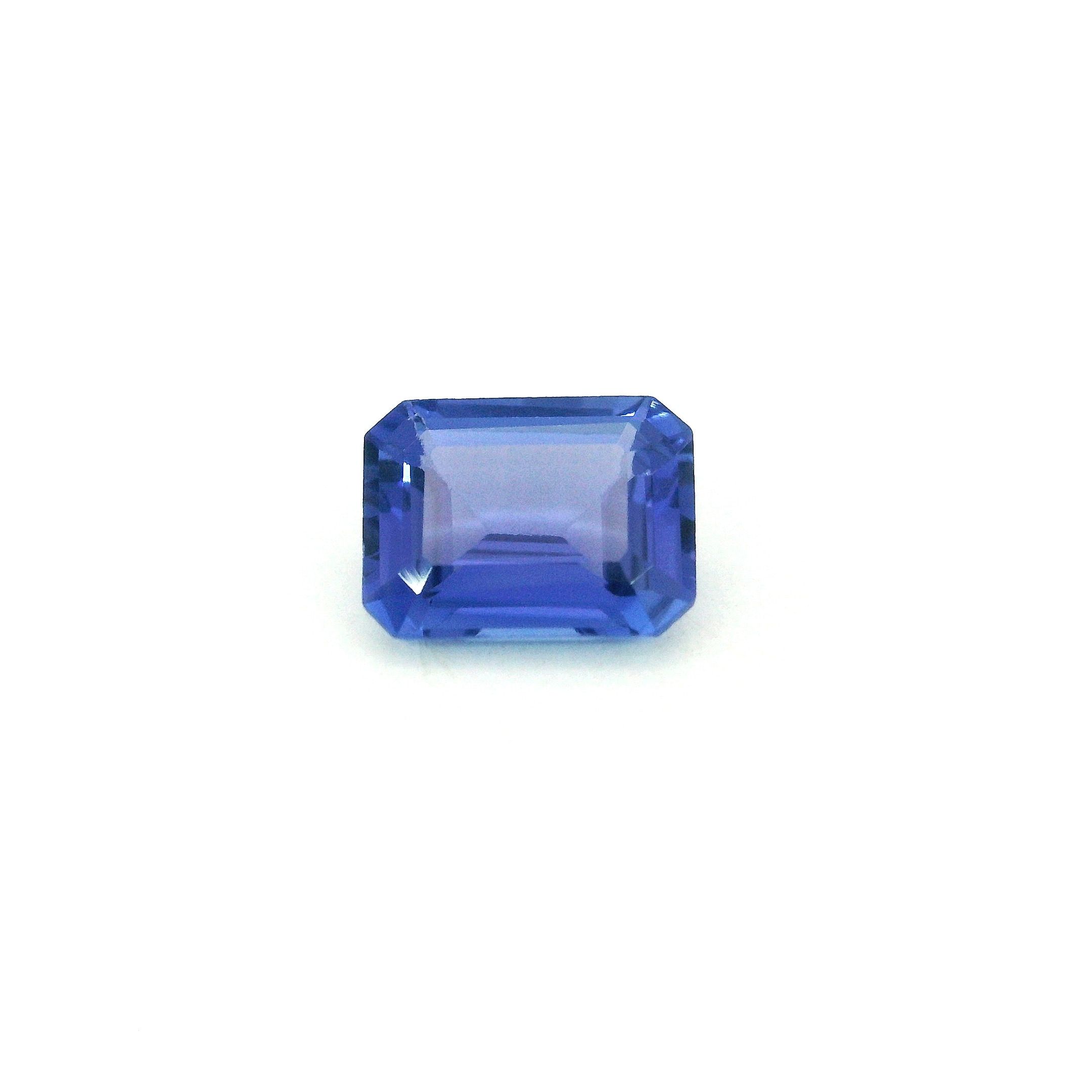
Tanzanite shows different colors from different directions: blue one way, violet another, sometimes a hint of burgundy. The cutter decides which face you see, so two stones of the same color name can look quite different. Stones that face up a strong, deep blue usually cost the most, and violet stones cost less for the same size. Color strengthens with size, which is why small tanzanite often looks pale. Judge it in the video, where the stone turns through its colors.
Heat and What the Report Says
Tanzanite comes out of the ground mostly brownish, and gentle heat turns it blue to violet. Nearly all tanzanite is heated; the result is permanent and needs no special care. Heating usually leaves no trace a lab can detect, so a report that names no treatment does not mean the stone was never heated. Each stone's page shows the treatment its report records.
Where It Comes From
Tanzanite is a blue variety of the mineral zoisite, found in 1967 in the hills of northern Tanzania and named after the country. Each stone's page shows the origin its supplier lists; only a lab's origin report confirms it.
Wearing Tanzanite
At 6 to 6.5 on the Mohs scale, tanzanite is softer than quartz, the hardest part of ordinary dust, so its facets can dull with daily wear, and a hard knock can crack it. A ring is possible in a protective setting, such as a bezel or a halo with raised prongs, taken off for housework and the gym. Pendants and earrings take far less wear. Clean it with lukewarm soapy water, never with ultrasound or steam, and avoid sudden heat. What a lab report records is explained in our education pages.
Prices From Our Catalog
| Carat Weight | Median Price per Carat | Stones Counted |
|---|---|---|
| 1.50-1.99 ct | $824 | 21 |
| 2.00-2.49 ct | $844 | 23 |
| 2.50-2.99 ct | $321 | 10 |
| 4.00-4.99 ct | $310 | 20 |
| 5.00 ct and up | $302 | 13 |
The median price per carat of the tanzanite on sale here in each band, in US dollars, as of November 2, 2026. The grid shows each stone’s own price in your currency.
Tanzanite and Blue Sapphire
| Tanzanite | Blue Sapphire | |
|---|---|---|
| Mineral | Zoisite | Corundum |
| Hardness | 6 to 6.5 on the Mohs scale | 9 on the Mohs scale |
| Usual treatment | Heated, nearly always | Heated, often |
| Best worn as | Pendant, earrings or a ring worn with care | Any jewelry, including an everyday ring |
Questions
How hard is tanzanite?
Tanzanite is 6 to 6.5 on the Mohs scale, softer than quartz, which is in ordinary dust, so it can scratch and dull with daily wear, and a hard knock can crack it. It suits pendants and earrings well. In a ring, choose a protective setting and take it off for housework, gardening and the gym.
Is tanzanite heated?
Nearly all tanzanite is heated to turn its natural brownish color blue to violet. The heat is permanent and needs no special care. Labs usually cannot detect it, so a report that names no treatment does not mean the stone was never heated. Each stone's page shows the treatment its report records.
Who should not wear tanzanite?
Anyone who wants a ring to wear through every task, every day, may be happier with a harder stone. Tanzanite is softer than sapphire or diamond and can scratch or crack from knocks that a sapphire would shrug off. If your hands work hard, choose tanzanite for earrings or a pendant, or a blue sapphire for a ring.
How valuable is a tanzanite?
A tanzanite's price depends most on the strength of its blue to violet, then on size and clarity: deep, saturated blue stones cost the most. Buy it to wear rather than to sell: secondhand offers are usually well below the price paid. Sort the grid by price to compare stones in your currency.