Loose Tourmaline
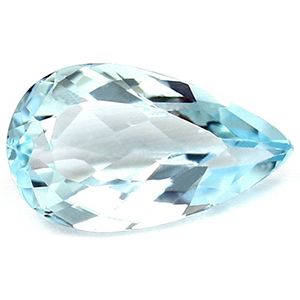
Natural loose tourmaline, a gem found in nearly every color, each stone reported on by an independent lab.

- 43 Available
- From $519
- GIA, IGI, AGL and GRS Reports
- Free Insured Delivery Over $100







Good to Know
In Brief
Choose the color first, then judge clarity by that color's own standard: a green should look clean to the eye, while a strong pink or red can carry a few visible inclusions, so don't pay extra for a spotless rubellite. Pay a Paraíba-type premium only when the stone's lab report uses the name, never for a seller's "neon". Trade names such as rubellite and indicolite describe a color, not a better stone, so if two look the same, buy the cheaper one.
A Family of Colors, Each With Its Own Name
Tourmaline is a group of closely related boron silicate minerals, which is why it turns up in nearly every color. Most gem tourmaline is the species elbaite; liddicoatite, dravite and uvite are cut less often, and black schorl is rarely faceted. Iron, and possibly titanium, gives the greens and blues, while manganese gives the pinks and reds.
The trade names colors, not grades. Rubellite covers pink to red, indicolite the darker violetish to greenish blues, and chrome tourmaline an intense green that owes its color mainly to vanadium despite the name. Watermelon is pink at the center and green around it, and a stone showing more than one color is parti-colored. Labs do not all draw the rubellite line in the same place, and the name adds cost without adding beauty: if two pinks look alike and only one is called rubellite, buy the cheaper one.
Pink and Green: Where Most Choices Lie
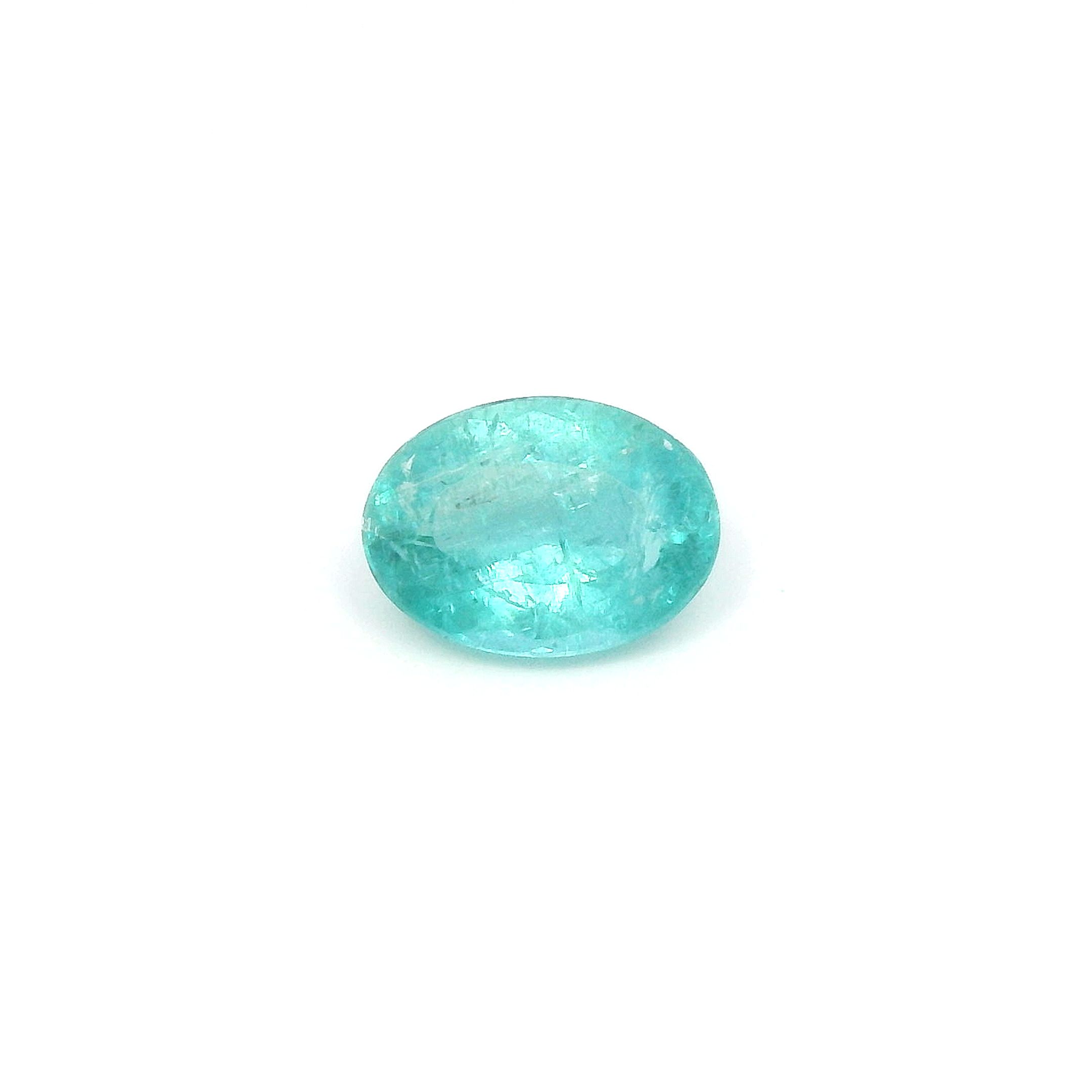
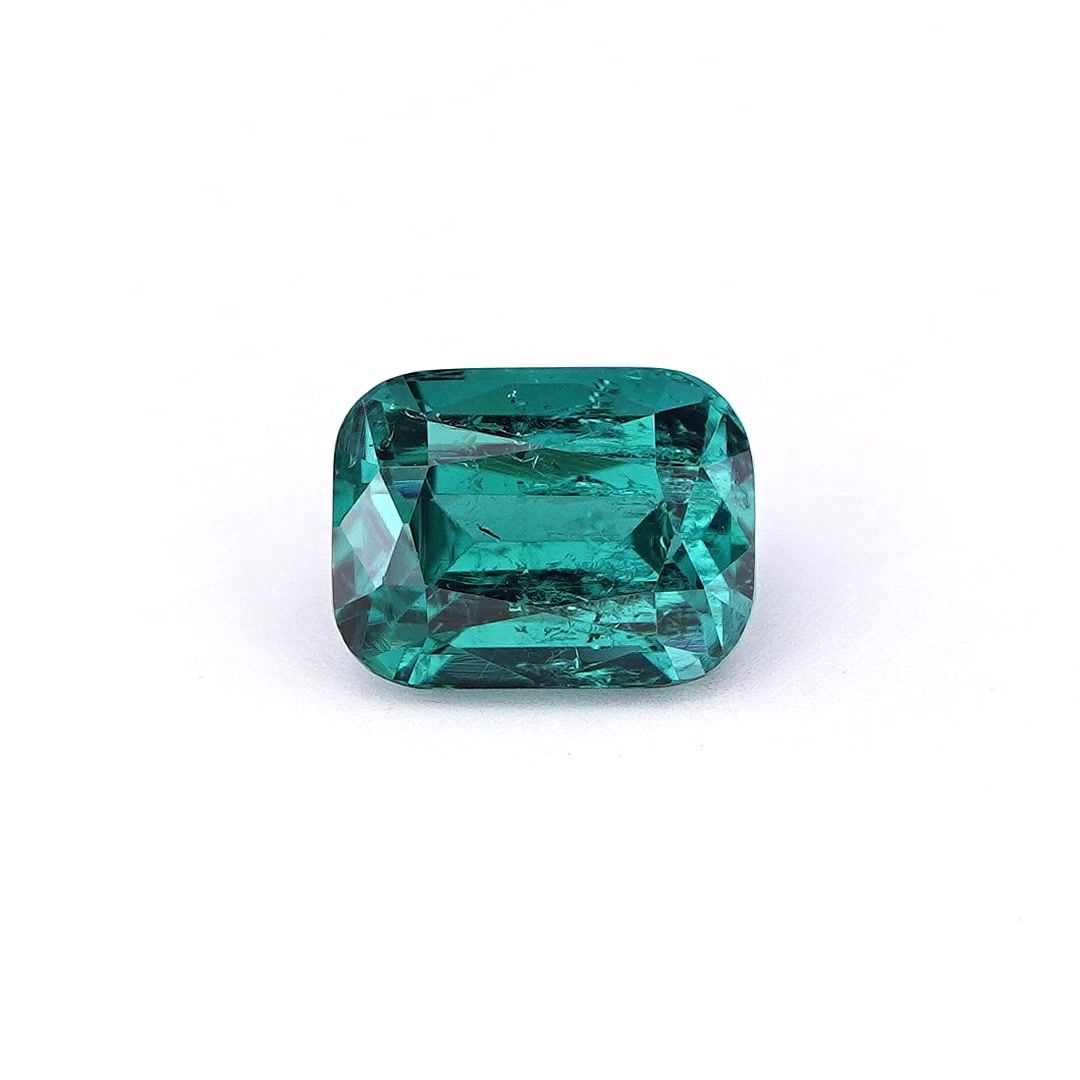
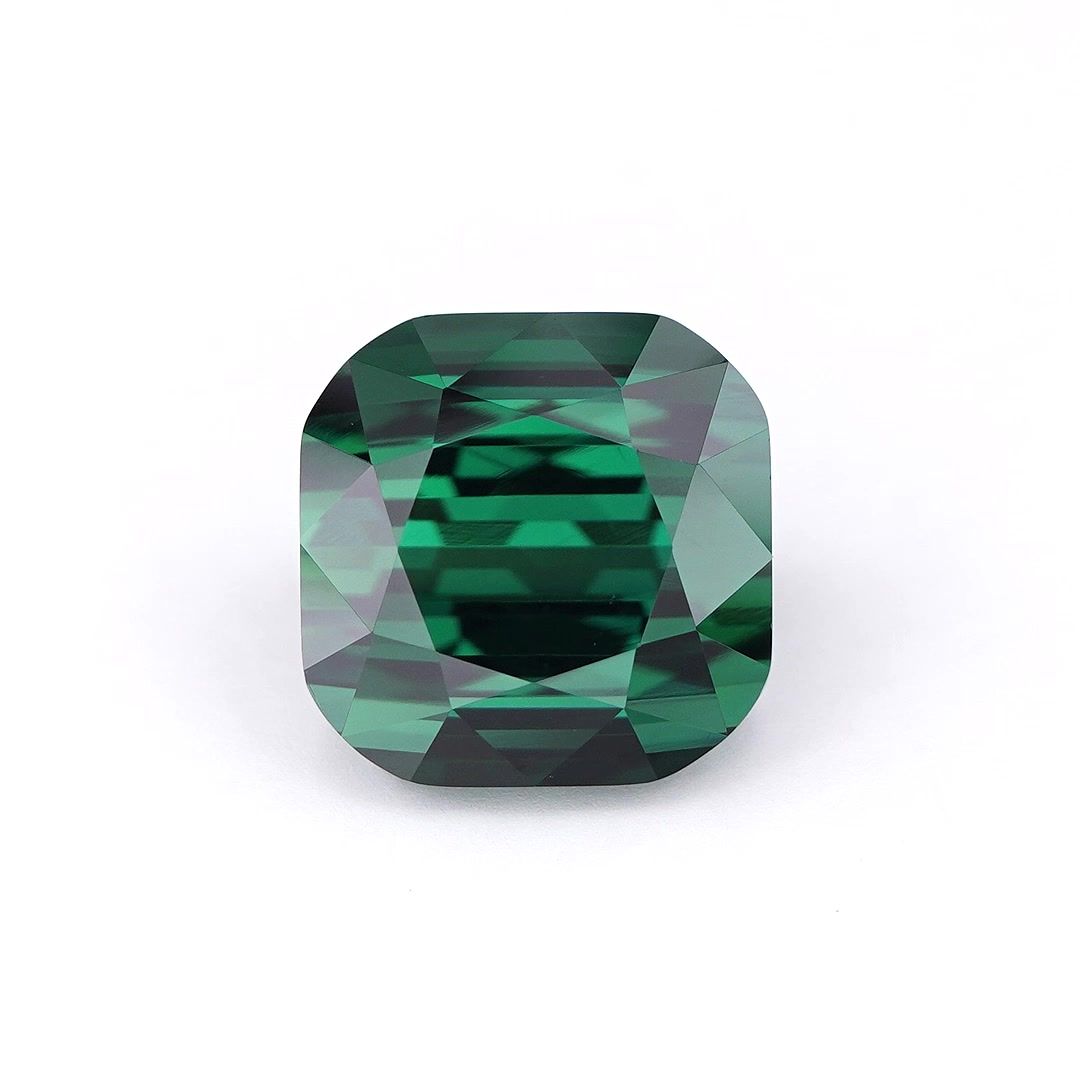
Pink and green are tourmaline's most common colors, and they are held to different clarity standards. A green tourmaline is expected to look clean to the eye, so an inclusion you can see in the video counts against it and should bring the price down. In blue and the other colors, an eye-clean stone is worth more than an included one, though it is not expected. Pink and red stones often show inclusions, and the trade accepts them while the color is strong: a vivid rubellite with a small inclusion away from the center is a better buy than a paler one that is spotless.
Within either color, spend on saturation. A green that drifts toward olive or brown, or a pink gone grayish, costs less and looks it.
Paraíba-Type Only Where the Report Says So
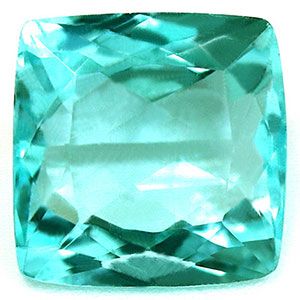
In the late 1980s, tourmaline colored by copper was found in the Brazilian state of Paraíba. Its intense violetish blue, greenish blue and blue seem to glow, and fine stones command the highest premiums in tourmaline. Copper-bearing tourmaline has since come from Mozambique and Nigeria as well, and labs may use the Paraíba name whatever the source, so the name does not tell you where a stone was mined; only an origin the report states does, and many give none.
Pay that premium only when a stone's report names it copper-bearing or Paraíba-type. A seller's "neon" or "electric" describes a look, not a chemistry, and a bright blue tourmaline without copper is simply a blue tourmaline, priced as one. Read the independent lab report on variety and origin before the price.
Darker Down the Length: How Cutting Sets the Color
Tourmaline is strongly pleochroic: many crystals absorb far more light along their length than across it, so a crystal that looks a medium green from the side can look far darker, sometimes nearly black, down its length. The cutter chooses which view becomes the face. To lighten dark rough, the table is cut parallel to the length; to deepen pale rough, across it. So a report's color description cannot tell you how dark a stone will face up in a ring; the rough and the cutter's choice of orientation decide that. Judge the face-up color in the video: it should stay even as the stone tilts, without patches that sink toward black.
Heat, Irradiation and Careful Cleaning
Heating and irradiation are the most important treatments in tourmaline. Heat can lighten a green that is too dark or bring out the blue of a copper-bearing stone, and the change is stable; irradiation can deepen some pinks and reds, but color made that way can fade with heat or bright light. GIA notes that heating is undetectable, and irradiation is often hard to detect as well, so a report naming no treatment does not show a stone was untreated. Some included stones, often pinks, reds and copper-bearing blues, also have fractures filled so they show less, the one treatment of the three that usually leaves visible signs. Whichever of these a report records, the tourmaline's own page repeats it.
At 7 to 7.5 on the Mohs scale, with toughness GIA rates as fair, tourmaline suits earrings and pendants worn daily, and a ring in a setting that guards its edges. Household chemicals leave it alone; heat is the risk, since high heat can change its color and a sudden swing in temperature can crack it. Clean it in warm soapy water, never in an ultrasonic or steam cleaner.
Prices From Our Catalog
| Carat Weight | Median Price per Carat | Stones Counted |
|---|---|---|
| 0.50-0.74 ct | $12,544 | 11 |
| 1.00-1.49 ct | $9,598 | 11 |
The median price per carat of the tourmaline on sale here in each band, in US dollars, as of November 2, 2026. The grid shows each stone’s own price in your currency.
Tourmaline Colors and What to Expect
| Name Often Used | Clarity Usually Expected | Check in the Video | |
|---|---|---|---|
| Green | Chrome tourmaline, for an intense green | Clean to the eye | A green face, not olive or near black |
| Pink to Red | Rubellite, for the stronger pinks and reds | Some visible inclusions, if the color is strong | Strength of color first, then where any inclusion sits |
| Blue | Indicolite, for the darker blues | Clean to the eye is worth more | A blue that stays blue, not inky, as it tilts |
| Copper-Bearing Blue to Green | Paraíba or Paraíba-type, only as the report names it | No single standard; color leads the price | A glowing color, then the report's wording |
| Pink and Green Together | Watermelon or parti-colored | Color pattern counts most; watermelon is often cut in slices, parti-colored stones in long step cuts showing both colors | A crisp line where the two colors meet |
Questions
How much is 1 carat of tourmaline worth?
Far more depends on color than on weight. A 1 carat pink or green tourmaline costs much less than a fine ruby, sapphire or emerald of that size, and a strong rubellite or indicolite costs more than a pale pink or an olive green of the same weight. To see real figures in your currency, narrow the grid to stones close to 1 carat, put the lowest price first and compare their videos.
Which color of tourmaline is the most expensive?
Copper-bearing tourmaline in an intense, glowing blue to green, the stones a lab may call Paraíba or Paraíba-type, costs the most by a wide margin. Among the rest, a strong red rubellite, a clear blue indicolite and an intense chrome green usually cost more than lighter pinks and everyday greens. If you love a soft pastel pink or a mint green, those are the colors where the same budget buys the most size.
How can you tell if tourmaline is real?
A lab report is the reliable test. Glass imitates tourmaline, and other gems share its colors: a green can be mistaken for emerald, a pink for spinel or topaz, and a neon blue for apatite. Each tourmaline here is natural, and the page names the independent lab that identified it as tourmaline. A color that shifts strongly as you tilt the stone hints at tourmaline but proves nothing.
What is the rarest color of tourmaline?
Copper-bearing blue to green is generally counted the rarest. A pure, saturated blue is uncommon too. Scarcity explains why those stones cost more; it does not make one look better in a ring. A well-cut green or pink in a color you love will look just as fine on the hand and leave room in the budget for size.
Is green tourmaline a good alternative to emerald?
Often, yes. Chrome tourmaline, an intense green, can look much like emerald for less. Green tourmaline is expected to look clean to the eye, unlike most emeralds, and filled fissures are far less common than in emerald, where oil is the norm; a report names any it finds. Care is the same for both: warm soapy water, never ultrasonic or steam. At 7 to 7.5 on the Mohs scale it is a little softer than emerald.
Who should not wear tourmaline?
Nobody needs to avoid it, but a ring that meets the gym, the garden and a hot oven every day will show wear sooner in tourmaline than in a harder gem. If that is your routine, a sapphire or spinel in a similar color takes knocks better; keep tourmaline for earrings, a pendant, or a ring you take off before hard or hot work.