Natural Diamond Tennis Bracelets
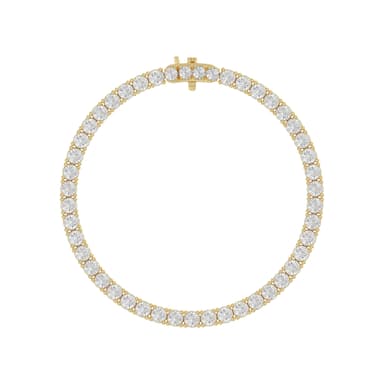
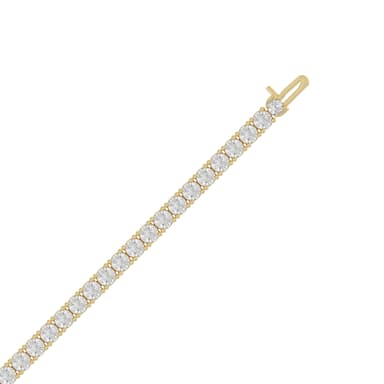
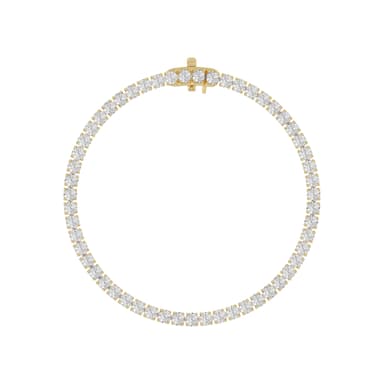
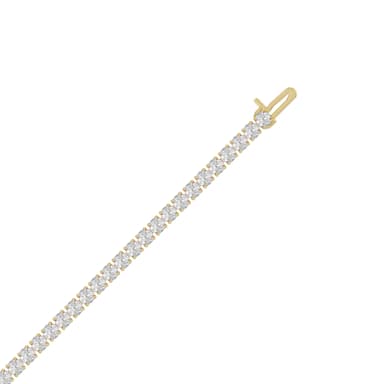
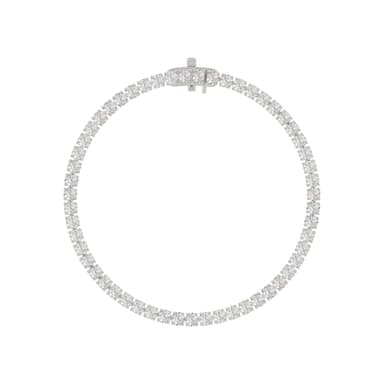
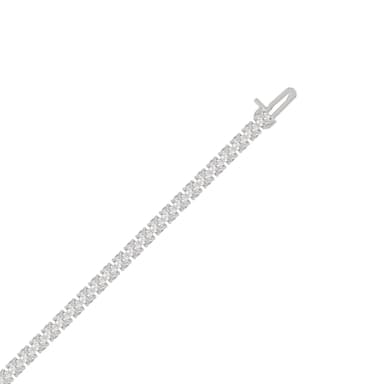
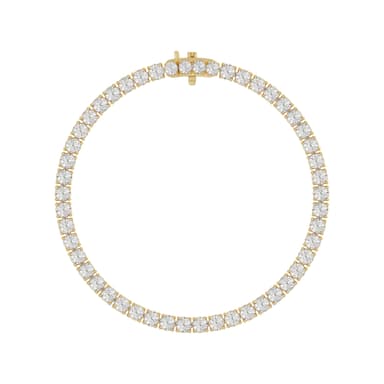
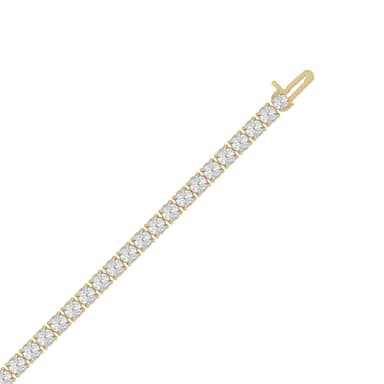
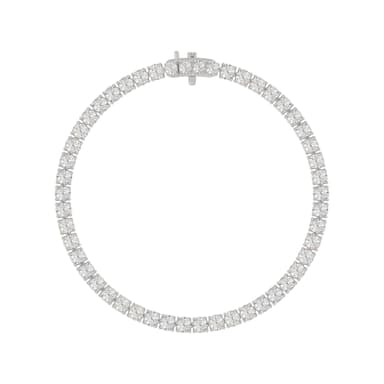
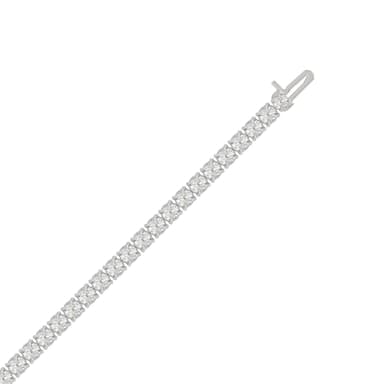
Tennis bracelets set with natural diamonds of G color and VS clarity, in round, oval, pear, emerald and princess cuts, made to order in solid 14K or 18K gold, each with an HRD jewelry report.

- 56 Available
- From $5,149
- Free Insured Delivery Over $100






Good to Know
In Brief
Choose natural only if it matters to you that the diamonds formed in the earth: each style is also made with lab-grown diamonds, in the same lengths and weights and a color step apart at most, for much less. If natural is the point, there are no grades to choose, as every natural line is G color and VS clarity. The choices that move the price are weight, length, gold and style: take the lightest line that looks right, the length your wrist needs, and 14K unless you want the richer yellow of 18K.
Why Natural Costs More for the Same Line
Each natural tennis bracelet here has a lab-grown twin: the same style, made in the same lengths and to the same total weights. The natural line is set with G color, VS clarity diamonds and the lab-grown line with F-G and VS, at most a single step of color, which is hard to tell apart in diamonds this small on a wrist. What differs is origin, and so price: natural diamonds are rarer, formed deep underground, most over a billion years ago, and mined, while lab-grown ones grow above ground in weeks.
The difference is not fixed: a natural line's price rises closely with its total carat weight, and the gap between the twins widens with it. Our comparison of lab-grown and natural diamonds sets out what the extra buys.
How Many Diamonds, and How Big
A tennis bracelet's carat figure is the weight of all its diamonds together, not the size of one. In the round and pear styles, a heavier line at the same length uses fewer, larger diamonds: a Pear line at 7 inches carries diamonds of about 0.10 ct each when it weighs 3.5 ct in all, and about 0.33 ct each at 9 ct. The Oval and Emerald-Cut lines instead add diamonds as they get heavier. Each piece's page states its count and total.
Visible size grows more slowly than weight. Each diamond in that 9 ct line weighs over three times as much as one in the 3.5 ct line, yet it is only about half as wide again, because the extra weight goes into depth as well as width. Since a natural line's price follows its weight, choose the lightest line that looks right on you, not the heaviest the budget allows. Our page on how carat weight shows sets weight against size.
Round, Oval, Pear, Emerald or Princess
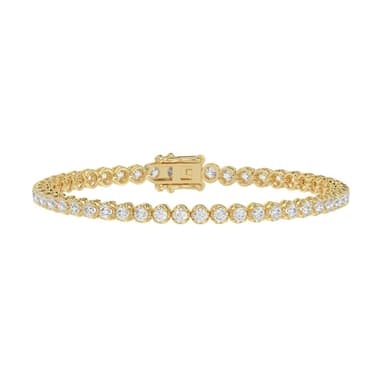
The Classic sets round diamonds in four-prong baskets. The Lightweight puts less gold around each round, so it sits lighter on the wrist, and it reaches the same total weight with fewer, larger diamonds. Larger natural diamonds cost more per carat, so on the natural line the Lightweight can cost more than a Classic of the same weight: sort by price before assuming it saves.
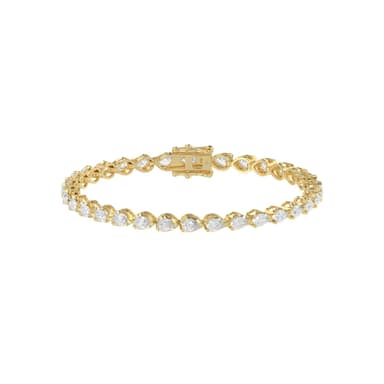
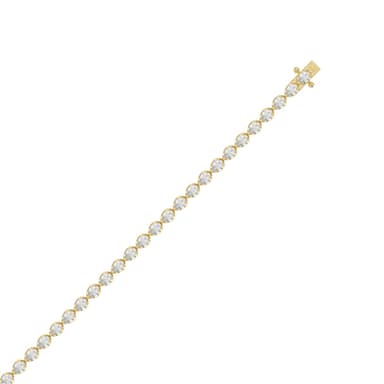
Ovals sit end to end in four-prong baskets and look larger for their weight than rounds, so an oval line may give you the look you want at a lower weight. Natural ovals cost more per carat than the Classic's rounds, though, so compare prices rather than weights. The Three-Prong Oval holds each one in three prongs, so less metal shows between the diamonds. In the Pear, a prong guards each point. Emerald cuts give calm flashes of light rather than sparkle, and princess cuts are square, their corners held by prongs.
G Color and the HRD Report
G is the top of the near-colorless range on GIA's scale, one step below colorless F, and in diamonds this size it reads white in any metal. Every natural line here is G color and VS clarity, so there is no grade to choose. White gold sets a G diamond off brightly, and yellow gold warms it a touch. 14K is harder-wearing and costs less, while 18K is richer in color and a little softer. VS clarity means any inclusions need magnification to find. No cut grade is given for the natural line's diamonds, so judge their sparkle from the video on each bracelet's page, which shows the style made up rather than the diamonds that will be set in yours.
Every natural bracelet comes with a jewelry report from HRD Antwerp, a diamond grading laboratory based in Belgium. It is an independent check of the weight, color and clarity of the diamonds in that piece.
Getting the Length Right
Each style is made in every half inch from 6 to 8.5 inches, and the listing shows 7 inches unless you pick another. Measure around your wrist and add about half an inch for a close fit, or an inch for one that moves. On a natural bracelet each extra half inch adds diamond weight, and price with it, so buy the length that fits, not a spare inch to be safe. If the length turns out wrong, you have 14 days to return it.
Natural or Lab-Grown in the Same Bracelet
| Natural | Lab-Grown | |
|---|---|---|
| Diamonds | Formed deep in the earth, most over a billion years ago, then mined | Grown above ground in a matter of weeks |
| Diamond grades | G color, VS clarity | F-G color, VS clarity, Very Good cut |
| Report | HRD jewelry report | IGI jewelry report |
| Styles, lengths and weights | Every style, 6 to 8.5 inches, the same weights | The same styles, lengths and weights |
| Gold | 14K or 18K, white or yellow | 14K or 18K, white or yellow |
| Making time | About 20 to 25 business days, longer for some | About 20 to 25 business days |
| Price for the same look | Higher, and the gap widens with weight | Lower |
Questions
How much does a natural diamond tennis bracelet cost here?
With the grades fixed at G color and VS clarity, four choices set the price: the total carat weight above all, then the style, the length and 14K or 18K gold. Ovals and the Lightweight tend to cost more per carat than the Classic's rounds. Each bracelet's page shows its price in your currency, and sorting the grid by price shows where each style begins.
What carat weight is ideal for a tennis bracelet?
There is no right weight, only the look you want. A lighter line reads as fine and easy to wear every day; a heavier one is bolder, usually with larger diamonds that each catch the eye on their own. A natural line's price follows its weight, so try the lightest that looks right to you before moving up. The weight filter reads each style at 7 inches; a bracelet's title gives its own weight at the length you choose.
How many diamonds are in a tennis bracelet?
It depends on the style, the weight and the length. In the round styles a heavier line uses fewer, larger diamonds, and the Lightweight reaches each weight with fewer, larger rounds than the Classic, while the Oval and Emerald-Cut add diamonds as they get heavier. A longer bracelet of the same style adds diamond weight with each half inch. Each bracelet's page gives its own count, its total weight and what each diamond weighs.
What does a 7 inch bracelet mean?
It is the bracelet's length, 7 inches from end to end, and the length our listing shows unless you choose another. Allowing half an inch to an inch over the wrist, it suits a wrist of about 6 to 6.5 inches around. Every style is also made from 6 to 8.5 inches, and a longer one carries more diamonds, and more weight, than its 7-inch version.
What report comes with a natural diamond tennis bracelet?
An HRD jewelry report, which records the total weight of the diamonds in that bracelet and grades them together: G color and VS clarity on every natural line. Grading a line of small diamonds as one matched set, rather than stone by stone, is usual for jewelry. The lab-grown bracelets come with an IGI jewelry report instead, graded F-G color and VS clarity.
Are natural diamond tennis bracelets worth it?
They are if you will wear one often and it matters to you that its diamonds formed in the earth. Choose it for the pleasure of wearing it, not as something to sell on. If the origin does not matter to you, the lab-grown version of the same bracelet gives the same look for much less, so compare the two pages before you choose.