1 Carat Lab-Grown Diamonds
White lab-grown diamonds from 1.00 to 1.49 carats, in every shape and each graded by IGI or GIA, with the grades, measurements and price in your currency on each stone's page.

- Over 200,000 Available
- From $254
- IGI and GIA Reports
- Free Insured Delivery Over $100
Good to Know
In Brief
Buy a well-cut stone and judge it by its millimeters: a good 1 carat round is about 6.4 to 6.5 mm across, while an oval, pear or marquise of the same weight looks larger and a cushion, princess or Asscher smaller. At this size a faint tint or a small inclusion rarely shows, so the top colors and VVS clarity are seldom worth what they add to the price. Prices often step up at 1.00 carat, so set a 0.90 to 0.99 beside a full carat of the same grades: at most about 0.2 mm narrower, it is hard to tell apart once set, and if the two look the same, buy the cheaper one.
What One Carat Looks Like
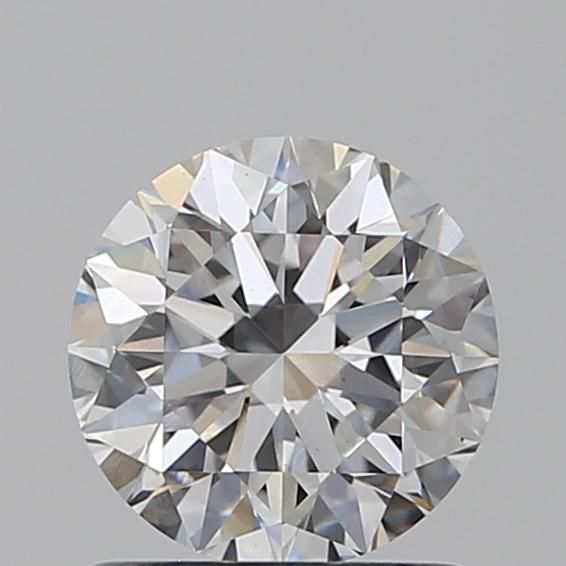
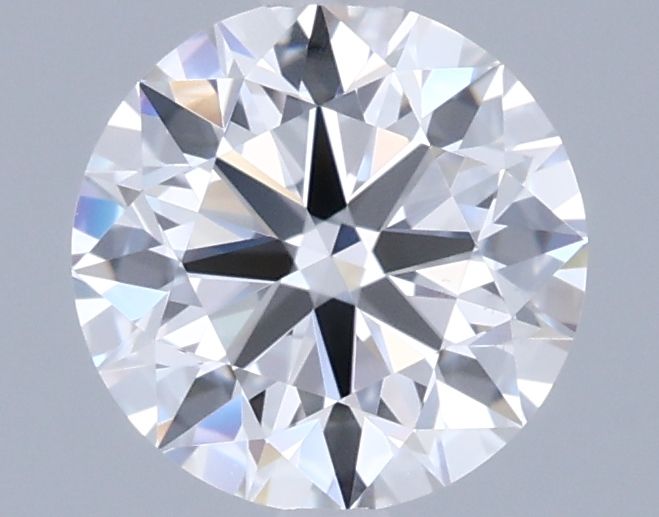
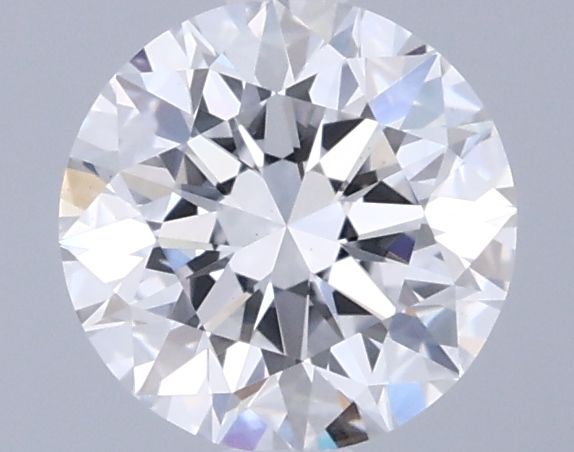
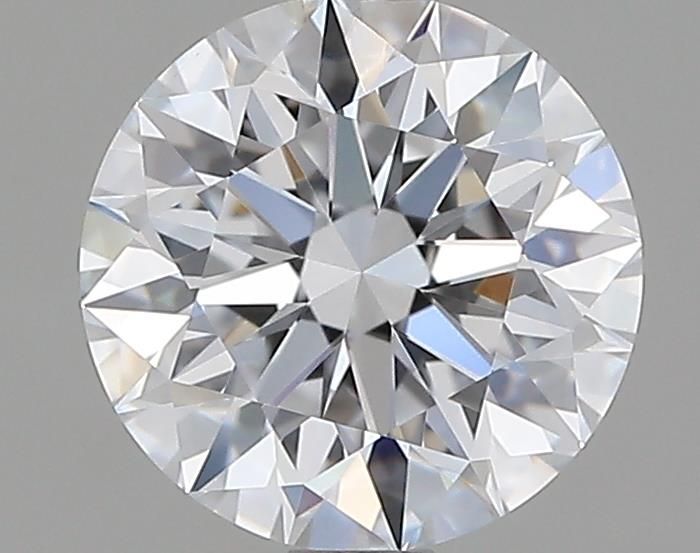
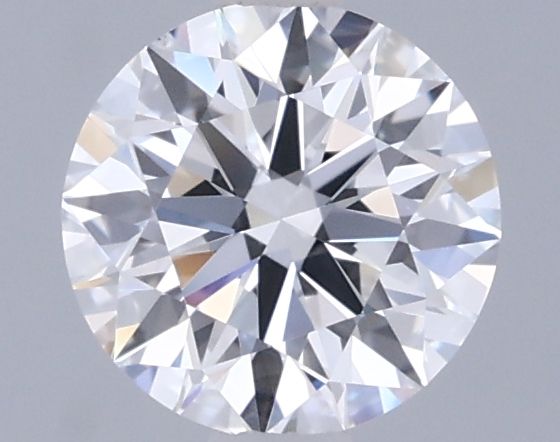
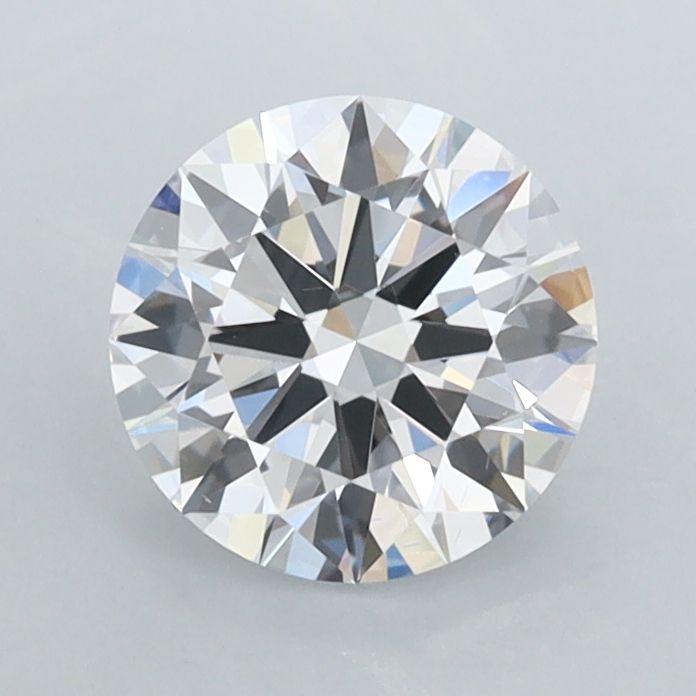
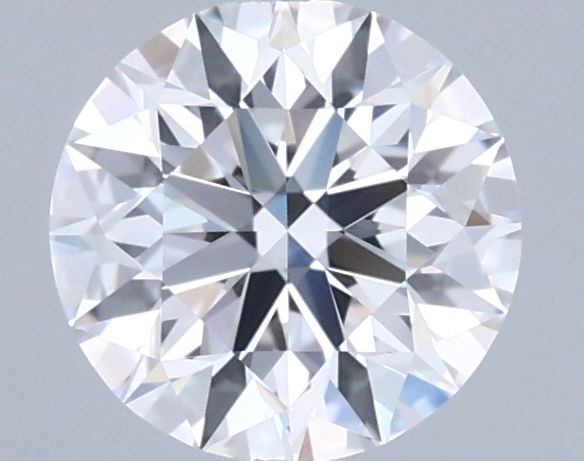
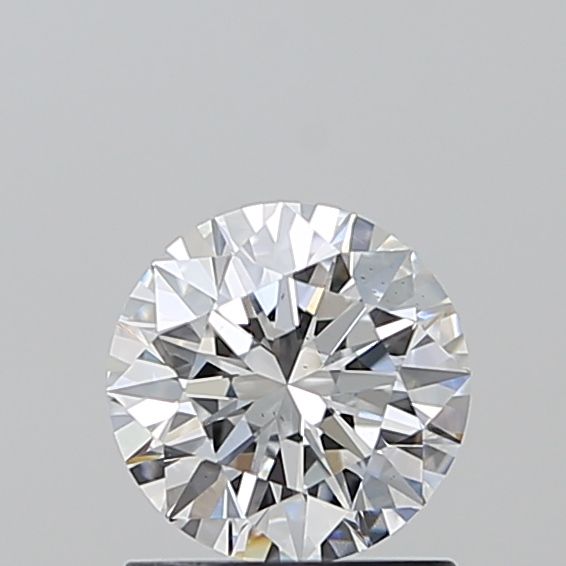
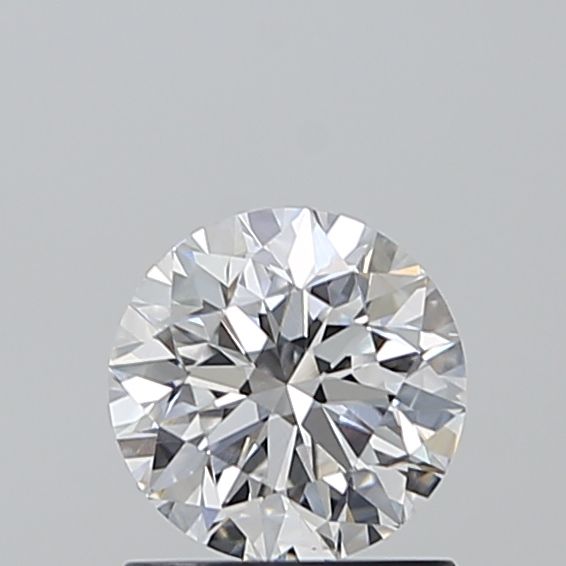
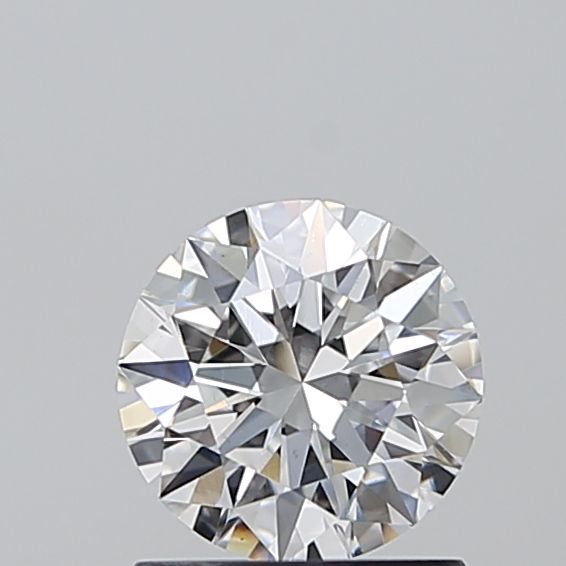
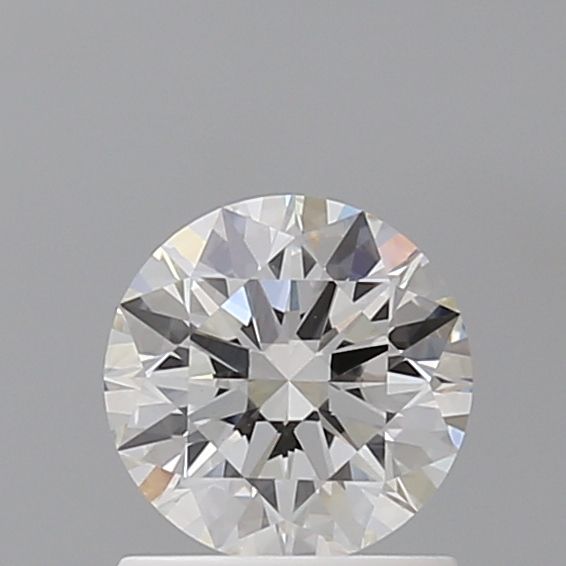
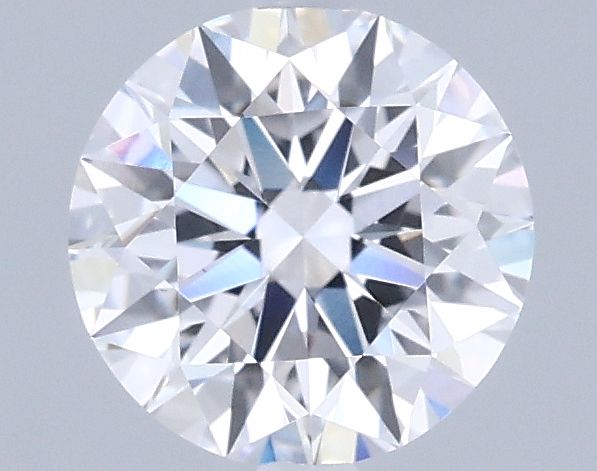
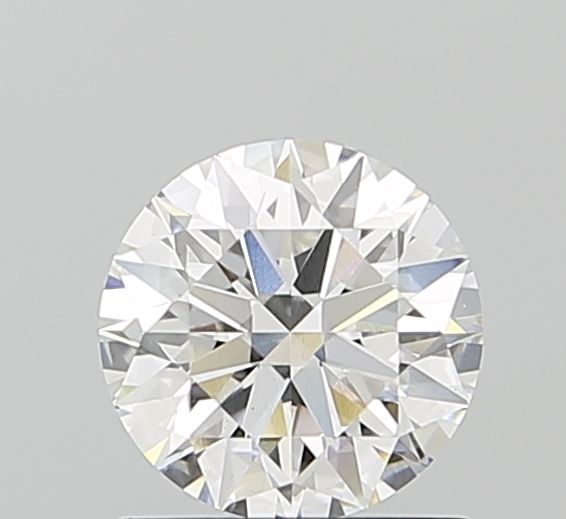
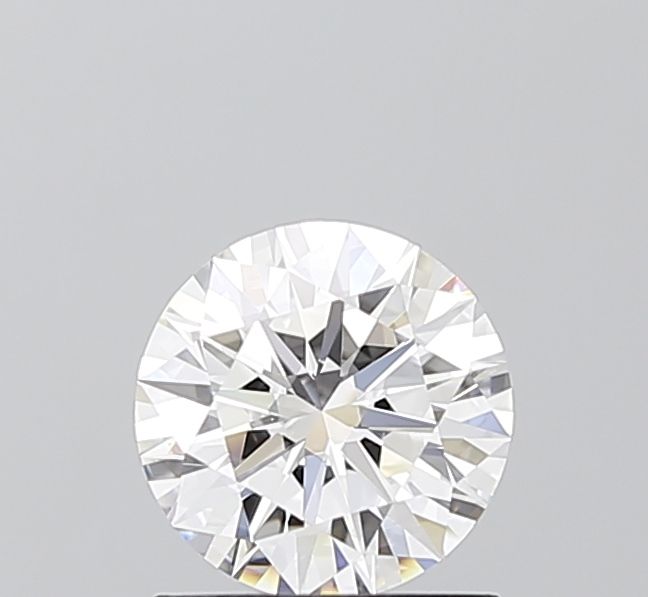
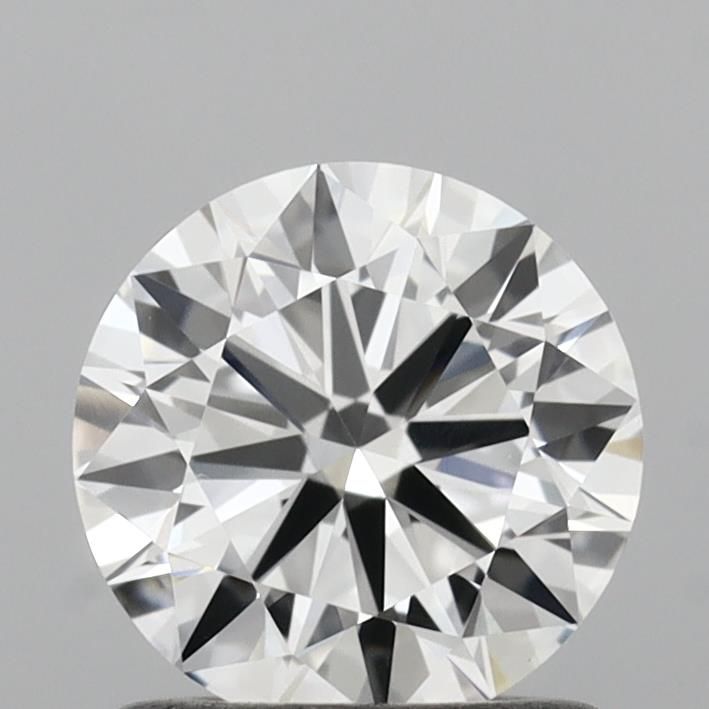
A 1 carat diamond weighs a fifth of a gram, but what anyone sees is its width. A well-cut round of 1.00 carat measures about 6.4 to 6.5 mm across. On a size 6 finger, about 16.5 mm across, it covers roughly two fifths of the width: plain to see without crowding the hand.
This page runs from 1.00 to 1.49 carats, and in a round that range spans about a millimeter: roughly 6.9 to 7.0 mm at 1.25 carats and 7.2 to 7.3 mm in the 1.40s. Within the band, the millimeters tell you more than the weight. GIA's own example is a poorly cut 1.20 carat stone that can look the same size as a well-cut 1.00, its extra weight hidden in a thick girdle or a deep pavilion. Read the diameter on each stone's page before the carats; our guide to carat weight and size sets the two side by side.
How Each Shape Spreads at 1 Carat
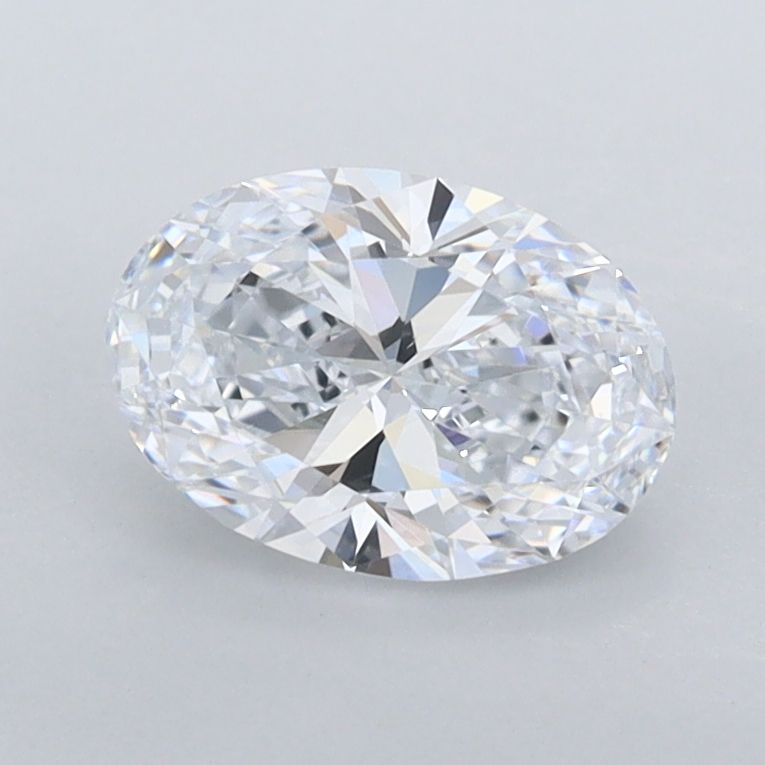
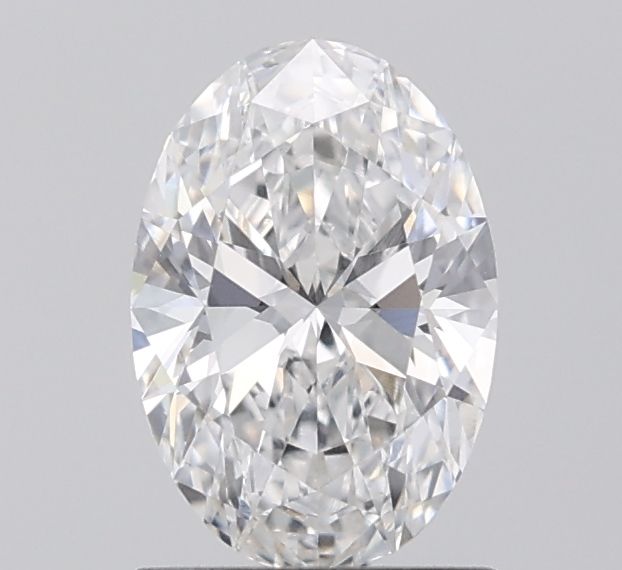
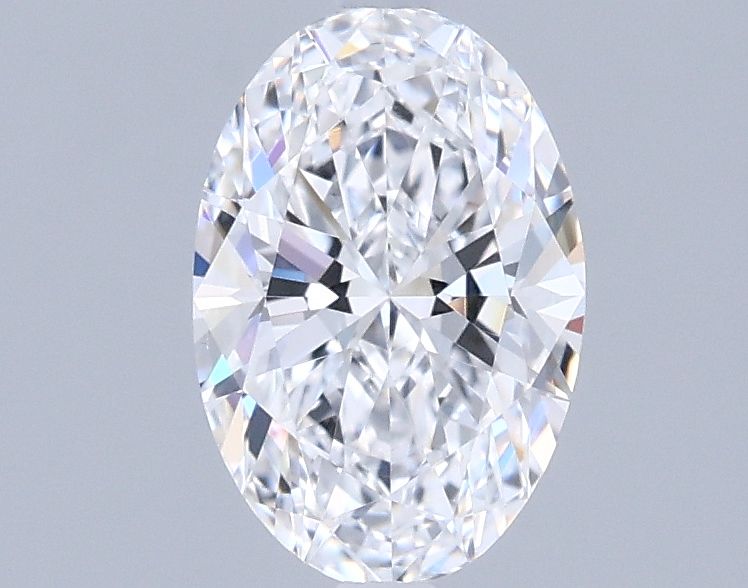
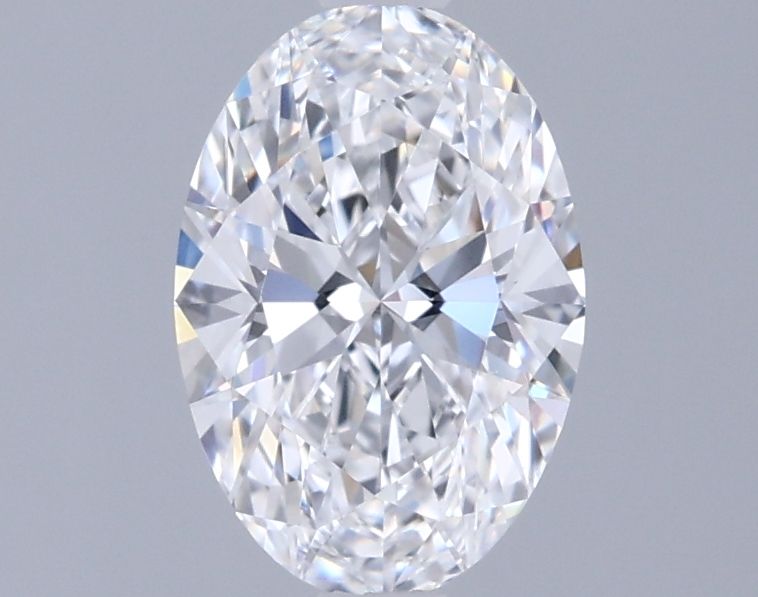
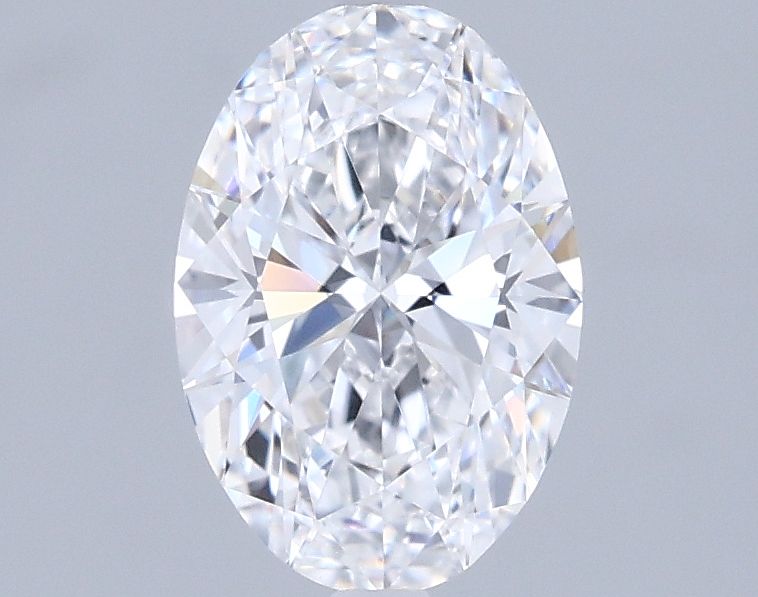
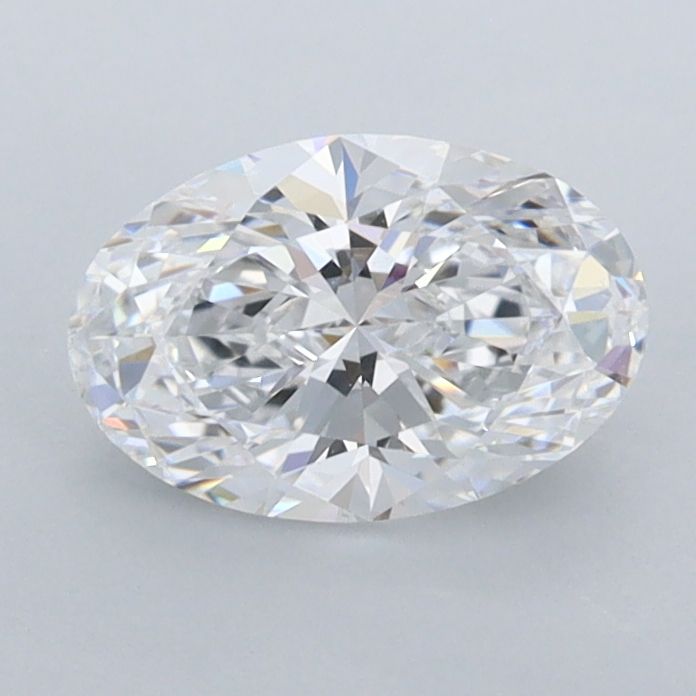
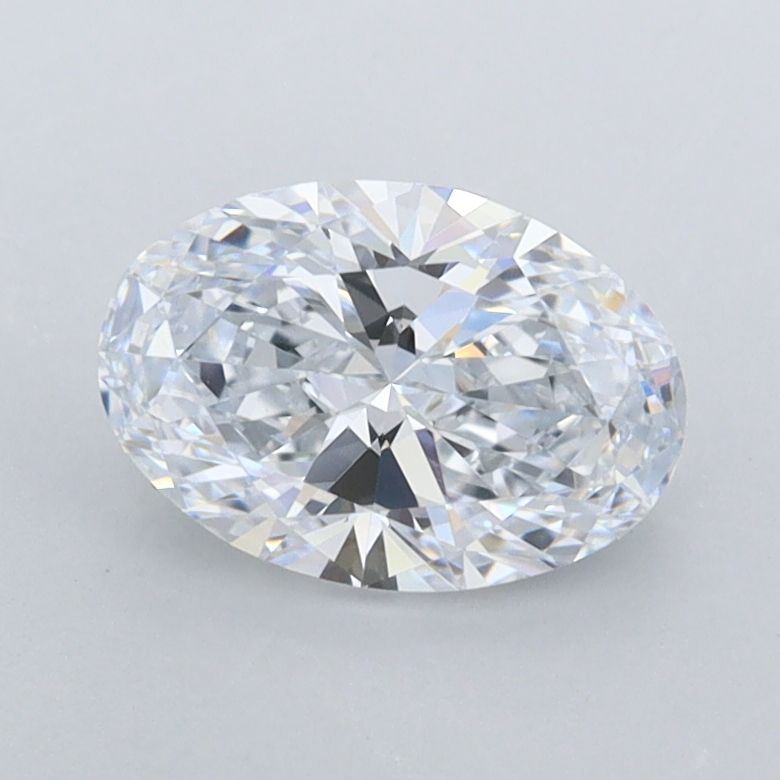
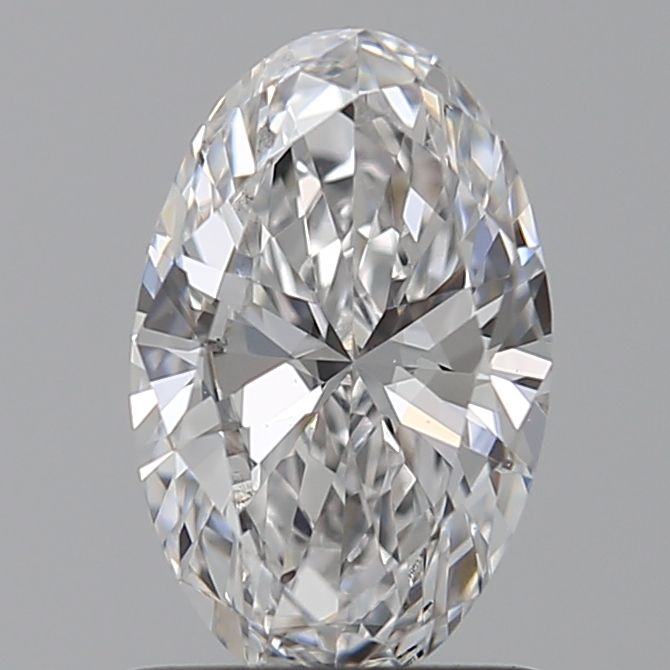
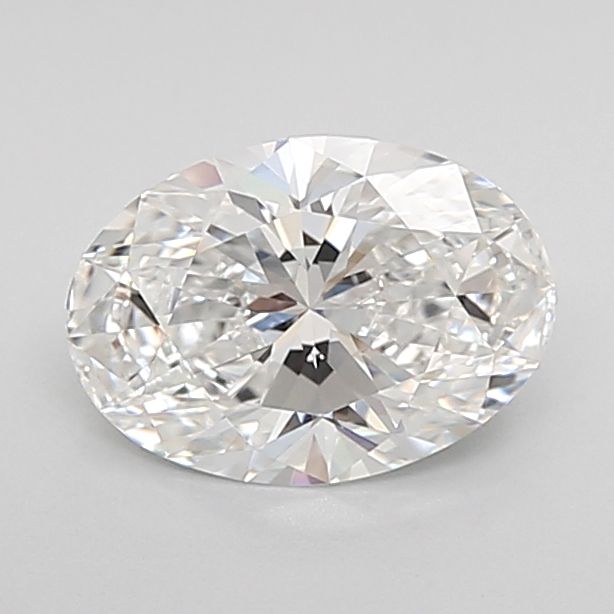
The same weight faces up differently in each shape. Long shapes spread it along their length: a 1 carat oval is about 7.7 to 8 by 5.7 to 6 mm, a pear about 8.5 to 9 by 5.5 mm and a marquise about 10 to 10.5 by 5 mm, and all three look larger than a round of equal weight, the marquise most of all. An emerald cut of about 7 by 5 mm covers much the same area as a round but reads longer on the finger.
Square shapes go the other way. A 1 carat cushion is about 5.5 to 6 mm a side, and a princess or an Asscher about 5.5 mm, because more of their weight sits in their depth, below the girdle where nobody sees it. A princess wins some size back on its diagonal, the line from corner to corner. The comparison further down sets six of them side by side.
A 0.90 Carat Stone Beside a Full Carat
Diamond prices often step up as a stone reaches a round weight such as 1.00 or 1.50 carats. GIA calls these magic sizes, and a diamond that weighs a little less is often cheaper per carat, though with lab-grown diamonds the step varies, so compare. A well-cut round of 0.90 carat measures about 6.2 to 6.3 mm, some 0.2 mm narrower than a full carat, a gap few people could see once it is set.
This page starts at 1.00, so stones of 0.90 to 0.99 carats are not listed here. Find them on our Lab-Grown Diamonds page with the carat filter set to 0.90 to 0.99, and weigh their prices against a full carat of matching grades. Stones of 1.40 to 1.49 carats are on this page too, and if the look of 1.5 carats is what you want, start among them; the 1.5 Carat page sets out that step. The dated price table on this page shows the median price per carat, in US dollars, of the 1.00 to 1.49 carat stones in our catalog.
Grades a Single Carat Can Skip
In a round of this size the table, the flat facet on top, is about 4 mm across or less, so a faint tint or a small inclusion has little room to show. Seen at the distance you hold your hand, a round or oval in G or H, with VS2 clarity that shows nothing in its video, usually looks the same once set as a D with VVS clarity. At 1 carat, paying for the very top colors or for VVS buys a better line on the report, not a whiter or cleaner look. Where a stone has a video, look for anything dark under the table, the test our notes on eye-clean diamonds describe, and stop paying once it shows nothing.
Step cuts ask a little more. An emerald cut or an Asscher has long, open facets that look straight into the stone, so give clarity more care there even at this weight. These allowances shrink as stones grow and a wider table shows more; at 1 carat, spend on cut and on the width you can see.
Prices From Our Catalog
| Carat Weight | Median Price per Carat | Stones Counted |
|---|---|---|
| 1.00-1.49 ct | $353 | 224,134 |
The median price per carat of the 1 carat lab-grown diamonds on sale here in each band, in US dollars, as of November 2, 2026. The grid shows each stone’s own price in your currency.
One Carat in Six Shapes
| Typical Face-Up Size | Against a 1 Carat Round | Watch For | |
|---|---|---|---|
| Round | About 6.4 to 6.5 mm across | The benchmark | A diameter well under 6.4 mm, a sign of weight hidden below |
| Oval | About 7.7 to 8 by 5.7 to 6 mm | Larger face-up, and longer on the finger | A dark bow-tie across the middle |
| Emerald cut | About 7 by 5 mm | Much the same area, reading longer | Inclusions under the open table |
| Cushion | About 5.5 to 6 mm square | Smaller, as many are cut deep | Depth that adds weight but no width |
| Pear | About 8.5 to 9 by 5.5 mm | Larger, mostly through its length | An inclusion near the point, and a prong to guard it |
| Marquise | About 10 to 10.5 by 5 mm | The largest-looking, through its length | Two points to protect, and a bow-tie |
Questions
What does a 1 carat lab-grown diamond cost here?
Shape, cut, color and clarity move a 1 carat stone's price as much as its weight does, so two stones of 1.00 carat can sit far apart. The dated table gives this band's median per-carat price in dollars as of its date; for any one stone, sort the grid by price and compare it with others of the same shape and grades, each shown in your currency.
How big a lab-grown diamond will my budget buy?
Sort the grid by price, lowest first, and note the heaviest stones that fit what you want to spend. Then compare their widths in millimeters rather than their weights, since a well-cut stone can look as large as a heavier, deeper one. An oval or a pear, a G or H rather than a D and clarity that is merely eye-clean all make the same budget look bigger.
How can I tell if a 1 carat diamond is cut deep?
Compare its measurements with its weight. A well-cut round of 1.00 carat is about 6.4 to 6.5 mm across; one under about 6.3 mm is carrying weight in a deep pavilion or a thick girdle, where it adds to the price but not to the size you see. For a fancy shape, set its length and width beside stones of similar weight and shape, and take the one that measures larger if its video looks as bright.
Which shape looks largest at 1 carat?
The marquise, then the pear and the oval, since they spread their weight along their length. All three usually cost less per carat than a round of the same grades, as a round loses more of the crystal in cutting and more buyers ask for one, so they give the most visible size for the money. Check the video of any of them for a dark bow-tie across the middle.
Is 5 carats 1 gram, and how much does 1 carat weigh?
Yes. The metric carat is 200 milligrams, a fifth of a gram, so 5 carats make exactly 1 gram and a 1 carat diamond weighs 0.2 grams. Labs record weight to the hundredth of a carat, called a point, which is why a report reads 1.01 or 1.27 rather than simply 1. Weight is not size, though: how wide a stone looks depends on its shape and its cut.
Is 1 carat big enough for an engagement ring?
If it looks right to you, yes. A 1 carat center suits almost any setting, from a solitaire to a halo or a three-stone ring, and leaves room for a wedding band beside it. If it looks small to you, an oval or pear of the same weight adds length and a halo adds width; if not, there is no need to spend on more weight. Choose the setting first, then the stone it will be made for.