Oval Diamonds
Lab-grown and natural oval diamonds, D to M in color and graded by IGI or GIA.

- Over 190,000 Available
- From $169
- IGI and GIA Reports
- Free Insured Delivery Over $100
Good to Know
In Brief
Choose the oval with the faintest bow-tie in its video, Excellent or Very Good symmetry and a ratio you like, most often between about 1.30 and 1.50. Then come down to G or H color and VS2 or SI1 clarity, which most people cannot tell from costlier grades once set. If two ovals look alike, the cheaper one is the better buy.
Every Oval Has Some Bow-Tie
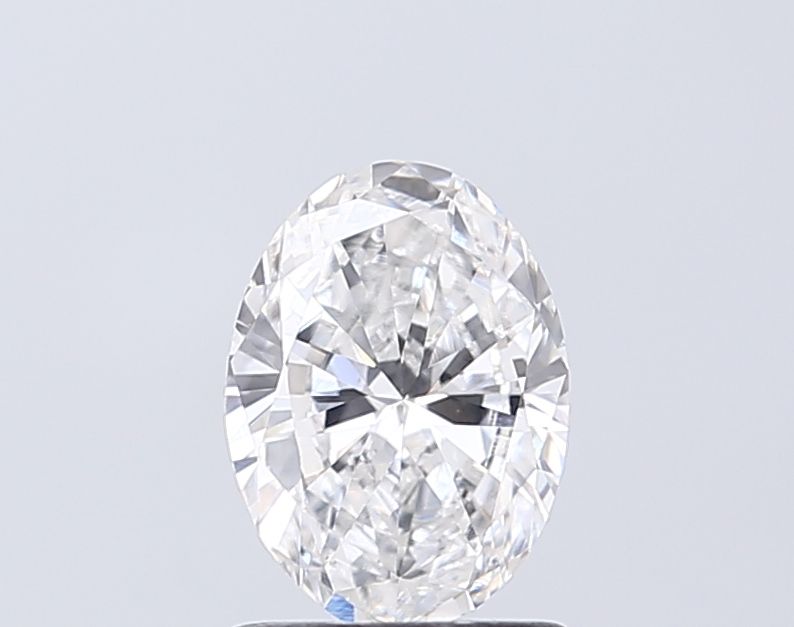
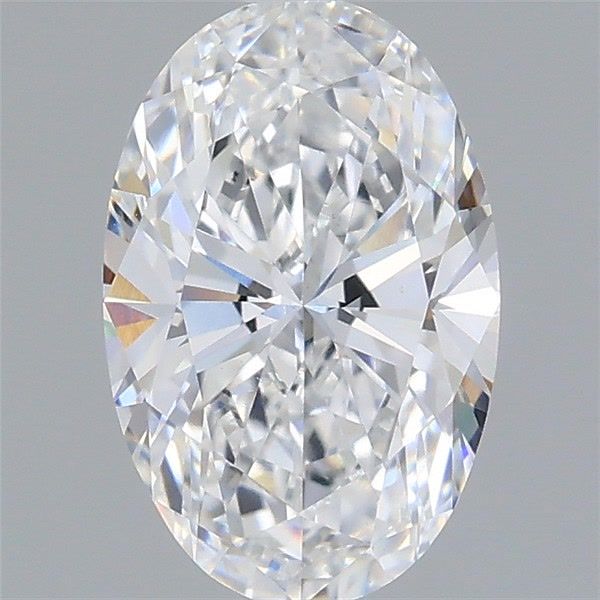
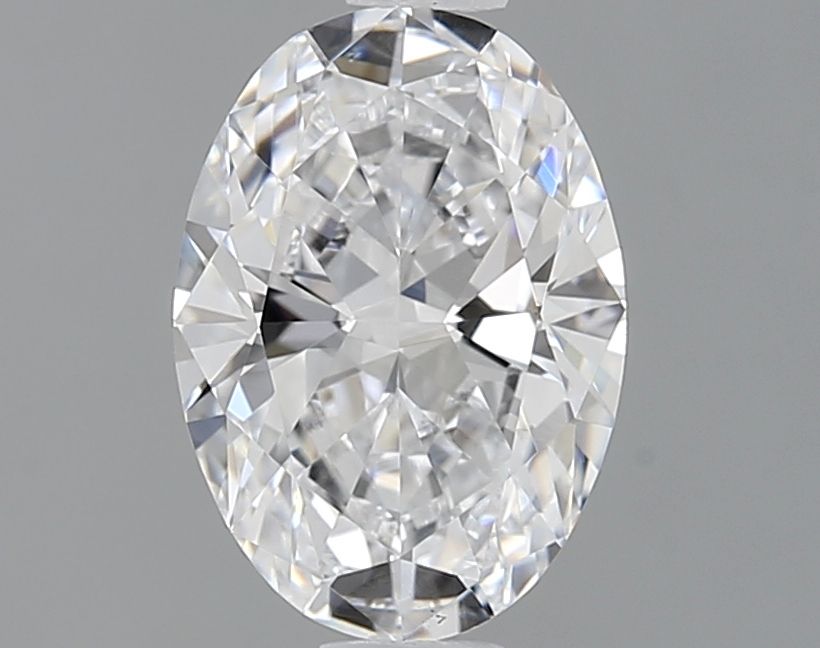
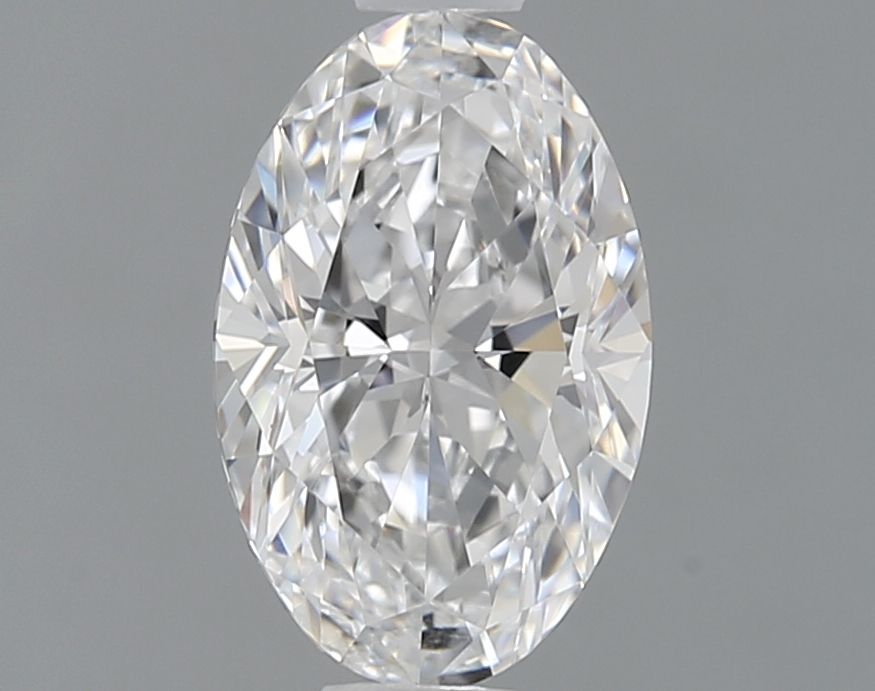
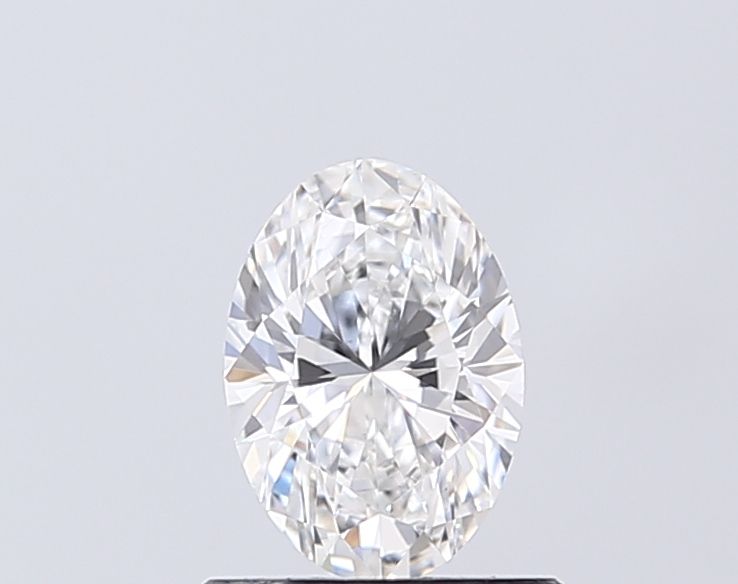
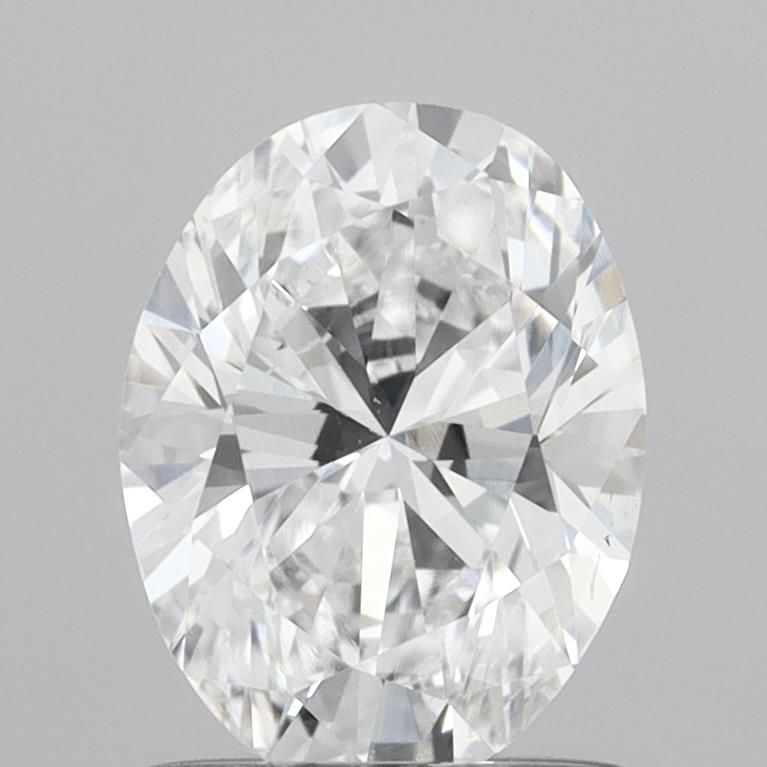
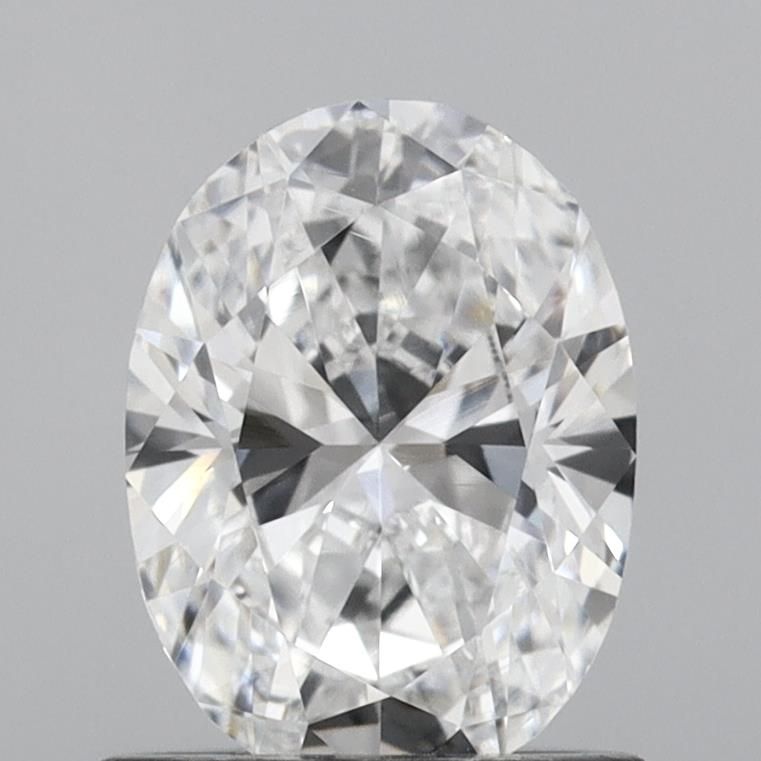
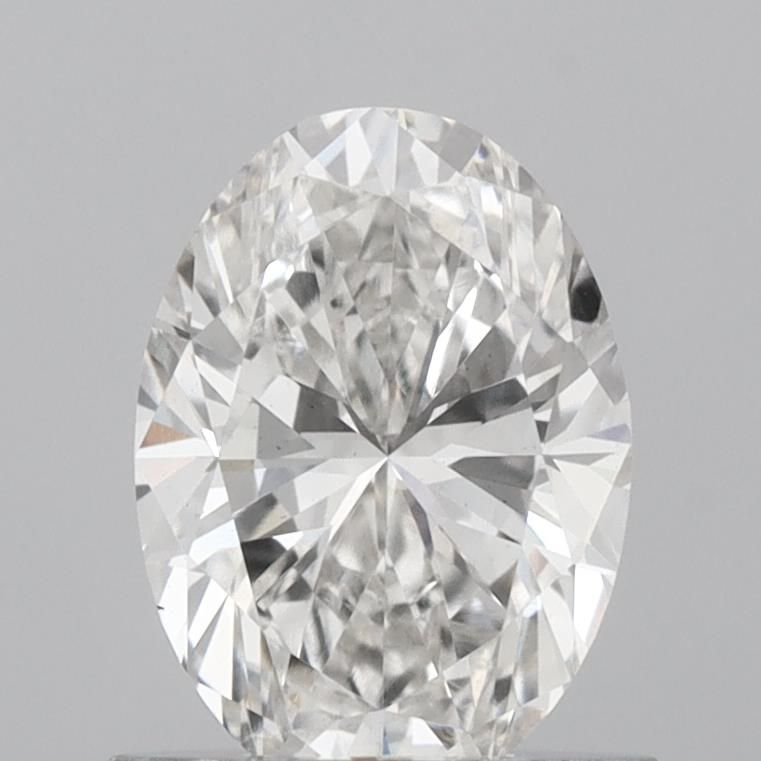
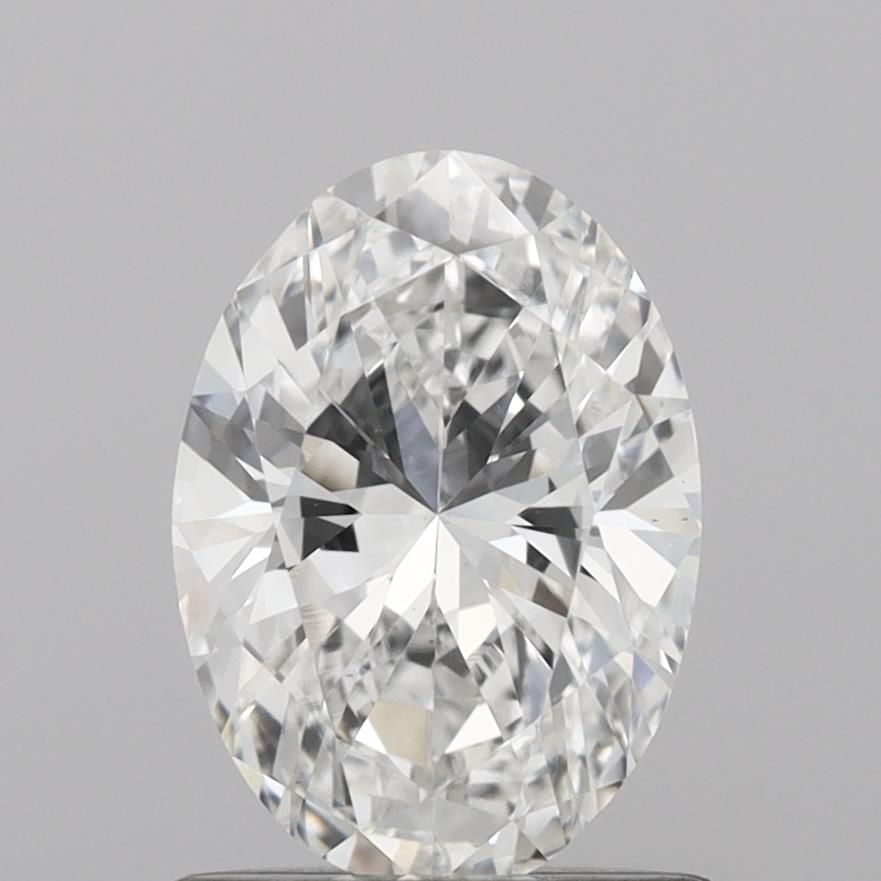
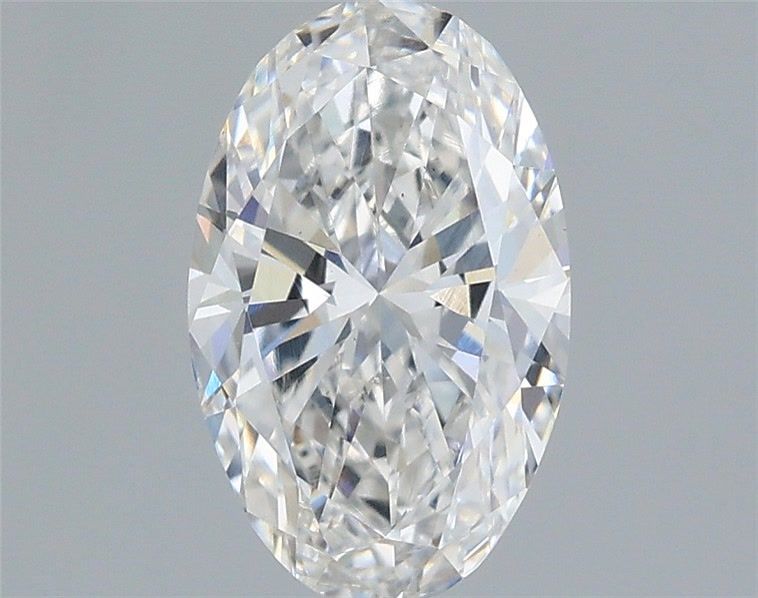
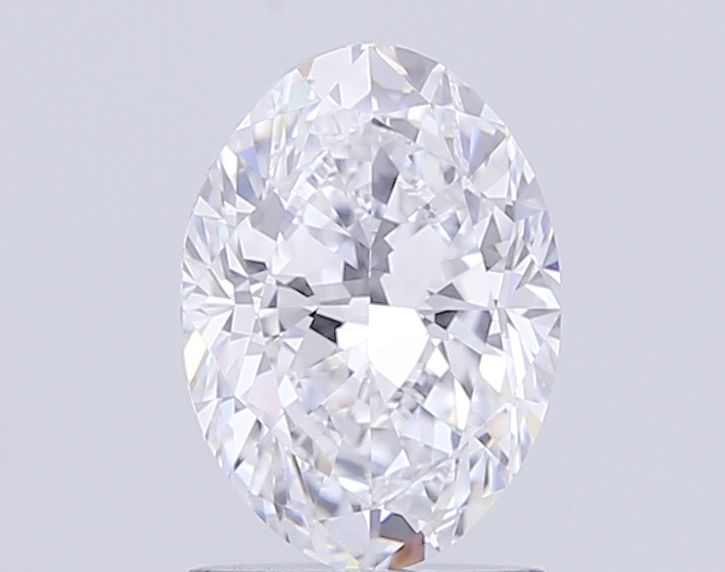
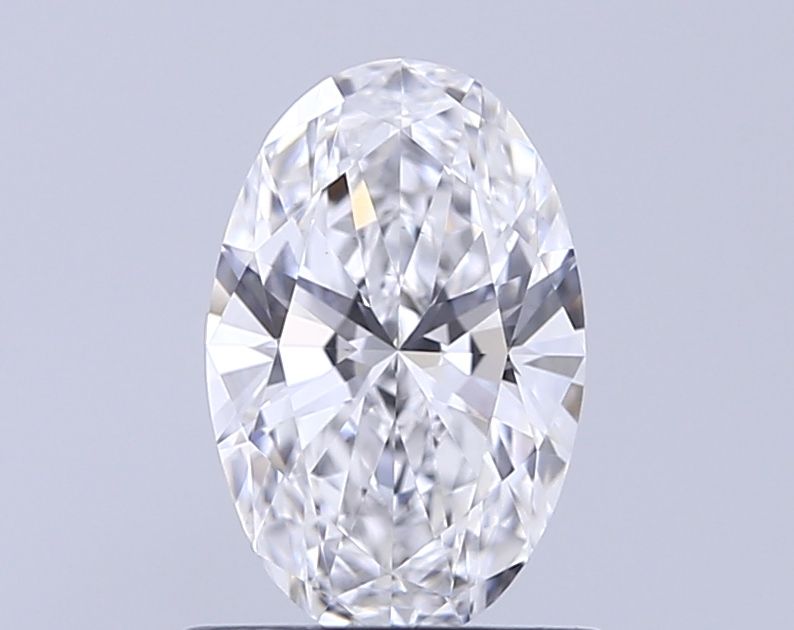
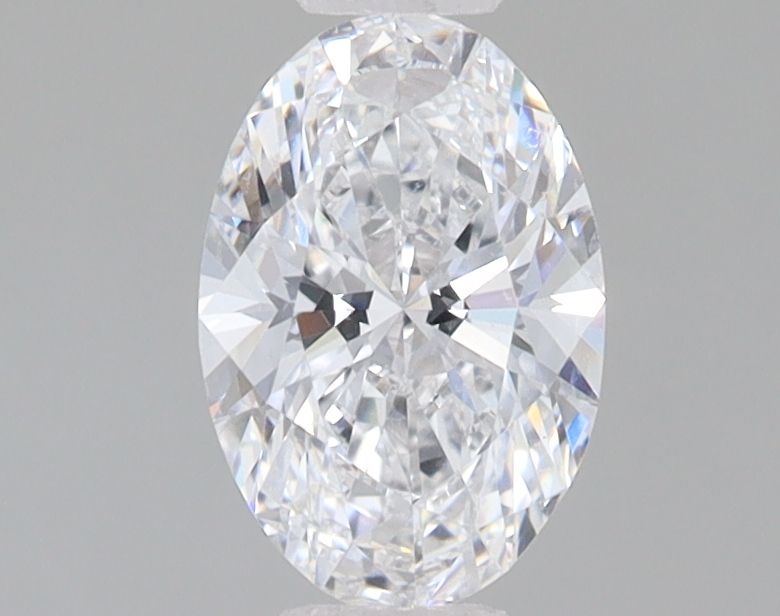
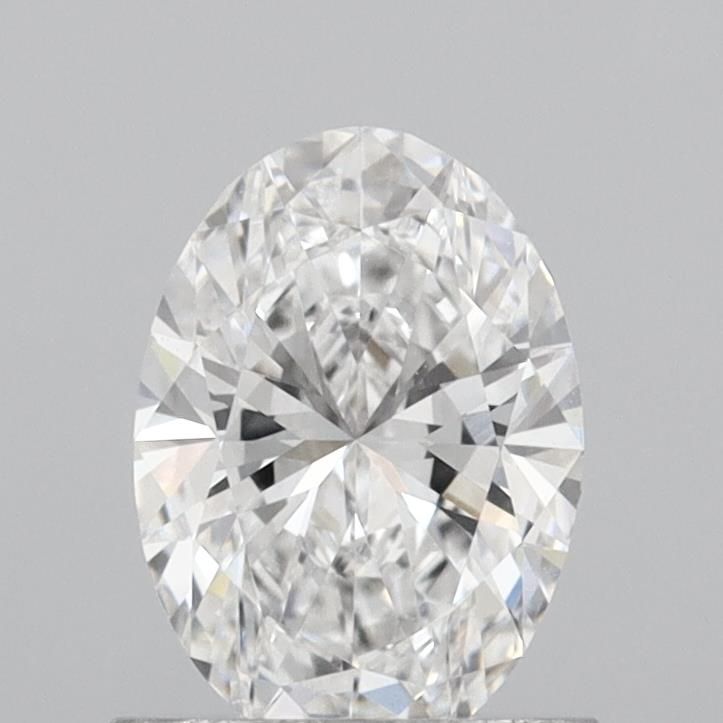
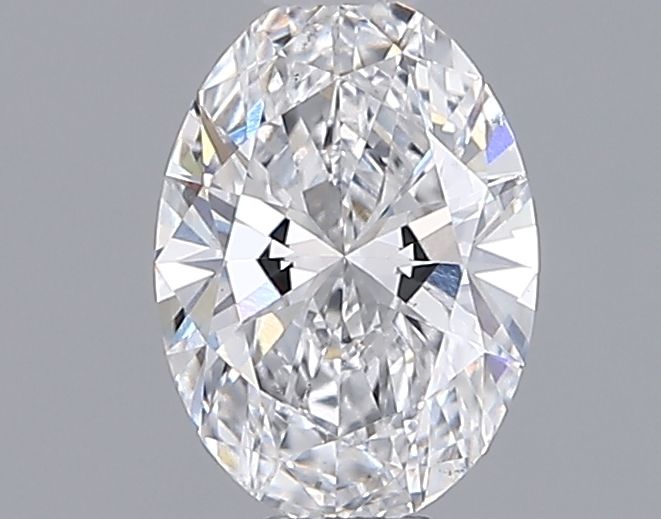
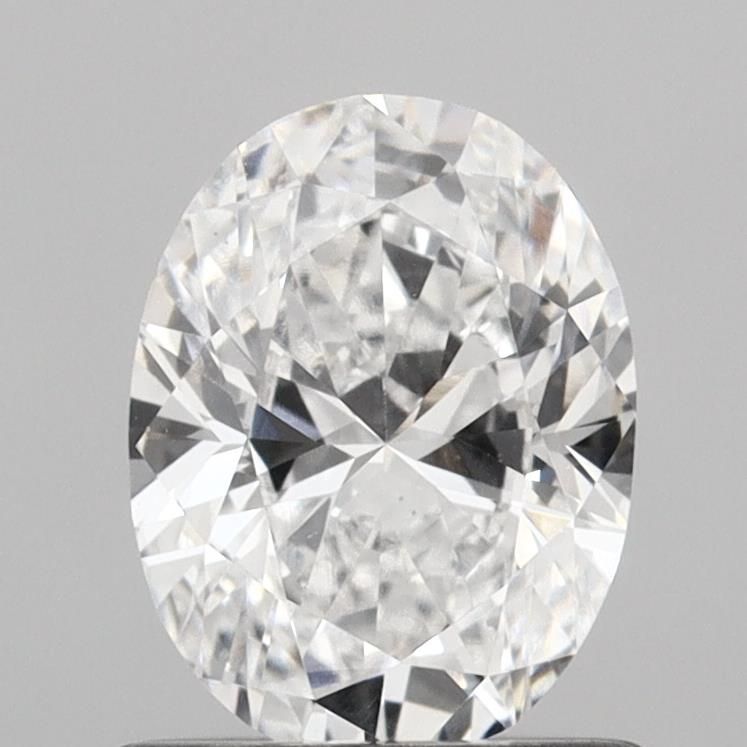
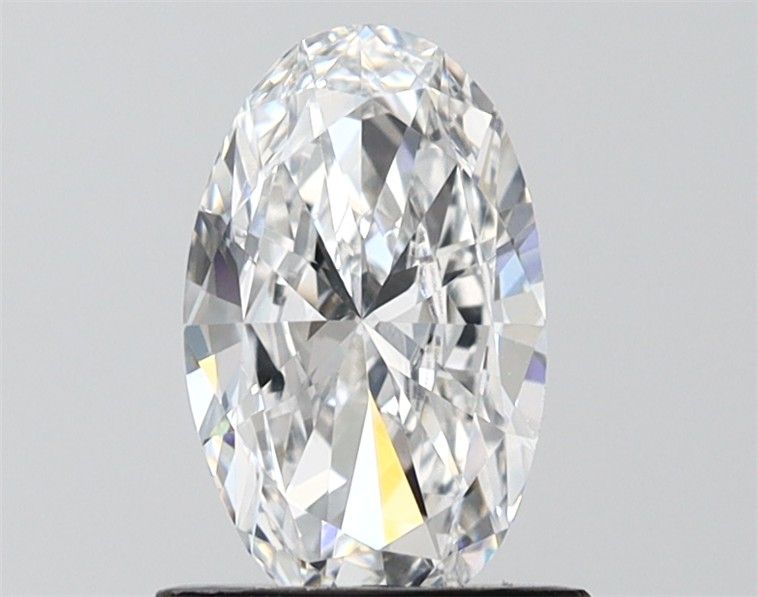
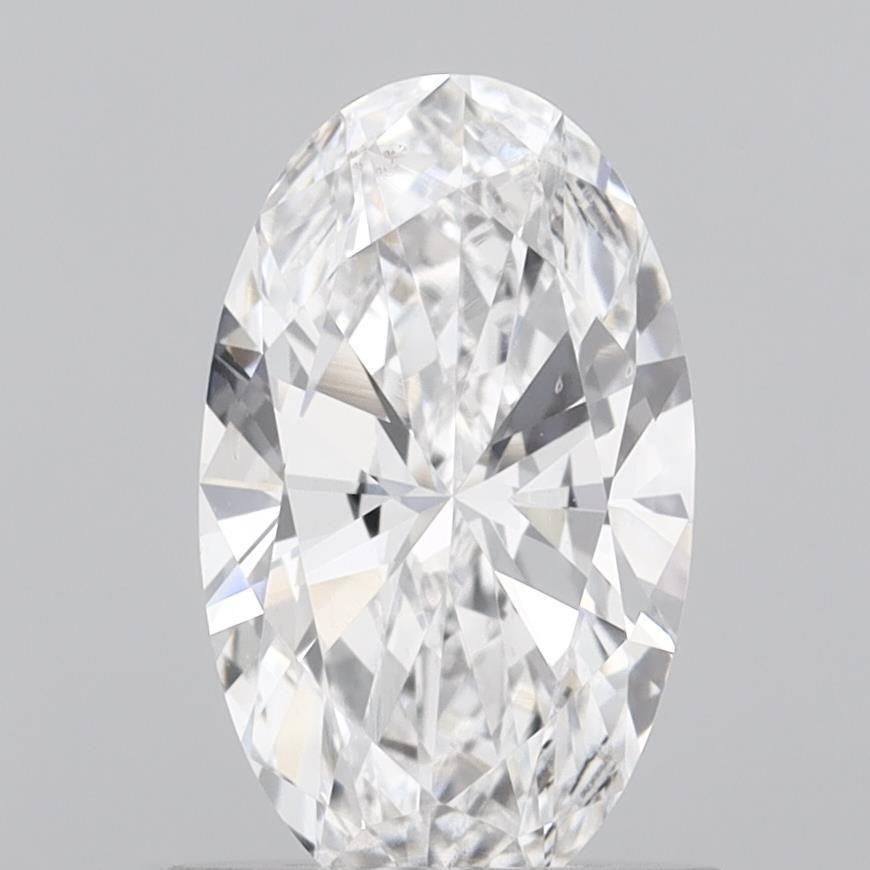
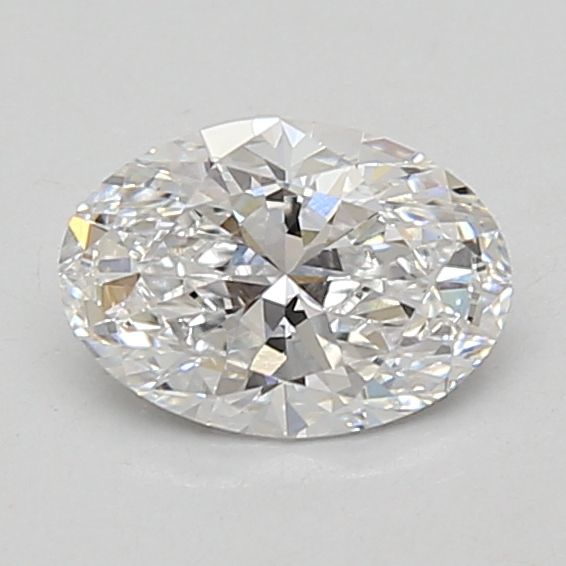
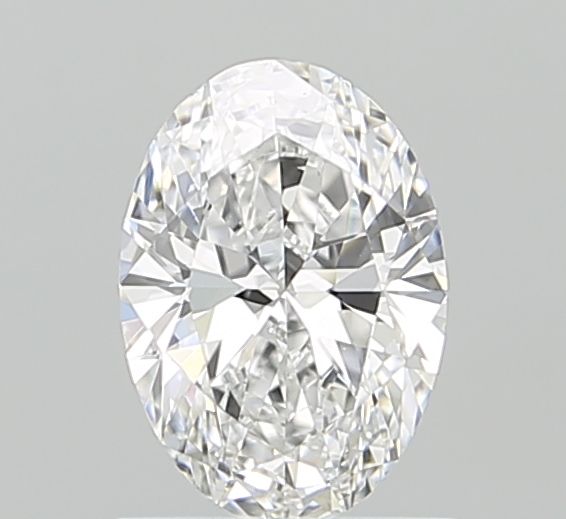
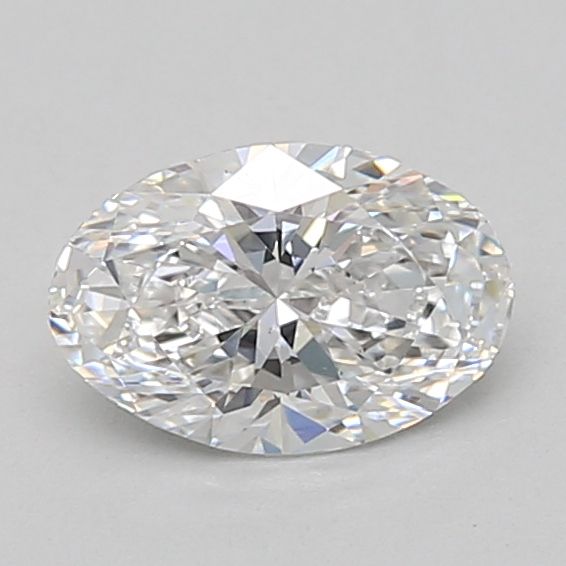
Look down on almost any oval and you will see a darker band across its middle, shaped like a bow-tie. It shows where the facets across the middle send less light back to you, partly because your own head blocks the light they would return, and poor proportions make it darker. Nearly every oval has some. A well-cut stone keeps it faint and soft at the edges; a poorly cut one shows a broad, dark band.
A report will not describe the bow-tie, so the video is where you judge it. Watch the stone rock and turn: a band that flickers and fades is normal, and one that sits there like a smudge is the thing to avoid. An oval at G or H and VS2 or SI1 with a faint bow-tie will look better than a D Flawless with a dark one, and costs less.
Slim or Full: Picking a Ratio
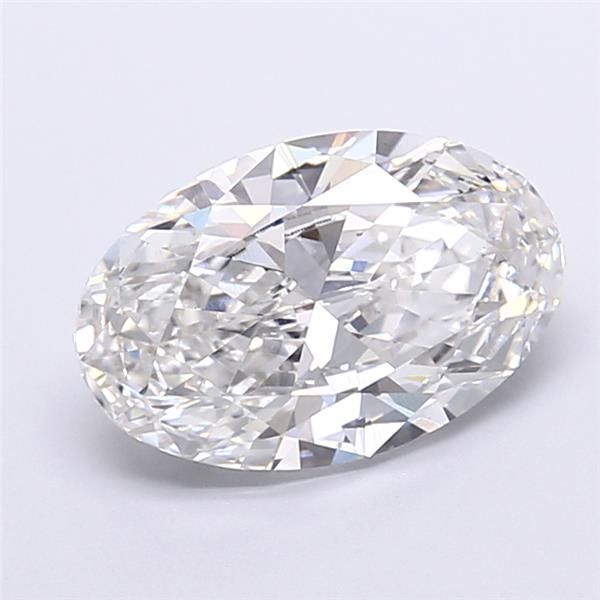
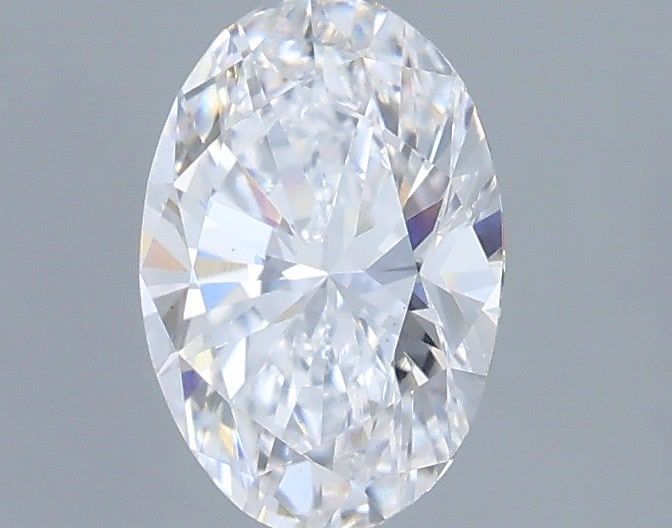
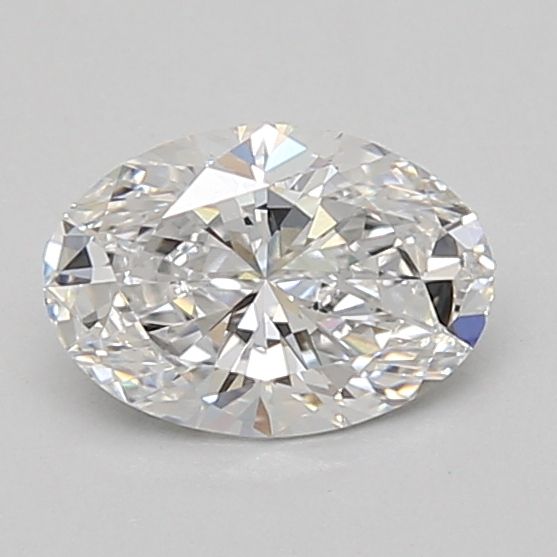
Divide an oval's length by its width and you have its length-to-width ratio, shown on the stone's page where its measurements are known. Most people like an oval between about 1.30 and 1.50. Toward 1.30 it looks fuller and softer; toward 1.50 it looks longer and more slender on the hand. Well past 1.50 it starts to look narrow, and much below 1.30 it reads as a round that has been gently stretched.
Ratio is a matter of taste, not quality, so choose it by eye rather than by the number. Our short education page on what a length-to-width ratio tells you explains why it changes the look more than a grade does.
Reading Symmetry and the Girdle
GIA gives a cut grade only to standard round brilliants, so a GIA report on an oval has none. IGI has graded the cut of ovals since 2022, so an IGI oval may show one, but it is no substitute for looking. Either way, the report gives a polish and a symmetry grade. For an oval, symmetry is the one to watch: choose Excellent or Very Good, so the two halves mirror each other along the length and across the width. An uneven oval looks lopsided in a ring, with one side flatter or one end more pointed than the other.
Check the girdle too; the stone's page lists it with the proportions when the report gives one. Medium is ideal and thin to slightly thick is fine; a thick or very thick girdle adds weight you pay for without making the stone look any larger, and an extremely thin one is easier to chip.
Color Gathers at the Ends
An elongated shape tends to show a little more body color at its narrow ends than a round of the same grade, so the ends of an oval are where a warm tint appears first. That is no reason to pay for D. G or H usually faces up white in an oval, and set in yellow or rose gold, where the metal warms any diamond, an I or J is hard to tell from a whiter grade. Our Journal piece on how far down the color scale a diamond still looks white shows where that line falls.
Clarity asks less of you. An oval's brilliant facets scatter light in a way that hides small inclusions, so a VS2 or SI1 often looks clean to the naked eye. Check the video for anything dark near the center, where the eye lands first.
North-South or East-West
Most ovals are set north-south, with the length running along the finger, which can make the hand look longer and slimmer. Turned east-west, across the finger, the same stone looks wider and less traditional. An oval's rounded ends have no points to guard, so four or six ordinary prongs suit it either way.
Prices From Our Catalog
| Carat Weight | Median Price per Carat | Stones Counted |
|---|---|---|
| 0.30-0.49 ct | $1,983 | 6,406 |
| 0.50-0.74 ct | $2,075 | 11,999 |
| 0.75-0.99 ct | $613 | 6,423 |
| 1.00-1.49 ct | $380 | 35,534 |
| 1.50-1.99 ct | $324 | 32,317 |
| 2.00-2.49 ct | $363 | 24,151 |
| 2.50-2.99 ct | $289 | 12,913 |
| 3.00-3.99 ct | $293 | 33,846 |
| 4.00-4.99 ct | $275 | 13,854 |
| 5.00 ct and up | $294 | 23,110 |
The median price per carat of the oval diamonds on sale here in each band, in US dollars, as of November 2, 2026. The grid shows each stone’s own price in your currency.
Oval Against Round and Pear
| Oval | Round | Pear | |
|---|---|---|---|
| Length-to-width most people like | About 1.30 to 1.50 | 1.00, a perfect circle | About 1.50 to 1.75 |
| Bow-tie | Some in nearly all ovals; look for a faint one | None in a well-cut stone | Common, across the widest part |
| Where color shows | At the two narrow ends | Evenly, least of the three | At the point |
| How it hides inclusions | Well, with brilliant facets | Very well | Well; avoid an inclusion near the point, where it can weaken the tip |
| Looks for its weight | Larger than a round | The measure the others are judged against | Larger than a round |
| Prongs it needs | Four or six ordinary prongs | Four or six ordinary prongs | A V-prong or bezel guarding the point |
| Price per carat compared with a round | Usually lower | Usually the highest | Usually lower |
Questions
Are oval diamonds more expensive than round ones?
As a rule, no. A round loses more of the rough crystal in cutting and is the shape most people ask for, so it tends to cost more per carat than an oval of the same weight and grades, and an oval also faces up larger. Prices jump at whole carat weights, so an oval a little under 1 carat looks all but the same and costs less. Use the carat filter, then sort by price in your currency.
What should I avoid in an oval diamond?
A dark bow-tie that stays put as the stone moves, halves that do not match, a thick girdle that adds weight without size, and an outline too slim or too round for your taste. Avoid paying for grades you cannot see as well: a well-cut G or H at VS2 faces up white and clean to most eyes once set, much like a D Flawless. Judge the video before the report.
Is a lab-grown oval as good as a natural one?
In looks and wear, yes: both are diamond, with the same hardness and the same way of handling light. A lab-grown oval costs much less than a natural one of the same grades, so the same money buys a larger stone, while a natural one is the rarer of the two. Choose by budget and by what matters to you; each report states the origin, so check it on the stone's page.
Does an oval diamond look bigger than a round of the same carat?
Yes. An oval spreads more of its weight across its face, so from above it shows a larger surface than a round of the same weight, and its length adds to the effect on the finger. How much larger depends on its depth: a deep oval hides part of its weight in its lower half, so compare the millimeter measurements as well as the carats.
Which color and clarity are enough in an oval?
For most people, G or H color and VS2 or SI1 clarity, a balance of look and cost that suits most budgets. Spend any money left over on a better outline or a fainter bow-tie rather than a higher grade. Going above G or VS2 makes sense only if you want the stone to stay white beside a whiter one, or you know you will look at it under a loupe.
Does an oval diamond have a cut grade?
Not from GIA, which grades cut only on standard round brilliants, whose light return can be predicted from their proportions, so a GIA report on an oval never carries one. IGI has graded the cut of ovals since 2022, so an IGI report may show one. With or without it, judge the symmetry grade, the girdle, the ratio and, above all, the video.