
Diamond Stud Earrings
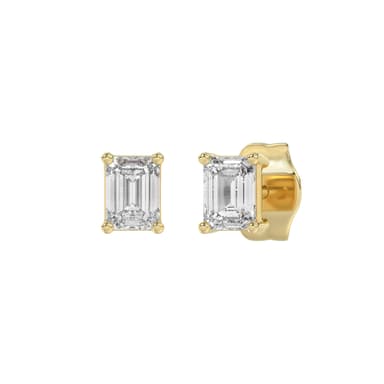
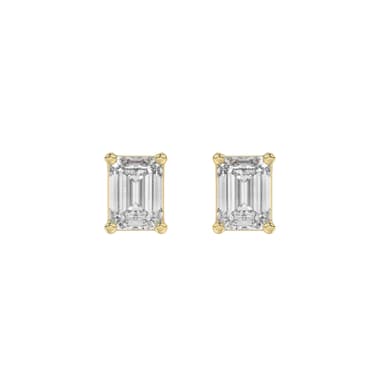
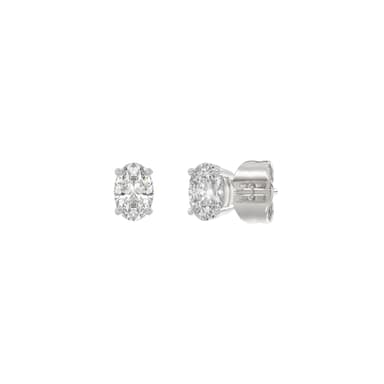
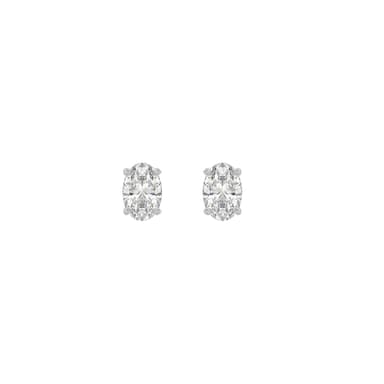
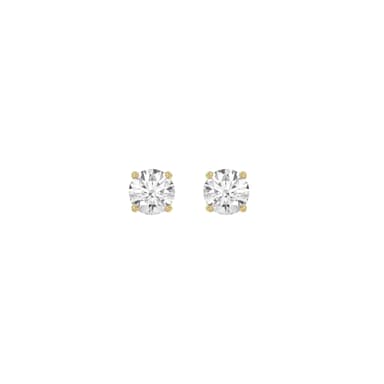
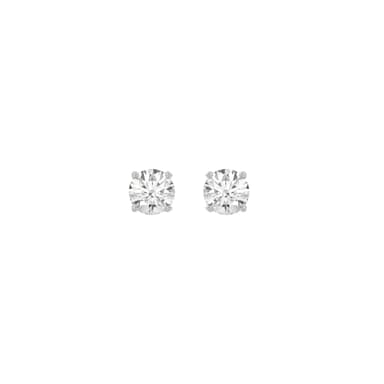
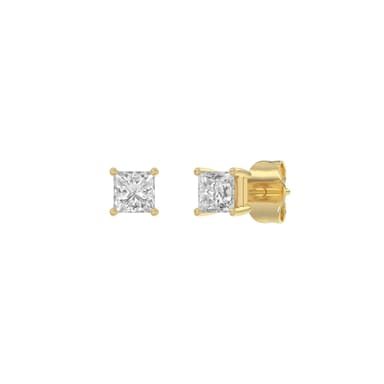
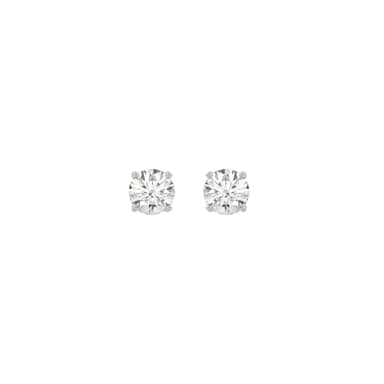
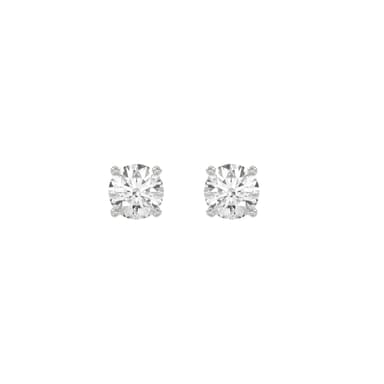
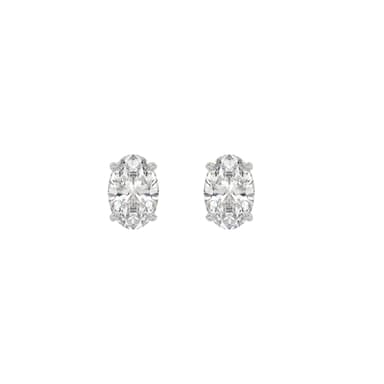
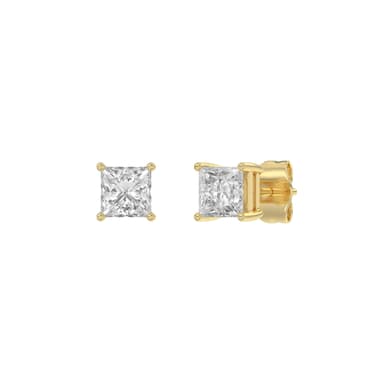
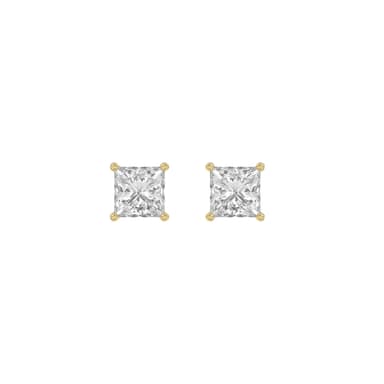
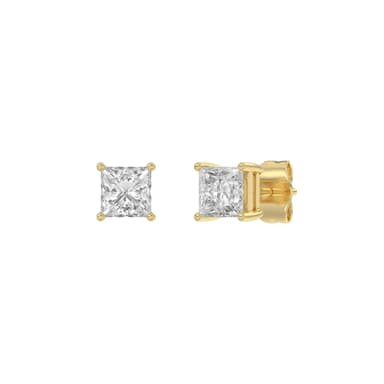
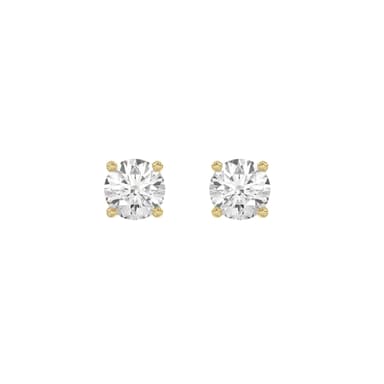
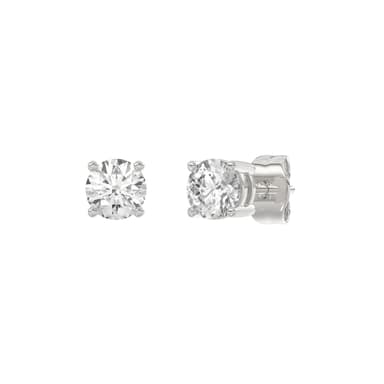
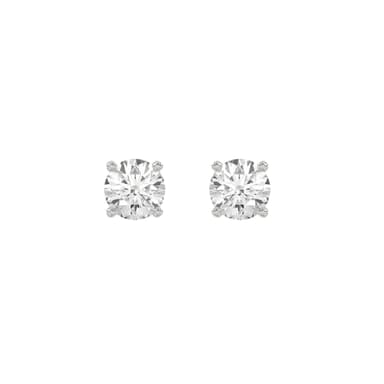
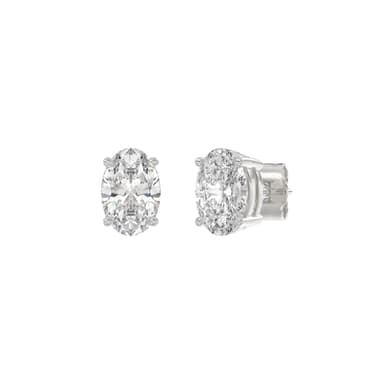
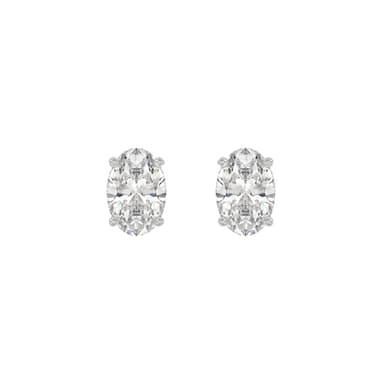
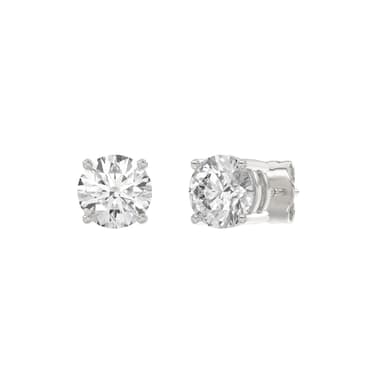
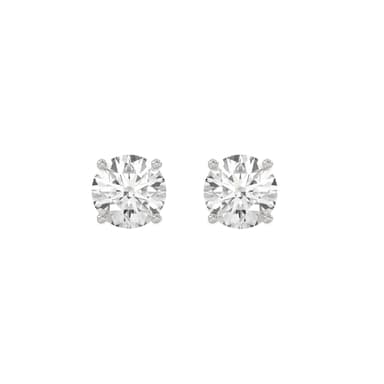
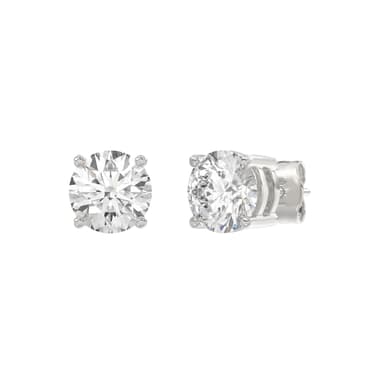
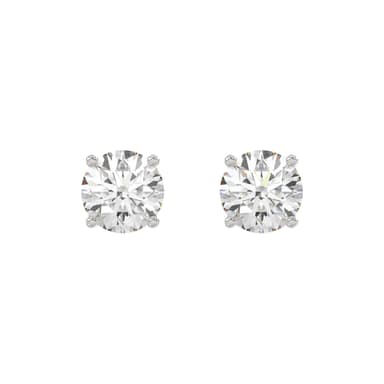
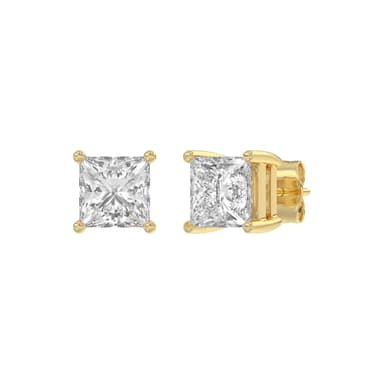
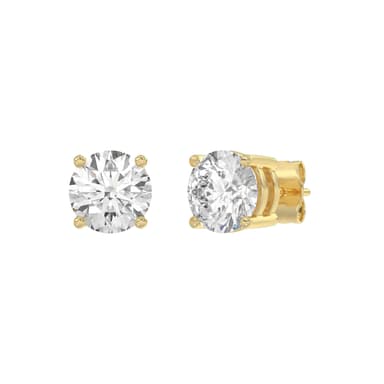
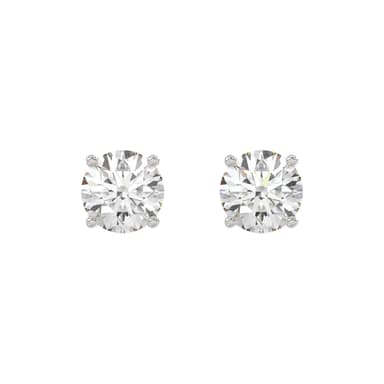
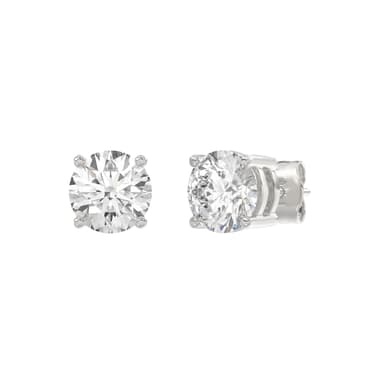
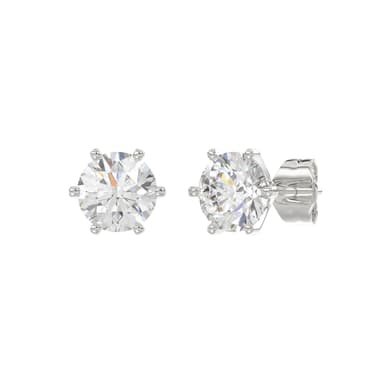
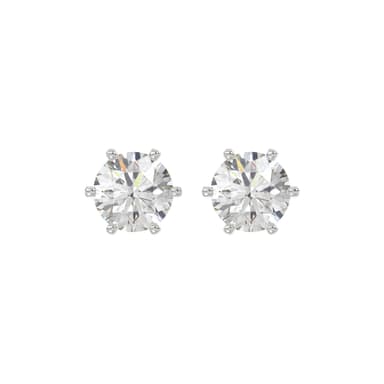
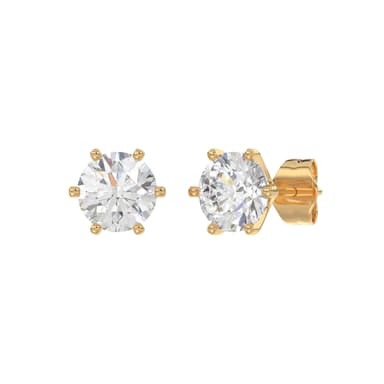
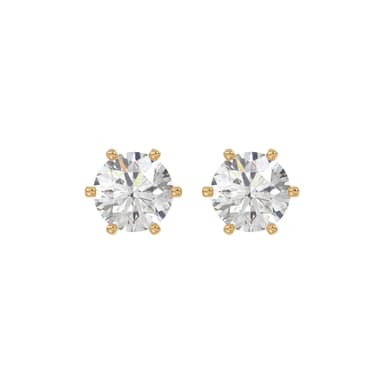
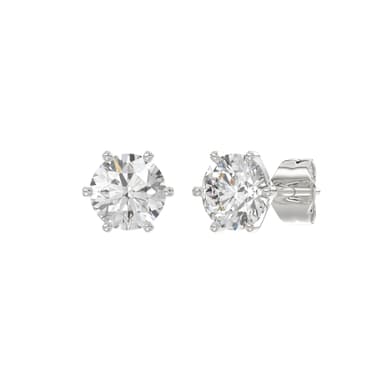
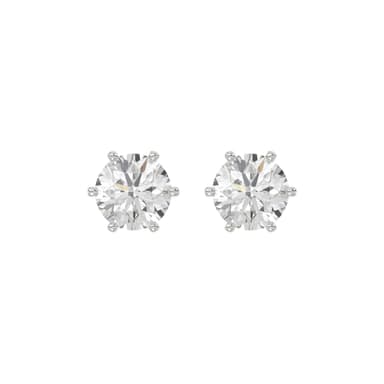
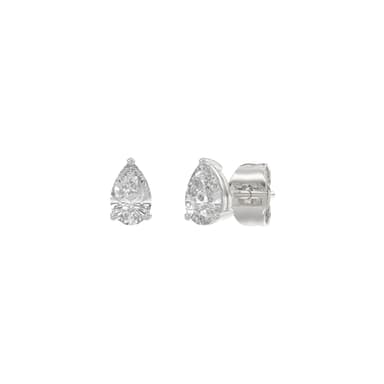
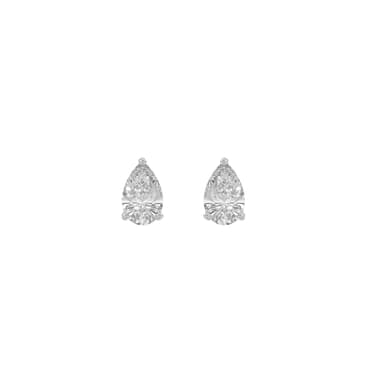
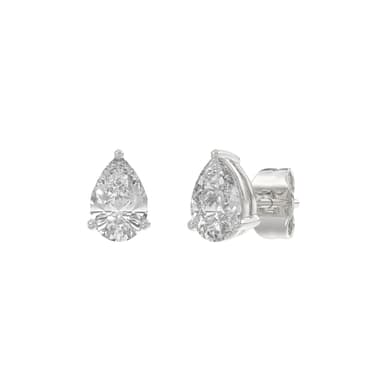
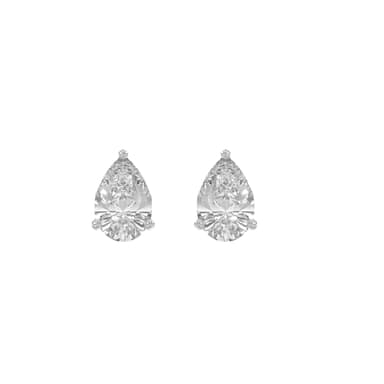
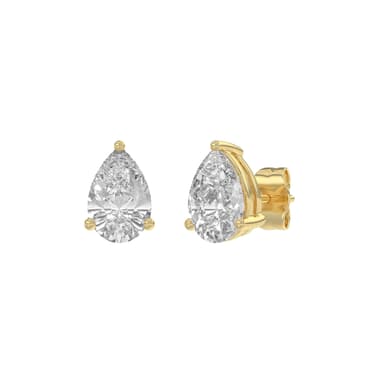
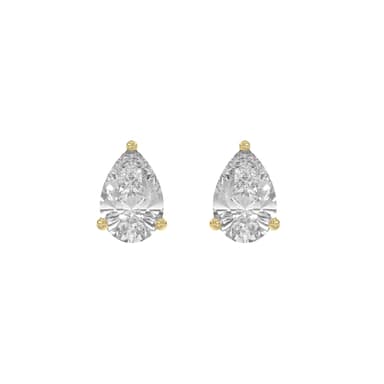
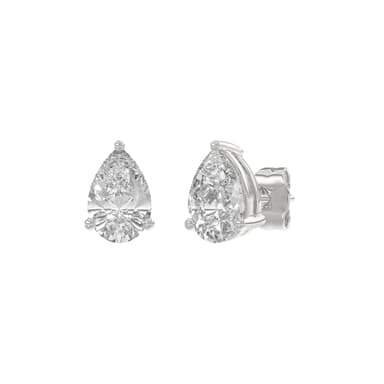
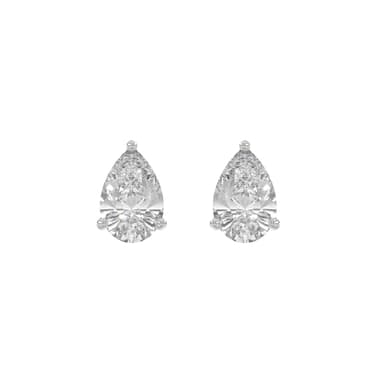
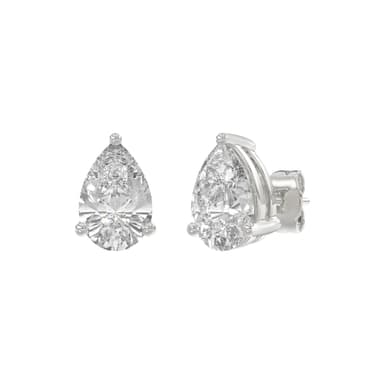
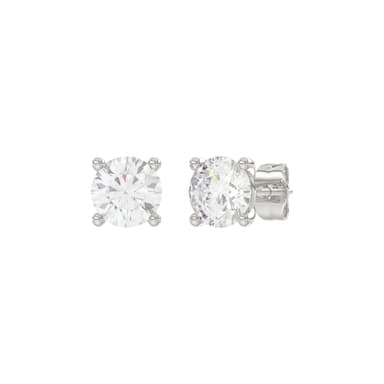
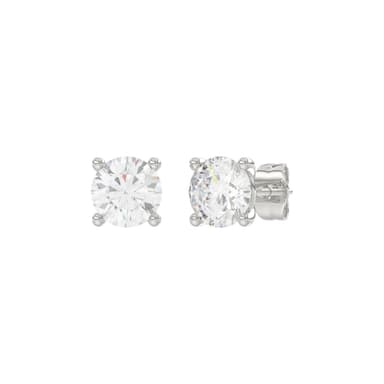
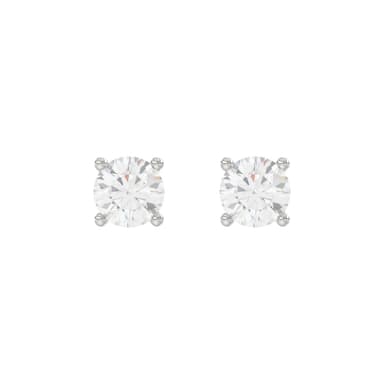
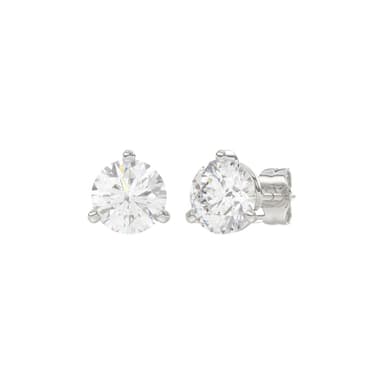
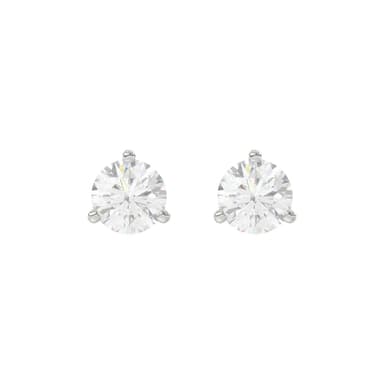
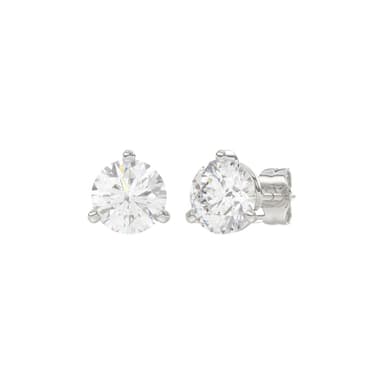
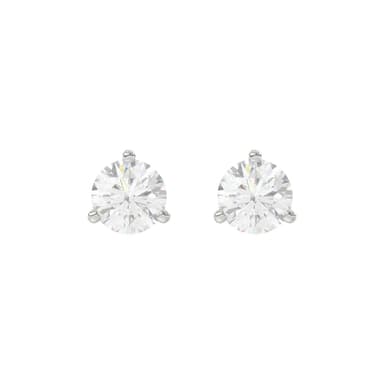
Diamond stud earrings in basket, six-prong, pear and martini settings, each pair two matched diamonds set in solid 14K or 18K gold.

- 168 Available
- From $279
- Free Insured Delivery Over $100




























Good to Know
In Brief
Choose by the width of one stud, not the total weight: a 1 ct pair of rounds is two half-carat diamonds, each about 5.2 mm across. Put your budget into a size you can see from a few feet away, then compare the basket, six-prong and martini settings at that weight and, if you like more than one, take the cheaper. Pick 14K if you want the harder-wearing, less costly gold. If you would rather have the bigger stud for the money, choose lab-grown: on the ear nobody can tell it from natural.
Carat Weight Is Counted for the Pair
Earrings are weighed as a pair, so the carat figure on studs, often written ct tw for total weight, counts both diamonds, and each stud carries half: a 1 ct pair is two matched diamonds of 0.5 ct. Matched means the two are paired for color, clarity and size, so neither ear looks whiter, cleaner or larger than the other.
So judge by the width of one stud. A well-cut round is about 6.5 mm across at 1 ct, and width grows far more slowly than weight: each round stud in a 0.5 ct pair is about 4.1 mm, in a 1 ct pair about 5.2 mm, in a 2 ct pair 6.5 mm and in a 3 ct pair 7.4 mm. Doubling from 1 ct to 2 ct adds only about 1.3 mm to each stud. Draw the widths on a card and hold it to your ear in a mirror; our page on how carat weight relates to size has the full scale.
Studs are seen from a few feet away and at an angle, where near-colorless, eye-clean grades look alike, so put the budget into size.
Basket, Martini or Six Prongs
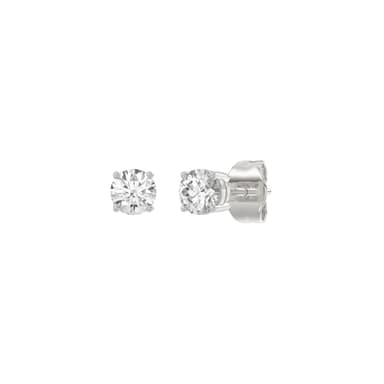
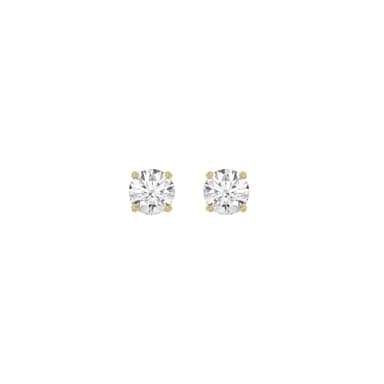
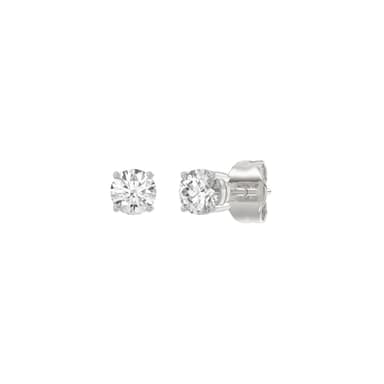
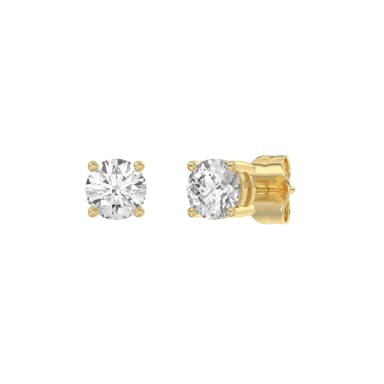
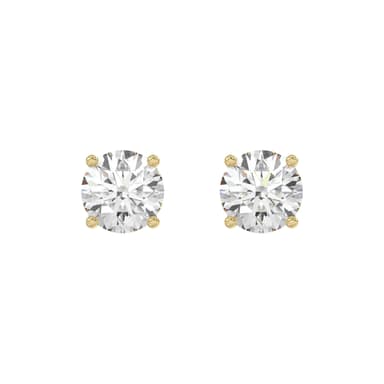
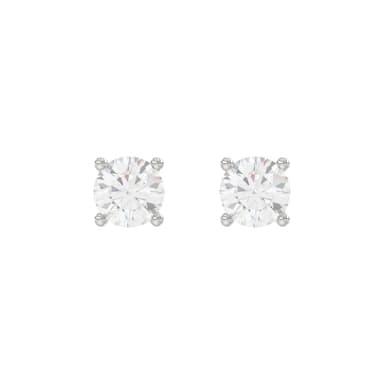
The four-prong basket is the everyday stud: a low basket that sits close to the ear and leaves most of the diamond on view. Six prongs draw a rounder, softer outline and hold each diamond at six points instead of four, with finer prongs so the diamond still shows.
A martini setting is a cone-shaped basket, named for the glass. The diamond sits lower and closer to the ear, which keeps a heavier stud from tipping forward; the three-prong version shows a little more diamond. A martini earns its place on larger pairs; on a small stud the basket already sits snug to the lobe.
Each style is made in solid 14K or 18K gold, white or yellow as each pair is offered. 14K holds more alloy, so it is harder and costs less, which suits studs worn daily; 18K shows a deeper gold color and is slightly softer. White gold's cool finish suits colorless diamonds, and yellow is the warm, classic choice. Some pairs are made to order and some are ready to ship, and each one's page gives the dates it should arrive between.
Push Backs and Friction Backs
The Backs filter shows which kind a pair has. Push backs, on the four-prong basket, the three-prong pear and both martinis, slide onto the post and grip it. Friction backs, on the six-prong round, go on the same way and hold by gripping the post. Neither kind screws on, so choose the setting you like and let its back follow.
Because both kinds hold by grip alone, check now and then that each back still holds firmly, most of all on a heavier pair; a jeweler can tighten one that has loosened. Put studs in over a cloth or a closed sink: a dropped back is small and easy to lose.
Shapes Beyond the Round
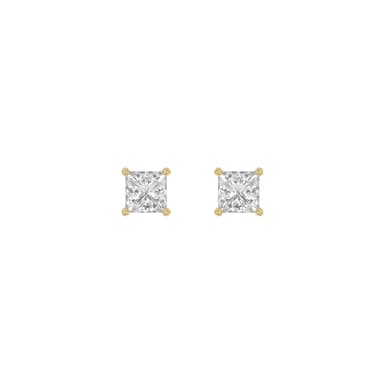
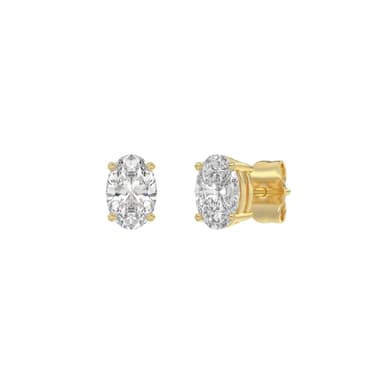
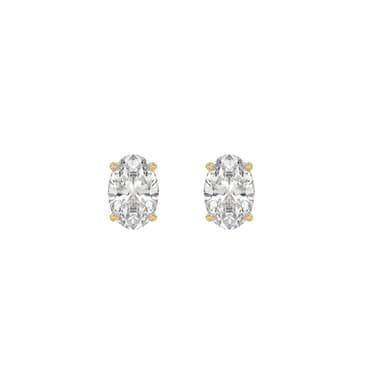
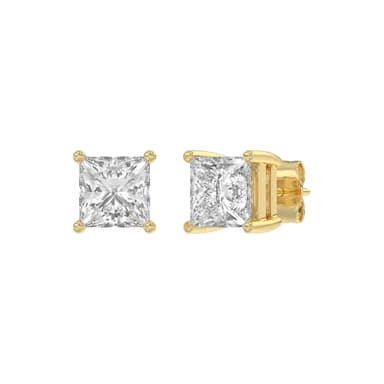
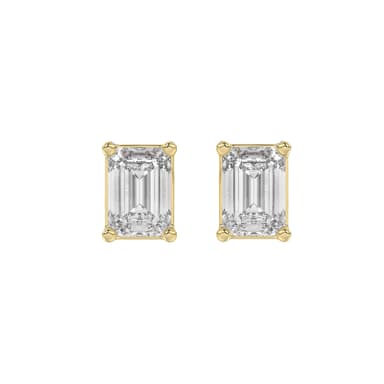
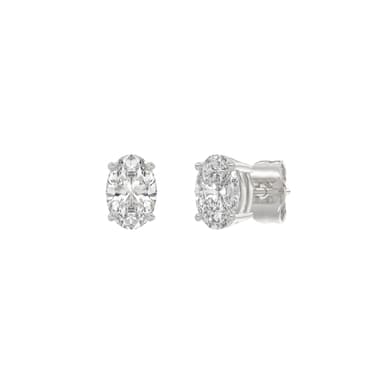
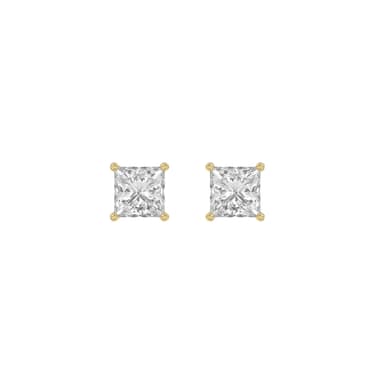
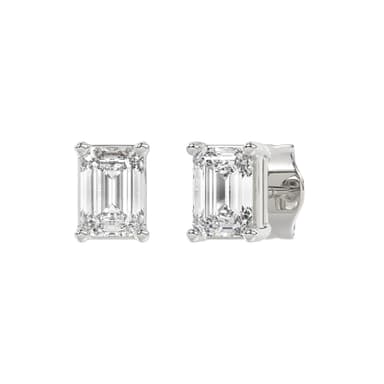
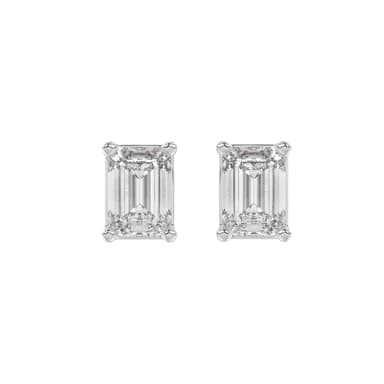
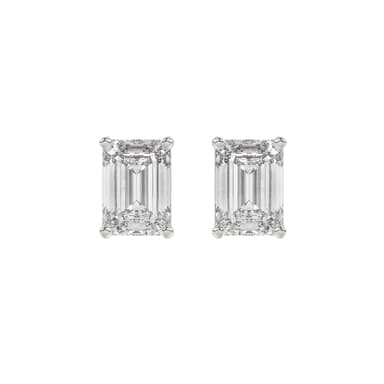
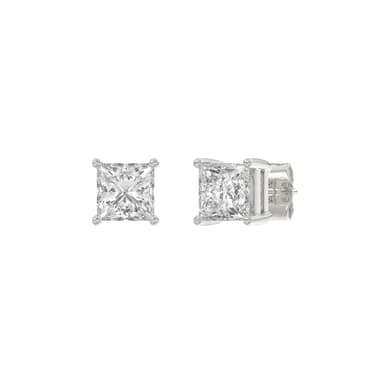
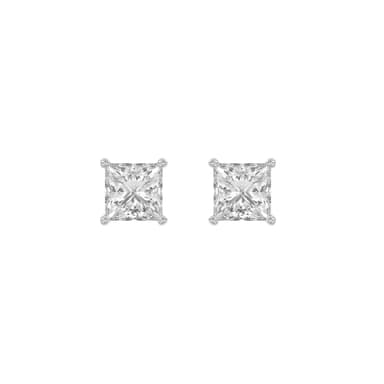
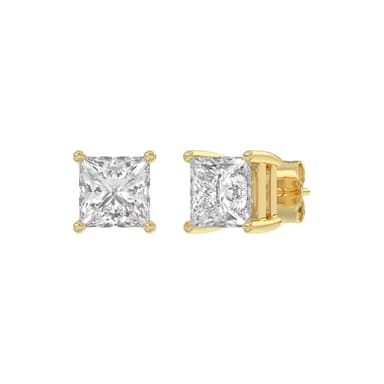
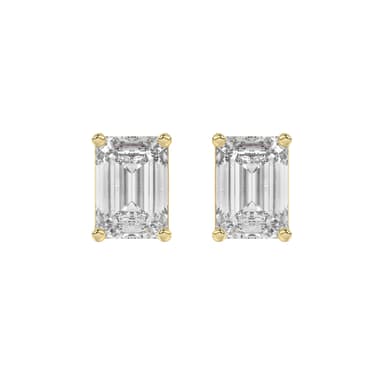
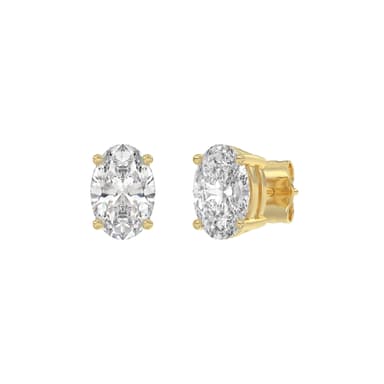
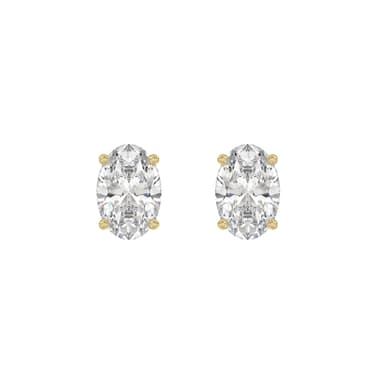
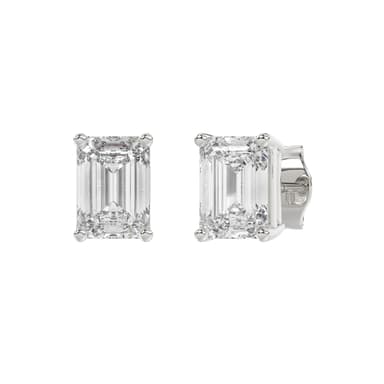
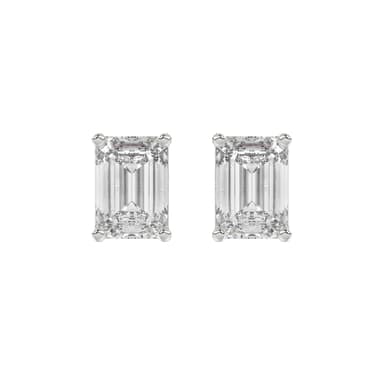
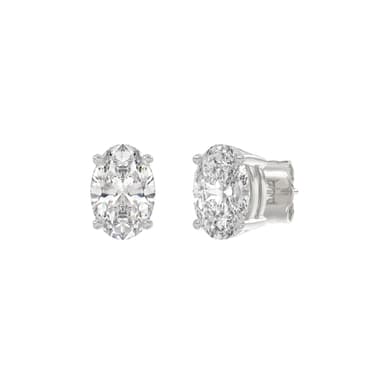
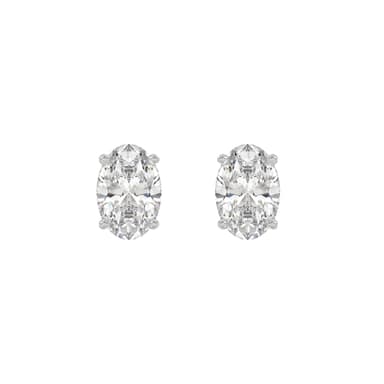
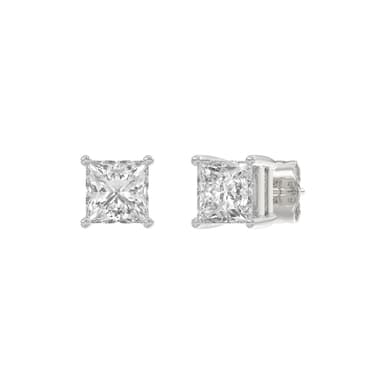
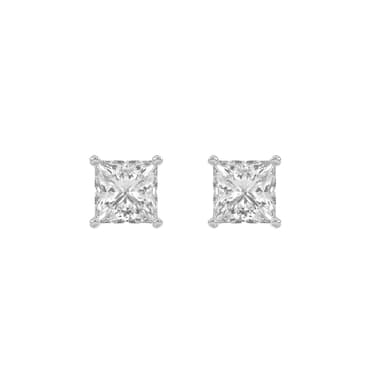
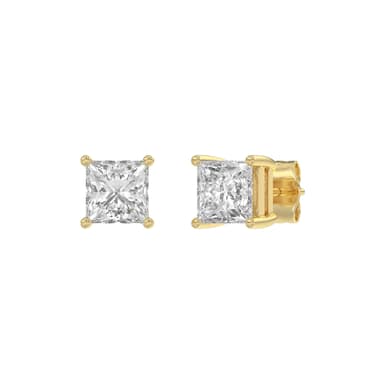
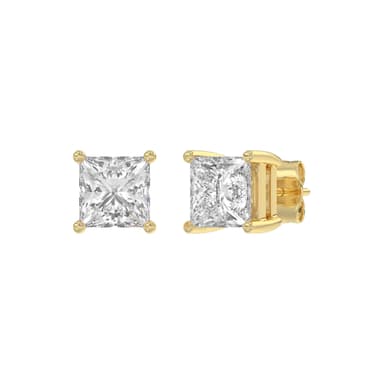
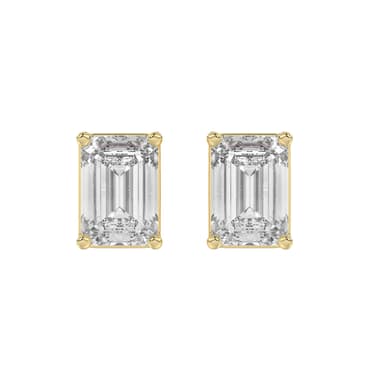
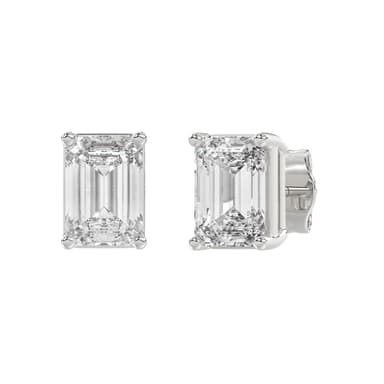
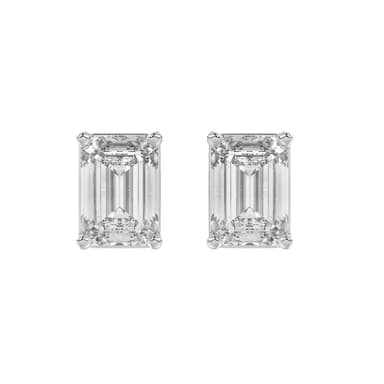
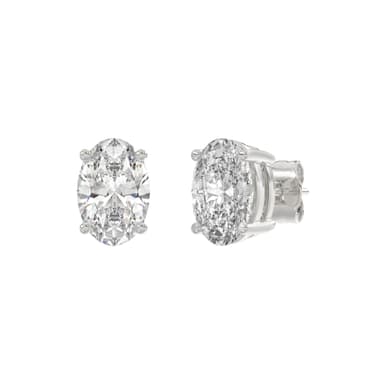
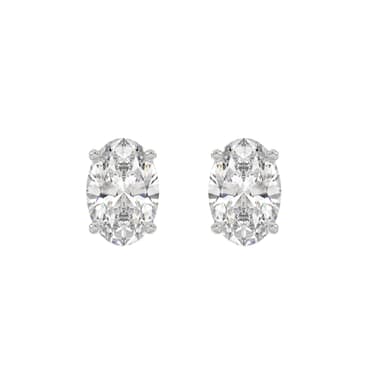
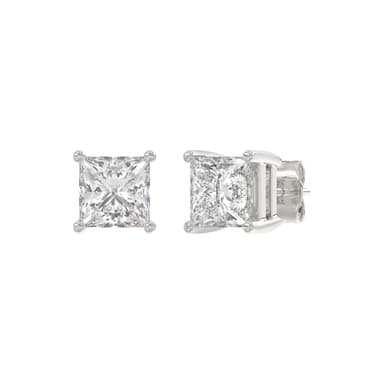
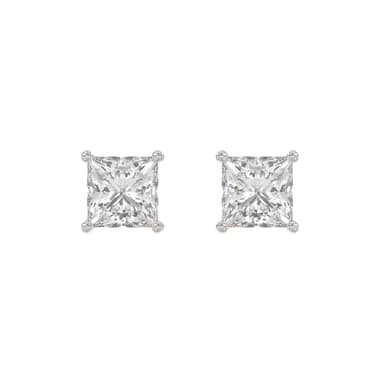
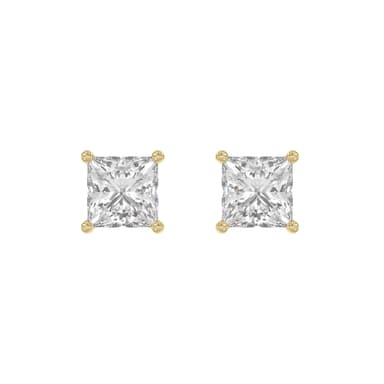
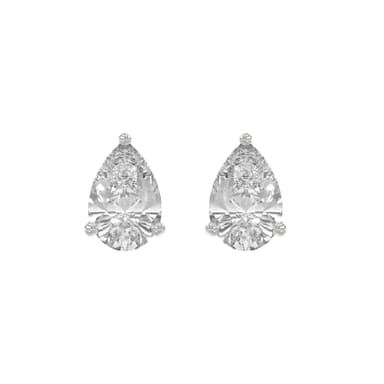
The round brilliant is the classic stud, returning the most light of any shape. The four-prong basket also comes in oval, princess and emerald cut, and the three-prong pear holds pears alone, one prong guarding the point.
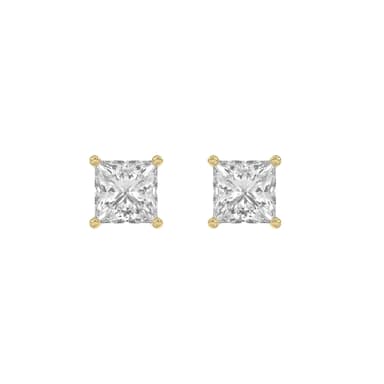
An oval's or a pear's length makes it look larger than a round of the same weight. A princess is a square brilliant with crisp corners, each held by a prong. An emerald cut's step facets give calm flashes rather than sparkle and show clarity plainly, though at VS clarity it usually still looks clean.
Lab-Grown or Natural on the Ear
A lab-grown diamond is real diamond, as hard and fiery as a mined one, and only a lab's instruments tell the two apart. What changes is the price: natural diamonds are rarer, so a natural pair costs much more than a lab-grown pair of the same size and look. If size for your budget matters most, lab-grown buys a wider stud; if a diamond from the earth matters to you, choose natural. The Journal sets lab-grown and natural diamonds side by side.
The Diamonds filter shows either origin. Each pair's page states its grades and the lab behind its jewelry report: F-G color and VS clarity with an IGI report on the lab-grown pairs listed here, G color and VS clarity with an HRD report on the natural ones. On the ear the two look the same.
Stud Settings Compared
| How It Holds the Diamond | Shapes | Backs | |
|---|---|---|---|
| Four-Prong Basket Studs | Four prongs on a low basket that sits close to the ear | Round, oval, princess and emerald cut | Push backs |
| Six-Prong Round Studs | Six finer prongs: a rounder, softer outline, each diamond held at six points | Round | Friction backs |
| Three-Prong Pear Studs | One prong guards the point, two hold the rounded end | Pear | Push backs |
| Four-Prong Martini Studs | Four prongs on a cone that sits low, so a larger stud stays upright | Round | Push backs |
| Three-Prong Martini Studs | The same low cone with three prongs, showing a little more diamond | Round | Push backs |
Questions
How much do diamond stud earrings cost?
It depends mostly on the total weight and the origin. A natural pair costs much more than a lab-grown pair of the same weight, and its price climbs steeply with size, because larger natural diamonds are rarer. The gold matters too: 18K holds more gold than 14K and costs more. Shape and setting move the price less, so settle the weight and origin first, then let the Price filter show what fits your budget.
Where should I buy diamond stud earrings?
Wherever a pair comes with what lets you compare it: the weight of each diamond as well as the total, the color and clarity, a jewelry report from an independent lab, and time to return it. Compare pairs of the same total weight, origin and gold, since those set most of the price, and if two pairs look the same on the ear, take the cheaper one.
What carat diamond is best for stud earrings?
There is no single best weight, only the size that suits the wearer. For every day, a pair of 0.5 to 1 ct suits most ears, which puts each round stud at about 4.1 to 5.2 mm across. From about 1.5 ct a pair starts to read as a statement, and a martini setting keeps it sitting low. Whatever you choose, judge it by millimeters per stud, since the carat figure counts both earrings.
Can I wear diamond studs every day?
Yes. Diamond is the hardest gem, so ordinary wear will not scratch it, though a hard knock can still chip an edge, and 14K gold stands up to knocks better than 18K. Take studs out to swim, since chlorine is hard on gold, and before bed if the backs press. Skin oil and lotion dull a diamond's sparkle, so wash the pair now and then in warm, soapy water with a soft brush.
Are lab-grown diamond studs real diamonds?
Yes. A lab-grown diamond is crystallized carbon like a mined one, with the same hardness and fire; it is grown in weeks rather than formed deep in the earth. Lab-grown studs cost much less than natural ones of the same weight, which is why they suit anyone who wants a larger pair. Each pair's page names the origin, and its jewelry report confirms it.
Do your diamond studs come with a grading report?
Each pair ships with a jewelry report from an independent lab, such as IGI or HRD, and its page names the lab. A jewelry report records the diamonds' weight, color and clarity as set in the earrings, which is why a color can read as a range, such as F-G. Like our loose diamonds, a pair can be returned within 14 days under our returns policy.