Lab-Grown Diamonds
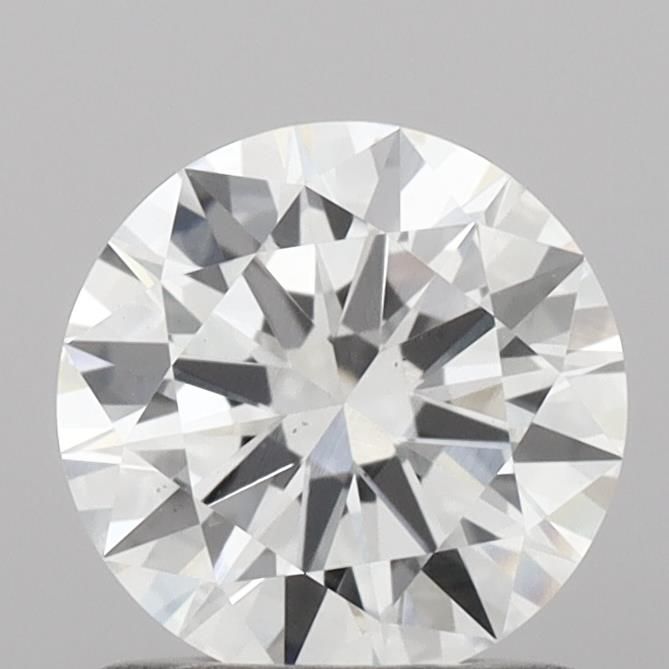
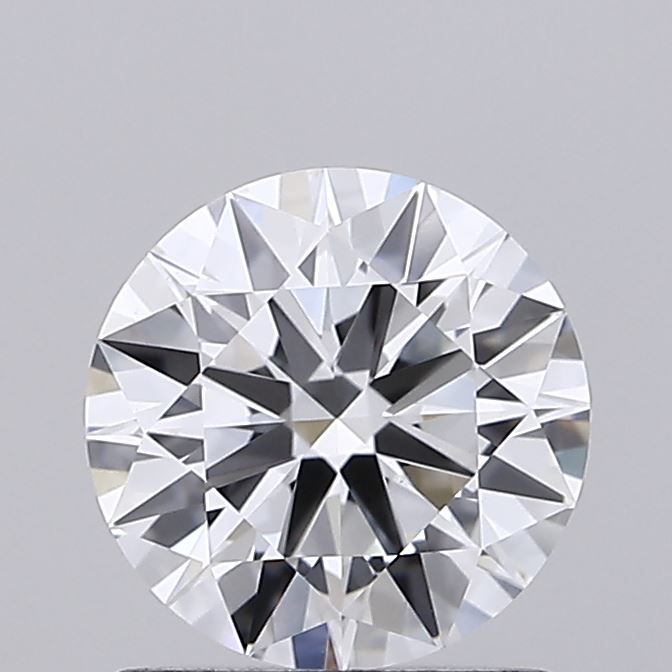
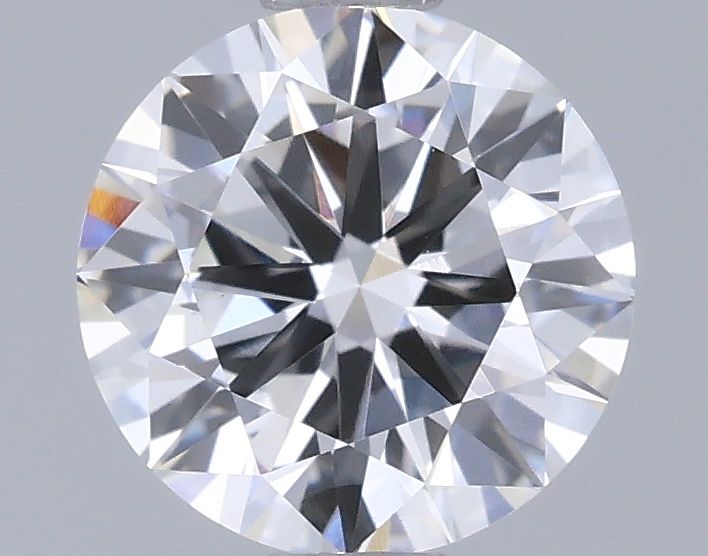
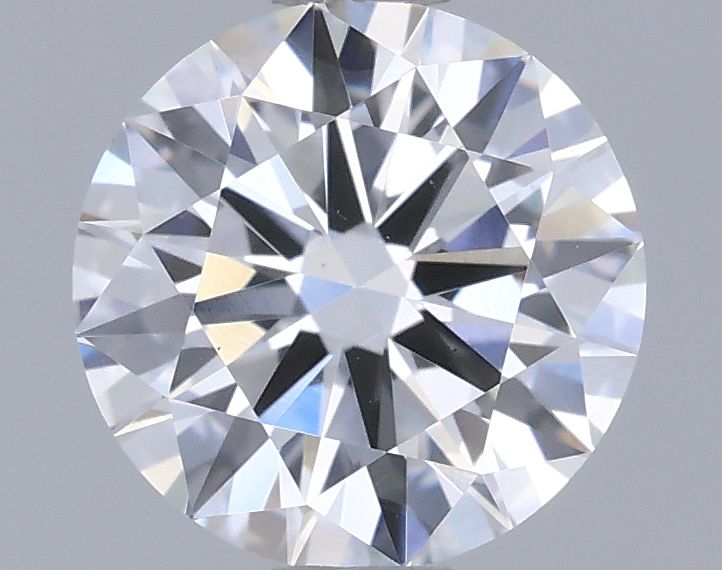
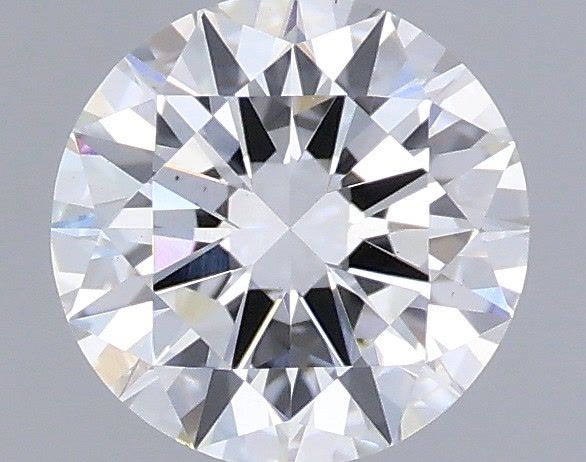
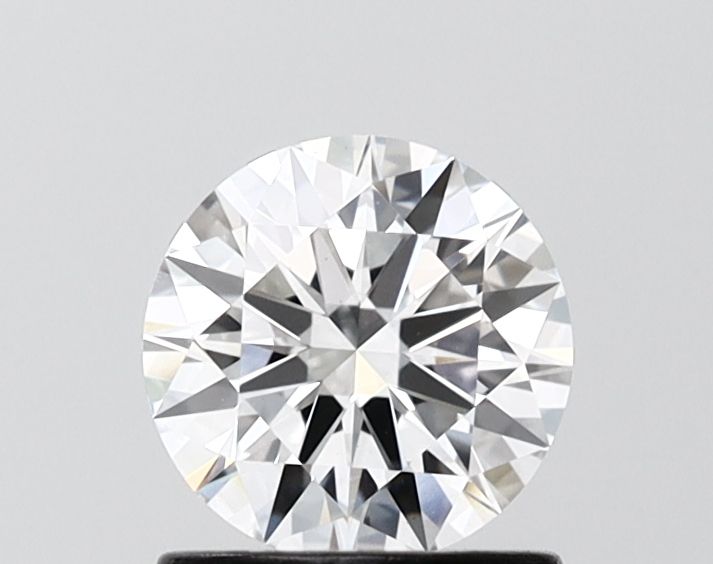
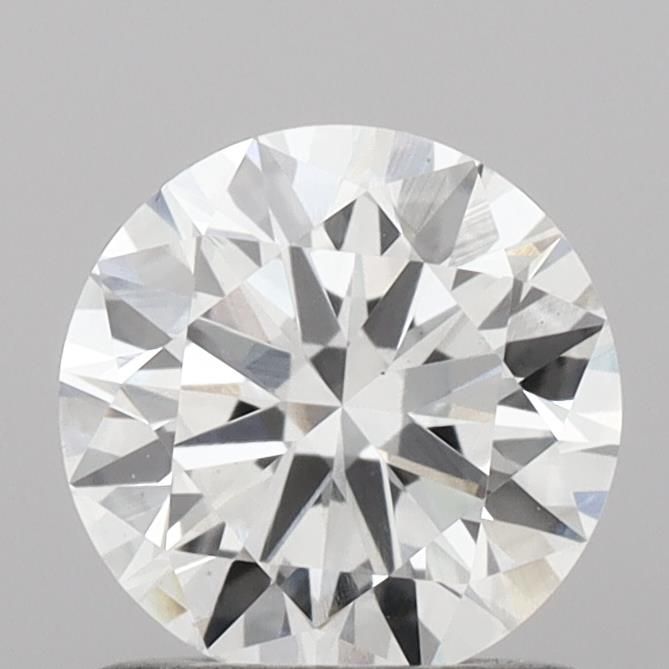
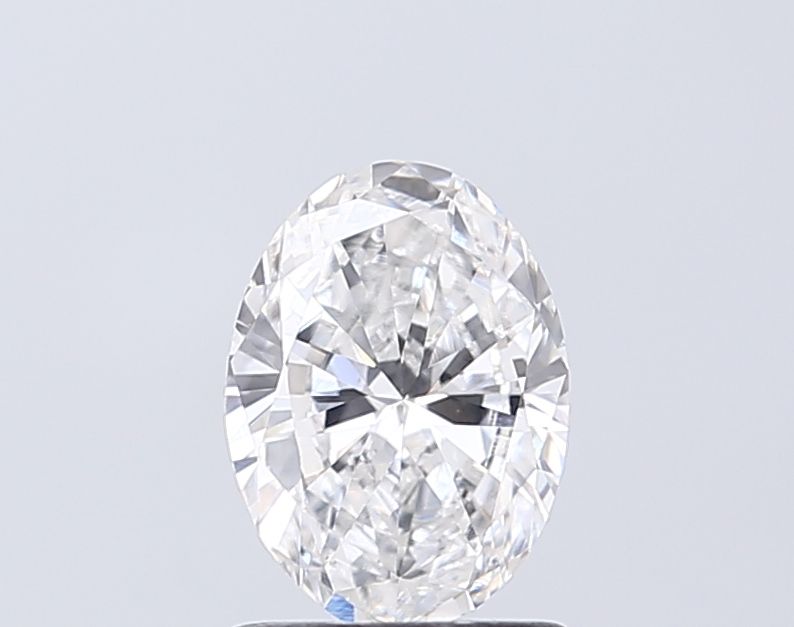
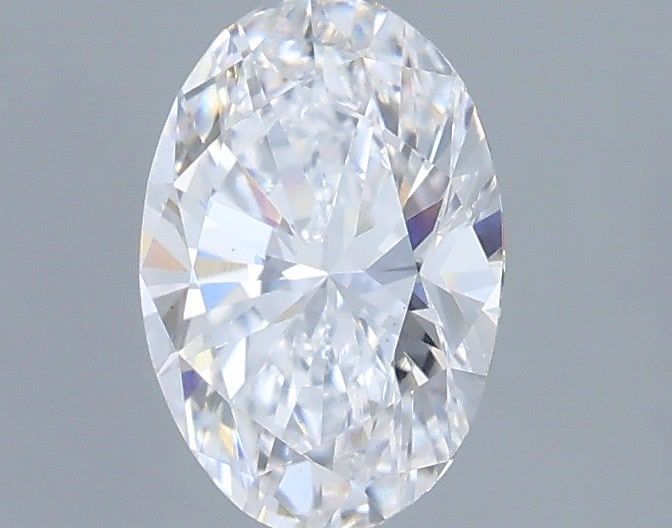
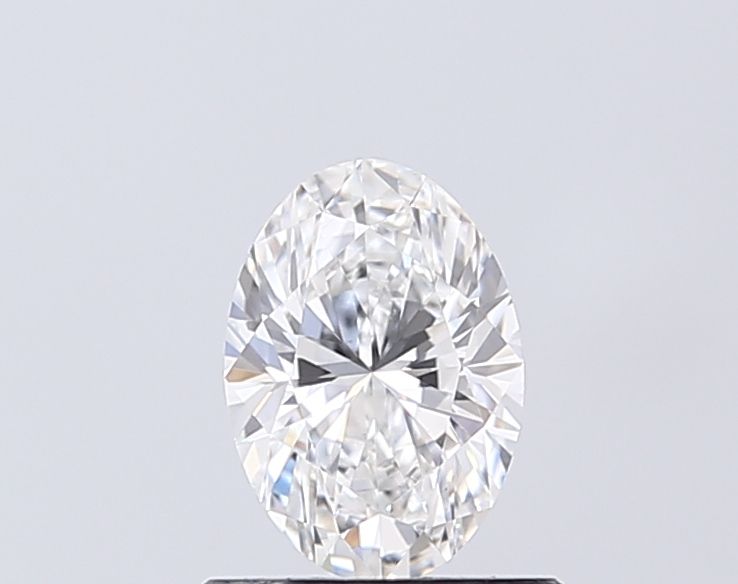
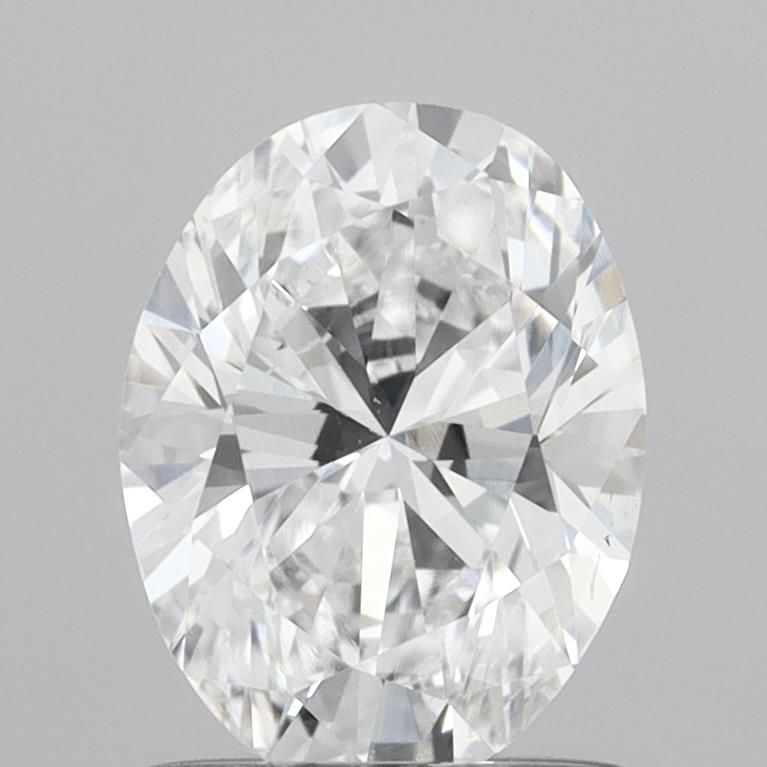
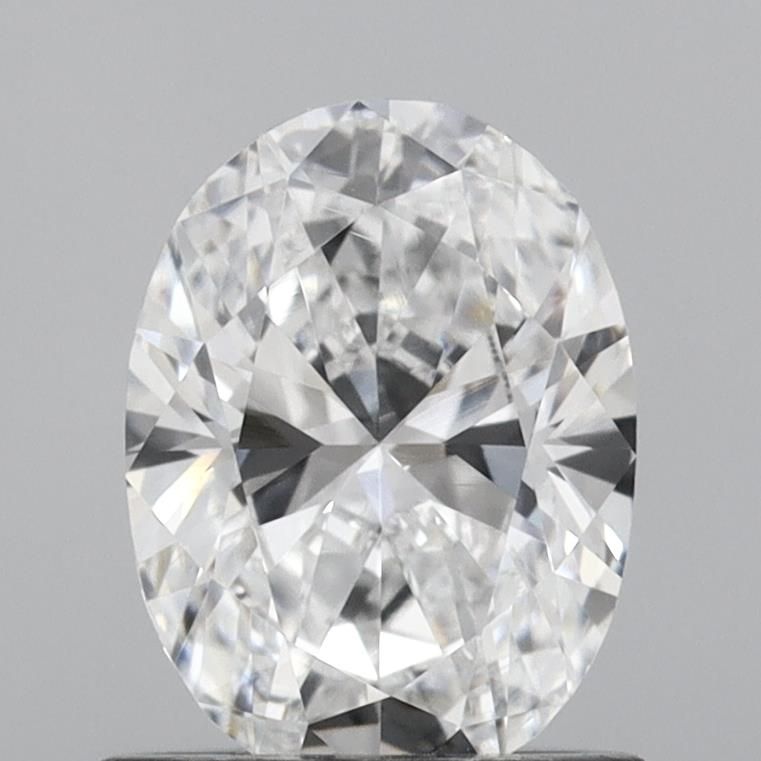
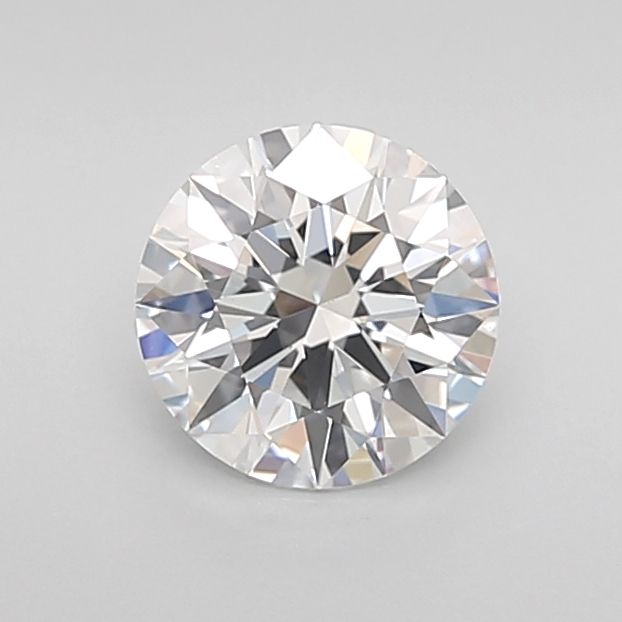
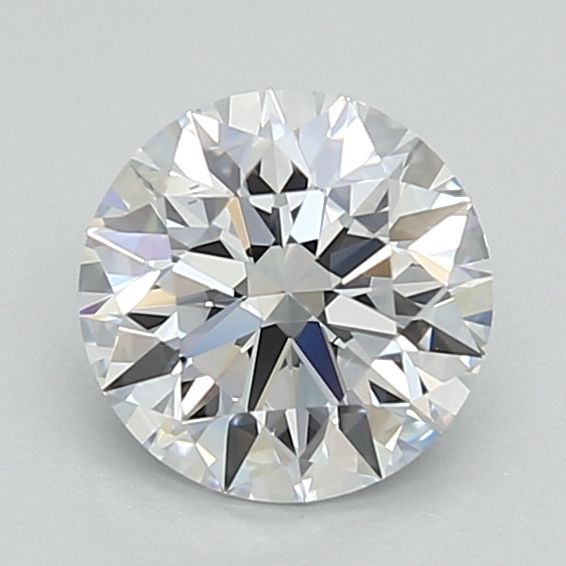
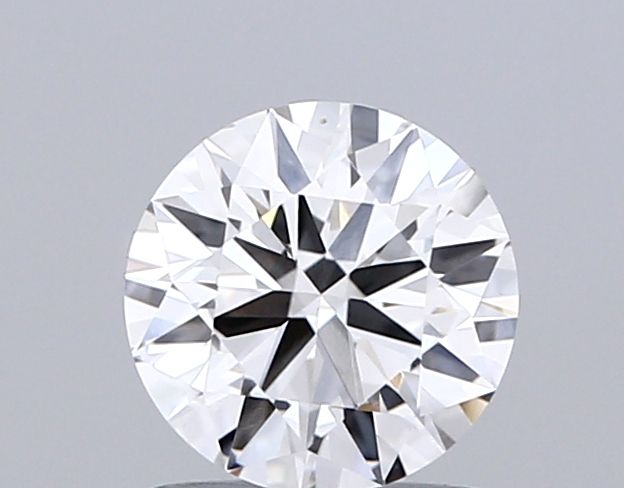
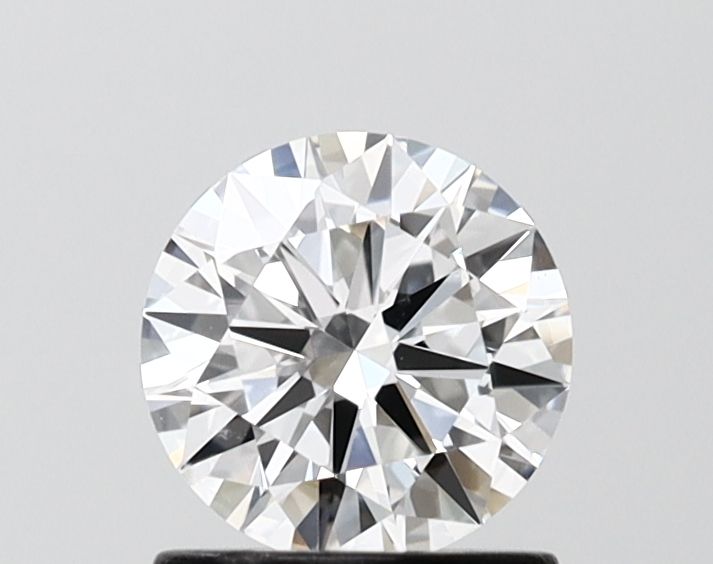
Lab-grown diamonds in every shape and size, each with an IGI or GIA report whose grades are on its page.

- Over 1.1 Million Available
- From $169
- IGI and GIA Reports
- Free Insured Delivery Over $100
Good to Know
In Brief
Choose the cut first: an Excellent cut is what makes a diamond sparkle. Then take the lowest color and clarity that still look white and clean to your eye, often G or H and VS2 or SI1, and spend what you save on size. If two stones look the same, buy the cheaper one.
How to Choose a Lab-Grown Diamond
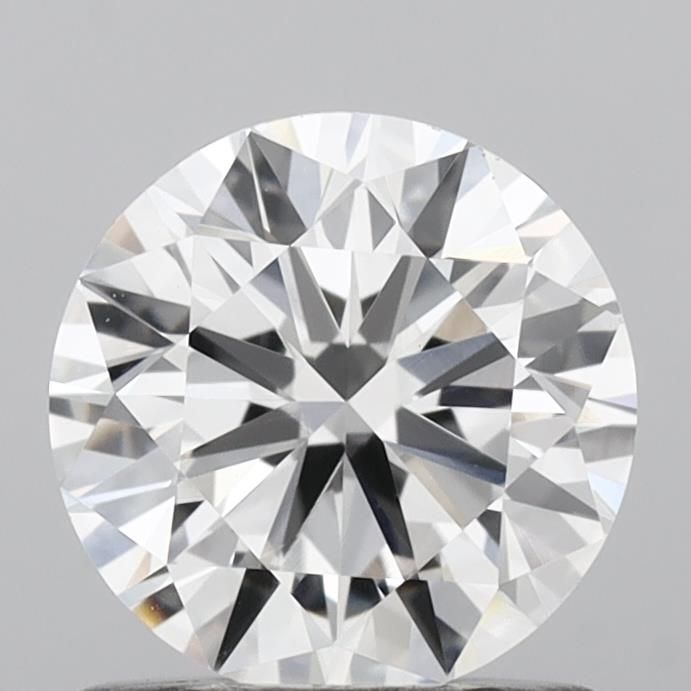
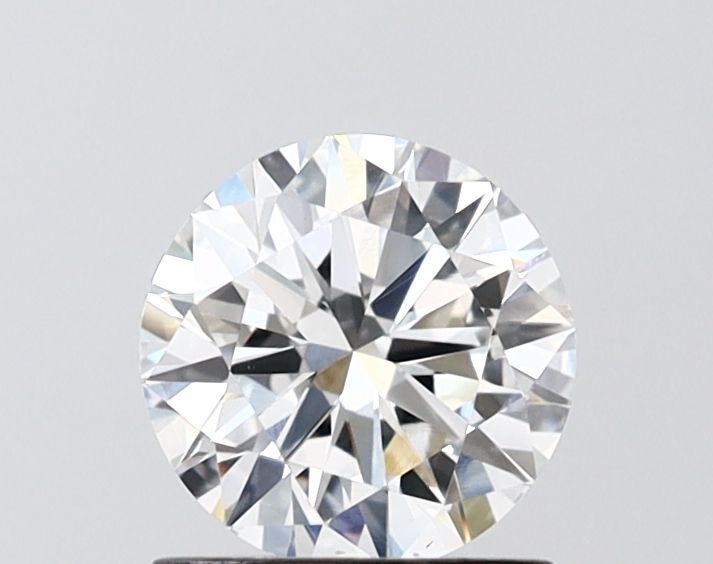
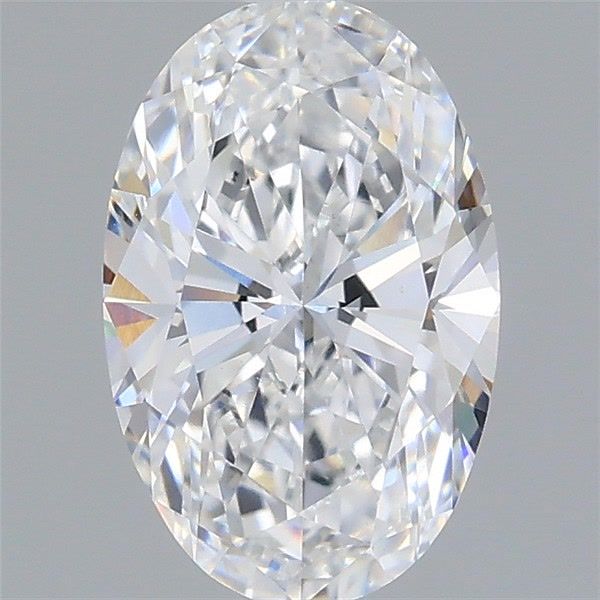
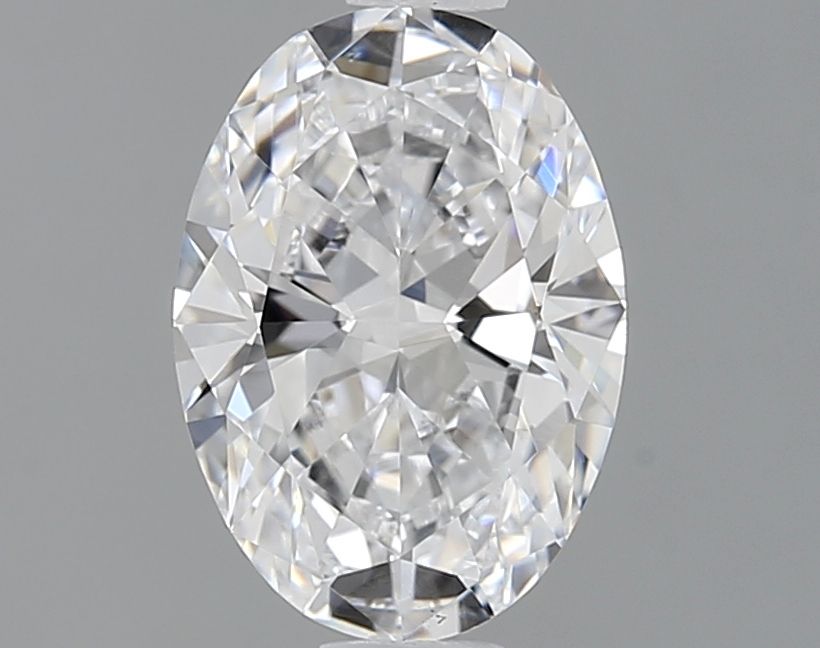
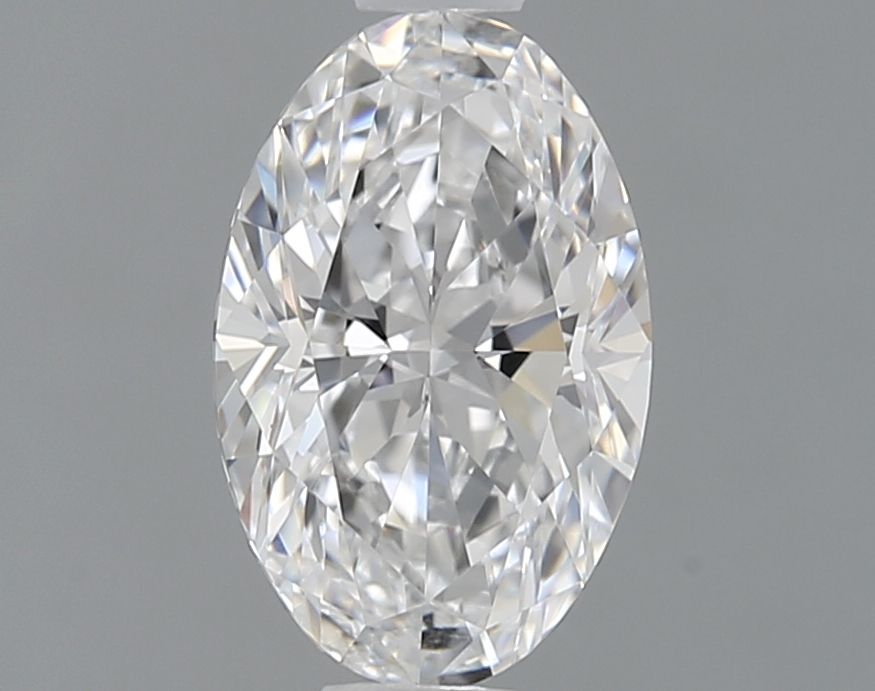
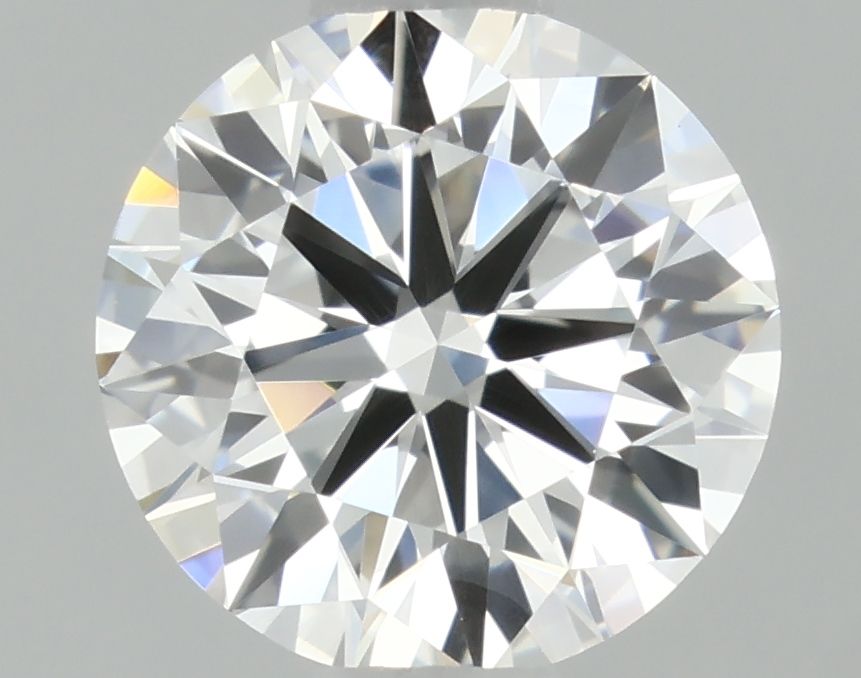
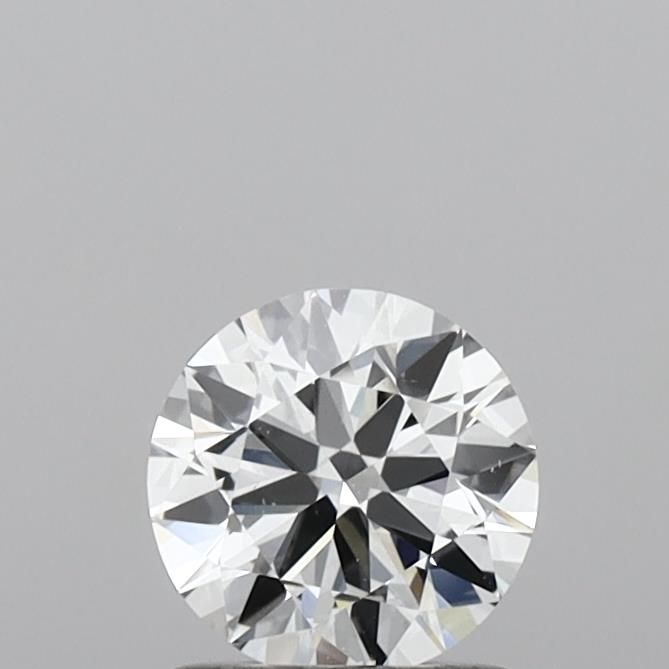
Start with cut, the grade you can see across a room. An Excellent cut returns the most light, and it matters more to how a diamond looks than its color or clarity. For an oval, pear or other fancy shape the lab usually gives no cut grade, so watch the stone's video instead.
Color and clarity mostly move the price. Set in yellow or rose gold, a G to J often looks as white as a D to F, and most VS2 and many SI1 stones show nothing to the naked eye. Paying for VVS clarity buys a grade on paper, not a difference you can see. Put the difference into carat weight, or keep it. Our guide to the grades worth paying for goes further, and what a lab-grown diamond costs explains how the price is made.
IGI and GIA Reports
Every diamond here carries a report from IGI or GIA, the two labs that grade most lab-grown diamonds. The report states that the stone is lab-grown, gives its carat weight, measurements and the lab's grades, and names the growth method where the lab records one. Some lab-grown diamonds are treated after growth to improve their color; where the lab finds that, its report says so. Read it before you buy: it describes the stone in the lab's words, not ours. CVD and HPHT, the two ways diamonds are grown, are explained in the Journal.
Lab-Grown or Natural
A lab-grown diamond is a diamond: carbon crystal with the same hardness and sparkle as one mined from the earth. What differs is where it formed and what it costs. The comparison further down this page sets the two side by side, and lab-grown vs natural diamonds compares them in full.
A New York Jeweler, Online
Love & Carat is a New York-based online jeweler, with an office at 45 Rockefeller Plaza that is not open to visitors. We sell online only, and our concierge answers by chat, email and phone. Every order is sent insured, with a signature on delivery, and we pay the import duty on orders to the US, so there is nothing more to pay when it arrives.
Prices From Our Catalog
| Carat Weight | Median Price per Carat | Stones Counted |
|---|---|---|
| 0.30-0.49 ct | $629 | 34,306 |
| 0.50-0.74 ct | $525 | 43,349 |
| 0.75-0.99 ct | $393 | 33,025 |
| 1.00-1.49 ct | $358 | 253,580 |
| 1.50-1.99 ct | $309 | 206,102 |
| 2.00-2.49 ct | $329 | 180,547 |
| 2.50-2.99 ct | $300 | 92,069 |
| 3.00-3.99 ct | $308 | 170,750 |
| 4.00-4.99 ct | $294 | 82,198 |
| 5.00 ct and up | $293 | 130,900 |
The median price per carat of the lab-grown diamonds on sale here in each band, in US dollars, as of November 2, 2026. The grid shows each stone’s own price in your currency.
Lab-Grown and Natural Diamonds Compared
| Lab-Grown | Natural | |
|---|---|---|
| What it is | Diamond: carbon crystal | Diamond: carbon crystal |
| Origin | Grown in a lab over weeks | Formed in the earth over millions of years |
| Report | IGI or GIA, naming it lab-grown | GIA or IGI |
| Typical price per carat, 1 to 1.49 carats | $358 | $4,850 |
Explore More
- 1 Carat Lab-Grown Diamonds
- 1.5 Carat Lab-Grown Diamonds
- 2 Carat Lab-Grown Diamonds
- 2.5 Carat Lab-Grown Diamonds
- 3 Carat Lab-Grown Diamonds
- 4 Carat Lab-Grown Diamonds
- 5 Carat Lab-Grown Diamonds
- Loose Diamonds
- Natural Diamonds
- Colored Diamonds
- Champagne Diamonds
- Lab-Grown Tennis Bracelets
- Tennis Bracelets
- Diamond Earrings
- Diamond Education
Questions
Does every lab-grown diamond here come with a report?
Yes. Every diamond we sell carries a report from IGI or GIA, and each stone's page shows the lab and the grades it gave, with a link to the report where the supplier provides one. The report states that the diamond is lab-grown. Read it before you buy: it is the stone's description in the lab's words, not ours.
How much is a 1 carat lab-grown diamond here?
It depends more on cut, color, clarity and shape than on the carat weight alone, so two 1 carat stones can be priced very differently. Set the grid's carat filter to 1 to 1.49 and sort it by price to see every one with its price in your currency. Our Journal guide to what a lab-grown diamond costs explains why prices vary.
Which lab-grown diamond grades are worth paying for?
Cut first, because it decides how much the stone sparkles: choose Excellent. Color and clarity mostly change the price, not the look. A G or H looks white to most eyes once set, and most VS2 and many SI1 stones look clean to the naked eye. Watch the video of any stone you like, and ask our concierge if you are unsure.
Why do some jewelers not recommend lab-grown diamonds?
Mostly because of resale. A lab-grown diamond costs less than a natural one of the same size and grades, and few buyers will pay much for one secondhand, so it is a stone to wear rather than to sell later. If you want the most diamond for your budget, that lower price is the point. If resale matters to you, look at natural diamonds.
Are lab-grown diamonds real diamonds?
Yes. A lab-grown diamond is carbon crystal with the same hardness, brilliance and chemistry as a diamond from the earth, and the Federal Trade Commission's Jewelry Guides treat it as a diamond, provided its origin is stated. Labs tell the two apart with specialist instruments, not by eye. Our Journal explains how lab-grown diamonds are made and graded.
Is a lab-grown diamond the same as moissanite?
No. Moissanite is silicon carbide, a different gem that throws more rainbow color and is a little softer than diamond. A lab-grown diamond is diamond, graded by the same independent labs as a natural one. Everything on this page is diamond, and its report says so. Our Journal compares lab-grown diamonds, moissanite and cubic zirconia.