
1.5 Carat Lab-Grown Diamonds
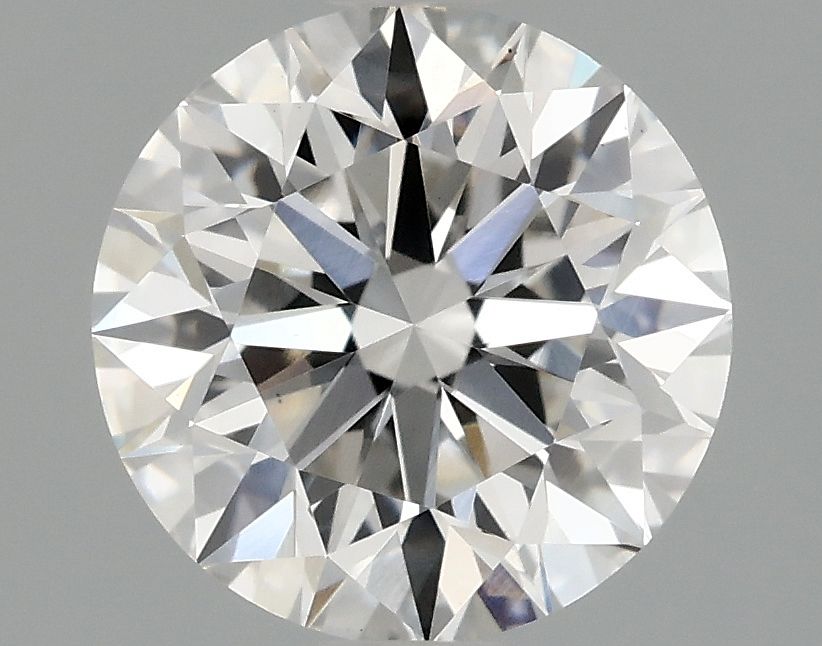
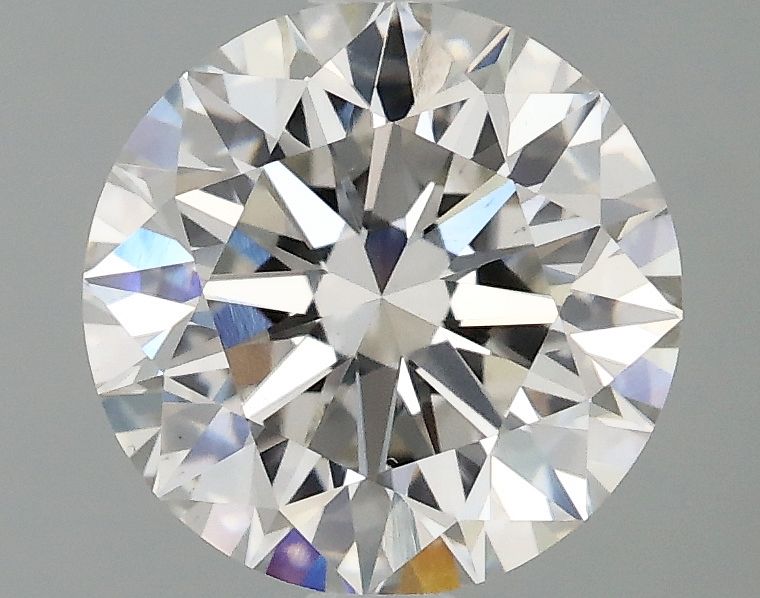
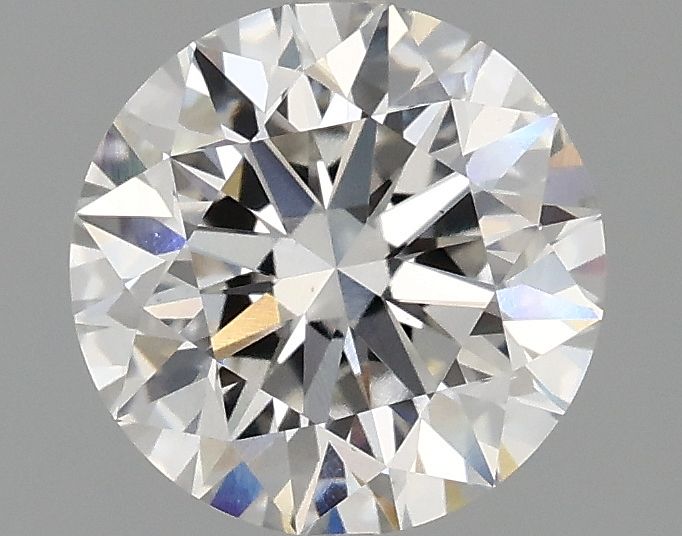
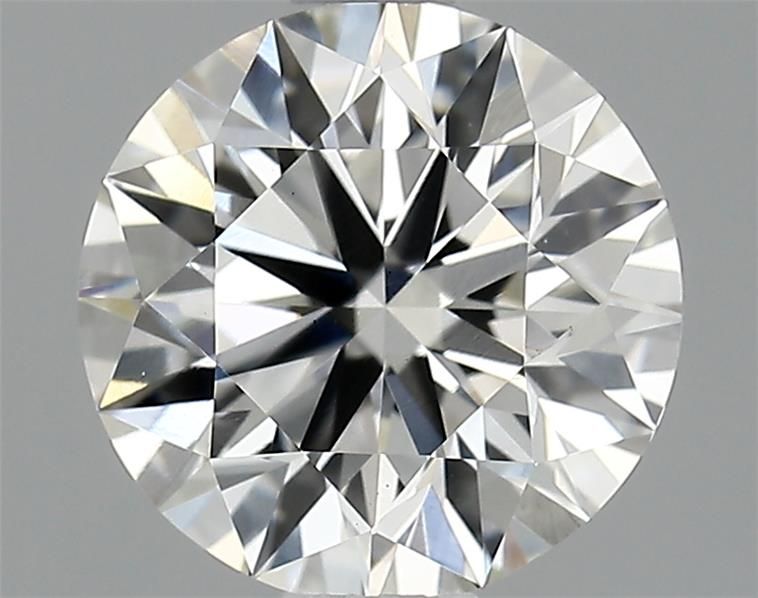
White lab-grown diamonds from 1.50 to 1.99 carats, in every shape and each graded by IGI or GIA.

- Over 170,000 Available
- From $314
- IGI and GIA Reports
- Free Insured Delivery Over $100
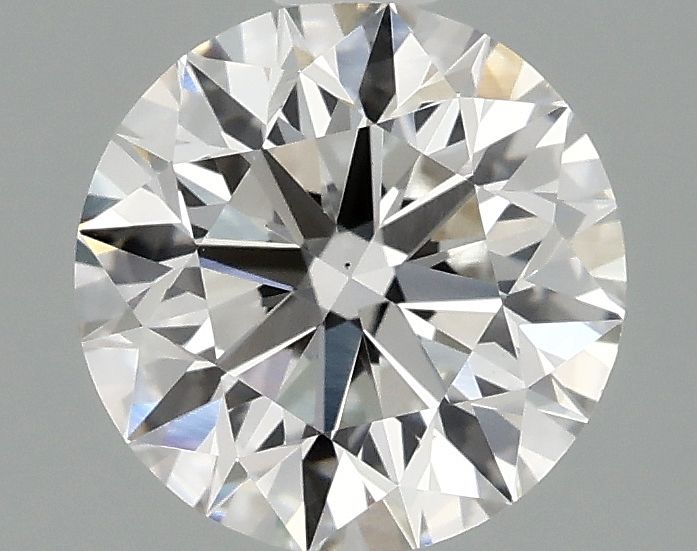
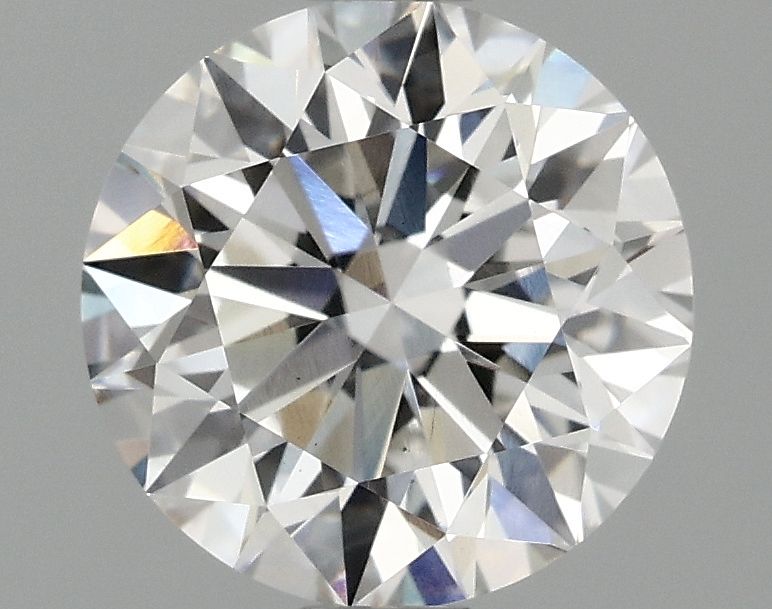
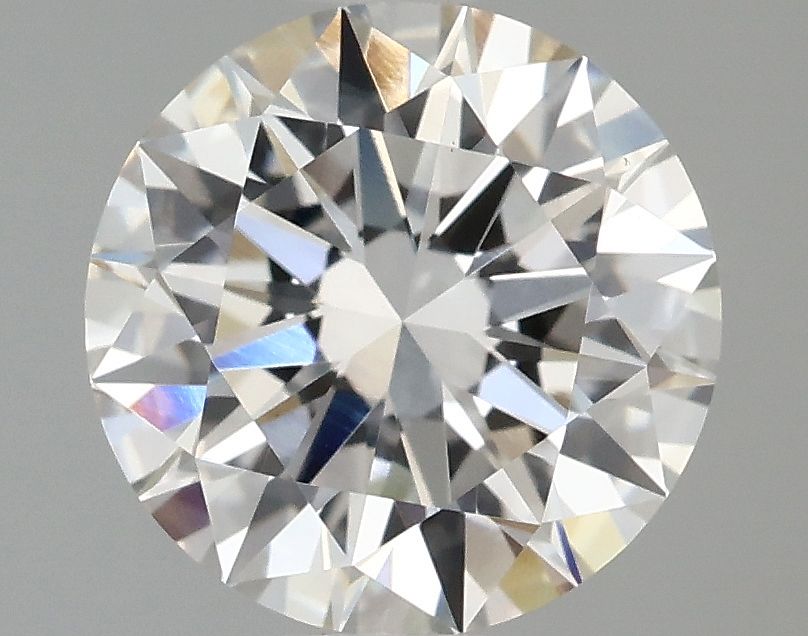
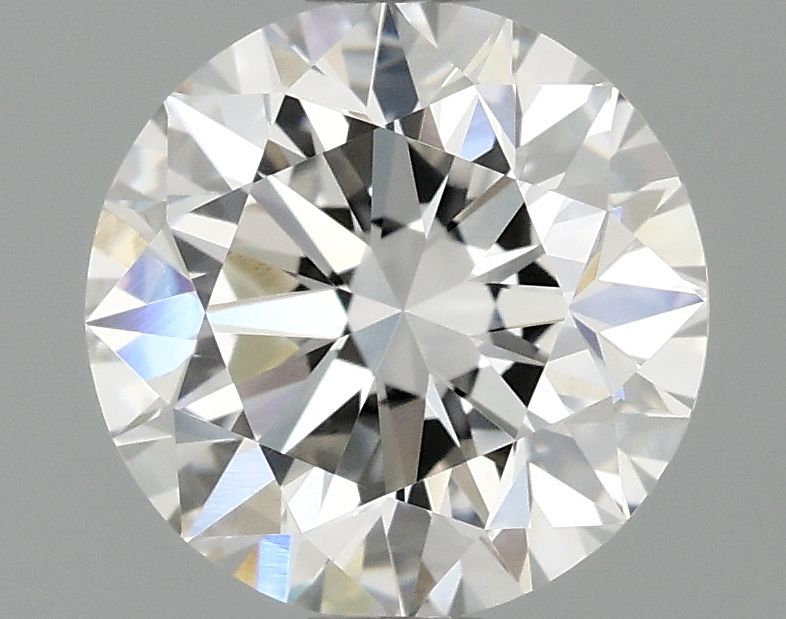
Good to Know
In Brief
Step up to 1.5 carats if you want a stone that reads clearly bigger than 1 carat: a well-cut round grows from about 6.5 to about 7.4 mm across, and its face-up area by about a third. Choose by the millimeters on the report, not the carat figure, because a deep stone carries weight you will never see. Look at 1.40 to 1.49 carats too, where prices often sit lower for nearly the same width, and when two stones measure and look alike, buy the cheaper one.
What Half a Carat More Adds
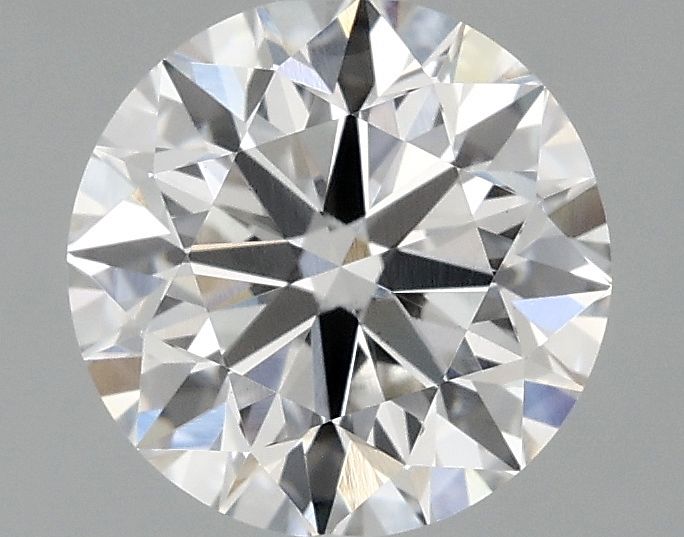
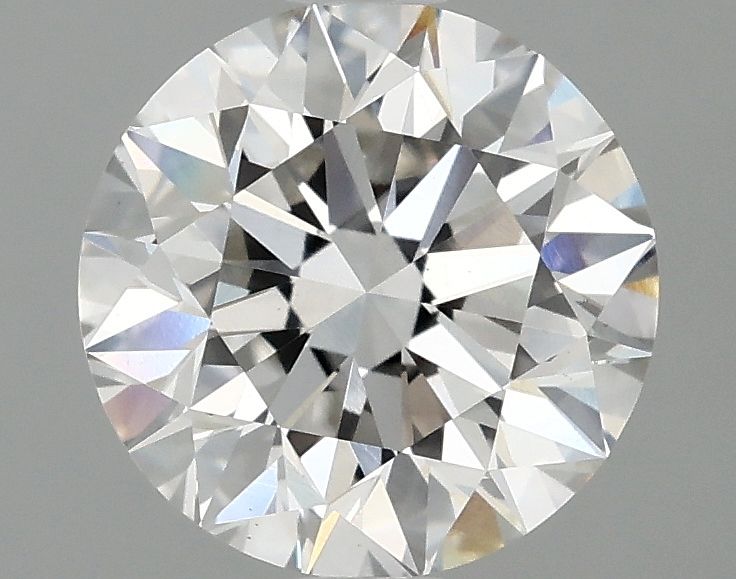
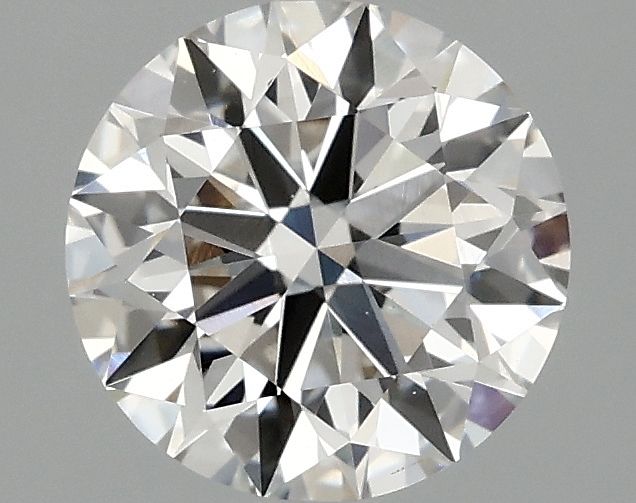
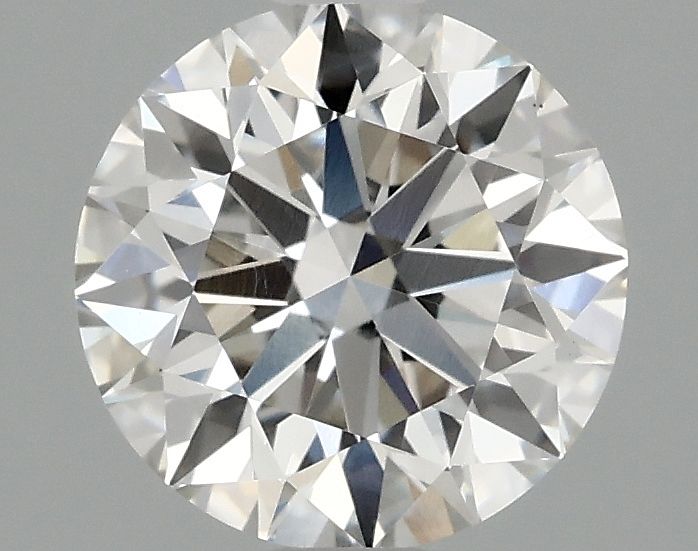
Half a carat sounds like a lot, but on a round it adds less than a millimeter of width. A well-cut 1.5 carat round measures about 7.4 mm across, against about 6.4 to 6.5 mm for a 1 carat. A diamond deepens as it widens, so its weight climbs much faster than its diameter. Its face-up area still grows by about a third, and that is what the eye notices.
Across this page's band, 1.50 to 1.99 carats, a round runs from about 7.4 to 8.1 mm, close to 2 carats at the top. Between 1 and 1.5 carats the table, the flat top facet, widens only from under 4 mm to a little over 4 mm, so the color and clarity that look white and clean at 1 carat mostly still do in a round or oval; give an emerald cut or Asscher a closer look.
Spread: Paying for Width, Not Weight
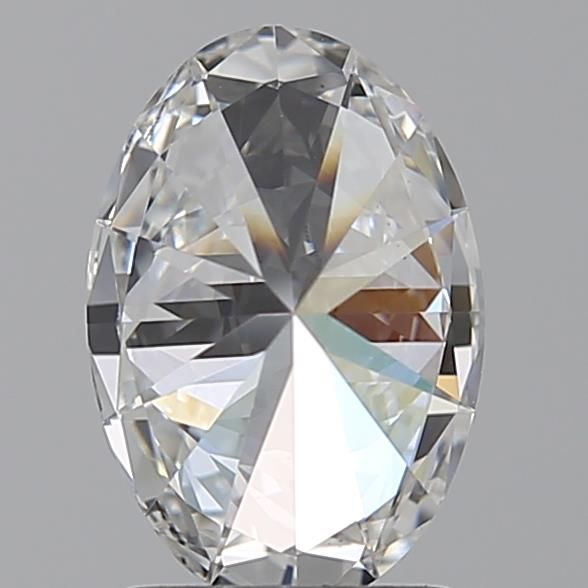
Two diamonds of the same weight can face up at different widths; the trade calls face-up width against weight spread. A stone cut too deep carries extra weight below the girdle, and one with a thick girdle carries it in the girdle itself, around its edge. Either way the weight adds nothing to the width you see, so a deep 1.55 can measure no wider than a well-cut 1.45 and cost more for the extra weight.
Read the millimeters before the carats: line up stones of similar weight by the length and width on their reports, and where both have videos and they look equally bright, take the wider one. Don't chase width alone: a stone cut too shallow leaks light and can look glassy. Our notes on table and depth percentages show the ranges that balance spread and brightness.
Where Shape Beats Half a Carat
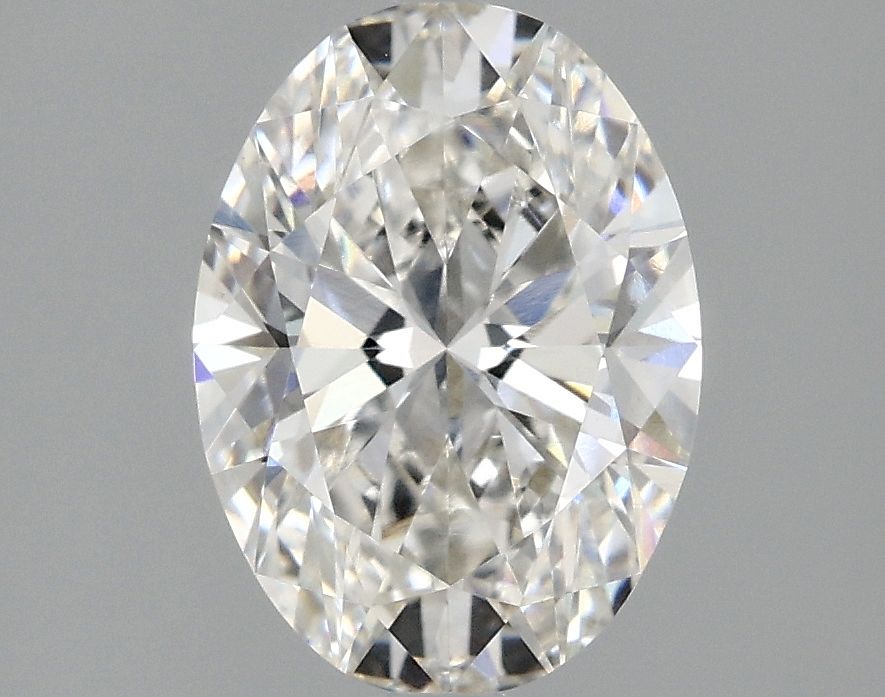
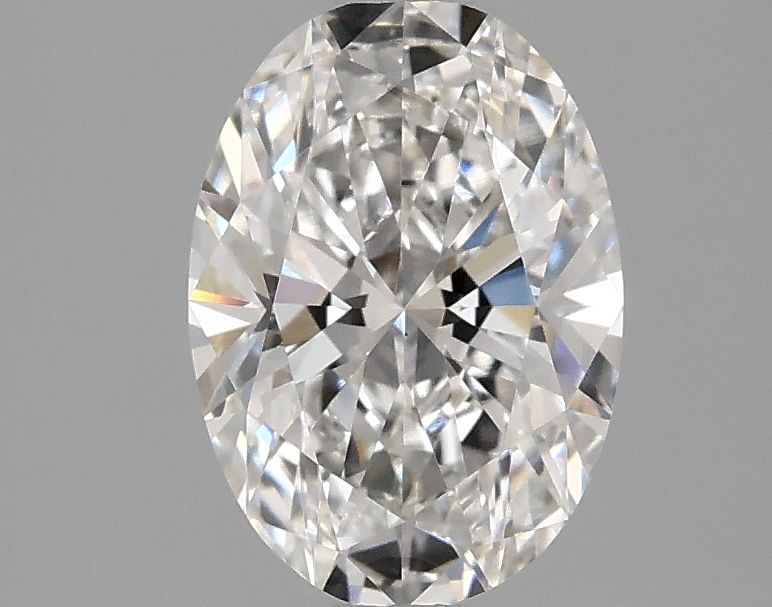
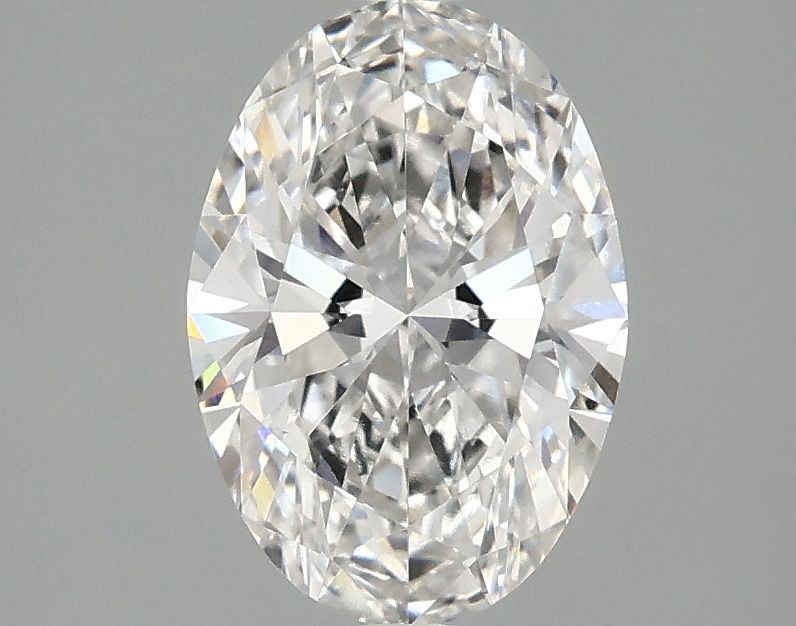
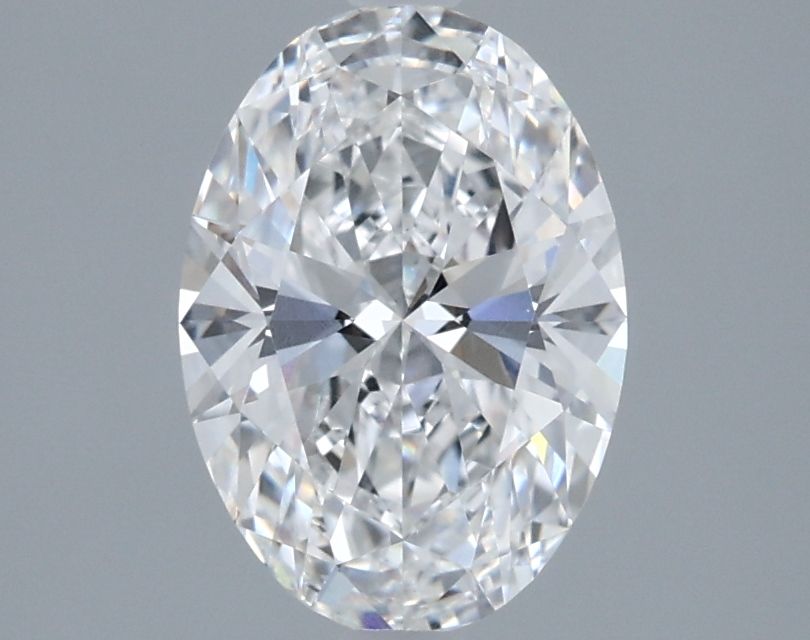
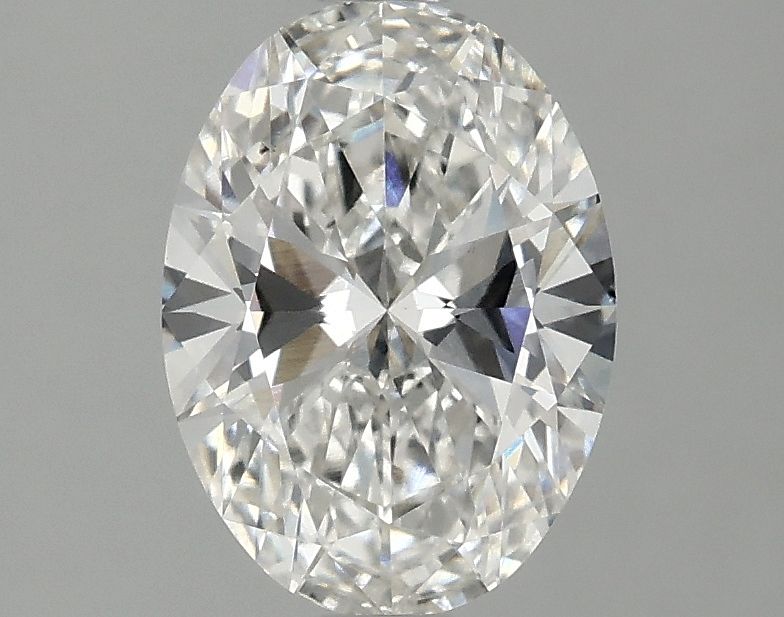
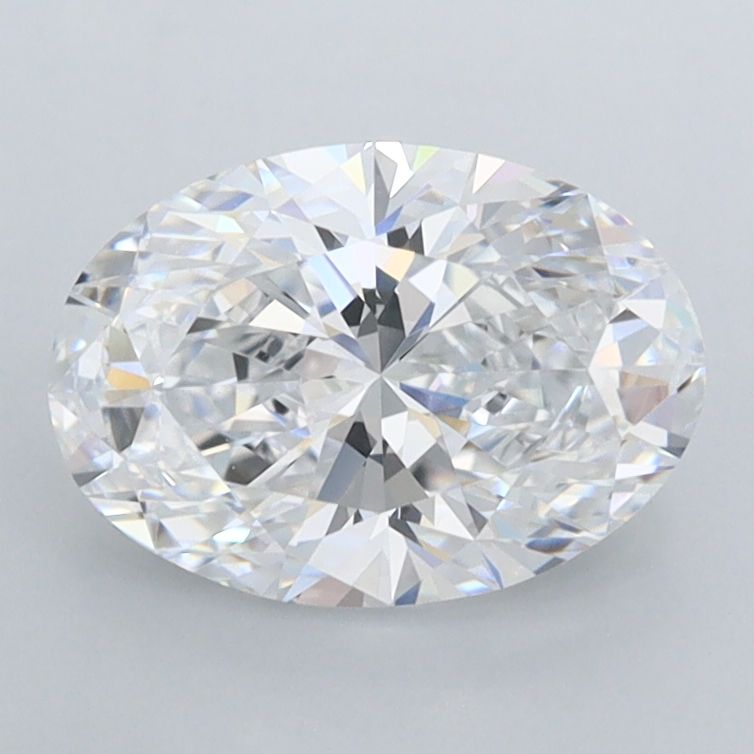
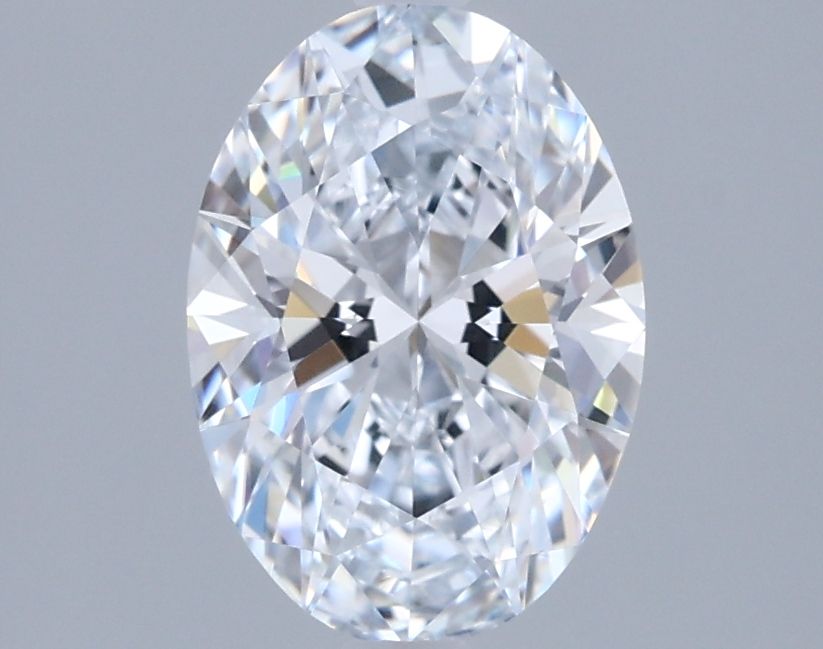
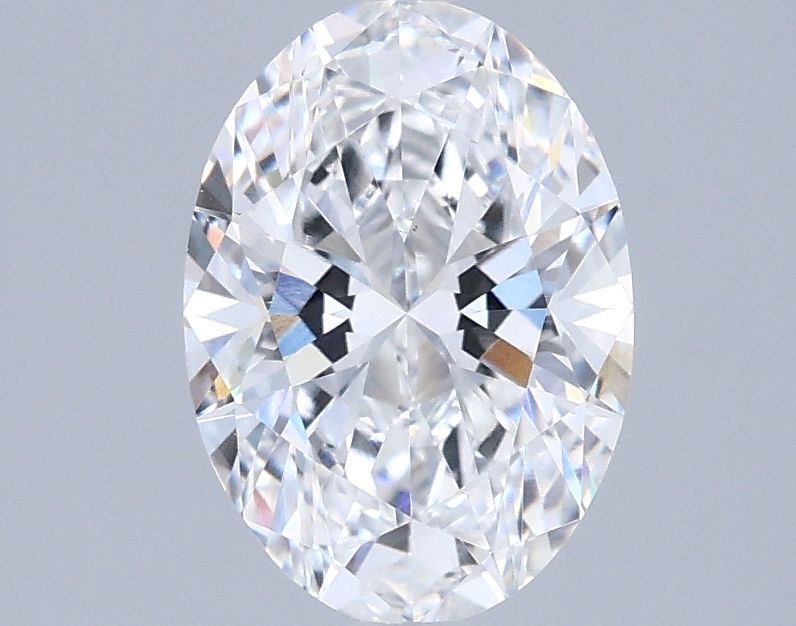
Shape changes the size you see more than half a carat does. At 1.5 carats an oval measures about 9 by 6.5 mm, a pear about 9.5 to 10 by 6.5 mm and a marquise about 11.5 to 12 by 6 mm. Each is longer than a 2 carat round is wide, about 8 mm, so set lengthwise on the finger each looks bigger than its weight suggests, and usually costs less per carat than a round.
Square outlines do the opposite. A cushion of 1.5 carats is about 6.5 mm a side, and a princess or Asscher a little less, about 6.2 to 6.3 mm, so they cover about the round's area or a little less and look compact. An emerald cut, about 7.5 by 5.5 mm, covers a similar area, but its length draws the eye along the finger. How long an elongated stone looks depends on its proportions, which our length-to-width ratio guide explains.
The 1.40s and the 1.5 Step
Prices often step up at 1.50 carats, one of the weights the trade calls magic sizes, because buyers ask for the number. A well-cut 1.45 carat round measures about 7.3 mm, a tenth of a millimeter short of a 1.50, which no one sees once it is set. Stones of 1.40 to 1.49 carats are on our 1 Carat page, the first place to look.
With lab-grown diamonds the step is not always there, so compare rather than assume: if a 1.50 costs no more in total than a 1.46 with the same grades, take the 1.50. At the top of this band, a 1.90 to 1.99 carat stone sits just below the 2 carat step, less than 0.2 mm narrower than a 2 carat round. When enough stones are listed, the dated price table here gives the median price per carat for this band.
Matching 1.5 Carats to Your Hand
A US size 6 finger is about 16.5 mm across, and a 1.5 carat round, at about 7.4 mm, covers a little less than half of it. The same stone covers about half of a size 4 finger and about two fifths of a size 8, so it reads larger on a slim hand and more modest on a broad one.
Your ring size alters how big the stone looks about as much as the extra half carat does, so judge the stone's millimeters against your own finger, not photographs of someone else's hand. A thin band makes the center look bigger and a wide one smaller.
Prices From Our Catalog
| Carat Weight | Median Price per Carat | Stones Counted |
|---|---|---|
| 1.50-1.99 ct | $305 | 186,392 |
The median price per carat of the 1.5 carat lab-grown diamonds on sale here in each band, in US dollars, as of November 2, 2026. The grid shows each stone’s own price in your currency.
Just Under, At and Above 1.5 Carats
| 1.40 to 1.49 | 1.50 to 1.59 | 1.90 to 1.99 | |
|---|---|---|---|
| Round diameter, well cut | About 7.2 to 7.4 mm | About 7.3 to 7.5 mm | About 8.0 to 8.1 mm |
| Next to a 1 carat round | About 0.8 to 0.9 mm wider | About 0.9 to 1.1 mm wider | About 1.5 to 1.7 mm wider |
| Where the price steps | Just under the 1.50 step, often less per carat | Just over the 1.50 step | Just under the 2 carat step, often less per carat |
| Which page lists it | 1 Carat Lab-Grown Diamonds | This page | This page |
Questions
How are 1.5 carat lab-grown diamonds priced here?
Each diamond is priced on its own shape, grades and measurements, so two 1.5 carat stones can sit far apart. The dated table on this page, when shown, gives the median price per carat for 1.50 to 1.99 carats from our catalog, and each stone's page shows its price in your currency. Set your shape, color and clarity in the filters and sort by price to see the range for the stone you want.
Is a 1.5 carat diamond a good size for an engagement ring?
For many people, yes. As a round of about 7.4 mm it reads clearly larger than a 1 carat center without covering the finger, and an elongated shape of the same weight looks larger again. Whether it suits you depends on your hand and the setting, so compare the millimeters on each stone's page with the ring you have in mind.
Should I buy 1.45 carats instead of 1.50?
Often, yes. A well-cut 1.45 measures about 7.3 mm across, close enough to a 1.50 that no one can tell them apart once set, and stones just under 1.50 are often priced lower per carat. Compare the two at the same grades: if the 1.50 costs no more in total, take it; if it does, the extra buys a number on the report, not width you can see.
Should I choose a 1.5 carat round or oval?
Choose by the look you want. A round of about 7.4 mm returns the most light, and the lab judges its cut, which the report reflects. An oval of the same weight, roughly 9 by 6.5 mm, looks larger and longer on the finger and often costs less per carat, but the lab usually gives it no cut grade, so judge it in its video where it has one and pass on a dark bow-tie across the middle.
What makes a 1.5 carat ring look overdone?
Rarely the size itself: on most hands a 1.5 carat center reads as a confident stone rather than an oversized one. What tips a ring toward showy is everything piled around it, such as a large halo, a pavé band and tall prongs together. A dull or glassy stone, cut too deep or too shallow, also looks cheaper than a smaller bright one, so put cut before carats and keep the setting simple.
Which color and clarity are enough at 1.5 carats?
On an IGI report, a G or H that is eye-clean at VS2 or SI1 usually looks like the top grades in a set round or oval, as at 1 carat. An emerald cut or Asscher shows tint and inclusions sooner, so pick one clean in its video, often VS1 or VS2. GIA no longer grades lab-grown diamonds this way; it describes them as Premium or Standard instead, so read the terms on each stone's report.