
Engagement Ring Insurance in New York: How to Cover Your Ring
Your renters or homeowners policy may not fully cover a new ring. Here's how New Yorkers schedule it or buy a jewelry policy, and what to have ready.
Written by Love & Carat, with AI assistance, from the sources listed below. How we write
In This Guide (8)
- Does your renters or homeowners policy already cover the ring?
- Scheduling the ring or buying a standalone jewelry policy
- What insurers ask for: receipt, grading report and appraisal
- What it costs, and why a sensible stone is cheaper to insure
- Insure it from the day it arrives
- How the Department of Financial Services can help
- Questions
- Sources
If you're insuring an engagement ring in New York, check the jewelry limits and exclusions in your renters or homeowners policy before deciding whether to add coverage. You can schedule the ring on the policy you already have or buy a standalone jewelry policy. Ask your insurer which documents it needs, including whether it wants a receipt, grading report or independent appraisal, and arrange for coverage to start by the time you receive the ring.
Does your renters or homeowners policy already cover the ring?
Not necessarily in full; if you don't have renters insurance, your landlord's policy generally won't protect your belongings. New York's Department of Financial Services is blunt about a common mistake: many uninsured renters assume the building's policy protects their things.
A landlord does not provide insurance for a tenants personal property.
The Department's renters insurance guide explains that a building owner's policy generally does not protect a renter's belongings; a renters policy can cover personal property, including jewelry, subject to limits and exclusions. If you rent in New York and have no renters policy, check how you would protect your belongings.
If you do have a renters policy, the same guide lists jewelry among belongings it may pay to replace after a covered loss, but marks it "(limited)". Cover is also tied to named causes, such as fire, smoke, theft, vandalism, falling objects and water from a burst pipe or sprinkler. The Department notes that renters cover often follows your belongings away from home.
The limit is the problem. CNBC Select reports that valuables cover on these policies is typically $1,500 to $2,000. Ask whether your policy covers accidental damage or unexplained loss; the Department lists several covered causes for renters insurance, but the details and exclusions depend on the policy.
For cost, the Department says a basic renters policy runs about $300 a year for around $50,000 worth of property protection. That is the Department's example, not a current quote for your own policy. If you have no policy yet, compare current quotes and coverage terms.
Scheduling the ring or buying a standalone jewelry policy
There are two usual ways to insure an engagement ring in NY.
Scheduling it on your home policy. The Department's guide lists high-value items as coverage you may be able to add. It calls this "a good idea if you own jewelry, artwork, antiques, collectibles or firearms with a total value that exceeds your policy's maximum pay out for such items". CNBC Select describes this as a rider, a practice known as "scheduling".
A standalone jewelry policy. CNBC Select suggests this if the ring is worth more than your scheduled personal property limit, or if you have no home policy at all. CNBC Select reports that standalone plans can offer higher limits and coverage for losses a home policy may exclude, such as floods, earthquakes or unexplained disappearance; check the policy's actual terms. Some also cover maintenance, such as tightening a stone or repairing a bent setting.
One more setting matters with either route. The Department's guide describes replacement value coverage, which reimburses the full cost of replacing an item "rather than the depreciated cash value". For a ring, you want to know which of the two your policy pays before you sign.
CNBC Select suggests asking a few more questions before you commit:
- What is and isn't covered?
- Do I choose where the ring is replaced or repaired?
- Is the ring covered outside the U.S.?
- Does the policy cover repairs and preventive maintenance?
- Does the coverage amount adjust for inflation?
Coverage outside the U.S. matters if you take the ring abroad.
What insurers ask for: receipt, grading report and appraisal
Ask what your insurer requires; these documents may be useful:
- The receipt. It shows what you paid and when.
- The grading report. Every diamond we sell comes with a GIA or IGI grading report. It describes the diamond's characteristics; check the report for any inscription details. Our certificate guide explains what's on one, and where GIA and IGI reports come from covers the laboratories themselves. CNBC Select reports that some insurers offer lower rates when you have a gemstone grading report. Ask whether your insurer wants a copy.
- An appraisal. CNBC Select reports that most jewelry insurers won't issue a policy without one, meaning a detailed assessment of the ring's weight, materials and markings.
A grading report is not an appraisal. It describes the stone, but it doesn't put a value on the ring.
We don't appraise or value stones ourselves. Ask your insurer whether it needs an independent appraisal. CNBC Select suggests finding appraisers through the National Association of Jewelry Appraisers or the American Gem Society. It reports that fees generally run between $50 and $200, with a wait of up to a week. The same article suggests having the ring reappraised every three to five years so the insured amount keeps up.
The Department's guide adds a habit worth keeping: before you buy a policy, make an inventory with photos or a video of valuables like jewelry. For a ring, that means clear photos of it on and off the hand, and a photo of the report. Keep them somewhere other than the drawer the ring lives in.
What it costs, and why a sensible stone is cheaper to insure
CNBC Select reports that premiums for jewelry insurance run about 1% to 2% of the ring's value each year. The figure it cites comes from a jewelry insurer. The same article says that choosing a deductible lowers the premium. It also lists discounts some insurers give for paying annually, insuring several items or having a home alarm. The Department's guide likewise encourages you to ask your insurer or broker what discounts you qualify for.
Choosing a less expensive stone may lower the amount you need to insure and, depending on the policy, your premium; compare quotes. One thing to say plainly: a diamond is not an investment, and insurance doesn't change that. The policy exists so you can replace a ring you love, not to protect a financial asset. Nobody can promise what a ring would fetch if you sold it.
That's where our usual advice comes in. We'd put the money into the cut, because that is what makes a stone bright. Beyond that, choose a stone that is eye-clean rather than chasing the top clarity grades, and a color that looks white in its setting rather than paying for the highest letter. A certified lab-grown diamond usually costs less than a comparable natural one and looks the same to the eye. If that choice reduces the amount insured, it may lower the premium; compare actual policy quotes. Never save by choosing an uncertified stone: without a report, you have much less to show an appraiser or an insurer.
Stones That Fit This Guide
View all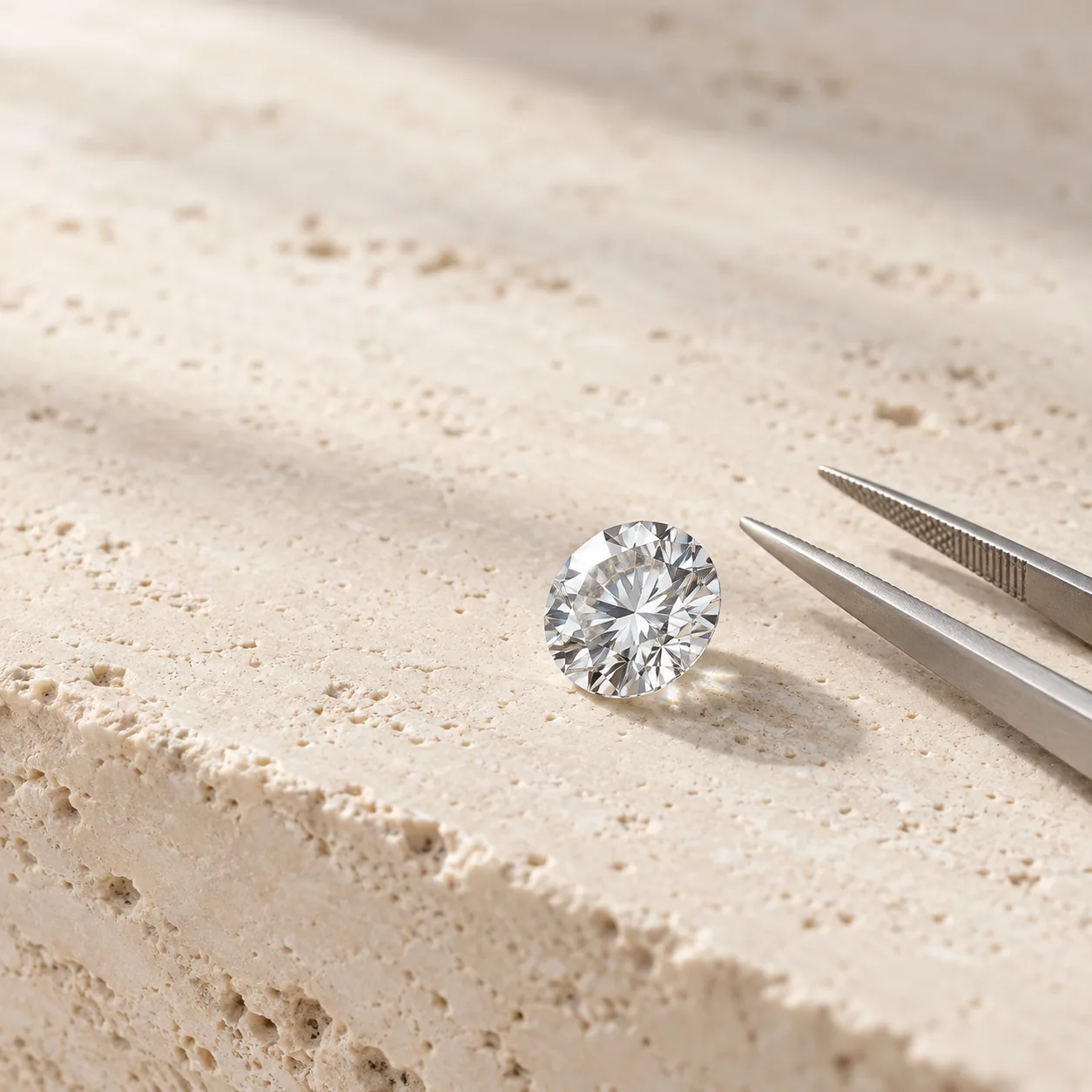
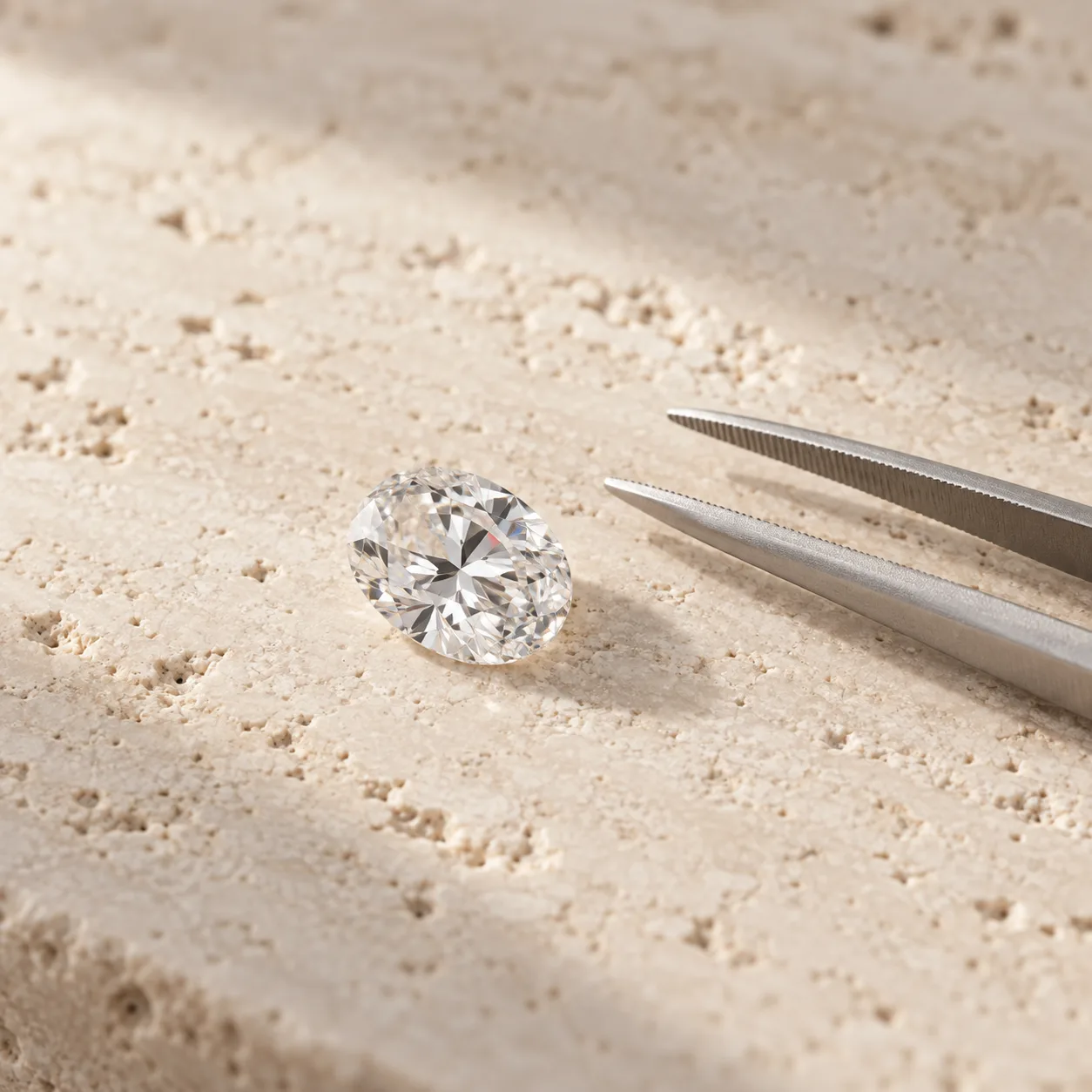
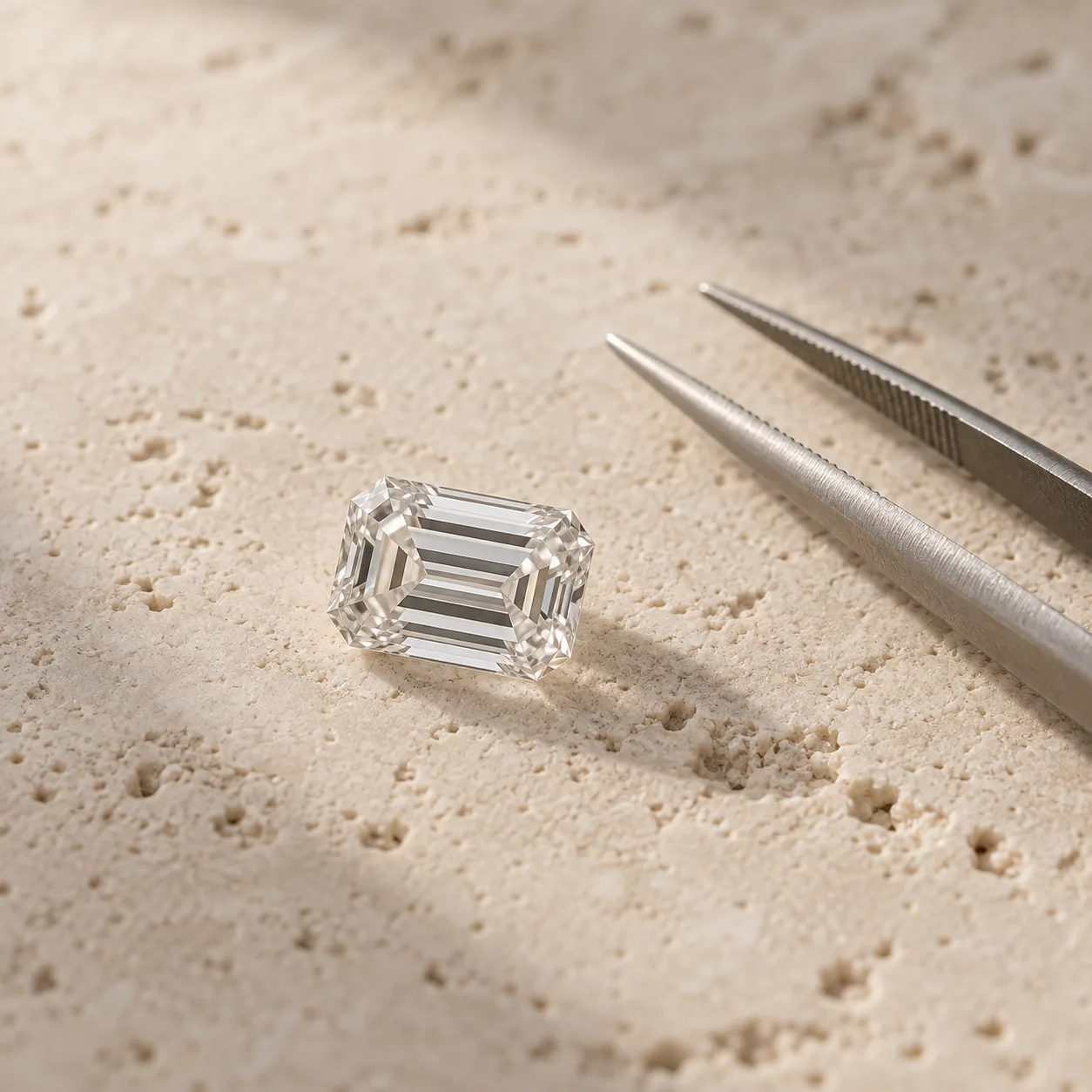
If you're still choosing, our center stones for engagement rings are a good place to compare shapes and sizes side by side.
Insure it from the day it arrives
Don't wait until after the proposal to check insurance options. The ring may be stored, carried to a proposal or worn before resizing; ask when coverage begins and what losses it includes.
Our orders ship insured and signed for; check our shipping details and ask the insurer when your own cover can begin. Before delivery, confirm when your own policy or rider begins so there is no unintended gap.
A proposal adds one wrinkle: the person insuring the ring may not be the person who will wear it. Tell your agent or broker who will wear it and where it will be kept. Ask whether cover follows the ring when it moves to a partner's home or leaves the country.
How the Department of Financial Services can help
New York regulates insurers through the Department of Financial Services, and its guidance is worth reading before you buy. The Department says New Yorkers have a competitive insurance market with a wide variety of options. It advises comparing offers from more than one agent or broker, asking friends and relatives about their experiences, and reviewing policies periodically to make sure the cover is still adequate.
That advice applies to rings too. Review your cover when you add a wedding band, when a ring is reset, or when you reappraise.
If you have a dispute with an insurer, agent or broker that you can't resolve directly, the Department's guide says its website explains how to file a complaint with the Department. The guide also notes that it's general information, not legal advice. For what applies to your own policy or claim, go to the Department's site or speak to an attorney.
Check your policy's jewelry limits, ask which documents your insurer needs - including whether it requires an independent appraisal - and confirm when your own coverage starts.
Questions
How much does engagement ring insurance cost?
CNBC Select reports jewelry premiums of about 1% to 2% of the ring's value annually, citing an insurer. Your actual price depends on the policy, deductible and any discounts, so compare quotes.
Is it worth getting insurance on an engagement ring?
Consider insurance if replacing the ring yourself would be difficult. Compare your policy's jewelry limits and exclusions with the cover you want; a policy may help pay for a covered replacement, subject to its terms.
Does homeowners insurance cover engagement rings?
A homeowners policy may cover jewelry, but limits and exclusions vary. CNBC Select reports that valuables limits are typically $1,500 to $2,000; ask your insurer about your ring's limit and whether accidental damage or unexplained loss is covered.
What is the 3 month rule for rings?
You don't need to follow a three-month spending target. Spend what you're comfortable with and prioritize cut. A certified lab-grown diamond usually costs less than a comparable natural one; if it also lowers the amount insured, your premium may be lower. Compare quotes.
Sources
Nothing on this page is an appraisal or financial advice. Markdown version · RSS